@NASAhistory@SpaceHolgar That was really important #spacehistory worth to be celebrated!
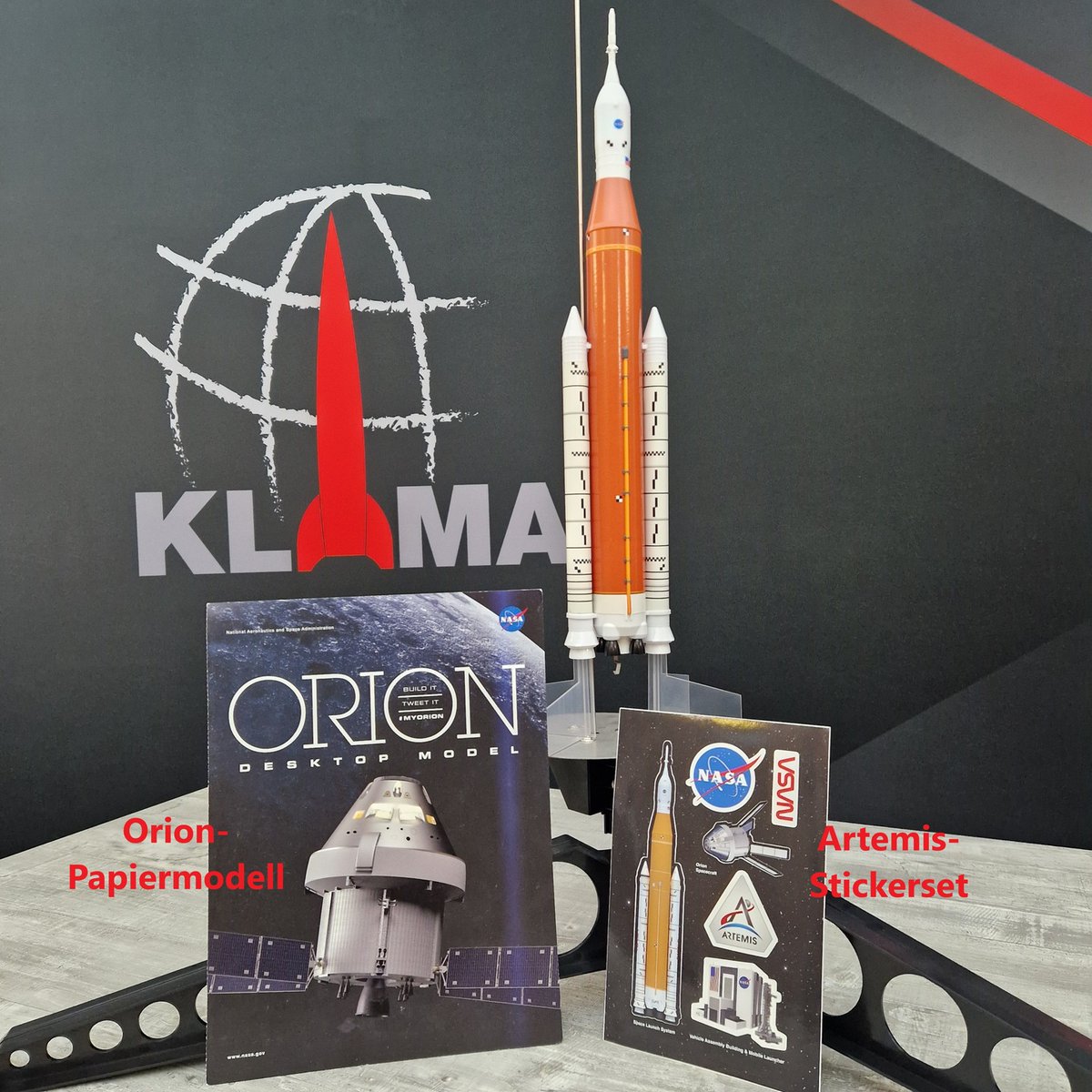
In case that you like to celebrate this anniversary with a great #MercuryRedstone model for your desktop or for launching the #modelrocket please have a look here: https://t.co/kPls1xJt4Q
@NASAhistory@SpaceHolgar That was really important #spacehistory worth to be celebrated!
In case that you like to celebrate this anniversary with a great #MercuryRedstone model for your desktop or for launching the #modelrocket please have a look here: https://t.co/kPls1xJt4Q
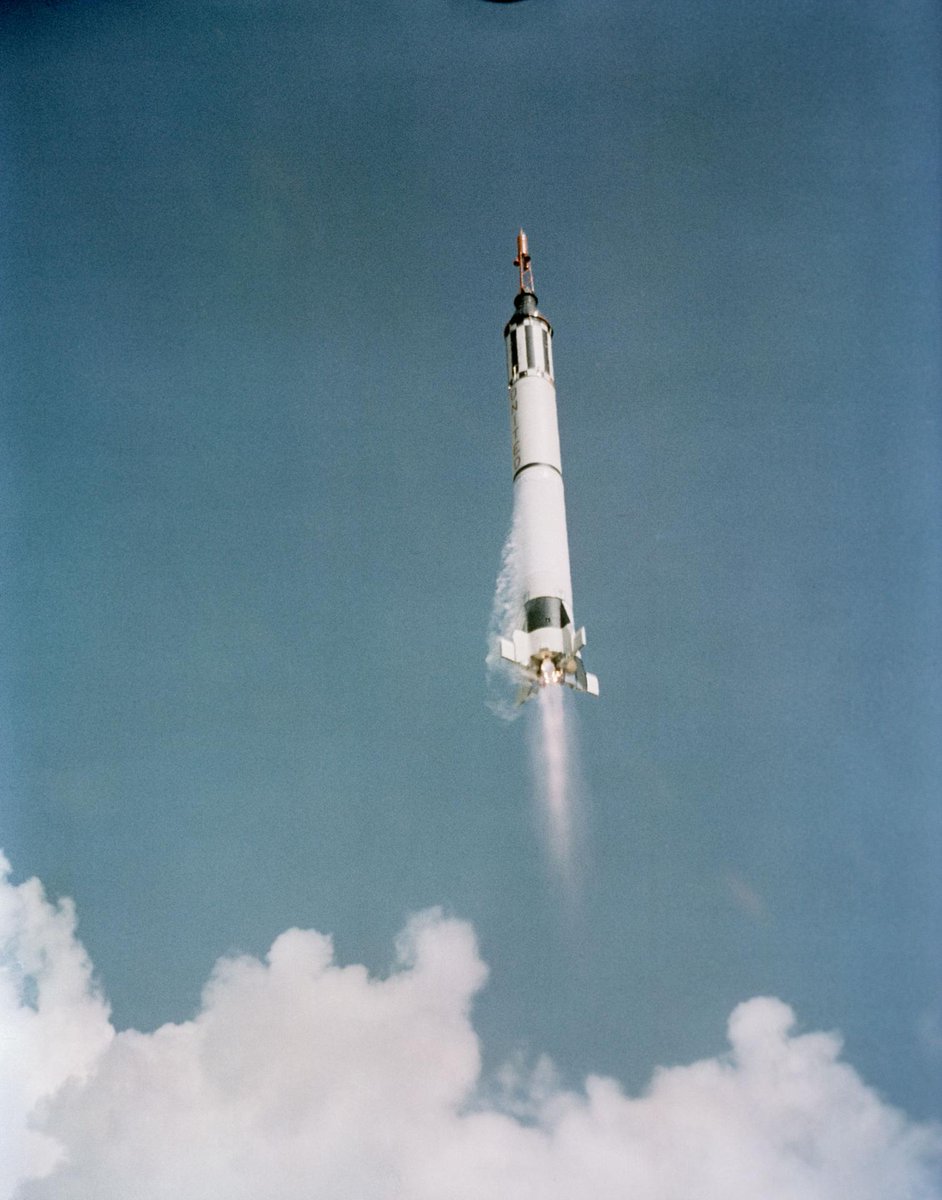
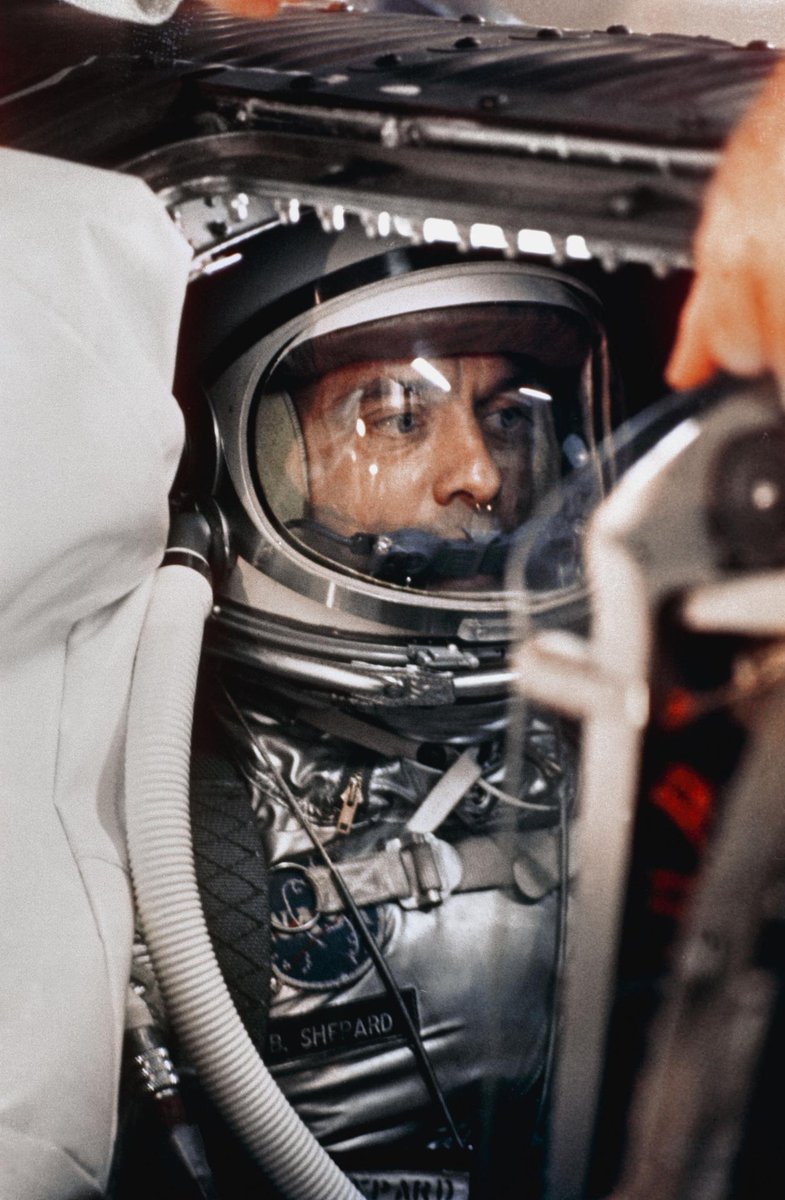
May 5, 1961: Freedom 7 soars into space with NASA astronaut Alan Shepard aboard—the United States’ first human spaceflight.
65 years later, this same pioneering spirit fuels the Artemis missions working to establish a long-term lunar presence.
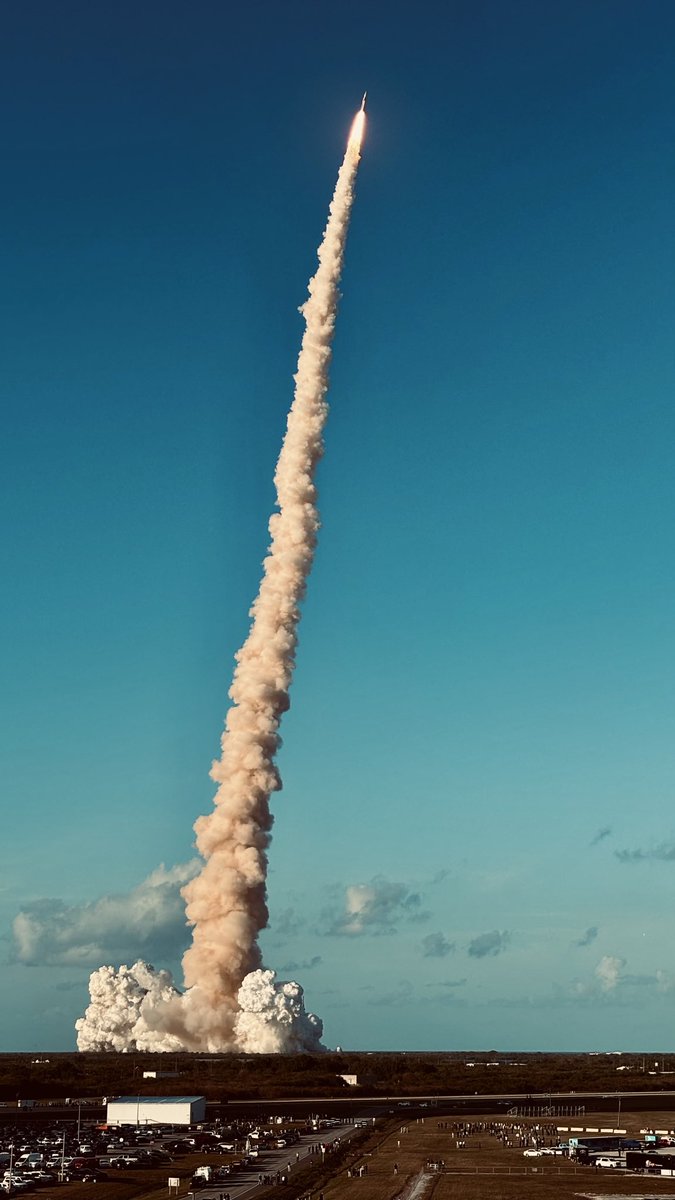
The core stage for the Artemis III rocket has arrived at @NASAKennedy.
Watch teams offload this crucial piece of hardware for the mission that will test rendezvous and docking necessary for future crewed landings on the lunar surface: https://t.co/S3HNC8r7D0
That feeling when your package finally shows up. 📦🚀
After a 900-mile trip from Michoud Assembly Facility in New Orleans, @NASA's Pegasus barge has arrived at Kennedy with the @NASAArtemis III SLS (Space Launch System) core stage aboard.
Tomorrow, teams begin offloading and moving the 212-ft core stage into the Vehicle Assembly Building.
https://t.co/XhFx7mAAy6
Artemis II just took humankind farther than ever before. 🚀
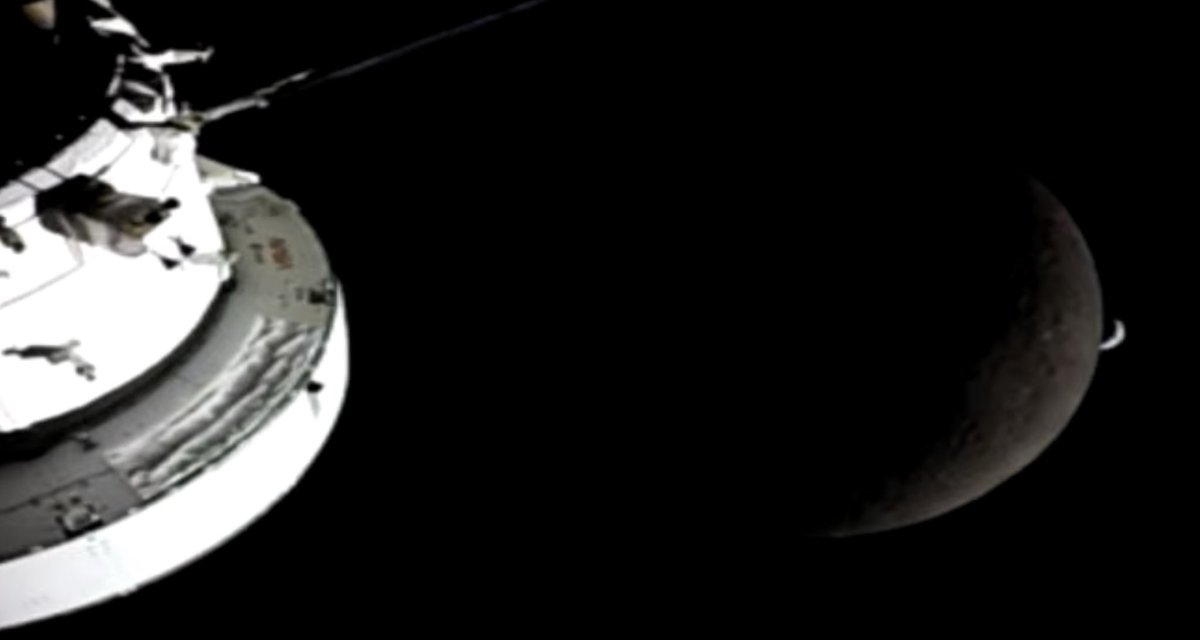
Our European Service Module sent Orion around the Moon and safely back home, providing power, propulsion and life support for the crew.
Relive the mission with our highlights video.👇
@AirbusSpace Fantastic stuff! Congrats to this success made possible by your Orion powerhouse ESM!
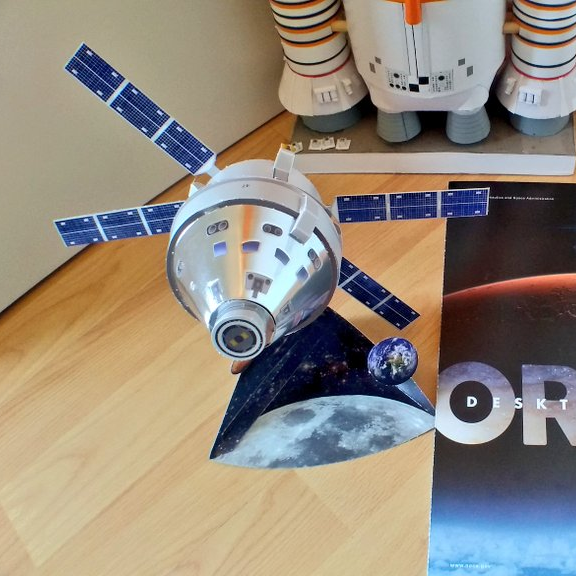
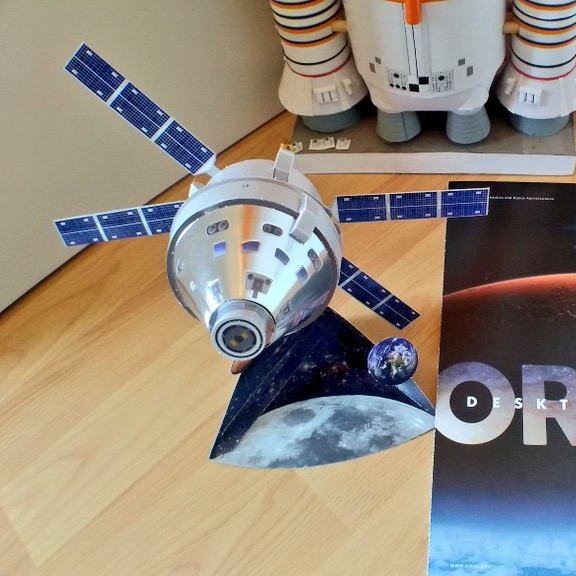
We are celebration the historic #ArtemisII mission with our #ArtemisWeeks with great offers for #SLS models - and on request NASA #Orion paper models & Artemis stickers: https://t.co/2c2TrtxFPp
“You can see the surface of the Moon…we just went sci-fi.”
On flight day seven, images from our @NASAArtemis II crew amazed, turning science fiction to reality. From the lunar far side to a solar eclipse from the Moon, the views are EVERYTHING. No pressure to pick a favorite.
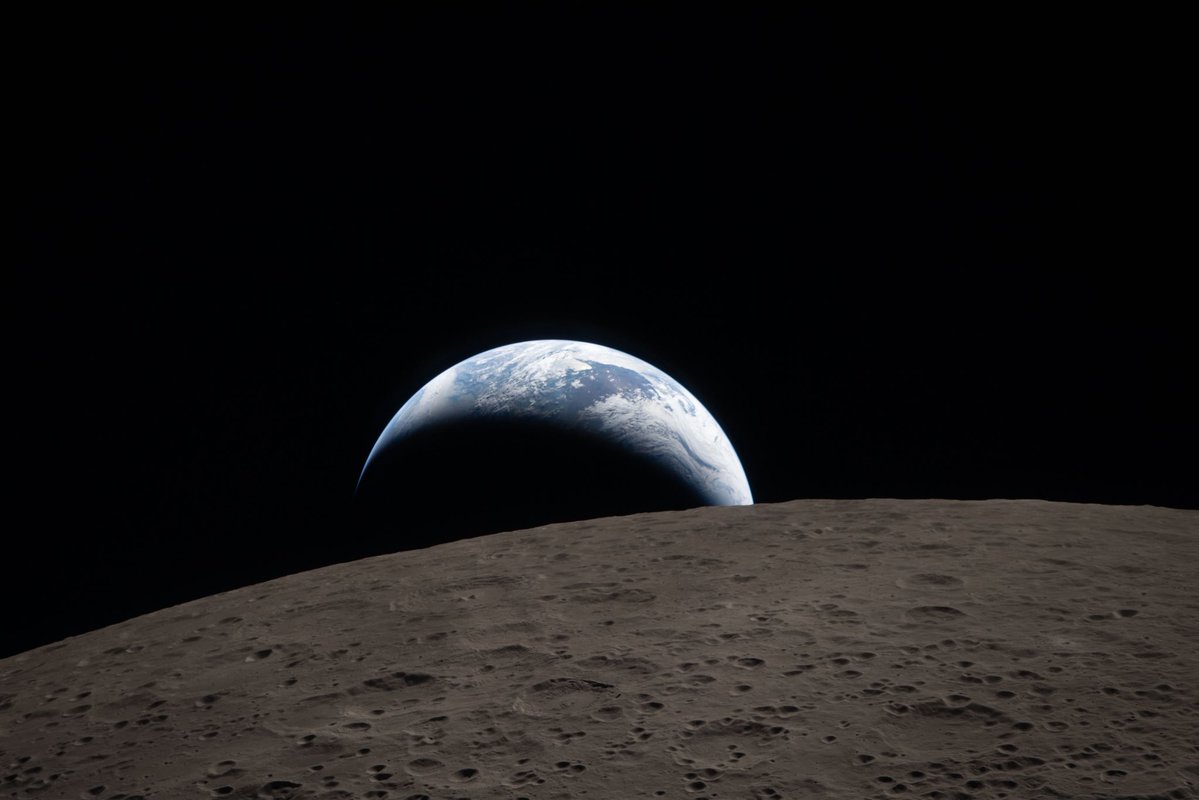
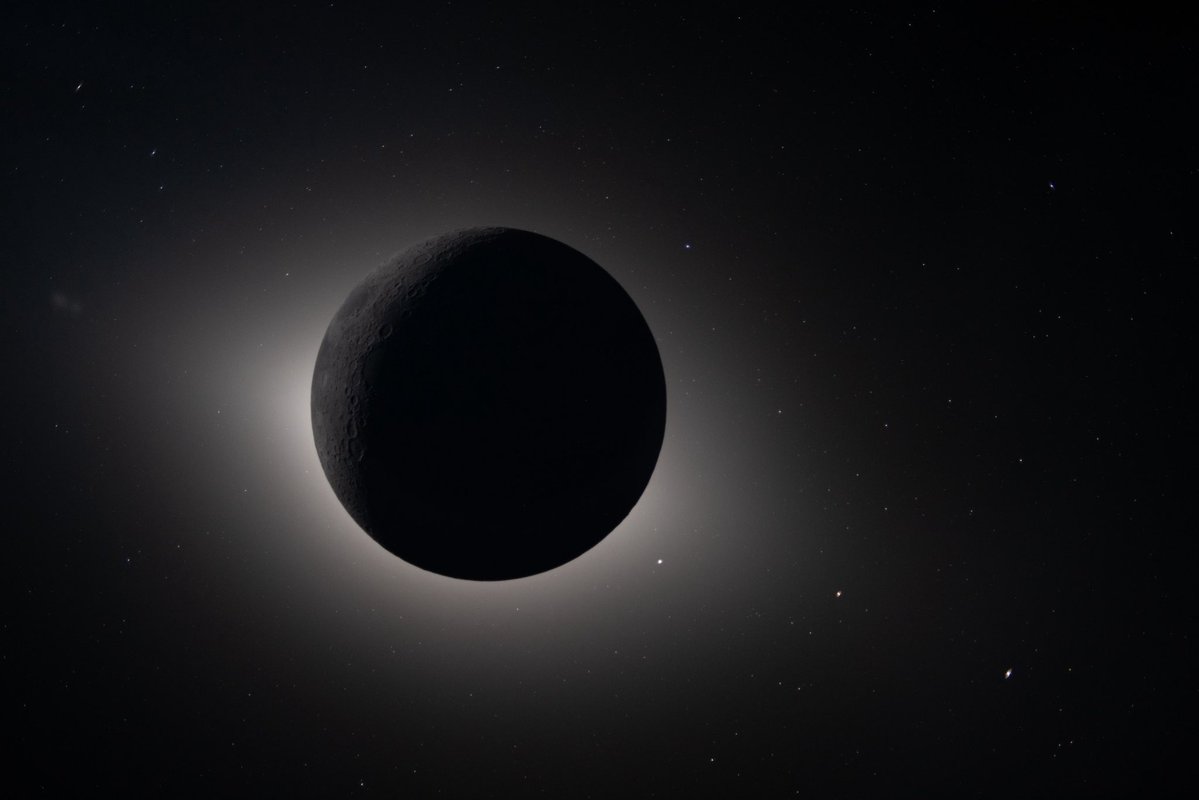
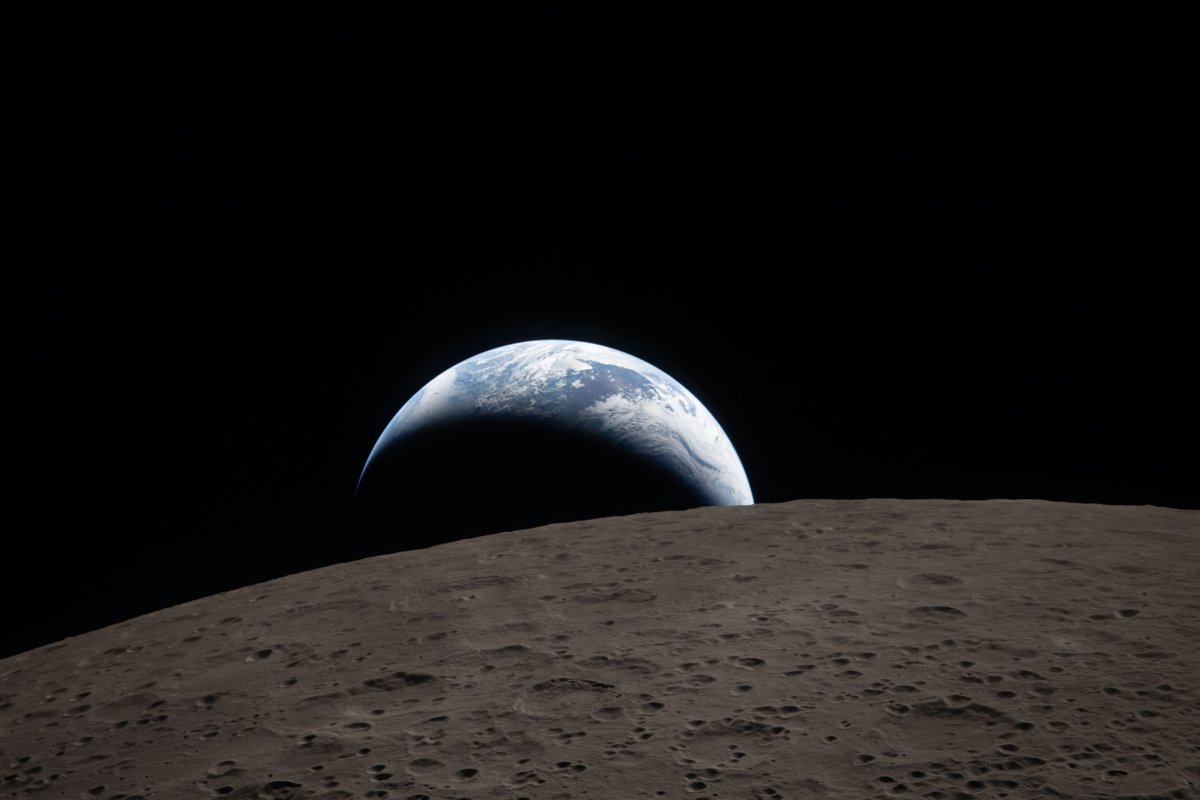
✅ #Artemis II update: 'Earthset', 6 April 2026, and 'totality', 7 April, seen from lunar orbit, the Moon eclipses the Sun, a view few humans have ever witnessed (pics: NASA)
🔗https://t.co/ld0YaC0PgO
@AirbusSpace Fantastic stuff! Congrats to this success made possible by your Orion powerhouse ESM!
We are celebration the historic #ArtemisII mission with our #ArtemisWeeks with great offers for #SLS models - and on request NASA #Orion paper models & Artemis stickers: https://t.co/2c2TrtxFPp
Dream bigger, go further.🚀 The Artemis II astronauts made history last Monday, 6th April. At 406,771 kilometres from Earth🌍the #ArtemisII crew travelled further into space than any human ever before them. The previous record was held by the Apollo 13 mission.
While the European Service Module powered the Orion spacecraft, the crew carried out their closest approach by passing approximately 6,545 kilometres above the surface of the lunar far side and documented its craters, lava flows, and ridges.
In a touching moment, the Artemis II crew named two lunar craters ‘Integrity’ and ‘Carroll’, in honour of their spacecraft and the late wife of Mission Commander Reid Wiseman. 🌖
Credit: NASA
THE ARTEMIS II ECLIPSE.
April 6, 2026.
Totality, beyond Earth. From lunar orbit, the Moon eclipses the Sun, revealing a view few in human history have ever witnessed. Photo: NASA
Earthset.
The Artemis II crew captured this view of an Earthset on April 6, 2026, as they flew around the Moon. The image is reminiscent of the iconic Earthrise image taken by astronaut Bill Anders 58 years earlier as the Apollo 8 crew flew around the Moon.