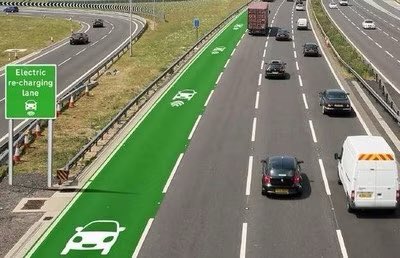
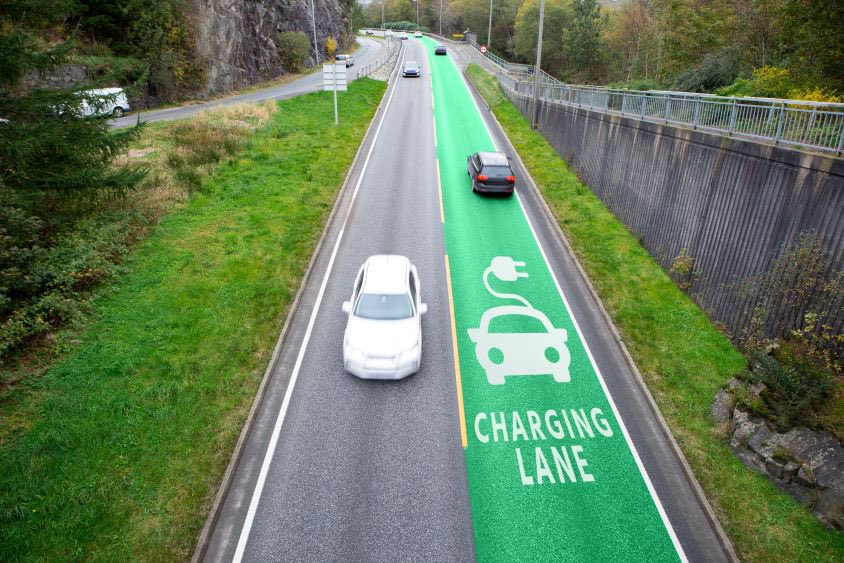
Tests continue on stretches of road around the world that can wirelessly charge an electric vehicle whether it's parked or moving.
There are two components necessary for wireless charging to work: one in the ground and one on the vehicle. Coils are laid down beneath the asphalt before being connected to a management unit.
Meanwhile, a receiver is attached to the bottom of the vehicle before being connected to its battery. When the vehicle drives over the coils, they'll power its battery unit directly.
The goal is to keep batteries in the vehicles small while expanding the amount of driving they can do without stopping. The infrastructure would be helpful not just for single-use electric vehicles, but also semi-trucks hauling materials and public transit moving around the city.
We are ready to walk to end breast cancer forever, together. 💗 Join us as ONE community virtually for the Komen MORE THAN PINK Walk Where You Are on Saturday, October 28! Sign up: https://t.co/33y4Zi3xGc
Please help us find #CarleeRussell
“25-year-old Carlethia “Carlee” Nichole Russell, called 911 around 9:34 p.m. local time on Thursday, according to a Facebook post from the #Hoover Police Department.”
Please share and assist in the effort. #twitter.
Join NPAA for a meet and greet at the Alabama Legislature on March 8th. Click the link for more details.
https://t.co/d04YPGcMre
https://t.co/FbC7OjdDFy