Married father of 4. I love the obfuscated business of Healthcare. Former Healthcare Distribution Exec. Better Together. The Next Right Thing. Sober 10 years.
Who I am, and why it may matter to you in healthcare.
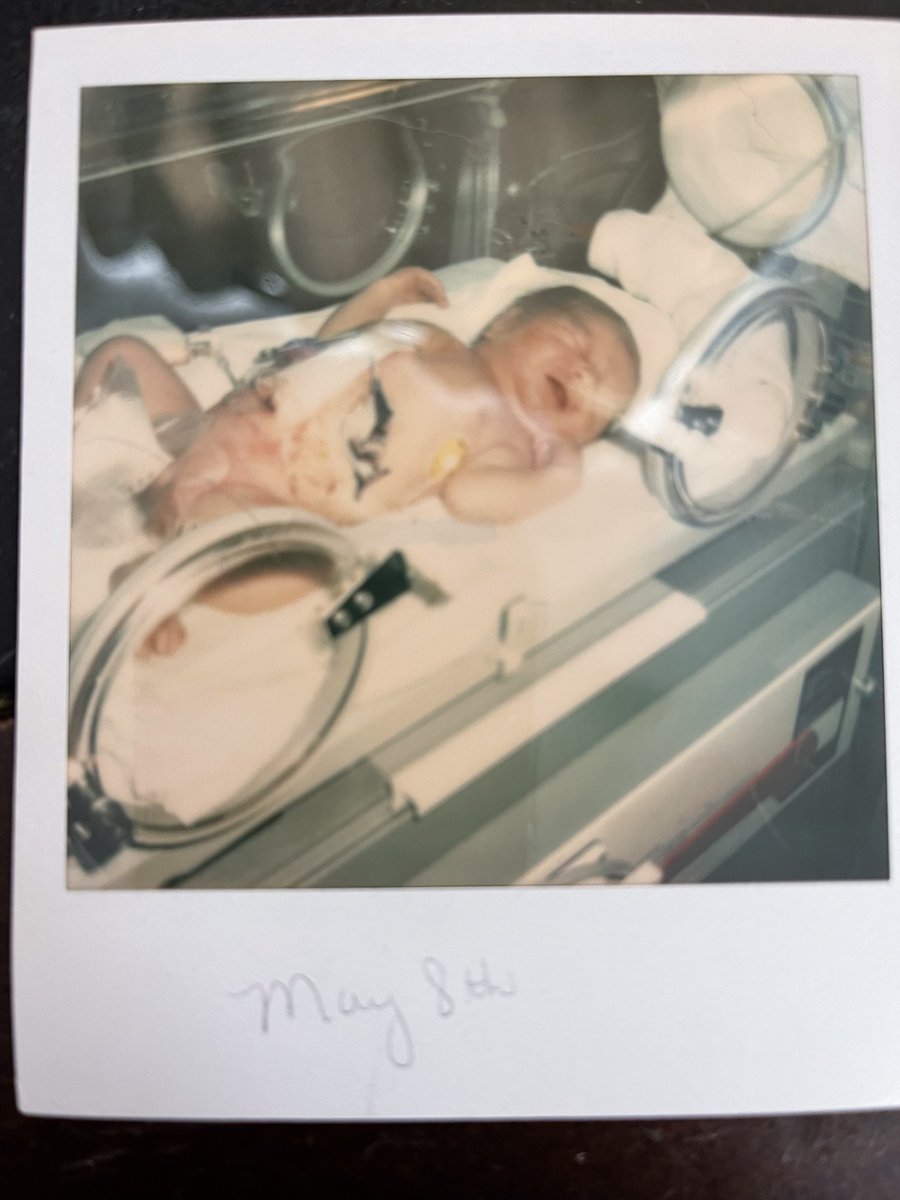
I’ve lived healthcare from every angle: as a patient, a son, a business leader, and now a father. My story starts back in ’76 when I survived 11 surgeries by age five. Only by the grace of God and the dedication of great healthcare providers am I here today. My parents were told I might struggle, might never have kids or a full life—well, here I am with four incredible kids. Whether that’s proof they were right about my smarts, I’ll let you be the judge! Joking, it's the best blessing ever!! We’ve got two boys in high school, an 8th grade daughter, and a 2nd grade daughter, so life’s never quiet, and I wouldn’t have it any other way.
Healthcare is in my blood, literally and figuratively. My dad started Rockwell Medical Supply while still working for another distributor, and by high school, I was already learning from both sides of the business. When I couldn’t play football, I found my way to compete through powerlifting—deadlifting 670 lbs by 23. That taught me an early lesson: when the odds are against you, where there’s a will, there’s a way.
After college, I was building a successful career in IT recruiting, but in 2001, my family’s business was struggling, and my dad had already endured two strokes. There was no question—I called off my wedding, took a 90% pay cut, and moved to California to help. I walked into a 25-year-old company with no email, no online ordering, and an ancient fax machine. On paper, we had no chance. But we had a story, and we were willing to go the extra mile with every client.
By 2008, we’d tripled in size, led non-acute care on the West Coast, and became one of the most advanced independent distributors in the field. In 2017, I had the blessing of working with Concordance upon selling Rockwell, which gave me insights into the full spectrum of healthcare, its silos, and how they play—or don’t play—together. In 2021/2022, I also had the opportunity to help launch the first FDA-approved urine analyzer in 15 years.
Yet, amid all this, I fought my own battle with alcoholism. But by the grace of God and with my wife’s support—the same incredible woman who moved with me back in 2001—I got sober on June 2, 2014. That’s the badge I’m proudest to wear because it gave me the clarity and purpose to be here today.
Now, through VIPER Healthcare Supply Chain Solutions LLC, I’m taking those lessons of resilience, faith, and hard work to help healthcare organizations thrive. VIPER is about more than business; it’s personal. I’m on a mission to bring high-touch service, innovative solutions, and heartfelt dedication back into healthcare. Let’s use this knowledge and experience to make an impact together.
If this resonates with you, if you believe in something beyond spreadsheets and profits, let’s make a difference together. Join me on this journey with VIPER and let’s work to create real, human-centered solutions for healthcare.
Better Together. Focused on the Next Right Thing.
Mike
[email protected]
9 stories we are following at Becker's Healthcare
1) Doximity ranks 20 specialties by daily AI use. Mariah Taylor. Nephrology, Oncology, Radiology, Internal Medicine and Gastroenterology lead the rankings.
2) Mayo Clinic names AI and strategy leader as next CEO. Laura (Miller) Dyrda. Matthew Callstrom, MD, PhD, will succeed Gianrico Farrugia, MD. Dr. Farrugia has done a fantastic job leading Mayo Clinic.
3) DC shooting suspect identified as physician and health tech executive. Madeline Scheetz. An awful situation highlighting concerns about mental health and stress. The shooting did not occur at a hospital.
4) CMS targets $90B in savings through sweeping anti-fraud rule. Jakob Emerson. Fraud remains one piece of healthcare's broader cost problem.
5) A quick shout out to Mohan Giridharadas, the brilliant CEO of LeanTaaS.
6) Half of US nonprofit hospitals receive more in tax breaks than they give back. Madeline Scheetz. The findings come from a Lown Institute study.
7) Illinois hospital faces ambulance diversions, low census and leadership challenges. Madeline Scheetz. The hospital missed a payment to its anesthesia group, is diverting ambulances and has lost its trauma designation.
8) Nearly 1 in 3 patients seek care outside their preferred health system. Giles Bruce. A Bain & Co. report finds convenience (32%), provider recommendations (32%) and shorter waits (26%) drive patients elsewhere. Trust and continuity remain key to loyalty.
9) A shout out to Christopher Collins and ECG Management Consultants, and to the indomitable Judy Faulkner
That was something I was looking at for my dad before he passed. I’ve been training reps that have them to use them for their routes, the increase in their productivity of being more refreshed between meetings is noticeable. We have two teslas and I’ve several long trips and vacations where FSD did 90% of the driving for us.
@BKRBusinessMin Or when they stop paying bills. That doesn’t feel too sweet.
And that’s a general rule. If you own Ferrari and owe unpaid bills, maybe don’t show it off?
5 thoughts on building great teams.
1. Identity and cultivate and try and keep your 100 percenters forever. These are your total leaders, your fire starters and your linchpins.
2. Love your 90 percenters. These are your imperfect but great people. Not the total leaders but really great people.
3. Eliminate nicely your 70 percenters on down and people that give more headaches than worth. Try and upgrade your team. Give these 70 percenters a lot of room to find another job.
4. If building a great organization you probably always need to be recruiting.
5. Control your own ego and know when to elevate great people. You as a founder or leader must elevate great people when they are ready even if it means moving yourself to a different role. This can be very challenging emotionally and on the ego but is often needed for organizations to surge forward.
@realdocspeaks Healthcare moved a while back from volume to compliance. That’s how pricing is based, at least from healthcare supply chain side. Compliance sounds great, but in these terms it often removes levers, choice, and thus competition—which is the real driver of cost reductions. IMO.
I’ve been in Vegas this week meeting with clinics and ASCs, 14 meetings in two days. Actionable data and an average savings in medsurg and pharma of 20% for the accounts. When looking at spends of 100k a month, that’s savings of 250k annually. How? Honest and open discussions.
We are working on a book called health care trends and issues—the good the bad and the ugly.
I’d love to get five to ten quotes or paragraphs from people on almost any trend in health care and if you are ok with it and attribution. I’d find a place to add the idea. I think it will add some color to the book.
You can provide your comment or thoughts here.