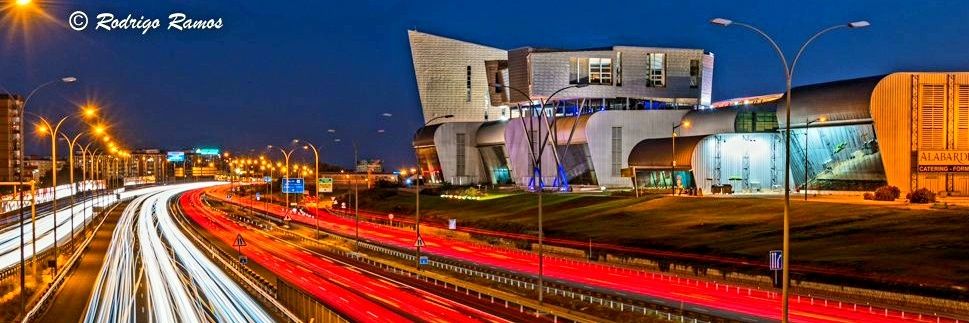
Arquitecto en la Costa del Sol con + de 20 años de experiencia profesional. Diseñador Certificado #Passivhaus. Proyectamos confianza. Aficionado a la fotografía
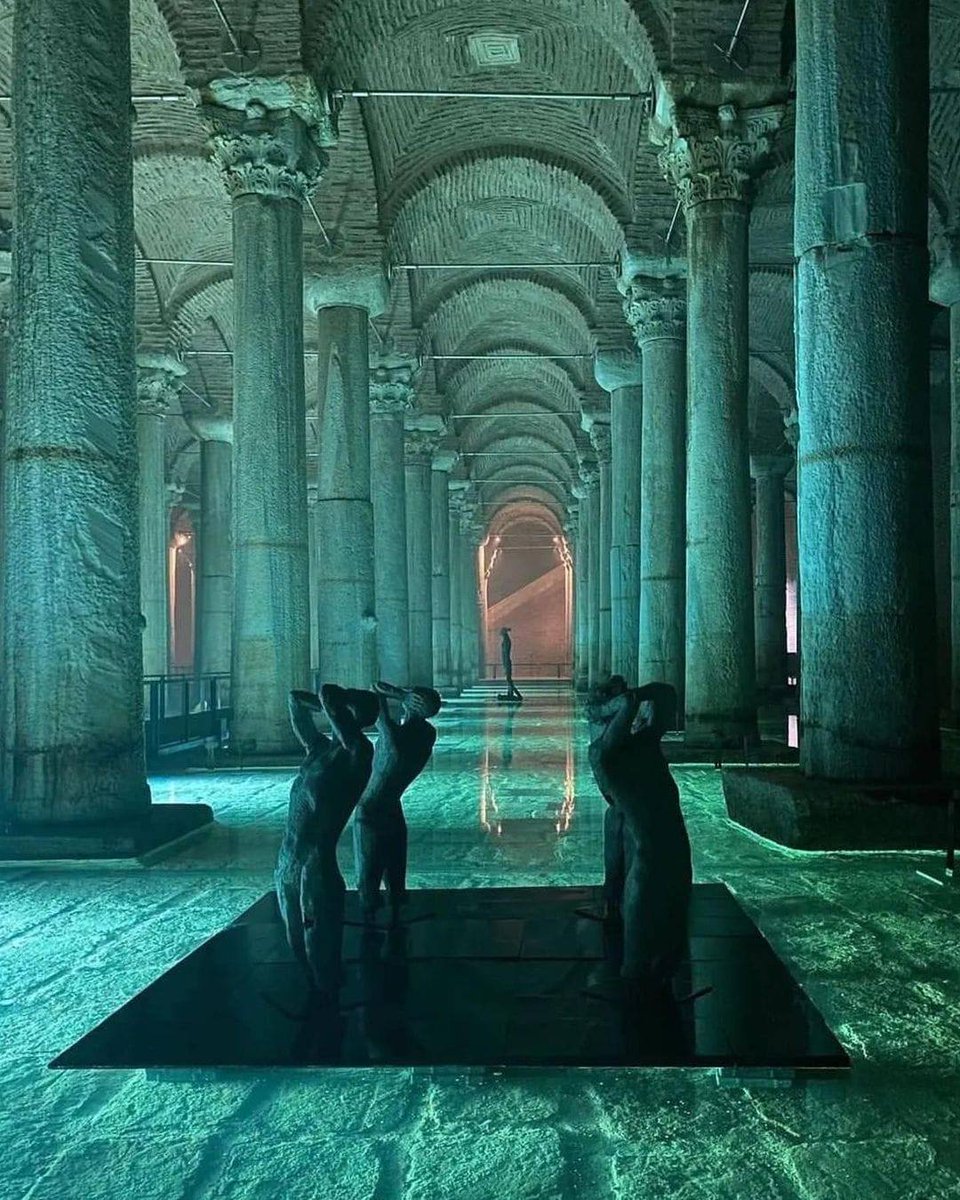
One of the famous Medusa heads inside the Basilica Cistern in Istanbul, Turkey. The massive underground reservoir was completed in 532 AD during the reign of Byzantine Emperor Justinian I.
في إسبانيا، تحولت بعض محطات انتظار الحافلات إلى نموذج مبتكر لمواجهة حرارة الصيف الشديدة، دون الحاجة إلى أجهزة تكييف أو كهرباء على الإطلاق.
تعتمد هذه المحطات على ما يُسمى «جدران التبريد الطينية الذكية»، وهي جدران مسامية مصنوعة من الطين تُركب داخل الملاجئ المظللة، عند هطول الأمطار، يمتص الطين الماء بكميات كبيرة ويخزنه داخل مسامه، ثم يبدأ في إطلاقه تدريجيًا مع ارتفاع درجة الحرارة من خلال عملية التبخر، هذا التبخر يولّد تيارًا من الهواء البارد يحيط بالركاب مباشرة، فيوفر راحة طبيعية تمامًا.
التقنية ليست جديدة تمامًا؛ فهي مستوحاة من طرق البناء التقليدية التي اعتمدت عليها شعوب المناطق الحارة منذ مئات السنين لتبريد منازلها وأماكنها العامة بطريقة بسيطة وفعّالة واليوم، يرى مهندسو التخطيط الحضري فيها حلًا مثاليًا يجمع بين الراحة الفورية للمستخدمين والاستدامة البيئية، إذ تستغل مياه الأمطار التي كانت تُهدر سابقًا في شبكات الصرف الصحي، وتحوّلها إلى وسيلة تبريد مجانية وصديقة للبيئة.
La Real Fábrica de Paños de Brihuega (Guadalajara) es una obra cumbre de la arquitectura industrial ilustrada. Su famoso edificio completamente circular no fue un capricho estético de los Borbones, sino un diseño milimétrico para optimizar la luz y la seguridad.
En el siglo XVIII, tejer lana a gran escala exigía una iluminación perfecta para detectar nudos o roturas en el paño. Al disponer los talleres en anillo alrededor de un gran patio central, todas las salas recibían luz solar directa a lo largo del día a través de sus grandes ventanales, acompañando el giro natural del sol.
Este diseño circular también reducía drásticamente el riesgo de incendios. El ambiente textil estaba saturado de pelusa y fibras en suspensión extremadamente inflamables; depender de velas o lámparas de aceite era una bomba de relojería. Al maximizar la luz natural, se eliminaba el fuego artificial en las salas de trabajo y, de paso, se facilitaba la supervisión centralizada de los telares.
Al visitarla, busca la imponente estructura del "Edificio Redondo", más allá de sus conocidos jardines decimonónicos (que fueron un añadido posterior cuando el complejo se privatizó). Es el rastro de una época que usó la geometría y la razón para crear una industria eficiente y segura en la Alcarria.
In 1901, sponge divers exploring a shipwreck off the Greek island of Antikythera recovered what appeared to be nothing more than a corroded lump of bronze.
For decades, nobody realized what it truly was.
When scientists later examined it using X-rays, they uncovered an astonishing secret hidden inside: a 2,000-year-old machine containing more than 30 intricate bronze gears working together with incredible precision.
Known today as the Antikythera Mechanism, it is considered the world's oldest known analog computer.
Ancient Greeks used it to track lunar phases, predict eclipses, and calculate complex astronomical cycles centuries before such technology was thought possible.
What makes the discovery even more remarkable is that no surviving device of comparable complexity would appear again for roughly a thousand years.
These two leaning towers are symbol of Bologna, a town in northern Italy 🇮🇹 which was once nicknamed ‘La Turrita’ on account of its 150+towers, of which only 24 remain today. Legend has it that they were inspiration for World Trade Center, since architect Minoru Yamasaki visited Bologna while designing Trade Center towers.
Both Towers take name of families who in 12th Century CE, ordered their construction, in a kind of competition to show which family was wealthiest and most powerful. Tallest of two is called Asinelli, while shorter is Garisenda, which leans more than Tower of Pisa by 0.1 degree. In fact, Garisenda was once taller than Asinelli, but when ground yielded in 14th Century CE, incline became so dangerous that they had to shorten it by 12m. Dante Alighieri saw it while it was still at its full height, and referred to it in Canto 31 of The Inferno where he compared it to doubled over giant, Anteo.
Garisenda Tower was acquired in 15th Century CE, by Corporation of Drapers, which had their headquarters in front of tower and used outside square as a market. It became a property of city at end of 19th Century CE. Asinelli was turned over much earlier, in 14th Century CE, after which it was used as a prison and small stronghold connected to the Garisenda by a small wooden bridge.
It is from this tower that some of Galileo’s conjectures about gravity and acceleration of falling bodies were finally demonstrated through repeated, consistent, and precise experiments which could be reproduced by other scientists. This was done by dropping objects of different weights, shapes and materials from top of tower, rigorously at night when there were no passersby.
Time it took for them to reach ground was kept with help of a precisely constructed pendulum and a small chorus of Jesuits chanting in unison to provide an audible timer not a perfect method, but most reliable that could be used at time.
📷 : Credit to the Owner
#archaeohistories
🏜️ The Pyramid of Khafre still carries traces of its original skin.
Built more than 4,500 years ago as the tomb of Pharaoh Khafre, the pyramid remains the only one in Giza that still preserves part of its original limestone casing near the summit, revealing how these monuments once appeared fully clad in polished white stone beneath the Egyptian sun.
🇮🇹🏛️ EL PANTEÓN DE ROMA:
El misterioso agujero del techo que nunca logra inundar el templo 🌧️
Cualquiera pensaría que dejar un agujero de más de ocho metros en el techo de un edificio es una idea desastrosa.
Pero los romanos lo transformaron en una obra maestra.
El enorme óculo del Panteón permanece abierto desde hace casi 2.000 años.
Por él entra la luz del sol, el aire fresco… y también la lluvia.
Sí, cuando llueve en Roma, el agua cae directamente dentro del templo.
Y aun así, el interior nunca se inunda.
El secreto se encuentra bajo el suelo de mármol.
Aunque parece completamente plano, en realidad posee una ligera inclinación convexa casi imperceptible que dirige el agua hacia los extremos del edificio.
Allí, una red de 22 drenajes ocultos evacúa el agua rápidamente mediante un sistema tan eficaz que continúa funcionando hoy exactamente igual que en la Antigua Roma.
Sin electricidad.
Sin bombas hidráulicas.
Sin tecnología moderna.
Solo ingeniería romana.
Y lo más impresionante es que el Panteón sigue resistiendo el paso del tiempo mientras muchas construcciones actuales apenas sobreviven unas pocas décadas antes de presentar grietas, filtraciones o daños estructurales.
Los romanos no construían pensando únicamente en su presente.
Construían pensando en siglos.
Por eso el Panteón continúa en pie.
Por eso sigue siendo una de las obras arquitectónicas más admiradas del planeta.
Y por eso, cada vez que la lluvia atraviesa ese enorme agujero abierto al cielo, el templo vuelve a demostrar la increíble inteligencia de una civilización capaz de crear estructuras destinadas a sobrevivir durante milenios.
Cisterna romana bajo el suelo de Estambul.
Construida entre los años 527 y 565, durante el reinado del emperador Justiniano I, con la finalidad de compensar la necesidad de agua de la capital romana acumulando las aguas de lluvia.
Es una estructura colosal de forma rectangular que ocupa un espacio de 140 metros de largo y 70 metros de ancho formada por 336 columnas de más o menos 9 metros de alto cada una. Con una distancia de 4.80 metros entre ellas, esas columnas forman 12 hileras de 28 columnas cada una. Se puede tener acceso hacia dentro del edificio por medio de una escalera de piedra de 52 peldaños.
Vía: Historia Universal PND
En 1963, un hombre en Turquía encontró una abertura en su sótano.
Debajo había algo imposible.
Una ciudad subterránea entera.
¿Cómo puede existir algo así?
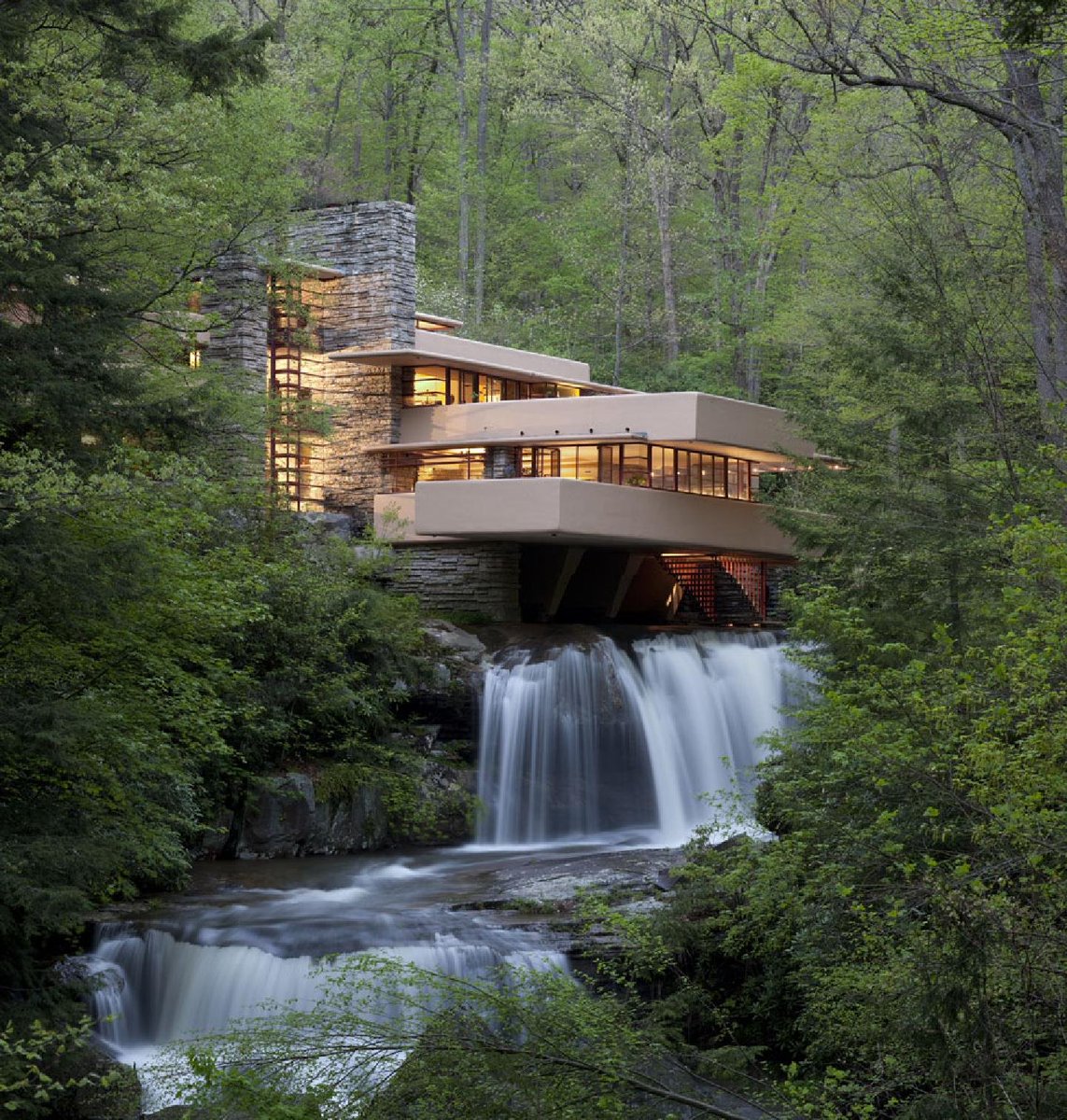
La Casa de la Cascada uno de los proyectos más famosos de Frank Lloyd Wright.
La estudiamos por su perfecta conexión entre arquitectura y naturaleza, y una claridad formal poco común.
Pero, como sucede a menudo, las innovaciones revolucionarias traen consigo serios problemas.
🧵
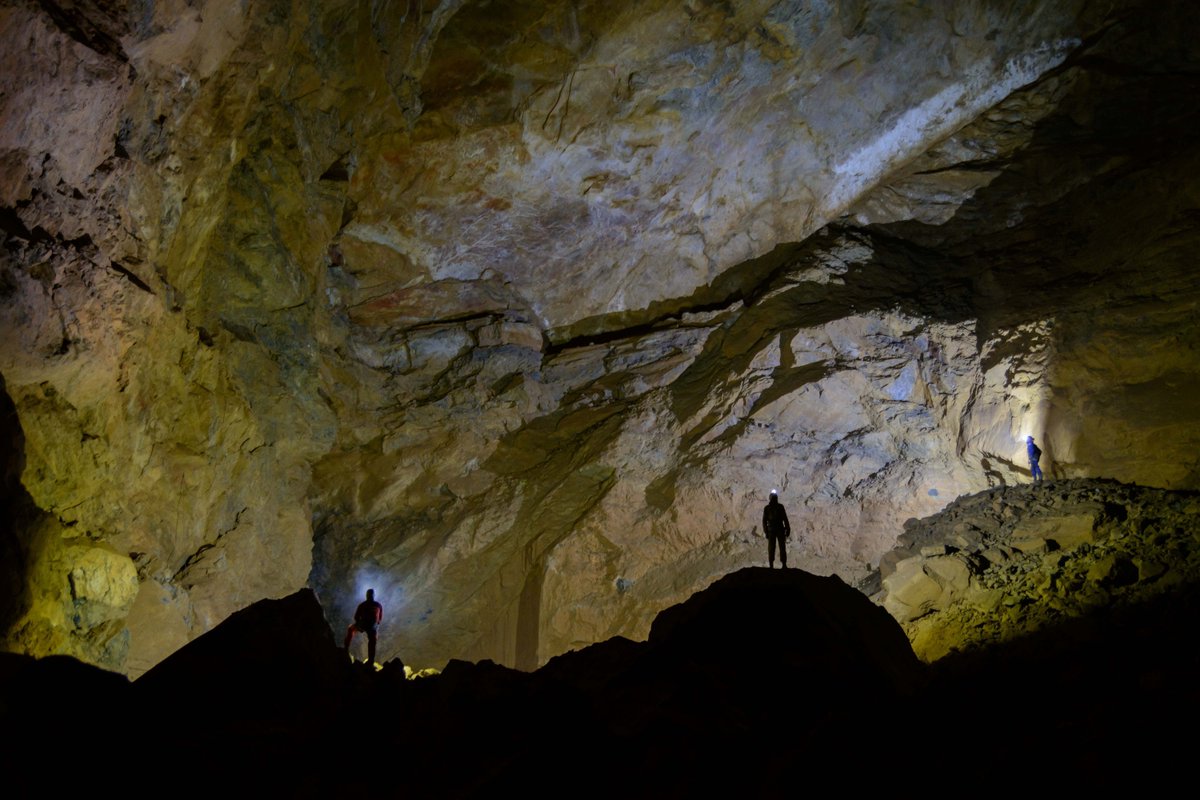
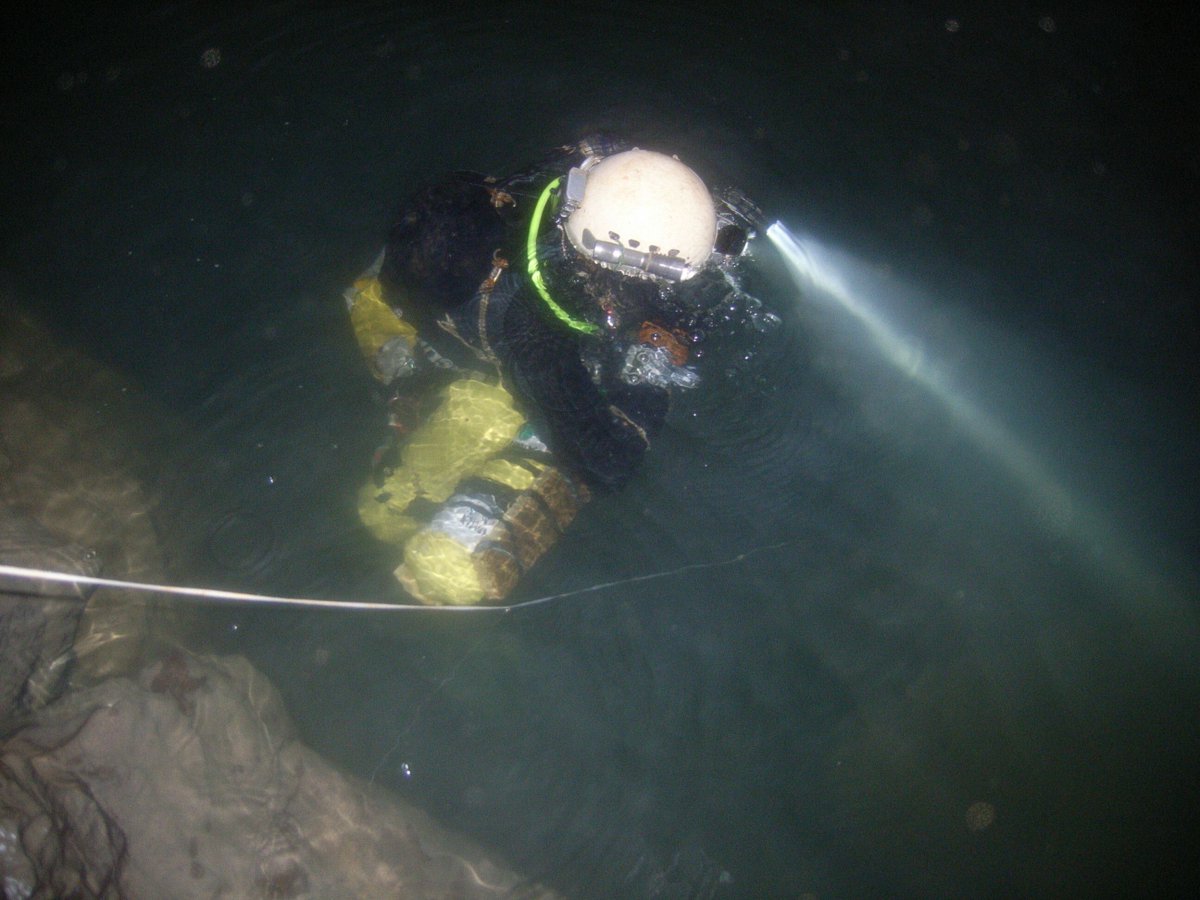
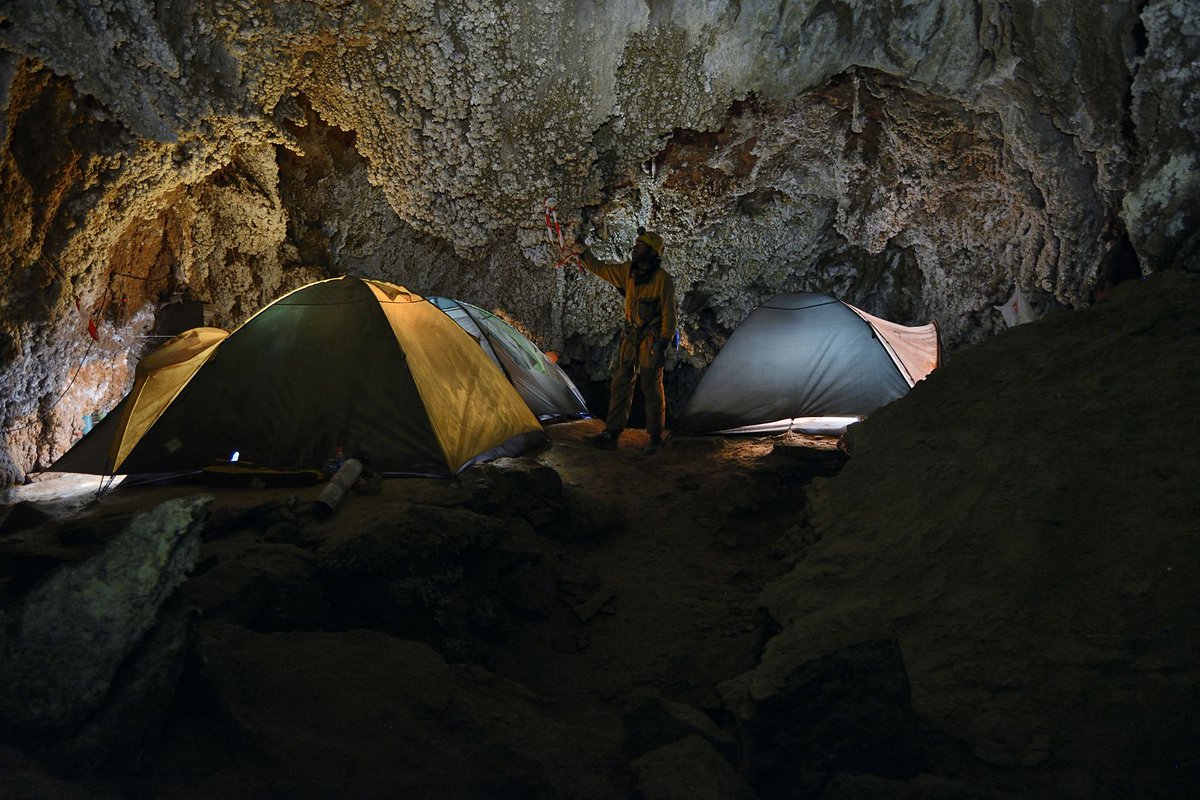
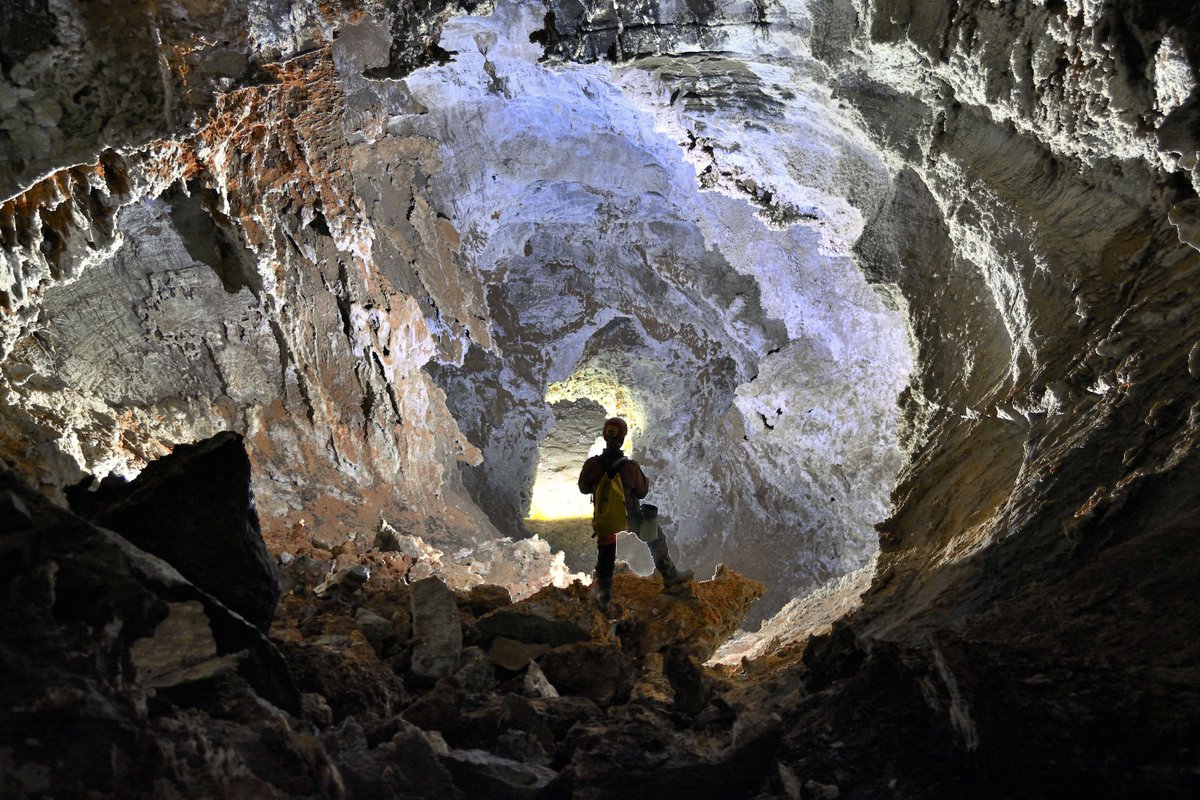
Nuevo récord en la #SierraDeLasNieves 🧭
El Complejo Nevero-Aire alcanza 26,4 km de galerías y –955 m de profundidad,
tras confirmar la conexión entre las simas del Nevero y del Aire.
➕ INFO: https://t.co/5rnJbCnbqq
#Ciencia#Espeleología#Andalucía
En mitad de la sierra de Sevilla, se alza una colina de piedra que parece un castillo de fantasía. Durante siglos, la gente pensó que era una fortaleza árabe o medieval, pero se equivocaban. Es el santuario romano más espectacular de la Península: Munigua. Tira del hilo 🧵