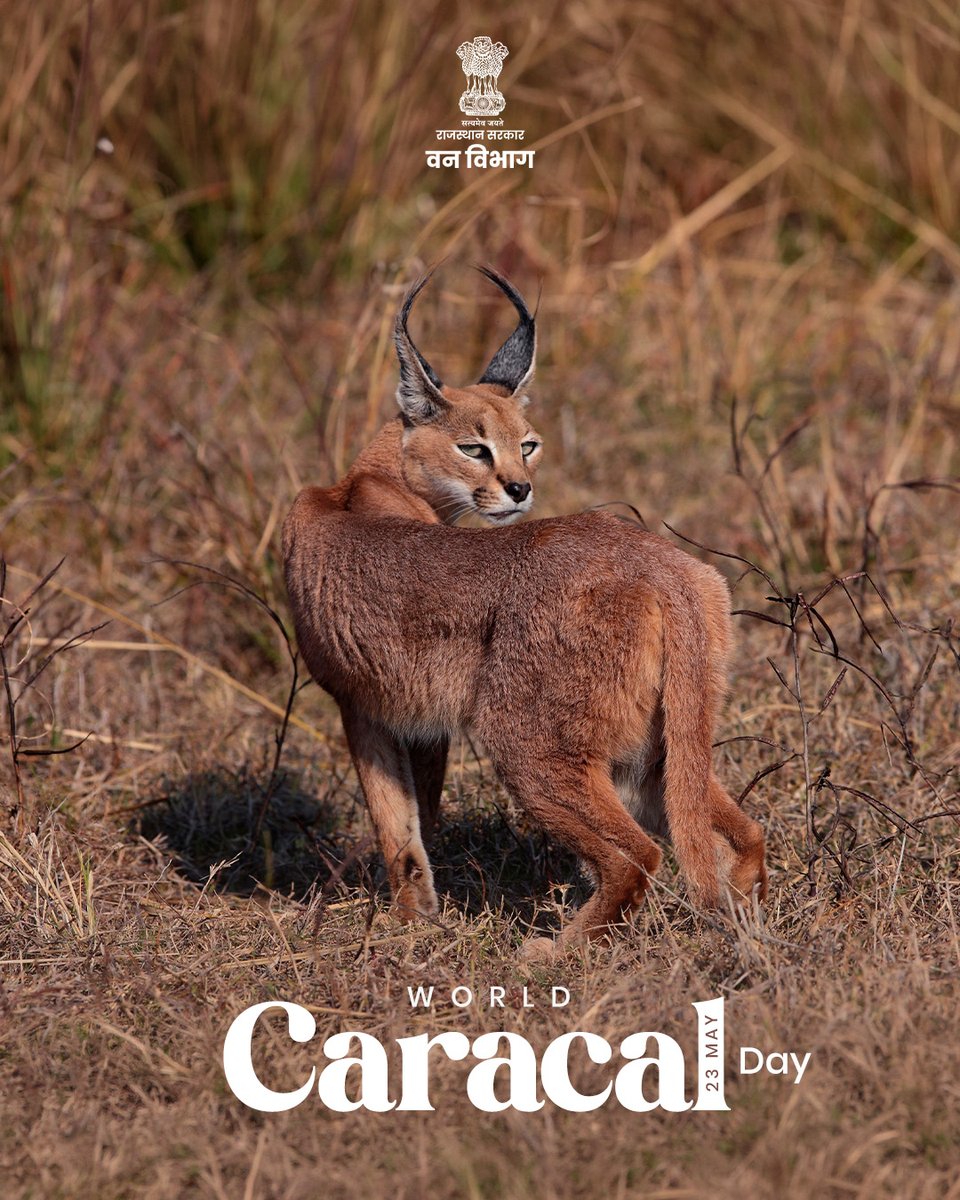
Small wild cat species are understudied relative to big cats, yet they also provide beneficial ecosystem services. In India, caracals help regulate prey populations and reduce the spread of disease. However, there is still a lack of data on this population.
Tigers change in their hunting tactics according to the situation, sometimes, when hunting small prey, tigers modify their mechanics by bypassing the classic paw-pinning phase. Instead of wrestling, the predator drops its center of gravity into a low, high-speed sliding tackle, intercepting the target jaw-first at ground level. This momentum allows the tiger to lift the prey instantly, reducing escape opportunities. Immediately following the catch, the bigcat enters a total freeze. Standing still, to filter out its own noise to audit forest alarm calls, checking if the commotion attracted competing predators.
VC: naturesafariindia
#BehavioralEcology #WildlifeBiology #nature #wildlife #tiger
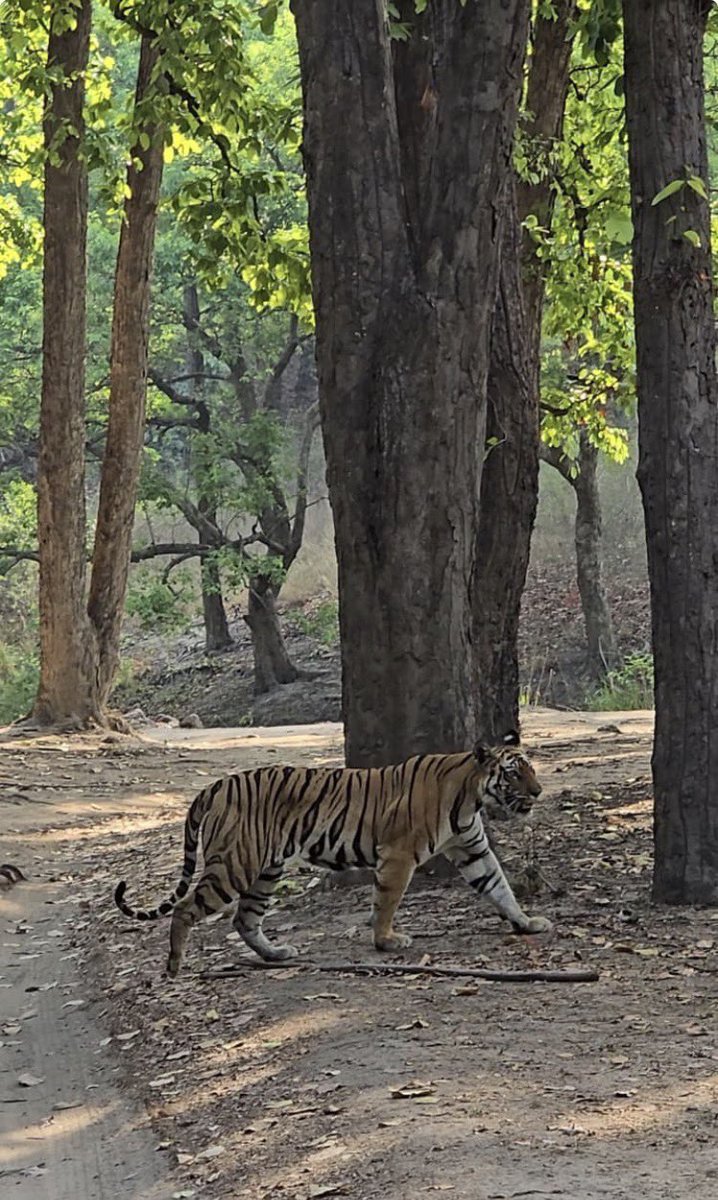
We often go to the jungle, and our only purpose is to see the tiger there.
But if our objective shifts from just seeing a tiger to experiencing the beauty of nature in a peaceful environment, then we will truly fall in love with this nature. And only then will we be able to do something good for it.
In this photo, this is “RAA” tigress who rules over a very small portion of the beautiful Bandhavgarh jungle. However, the jungle behind her is what makes this tigress look so beautiful.
If you understood what I’m trying to say, great! And if not, feel free to comment. I’ll explain it to you. #tigerinwild #forestconservation #enviornmentattraction #meettosoul #bigcatprotection
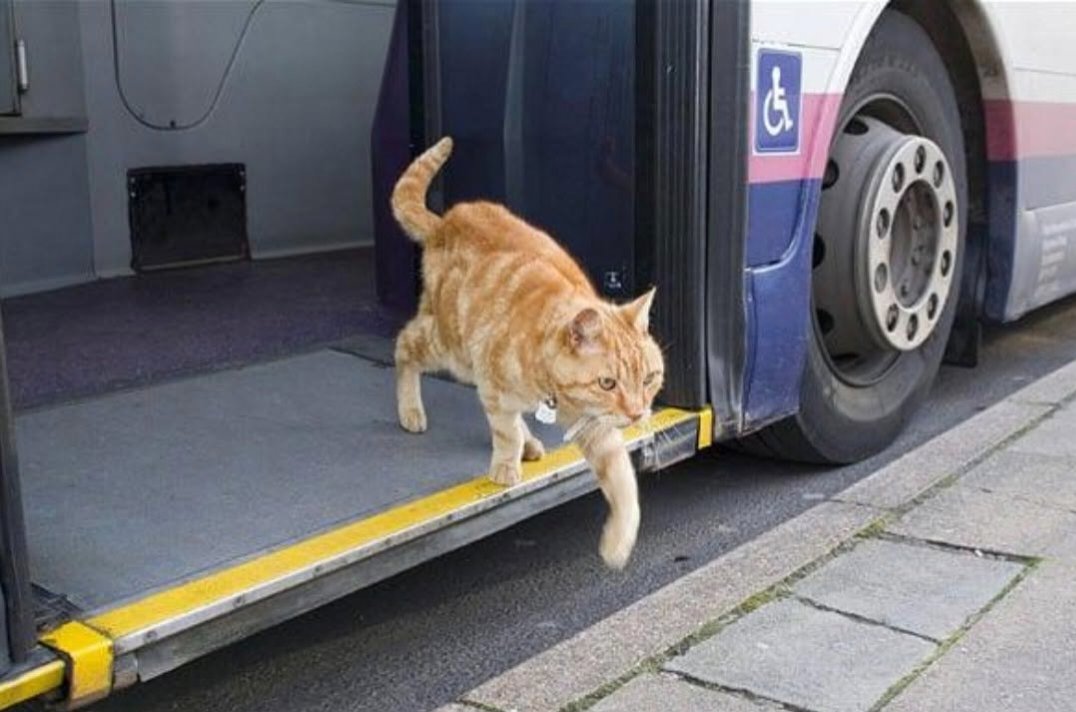
Dodger, a clever ginger Cat from England
He became a local celebrity after his owner discovered he had been regularly riding public buses on his own sometimes even taking a 10 mile round trip. Drivers began recognizing him, offering him food, and even knowing exactly which stop to let him off at, while passengers happily let him curl up on their laps like a seasoned commuter
Happy International Day for Biodiversity!
Biodiversity is key to ecosystem health, and wild cats provide valuable ecosystem services, contributing to that health. As carnivores, they help keep ecosystems balanced by preying on herbivores, which reduces the spread of disease-
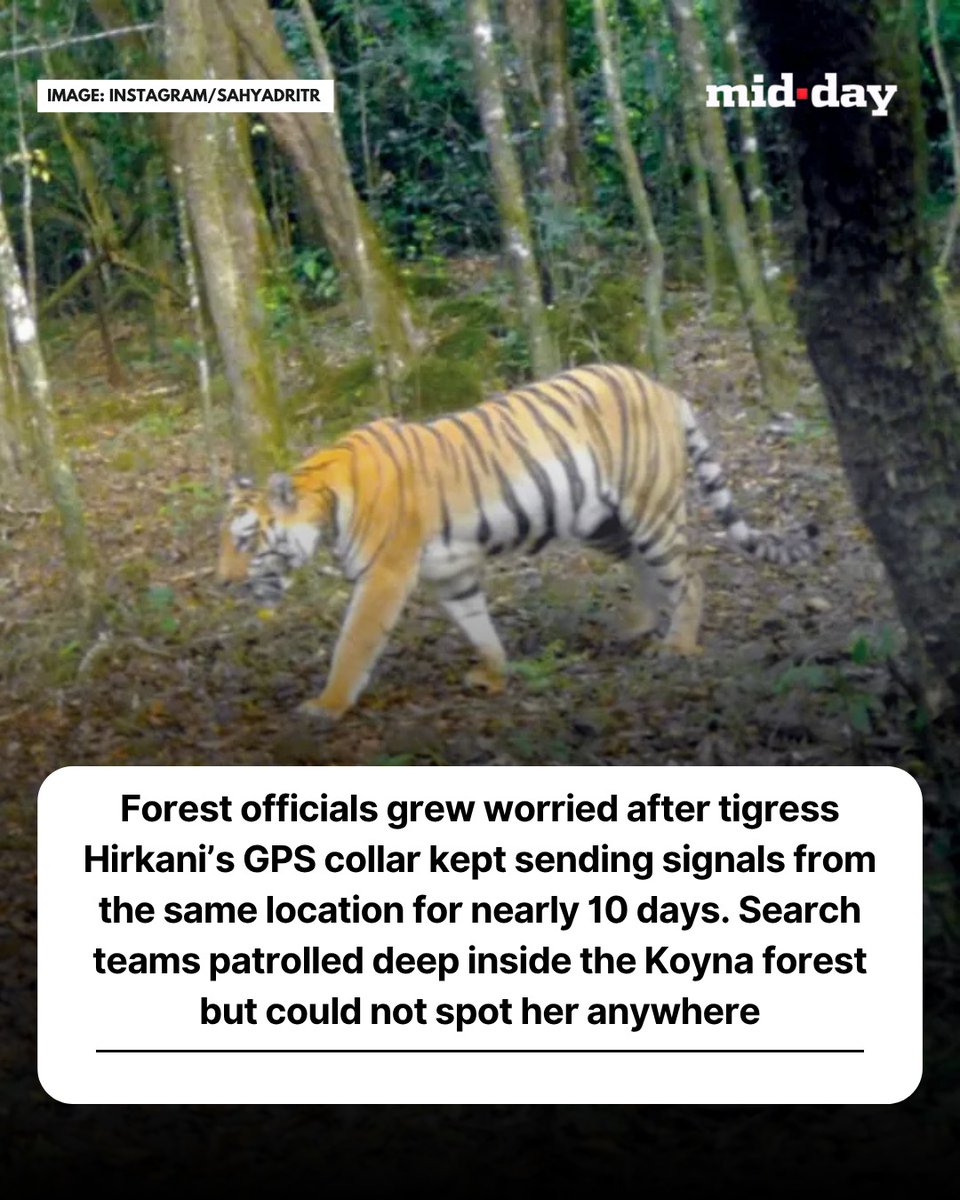
In a huge relief for forest officials, missing tigress Hirkani was finally spotted safe and healthy inside the Sahyadri Tiger Reserve through fresh camera trap images after days of uncertainty over her whereabouts.
While the tigress appeared strong and active, officials noticed her GPS collar was missing. Authorities suspect it either fell off because of a technical issue or was removed by Hirkani herself.
✍🏻: @ranjeetnature
In an interview with Telegraph, Hon’ble Minister of EF&CC Shri @byadavbjp highlighted the ecological importance of the Sundarbans Tiger Reserve and the need for stronger conservation efforts to protect the Royal Bengal Tiger ecosystem. He also emphasized the role of responsible eco-tourism, community participation, and global cooperation through the #IBCASummit2026 in strengthening long-term conservation of big cats and their habitats.
Read More at: https://t.co/vfsDaJfIMI
#SaveBigcats #SaveEcosystem #SaveHumanity
Did you know that Tigers4Ever is restoring lost habitat for wild #Tigers? Read our latest project report on the challenges faced to ensure that migrating #Tigers will have somewhere to go https://t.co/fbHiYwr3yz
A rare Pampas cat, also known as a colocolo, that lives in the forests of Chile.
With fewer than 100 individuals left in the wild, experts call Muñoa's pampas cat one of the most endangered felines in the world and warn it go extinct within 10 years as its natural habitat is cleared for cropland.
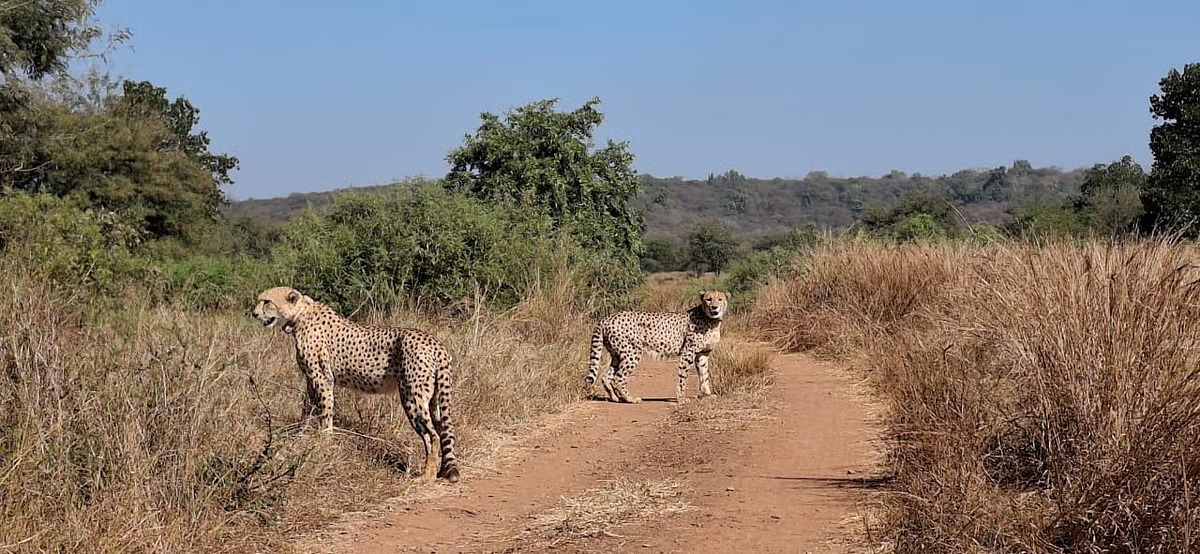
Project Cheetah continues to demonstrate encouraging progress, with the population reaching 53, including 33 Indian-born cubs. Strong survival rates, successful acclimatisation, and expansion across landscapes such as Kuno and Gandhisagar highlight the effectiveness of scientific management and reinforce the project’s long-term conservation potential.
#NTCA #ProjectCheetah
@PMOIndia@moefcc@wii_india@MSTrIPES@PIB_India@EnvironmentPib@IBCA_official
Brazil’s Atlantic Forest was once home to a thriving jaguar population. Today, 85% of the jaguar’s habitat has been converted by humans, and over the last two decades, populations have plummeted to just 300 individuals in the Atlantic Forest.
During peak of summer season, Greater one horned Rhinos gather in remaining few pools of water to wallow and cool off. Usually territorial, they are tolerant of each other, like above in Amaha taal in Rhino enclosure in Dudhwa N.P.
@DudhwaTR@rameshpandeyifs