Heading to India next week and looking forward to meeting people building at the frontier of AI!
There’s so much happening across the stack right now. Compute is quickly becoming the most important currency in AI, and the way we design chips, build systems, scale data centers, and ultimately build intelligence is changing incredibly fast.
Happy to share what we’re learning from the frontier, what goes into making all this work, and where I think things are headed.
More importantly, I’d love to hear what you’re building and what problems you’re trying to solve.
Kicking things off in Hyderabad at T-Hub on Wednesday morning (Nov 25).
If you’re around, let’s catch up!
https://t.co/4rblcaA47t
day 8 of cuda
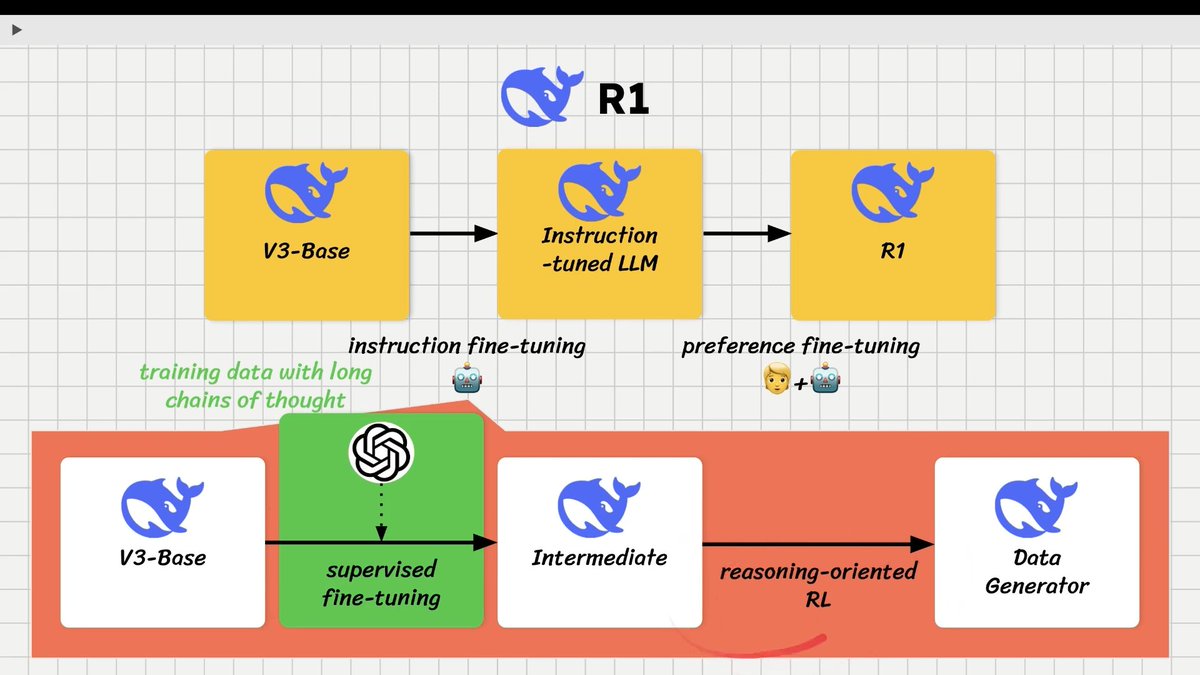
watched julia's deepseek technical video and learned about how trillion parameter models are served from @raj_dandekar
https://t.co/qhw4YMdhcL
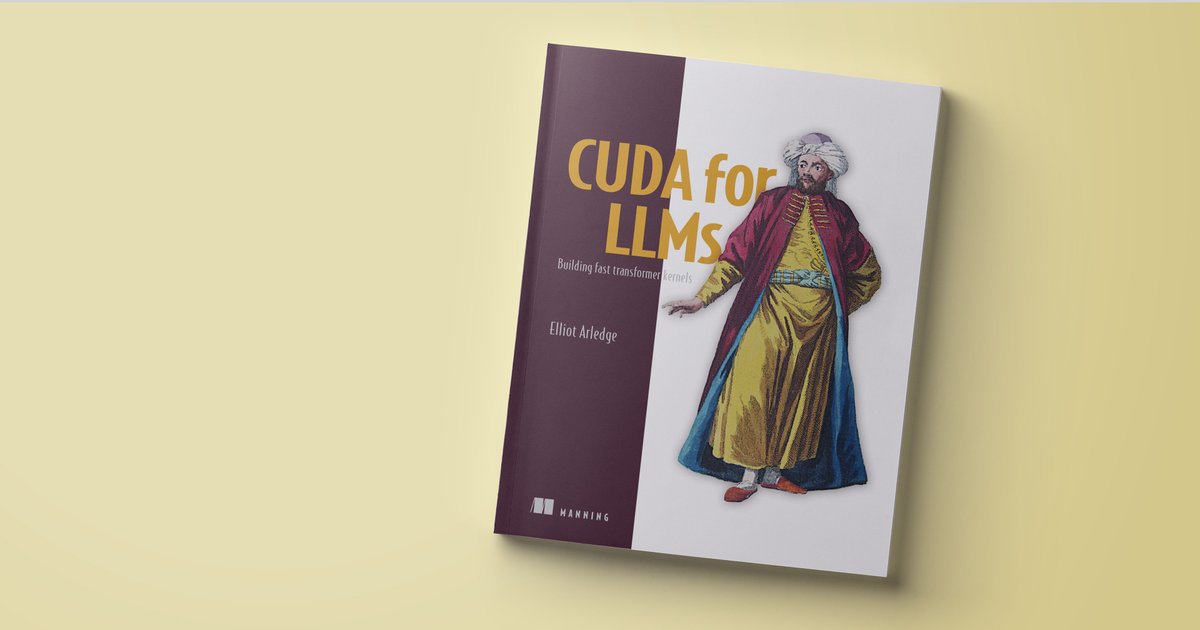
My book "CUDA for LLMs" is now in print!
If you followed along while it was in early access as "CUDA for Deep Learning", this is the finished version, now as a physical book too.
Manning gave me a code for 50% off every format through Dec 4: PBArledge
https://t.co/L3riD6Pg1F
day 5 of cuda
learnt about why running standard full self-attention is O(n^2) to get better at managing my context window from @3blue1brown's vid. also, learnt about LLVM's internals from @TajyMany to know what the hype is about
https://t.co/pVQhkbGKLg
links:
https://t.co/CoWZnp1lPs
https://t.co/TleT9bA7Ms
this vid by @davex_tech was really nice to understand the full computing stack:
https://t.co/AhTVv85Jfp
day 5 of cuda
learnt about why running standard full self-attention is O(n^2) to get better at managing my context window from @3blue1brown's vid. also, learnt about LLVM's internals from @TajyMany to know what the hype is about
https://t.co/pVQhkbGKLg
day 3 of cuda
learnt about the 3 cpu architectures(x86, arm, and risc-v) and different processing units that provide more context for the role of cuda in the broader landscape.
https://t.co/PDR2LqTp3E
day 3 of cuda
learnt about the 3 cpu architectures(x86, arm, and risc-v) and different processing units that provide more context for the role of cuda in the broader landscape.
https://t.co/PDR2LqTp3E
day 2 of cuda
started @elliotarledge’s CUDA programming course
went through @spectorb’s Notes on AI Hardware talk. coolest part was him explaining the H100’s promo image
simultaneously, binge watching @juliarturc’s videos to get a good lay of the land
https://t.co/YNbQo5SvNL
Actually, skip C/C++ foundation and PMPP book and go straight to my course. It's all there. Do recommend skimming through the blog posts at the end. See what you like and give it a read (no music).
day 1 of cuda
needed to first understand the limitations of how much access the cuda programming model gives to devs. recursively prompted gemini to help me understand the hardware hierarchy all the way from connected B200 ai factories to SM sub cores in a BFS manner. The underlined are the nodes that cuda gives access to. This was necessary as coming from solving data structures & algo problems, I never thought of the hardware. And going bottom-up from melting sand and transistors wouldn’t be helpful as the hardware engineers at nvidia and tsmc got that taken care of. I just gotta make it go brrrr. Next up, the software hierarchy. Starting from what is a grid.
day 2 of cuda
started @elliotarledge’s CUDA programming course
went through @spectorb’s Notes on AI Hardware talk. coolest part was him explaining the H100’s promo image
simultaneously, binge watching @juliarturc’s videos to get a good lay of the land
https://t.co/YNbQo5SvNL
day 1 of cuda
needed to first understand the limitations of how much access the cuda programming model gives to devs. recursively prompted gemini to help me understand the hardware hierarchy all the way from connected B200 ai factories to SM sub cores in a BFS manner. The underlined are the nodes that cuda gives access to. This was necessary as coming from solving data structures & algo problems, I never thought of the hardware. And going bottom-up from melting sand and transistors wouldn’t be helpful as the hardware engineers at nvidia and tsmc got that taken care of. I just gotta make it go brrrr. Next up, the software hierarchy. Starting from what is a grid.
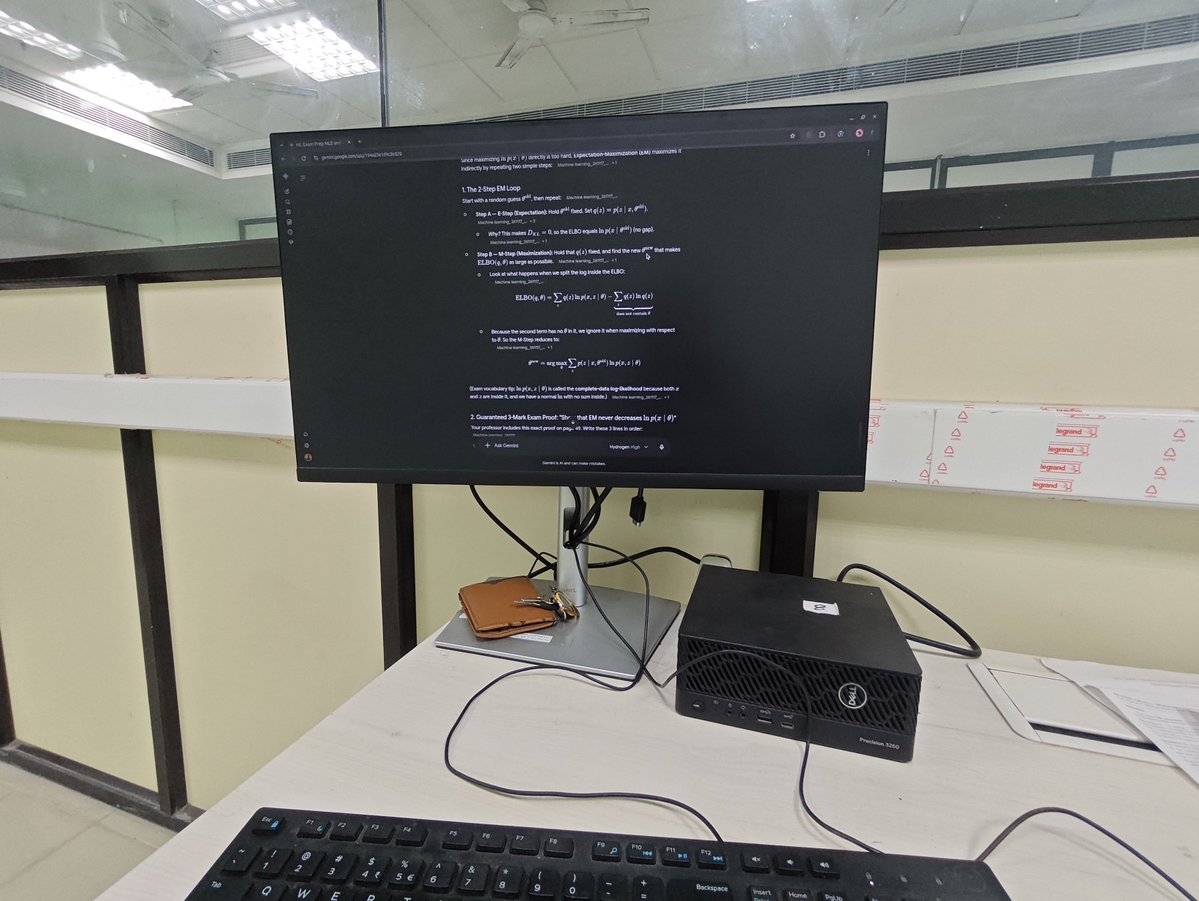
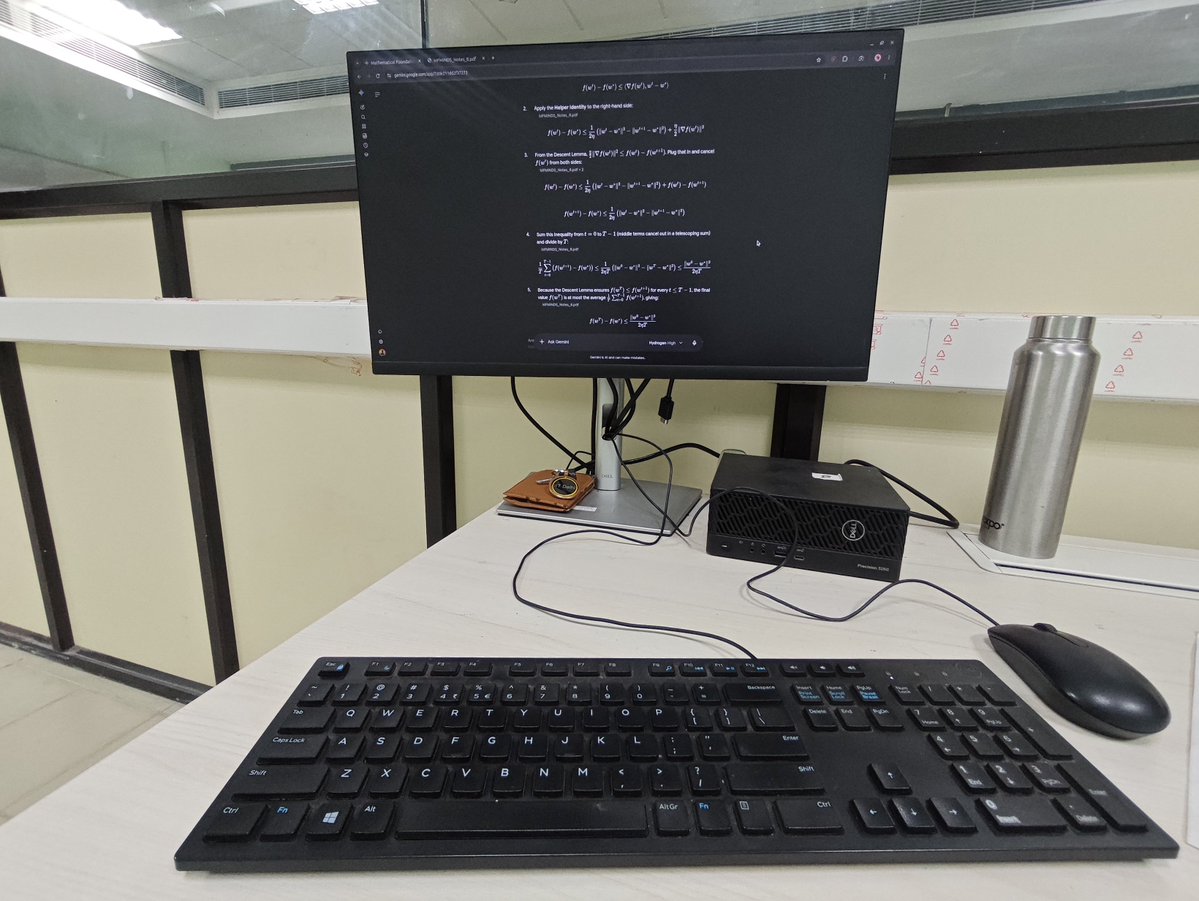
@melvinjohnsonp even when I am nowhere near close to hitting my usage limits, the model selector downgrades from argon high to flash-lite low and from hydrogen high to hydrogen low
day 1 of cuda: super excited to start!
after seeing the inspirational work that people are doing and not understanding any of it, i want to post every day to document my journey. am learning to solve the ai performance bottleneck
would be unable to dedicate much time to this as i have end sems but will ramp up my efforts after that