Joining PHC was a sliding door moment for me which quite literally changed my life. I’ve met so many amazing people, changed my diet, changed my career and changed my mindset on all aspects of life, health and the future.
Thank you 🥰🙏🎉
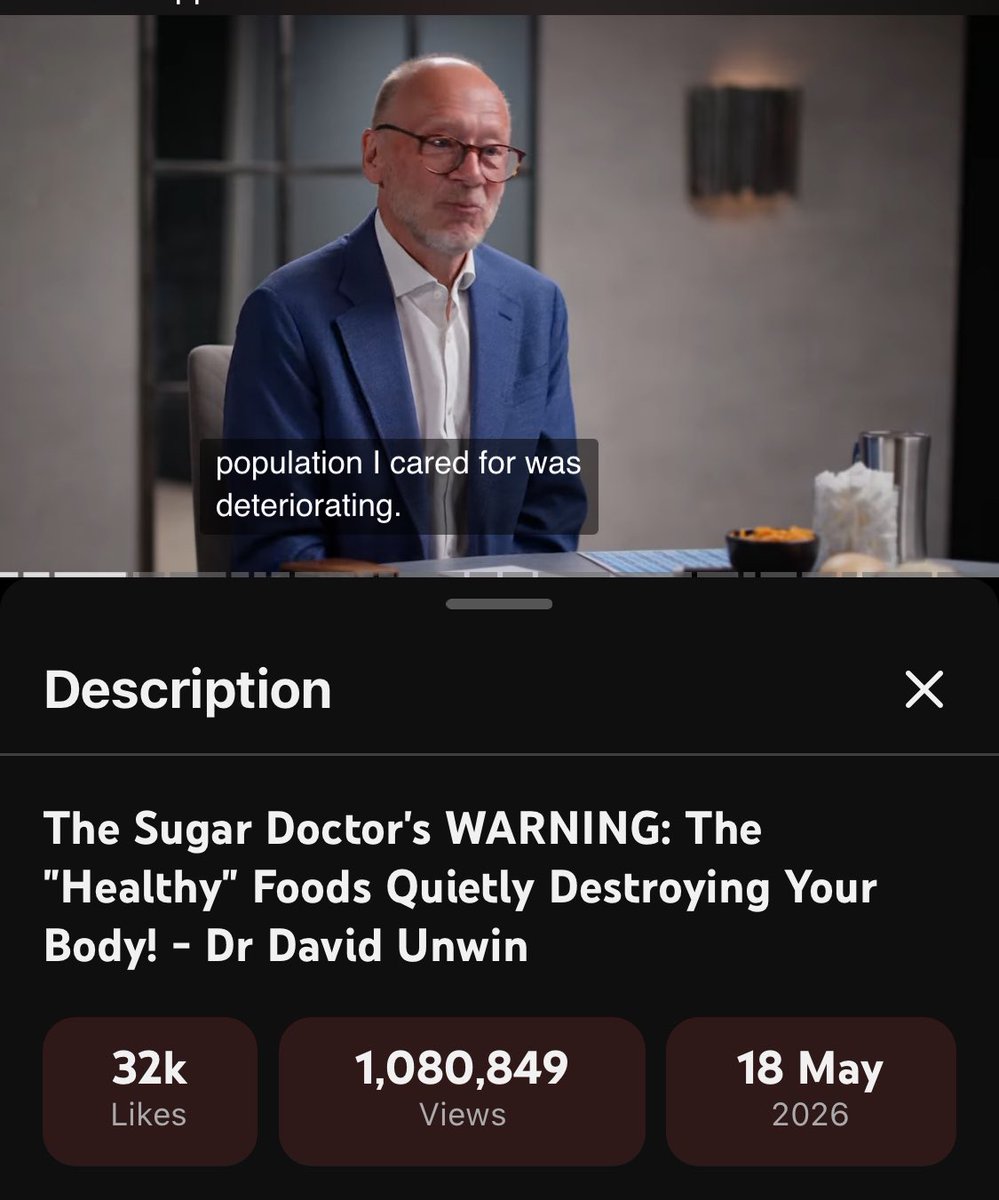
Yet another case of drug free T2 Diabetes remission🥳 He just stopped eating the foods that put up his blood sugar (yes carbs) Dramatic weight loss, no hunger as low carb stimulates NATURAL GLP-1 production Well done that guy!! @StevenBartlett@drchatterjeeuk
3.9 million people live with type 2 diabetes, with a further 1.2 million people who are yet to be diagnosed.
A low-carbohydrate diet can improve diabetic control for 97% of those who try it.
Which means fewer medications.
It’s amazing seeing Dr David Unwin (@lowcarbGP) on such a large platform sharing his knowledge.
Dr David Unwin is a founding member of the Public Health Collaboration and a trusted voice within the health industry.
We are incredibly grateful for the work he has done with our charity over the years.
If you’d like to watch the full video: https://t.co/C6TmftYyOd
To read our thoughts on the conversation: https://t.co/f5hVy67O1a
The amount of fat a person carries matters less than the size of the individual fat cells. After all, why are women healthier than men despite having higher body fat?
This newly published paper properly highlights this nuance (https://t.co/Mdiiawc1iM). The larger a fat cell gets: 1. the more insulin resistant it becomes (to prevent further growth but thereby leaking fats to the liver and beyond); and, 2. the more pro-inflammatory it becomes (in an attempt to correct reduced blood flow but thereby promoting systemic inflammation).
Fat is our friend, no doubt. We just want small fat cells.
PCOS is officially being renamed PMOS… Polyendocrine Metabolic Ovarian Syndrome. This is HUGE WIN.
The old name reduced a complex hormonal & metabolic disorder to "cysts on ovaries”, causing decades of missed diagnoses & inadequate treatment for 170 MILLION women.
The new name finally acknowledges what we've known all along: this is a METABOLIC condition. Insulin. Inflammation. Hormones.
And yes, it's exactly why metabolic interventions (like keto 👀) matter so much for these women.
Dr Isabella Cooper (@I_mitochondria) is back at the PHC Conference 2026, and if you heard her talk last year, you’ll know why we’re excited.
A researcher at the University of Westminster, Dr Cooper investigates how metabolic states like ketosis affect cellular health and cancer outcomes, with specialist knowledge in Ketogenic Endocrine Metabolic Oncology therapy.
This year, she’ll be speaking on:
“The Effect of Suppressing Ketosis on GKI and Liver Biomarkers in Healthy Females.”
She’ll also be joining the Women’s Health Panel, bringing her depth of knowledge to one of the most important conversations of the weekend.
Only 5 days to go.
If you’re interested in metabolic health, women’s health, ketosis, cancer metabolism, or how nutrition can shape future healthcare…
You do not want to miss this: https://t.co/Fl5TtR4a6e
Since 1975, obesity has nearly tripled.
Type 2 diabetes, metabolic disease, chronic illness, they keep climbing.
And here's the uncomfortable truth: people are getting sicker despite following our advice.
So the question isn't whether our patients are compliant. It's whether the advice we're giving still serves them.
500 people aren't waiting for the guidelines to catch up. They want to partner with their doctors to guide their care, not just be told what to do.
They're coming to hear what the evidence actually shows, from the people doing the research.
Dr. Eric Westman. Professor Richard J. Johnson. Dr. Louise Newson. Nina Teicholz. Isabella Cooper. Just a few of the speakers giving their time, for free, to help us give better advice.
This is an opportunity for those of us willing to grow — to learn from them, and from the patients walking in already informed.
This isn't a lifestyle problem. It's a knowledge problem. And it's one we can solve together.
Insulin resistance can develop years before diabetes and sometimes shows up in unexpected ways.
Skin conditions like acne or skin tags may be associated with underlying metabolic dysfunction.
Knowing your markers matters.
https://t.co/dJJlk9YAVV
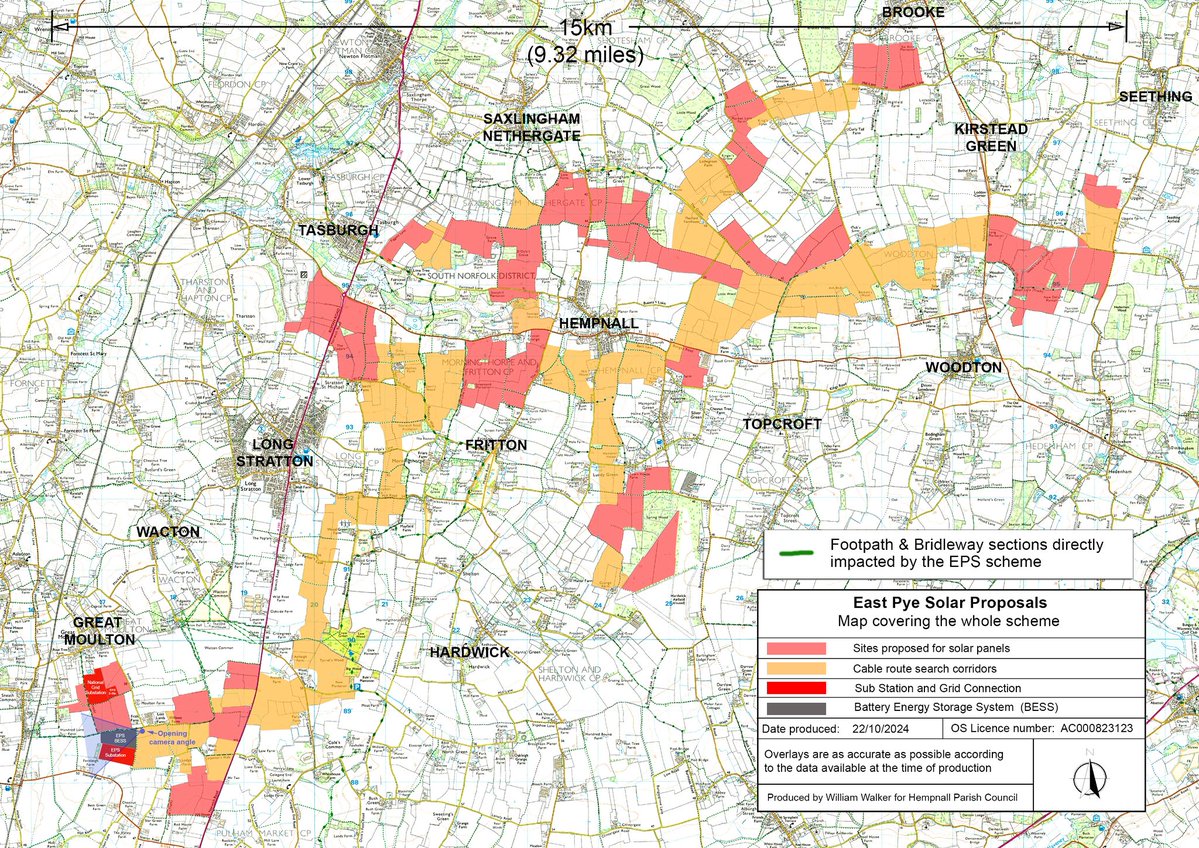
Could everyone please repost and share this tweet. I don’t normally ask, but this corner of Norfolk is going to be covered by solar panels and infrastructure the equivalent of 43,200 tennis courts. This insanity must be stopped. Thank you
https://t.co/3ny8od1F9l
@AllisonPearson@TiceRichard@KayMasonBillig
One primary reason visceral fat (i.e., fat around your organs) is more problematic than subcutaneous fat (i.e., fat beneath your skin) is that it grows through hypertrophy. Because of the limited space of that body cavity, visceral adipose is deigned to limit its own growth. Hypertrophic growth (where each cell gets larger), as opposed to hyperplastic growth (where the number of cells increases), is a self-limiting growth. Albeit with consequences.
When the fat cells experience hypertrophy, two harmful adaptations follow: 1. They become insulin resistant, leaking free fatty acids; and, 2. They become pro-inflammatory.
As Japan-USA relationships are reaching a new all-time high, I'm loving every minute of it. As a metabolic scientist, I've loved the opportunities to speak at events in Japan. Why would an American metabolic scientist be invited? Because the metabolic problem in Japan isn't that far off from the USA.
To understand this, you need to appreciate the nuanced relationship between obesity and diabetes. We often assume that fat mass matters most. However, the size of our fat cells matters more when it comes to metabolic health. Caucasians (the dominant ethnicity in the USA) have the ability to make new fat cells as they gain weight. This means their fat mass can expand while the size of the fat cells remains fairly normal. However, in East Asians, the ability to generate new fat cells is limited; thus, any fat gain pushes the fewer fat cells to be larger. And large fat cells promote metabolic dysfunction.
This explains why the USA can be significantly fatter than Japan, yet have diabetes rates that are only a point or so higher.
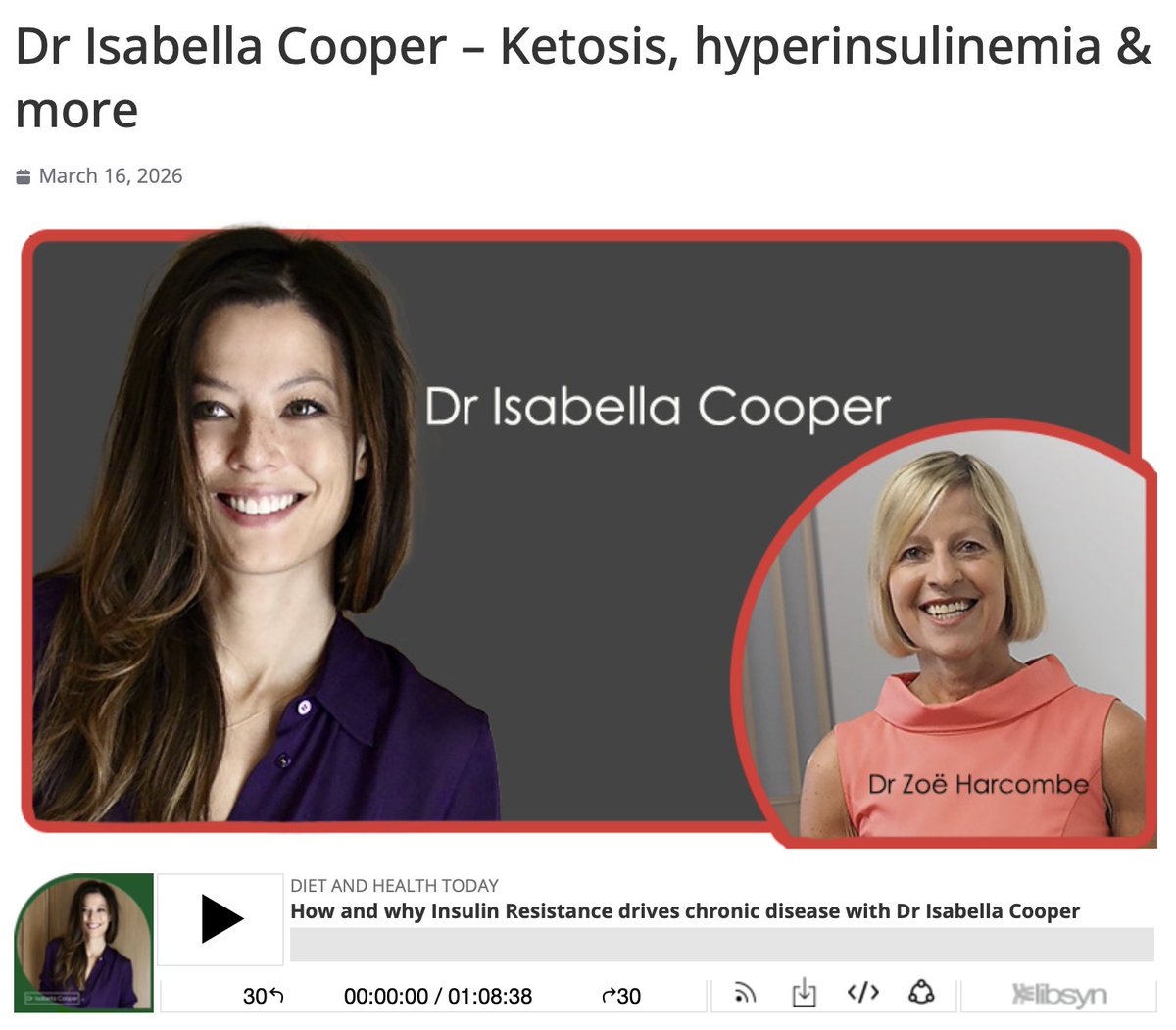
Dr Zoe Harcombe @zoeharcombe and I had a great chat about hyperinsulinaemia, insulin resistance and ICE (Insulin-Compensated Euglycaemia) recently, which is now online to listen to! I am a little 😉 obsessive 🤪 with the details and Zoe very graciously let me talk my head off 🙏🤓🤗
ICE (Insulin-Compensated Euglycaemia) = "healthy" looking glucose and HbA1C levels due to too much insulin = hyp-O-ketonaemia
https://t.co/qjPKANuTON
HOW FAST CAN LOW CARB WORK? So last week I met a young man symptomatic with very poorly controlled diabetes HbA1c 10.6% or 92 mmol/mol. I advised low carb & prescribed a continuous glucose monitor (against our UK Guidelines) ONE WEEK LATER his Libre estimates 5.6% or 38mmol/mol He feels and looks transformed 🥳👍 T2 Diabetes? Try avoiding the foods that put your blood glucose up @KenDBerryMD@DoctorTro