We identified stigmatization of alcohol use disorder as a barrier to effective medical care. Steps need to be taken at the medical and structural levels to address these biases. @tos20141 @jyu1523@LisaZha15073078@MClerkship
@miketzeng1@PNussenzweig@sudhavallii@rachelbabij@MClerkship It is unacceptable that physicians continue to hold biases against patients based on outward physical appearances. It is really unfair that one’s body type can determine access to healthcare.
@S__Baksh@MClerkship@catheri18173530@CarrieSha3@peejwalker Your group raises such an important issue. I wonder if there are other studies that consider access safe and updated home cooking facilities to process healthful foods as an additional component of food insecurity?
Food deserts are a public health crisis engineered by institutionalized racism in America. Check out our infographic summarizing cardiovascular impacts & general strategies to advocate for patients experiencing food insecurity @MClerkship@catheri18173530@CarrieSha3@peejwalker
(1/3) @MClerkship Pulse oximeters are the most common way to measure O2 saturation in the hospital and one of the best ways to track a patient’s progress and decompensation with a COVID infection.
https://t.co/rbwc82vTbn
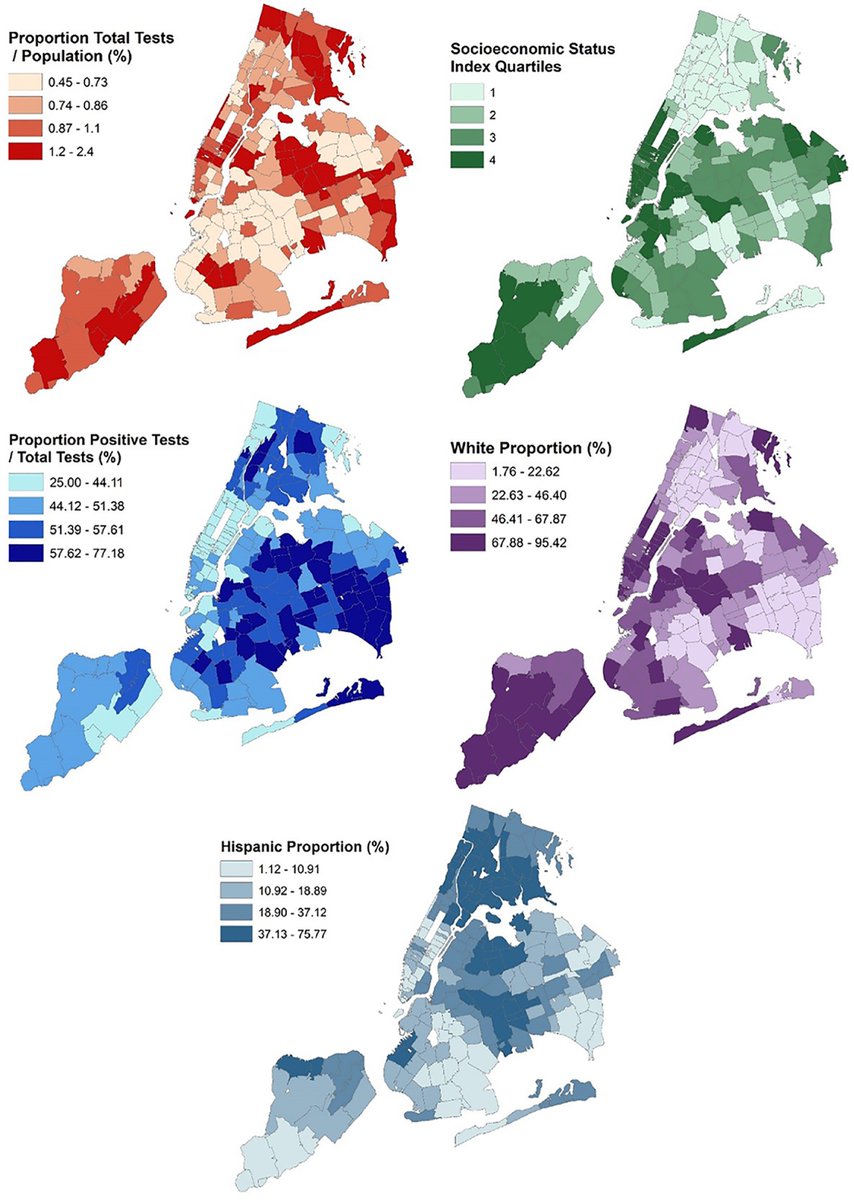
@CarrieSha3@NathanielGoldb7@MClerkship Nathaniel—thanks for pointing out this article. Unfortunately, this extends beyond NYC. This study, using test intensity and positivity rates, found similar gaps in COVID-19 testing in Massachusetts that were related to SES and race. https://t.co/puDHl30hz4
@JayShi79938365 Jay--very interesting and relevant articles. Most troubling of all, despite this being known since 2005, the biomedical community did little to address racial bias in pulse ox.
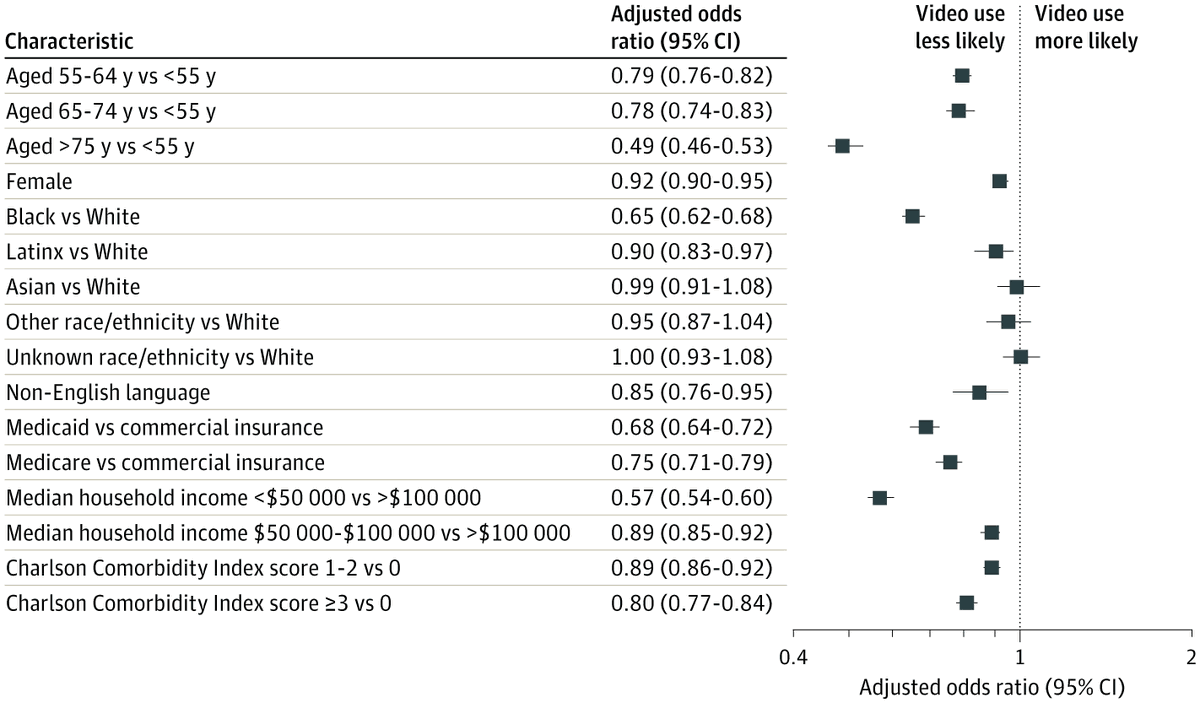
COVID-19 accelerated telemedicine primary and specialty care. This paper examined patient socio-demographics associated with telemedicine use and underscored the need to address inequities in virtual medicine.
@MClerkship https://t.co/PTiyK85wVq
In this cohort study, the authors not only considered telemedicine visit completion, but also compared voice to video visits. They found that age (>65), income (<$50,000), race/ethnicity (Black / Latinx), and health comorbidities were associated with decreased video visits.