The science of fetal microchimerism should have broken the internet by now.
It hasn’t.
When I read about a research I was so curious to know what’s actually happening.
Fetal cells — carrying the child’s own DNA — cross into the mother’s bloodstream during pregnancy and never fully leave. They embed into her organs. Her heart muscle. Her brain tissue.
Researchers have found a child’s living cells inside mothers in their 90s, from pregnancies six decades old. The child left the womb. The cells didn’t.
And they don’t just sit there. They migrate toward damage. Women with heart injuries show fetal cells concentrated at the wound site. Women with thyroid disease show their children’s cells inside the affected tissue.
The body that built the child gets tended to, in return, by the child’s own cells. Nobody designed this consciously. Evolution quietly built a repair system out of the mother-child bond itself.
The brain side of this is equally staggering. Pregnancy triggers gray matter reorganization — a structural rewiring that sharpens threat detection, deepens empathy, fundamentally alters how a mother processes the world. These changes persist for years after birth.
Possibly permanently. A mother’s nervous system doesn’t return to its factory settings. It was updated by the experience of carrying another person, and that update sticks.
The part worth sitting with longest — women who experienced pregnancy loss carry fetal cells too. The cellular merging doesn’t require a birth. It doesn’t require years of raising someone. Those cells remain regardless of what happened after. A mother grieving a child she never brought home is grieving someone biologically still present inside her. The world consistently underestimates that grief. The science says we have no business doing that.
Mothers always knew the connection didn’t end at birth.
Turns out it doesn’t end at the cellular level either.
Tuhin, our PhD student, suffered a crushing motorbike accident a couple of years back. He's fighting just to stand up on his own. He needs money to get another chance. Please help if you can.
https://t.co/X78jDktiIM
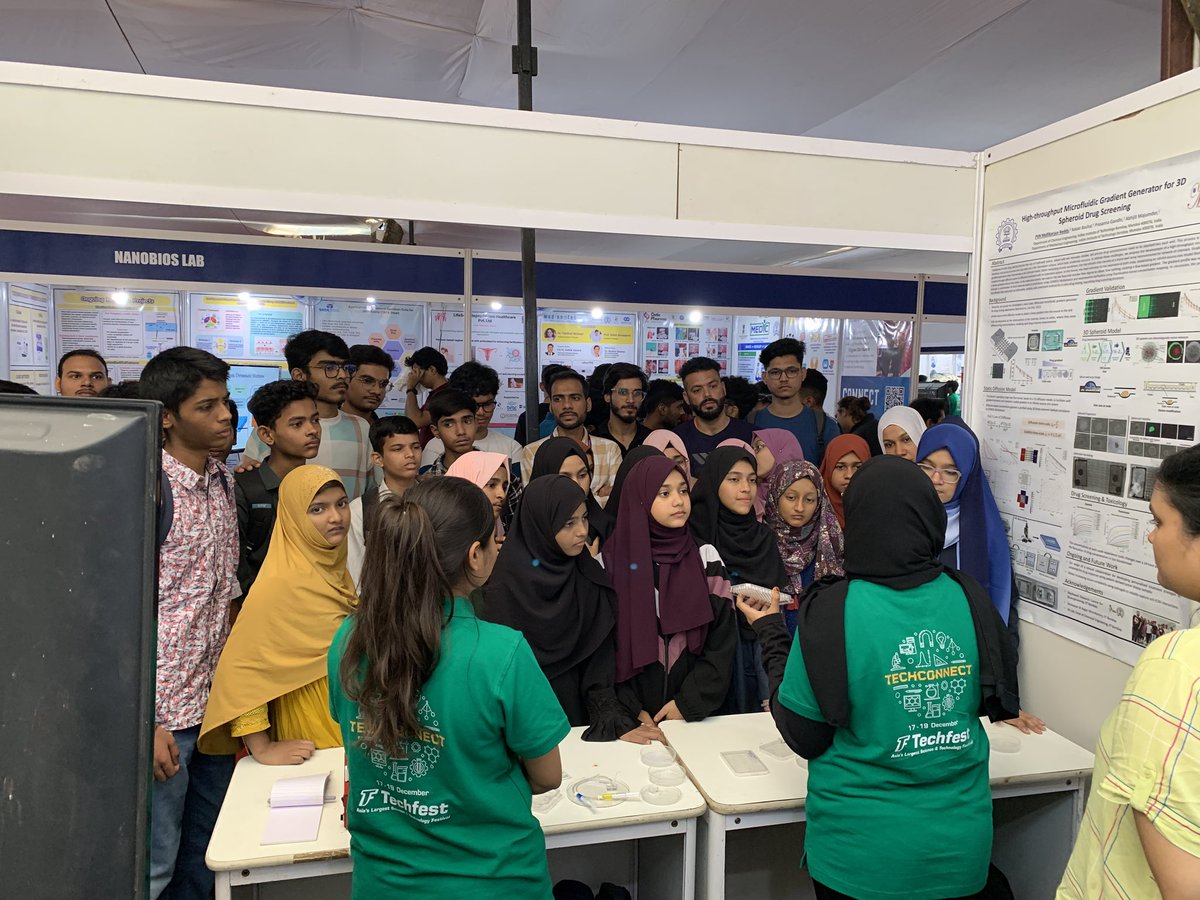
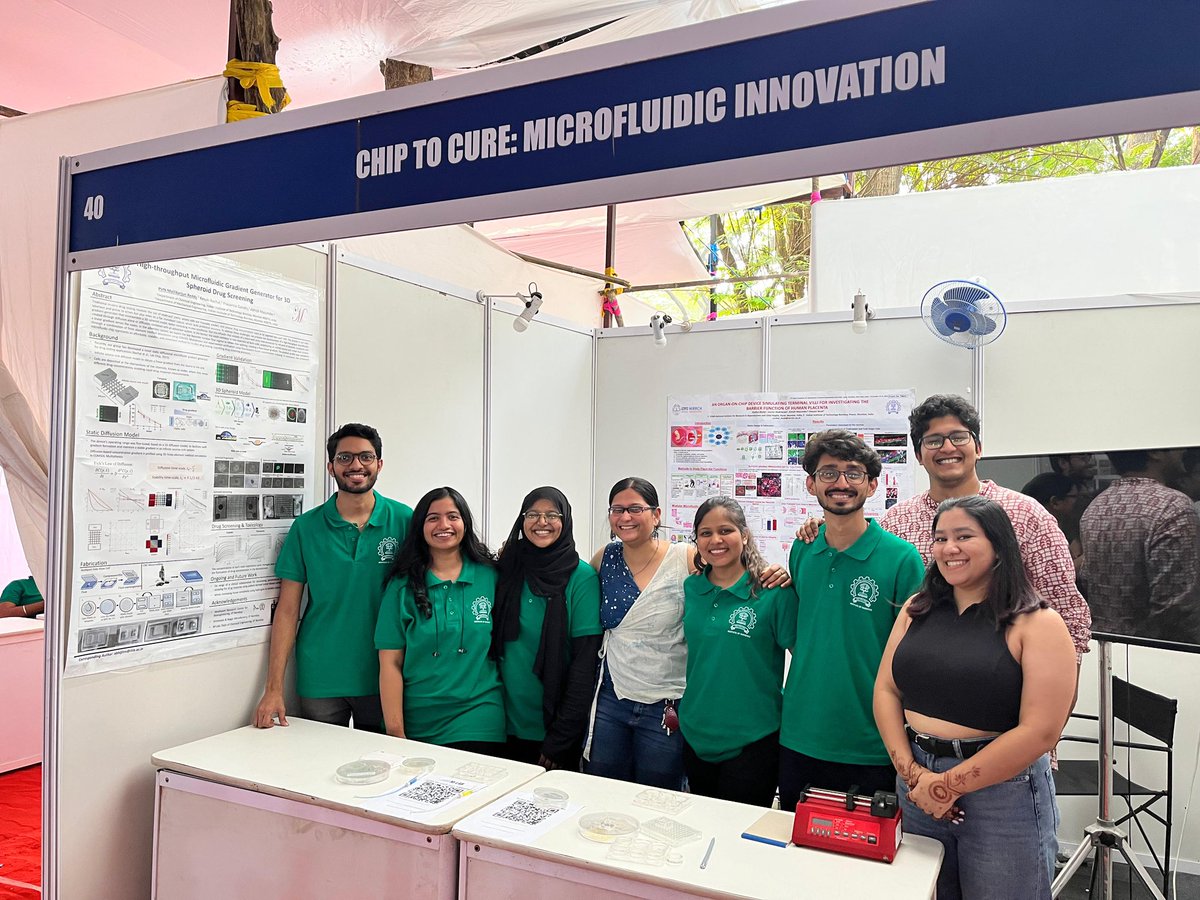
In “Techconnect”, the annual outreach program of IITB, MLab members are enjoying their time in our lab stall explaining microfluidics to the visitors across age groups.
Had an amazing time with 36 participants from 15 different Asian Univs in a Hands on Workshop for Organ on Chip models. The participants were really happy at the end. Kudos to the TAs (members frm our lab & Prof Sandip Kar’s lab) who did all the Hardwork.
The way we are doing science is unsustainable, under productive, and stressful. We need to reflect upon as a community. “Publish or Perish” was the worst thing that happened to academic research.
A thread. 🧵
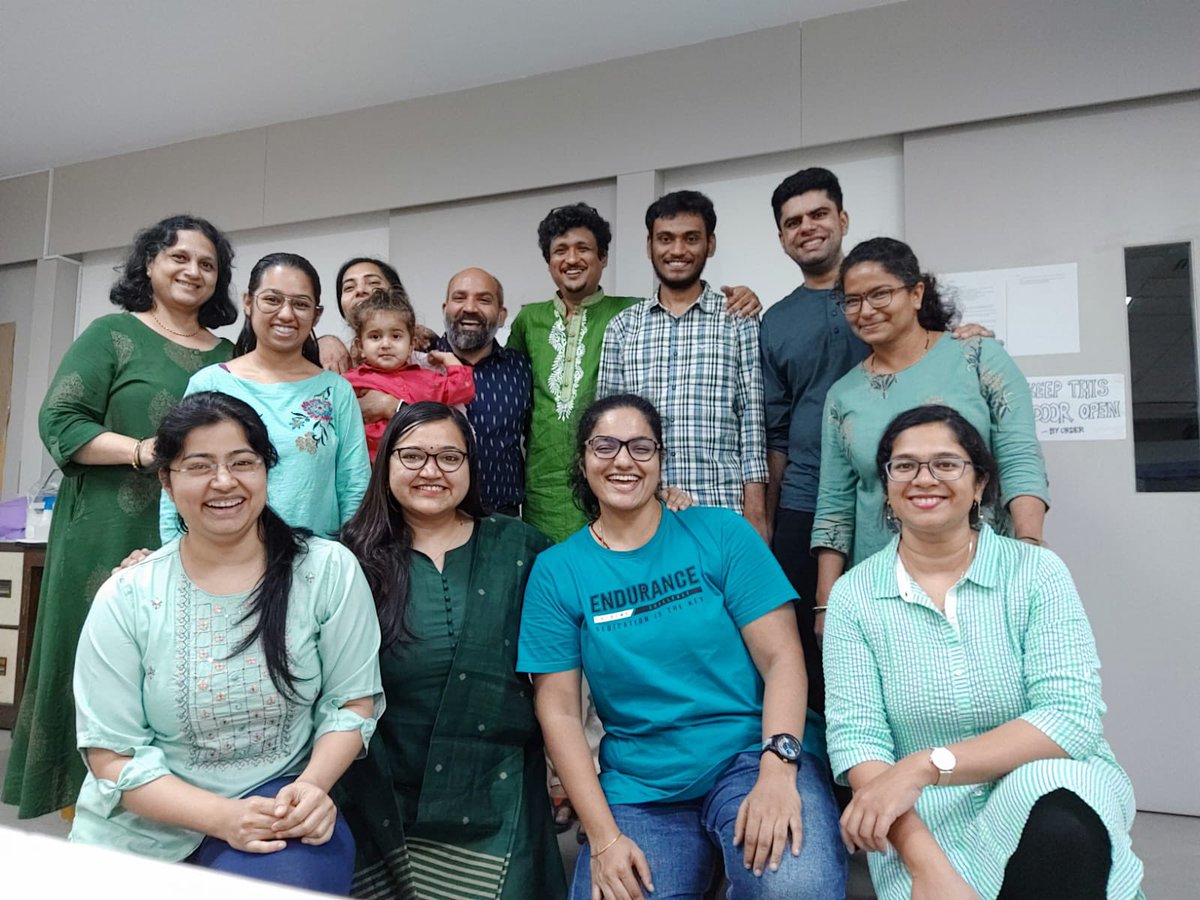
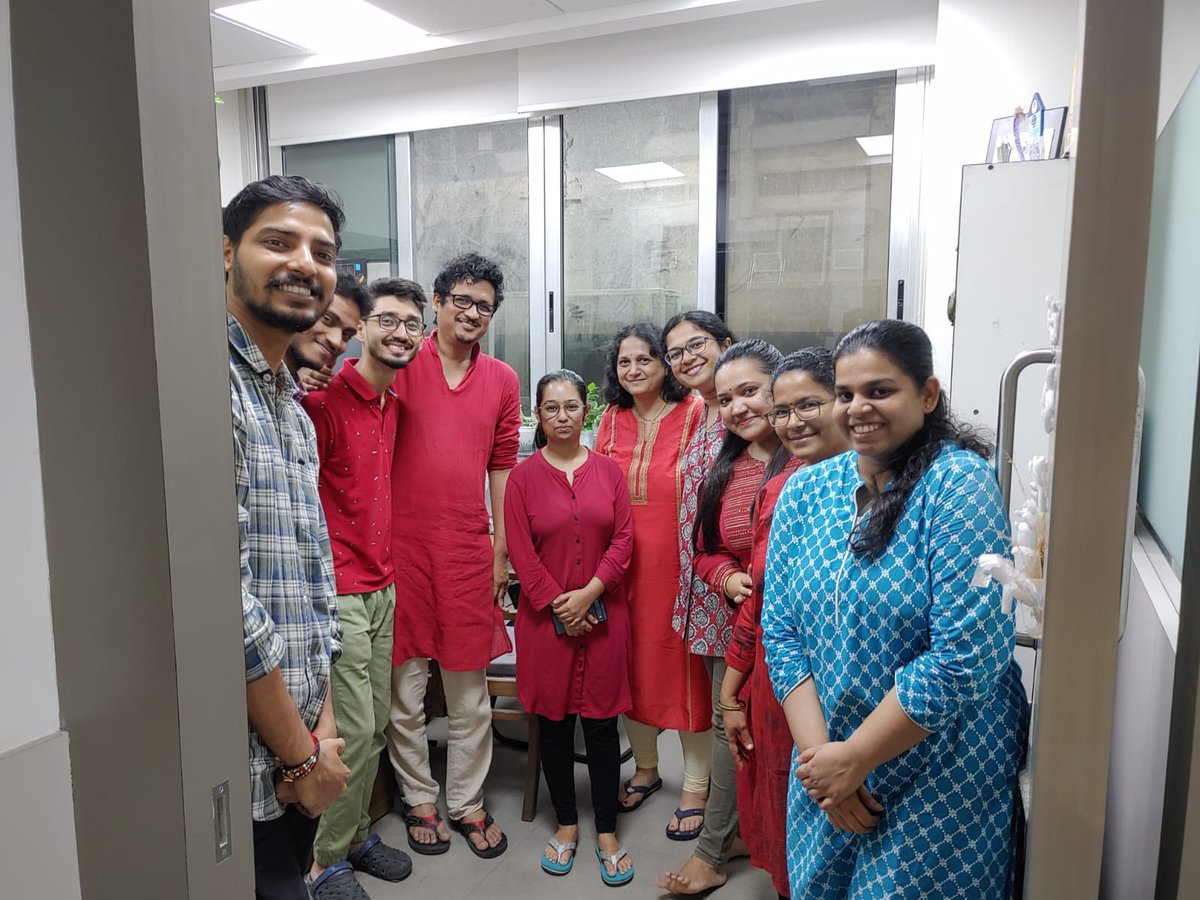
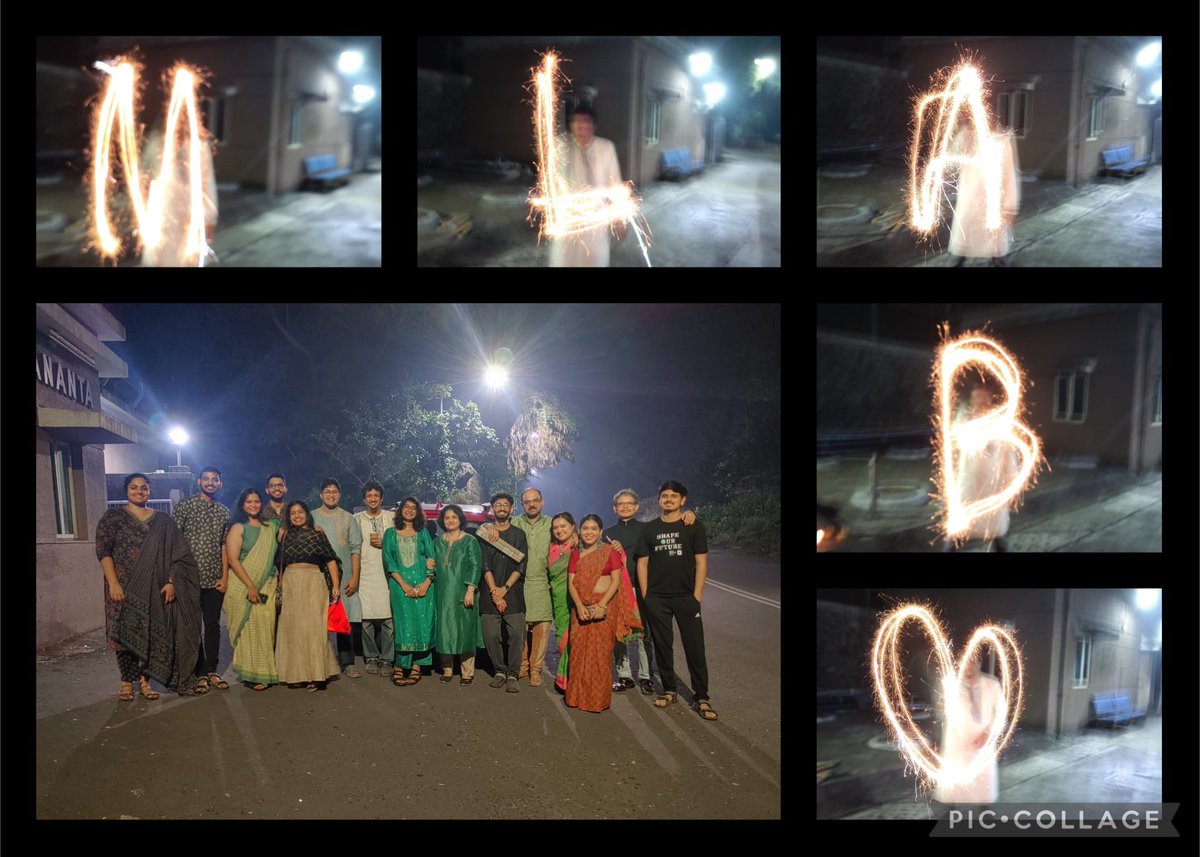
In Diwali, we clean our 🏠 n decorate it. MLab team members, specifically @srv_mkjee@RoyDebx et al decided to do the same for our lab webpage. And here is our BRAND NEW lab page.
https://t.co/Qt6c99amw1
I had no clue and it was such a pleasant surprise :)
Plz have a look.
I have got a mail.
Rarely you get such a mail that once again validate your conviction for your profession. Today is such a day for me.
Be kind always. You don’t know who needs it.
Also, you don’t know when you will need it.
The day was soaked with insights, wisdoms, and engaging discussions with 2 high profile visitors Dr @MandeSharmila & Prof @abhay_curam This is what I enjoy the most abt academia whr u get to discuss with senior most colleague w/o any inhibitions.
We are going to have a very exciting SCAN annual symposium 2024 on recent trends in neurodegeneration. Please register if you are interested. https://t.co/WVw7EkGw7B
Today whn my college friend n family visited the lab, Devashree n Debjyoti explained their science wonderfully to them which include 10 n 15 yrs old kids. I think that regular practice of explaining our science to people of different expertise levels improves our understanding.