New @Sightline report!🔥Policy tools to⬇️ #wildfire risk in the PNW: steer development away from risky areas, strengthen building codes, rebuild safer post-disaster, disclose hazard to renters/buyers & price insurance accurately. https://t.co/V3mxqAKYqr
Heat pumps could cut energy bills for most low-income Cascadian households by an average of $500/yr – if upfront costs weren’t so prohibitive.
We suggest three levers (beyond rebates) to help families access a more efficient heating/cooling system: https://t.co/ikrw9sGasg
NEW RESEARCH: Building much-needed new homes in the path of worsening floods & fires could lead to $3 billion in damages each year. Our latest report shows how govts can avoid most of these costs by building a small percentage of new homes on safer ground. https://t.co/Cradiz7jYZ
Thrilled to share my first op-ed w/ @Ryan_B_Ness on how 🇨🇦 can better adapt to #wildfires. 3 key tools: minimize risk in new developments, retrofit existing homes and buildings to be fire-smart, and invest in landscape-level measures. Give it a read: https://t.co/HPzcnTJQNo
Be part of the 2025 Indigenous Perspectives series!
This annual series with @yourcier amplifies Indigenous voices and expertise in the climate policy space. Learn more during our webinar on Nov 7 and apply by November 12 ⬇️ #IndigenousResearch
https://t.co/4lPIzknYrb
NEW TOOL ⚠️ Climate change is making wildfires, floods and droughts more frequent and severe—which now costs people and governments billions of dollars a year. See how the costs of these events are piling up on an interactive tool: https://t.co/maqNAzllwk
Canada is suffering the consequences of global heating firsthand. How is climate change making wildfires worse? To what extent do they affect people? How can governments act to protect communities?
Get all the relevant data in our fact sheet!
https://t.co/XLSBBoIyOr
NEW RESEARCH: Beyond Sustainability: The Power of Indigenous Healthy Energy Homes explores a new approach to address the health impacts of poor quality homes in Indigenous communities across Canada. This paper is a collaboration between @IndigClnEnergy and @ClimateInstit#cdnpoli
https://t.co/wyVrVY3g2t
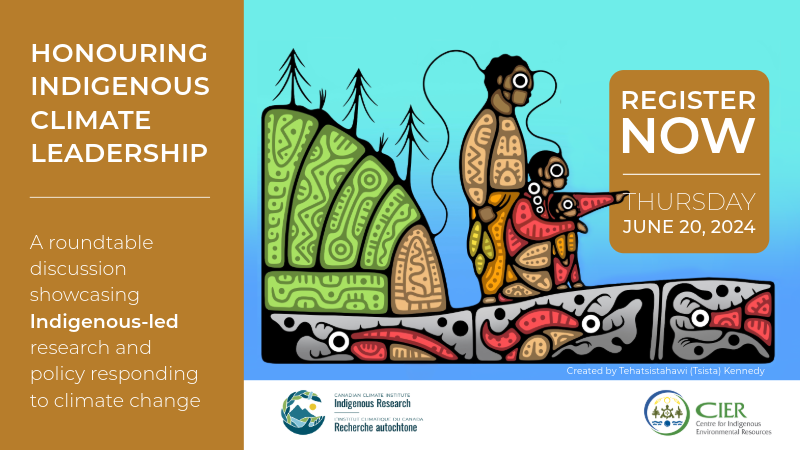
Register now for our Indigenous Perspectives roundtable on June 20. Hear from Indigenous researchers, Knowledge Holders and writers who will highlight how Indigenous self-determination and knowledge are integral to designing effective climate policies. https://t.co/ytEXRSp8ze
#ClimateImpacts will place a major burden on households and the economy.
Investing now in proactive adaptation measures can cut the costs of many climate damages in half. Find out more in our report ⬇️ #cdnpoli
https://t.co/yuieGC68h6
As part of Canada’s National Climate Assessment process, Natural Resources Canada (@NRCan) released the “For Our Future: Indigenous Resilience Report (‘the IRR’)”. 1/2
1/10 🇨🇦 households are living in a high risk flood area, with costly or no insurance coverage. A federal low-cost flood insurance program could address the pb. But it needs to be carefully designed to protect Canadians from rising rates and rising waters. https://t.co/5oVxEkInKP
Job alert! 📢 @ubcforestry are hiring multiple faculty members (TT-teaching & research, all levels & lecturers/sessional lecturers) to join the new Centre for Indigenous Land Stewardship, starting July 2024.
Please share widely!
https://t.co/x9KPGaeNtD
Modelling from the Canadian Climate Institute shows that without further action, the impacts of climate change on forestry, including wildfires interacting with pests and other disturbances, will result in $4 billion in export revenue losses and 32,000 fewer jobs by the end of the century. Read more: https://t.co/AR1wjtOrSS
The 2023 #wildfire season highlighted the need for resilience-building in 🇨🇦’s forest sector, one of the nation’s largest employers. @aklindsay_kate & I write about the impact of wildfires on the forest industry & how to adapt to a future fraught with fire https://t.co/wf1JKdH0j8
Climate change means a fiery future for 🇨🇦's forest sector, with jobs and timber supply at risk if further action isn’t taken to make forests more resilient.
@Rpelai and @aklindsay_kate take a closer look at how wildfires impact this sector. #cdnpoli
https://t.co/c4RTmSs9TW
As more Canadians discover the benefits of heat pumps, it’s essential that the federal government keeps funding the Greener Homes program, which is having an impact. https://t.co/i7VwGnfHkV #cdnpoli
“Indigenous people are at the front lines of climate change. They are not only disproportionately affected, but they're at the forefront of climate action.” says @Mandyingaround, Grand Chief, Cree Nation of Eeyou Istchee
#cdnpoli#NetZero2023 @AFN_Updatesw
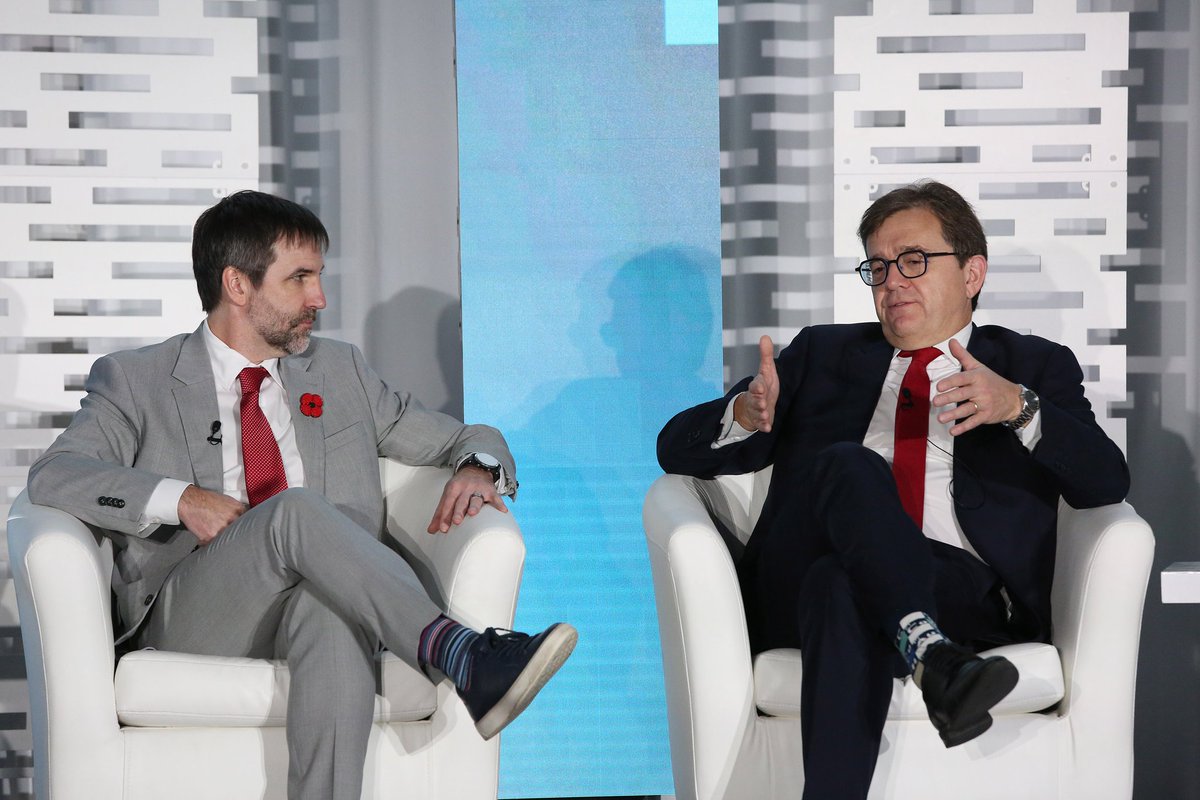
Excellent discussion moderated by @catabreu_ with Ministers @JonathanWNV & @s_guilbeault on building momentum toward net zero at the #NetZero2023 event. I appreciated the substance, candidness, and optimism of this conversation.
"I don’t think you can have an effective economic plan that is not nested inside a climate plan. To think that you can ignore climate change is just wrong." says @JonathanWNV#cdnpoli#NetZero2023