Software creates soft men
Soft men create hard times
Hard times create hard men
Hard men create hardware
Hardware creates good times
Good times creates software
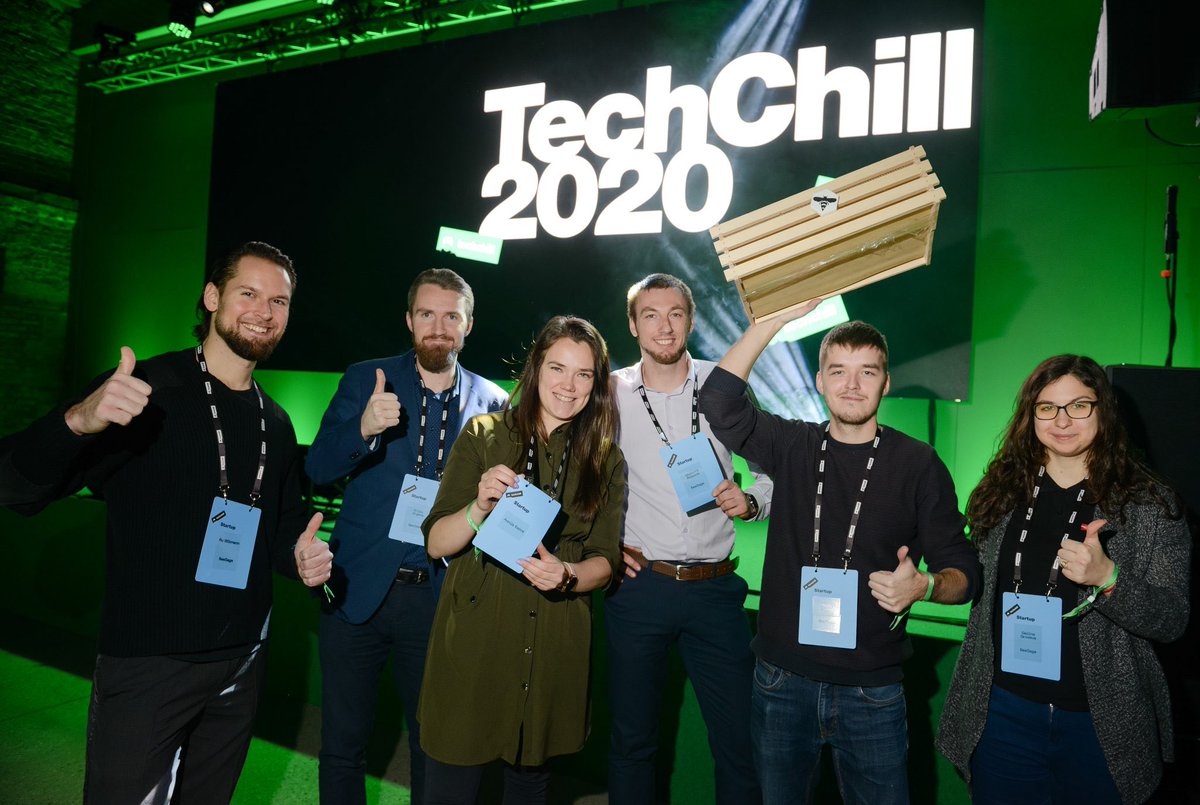
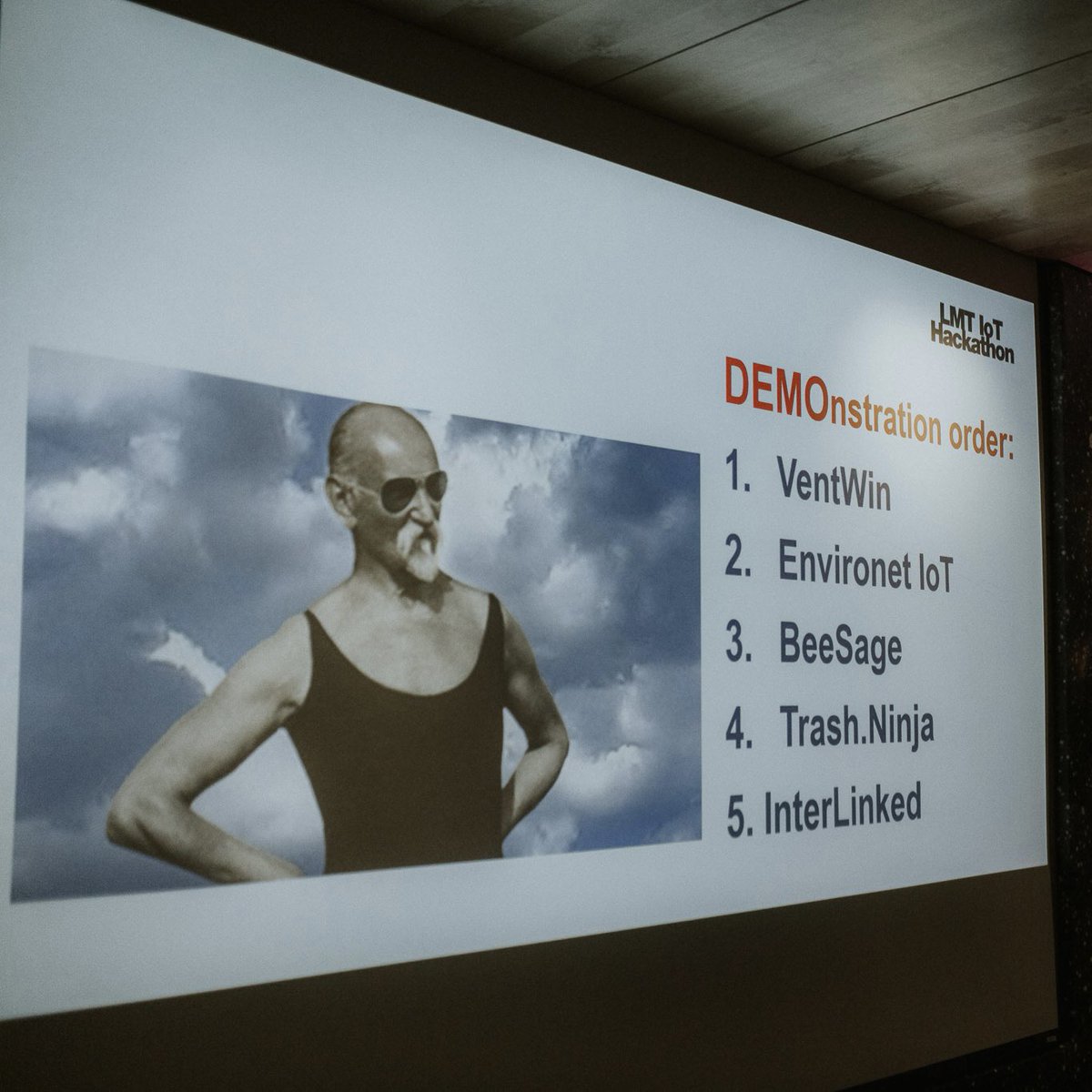
It is our 5 year birthday 🎂🐝 The journey started at an IoT hackathon in Latvia in collaboration with @TechChill where we were not only favoured by the jury, which included @BuilditAcc that later became our first investors, but also received the audience’s vote 🏆
There have been ups and downs, as in every startup’s lifecycle. Two co-founders remained after the original event. Now @RuWikmann is leading the company as a solo founder.
Nevertheless, there’s a new team in place, part of which you see in the first photo. Most importantly, when progress compounds it becomes undeniable, and the inflection point for adoption of beekeeping technology is near. The race is not for the swift 🕰️
The Tesla Roadster is niche w bad range
The Falcon 1 is a shit rocket
The Neuralink v1 bit rate is low
Subways >>> cars
Grok 1 sucks
X will break after firing people
It’s amazing how people don’t get the pattern
v1 sucks, v2 is okay, v3 is SOTA, v4 is god-mode
I love London, I have lived here my whole life and I am immensely sad to be writing this.
In the last week I have seen 4 phone thefts and tonight had my phone stolen by a bike gang for the 2nd time.
I pay $2M in taxes per year, the lawlessness is off the charts, the entrepreneurs have left, the taxes are higher than ever.
London is sadly falling.
Having spent a significant amount of my time over the last few years managing a company with entities across two countries, it really shouldn’t be this complex. We can do better, Europe.
Sign this petition for a unified pan-European startup entity! https://t.co/51k2iOPsR3 🇪🇺
At the YC Alumni Reunion, I got lots of questions from new founders about how to build a successful company, but realized that they all had the same answer. And it’s this:
—————————————————
DO TOO MUCH
As a new founder, I’d often look at the CEOs of successful companies and wonder, “How do they do it?”
As Scale grows and as I learn on the job, I’ve come to realize that leaders of great organizations never just do it. They overdo it.
As a leader, you are the upper bound for how much anyone in your company will care. You need to do more, care more, attempt more than would seem reasonable. It will seem like overkill. But too much is the right amount.
This is true in big and small ways.
- What people say is overoptimism is just optimism.
- What people say is overcommunicating is just communicating.
- What people say is overdelivering is just delivering.
- What people say is micromanagement is just management.
- What people say is ruthless prioritization is just prioritization.
Actually living this way will seem crazy, and that’s ok. There is no Apple without Jobs’s “obsessive” attention to detail. There is no SpaceX or Tesla without Elon’s “maniacal” drive for execution. I have never seen ordinary effort lead to extraordinary results.
If we had not done too much, Scale would not be the company it is today.
When AI really started to take off in 2022 and “generative AI” became a thing, within 6 months Scale shifted the vast majority of our team to working on generating data for scaling LLMs.
Most companies would go through quarters of bureaucratic planning cycles and only move after a competitor started eating their lunch. In our case, the change was drastic and abrupt — some might say jarring or extreme.
What people might have reasonably described as overreacting was just reacting. And in hindsight, that reaction to developments in AI was what made Scale’s subsequent path possible, including growing 4X over the last year.
What we’ve accomplished to date represents the compounded results of everybody embracing the culture of overdoing. Scale will do things incumbent companies wouldn’t, because it’s simply too scary or painful, but others not going to the same lengths is a feature not a bug.
Creating something meaningful is a beautiful, and yes, scary and painful thing. And if you’re not overdoing it, you’re underdoing it.
If you want to fix a broken system, you have to pull money OUT, not put more money IN.
If you put more money IN, the system interprets it as a reward and uses the money to become even more broken.
We get this for businesses. We forget it for nonprofits and governments. 🤔
Crazy how the time flies. Joined this platform 15 years ago. Neglected it for the last 10 years. As it’s improved so much lately, I’m ready to become active again #MyXAnniversary