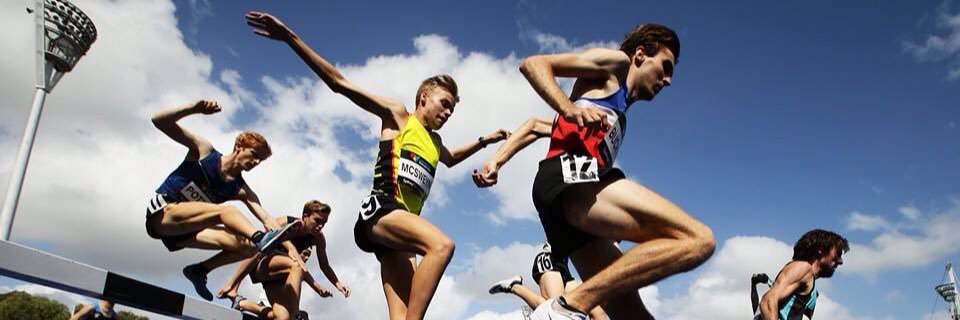
Huge hand Nike and its rivals have played in Aussie athletics golden age – and the other 'jigsaw pieces'
☕️ Sunday read 👉 https://t.co/tY3Ui8ThJr
Insight from Andrew Faichney, @melbtrackclub, @Culbert_Report and Melinda Gainsford-Taylor.
#Athletics
Every strength coach nerd loves to bring up “the research.”
They’ll argue about growth plates…
Debate the perfect age to start strength training …
But they miss the point.
Because they don’t actually work with kids…
They’re just looking for clicks and likes.
Kids aren’t ready based on age.
They’re ready based on maturity.
A child is ready when they can listen, stay focused, and follow instructions safely.
That might be age 7…
That might be age 12…
There’s no rush.
Some kids still need to play tag…
Run relay races…
Others might be ready for more structured training.
The most important thing?
Having fun.
That’s the long game.
Because every child is different.
Strength training done right isn’t about heavy weights or improving performance in the short term.
It’s about movement…
Coordination…
Confidence…
And in my experience…
When kids start asking about strength—
That’s your green light.
“The only thing left for me was death.”
Almost 10 years ago, Luvo Manyonga conquered the athletics world. But he was addicted to crystal meth, and his life sank into crime and drugs.
Now, after a brutal beating nearly killed him, he’s back at the top.
https://t.co/pgeEvUEQgS
This is for the “just send kids outside to play” crowd…
Kids should play.
But let’s be honest—today’s world isn't the same as the 1980s.
Less recess.
Barely any PE.
More screens.
“Just go play” isn’t a system—it’s hope.
And here’s what’s funny…
We’ll pay for:
batting lessons
soccer skills
private coaching
…but hesitate to invest in athletic development?
We train skills…
but ignore the engine.
Kids don’t magically become coordinated anymore.
They need the right environment.
Free Play matters.
But Guided play and movement skill training can build real athleticism.”
#LTAD
Imagine a program for kids where they have some serious fun and build athletic movement skills at the same time without even realizing it.
It's called Speed Demons and this is what it looks like...
#LTAD
1/
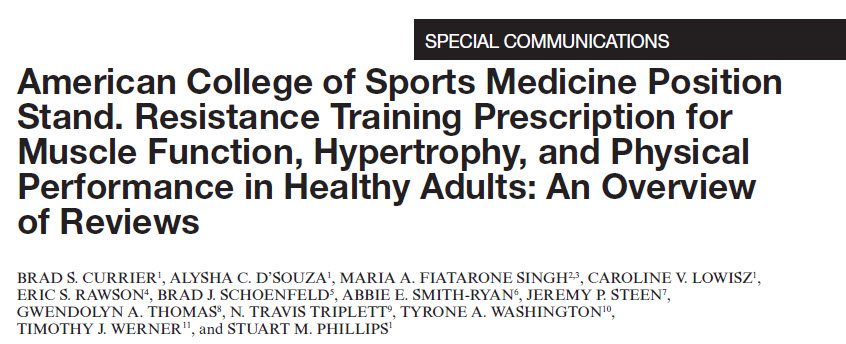
Big update in exercise science: ACSM has revised its resistance training Position Stand for the first time since 2009. That is a 17-year gap, and a lot has changed. 🧵https://t.co/Vk3yQj3Rmp
"It must have been my destiny to be Olympic champion."
Recycled some chats I had with Ronnie Delany over the last decade for this obituary on one of Ireland's sporting greats - who carried himself with as much class off the track as he always showed on it
https://t.co/3yGJJvslhg
The IOC Diploma in Strength and Conditioning is accepting students. The deadlines are approaching.
#strengthandconditioning#Sportsoracle
https://t.co/eobUOYJMrq
👇
🎟️ Tickets to the biggest one-day meet in Oceania have dropped!
The 2025 edition of Maurie Plant Meet - Melbourne SOLD OUT and with the first athlete announcement for 2026 dropping tomorrow, spectator tickets at early bird prices are available now.
Buys yours here 👉 https://t.co/1qNuNceMI4
#AthleticsNation #ContinentalTourGold #VisitMelbourne
I’ll try to make this as crystal clear as possible, because much of the strength and conditioning field still views resistance training through a very narrow lens—a weight room filled with barbells and dumbbells.
I’ve read the research. I’ve seen the papers. Resistance training for pre-adolescent children consistently shows positive outcomes across the board. That part isn’t controversial anymore.
Where the confusion lies is what actually counts as resistance training for kids.
In our industry, “resistance training” has become almost synonymous with external load. And to be clear—external loading through dumbbells, barbells, kettlebells, bands, and medicine balls is absolutely safe and beneficial when properly coached.
But resistance training does not begin and end there.
Sprinting, jumping, grappling, tackling and blocking, climbing, crawling, carrying, throwing, parkour, gymnastics, and Ninja-style activities are all legitimate, highly effective forms of resistance training. These activities challenge force production, absorption, coordination, and control—often at levels far more complex than a single-plane lift.
More importantly, they’re fun, engaging, and developmentally appropriate. They expose kids to resistance through their own body weight, gravity, momentum, and interaction with the environment—across multiple planes of motion and constantly changing contexts.
If the goal is to build strong, resilient, adaptable athletes, then resistance training for children must be viewed as a movement experience, not just a loading strategy.
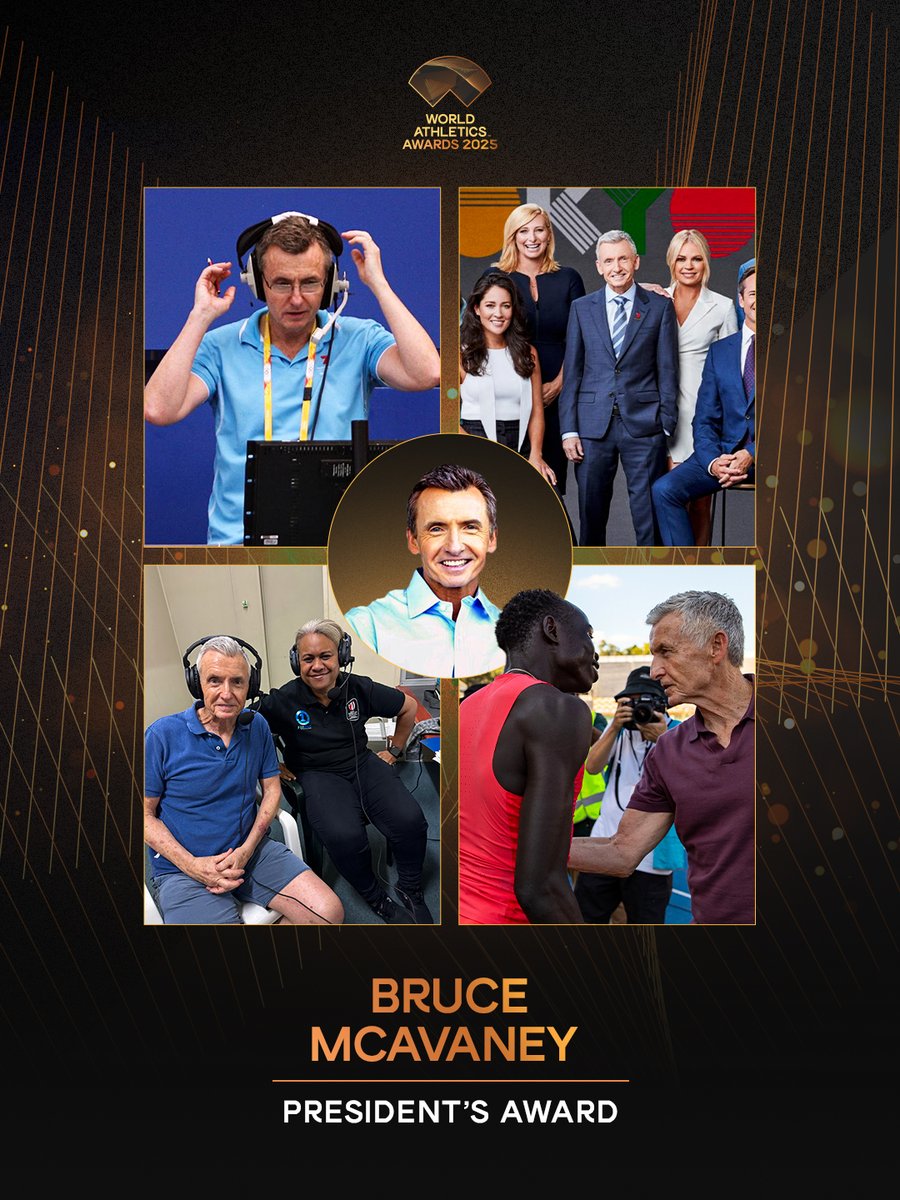
President’s Award Winner 🏆
Bruce McAvaney is your President’s Award of the Year winner 🤩
The President’s Award, first awarded in 2016, recognises and honours exceptional service to athletics.
#AthleticsAwards
🎽 The Low-Down on Hurdle Spacings 🎽
Coaches ask us all the time: What hurdle spacings should I use in short-hurdle training, and how do I decide?
A simple starting point: for primary hurdle sessions, we almost never train on the full race marks. For most athletes, we move the hurdles in, creating slightly shorter spacing for any full-speed work. We often drop them one notch in height as well, unless an athlete specifically needs the race height to dial in timing.
Why shorten the spacing?
• Training never quite matches the competitive arousal and speed athletes hit on race day.
• Discounting brings the rhythm closer to true race cadence.
• The athlete experiences how quickly hurdles arrive when velocity is high.
• Posture and shapes stay sharper with less reaching, less over-pushing, and cleaner takeoff/landing patterns.
Trying to run full race marks in training usually slows the rhythm, opens postures, and produces movement patterns that don’t match race reality.
There are athletes and programs who train on full marks—especially on the women’s side—but these hurdlers are typically elite and exceptionally fast. For most athletes, discounted spacing provides better rhythm, better shapes, and a truer rehearsal of race demands.
🎓 Learn more with Coach Andreas Behm's free Hurdle video guide: https://t.co/hGaxGWbfIG
P.S. If you want the deep dive on hurdle rhythm, spacing logic, and progressions, explore our Track & Field courses — all 35% off through Monday with code BF35. https://t.co/aekdxoawHH
#hurdles #hurdling #hurdler #trackandfield #tracknation
Are you an emerging distance runner ⁉️
A limited number of places are still available for the 2026 National Pathways Distance Camp at Falls Creek. This week-long camp (January 8-15) brings together Australia’s top emerging junior distance runners (ages 16–20) for high-quality training, education sessions - open to athletes who placed top-8 at the 2025 National Championships, 2025 Cross Country Championships, or 2026 World XC Trials (on 28 Nov 2025).
The camp includes accommodation, meals, gym and recovery facilities, education workshops, and group training opportunities led by experienced Australian Athletics staff.
EXPRESSION OF INTEREST👉https://t.co/rpUYoFjDCi
#AthleticsNation
🔥 Play builds athletes. Structure refines them.
Play is one of the most powerful — and most overlooked — drivers of youth athletic development.
In a playground, kids move through every plane of motion: twisting, sprinting, hanging, falling, and getting back up. That chaos wires coordination, strength, and body awareness in ways no structured drill ever could.
But as coaches, it’s easy to lose sight of this when chasing progress or results too early. That’s where small mistakes compound — and potential gets limited.
To help you avoid those traps, we’ve built a free resource inspired by Derek Evely’s new ALTIS Pocket Guide Course From Play to Podium.
⚡ Download your free guide: 10 Common Coaching Mistakes in Youth Development
🔗 https://t.co/5Tq95OEb5b
Nominations for Team Coaches and Managers, as well as Performance Support are now open for all Australian Teams in 2026.
If you think what it takes to support the green and gold, apply below 💚💛
Team coaches and managers: https://t.co/8whVmUIbei
Performance support staff: https://t.co/4o9HezVibb
#AthleticsNation
Dr. Jane Goodall filmed an interview in March 2025 with the understanding it would only be released after her death. This is her final message from it.
LOCK IT IN 🔐
The Maurie Plant Meet – Melbourne, Oceania’s one and only World Athletics Gold Level meet, is officially locked in for Saturday, 28 March 2026!
Get ready for another unforgettable night of world-class athletics under the lights at Lakeside Stadium. 🌟
Click the link for all the latest 👉 https://t.co/EiUAr44hXG
#AthleticsNation #ContinentalTourGold #VisitMelbourne