The Drift.
The athlete doesn't owe us the season we imagined.
It's easy to get excited about what a kid could become. You see the progress, look at the calendar, and start picturing what might be possible by November.
I do it, too.
But my excitement doesn't tell me where that athlete is today. Neither does the plan I wrote for them.
I call it The Drift. It's the gap between what I expect and what's actually happening with my athletes.
Nobody has to be doing something wrong for it to show up. Growth doesn't always happen when or how we think it will.
The trouble starts when we don't notice the gap and keep making decisions from an old picture.
I want to understand where the athlete really is, even when it messes with a plan I was fond of. 😂
They shouldn't have to convince me their experience is real.
That’s a 1️⃣-2️⃣-3️⃣ Lobo Finish 🐺
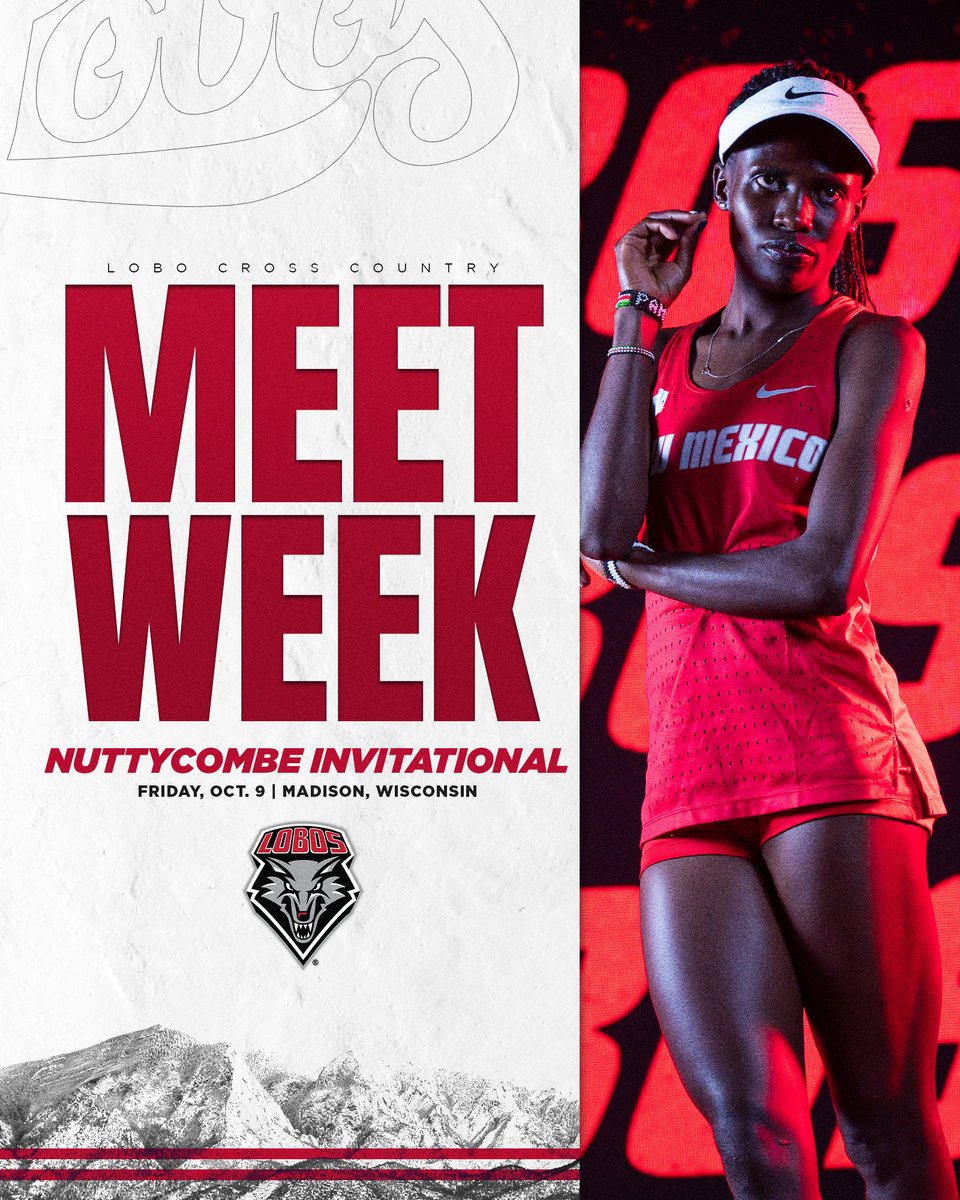
Pamela Kosgei wins her second Mountain Region title and is followed by Mercy Kirarei and Marion Jepngetich in 2nd and 3rd!
Over the years, I've learned that there are 2 main coaching mistakes that lead to a plethora of problems for athletes and programs. They really all boil down to:
1) Impatience
2) Ego
You belong before you're fast.
Help them feel like they belong here.
A kid can join cross-country without thinking of themselves as a runner.
Maybe a friend talked them into it. Maybe they're trying something new. They might spend the first few weeks wondering if everyone else belongs here more than they do.
Then things start happening. They finish a run they couldn't finish before. Someone learns their name. They find a group to run with. They realize somebody notices when they show up.
That stuff matters.
I want a program where beginners have a place while they're still learning. They shouldn't have to get good before they feel like part of the team.
Easy on the pep talks.
You can't want it for them.
I can get pretty excited about a goal. I can explain it, show the evidence, and talk until everyone would appreciate a little quiet. 😂
The athlete still has to want it.
Motivation belongs to the person doing the work. My job is to build an environment where they have reasons to care. A goal that means something to them. Teammates they want to show up for. Work they understand. Progress they can see.
I want to find out what matters to the kid. It might not be the thing that got me so fired up.
Probably good information to have before my next speech.
@HDD_santafe Yes! They change every couple of years, but we're in the same district. FYI, the parking at Ben Greiner, where the race is held, is tight. Most will end up parking across the street or the back end of the park. It'll be great to see you out there, assuming you're coming
If you want to really become a better coach…
1. Reach out to good coaches with consistently good programs and talk. The majority of XC and distance coaches love talking training and are super friendly.
⭐️ Bonus if you find a group of coaches who meet online and chat regularly.
2. A book will always be >> YouTube and Instagram
3. Attend a coaches clinic
4. Be ready to pour your heart into it. It requires a lot of your time, energy and attention
5. Be ok with making a mistake and then trying something different
6. Make whatever you’re doing your own by focusing on the kids in front of you, the conditions and attributes in your community and your school
7. Focus on getting better not being better than others
I was talking with one of the smartest coaches I know - who has coached at the high school level, the collegiate level, and coached Olympic Trials qualifers.
"College Coaches want guys who can come in and make an immediate impact."
That might be the biggest reason things in 2026 are different than 5-10-15 years ago. When a college coach gets an older, faster international athlete, they have someone who has a chance to score at track meets, or be a top 5 athlete on a good XC team.
My freshman year - 1994 - at CU Boulder, coach Wetmore was asked asked who in his freshman class could make an impact.
"In our business a freshman is a peach fuzz baby."
So the five of freshman were called the PFBs for a year or so by the older guys.
Eventually everyone in our freshman class - minus yours truly - became an All-American. And some guy named Goucher won a lot of NCAA titles - one the on exception to the PFB comment - he was second in the NCAA XC meet as a freshmen.
The rest of us were solid, but all of us really made a jump spring of our sophomore year.
Back to my point...
This issue of "need to make an impact now" applies more to 4:05-4:15 boys more than 4:45-4:55 girls, so good news if you have a daughter who is fast.
But for the boys?
I know of an athlete who broke 4 minutes this year for the mile and is a walk-on.
When 1-2 dozen college guys break 4 min in the mile in the same weekend in Boston on a fast track in magic shoes, it's worth considering why a 4:08 high school boys has a LONG way to go to make an impact at the DI level.
More to come at Next Mile Recruiting after the XC season. I'd link to the URL but Twitter will shadow ban me if I do.
If you're a coach and you want to read about the mistakes I see most families make, check it out. I will also send you a series of emails just for you - the HS coach - about how you can help your kids navigate this process.
To be clear THIS IS NOT A RECRUITING SERVICE. Rather, this is an educational company that helps families understand the process and find a great fit for their student-athlete. We educate the family - mostly the parents - and the family does the work.
After a dominant debut in Stillwater that led the Lobo men to a team victory over No. 1 Oklahoma State, Pasanjo Kitonga has been named @USTFCCCA 𝐍𝐚𝐭𝐢𝐨𝐧𝐚𝐥 𝐀𝐭𝐡𝐥𝐞𝐭𝐞 𝐨𝐟 𝐭𝐡𝐞 𝐖𝐞𝐞𝐤 🌟
#GoLobos