Yesterday I attended UCLA’s Science x AI Summit organized by SAIR, and Fields Medalist Yu Deng happened to sit right next to me! The question that stayed with me: what happens when AI becomes more capable than us in every way?
Two weeks ago, OpenAI released 722 mathematical manuscripts on research problems, and there is a growing sense that “math is being solved.” The speakers argued that mathematics is more than answering questions: it also means deciding which questions are worth asking. But how long will that distinction hold?
Terence Tao raised a paradox: faster research could slow progress, if researchers stop sharing unfinished ideas out of fear that AI will solve and publish them first.
My takeaway is that our own imagination may be the biggest bottleneck. As answers get easier to find, choosing the right questions matters even more. In biology, I’m excited by the idea of truly understanding our genome, and maybe one day “vibe coding” new forms of life.
Po-Shen Loh put the risk in a way I’ll remember: “Driving a car faster than you can run is fine. But not faster than you can steer.”
Full reflection here: https://t.co/UmFi4bQHSL
1/🚨 New preprint alert!
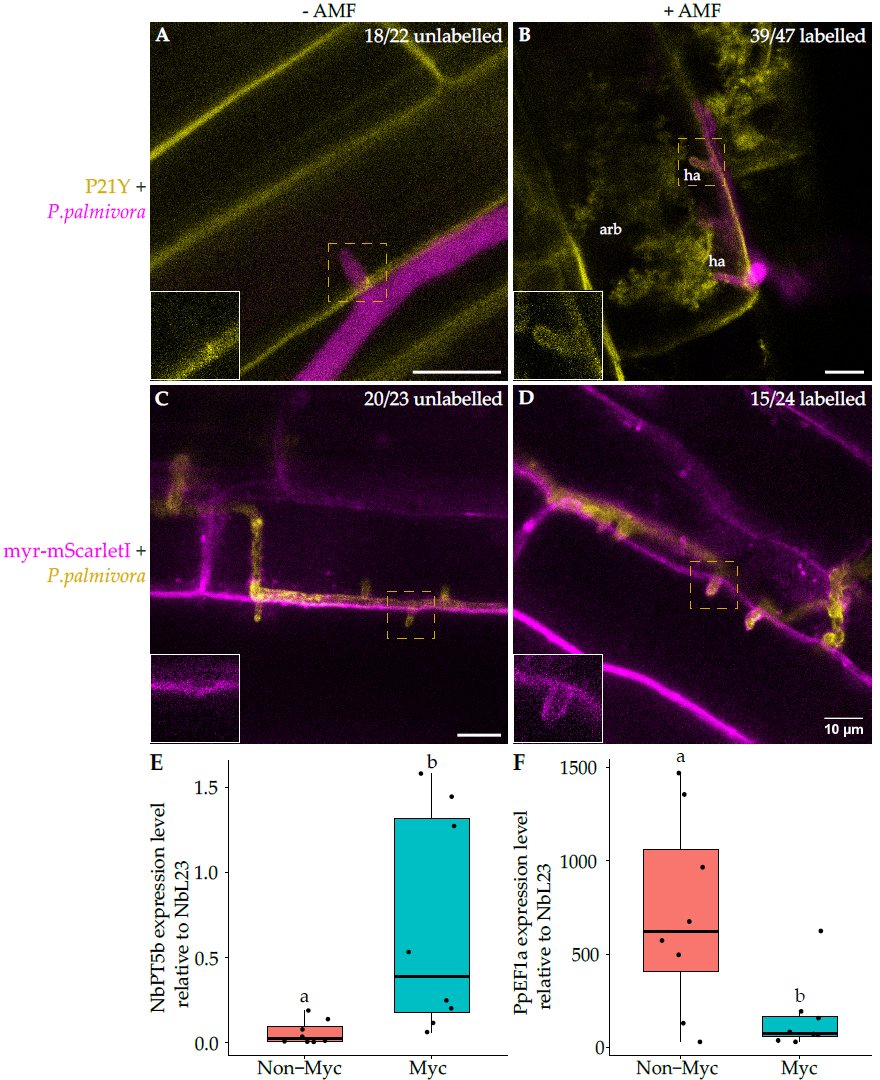
Can mutualists and pathogens co-colonise the same living plant cell and what does that do to the plant membranes that surround these microbes?
Plz repost. Fresh Preprint led by @AlexWGuyon
When a pathogen pushes into a cell already occupied by a symbiotic fungus, things change. New membrane phosphoinositides at haustoria may impact immunity & trafficking - And the roots are more resistant!
https://t.co/Y0zVZX60Vl
Congrats to @AlexWGuyon for passing his PhD viva today @slcuplants. Really proud of him! He was doing the last experiments in the morning and now is celebrating with the examiners @l_luginbuehl and @MahmutTor.
Congrats to @AlexWGuyon for passing his PhD viva today @slcuplants. Really proud of him! He was doing the last experiments in the morning and now is celebrating with the examiners @l_luginbuehl and @MahmutTor.
Made a great final presentation at William Yang’s lab! Had many very interesting discoveries, and most importantly, learned how to think like a scientist! Big thanks to my supervisor Nan, PI William, and everybody in the lab for making this rotation so enjoyable!