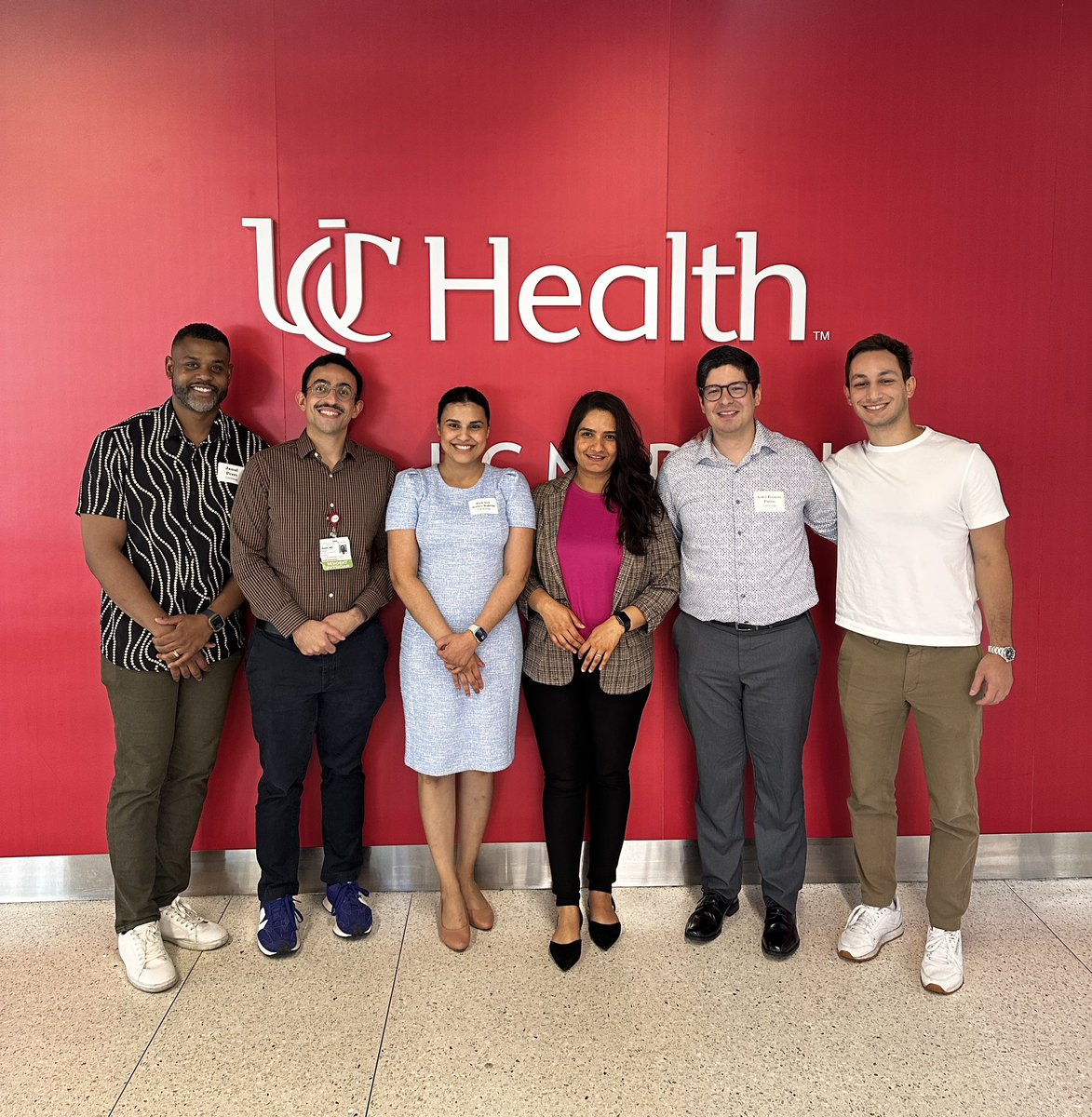
University of Cincinnati Division of Cardiovascular Health and Disease would like to welcome and congratulate all trainees that matched in our Cardiovascular Disease, Cardiac Electrophysiology, & Interventional Cardiology fellowship programs. @UCincyMedicine@uc_health
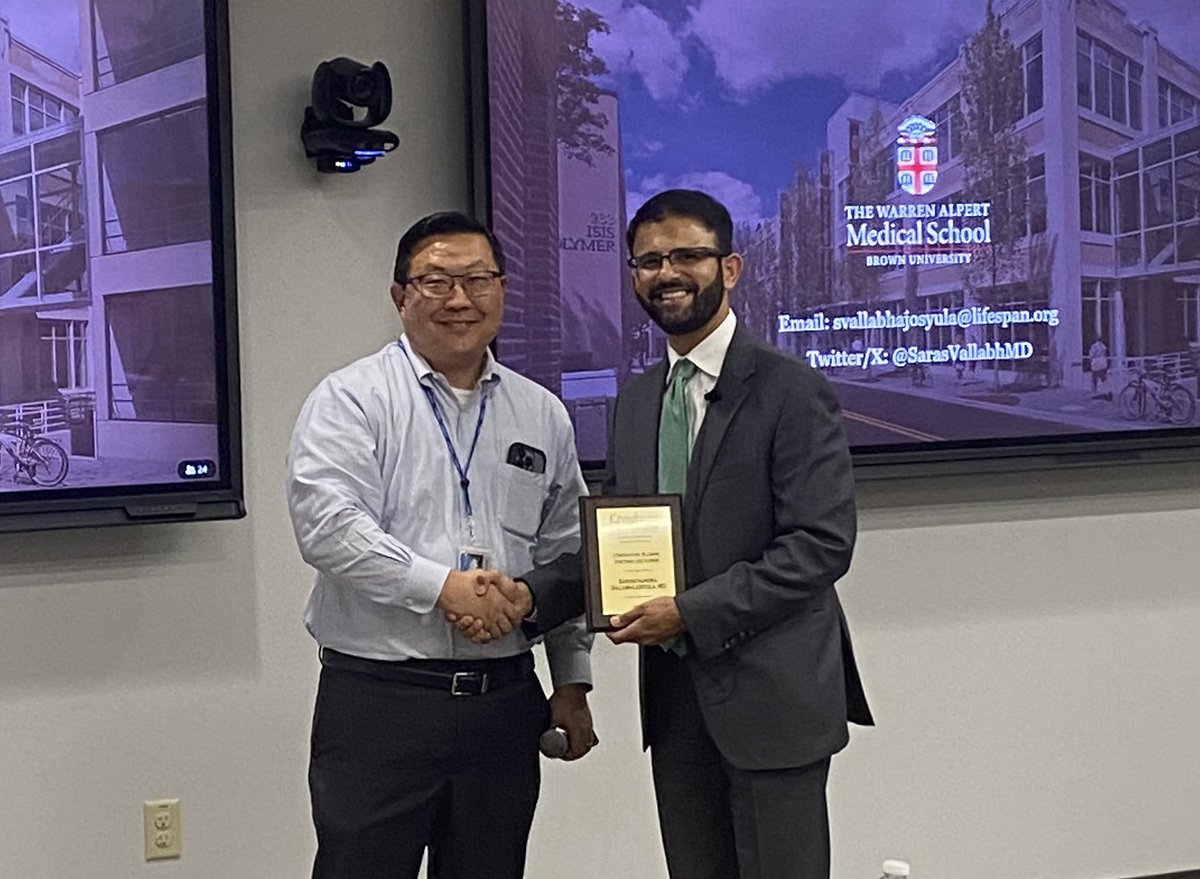
It was truly one of the greatest honors of my life to serve as the inaugural @Creighton University Alumni Visiting Lecturer. Loved my 1.5 days in Omaha, connecting with old friends and teachers, and discussing #MDT in acute CV care. Many thanks to the DOM for the opportunity.
Fantastic panel discussion on INOCA today .Engaging insights from all the experts, including @purviparwani made for a thought-provoking session. It was a pleasure chatting with you. #Cardiology#ESCCongress2024
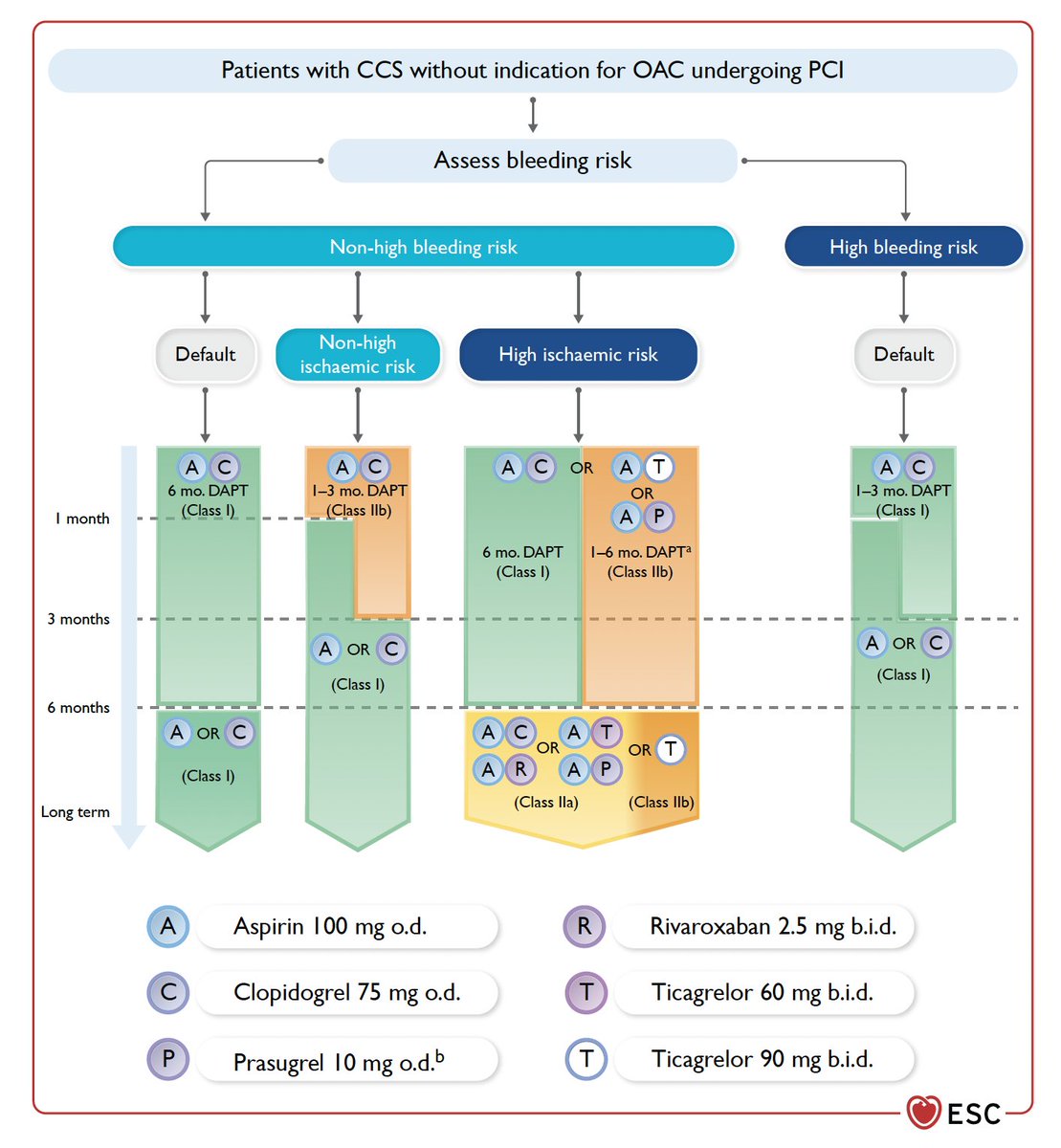
How many times have we seen this flow chart on the duration of DAPT change over the years? Let’s summarize the situation regarding class I recommendations (“must be done”) as reported in the new 2024 guidelines on chronic coronary syndromes:
- High bleeding risk patient: DAPT for 1-3 months.
- High ischemic risk patient with no high bleeding risk: DAPT for 6 months (alternatively 1-6 months in class IIb).
- Patient with neither high ischemic risk nor high bleeding risk: DAPT for 6 months (alternatively 1-3 months in class IIb).
I believe there is a missed opportunity for a recommendation regarding 'bi-risk' patients, but there is little evidence on this matter.
https://t.co/7RI6XRsdrd #ESCCongress
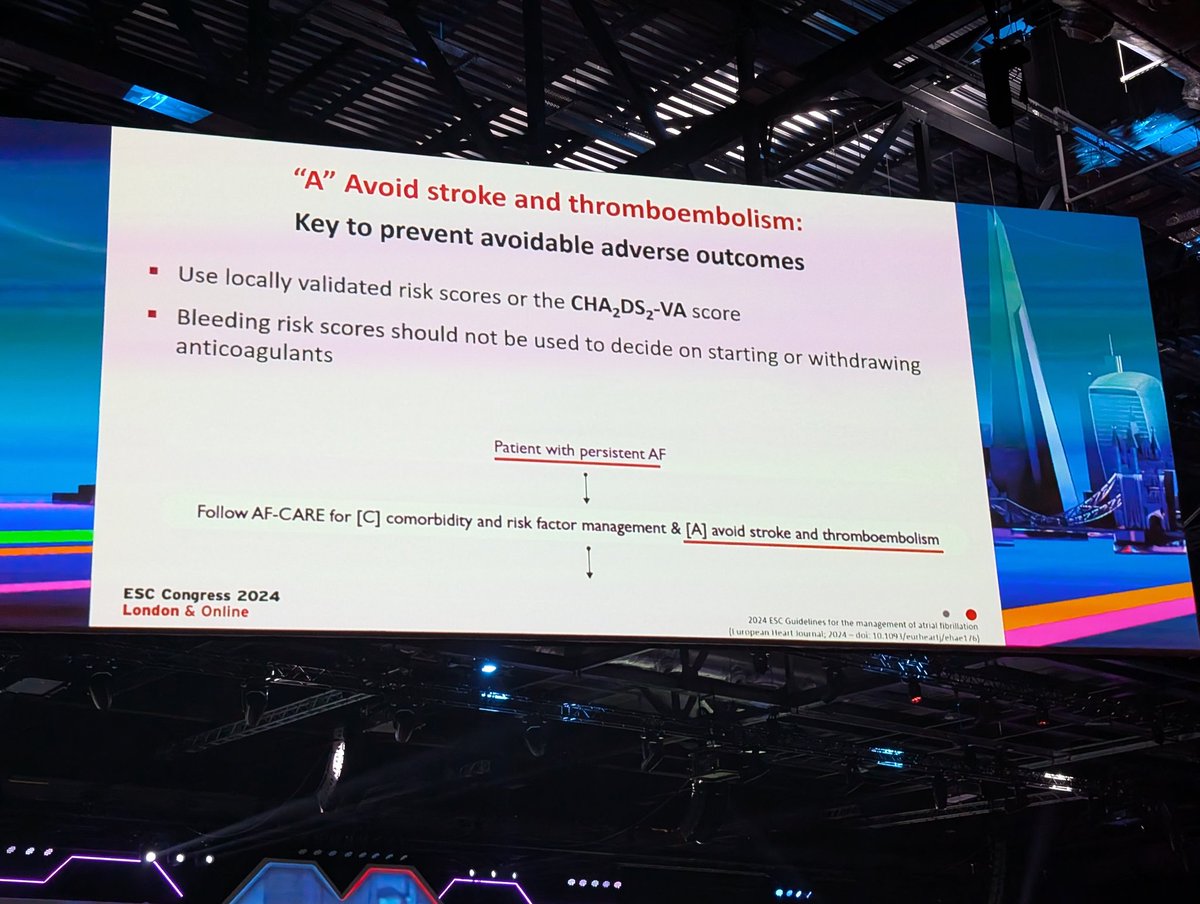
#ESCcongress#AF guidelines
What’s new?➡️
🆕 importance of optimal care according to the new AF-CARE pathway,
C] Comorbidity and risk factor management;
A] Avoid stroke and thromboembolism;
R] Reduce symptoms by rate and rhythm control;
E] Evaluation and dynamic reassessment.
🆕 broader application of appropriate anticoagulant therapy, and using the CHA2DS2-VA score to assist in decision-making
🆕 ‘safety-first' approach -
keep safety and anticoagulation in mind when considering rhythm control; e.g. delay cardioversion and provide at least 3 weeks of anticoagulation beforehand if AF duration >24 h, and consider toxicity and drug interactions for antiarrhythmic therapy.
🆕 integrating rate and rhythm control, with shared-decision making on referral for catheter and surgical ablation.
➡️Oral anticoagulants: recommended for all eligible patients, except those at low risk of incident stroke or thromboembolism (CHA2DS2-VA = 1 anticoagulation should be considered; CHA2DS2-VA ≥2 anticoagulation recommended).
➡️ Catheter ablation: consider as second-line option if antiarrhythmic drugs fail to control AF, or first-line option in patients with paroxysmal AF.
https://t.co/vTP5JDvUtE
#Eppeeps @mirvatalasnag
#ESCCongress
ABYSS trial showed interrupting B-blocker in MI with preserved LVEF > 40% is not different from continuing B-blockers with regards to composite of death, MI, stroke, or CV hospitalization. Interrupting B-blockers resulted in higher hospitalization rate #ESCCongress#cardiology
Finally submitted my cardiology fellowship application! Grateful beyond words for all the mentorship. Here’s to new challenges and opportunities. Godspeed! #Cardiology#fellowship
Excited to share our new paper on PCI Vs medical management in stable CAD with severe LV systolic dysfunction. Grateful to the brilliant minds behind our research. Thank you!
@Dr_Akshay_MB@SarasVallabhMD@AGoldsweig@kdahal11
https://t.co/7ECGiDBeZ0.
Very important discussion @SCAI re: cross section of IC/HF/CC.
The modern IC is no longer a just coronary operator & needs to be adept with full spectrum of acute🫀care.
Spectacular and inspiring discussion @SrihariNaiduMD@agtruesdell@SarasVallabhMD 👏🏽
#SCAI2024
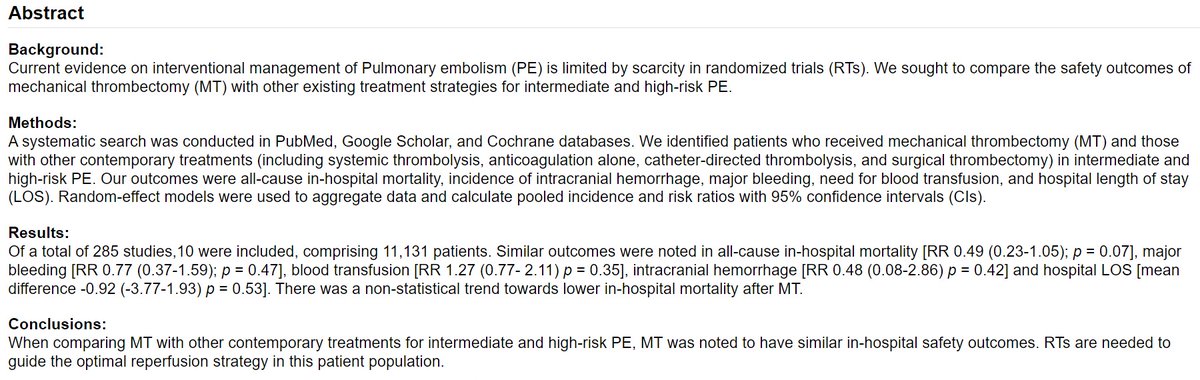
Honored to present our Featured research at SCAI. Outcomes of Mechanical Thrombectomy vs contemporary strategies in intermediate and high risk PE.
https://t.co/wEN2AA1FFY
#SCAI2024#Jscai
📣Pulmonary Embolism Featured Abstract at #SCAI2024:
💡Outcomes of #MechanicalThrombectomy vs Contemporary Treatments Modalities for Intermediate & High-Risk #PE: A Systematic Review & Metanalysis
➡️https://t.co/2u3rrAOgVM
@Dr_Akshay_MB@PusapatiSuma_Dr @HasaanAhmedMD
Microplastics and Nanoplastics in Atheromas and Cardiovascular Events | New England Journal of Medicine https://t.co/KzFNReyNi5
While it is unusual to think of nano plastics in athermomas, preclinical studies have shown adverse clinical outcomes associated with it.
Chasing our dreams and shaping the further of cardiac health with these awesome ladies! 🙌 . Shoutout to the phenomenal women leading the charge in cardiology, @KTamirisaMD , chatting with you was truly inspiring!, @DrMarthaGulati, @gina_lundberg.






![purviparwani's tweet photo. #ESCcongress
#AF guidelines
What’s new?➡️
🆕 importance of optimal care according to the new AF-CARE pathway,
C] Comorbidity and risk factor management;
A] Avoid stroke and thromboembolism;
R] Reduce symptoms by rate and rhythm control;
E] Evaluation and dynamic reassessment.
🆕 broader application of appropriate anticoagulant therapy, and using the CHA2DS2-VA score to assist in decision-making
🆕 ‘safety-first' approach -
keep safety and anticoagulation in mind when considering rhythm control; e.g. delay cardioversion and provide at least 3 weeks of anticoagulation beforehand if AF duration >24 h, and consider toxicity and drug interactions for antiarrhythmic therapy.
🆕 integrating rate and rhythm control, with shared-decision making on referral for catheter and surgical ablation.
➡️Oral anticoagulants: recommended for all eligible patients, except those at low risk of incident stroke or thromboembolism (CHA2DS2-VA = 1 anticoagulation should be considered; CHA2DS2-VA ≥2 anticoagulation recommended).
➡️ Catheter ablation: consider as second-line option if antiarrhythmic drugs fail to control AF, or first-line option in patients with paroxysmal AF.
https://t.co/vTP5JDvUtE
#Eppeeps @mirvatalasnag
#ESCCongress](https://pbs.twimg.com/media/GWOkWf5W0AEtooa.jpg)
![purviparwani's tweet photo. #ESCcongress
#AF guidelines
What’s new?➡️
🆕 importance of optimal care according to the new AF-CARE pathway,
C] Comorbidity and risk factor management;
A] Avoid stroke and thromboembolism;
R] Reduce symptoms by rate and rhythm control;
E] Evaluation and dynamic reassessment.
🆕 broader application of appropriate anticoagulant therapy, and using the CHA2DS2-VA score to assist in decision-making
🆕 ‘safety-first' approach -
keep safety and anticoagulation in mind when considering rhythm control; e.g. delay cardioversion and provide at least 3 weeks of anticoagulation beforehand if AF duration >24 h, and consider toxicity and drug interactions for antiarrhythmic therapy.
🆕 integrating rate and rhythm control, with shared-decision making on referral for catheter and surgical ablation.
➡️Oral anticoagulants: recommended for all eligible patients, except those at low risk of incident stroke or thromboembolism (CHA2DS2-VA = 1 anticoagulation should be considered; CHA2DS2-VA ≥2 anticoagulation recommended).
➡️ Catheter ablation: consider as second-line option if antiarrhythmic drugs fail to control AF, or first-line option in patients with paroxysmal AF.
https://t.co/vTP5JDvUtE
#Eppeeps @mirvatalasnag
#ESCCongress](https://pbs.twimg.com/media/GWOkWftWUAARbUQ.jpg)
![purviparwani's tweet photo. #ESCcongress
#AF guidelines
What’s new?➡️
🆕 importance of optimal care according to the new AF-CARE pathway,
C] Comorbidity and risk factor management;
A] Avoid stroke and thromboembolism;
R] Reduce symptoms by rate and rhythm control;
E] Evaluation and dynamic reassessment.
🆕 broader application of appropriate anticoagulant therapy, and using the CHA2DS2-VA score to assist in decision-making
🆕 ‘safety-first' approach -
keep safety and anticoagulation in mind when considering rhythm control; e.g. delay cardioversion and provide at least 3 weeks of anticoagulation beforehand if AF duration >24 h, and consider toxicity and drug interactions for antiarrhythmic therapy.
🆕 integrating rate and rhythm control, with shared-decision making on referral for catheter and surgical ablation.
➡️Oral anticoagulants: recommended for all eligible patients, except those at low risk of incident stroke or thromboembolism (CHA2DS2-VA = 1 anticoagulation should be considered; CHA2DS2-VA ≥2 anticoagulation recommended).
➡️ Catheter ablation: consider as second-line option if antiarrhythmic drugs fail to control AF, or first-line option in patients with paroxysmal AF.
https://t.co/vTP5JDvUtE
#Eppeeps @mirvatalasnag
#ESCCongress](https://pbs.twimg.com/media/GWOkWfsXQAA1Yu0.jpg)








![purviparwani's tweet photo. #ESCcongress
#AF guidelines
What’s new?➡️
🆕 importance of optimal care according to the new AF-CARE pathway,
C] Comorbidity and risk factor management;
A] Avoid stroke and thromboembolism;
R] Reduce symptoms by rate and rhythm control;
E] Evaluation and dynamic reassessment.
🆕 broader application of appropriate anticoagulant therapy, and using the CHA2DS2-VA score to assist in decision-making
🆕 ‘safety-first' approach -
keep safety and anticoagulation in mind when considering rhythm control; e.g. delay cardioversion and provide at least 3 weeks of anticoagulation beforehand if AF duration >24 h, and consider toxicity and drug interactions for antiarrhythmic therapy.
🆕 integrating rate and rhythm control, with shared-decision making on referral for catheter and surgical ablation.
➡️Oral anticoagulants: recommended for all eligible patients, except those at low risk of incident stroke or thromboembolism (CHA2DS2-VA = 1 anticoagulation should be considered; CHA2DS2-VA ≥2 anticoagulation recommended).
➡️ Catheter ablation: consider as second-line option if antiarrhythmic drugs fail to control AF, or first-line option in patients with paroxysmal AF.
https://t.co/vTP5JDvUtE
#Eppeeps @mirvatalasnag
#ESCCongress](https://pbs.twimg.com/media/GWOkWgJXgAAMgIu.jpg)