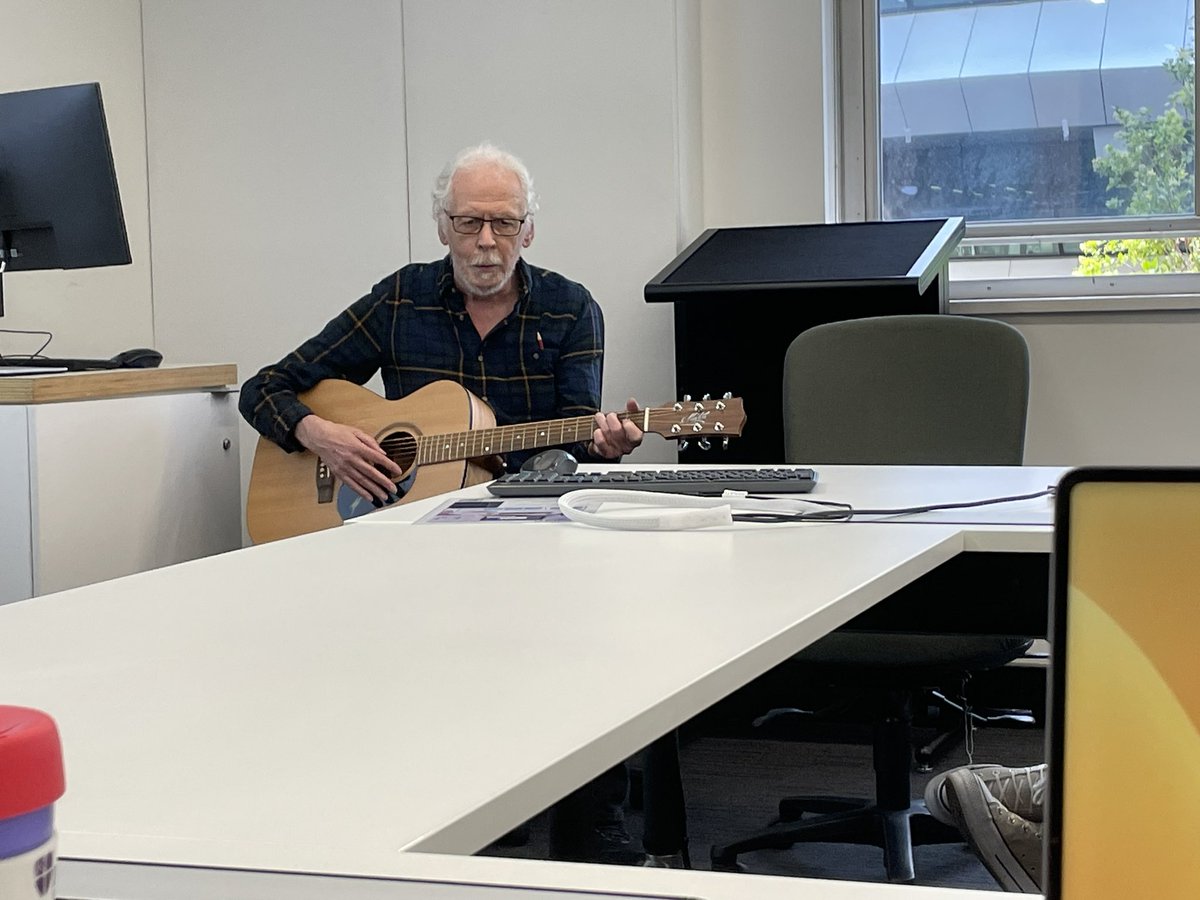
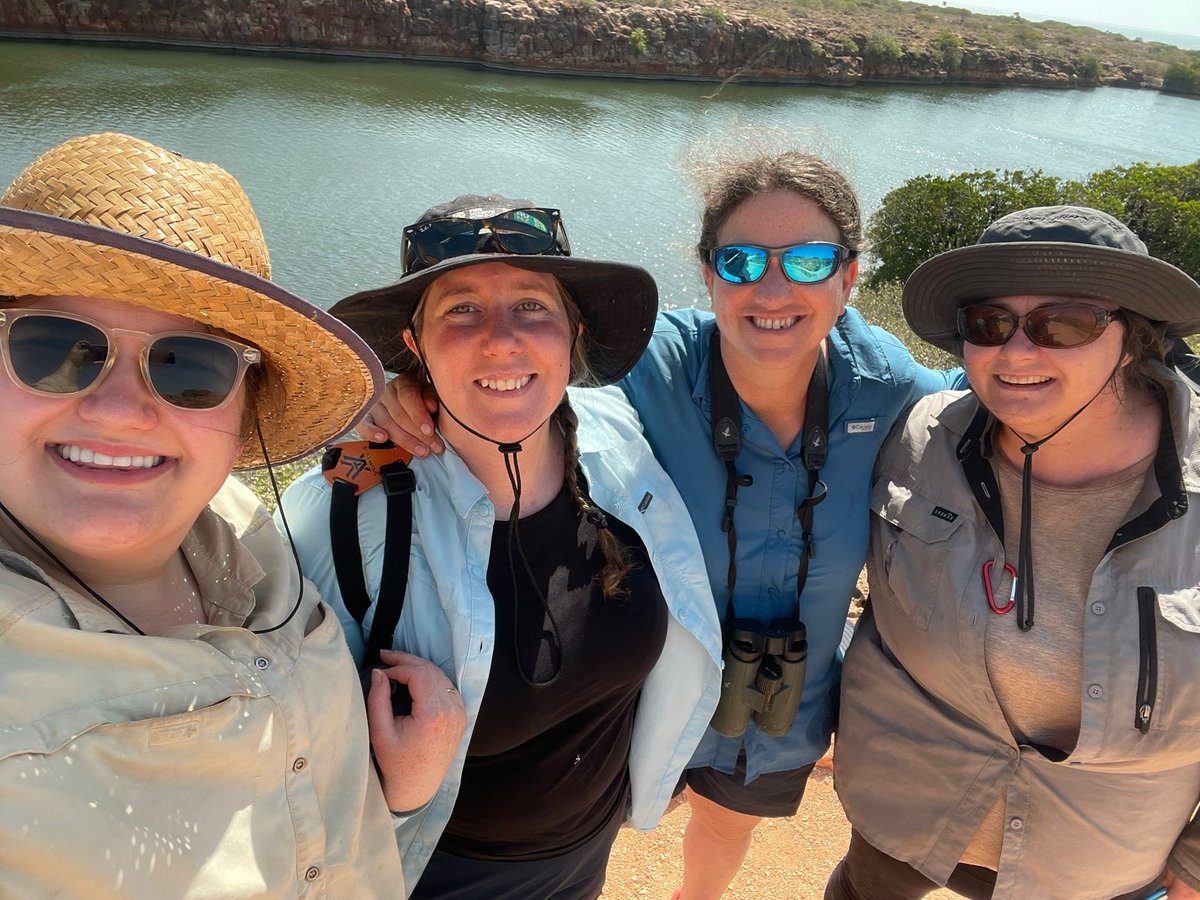
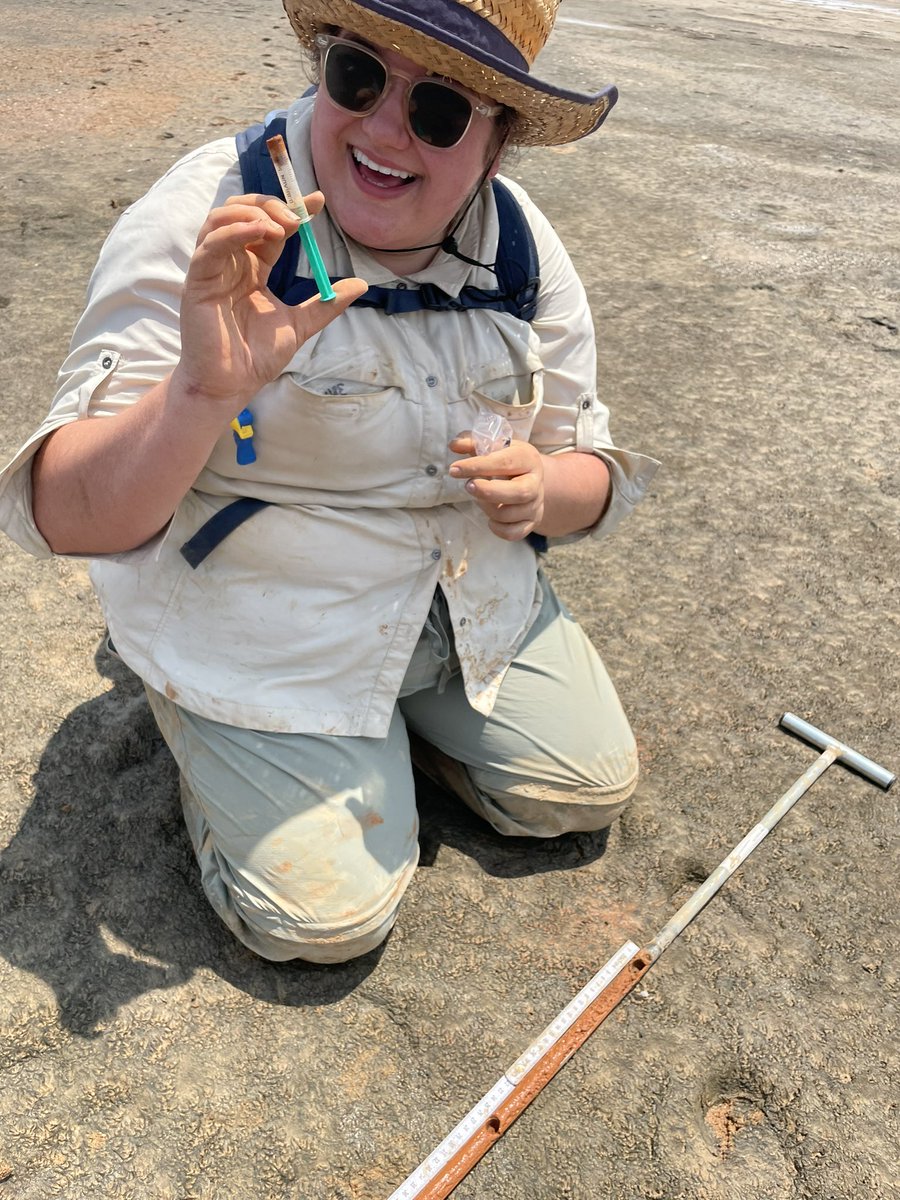
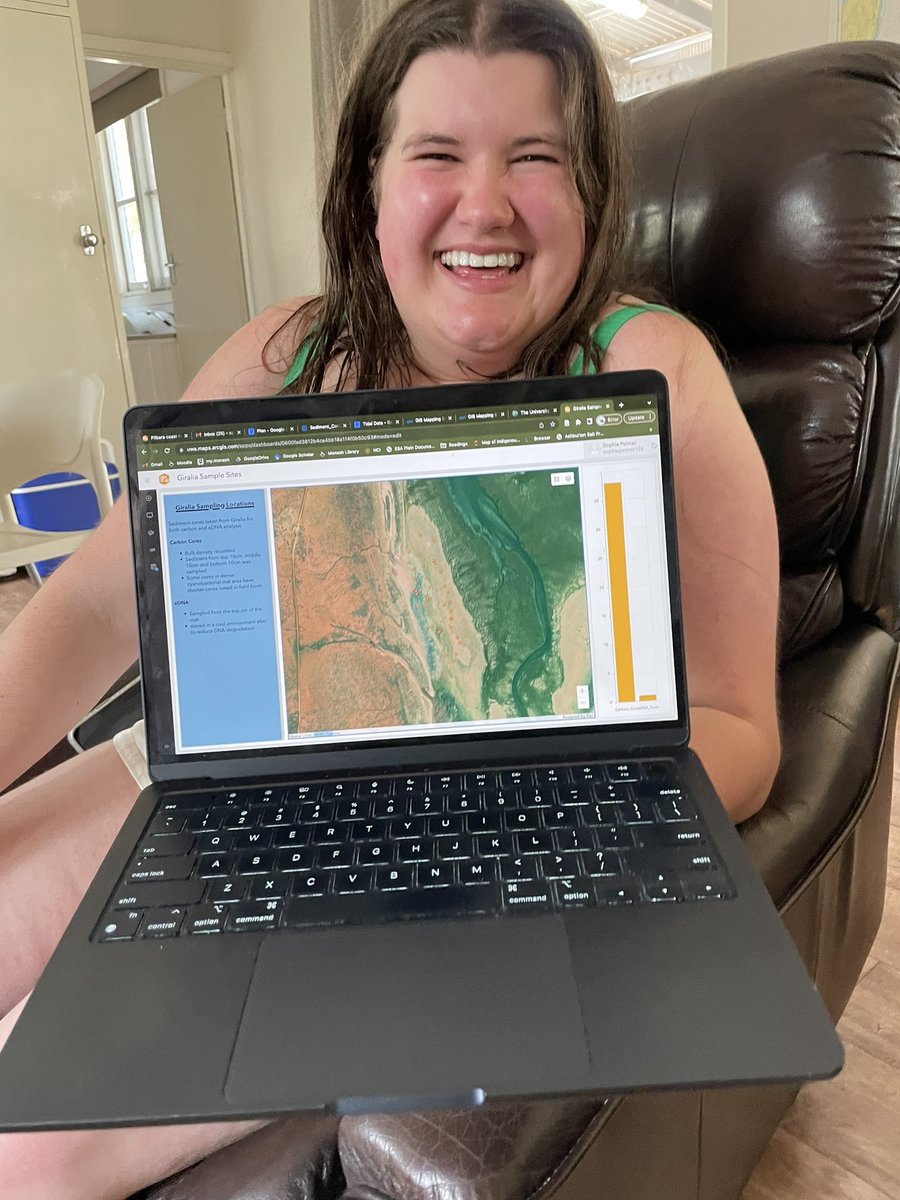
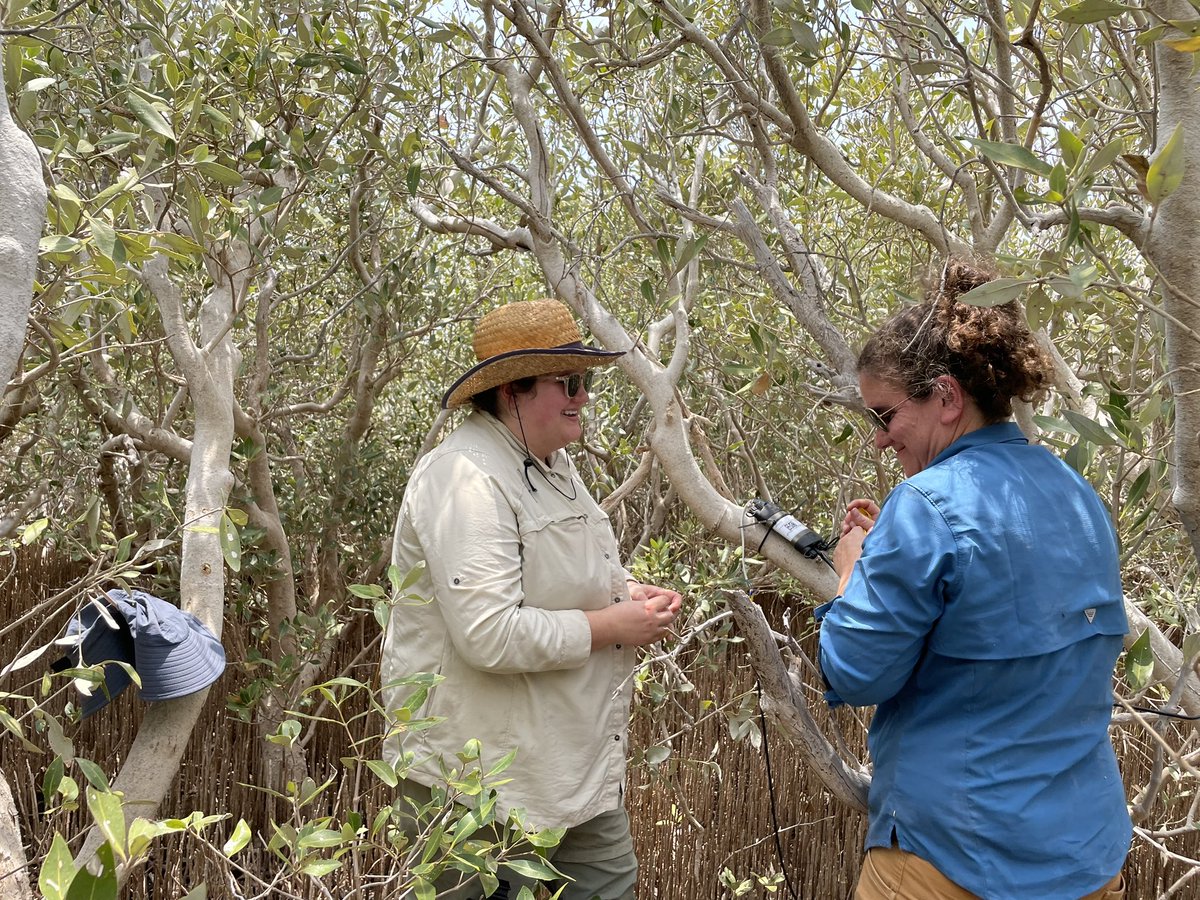
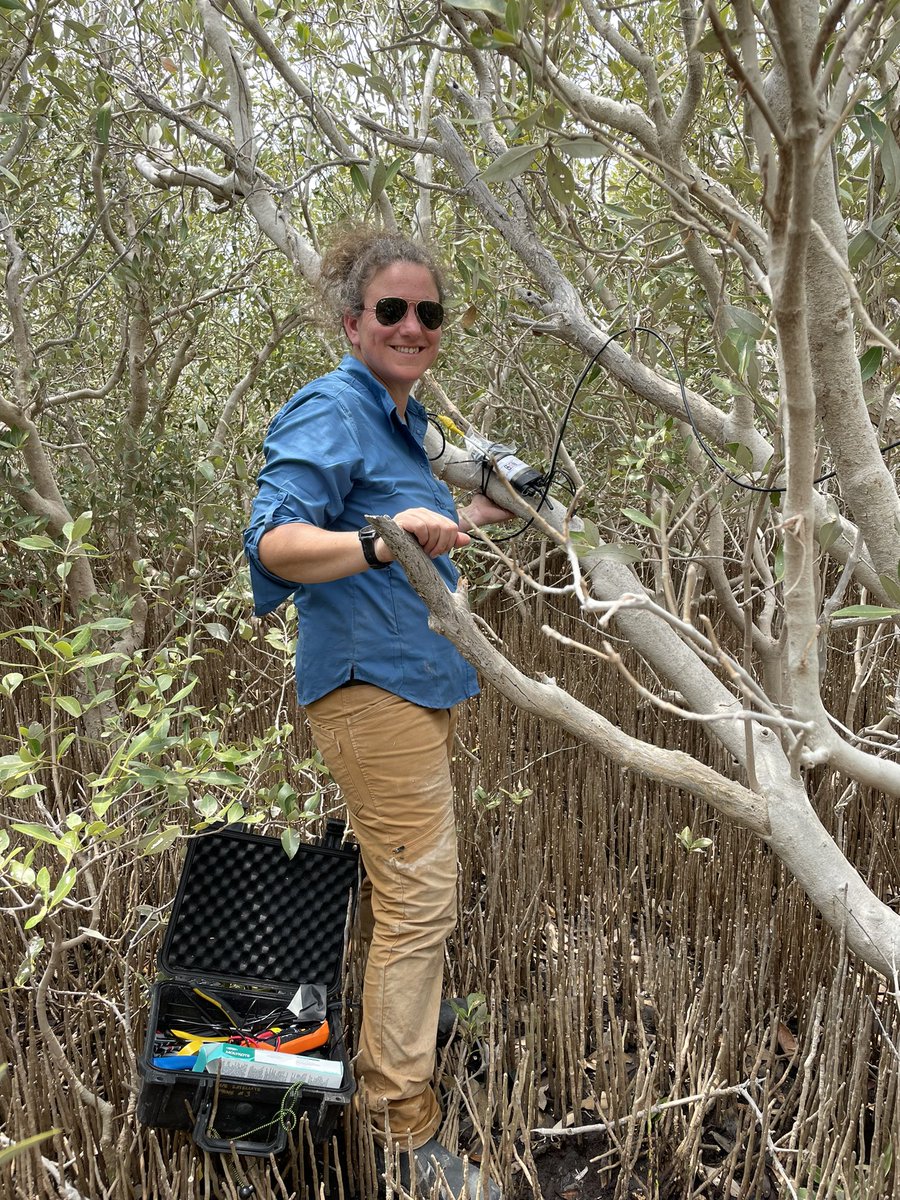
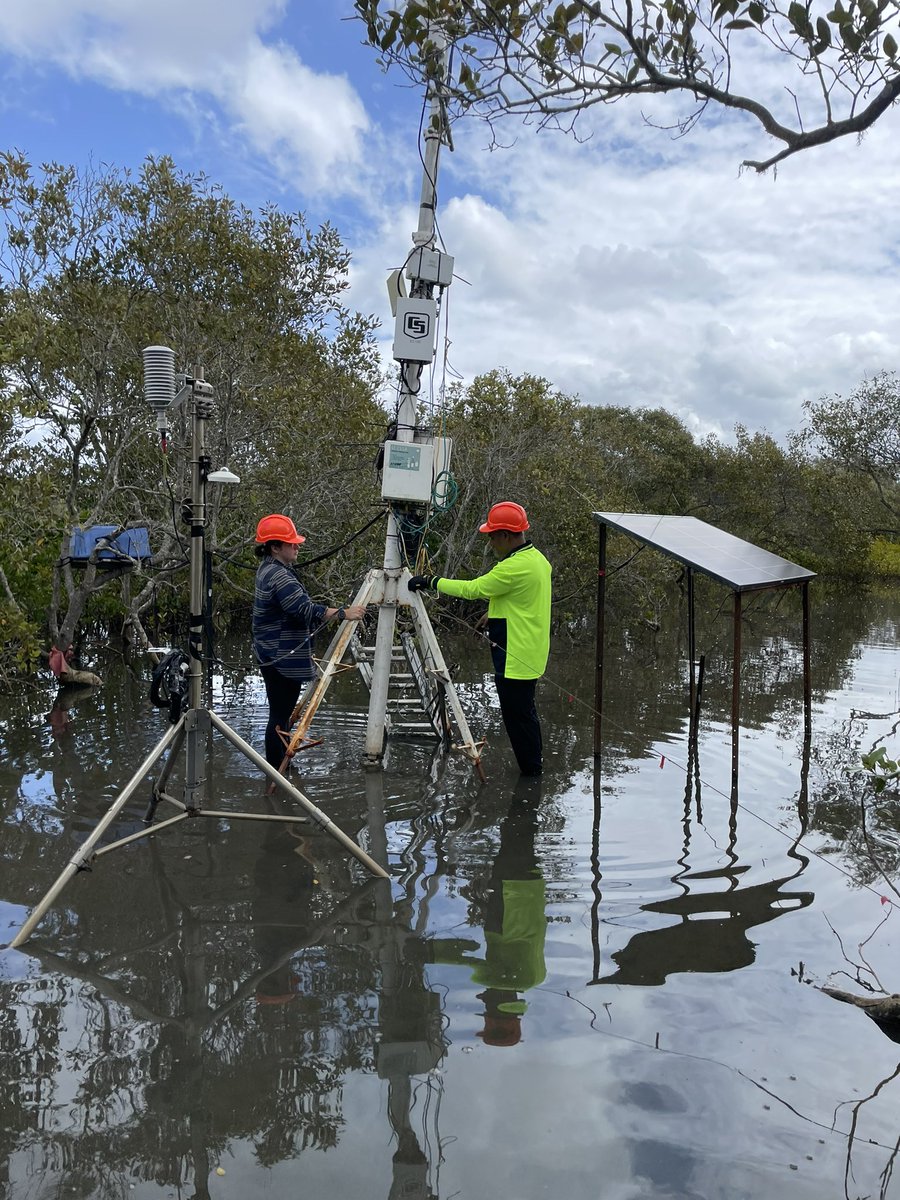
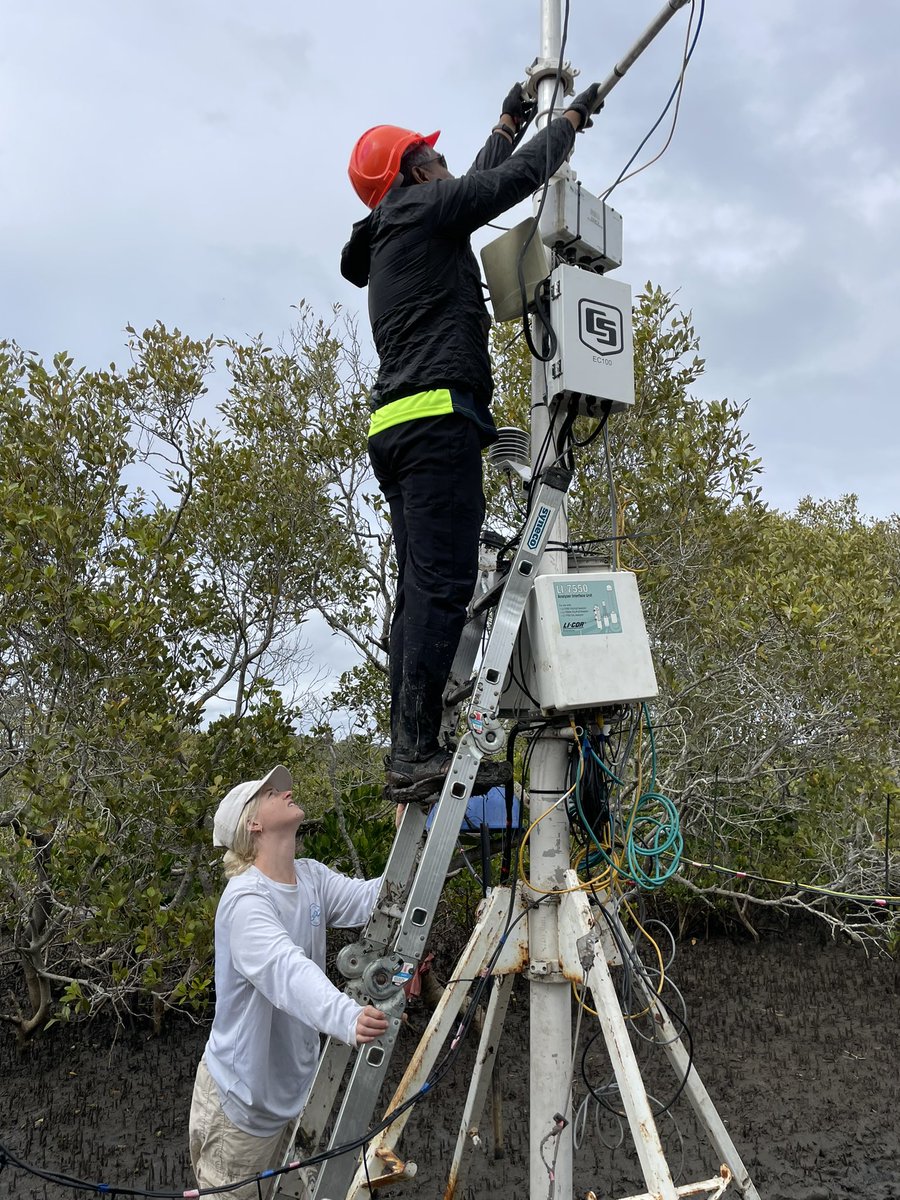
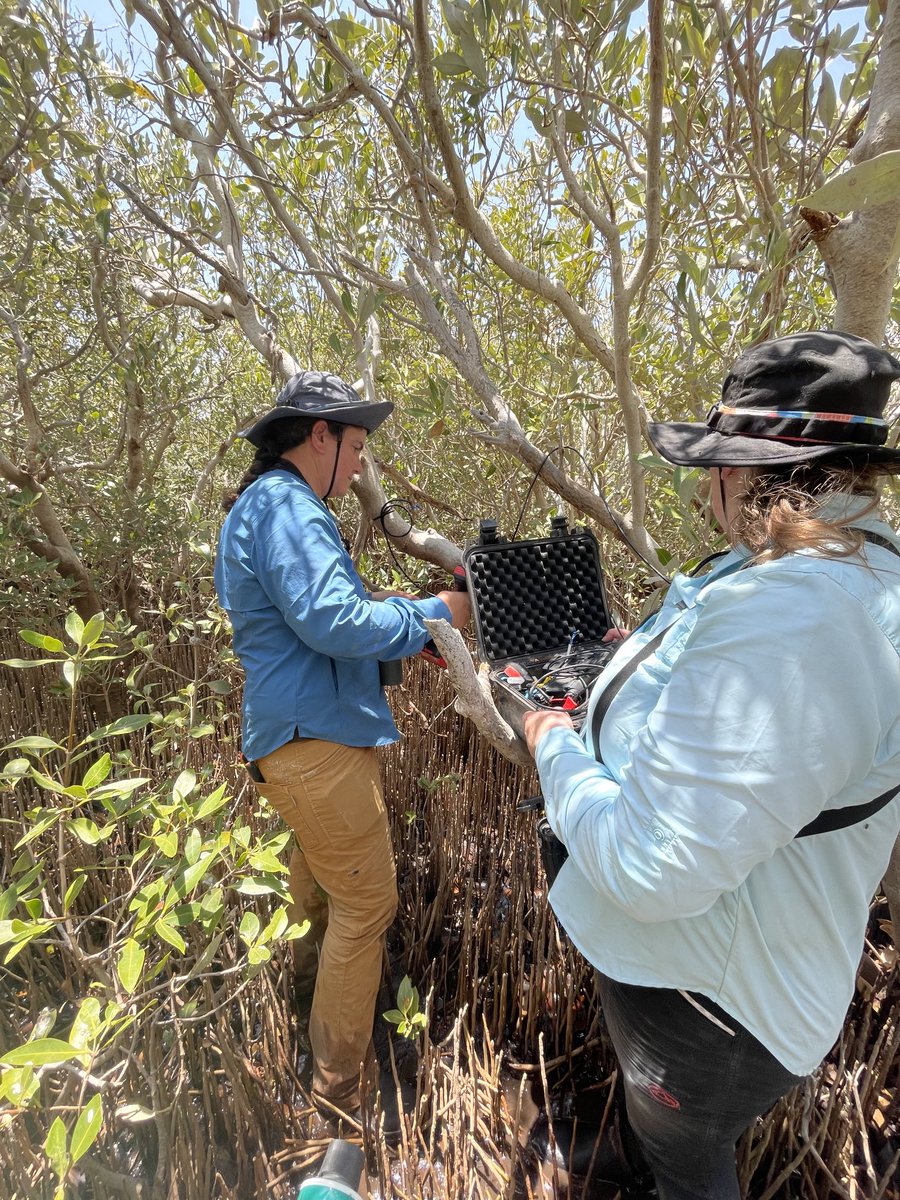
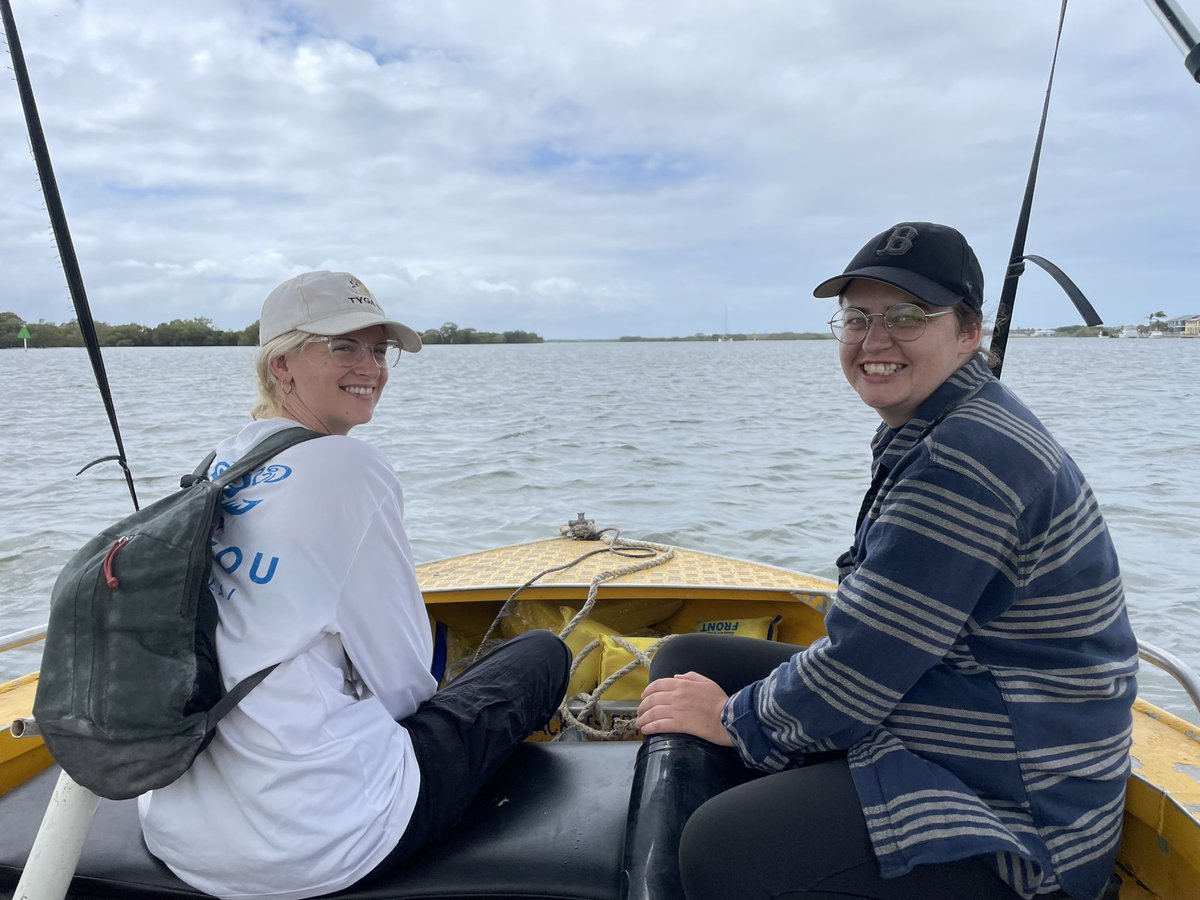
👏 A massive thank you to our guest speakers @RuthReef, @muddygoddard and @modeltheearth for their time and expert insights at our #webinar, yesterday.
Missed it or want to share this with someone? The recording of this webinar will be available soon on our website.
@windjunky First time seeing them here. I was walking back from shops and heard the familiar sound and looked overhead and there were 3 of them!. By the time I ran home to pick up my binos they were gone. But will keep searching over linear reserve, Mount Waverley!
Thank you @TwomeyAlice for leading this important contribution: Planning hydrological restoration of coastal wetlands: Key model consi... https://t.co/esE7aSy1Sd
The culmination of a lot of hard and meticulous work by honours student Charlotte Gordon that supported this novel approach: Allometric Equations for Aboveground Biomass Estimation of Temperate Mangroves Using Uncrewed Aerial Vehicles https://t.co/fCKNRdyINW
If you’re at @theAGU visit PhD student Thuong Tran’s novel high resolution analysis of mangrove area change in Viet Nam. The methods we’ve developed can be applied to other mangrove forests worldwide.
Our study on the evolution of the sandy banks and dune system at the opening of the Western Port embayment in Victoria led by Rafael available now in ESPL:
https://t.co/Wb6xumEv4Y
So impressed with how my @SwarovskiOptik SLC 10x42 is coping with one of the toughest environments for optical gear - the arid mangroves of WA. Years of salt and mud during geoscience fieldwork and still like new. While I loved every pair of binos I’ve owned, these are my faves.
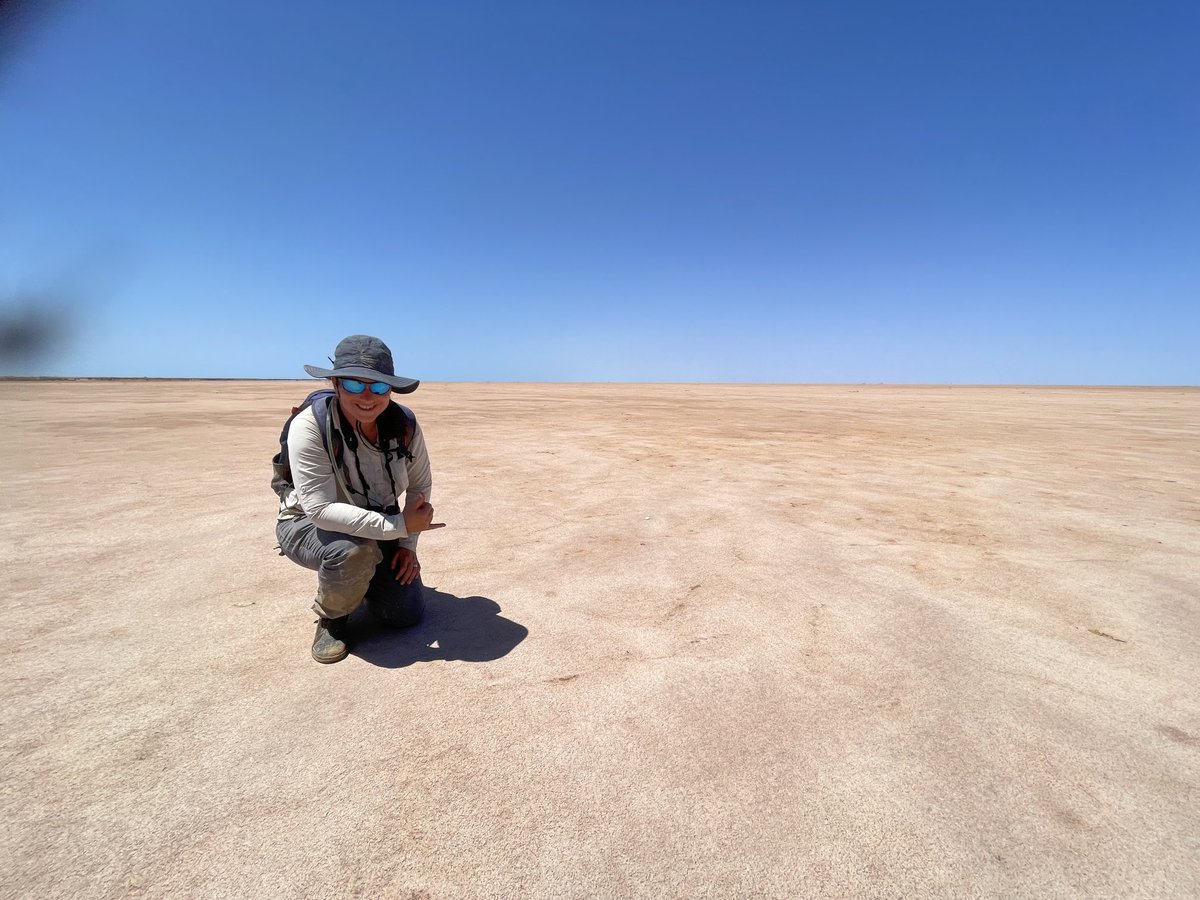
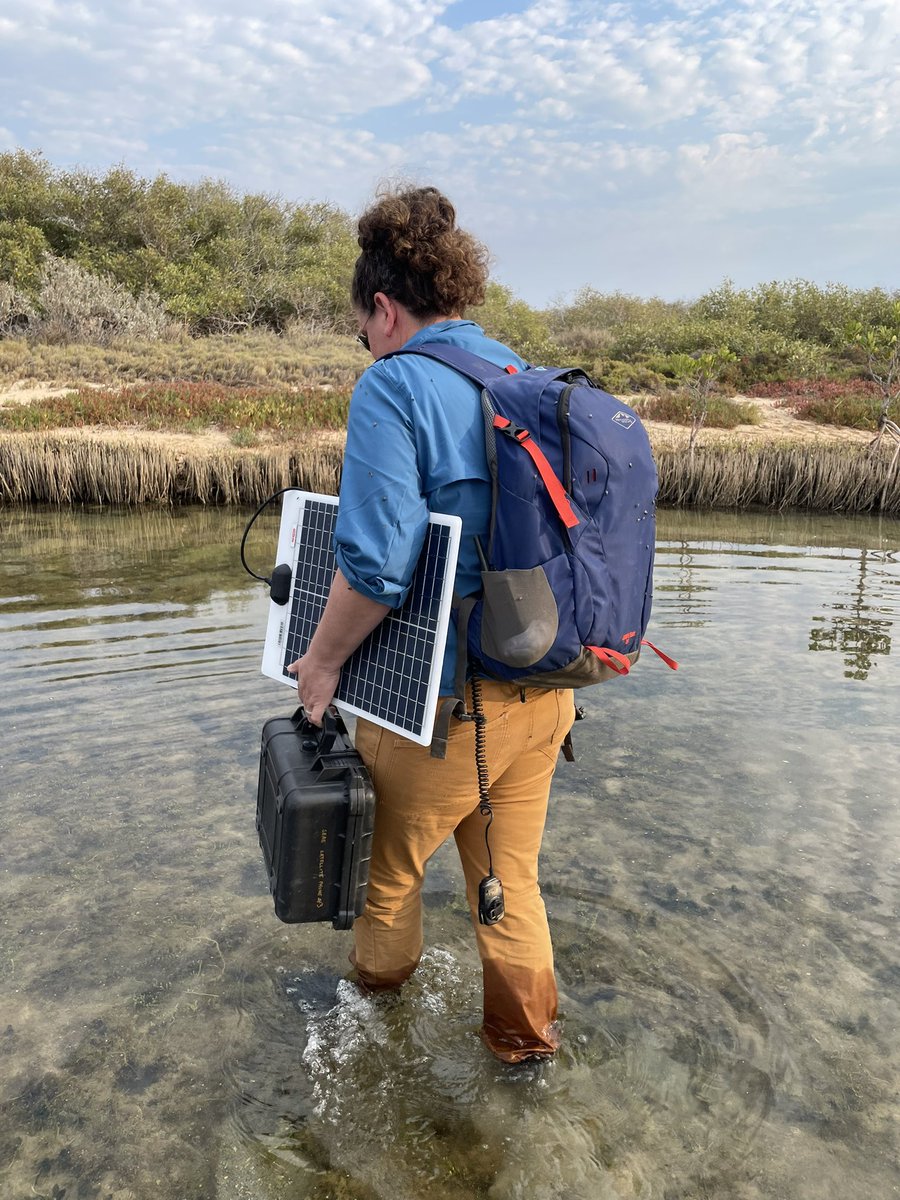
And so ends another successful field trip to the Pilbara, hoping the loggers keep going until we pick them back up in 6 months! Goodbye rock wallabies, dingoes and bats emus and bustards and all the other 63 bird species and goodbye incredible vast landscapes.
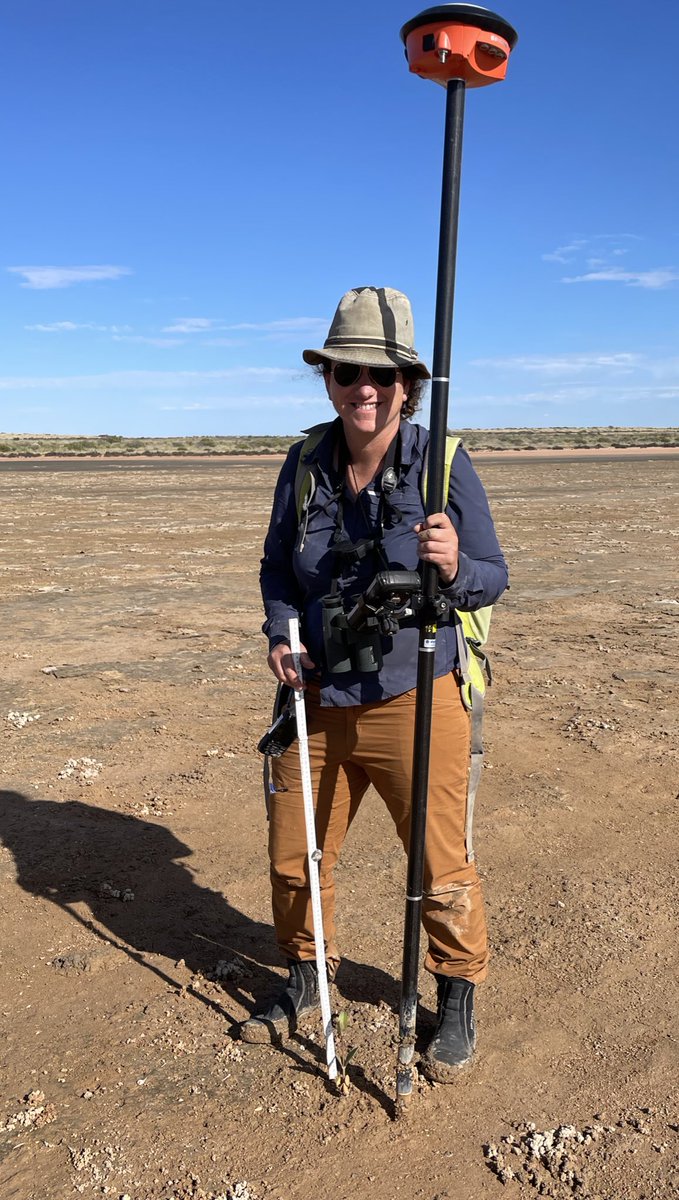
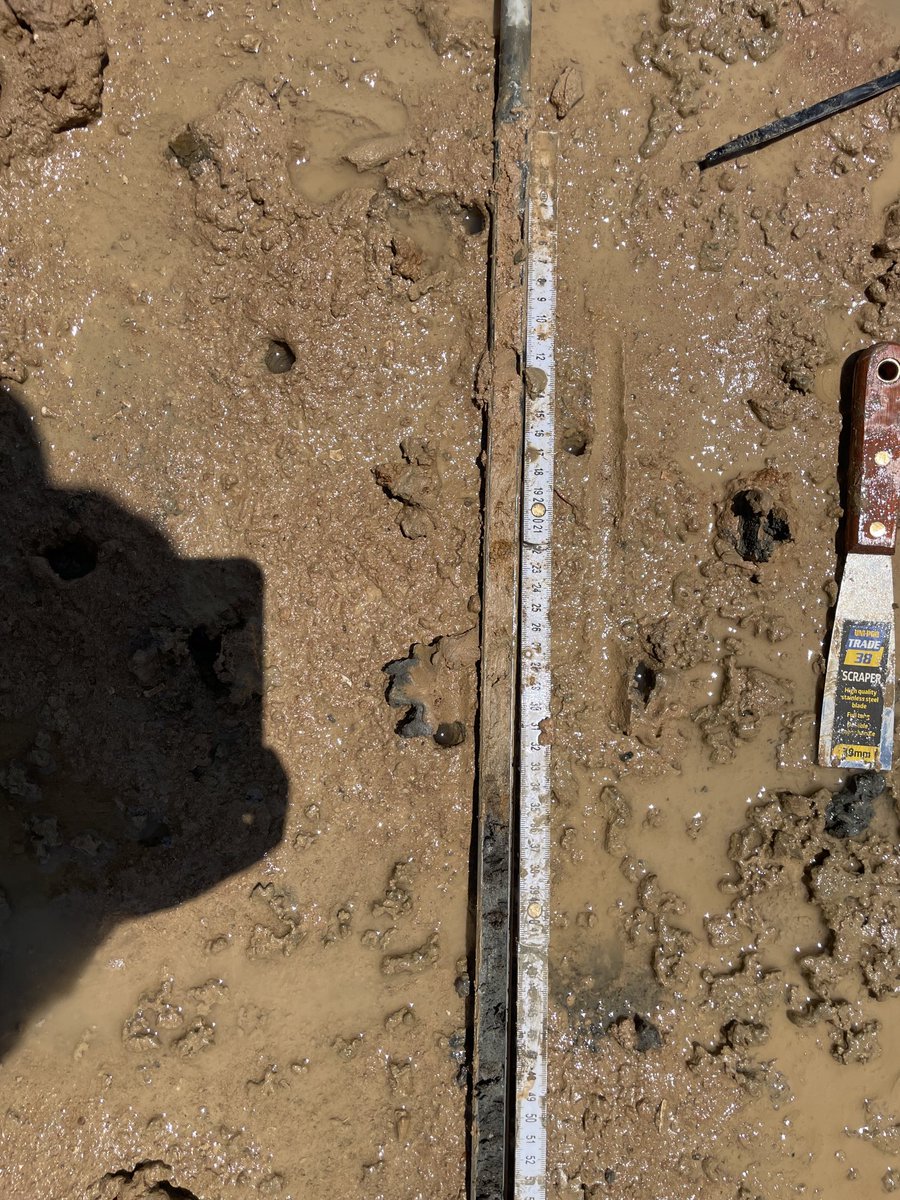
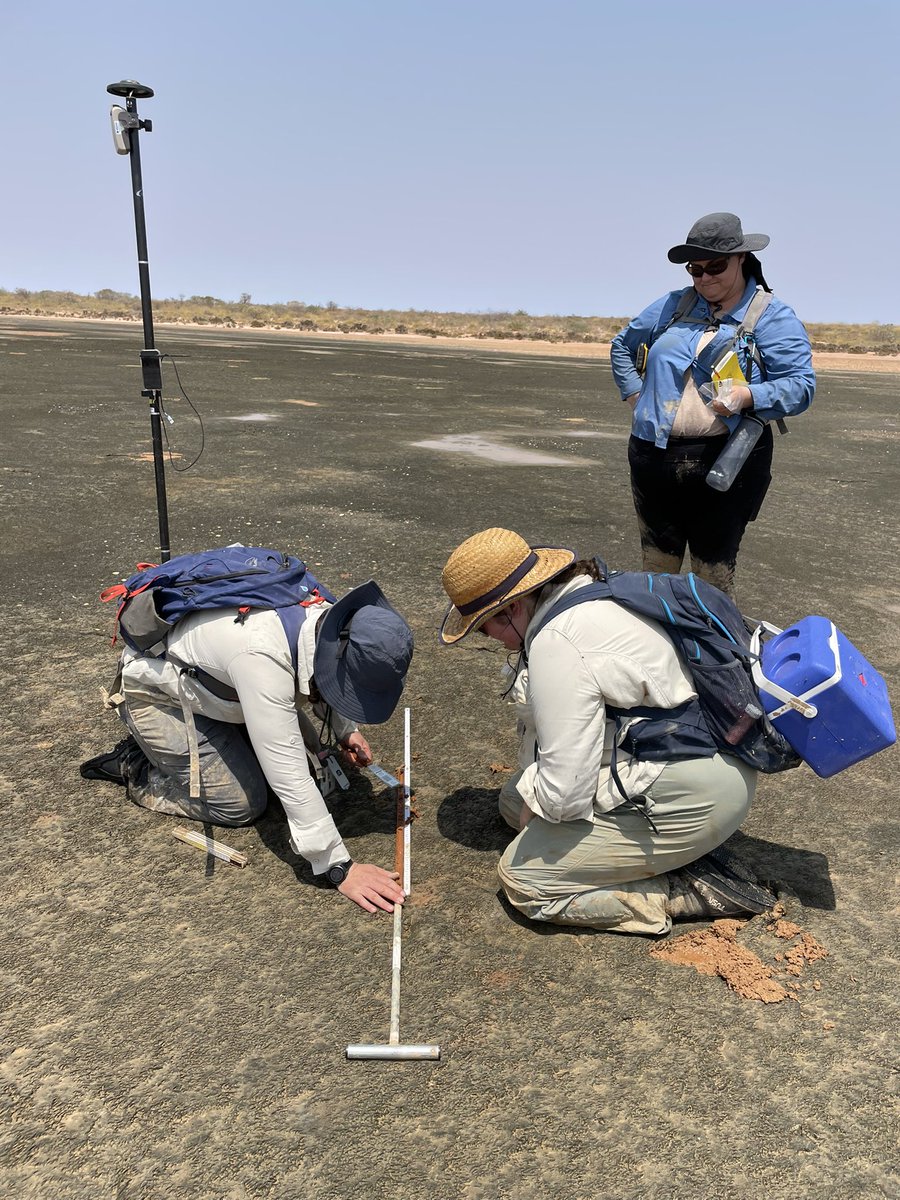
A hot day to complete our work at he first site: coring near the wells for stratigraphy, more sap flow installations, more cores for Sophie and foram collections for Prudence re-measured my mangrove seedlings (12 years!) and many many erosion pins- see you soon!
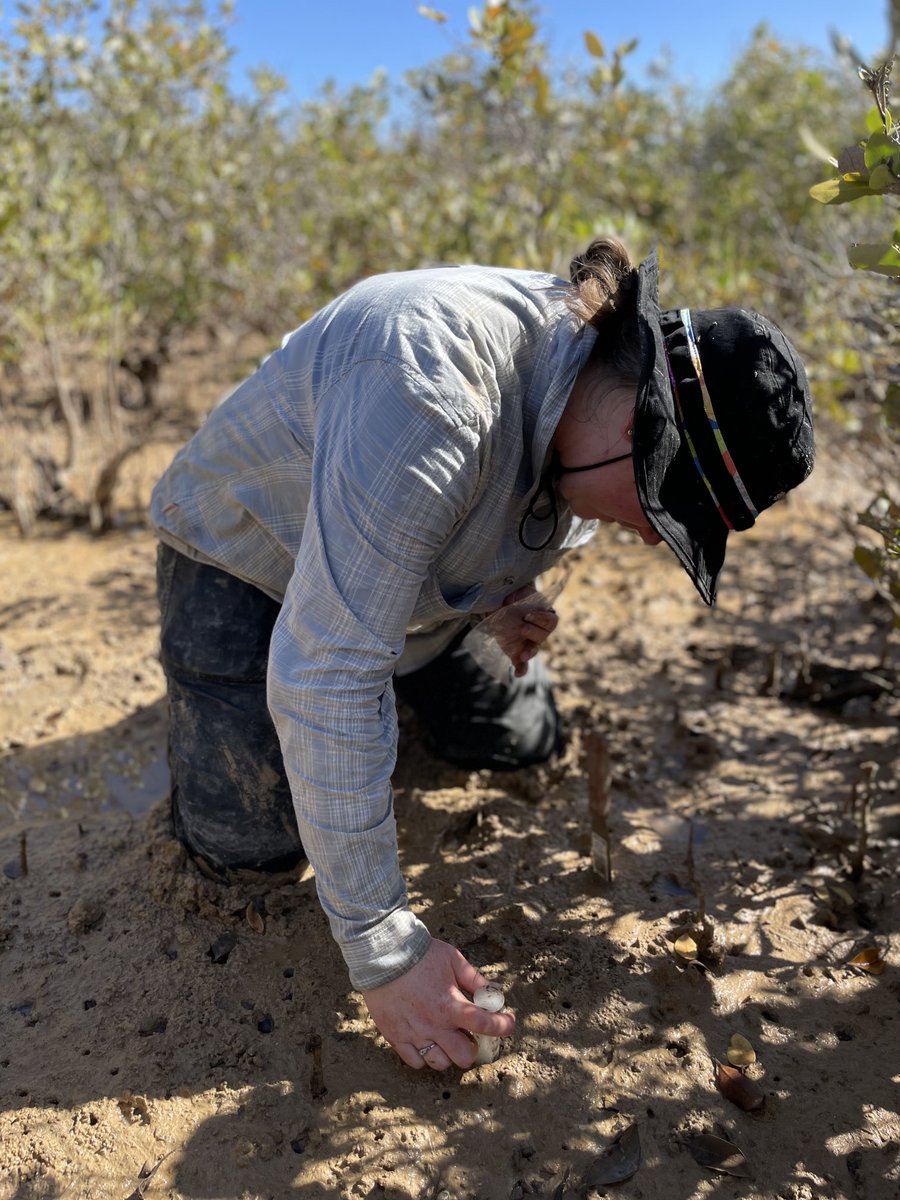
The joy of one’s first field data collection. Supervising students in their first steps of scientific discovery is one of the best parts of the academic job.
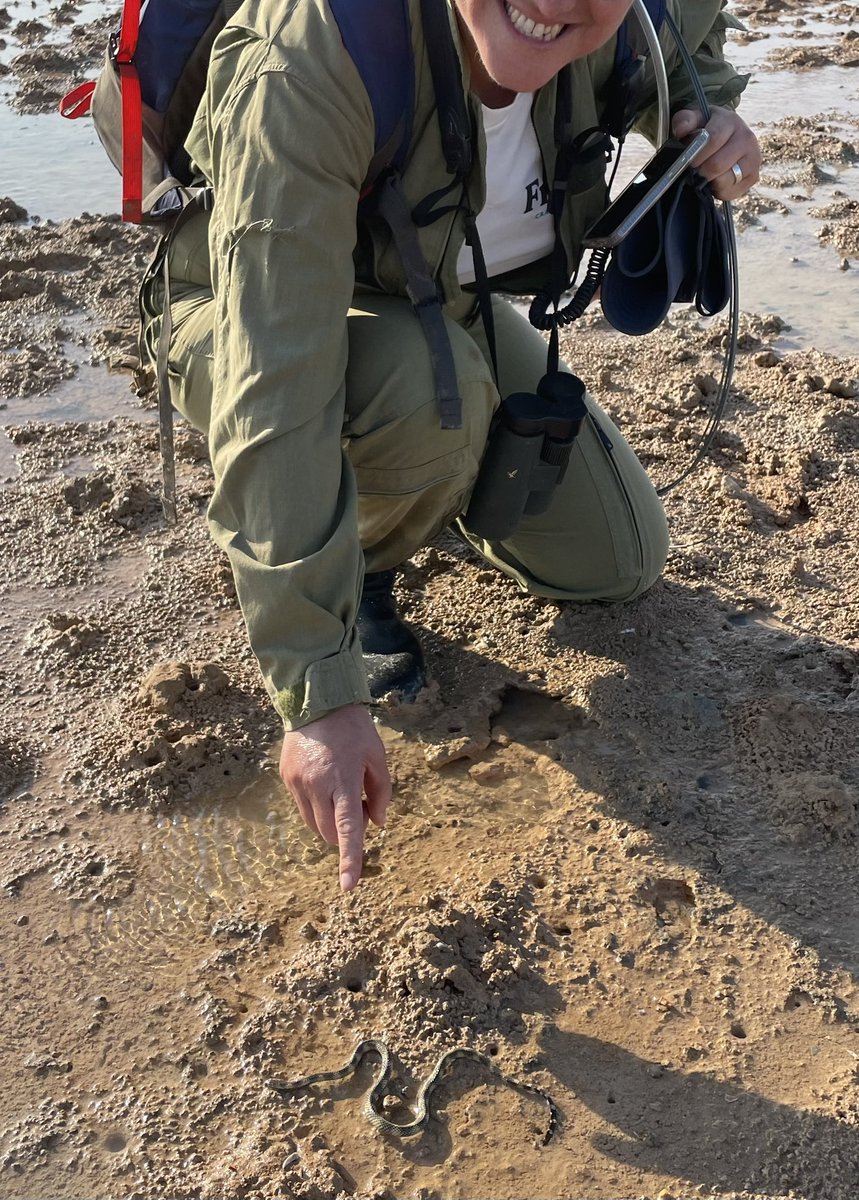
Day one of our ARC DP22 field campaign in the hot and dry mangroves of WA is complete. Can’t wait to work out the hydrology of these arid coasts. A gristly introduction to mangroves for our group’s new team member the unperturbed honours student Sophie.
Hi Sudip there are many methods for measuring carbon. Do you mean in the soil? If so google the blue carbon method by Catherine Lovelock, it details the practice used. @j_a_rosentreter
In an unassuming manner, while parked at the lights on my way home from work, species 75 in our 5km radius majestically flew past: 2 black swans. What a treat and edging closer to the model prediction of 82 species in our 5 km zone.