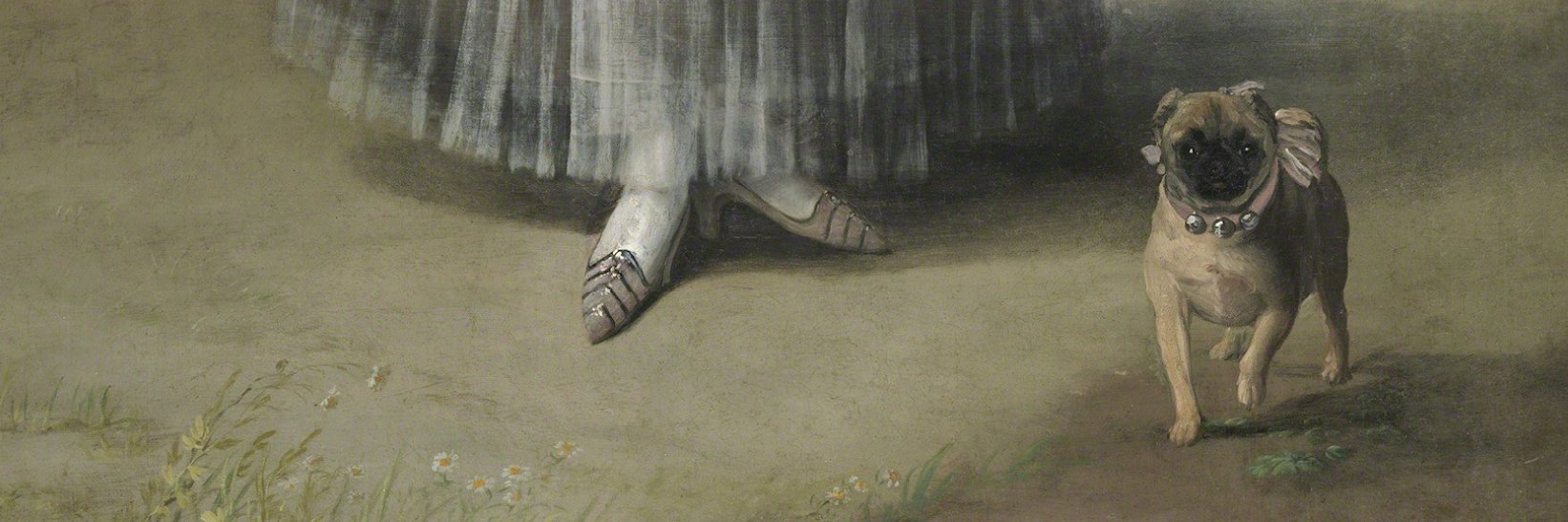
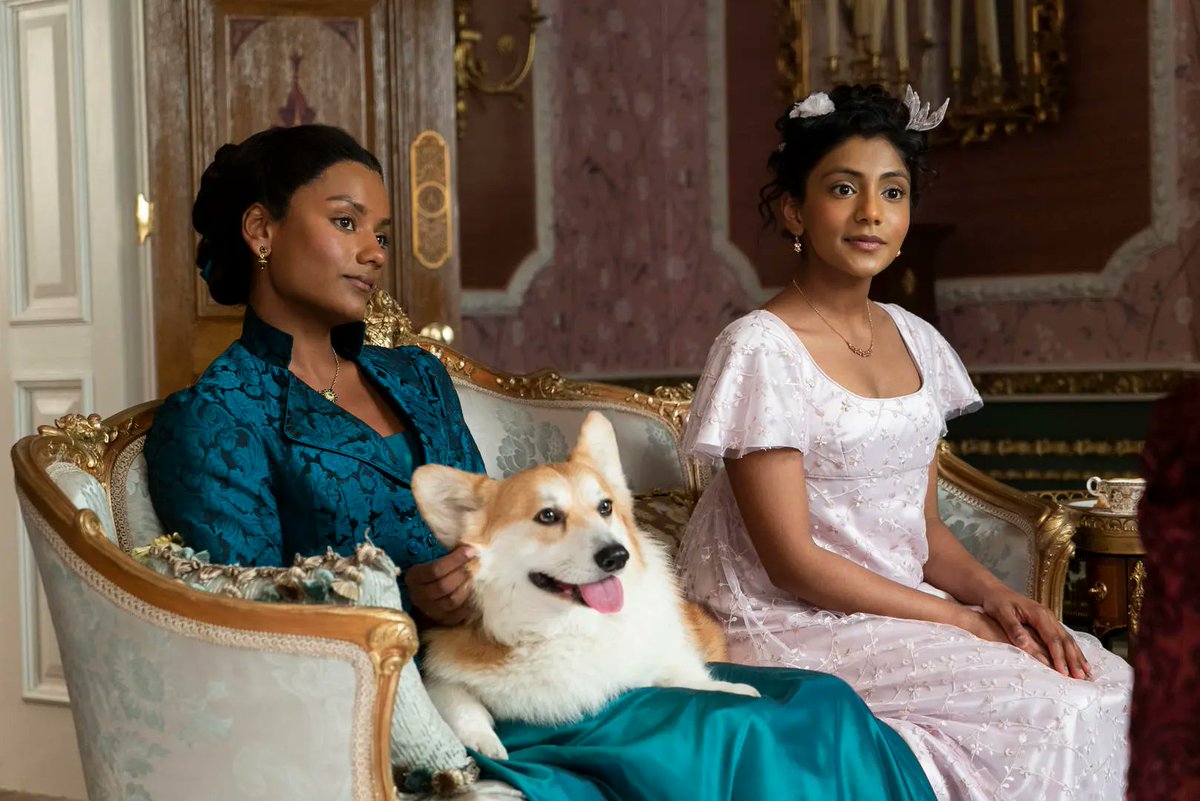
I’ve noticed that Newton the corgi is a big deal in the new season of #Bridgerton and I realised I’ve never seen a corgi mentioned in any sources from the 18th + early 19th centuries. It got me thinking…
‼️ New Episode Drop ‼️
How Did DOGS Become the Perfect Pets? 🐾
🐕 🐩 Today @Tony_Robinson is exploring humanity’s deep and complex relationship with #dogs with Prof Daniel Mills @unilincoln and Dr Stephanie Howard-Smith @SAHowardSmith
🎧👇
🔗 https://t.co/9UhtVMUppO
.@GrantaBooks has won an eight-way auction for YAP! A Short History of Small Dogs, by pet historian and dog-lover Stephanie Howard-Smith. 👇 https://t.co/FQiBZBwx2b
Did you know, that in Dec 1915, Bath Assembly Rooms would have been full of birds? Crystal Palace was unavailable, owing to wartime necessities, so the Rooms became the venue for Bath Fanciers' Association Poultry Show. More than 1,000 birds occupied the principal rooms😳.
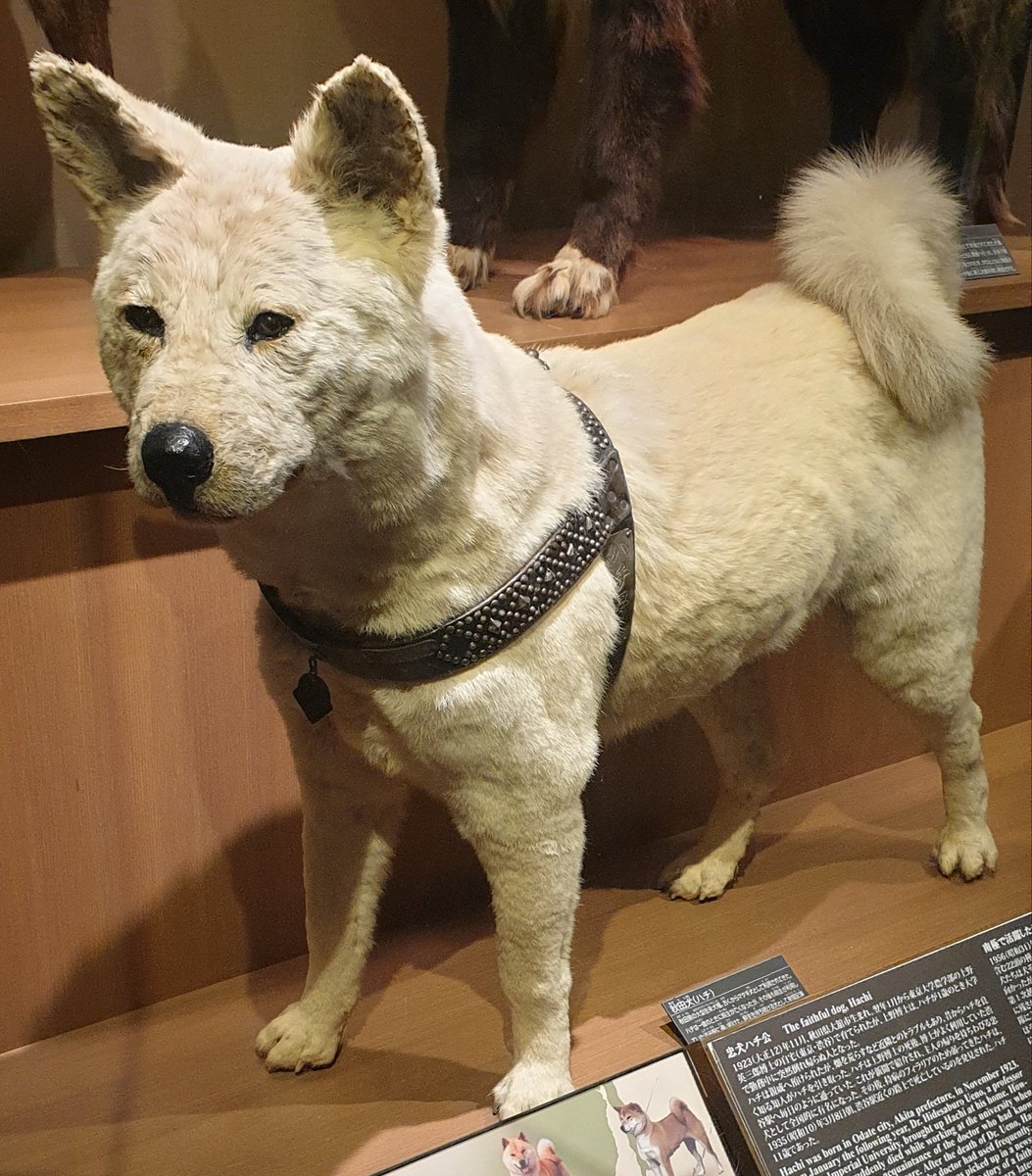
Dogs! The exhibit also features several famous #dogs of Japan: Jiro, who worked in Antarctica during the 1950s, and the famous Hachi, who waited for his master (Dr Hidesaburo Ueno) long after Dr Ueno's death. And my thread ends here!
Next June, BECC will be twenty, and we're throwing a party! Ok, we're holding a conference. Maybe with a party. Definitely cake... Please save the date: 26-27 June 2025.
Two more weeks to send a proposal for our big 20th anniversary conference, taking place 26-27 June 2025. If you've got a take on the eighteenth century, we'd love to hear from you!
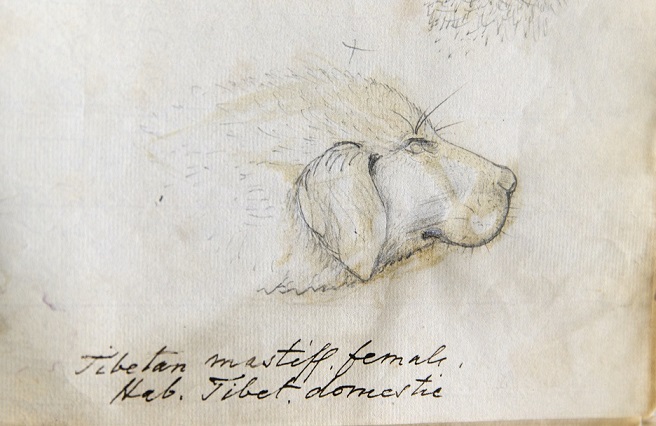
#Dogs are the theme for this week's #OnlineArtExchange so we are posting these #drawings of Tibetan mastiffs, sketched by Rajman Singh and in the collections of Brian Houghton Hodgson.
More about these dogs in this paper co-authored by Ann our #Librarian: https://t.co/Cx6pUuyQJ6
We are delighted to welcome @R_A_Barr on the 15th October to give our first QMCECS seminar of the semester.
She will be speaking on 'Eliza Haywood's She Comedies'.
17:15 start, online and in person, all welcome!
Full details can be found here:
https://t.co/kKJsZBbfgh
Happy #InternationalCatDay! Please enjoy Dido the cat, painted by her owner sometime in the early 19th century so we could still admire her over a century later 😍
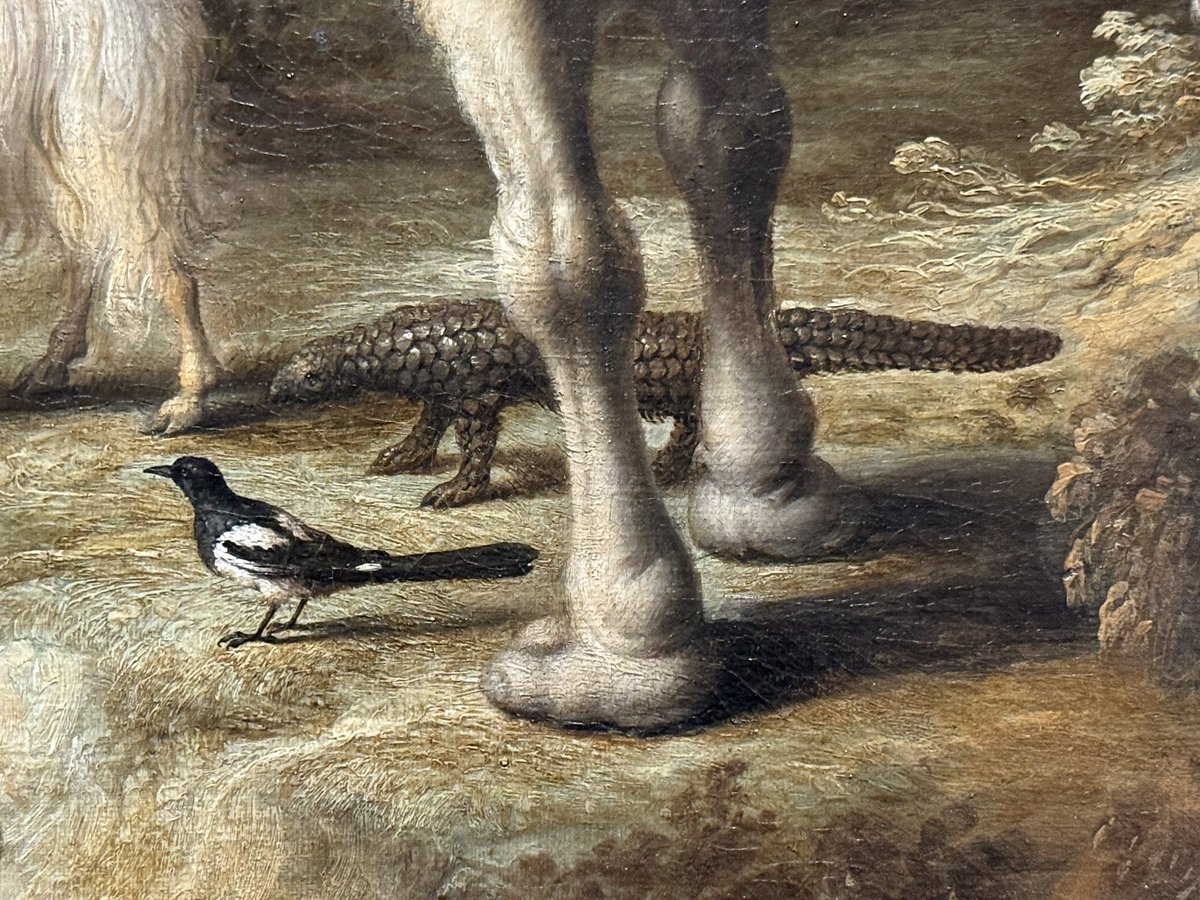
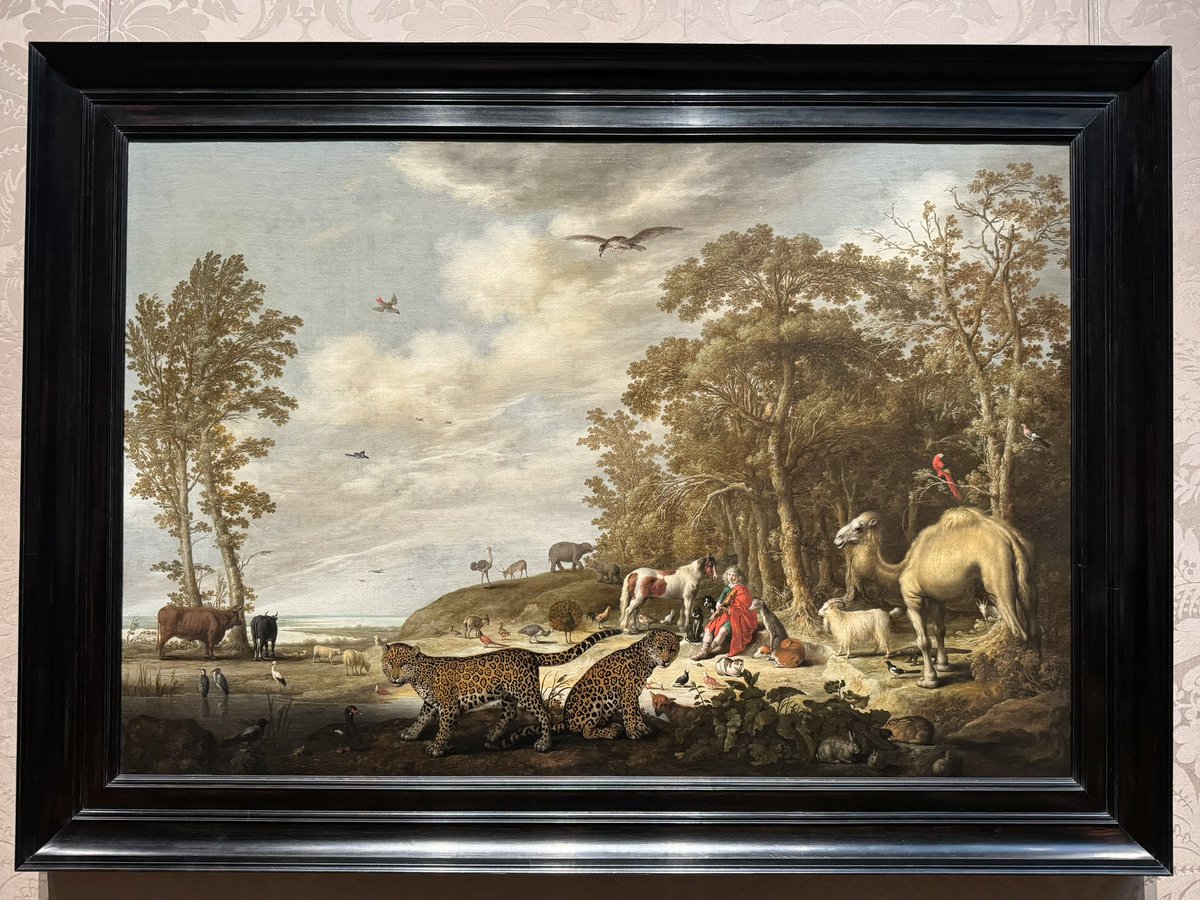
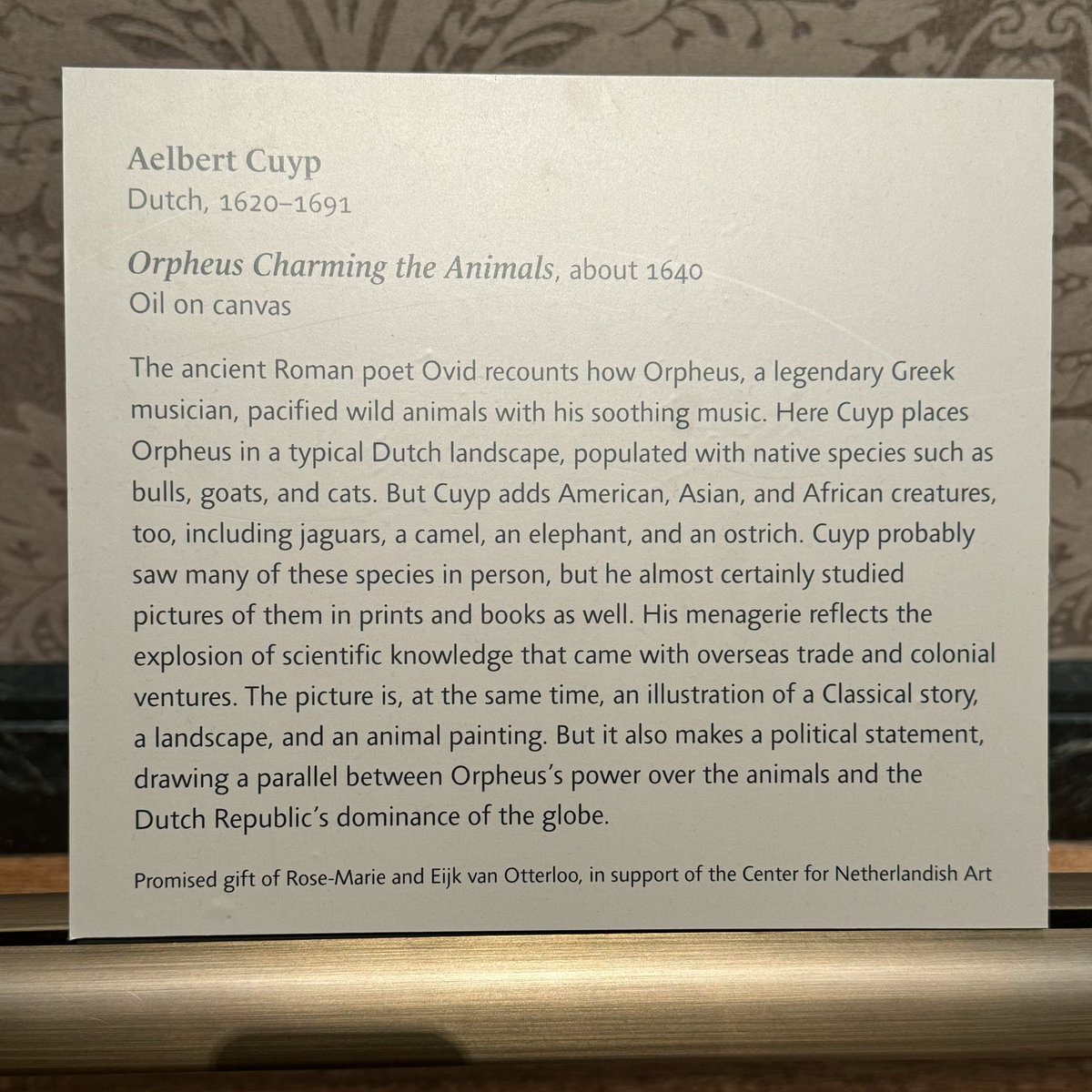
This may be the first Orpheus Charming the Animals scene I’ve found with a #pangolin in attendance…
Aelbert Cuyp (Dutch, 1620-1691)
Orpheus Charming the Animals, c.1640
Oil on canvas, 113 x 167cm (44 1/2 x 65 3/4in.)
On display at @mfaboston
“The ancient Roman poet Ovid recounts how Orpheus, a legendary Greek musician, pacified wild animals with his soothing music. Here Cuyp places Orpheus in a typical Dutch landscape, populated with native species such as bulls, goats, and cats. But Cuyp adds American, Asian, and African creatures, too, including jaguars, a camel, an elephant, and an ostrich. Cuyp probably saw many of these species in person, but he almost certainly studied pictures of them in prints and books as well. His menagerie reflects the explosion of scientific knowledge that came with overseas trade and colonial ventures. The picture is, at the same time, an illustration of a Classical story, a landscape, and an animal painting. But it also makes a political statement, drawing a parallel between Orpheus's power over the animals and the Dutch Republic's dominance of the globe.”
We all love Hatch, but what did he look like?
We extracted DNA from his teeth and looked at the genes that code for different fur colours, and found that he had light-dark brown fur, probably a pattern known as brindle, brown with dark streaks.
Taking us beyond the human, Stephanie Howard-Smith’s essay, '‘Take physic, Pomp’: Writing Dog Doctors in Eighteenth-Century Britain', demonstrates the importance of veterinary information and (often sexist) mythology about the owners as well as the medics. 8/16
@danwaterfield Have you read Benjamin Labatut’s Maniac? Really interesting approach to writing a biography of Von Neumann, statistician/actuary husband has enjoyed it as much as I have.
Excited that my article about c18th dog doctors is out!
Follow the link to read about Hester Piozzi’s greyhound’s diarrhoea (cured with hasty pudding + laudanum), Jonathan Swift’s 92 yr old dog doctor and John Norborn, celebrity vet to the royal family.
https://t.co/t1aw4KO65W
@JoeHarley1988 Oh that's a great topic! I love the pauper part of Pompey the Little. I think in one of the books I read for this article John Thomas Smith discusses at the length Rover, the dog of Poor Simon.