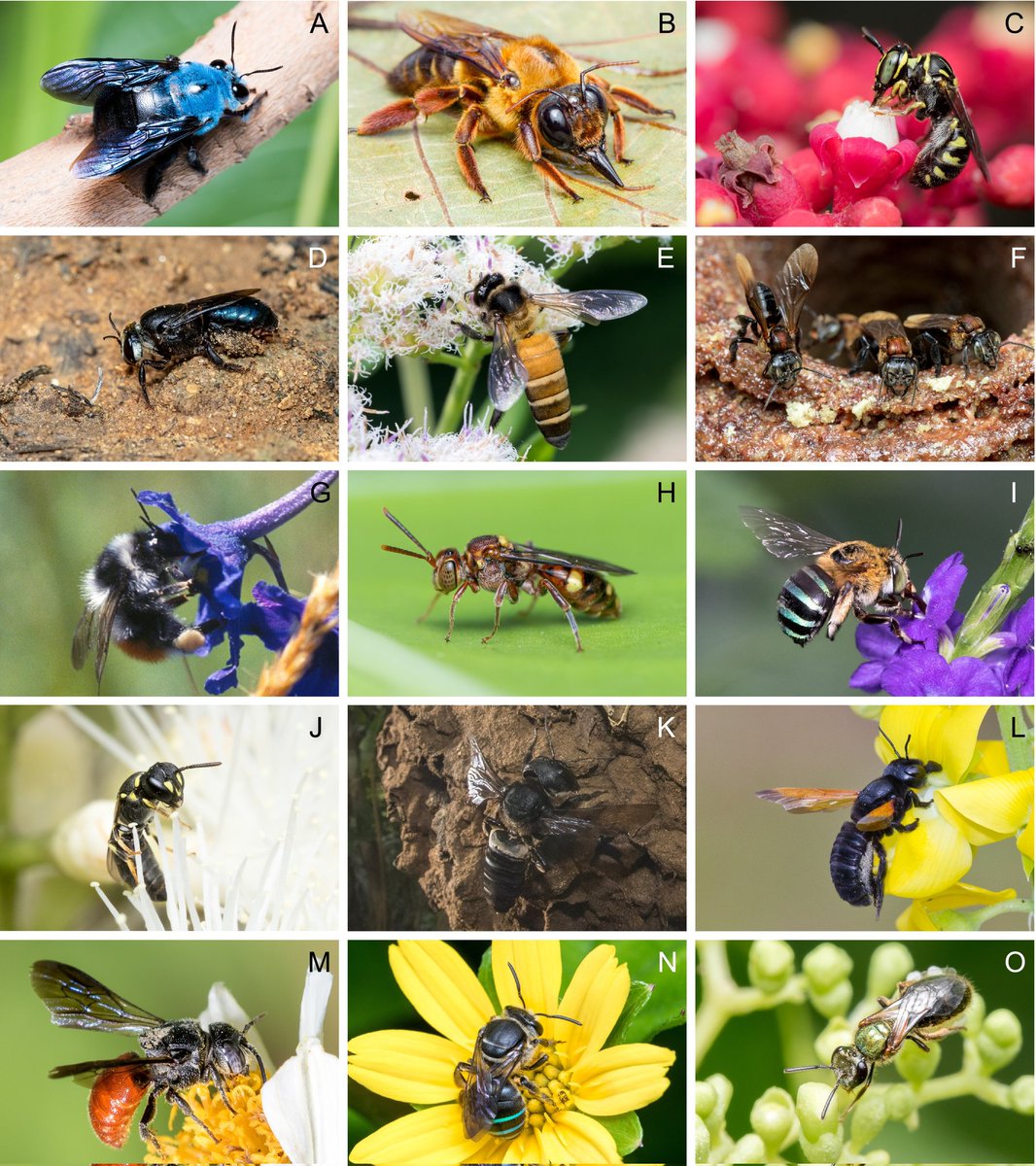
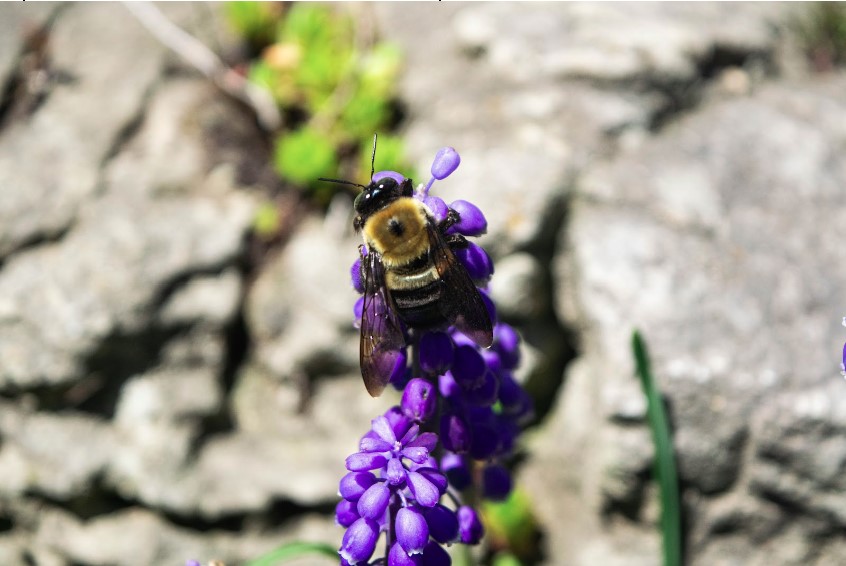
It’s a buzzing Blue Banded Bee!!! 🐝💙
Our native bees are important pollinators & are essential to a healthy environment!🌳
These bees are buzz pollinators which means they grab onto the flower and vibrate their flight muscles fast to dislodge and cover themselves in pollen!🌼
A newly discovered stink bug species has been found in Western Australia during a two-week expedition near Kepa Kurl/Esperance. This bug exhibits remarkable features such as curved horns and bright yellow tusks, which serve as camouflage on its host plant. https://t.co/Xy46HwApzg
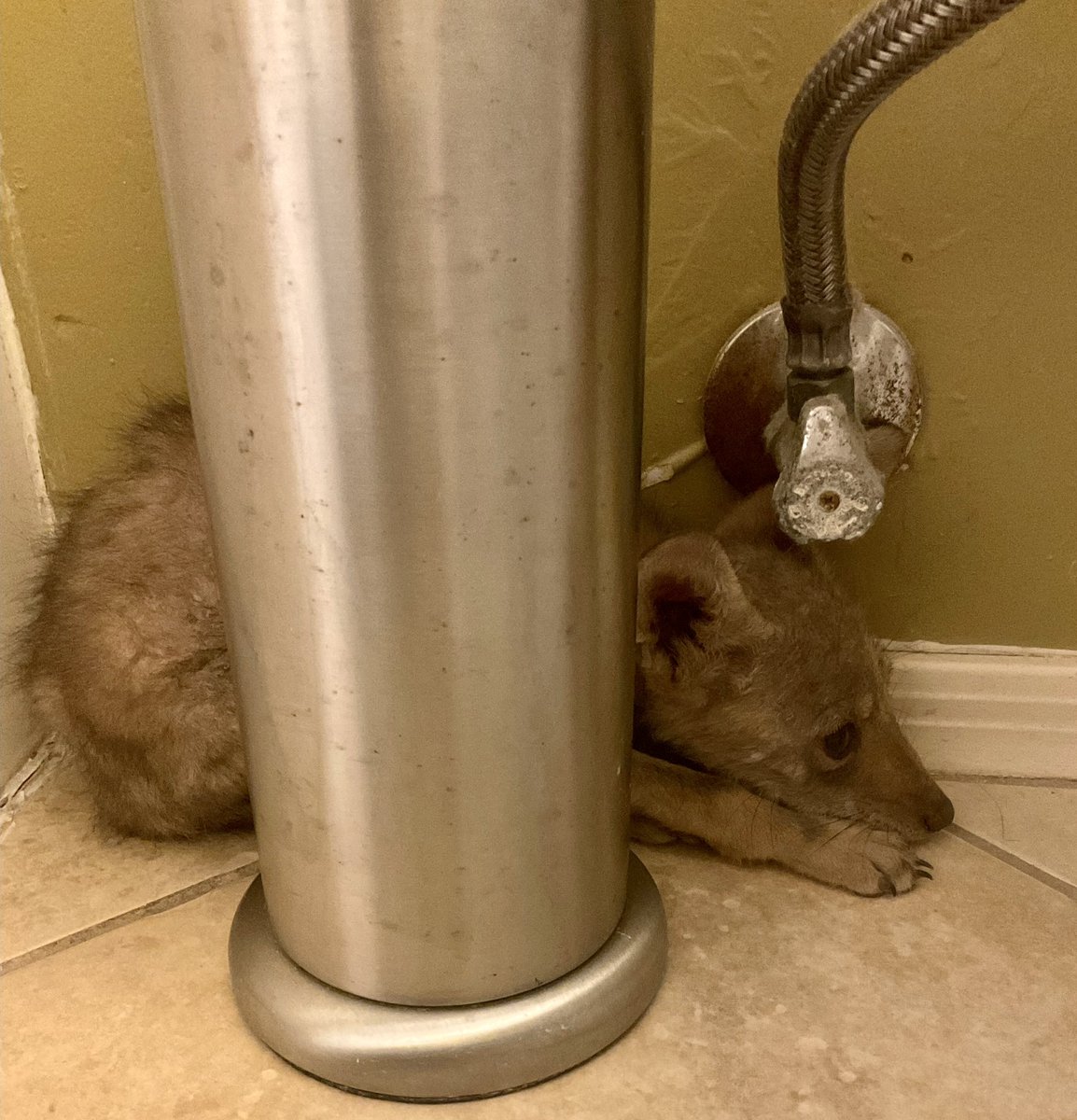
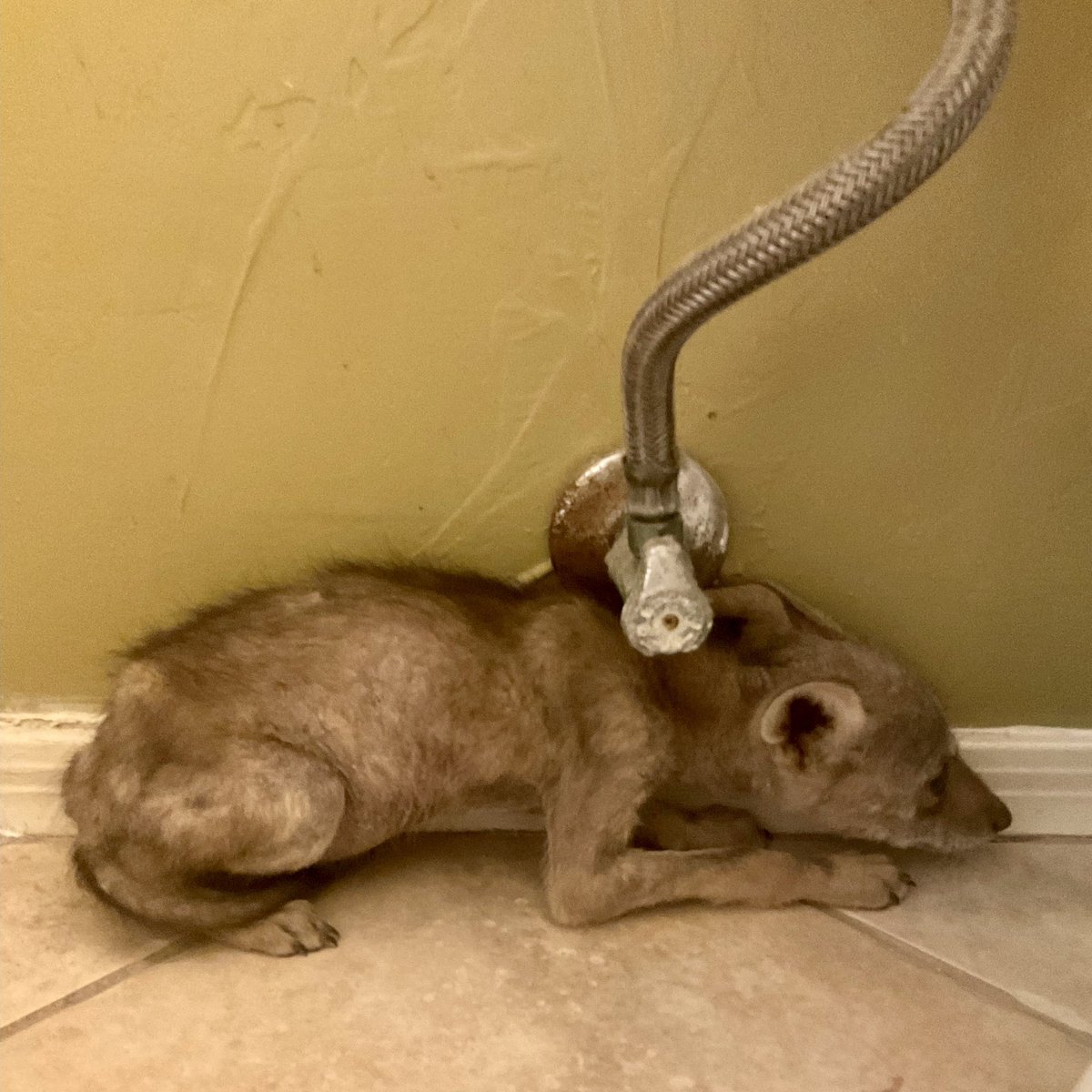
Leave Baby Wildlife Alone: A coyote pup that bit a Sahuarita teen Fri. after she tried to “rescue” it as abandoned. The pup’s mother likely left it unattended briefly so that she could feed. Teen now being treated for rabies. Call 623-236-7201 first about wildlife in distress.
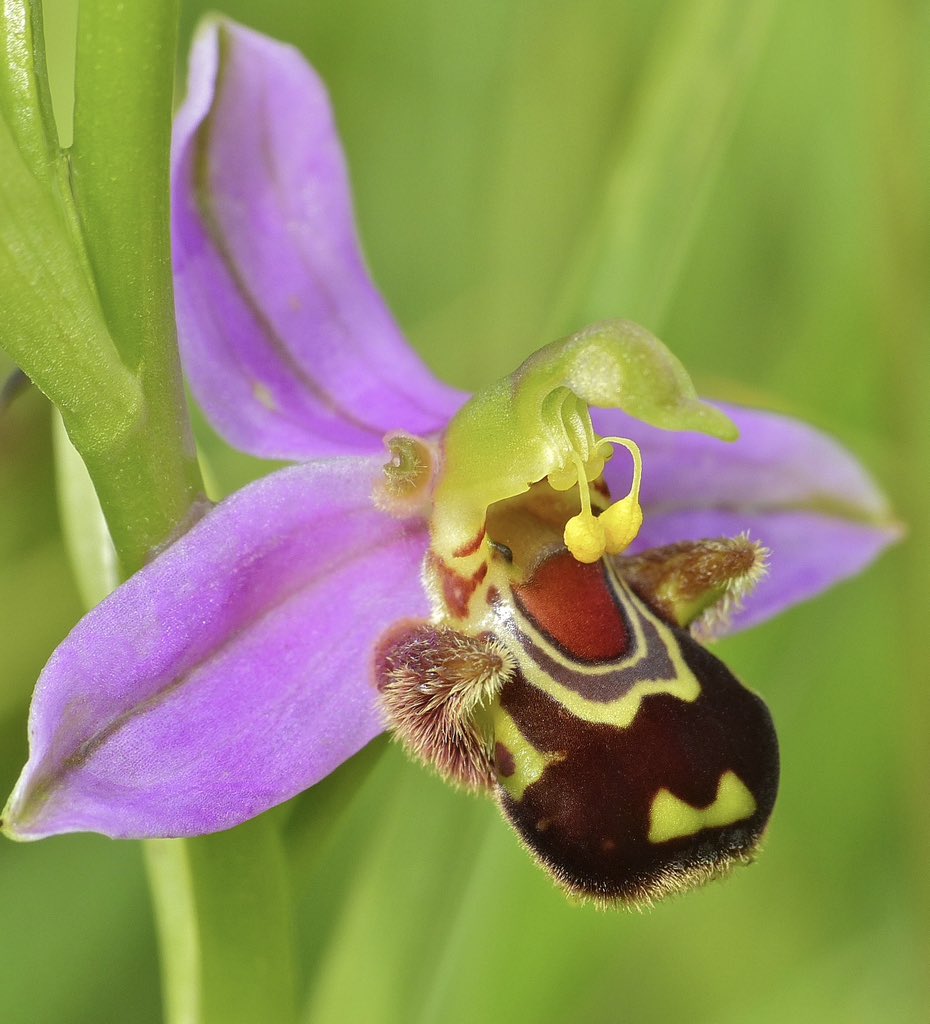
The bee orchid (Ophrys apifera) exemplifies sexually deceptive pollination and floral mimicry
The flowers release allomones that mimic the scent of a female bee, the labellum of the flower further fools the male bee visually
Male E. longicornis bees mistake the orchid's flowers for females, attempting to mate with them. During this pseudocopulation pollen transfer is completed
📸 Bernard DUPONT
Did you know that the University of Dayton is a designated Bee Campus?
In 2022, BeeCityUSA named UD an official Bee Campus. This designation means that UD is considered a healthy habitat for pollinators, providing native flowering plants for education on US pollinator species!
Wyoming just had an HPAI-positive barn cat. Just in case you needed any more reason to keep your cats inside, or any more proof that barn cats do impact birds.
@_JohnMola I’m sure their results will be very interesting. What is the name of your collaborator? So I can be on there lookout when their findings are published.
@_JohnMola After reading this tweet I am now very invested in knowing more about this. I would expect it would also impact wasp species that use preexisting burrows.
They can be creepy and crawly but bugs have a special place in our world. These Smith third graders gained a new understanding of the sometimes scary creatures thanks to a UD graduate student studying ecology and entomology who came to share her passion for insects.