The global online authority for #bees research https://t.co/8gYkJ2HFIo has been up and down the last few months due to rampant AI bot webscraping. Learn more in our quick new @Nature Correspondence here: https://t.co/V7ZmeIysv4
This is the year of the snake, but every year can be the year of caterpillar! 🐛 caterpillar can do anything!
Therefore here’s the 12 Chinese zodiac in caterpillar version! Which is the your caterpillar zodiac?
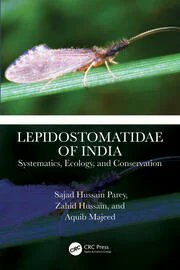
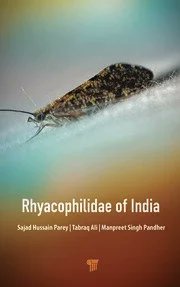
First two books published on the Trichoptera of India with the Publisher @tandfnewsroom@routledgebooks
covering Two Families Rhyacophilidae & Lepidostomatidae of India.
Happy 👇
#76RepublicDay
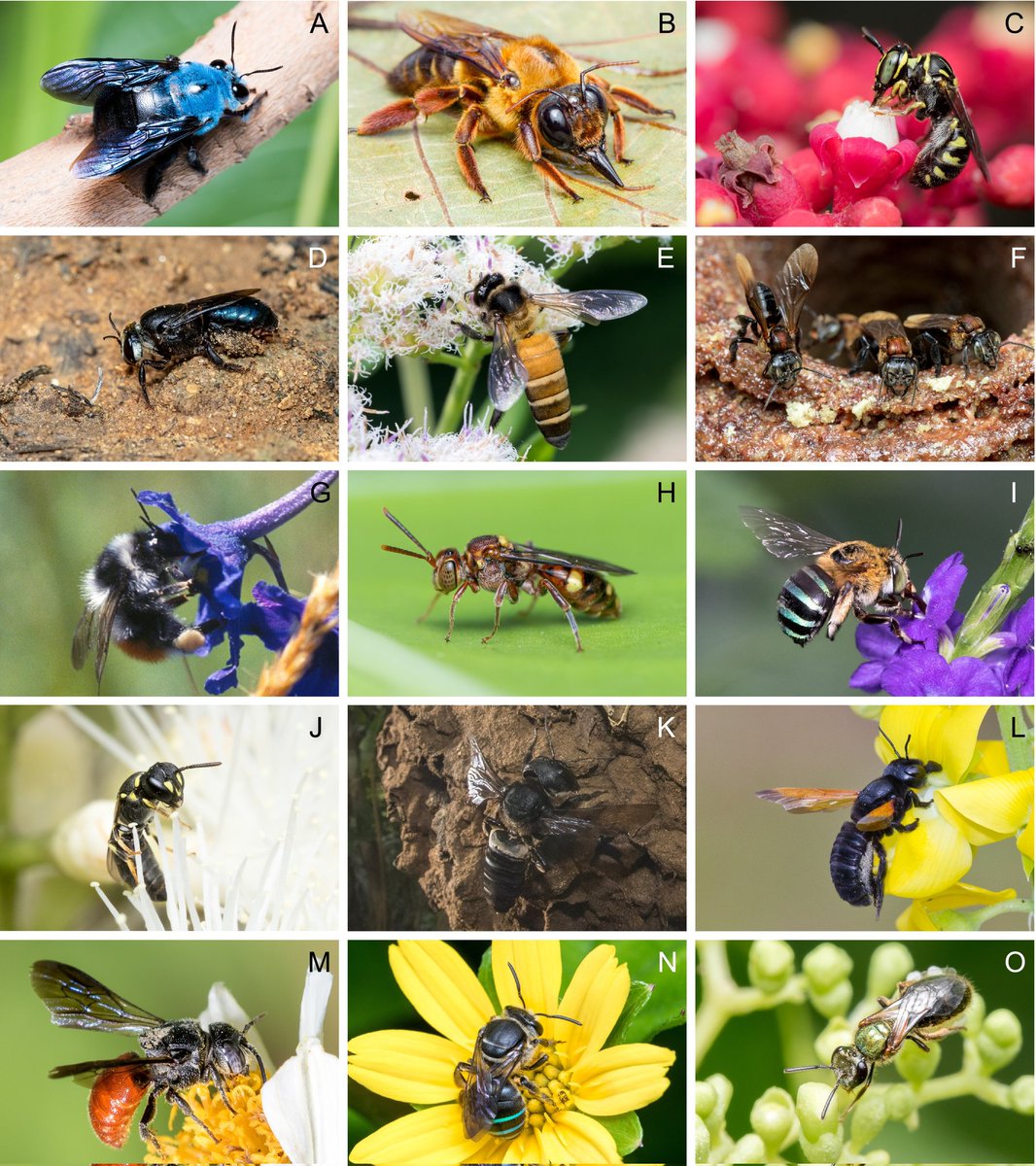
En el mundo hay más de 21,000 especies de abejas, con diferentes formas, colores y tamaños. Aquí hay una muestra de lo que hay en México, país con la segunda diversidad mundial.
Si quieren saber más les comparto este pequeño artículo que hice:
https://t.co/L4rKnkTzK4
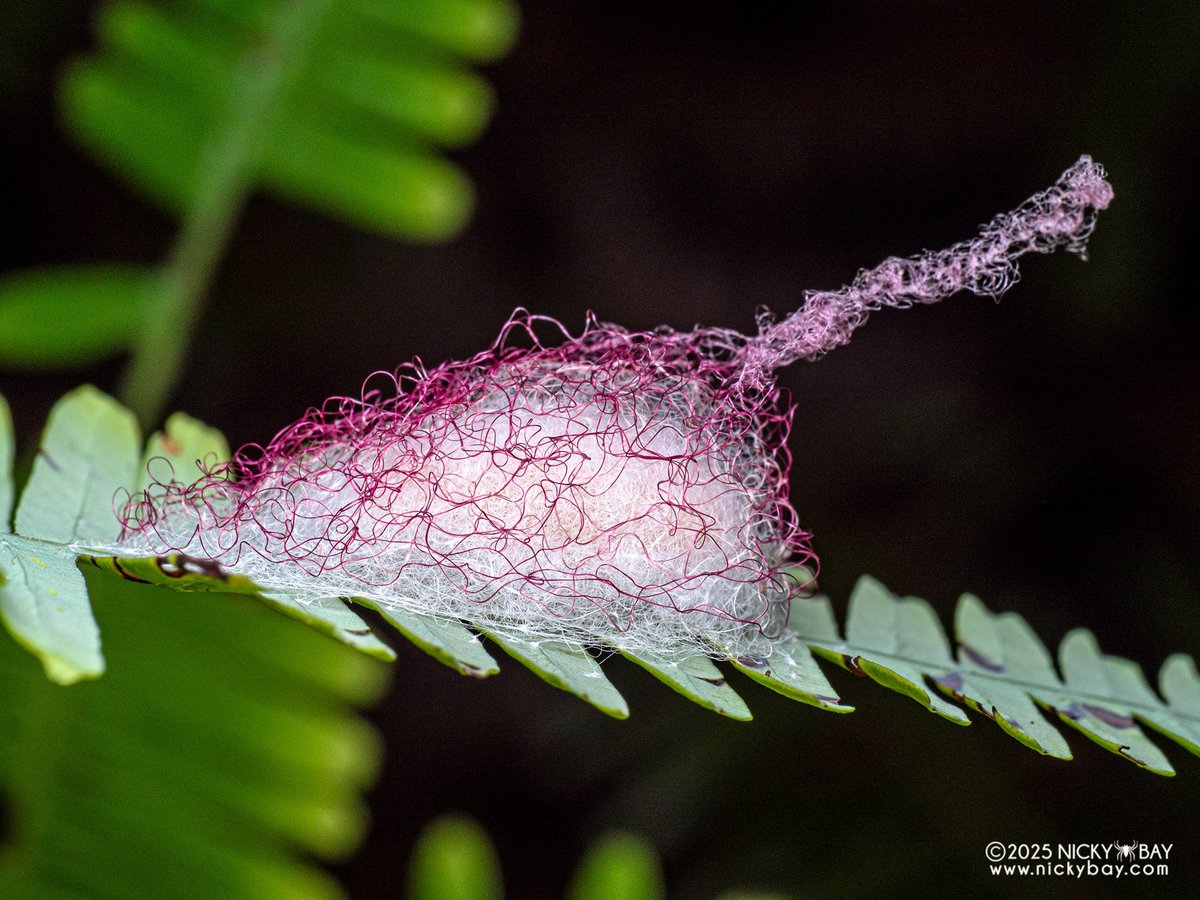
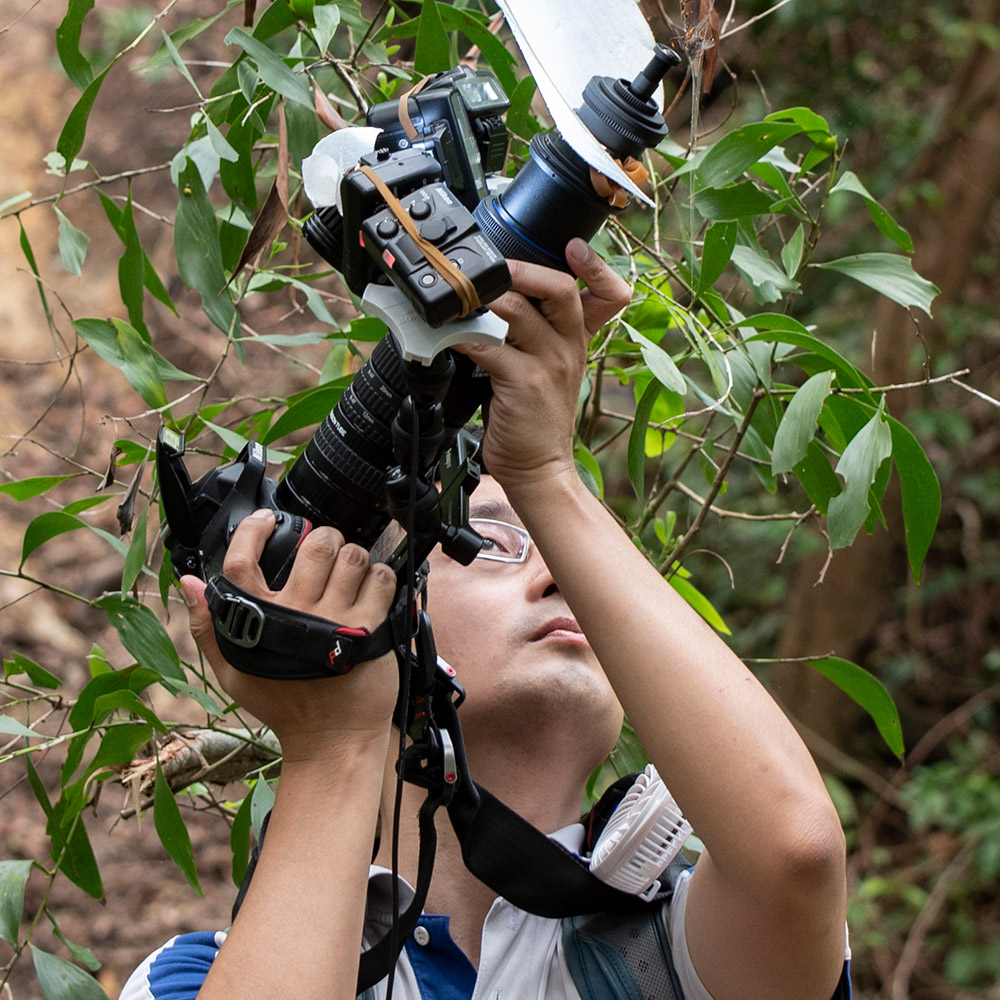
"To me, macro photography is like a window to an alien world right under our noses."
A macro photographer in Singapore posted this amazing spider egg case, and it led to a great ID discussion on iNat - it's our Observation of the Week!
Story here: https://t.co/6bzJt6P4mc
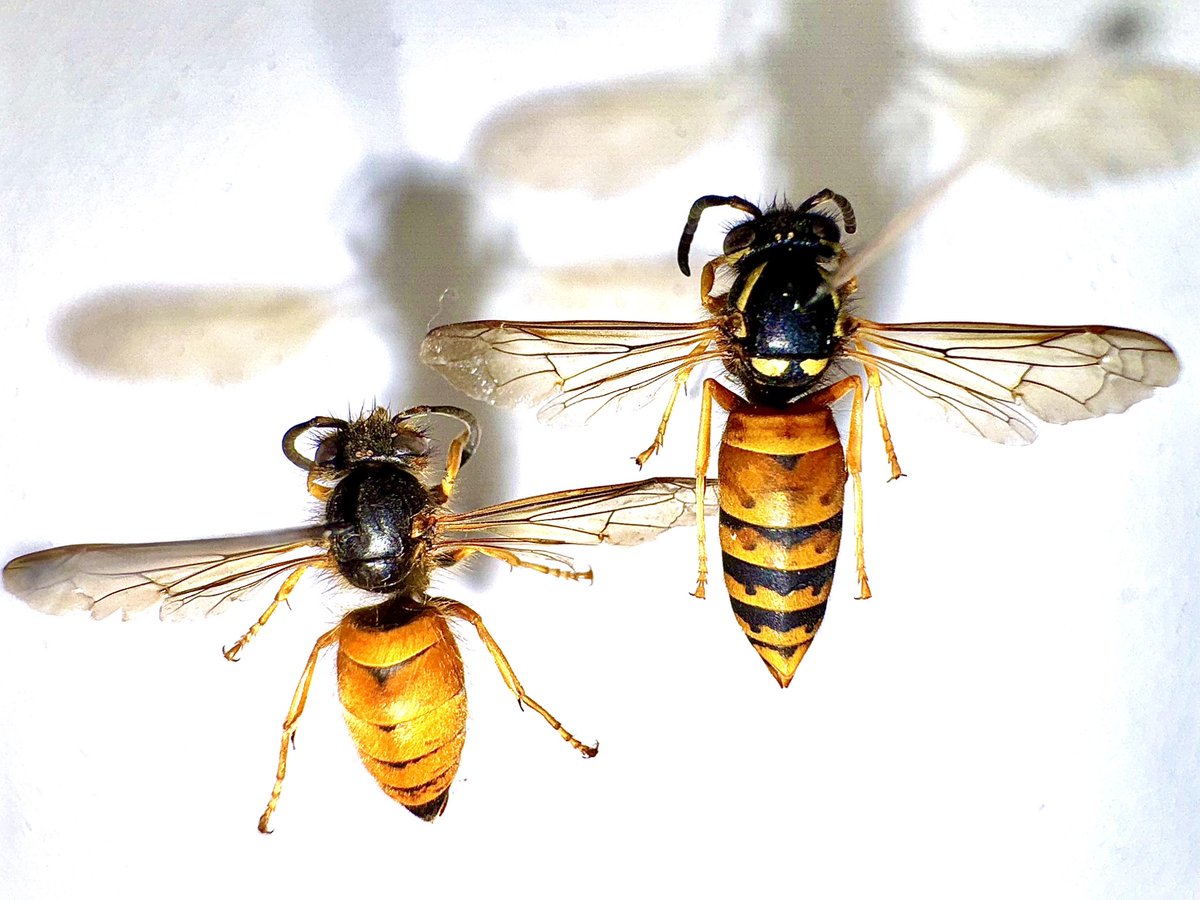
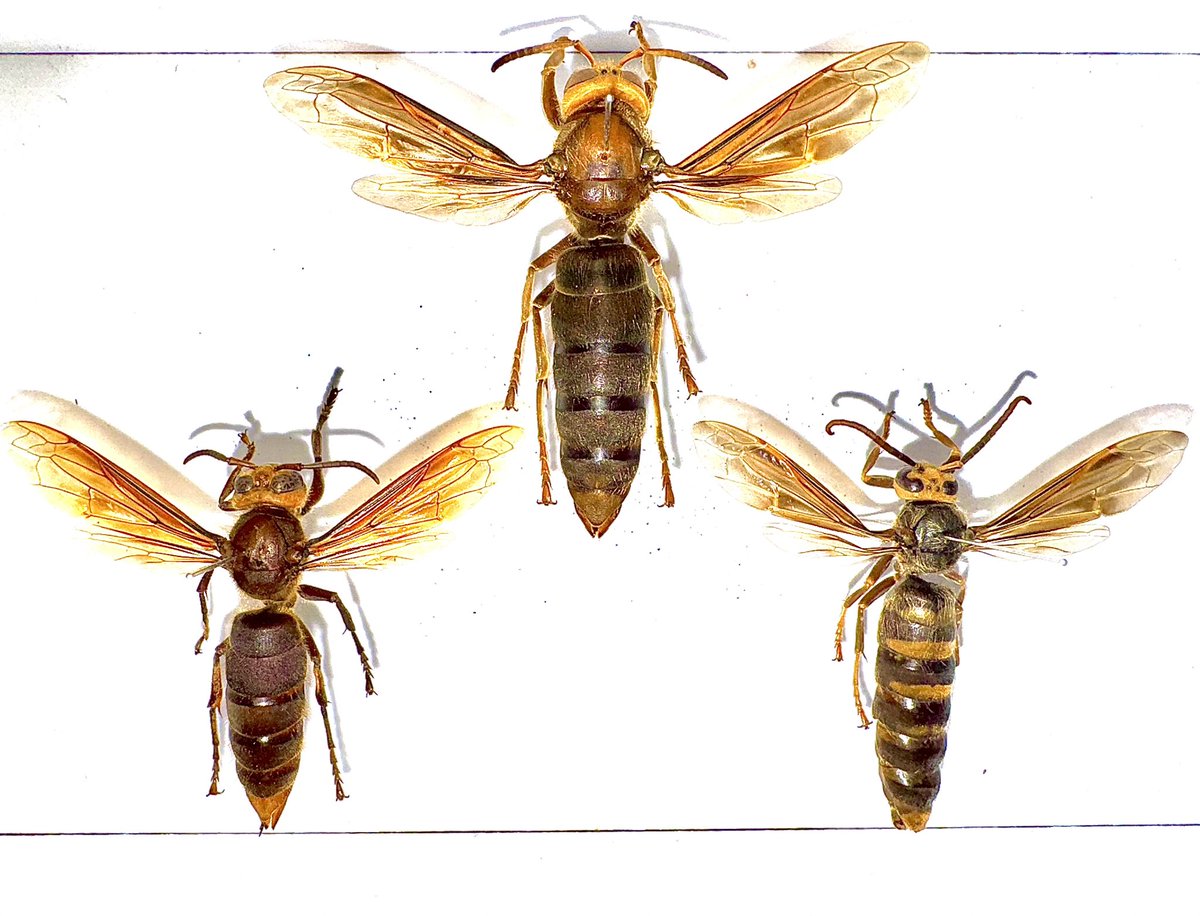
Two species of wasps endemic to the southwestern Chinese plateau
Vespula structor (left one in the first picture)
Vespula nursei(right one in the first picture)
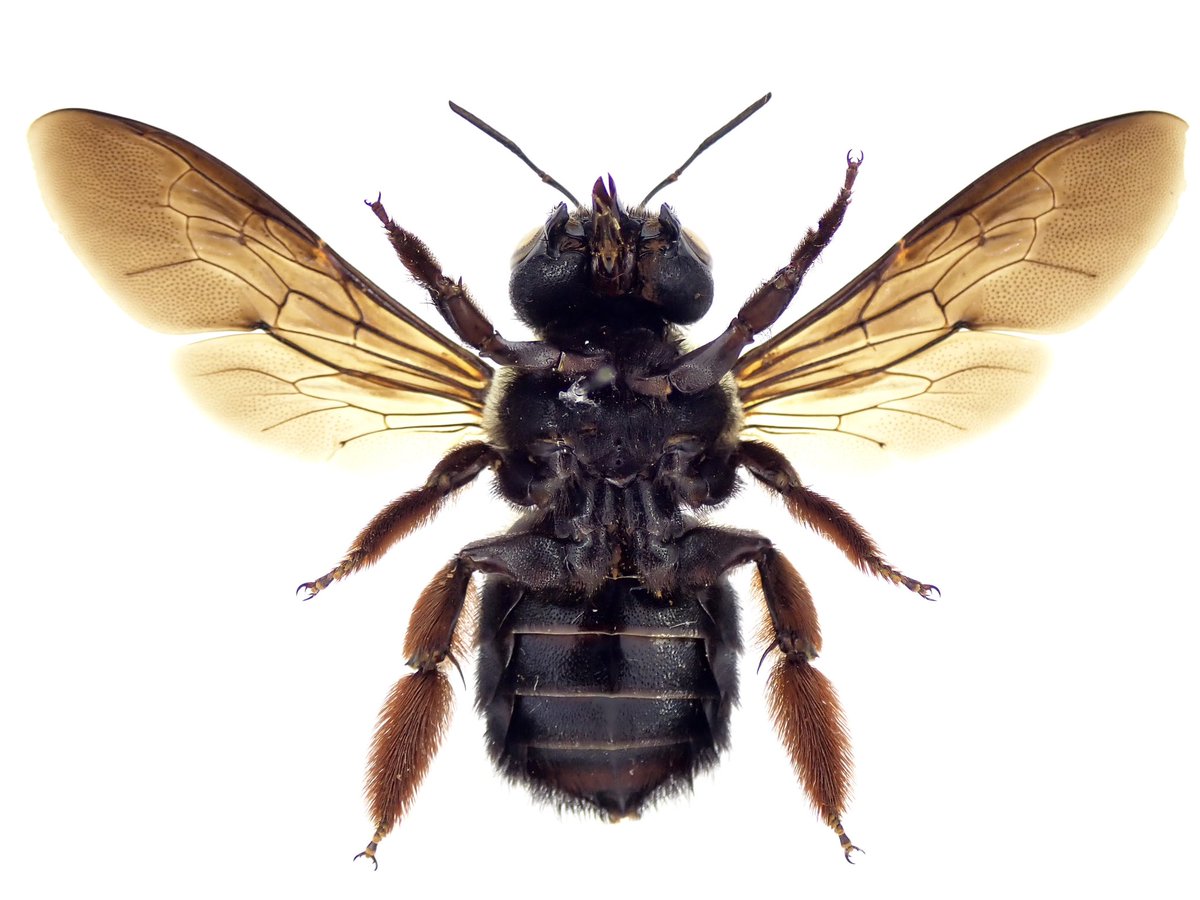
Like other wasps of the Scoliidae family, 𝘗𝘩𝘢𝘭𝘦𝘳𝘪𝘮𝘦𝘳𝘪𝘴 𝘱𝘩𝘢𝘭𝘦𝘳𝘢𝘵𝘢 is remarkable for its body hairs. As a solitary parasitoid wasp, they prey on scarab beetle larvae, paralyzing it with their sting to then lay their eggs on the body of their host.
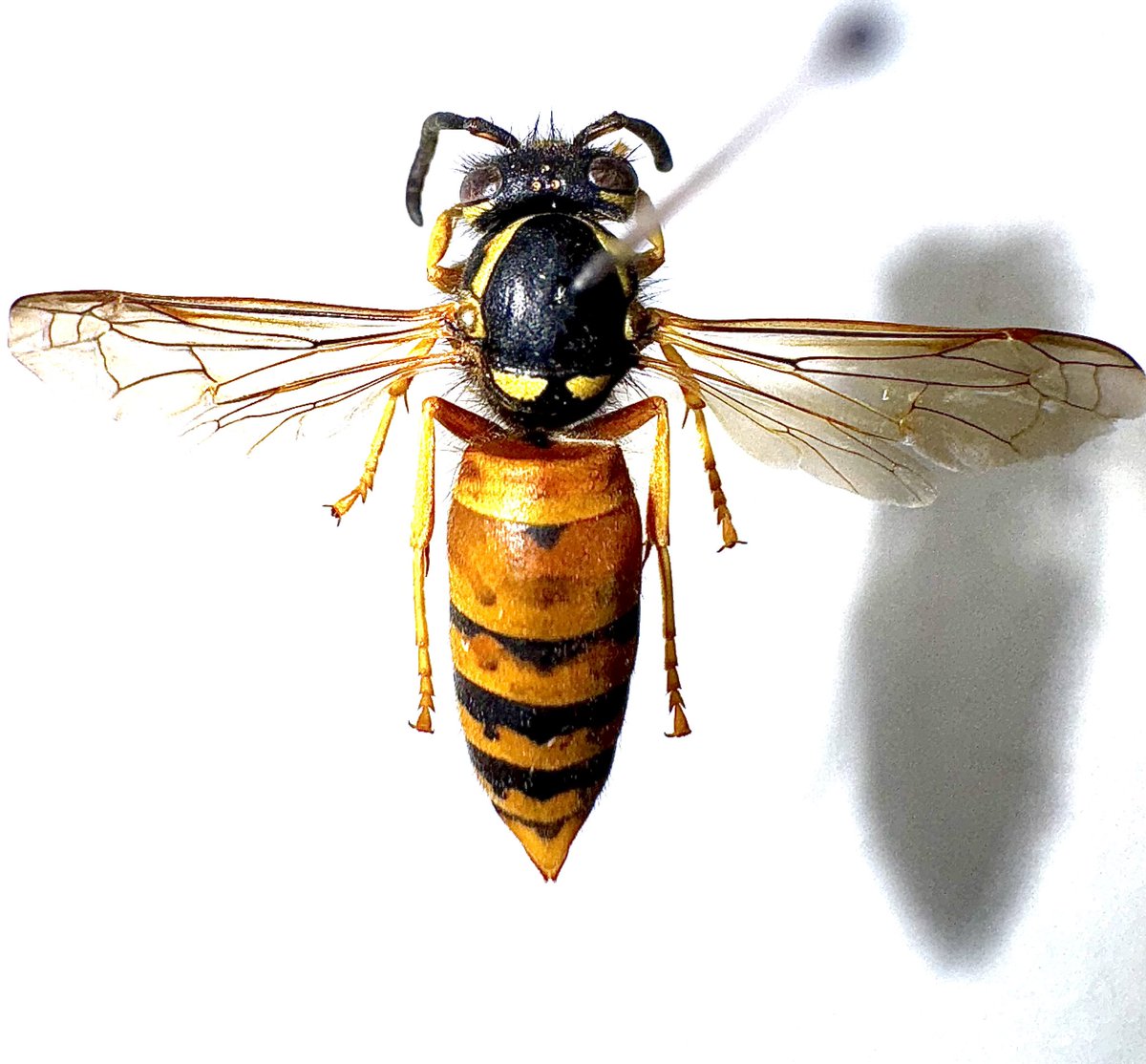
Left: Vespa luctuosa from Mindanao🇵🇭
Right: Vespa luctuosa from Luzon🇵🇭
Although Archer in his book believed that the sixth tergum of the abdomen of Vespa luctuosa in Mindanao is yellow, which is different from V. luctuosa in Luzon, my specimens do not seem to support this.
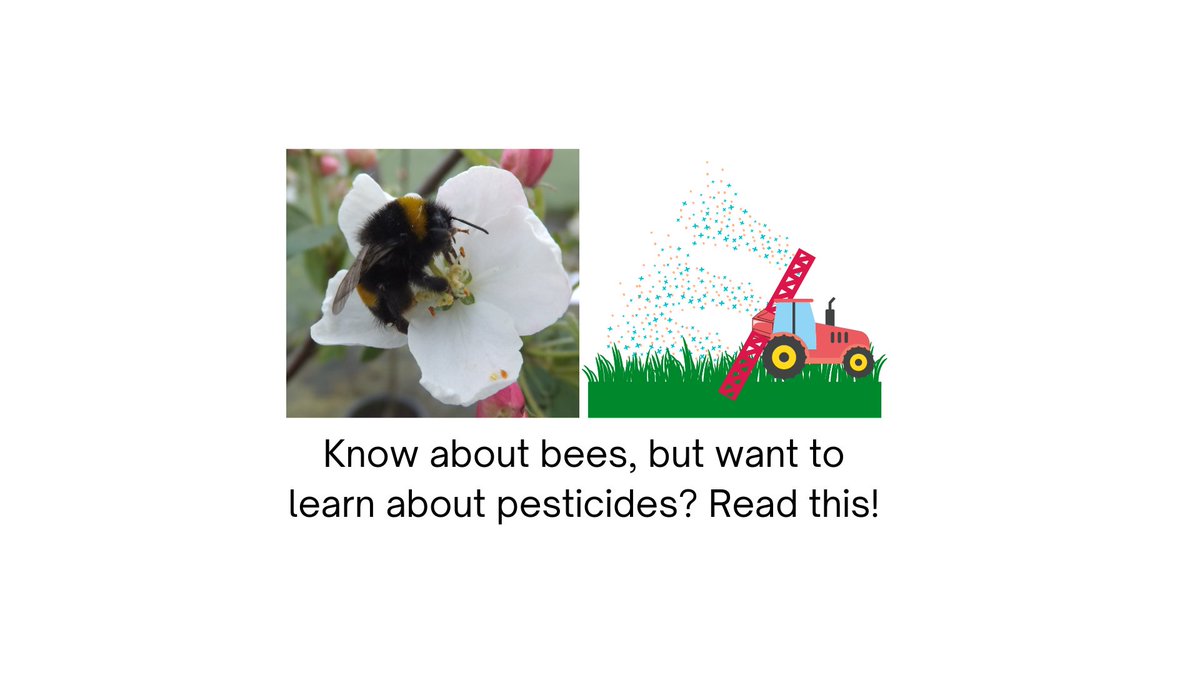
ATTENTION ECOTOX PEOPLE: We wrote a primer on bee and pesticide science! Specifically written to be an accessible short guide for post / undergrads. It explains all the basic lingo and concepts in simple language. @DaraStanley
https://t.co/cvnRPiamaB
Buzzed to see our #jarrah paper now live! This study was a result of some of my summer 2023 research w/ Kings Park Science. Much work to do in the long-term monitoring of #insect#pollinators, but it was great to get a start on an important canopy species.
https://t.co/rCuofDkWLb
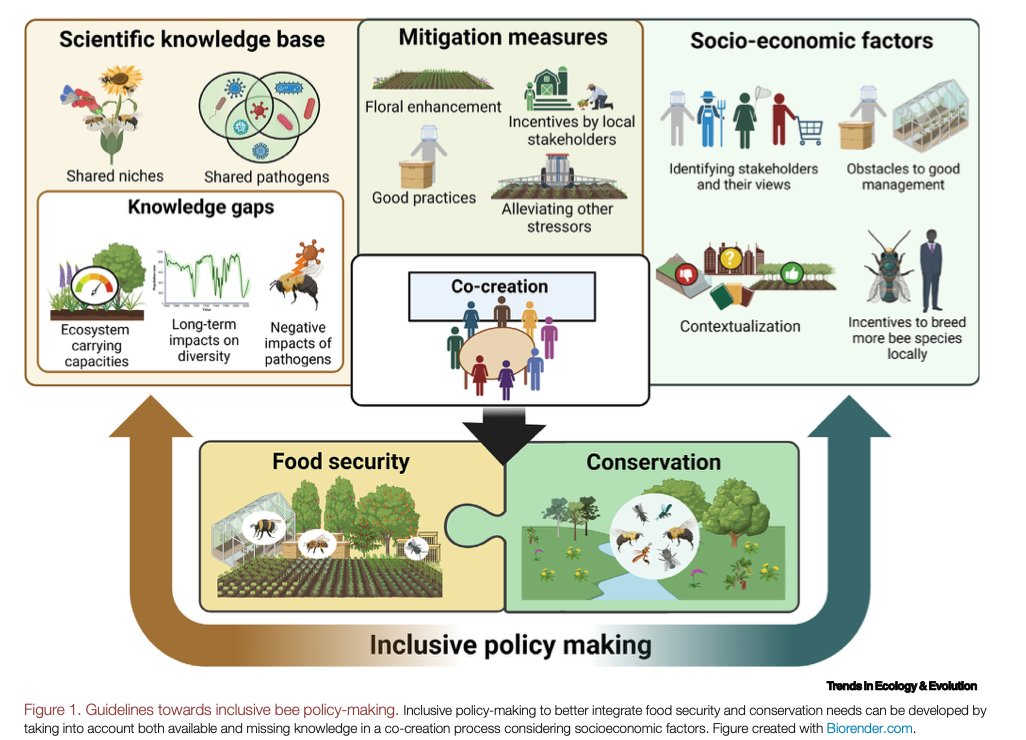
"Avenues towards reconciling wild & managed #bee proponents" in @Trends_Ecol_Evo. Hopefully a useful addition to discussions about the risks posed by managed bees to wild bees, highlighting knowledge gaps that hinder development of evidence-based policies: https://t.co/1HpinlJCqa
A honeybee with two differently-coloured pollens (from the German Bee Journal). Bees are by no means preprogrammed to be flower-constant. If flowers of two species are equally rewarding & in close proximity, bees sometimes visit both
Our latest #OpenAccess paper from @SMNStuttgart reveals higher #bee species richness in #conservation areas compared with non-conservation areas in south-west Germany🐝
https://t.co/pflRUunPGl
@RoyEntSoc @WileyEcolEvol