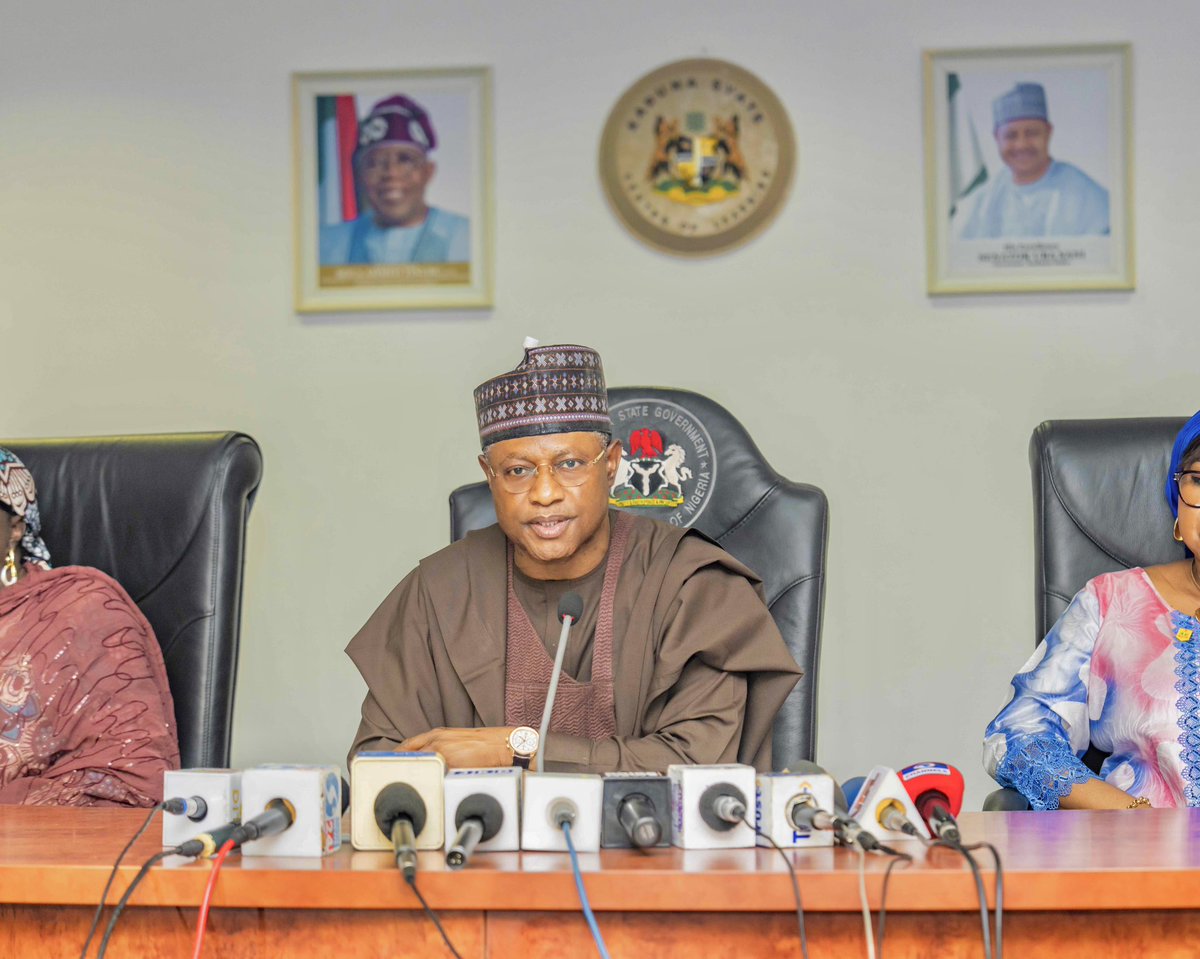
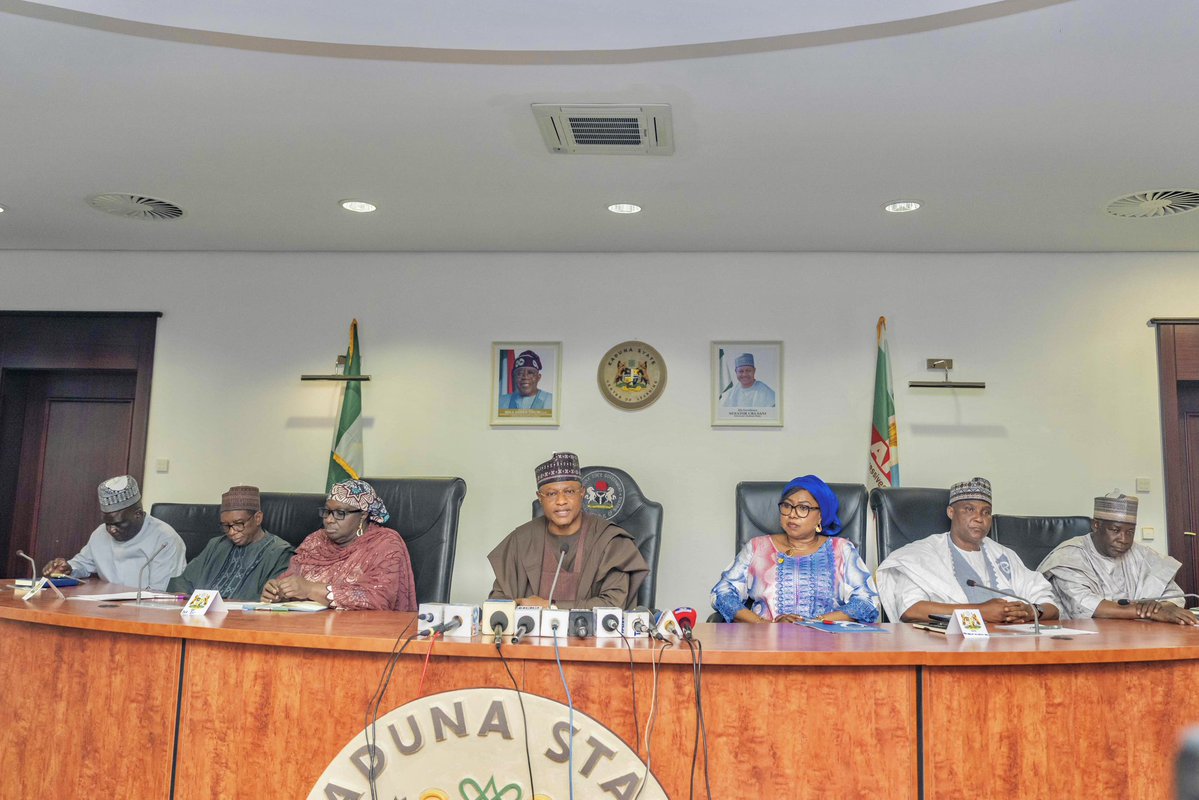
3 years, 23 major milestones. From digital innovation to healthcare leadership and infrastructure breakthroughs, Kaduna State continues to set the benchmark for excellence under Governor Uba Sani.
Take a look at the full breakdown:
“KADUNA SCORES ANOTHER BIG WIN UNDER UBA SANI”
By Raheem Braimah
The recent announcement of the 2025 Phillips Consulting State Performance Index (pSPI) has illuminated Kaduna State’s remarkable progress, ranking it third nationally and awarding it an Excellent Four-Star Rating. This accolade not only showcases the state’s achievements but also serves as an independent validation of the transformative and inclusive leadership exemplified by Governor Uba Sani since he assumed office on May 29, 2023.
The significance of this ranking is profound. It reflects measurable advancements in governance, fiscal management, economic development, infrastructure, healthcare, education, agriculture, security, and social inclusion. Utilising a robust methodology that combines objective performance indicators with citizen feedback, the assessment illustrates Kaduna’s substantial strides in critical areas vital to the well-being of its citizens.
Governor Sani’s leadership style has been characterized by a commitment to dialogue, inclusion, and meaningful service over mere propaganda. This approach resonates deeply in a state previously beset by insecurity and social fragmentation. Upon assuming office, Sani faced a daunting landscape where banditry and violent attacks had become commonplace, leading to a crisis of confidence among the populace. Rather than succumbing to despair, he chose to rebuild trust through focused initiatives.
A cornerstone of Governor Sani’s security strategy is the Kaduna Peace Model. By working closely with security agencies, traditional leaders, and local stakeholders, the administration has adopted a holistic approach to peace-building, addressing not only immediate security threats but also their underlying causes. This multidimensional strategy has yielded impressive results, with reports indicating a significant reduction in violent crime rates. Communities previously paralysed by fear are regaining their confidence, farmers are returning to their fields, and schools that once faced disruptions are now operational.
In fiscal management, the Governor Sani administration has exhibited remarkable discipline. Faced with substantial debt obligations, the governor opted for restraint, prioritizing fiscal sustainability over short-term gains. This prudent governance approach has seen Kaduna State repay more than ₦90 billion in inherited debts without incurring new loans, a feat that underscores responsible governance. The administration’s commitment to transparency has fostered investor confidence, enhancing revenue collection and reducing dependency on external funding sources.
Equally remarkable has been the restoration of confidence in Kaduna’s financial management architecture. Under Uba Sani, transparency and accountability ceased to be rhetorical ornaments and became measurable governance principles. For two consecutive years, Kaduna emerged as Nigeria’s most transparent and accountable state, according to the Transparency and Integrity Index released by the Centre for Fiscal Transparency and Public Integrity, supported by the MacArthur Foundation.
This ranking was not accidental. Kaduna institutionalized open procurement systems, strengthened citizen engagement frameworks, expanded fiscal transparency mechanisms, and deepened the Open Government Partnership framework through its extended State Action Plan III covering 2024–2027. Governance increasingly became participatory rather than opaque.
Perhaps nowhere is the administration’s reformist instinct more visible than in revenue generation. At the time Governor Sani assumed office, Kaduna’s monthly internally generated revenue hovered around ₦5 billion. Through tax reforms, automation, expansion of the tax net, and improved ease of doing business, Kaduna rapidly emerged as the leading internally generated revenue-performing state in Northern Nigeria.
https://t.co/KAUdfDsVxK
Governor Uba Sani Lauds Exemplary Conduct of Kaduna Pilgrims at 2026 Hajj
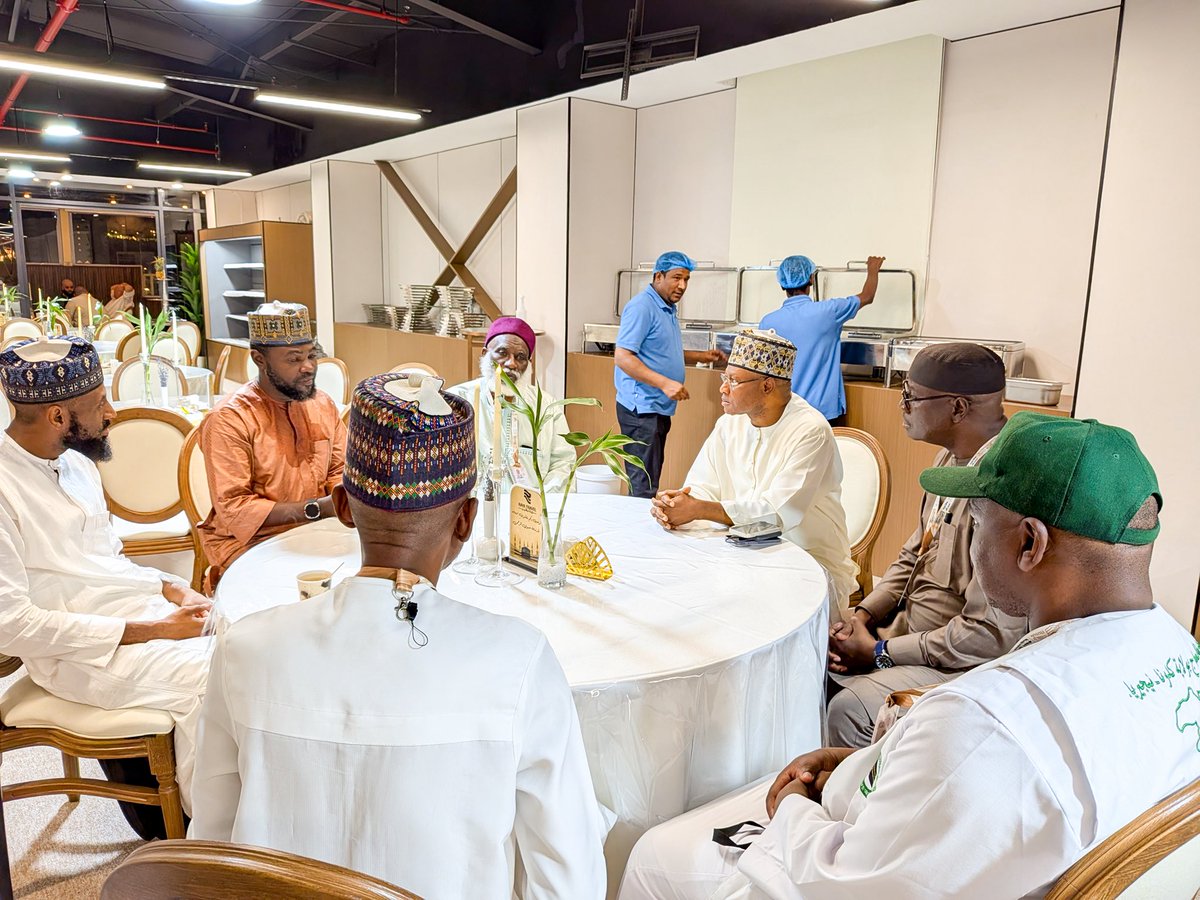
Yesterday, Governor Uba Sani received a briefing on the Kaduna 2026 Hajj activities from officials of the Kaduna State Pilgrims Welfare Agency in his tent in Mina.
The delegation which was led by the Executive Chairman, Malam Salihu Abubakar, was accompanied by Professor Bello Ayuba (Principal Private Secretary to the Governor and member of the Hajj delegation committee), Hon. Naziru Sunusi Abubakar (Chairman, House committee on Hajj and Interfaith of the Kaduna State House of Assembly), Malam Abdulrahman Abuhunain (SSA Interfaith), Alhaji Abubakar Usman (Director of Operations), and Iliyasu Jega ( SSA Protocol).
The team briefed the Governor on the successes recorded so far, tracing the journey from Nigeria to their stay in Madinah, and now their current operations in Arafat and Mina.
In his response, Governor Sani commended the exemplary conduct of the Kaduna pilgrims and praised the agency for its outstanding organization, noting that Kaduna State is setting the pace for the rest of the country.
On this blessed Juma’ah day, may Allah shower us with His endless mercy, ease every hardship we face, and fill our hearts with peace and contentment. May He grant healing to the sick, answer our sincere prayers, forgive our shortcomings, and bless those who have passed away with the highest place in Jannah. May we always remain among those who remember Him, place our trust in Him, and are embraced by His infinite compassion. Alhamdulillah for the years gone by and the years yet to come. Ameen.
JUMA’AT MUBARAK
Today, I had the distinct honour of commissioning the Hon. Justice Muhammadu Bello Bar Centre and formally declaring open the NBA Kaduna Branch Law Week 2026 alongside the Honourable Attorney General of the Federation and Minister of Justice, Chief Lateef Fagbemi, SAN, the President of the Nigerian Bar Association, Mazi Afam Osigwe, SAN, eminent jurists, distinguished members of the Inner Bar, and the wider legal community.
The completion of this remarkable edifice represents far more than the delivery of physical infrastructure. It stands as a powerful testament to visionary leadership, institutional continuity, and the enduring strength of collective purpose. I commend the Chairman of the NBA Kaduna Branch, Barrister Baba Lawal Aliyu, past leaders of the Branch, and all members whose steadfast commitment transformed a worthy aspiration into enduring reality.
It is particularly fitting that this Centre bears the name of Hon. Justice Muhammadu Bello, a jurist whose intellectual depth, moral clarity, and distinguished contributions to Nigeria’s constitutional and legal evolution continue to command profound respect across generations.
I am deeply encouraged by the acknowledgment of our administration’s steadfast support for the judiciary and the legal profession. We remain unwavering in our commitment to strengthening judicial institutions, widening access to justice, and upholding the rule of law as indispensable foundations for democratic governance, social stability, and sustainable development in Kaduna State. I wish the NBA Kaduna Branch fruitful deliberations and a most successful Law Week 2026.
Senator Uba Sani, CON
Governor, Kaduna State
May 18, 2026
There is a reason @ubasanius is No. 1 on every sane person’s list.
Kaduna no longer asks to be considered. It is now being cited. The Nigeria Governors’ Forum has named Kaduna the country’s leading model in rice transformation and food security under Governor Uba Sani.
Days earlier, the UN Office on Drugs and Crime, through Country Representative Cheikh Touré, named the state Sub-Saharan Africa’s benchmark for drug prevention, mental health reform, ATI implementation, child protection, and transparency.
One is a domestic peer review. The other is a continental designation by a UN agency. Both played on verifiable data and evidence.
What these recognitions share is governance architecture. Rice value chains and functioning ATI regimes require the same boring disciplines: data, effective and efficient procurement processes, agencies that answer letters, a centre that holds.
Kaduna has rebuilt the centre. On to the next one.
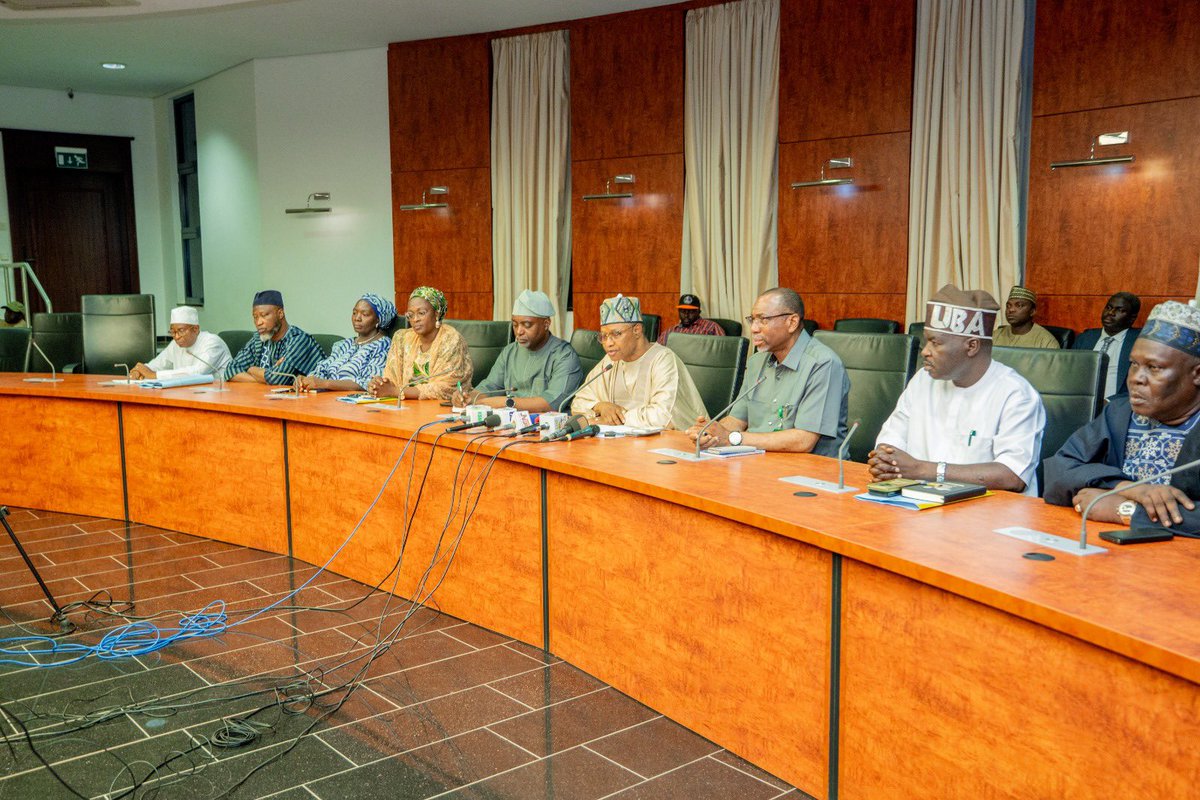
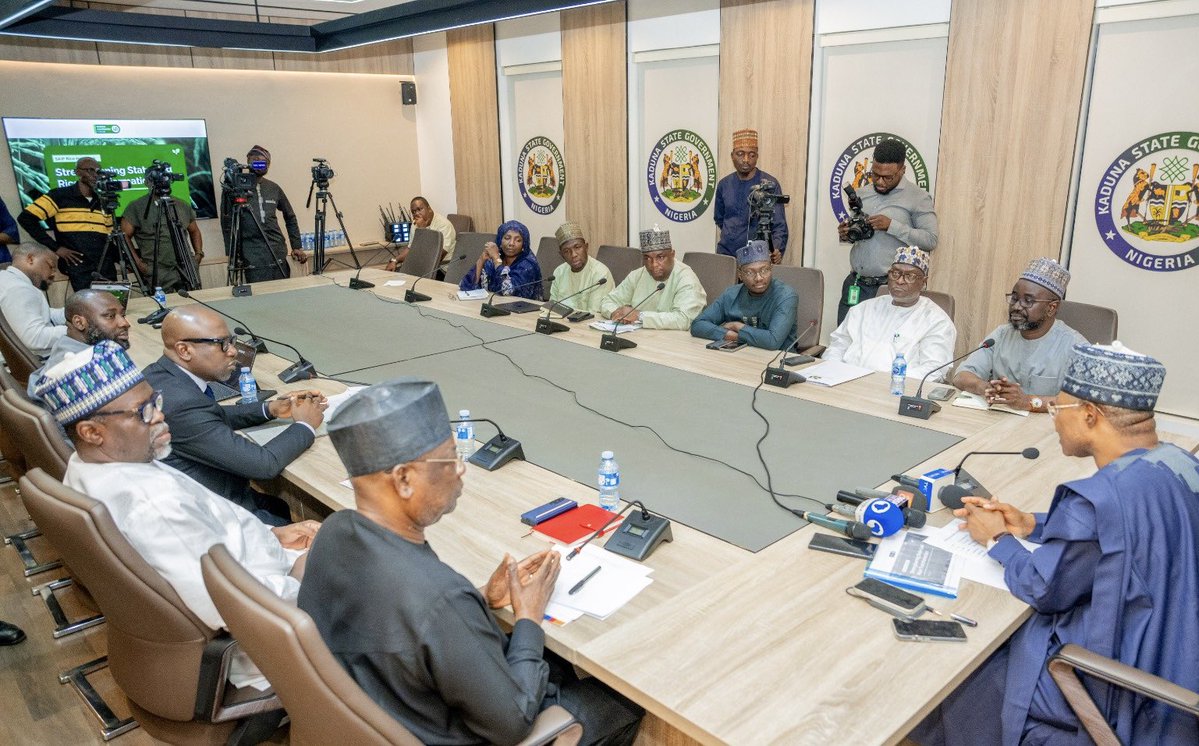
I was pleased to welcome the Director-General of the Nigeria Governors’ Forum (NGF), Dr. Abdullateef Shittu, and his delegation on a strategic working visit centred on deepening collaboration on the State-Led Rice Transformation Initiative. Kaduna State’s selection as a pilot state is both encouraging and reflective of the significant strides we have made in agriculture and food systems development.
I commend the Nigeria Governors’ Forum for recognising Kaduna State’s sustained commitment to agricultural transformation, food security, and rural economic growth. Agriculture remains at the heart of our administration’s development agenda because we firmly believe that economic stability, social progress, and lasting peace are closely tied to the prosperity of our farming communities.
Our administration has scaled up budgetary provision to the agriculture sector from the 0.5% allocation (N1.48 billion) we inherited in 2023 to 13% (N108.38 billion) in the 2026 budget, thereby surpassing the 10% benchmark set by the Malabo Declaration. This strategic investment has strengthened Kaduna State’s position as one of Nigeria’s leading producers of major cash crops and enabled landmark initiatives such as the Special Agro-Industrial Processing Zone (SAPZ) and the Agricultural Quality Assurance Centre (AQAC).
I reaffirmed our administration’s full support for the Rice Transformation Initiative and endorsed the proposed implementation council, which I shall personally chair. We remain committed to building strong partnerships that will advance sustainable agriculture, strengthen food security, create jobs, and support enduring stability across Kaduna State and Nigeria at large.
Senator Uba Sani, CON
Governor, Kaduna State
In furtherance of our unwavering commitment to safeguarding the lives and livelihoods of our people, I had the privilege of inaugurating the Kaduna State Disarmament, Demobilisation and Reintegration (DDR) Peace and Security Committee. This marks a decisive step in our ongoing efforts to consolidate peace and entrench sustainable security across Kaduna State. Kaduna State is also serving as the pilot state for this peace and security initiative, reflecting national confidence in the effectiveness and promise of our security framework.
From the very outset, this administration has pursued a carefully balanced strategy; combining kinetic responses with thoughtful non-kinetic interventions, within what has come to be widely recognised as the Kaduna Peace Model. This approach is grounded in a clear understanding that insecurity is not merely a function of criminality, but often the consequence of deeper structural challenges, including poverty, exclusion, and limited economic opportunity.
Through sustained collaboration with the Office of the National Security Adviser, the National Counter Terrorism Centre, the Armed Forces, and other security agencies, we have recorded measurable progress. Intelligence coordination has been significantly strengthened; key transport corridors, including the Kaduna–Abuja highway, the Birnin Gwari axis and other previously flash points, are now markedly safer; economic activity is steadily rebounding across these places; markets have reopened; and our farmers are returning to their fields with renewed confidence.
I am particularly encouraged by the commendation of the National Counter Terrorism Centre, ably represented by Ambassador Abimbola Wonosikou, who described the Kaduna Peace Model as worthy of emulation for its deliberate focus on addressing the underlying drivers of insecurity.
The Committee, under the able leadership of the Secretary to the Kaduna State Government, Dr. Abdulkadir Muazu Meyare, brings together a broad coalition of stakeholders: government institutions, security agencies, civil society, and traditional and religious leaders. Its mandate is to guide the structured rehabilitation, skills development, and reintegration of individuals exiting violence, while fostering community trust and long-term stability.
Together, we shall build a Kaduna State where peace is not merely promised, but lived; where security is shared by all; and where the future is defined not by fear, but by possibility.
Senator Uba Sani, CON
Governor, Kaduna State
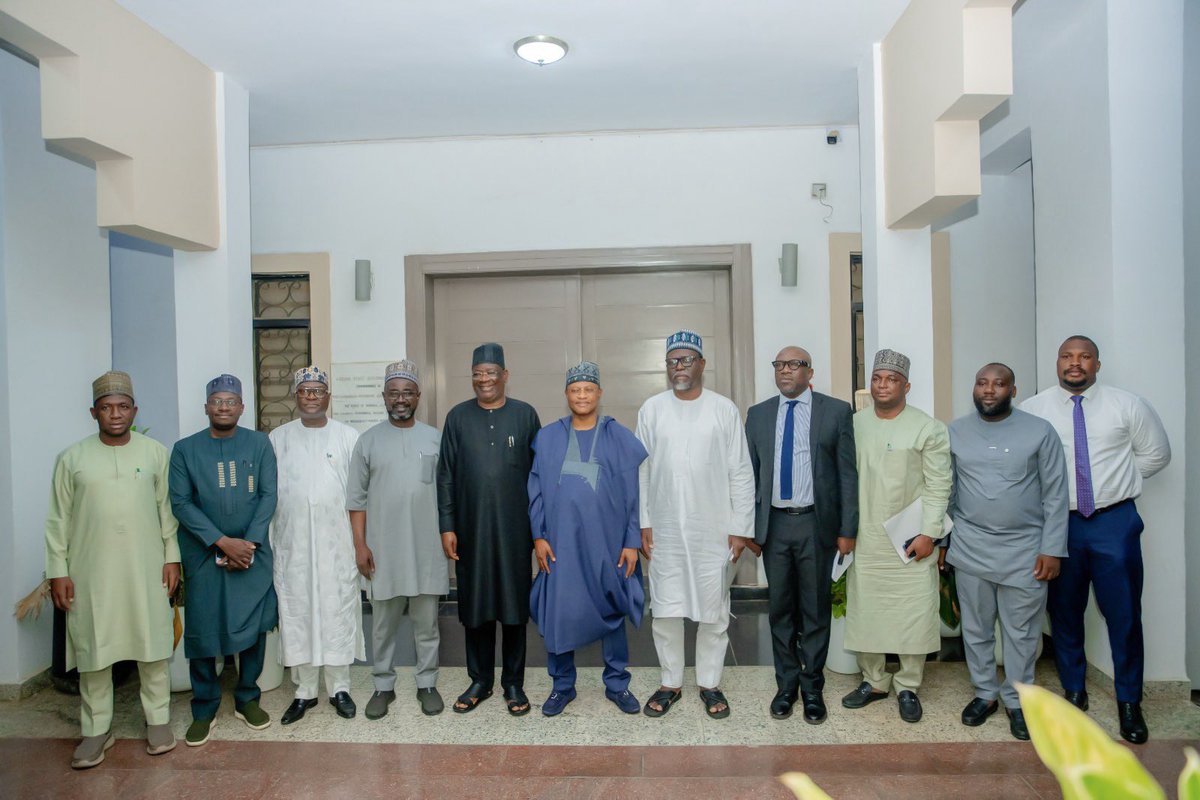
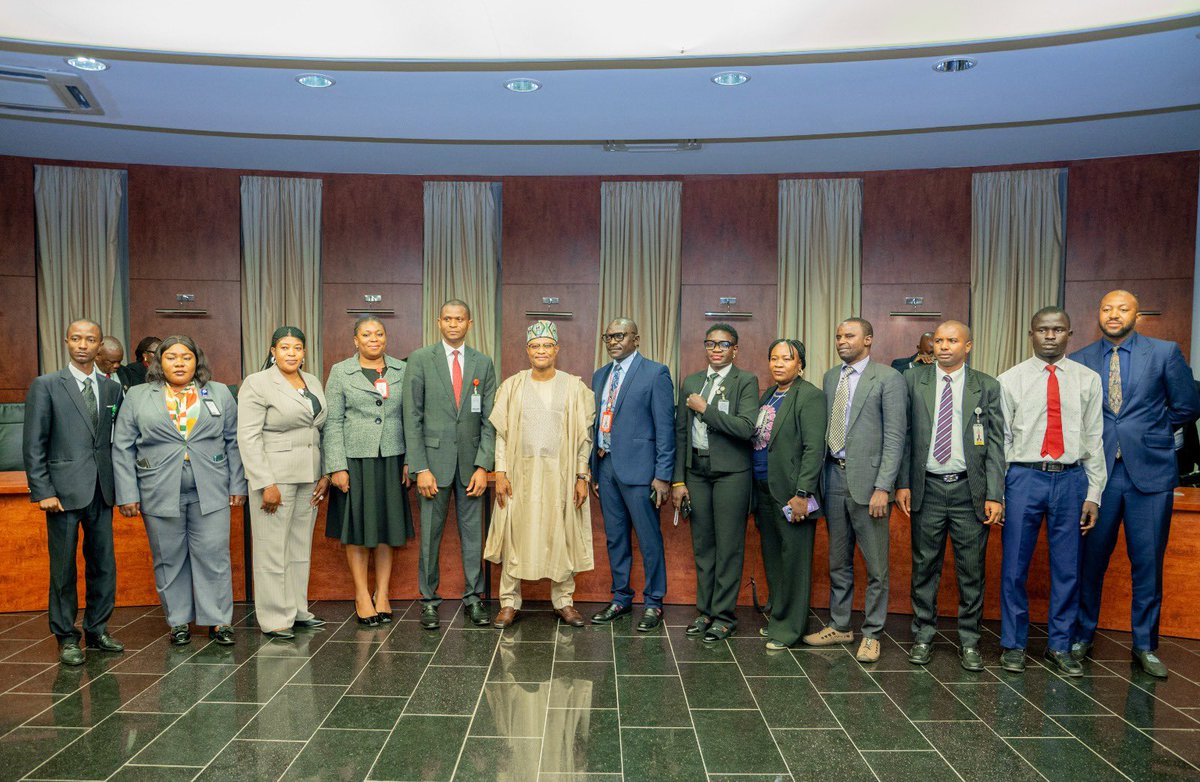
I had the pleasure of receiving a delegation from the National Institute for Security Studies (NISS), participants of the Executive Intelligence Management Course (EIMC) 19, Syndicate 4, led by their Team Lead, Uduak Uduak Ituen, during a courtesy visit to Sir Kashim Ibrahim House, Kaduna. The delegation is in the state as part of its ongoing security study tour.
I was particularly encouraged by their thoughtful engagement and their commendation of our administration’s peace and security framework. Their recognition of the now famous Kaduna Peace Model, as a template worthy of study and possible replication, underscores the quiet but determined work we have undertaken to stabilise our communities and rebuild trust in public institutions. I am equally mindful of their observation that our progress in security, inclusive governance, and people-centred development contributed to my recognition as the recipient of the “2026 Governor of the Year Award” by the National Leadership Summit Group.
In my remarks, I expressed sincere appreciation for their generous assessment, while reaffirming a principle that continues to guide our approach: that sustainable security cannot be achieved through enforcement alone. It must be anchored in credible intelligence, strengthened by inter-agency cooperation, and sustained through trust between government and the governed.
I further emphasised the intrinsic link between security and development. Our investments in infrastructure, education, and social protection are deliberately designed not only to respond to immediate challenges, but to address the underlying conditions that give rise to instability.
Senator Uba Sani, CON
Governor, Kaduna State.
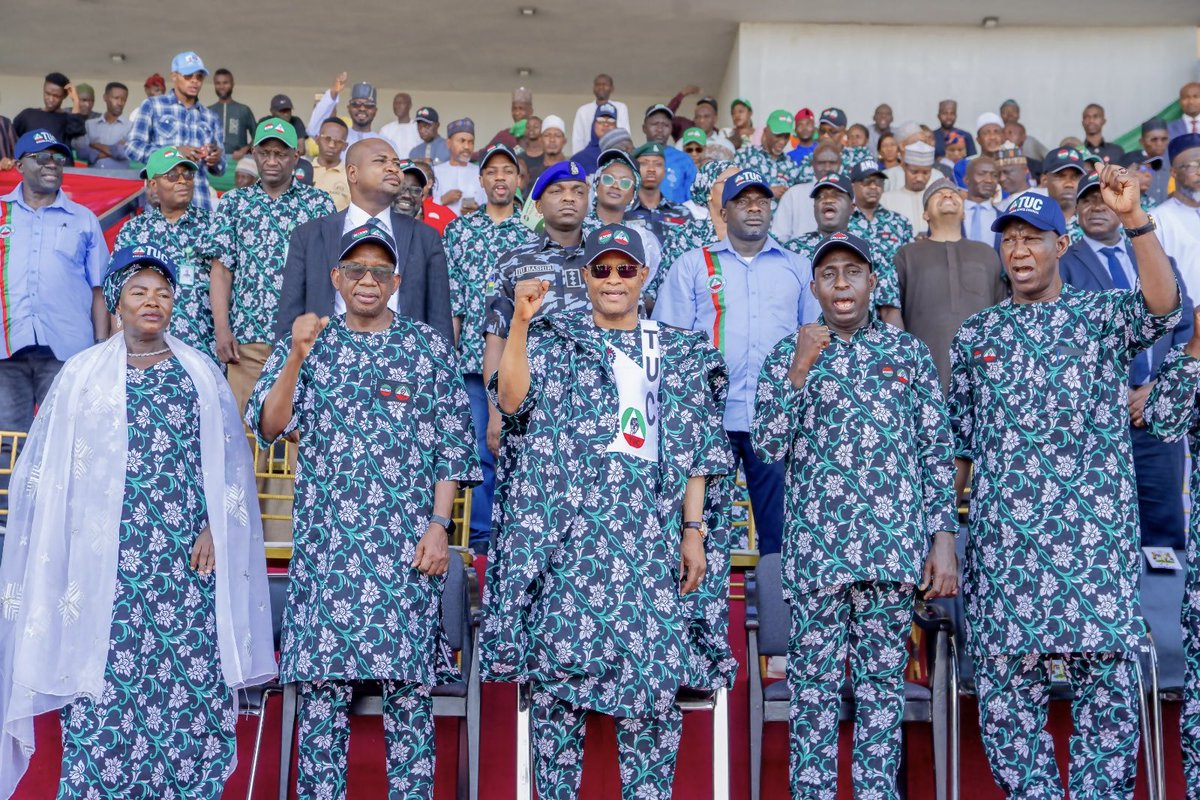
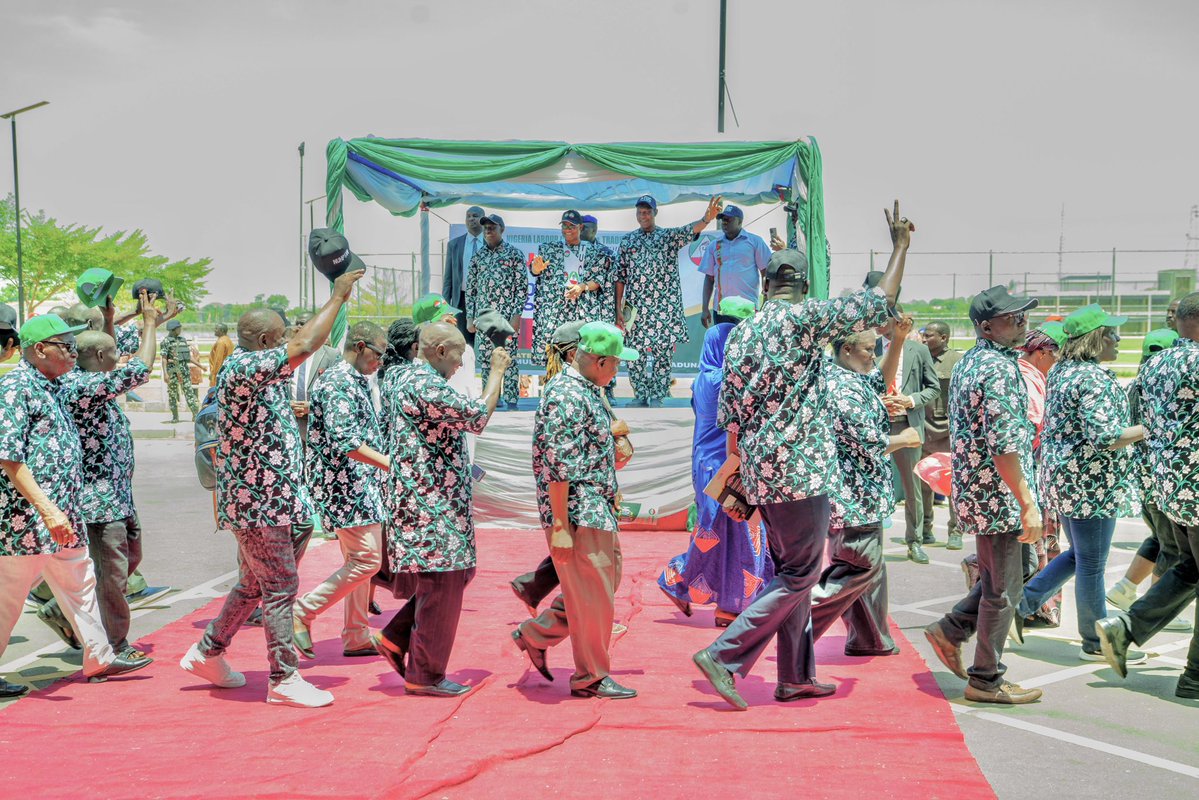
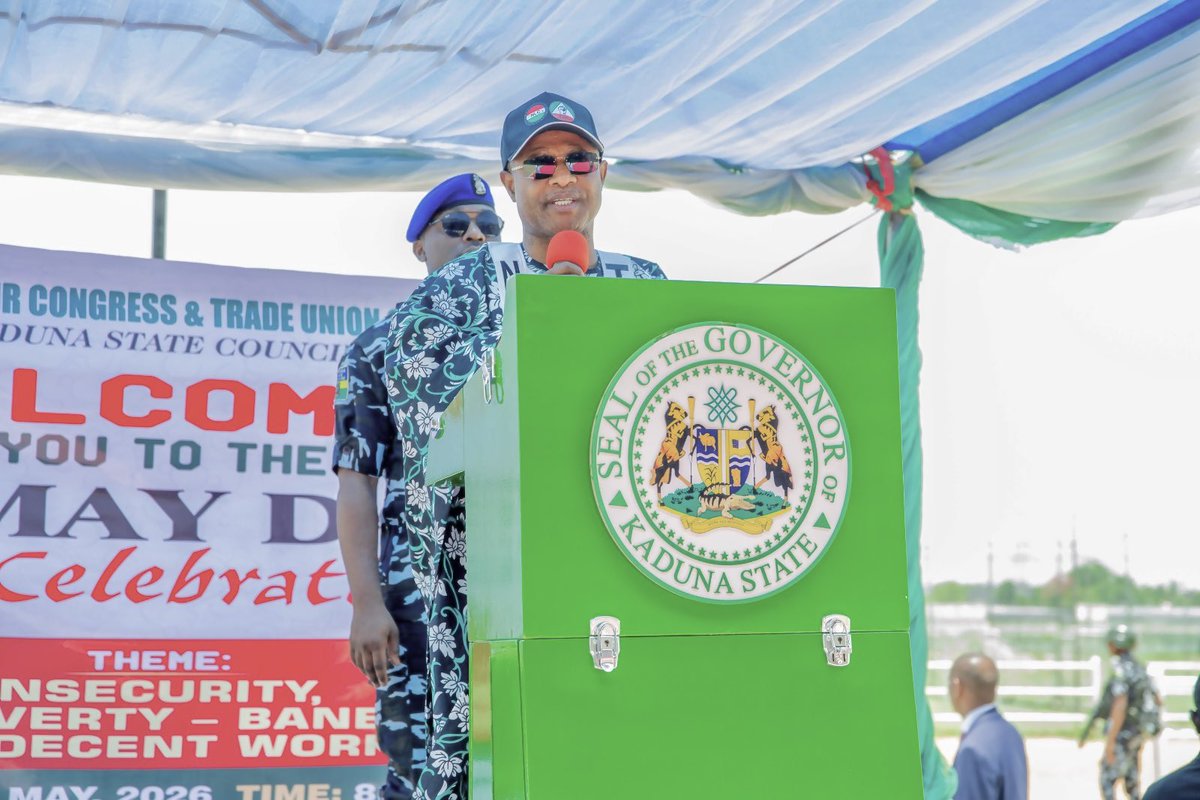
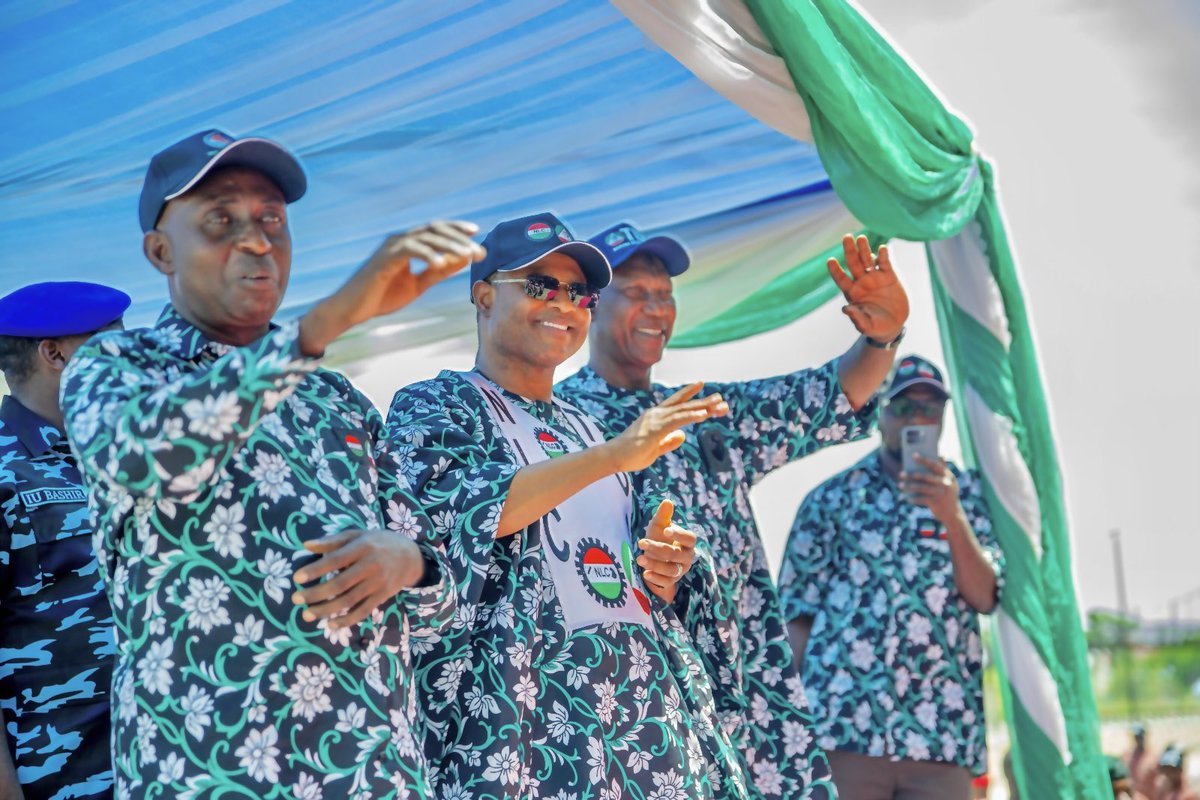
Today, I had the honour of standing shoulder to shoulder with thousands of dedicated men and women at the 2026 May Day celebration in Kaduna; an event thoughtfully convened by the Nigeria Labour Congress and the Trade Union Congress to recognise the enduring contributions of workers to the growth and vitality of our state. That this marks the third consecutive peaceful Workers’ Day in Kaduna is not incidental; it is a quiet but powerful testament to a renewed climate of trust, stability, and constructive engagement between government and organised labour.
I was particularly heartened by the thoughtful commendations from labour leaders, who acknowledged our administration’s sustained commitment to workers’ welfare and people-centred governance. Their recognition of our interventions across critical sectors affirms the direction we have chosen. From the upgrading of 255 Primary Healthcare Centres and the reconstruction of general hospitals, to the recruitment of 10,000 teachers and 1,800 health workers, we have sought to strengthen both service delivery and human capital. Equally significant is the disbursement of ₦17.796 billion in pensions, gratuities, and death benefits; an obligation we consider not merely financial, but moral. The implementation of CONHESS and CONMESS, alongside our investments in school infrastructure and workforce expansion, reflects a deliberate effort to restore dignity and efficiency across public service.
Labour’s commendation of the free CNG Bus Mass Transit initiative is equally encouraging. By easing transportation costs and improving mobility, this intervention has offered practical relief to workers and citizens alike, while reinforcing our broader commitment to inclusive economic support. Their acknowledgement of our progress in restoring peace and strengthening security across previously troubled communities further underscores the interdependence between stability and prosperity.
I reminded our workers that my journey has always been rooted in solidarity. As a lifelong advocate for justice and civil rights, I stood with labour in the defining moments of our democratic struggle. That bond endures. I remain, as ever, committed to advancing the dignity, welfare, and aspirations of every worker in Kaduna State.
Senator Uba Sani, CON
Governor, Kaduna State.
May 1, 2026
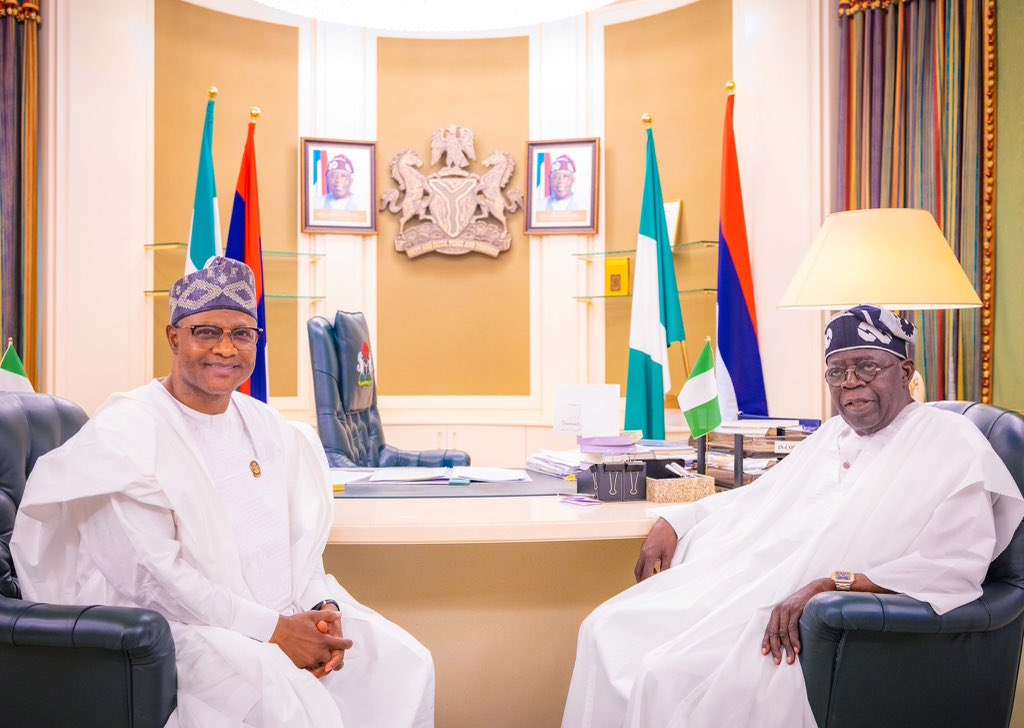
STATEMENT OF APPRECIATION TO PRESIDENT BOLA AHMED TINUBU, GCFR, ON THE AWARD OF STRATEGIC CONTRACTS WORTH OVER ₦1 TRILLION AND ₦178 BILLION IN KADUNA STATE
On behalf of the Government and people of Kaduna State, I extend our profound appreciation to His Excellency, Bola Ahmed Tinubu, GCFR, and the Federal Executive Council for the gracious approval and award of transformative infrastructure contracts that will indelibly reshape the economic and social landscape of our state.
Foremost among these is the Kaduna Light Rail Project; an ambitious undertaking spanning a 30-kilometre corridor from Rigachikun to Sabon Tasha, alongside a 20-kilometre line from Millennium City to Rigasa, forming a 50-kilometre metropolitan network with an estimated value of One Trillion Naira. Complementing this is the critical reconstruction of the Mando–Kaduna–Birnin Gwari road, a 122-kilometre artery valued at ₦178 billion. Together, these projects represent not merely investments in infrastructure, but a deliberate re-engineering of mobility, security, and economic vitality across Kaduna State.
The Federal Government’s support for the light rail project is both historic and catalytic. It reinforces our vision of an integrated transport ecosystem, anchored by the 24-kilometre Bus Rapid Transit system currently underway. Kaduna has taken a pioneering role in Northern Nigeria by articulating a comprehensive State Transport Policy, one that privileges efficiency, safety, environmental sustainability, and affordability. Through initiatives such as subsidised Compressed Natural Gas buses, modern terminals, and structured transit corridors, we are systematically positioning Kaduna as a premier hub for transportation and logistics.
That Kaduna has been selected to lead this transformation; emerging as only the second state in the federation to embark on a light rail system, speaks to the confidence reposed in our vision and our capacity for execution. It is a testament to a leadership philosophy at the centre that recognises potential, rewards preparedness, and advances development without prejudice.
Equally significant is the rehabilitation of the Mando–Birnin Gwari road, a project imbued with both symbolic and practical importance. I recall, with clarity and respect, Mr. President’s visit to Birnin Gwari in the lead-up to the 2023 general elections, at a time when the area was beset by insecurity and infrastructural neglect. His promise then was unequivocal. Today, that promise is being fulfilled. This road will not only enhance connectivity but also strengthen security, facilitate agricultural productivity, and restore confidence to communities long burdened by isolation.
Kaduna State remains resolute in its commitment to the diligent execution of these projects. We view them not as isolated interventions, but as enduring legacies; foundations upon which a more prosperous, secure, and connected future will be built.
We thank Mr. President for his steadfast commitment to Kaduna State and to the equitable development of our nation.
Senator Uba Sani, CON
Governor of Kaduna State
It was an immense honour receiving and hosting Her Excellency, Distinguished Senator Oluremi Tinubu, CON, OON, in Kaduna State for the official flag-off of the distribution of 100 trucks of rice and ₦1.2 billion in palliative support to vulnerable households across the 19 Northern States and the FCT. The occasion was not merely ceremonial; it was a profound affirmation of compassion translated into action.
I seized the moment to convey my deep appreciation to His Excellency, President Bola Ahmed Tinubu, GCFR, whose purposeful and steady leadership continues to chart a path toward economic recovery, social inclusion, and enduring national stability. The Renewed Hope Agenda is not an abstract promise; it is a living framework steadily improving lives and restoring confidence in our collective future.
I commend the First Lady’s unwavering commitment to humane and inclusive interventions. Her initiatives resonate beyond policy: they touch lives, restore dignity, and rekindle hope across religious, ethnic, and social divides. The collaboration with the Muslim Intellectuals Forum and the Office of the Special Adviser to the President on Political and Other Matters, under the able stewardship of Hon. Ibrahim Masari, stands as a compelling testament to what purposeful partnerships can achieve.
GOVERNOR UBA SANI BOOSTS PILGRIMS’ WELFARE WITH CNG BUS FOR 2026 HAJJ OPERATIONS
Kaduna State Governor, Senator Uba Sani, has strengthened preparations for the 2026 Hajj exercise with the donation of a 38-seater hybrid Compressed Natural Gas (CNG) bus, equipped with 30 strap-hangers, to the Kaduna State Pilgrims Welfare Agency.
With a total capacity of 68 passengers per trip, the bus is expected to improve transportation logistics for intending pilgrims by enhancing efficiency, safety, and comfort during the Hajj airlift operations.
The initiative reflects Governor Uba Sani’s continued commitment to the welfare of Kaduna pilgrims and his administration’s resolve to provide strong operational support for a seamless Hajj exercise.
This follows earlier upgrades at the Agency’s Hajj Camp in Mando, including the construction of a tarred access road and facility improvements designed to provide pilgrims with greater comfort before departure.
Presenting the bus on behalf of the Kaduna State Government, Director of Operations, Kaduna Line, Malam Muhammad Sagir, described the gesture as another example of Governor Uba Sani’s people-focused leadership and commitment to excellence in service delivery.
Receiving the vehicle on behalf of the Executive Chairman of the Agency, Director of Operations, Malam Abubakar Usman Yusuf, expressed appreciation to the Kaduna State Government, describing the intervention as timely and impactful in strengthening the Agency’s operational capacity.
He also commended the Governor’s adoption of CNG-powered transportation solutions, noting that the initiative aligns with global best practices in sustainability and efficient public service delivery.
The Kaduna State Pilgrims Welfare Agency reaffirmed its readiness to deliver safe, efficient, and quality services to all intending pilgrims ahead of the 2026 Hajj exercise.
The NIPR Week extended beyond formal sessions to include strategic engagements aimed at strengthening governance and social cohesion. A key highlight was the Kaduna State Traditional Rulers Strategic Forum, led by the Emir of Zazzau, HRH Amb. Ahmad Nuhu Bamalli. The forum introduced the “Kaduna Peace Model,” which positions traditional institutions as active participants in communication and conflict resolution efforts.
Another important component was the High-Level Government Communication Workshop, which focused on enhancing internal coordination and improving the clarity of public messaging. In an era where misinformation can spread rapidly, the ability of government institutions to communicate effectively is essential for maintaining credibility and trust.
An extensive project tour for NIPR leadership further complemented the week’s activities. Participants visited key facilities, including the Command and Control Centre of the Kaduna State Vigilance Service and the Emergency Call Centre. These visits offered firsthand insight into ongoing reforms and helped to contextualise discussions about governance and security.
Perceptions of insecurity in Kaduna were also addressed during the event. Chief Yomi Badejo-Okusanya, Chairman of the NIPR Week Planning Committee, noted that such perceptions are often exaggerated. According to him, the reality observed during the visit; marked by relative stability and hospitality, contrasts with narratives that dominate public discourse. This highlights the importance of direct engagement in shaping accurate perceptions.
These observations are particularly relevant given Kaduna’s recent history, which has included periods of security challenges and social tension. The ability of the state to host a major national event reflects efforts to stabilise the environment, strengthen institutions, and rebuild public confidence.
Participants from the public relations community offered balanced perspectives, acknowledging both progress and remaining challenges. Their insights underscored the importance of professional communication in bridging the gap between perception and reality, and in supporting governance processes.
The intersection of infrastructure and discourse is central to understanding the significance of this moment. The Banquet Hall represents an investment in physical space, while the NIPR Week represents an investment in ideas and communication. Together, they illustrate a governance approach that recognises the interdependence of policy, infrastructure, and public engagement.
Governor Sani’s keynote address reinforced this perspective, particularly in relation to food security. He emphasised that effective policy must move beyond documentation to implementation, reaching farmers, markets, and households. Communication, in this context, is essential for ensuring that policies achieve their intended impact.
Kaduna’s agricultural strategy provides a practical example. The sector has been prioritised through increased funding and targeted interventions aimed at improving productivity. Smallholder farmers have received support in the form of inputs, mechanisation, and access to resources, contributing to enhanced agricultural output.
Efforts to expand fertiliser distribution and irrigation infrastructure are enabling more consistent farming cycles, while cooperative-based livestock programmes are improving resilience. These initiatives reflect a coordinated approach to agricultural development.
The administration has also demonstrated responsiveness to sector-specific challenges. In response to ginger crop losses caused by blight, targeted support was provided to affected farmers, helping to restore livelihoods and maintain confidence in the sector.
READ MORE: https://t.co/qRgRCjnJ7l
APC APPOINTS KADUNA GOVERNOR SENATOR UBA SANI AS CHAIRMAN OF EKITI STATE GOVERNORSHIP CAMPAIGN COUNCIL
The All Progressives Congress (APC) has officially appointed Senator Uba Sani CON, Governor of Kaduna State, as Chairman of the Ekiti State Governorship Election Campaign Council.
In a letter dated 24th April, 2026, signed by the APC National Secretary, Senator Surajudeen Ajibola Basiru Ph.D., BL, the party described the appointment as a recognition of Governor Sani’s “distinguished leadership, political experience, and commitment to the success of our party in this critical election.”
The letter, addressed to Governor Sani at the Kaduna State Government House, also extends a formal invitation to the official flag-off campaign rally for the Ekiti State governorship election.
Rally Details:
Date: Monday, 27th April, 2026
Time: 11:00am
Venue: Ekiti Parapo Pavilion, Ado-Ekiti, Ekiti State
Governor Uba Sani Honoured with the Award for Best Infrastructure and Health Transformation
His Excellency, Senator Dr. Uba Sani, the Executive Governor of Kaduna State, emerged as a standout recipient, clinching two distinguished accolades that validate his administration’s "bold and measurable" impact on the state's landscape.
The Governor was decorated as the Infrastructure Champion of the Year 2025 by Independent Newspaper and further recognized as the Health Transformation Governor of the Year.
The infrastructure award serves as a testament to a development agenda that prioritizes equity over optics. In under three years, the Sani administration has launched approximately 150 road projects, spanning an incredible 1,345 kilometers across all 23 Local Government Areas.
The strategy has been twofold:
• Rural Empowerment: Projects like the Turawa–Dinya corridor are revitalizing agricultural hubs by linking farmers to markets.
• Urban Renewal: Major upgrades in cities like Zaria are tackling long-standing congestion issues.
By reviving long-abandoned projects, Governor Sani has signaled a shift toward governance rooted in continuity and efficiency rather than political competition.
The recognition for health transformation highlights a systemic overhaul designed to reach the state’s most vulnerable. The administration’s achievements in this sector include:
• Primary Healthcare: 168 centres revitalized and upgraded to meet modern standards.
• Specialized Care: The commissioning of a 300-bed specialist hospital and the establishment of Centres of Excellence in every LGA.
• Human Capital: Significant investments in health workforce recruitment and emergency response systems.
• Inclusivity: Innovative financing models that have successfully enrolled thousands of vulnerable citizens into health insurance schemes.
These awards underscore a governance philosophy that views infrastructure and human capital as two sides of the same coin. By ensuring that development is felt in both the bustling urban centers and the remote rural corridors, Governor Uba Sani is positioning Kaduna State as a national model for strategic, inclusive, and people-centered growth.
As the administration continues its stride, the "Infrastructure Champion" and "Health Transformer" titles serve as both a reward for past performance and a mandate for the future.