We live in a matrix and I’m seeing history repeating itself in striking ways. 👁️🎡
The explosive growth in AI & FinTech today closely mirror the late 1990s (1998-2000) dot-com boom. This era featured intense speculation, soaring valuations, and the familiar feeling of “this time is different.”
Other intriguing parallels include:
• A handful of tech giants driving nearly all market gains, just as in 1999.
• Strong S&P 500 growth, comparable to the growth seen right before the 1999 peak.
• Widespread cultural euphoria, heavy venture capital flows, and media headlining it all.
Fun fact: The 2026 NBA Finals feature the same matchup as the 1999 Finals exactly — San Antonio Spurs v.s. the New York Knicks.
While these strange coincidences present themselves, it does raise an interesting question: Are we in a true golden age of progress, or simply replaying the dot-com bubble (now “AI Bubble”) of the late 1990s?
(Spoiler alert; The dot-com boom ended in a devastating crash from 2000-2002 by the $QQQ dropping nearly 78%.)
NO VAX FOR HIV AFTER 40 YRS OF RESEARCH
NO VAX FOR CANCER AFTER MORE THAN 100 YEARS OF RESEARCH
NO VAX FOR THE COMMON COLD
YET A VIRUS MYSTERIOUSLY APPEARS & WITHIN 12 MONTHS A "VAX" IS FOUND BY 4 PHARMA COMPANIES ALL WITHIN 1 WEEK
BUT YEAH NOTHING WAS PLANNED
The transfer of wealth in this generation isn't about who got rich. It's about who recognized God's hand in plain sight and acted on it before everyone else did.
Everything else is just noise.
I am the smart contract engineer who built the function that lets one anonymous wallet freeze any token holder's assets in the President's crypto project.
I added it one week before trading opened.
Nobody told the investors.
At deployment, in September 2024, the contract was clean. Standard ERC-20. Auditable. The kind of contract you show to investors and say: "See? Decentralized." But we made it upgradeable.
Eleven months later, on August 24th, 2025 — one week before trading — I pushed the v2 upgrade. The blacklist function. The freeze authority, routed through a 3-of-5 multisig where a single externally owned address serves as both the guardian and a signer on the multisig.
One wallet. Two roles. Three of five votes to freeze anyone's tokens.
Anyone's.
We built a special vesting category. Category 3. There are 519 other investors. They're all in Category 1. Category 3 has exactly one member: Justin Sun, who put $75 million into the project. His allocation, isolated into its own bucket, governed by its own rules, monitored by its own triggers. But the blacklist function doesn't take a name. It takes a wallet address. Any wallet address.
Then, in November, I added what we call "batch reallocation." It can move tokens from any wallet to any other wallet, at any time, at the discretion of the admin. We told people it was a phishing recovery tool. That's phishing recovery.
The Trump family takes 75% of net proceeds from token sales. Eric Trump and Donald Trump Jr. manage the project. By December 2025, they had extracted roughly $1 billion. They hold another $3 billion in unsold tokens. The project calls itself decentralized governance. The governance token can be frozen by one person nobody will identify. That's governance.
Three days before everything went public, on April 9th, the project deposited 5 billion WLFI tokens into Dolomite — a lending protocol co-founded by WLFI's own Head of Technical Strategy, Corey Caplan — as collateral and borrowed $75 million. Sixty-five million of it in USD1, the project's own stablecoin. After the deposit, WLFI accounted for 55% of Dolomite's entire total supply. Ordinary depositors who'd lent USD1 to the pool couldn't withdraw. Their liquidity was locked so ours could be free.
Over $40 million of those borrowed funds went to Coinbase Prime. That's a fiat off-ramp. You borrow against your own token on a platform co-founded by your own Head of Technical Strategy in your own stablecoin, convert to cash, and call it treasury management.
Sun moved 55 million tokens to HTX over three days. Minutes after he activated his wallet, the multisig changed his Category 3 to allow 20% transferable. Then froze him the moment he transferred. They were watching in real time. He called it a backdoor. Used that word. "A trap masquerading as a door." We sent the cease-and-desist on April 13th. "See you in court pal," the project wrote.
Not for freezing his tokens. We can do that. The compliance module says so. The whitepaper says so. The single wallet controlling the multisig says so.
We're suing him for calling it what it is.
The function is not a backdoor. The function is a regulatory compliance mechanism that was absent from the original contract, added via an upgradeable proxy eleven months after a $75 million investment, one week before trading, into a custom vesting category built for a single investor, controlled by a single anonymous wallet, on a platform where the President's sons have already taken $1 billion in proceeds and borrowed $75 million against their own token on a lending protocol co-founded by their own Head of Technical Strategy in their own stablecoin three days before the largest investor went public.
That's compliance.
And if you're holding WLFI tokens right now, the same anonymous wallet that froze a billionaire can freeze you too.
The world is NOT ready for what is coming for XRP. It was planned more than a decade ago, it is going to be the most valuable asset in the world. There will be war for your XRP. People keep laughing at XRP.
They will end up crying for life, the end will be tragic for them.
Sometimes I wonder if all the Riddler posts are actually referring to Iran. Post about market crashes, "Incoming" warnings and blackouts. I think it's natural to assume that all the riddles refer to us. But what if they're not?
#XRP
If they were really talking about jerky, tuna, pizza, grape soda, hot dogs, and cheese holders…
WHY REDACT THE NAMES?
I know, it's a simple yet deeply disturbing question.
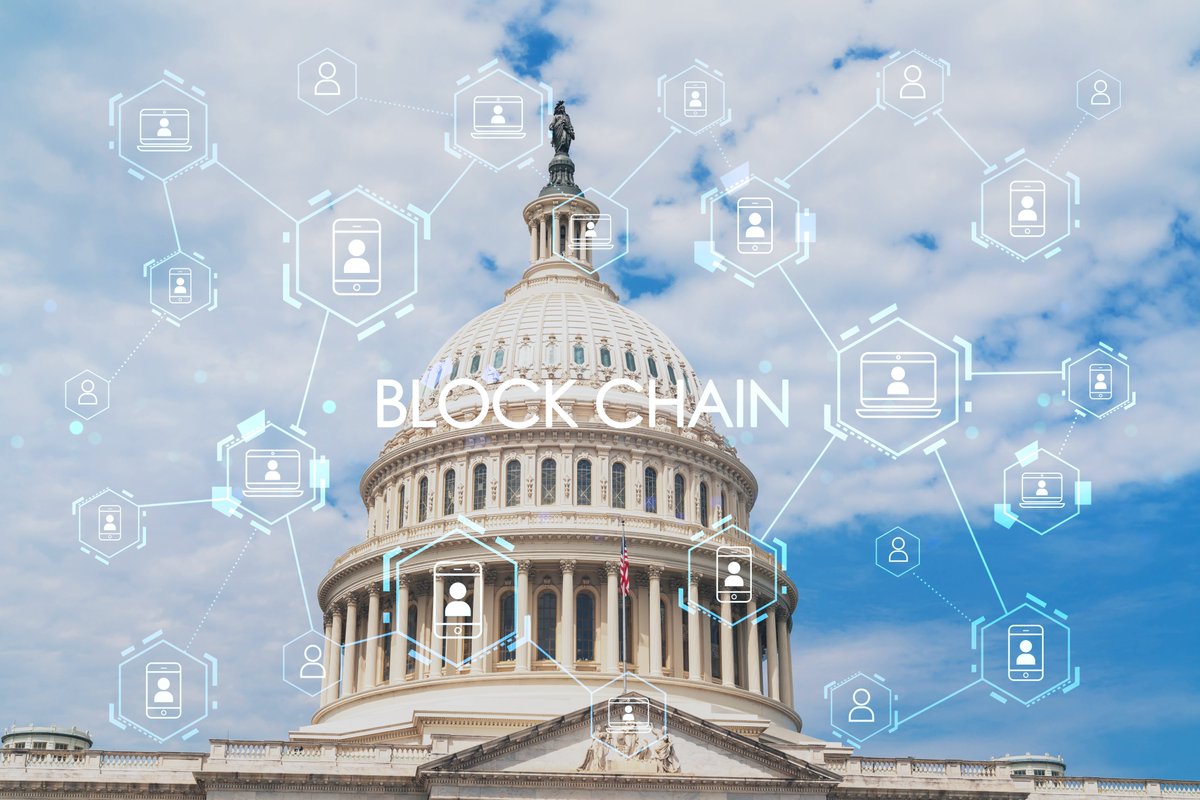
🇺🇸UPDATE 1: Senate Banking Committee Chairman @SenatorTimScott has released the bipartisan Crypto market structure bill text after months of negotiations.
🎯LOSS - Passive Yield for Stablecoin = GONE
The Act defines "Custodial and Ancillary Staking Services" as a recognized activity. It distinguishes these services as "administrative or ministerial in nature," allowing registered intermediaries to facilitate staking for customers.
The act requires that customer assets be segregated and not commingled with the platform's own funds, although they may be pooled with other customer funds for convenience (e.g., in an omnibus account).
✅STATUS QUO - AML / KYC - Strict for Intermediaries. Exchanges and brokers must comply with the Bank Secrecy Act, perform KYC, and monitor for illicit finance.
🔥WIN - Self Custody
Right to Self-Custody: Section 105(c) explicitly states that a "United States individual shall retain the right to maintain a hardware wallet or software wallet" for the purpose of facilitating their own lawful custody of digital assets.
Protection of Peer-to-Peer Transactions: The same section guarantees the right to engage in "direct, peer-to-peer transactions" with other individuals using self-custody wallets, without reliance on financial intermediaries.
Protection for Wallet Developers: Section 109 prohibits classifying non-controlling blockchain developers or providers of "hardware or software to facilitate a customer's own custody" as money transmitters. This protects wallet creators (e.g., @Ledger , @Tangem , @MetaMask developers) from being regulated as financial institutions solely for writing code.
🔥WIN - DEFI
The Act seeks to protect decentralized crypto by creating specific exclusions that prevent DeFi protocols and developers from being regulated as centralized exchanges or brokers.
DeFi Exclusions from SEC Regulation: Section 309 explicitly states that a person shall not be subject to the Securities Exchange Act solely for activities like:
Developing or publishing DeFi trading protocols.
Providing user interfaces (front-ends) for blockchain systems. Validating transactions or operating nodes.
The
impact on a consumer using DeFi products and protocols is generally protective, explicitly shielding individual users and software developers from the strict regulations applied to centralized exchanges (like Coinbase).
For consumers, the Act establishes a legal "safe harbor" to continue using DeFi without forced intermediaries, though it does not provide immunity for illicit financial activities.
🎯Likelihood of Passing
Current Status (Jan 13, 2026): Medium-High (60-70%)
👀The bill has a strong chance of becoming law in early 2026, but it will likely require either stripping out or softening the strict "Anti-CBDC" ban, or adding concessions to banks regarding stablecoin reserves, to clear the Senate filibuster threshold.
Full PDF: https://t.co/blPpfzPYKS
@cryptogoos Didn't you hear the question? He asked about Bitcoin and other crypto spending. Why is this a BTC maxi thing? She even said crypto in her response, not Bitcoin.
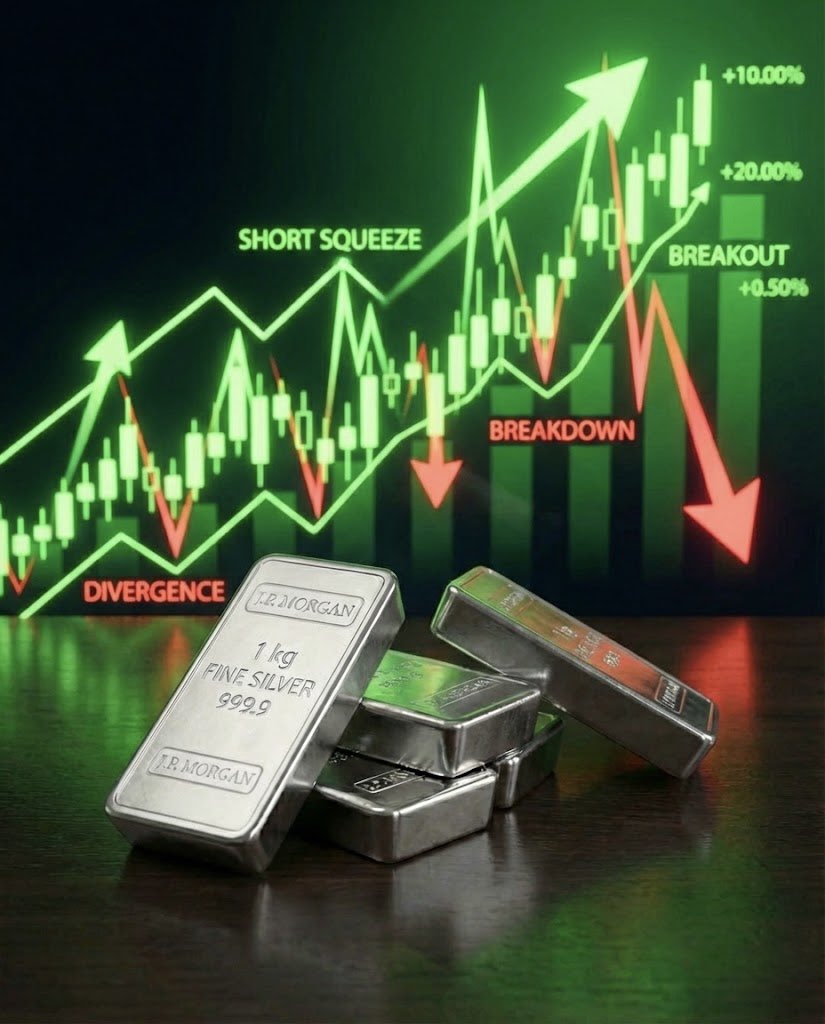
🚨 THE SILVER SHORT SQUEEZE IS HERE
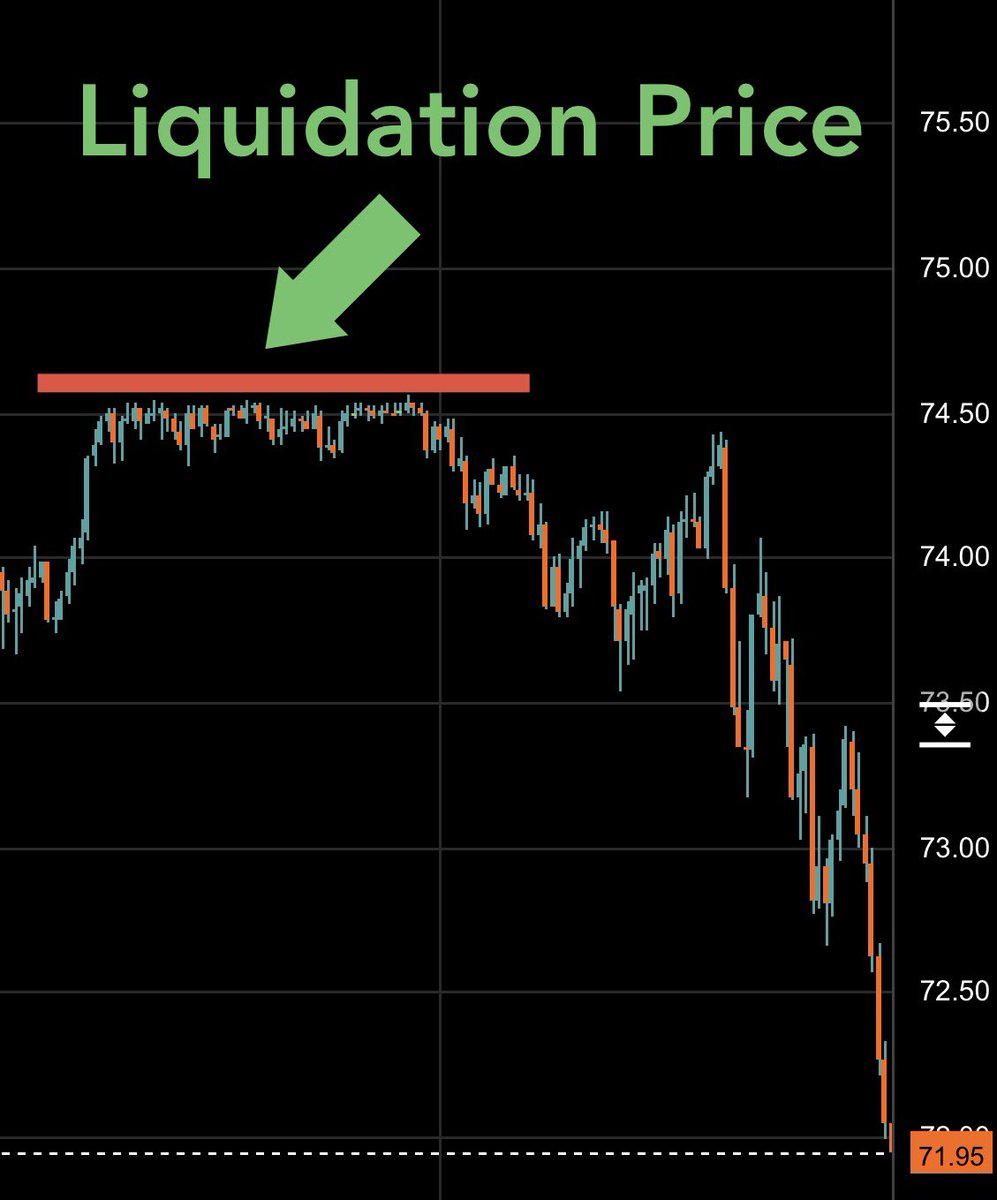
We are witnessing the greatest potential short squeeze in financial history. While the charts shows SILVER at $71, the real street price is already trading above $130 globally.
Why the gap? Because the banks took massive short positions before the recent pump. Now they are burning through liquidity to defend the $74.50 liquidation price. They can only hold for so long.
If SILVER crosses that price, BILLIONS worth of short positions get liquidated instantly. This is a gamestop vs. wall street situation on a MUCH bigger scale.
Retail investors control the physical supply. The banks are running out of ammo to suppress the truth. DO NOT SELL YOUR SILVER. We have them CORNERED 📉📈
Ok, Jake was wrong. It's time to get over it. The man put his money and reputation on the line.
While he was wrong on the timing, he's not on the big picture. XRP will change the world and will explode in price. Know what you hold. 💪