⏱️ Time to surgery matters — and this study proves it.
In Chile’s public health system, a new protocol for immediate admission to surgical hospitals after a hip fracture cut time to surgery by 5 days.
Why does that matter?
🔹 Faster surgery = less time spent in hospital beds
🔹 21% drop in total hospital stay
🔹 70% reduction in direct hospital costs
🔹 Fewer risky transfers between hospitals
By prioritising fast-track surgical care and recovery times, overall patient outcomes can be significantly improved.
🔗 Read more: https://t.co/1v5ZgzmBDp
#ANZHFR #HipFractureCare
Deprescribing of sedatives was associated with a 62% reduction in odds of an adverse drug event, whereas new sedative use at discharge was associated with an increased risk of falls. #geriatrics https://t.co/zaSPmn3cjR
At our CPOC Advisory Group Webinar CPOC Deputy Director @scarlettmcnally reinforces the clear evidence for perioperative care.
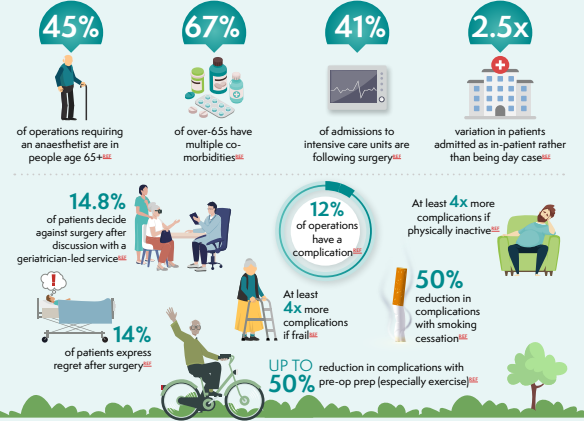
➡️Preoperative optimisation reduces complications by up 50%
➡️ 3% of patients account for 45% of hospital costs
➡️12% of operations have complications
New Research: Delirium in Hip Fracture Patients Associated with Doubled Mortality Risk
I'm pleased to share our new study on delirium and hip fracture, led by @rosespenfold.
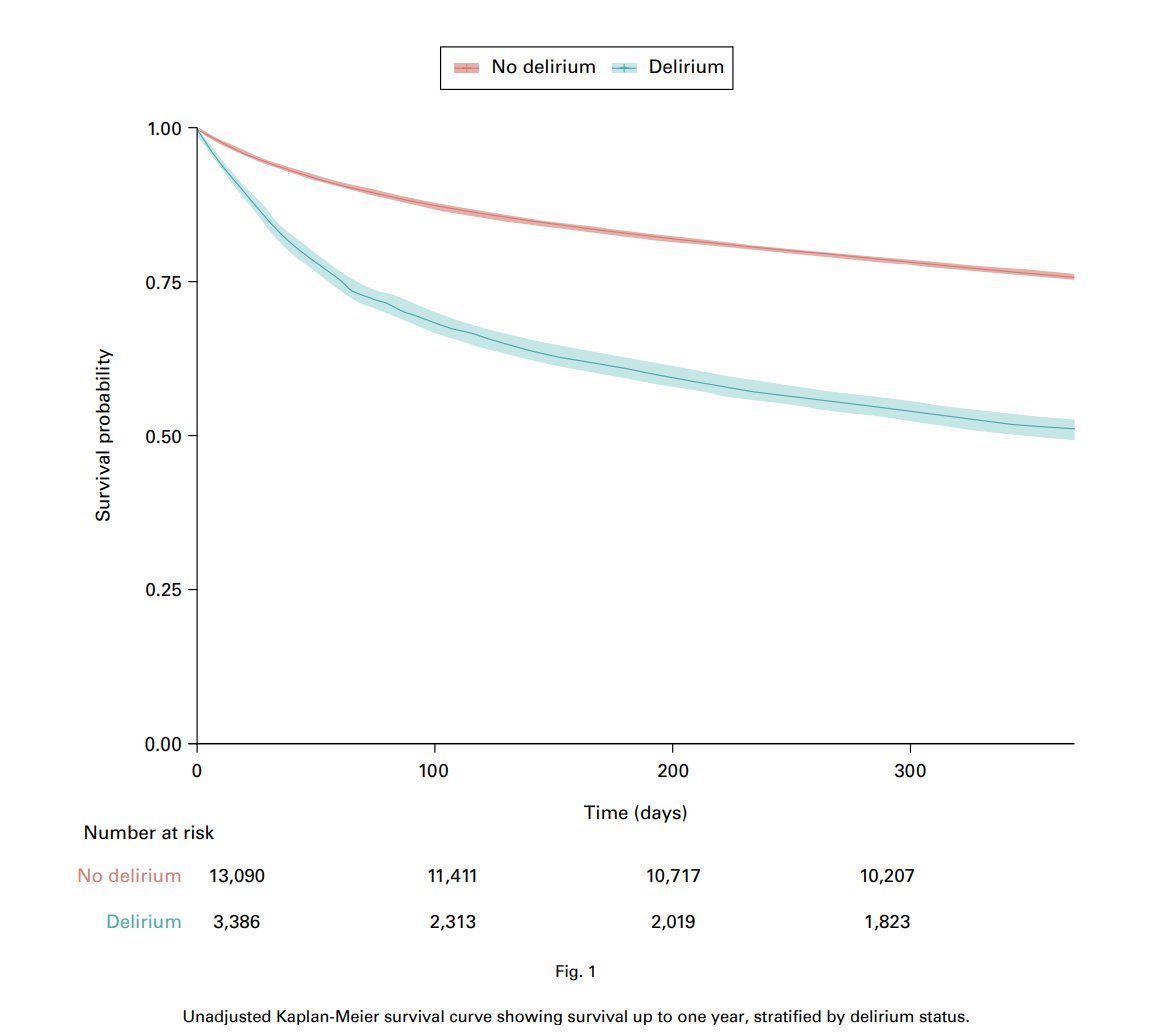
91% of all hip fracture patients attending Scottish hospitals had a 4AT delirium assessment tool performed at presentation (N=16,476 ). N=3,386 (21%) had delirium.
Key findings:
- Delirium was associated with important adverse outcomes including 2-fold higher mortality risks as an inpatient and at one year, and a lower likelihood of returning home following hospital admission.
Key implications:
- Delirium assessment on initial presentation is feasible at national scale.
- Delirium assessment should be performed on presentation of hip fracture.
- Hip fracture care without delirium assessment is deficient care.
***Background***
Previous studies have focused primarily on postoperative delirium. This is the first large scale study using routine data to examine delirium ascertained directly with a real-time clinical assessment at the time of hospital admission.
***Methods***
We analysed data from the Scottish Hip Fracture Audit, which covers over 99% of people aged 50+ years hospitalized with acute hip fracture in Scotland.
Delirium assessment: 4AT (https://t.co/XMJpy4ZmOx), which is embedded into routine care and performed by clinical staff.
***Results***
Delirium was present 21% of patients.
Patients with delirium were older (mean age 85 vs. 78 years), more likely to be in care homes, and had higher ASA grades.
After adjusting for age, sex, pre-fracture residence, and ASA grade, patients with delirium had a 2-fold increased risk of inpatient mortality (adjusted OR 2.26, 95% CI 1.79 to 2.84).The same pattern was observed for one-year mortality (adjusted OR 2.05, 95% CI 1.83 to 2.29).
Patients with delirium were less likely to return to their original residence within 30 days (adjusted OR 0.27, 95% CI 0.24 to 0.30)
***Conclusions***
Delirium at hip fracture presentation is a powerful prognostic indicator that can inform shared decision-making with patients and families. Identifying delirium early allows clinicians to address potentially reversible causes and implement appropriate management strategies. Recognition of delirium can help in planning post-acute care needs.
Another crucial implication is that we have definitively demonstrated that delirium testing using a validated tool is *feasible in routine practice* in this population.
Hip fracture patients must have delirium assessments, and these must be done pre-operatively as well as post-operatively.
***Call to action***
Let's move forward and make good delirium care the norm in hip fracture patients.
Let's make system-wide groupthink that it is okay to neglect delirium a thing of the past.
Study: https://t.co/itCy5o4zoF
#delirium #hipfracture
The national rollout of specialist frailty services across all 30 of Scotland’s A&E departments is set to reduce the length of hospital stays and eventually bring down waiting lists, says Scotland’s Health Secretary.
@neilcgray@NHSResearchScot@RCollEM
https://t.co/Nh7mPaqEB7
🦴A new study using #ANZHFR registry data, co-authored by our very own @DrLaraHarvey, explores how different types of anaesthetics impact post-surgical delirium in older adults undergoing acute hip fracture surgery. 🏥🧠
📖 Read more: https://t.co/gwkYJ0zWya
#HipFracture #Anaesthesia #Delirium
Exercising before surgery can boost recovery post op. True for everyone but particularly for older patients.
@thebodycoach Joe Wicks talks to @JKDhesi - Deputy Director of @CPOC_News - about the importance of fitness before surgery.
👇
https://t.co/Au6zlSfDtx @GeriSoc@GSTTnhs
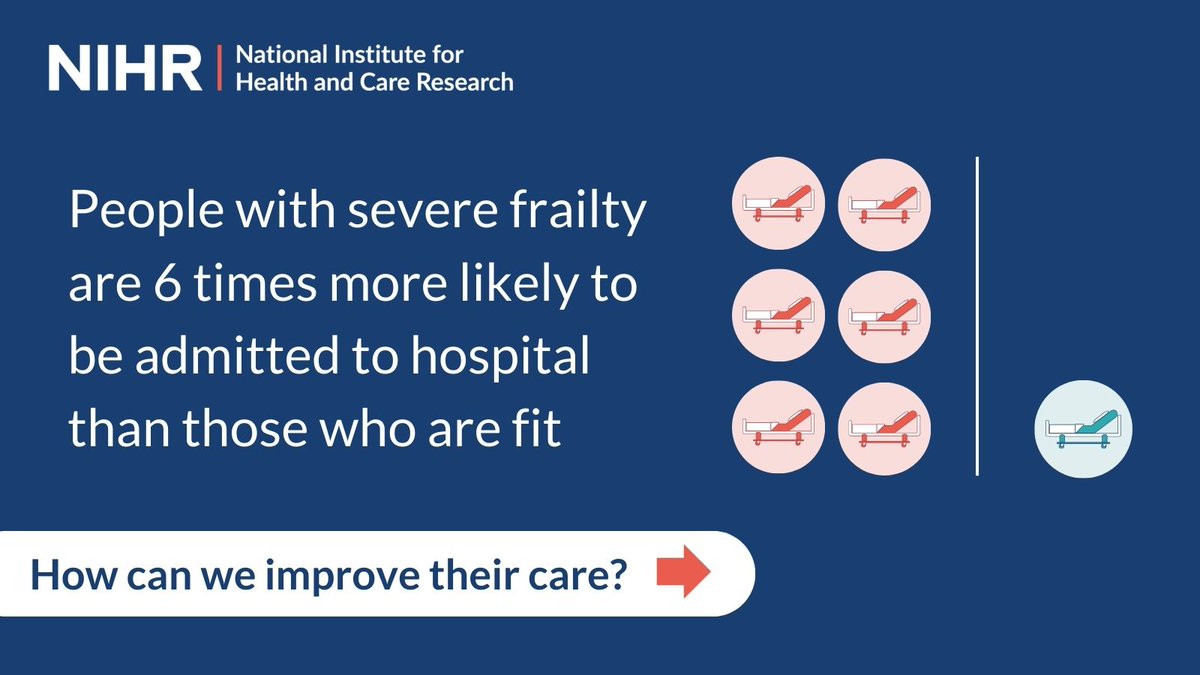
Frailty impacts healthcare use and costs. Can we improve support and care in the community and in hospital?
🔗 Discover the latest research on this topic: https://t.co/I5PD8S5Nt6
@sheffielddoc@steesdementia @brunning_adam #NIHRevidence