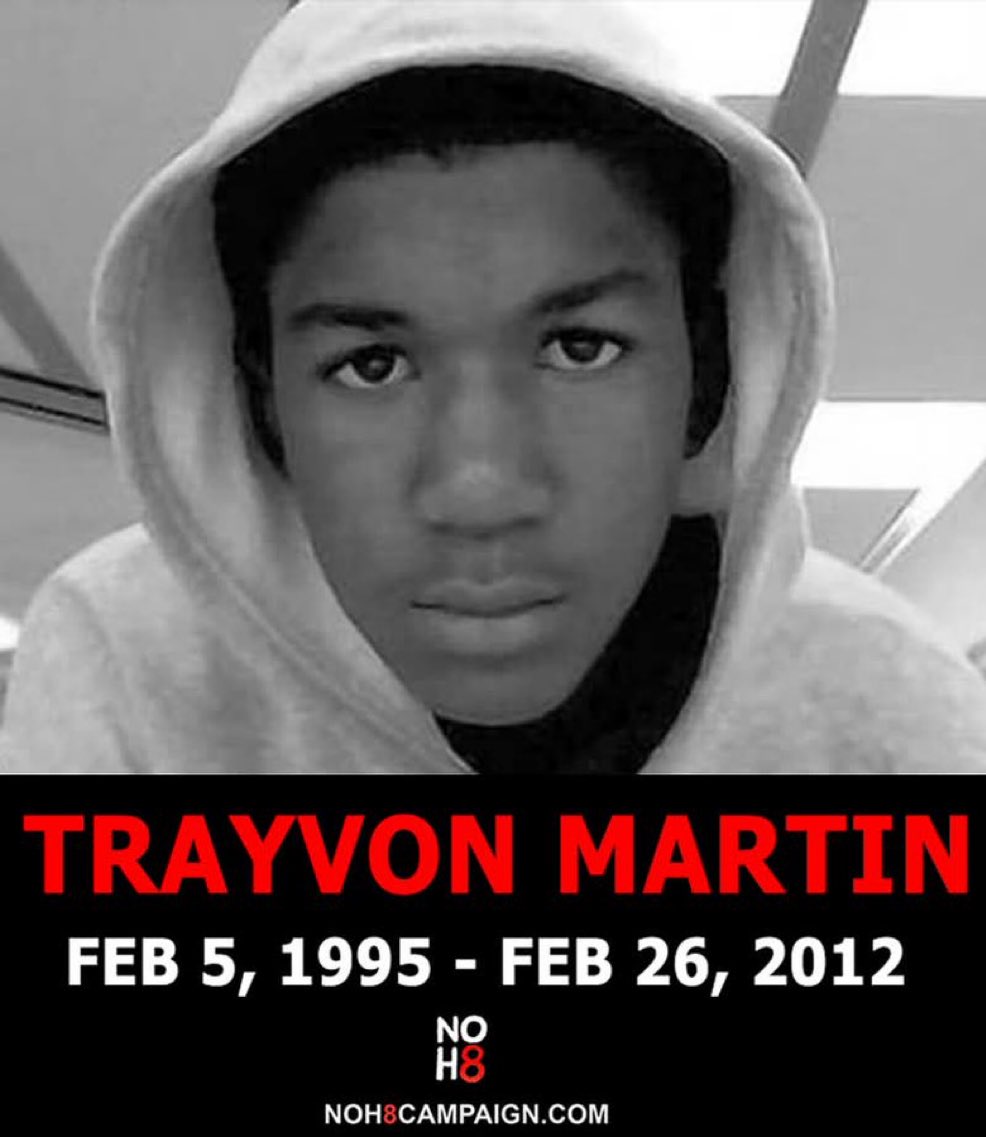
So you mean to tell me that someone down your ancestry line survived being chaıned to other human bodięs for several months in the bottom of a disease-infested ship during the Middle Passage, lost their language, customs and traditions, picked up the English language as best they could while working free of charge from sun up to sun down as they watched babies sold from out of their arms and women rapęd by ruthless sIave owners.
Took names with no last names, no birth certificates, no heritage of any kind, braved the Underground Railroad, survived the Civil Wąr to enter into sharecropping... Learned to read and write out of sheer will and determination, faced the burning crosses of the KƘK, everted their eyes at the black bodies swinging from ropes hųng on trees...
Fought in World Wąrs as soldiers only to return to America as boys, marched in Birmingham, hosed in Selma, jailed in Wilmington, assassinated in Memphis, segregated in the South, ghettoed in the North, ignored in history books, stereotyped in Hollywood...
and in spite of it all, someone in your family line endured every era to make sure you would get here, but you receive one rejection, face one obstacle, lose one friend, get overlooked, and you want to quit?
How dare you entertain the very thought of quitting. People, you will never know, survived from generation to generation so you could succeed. Don’t you dare let them down!
It is NOT in our DNA to quit!
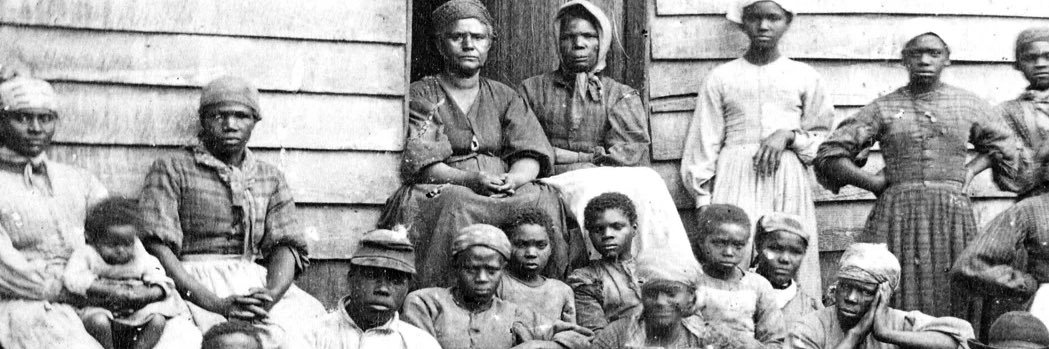
This town in Mississippi was founded by formerly enslaved people to protect Black farmers from racist U.S. laws.
But now residents say they’re being pushed out of their jobs – by white South Africans granted refugee status by Trump.
Today's Black American (Freedmen) is Bessie Blount Griffin. Bessie Blount Griffin was a pioneer in assistive technology. She invented a feeding device that allowed disabled veterans to feed themselves. It has been cited over 20 times in other patents. She also invented a disposable cardboard emesis (vomiting) basin that is still used in hospitals to this day. #BlackHistoryMonth
In 1893, Frederick Douglass invited Ida B. Wells to lunch. She noted a place across the street, but indicated they would not receive service there. “Mr. Douglass, in his vigorous way, grasped my arm and said, ‘Come, let’s go there.’” Together, they “sauntered in...as if it were an everyday occurrence, cocked and primed for the fight if necessary.” Douglass grabbed a table and chair for him and Wells, as “paralyzed” staff looked on. A stand-off ensued with wait staff until the proprietor realized it was Frederick Douglass, and warmly welcomed him while sharing stories of a time past when Douglass visited his hometown. “When [the proprietor] finally went to another part of the room, Mr. Douglass turned to me with a roguish look and said, ‘Ida, I thought you said that they didn’t serve us here. It seems we are getting more attention than we want.’”
Frederick Douglass spent his life fighting for justice and equality. He never knew the date of his birth. This is something he struggled with throughout his lifetime. Douglass believed that he was born in the month of February in 1817. In fact, records show that Douglass was born in February of 1818. He chose the 14th of February for his birthday because his mother would call him her “little Valentine." Unfortunately, Douglass never knew much about his parentage. His mother, Harriet, was sold off when Douglass was but a child, and he only met her a few times before she passed away. Though born enslaved in Maryland, he escaped as a young man and became a leading voice in the abolitionist movement.
Newspapers published during the era of the American Revolution contributed to the perpetuation of slavery. Advertised 250 years ago today: "FOUND ... by a negro fellow, a RIFLE GUN ... The owner may have her by applying to capt. Dickinson." (Virginia Gazette [Purdie] 4/12/1776)
Students in my Black Women in Slavery and Freedom Woodson seminar have loved reading Glymph’s The Women’s Fight! For many of them, it’s the most substantive experience learning about the U.S. Civil War.
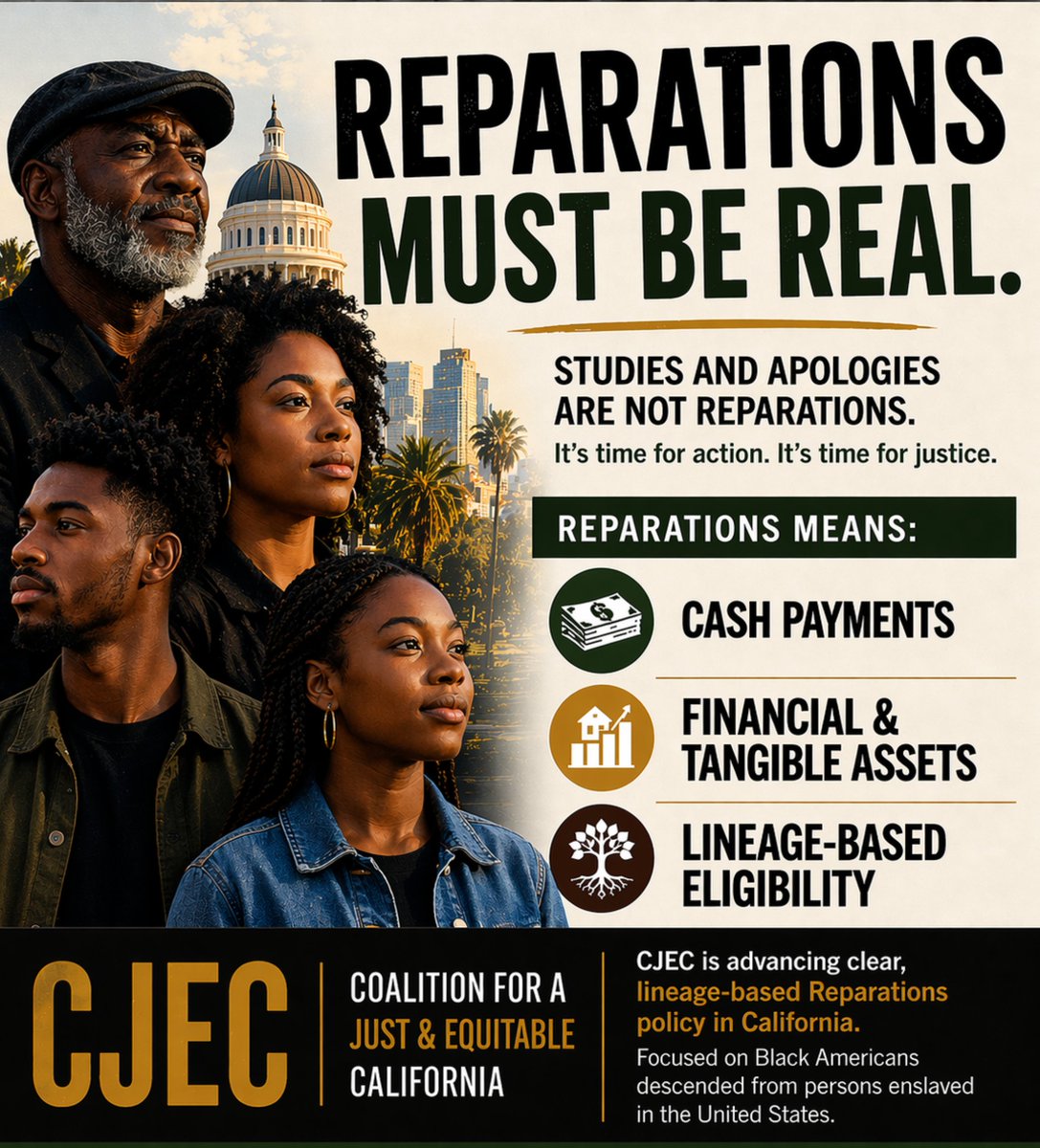
A UN General Assembly resolution condemning slavery and calling for reparations to Africans passed with 123 votes in favor, 52 abstentions, and 3 against.
Guess which countries voted no?
The #UnitedStates, #Israel, and #Argentina.
#UNGA#Slavery#HumanRights
This is the vote of every country on Ghana's Resolution at the UN seeking to declare slavery as the gravest crime against humanity and demand reparations.
Three countries voted NO:
1. USA
2. Israel
3. Argentina
The resolution has passed!
Correction - There was a slight mistake in the map above: Serbia.
Practically all of Europe abstained in this vote on a UN resolution condemning the transatlantic slave trade.
However, there was a noble exception: Serbia.
Here is the updated version:
https://t.co/ySFuXcylBr
Both of my 2nd Great Grandfathers were enslaved and emancipated in the middle of the Civil War in Louisiana in 1862. They both enlisted in the USCT of the Union Army serving through the end of the war and into Reconstruction until 1869. Their service is a small example of the Blood in the Fields of the African American that gave their lives and service to a country that showed them little humanity in return. I live to honor them. #BlackHistoryMonth
Black History Month — Day 27
Today, I recognize Macon Bolling Allen, the first Black American licensed to practice law in the United States.
In 1844, when slavery was still legal in much of the country, Allen passed the Maine bar exam — despite laws and customs designed to keep Black Americans out of the legal profession. When racial barriers threatened to block him, he persevered, even adjusting how his name was presented so he could sit for the exam. He passed — and made history.
He later became the first Black American to hold a judicial position in the United States when he was appointed justice of the peace in Massachusetts. During Reconstruction, he continued his legal career in South Carolina, advocating for civil rights during one of the most turbulent periods in American history.
He did more than become a lawyer.
He stepped into a system built to exclude him — and stayed.
He widened the door for generations who would follow.
His legacy reminds us that progress is often forged by courage, intelligence, and quiet strength.
#BlackHistoryMonth
#BlackHistoryIsAmericanHistory
On this day in 1869, Congress refused to seat John Willis Menard, the first Black man elected to the House of Representatives. Future president James Garfield argued it was “too early” to elect a Black person.
https://t.co/LxpTtBNO0g








![AfricanArchives's tweet photo. In 1893, Frederick Douglass invited Ida B. Wells to lunch. She noted a place across the street, but indicated they would not receive service there. “Mr. Douglass, in his vigorous way, grasped my arm and said, ‘Come, let’s go there.’” Together, they “sauntered in...as if it were an everyday occurrence, cocked and primed for the fight if necessary.” Douglass grabbed a table and chair for him and Wells, as “paralyzed” staff looked on. A stand-off ensued with wait staff until the proprietor realized it was Frederick Douglass, and warmly welcomed him while sharing stories of a time past when Douglass visited his hometown. “When [the proprietor] finally went to another part of the room, Mr. Douglass turned to me with a roguish look and said, ‘Ida, I thought you said that they didn’t serve us here. It seems we are getting more attention than we want.’”
Frederick Douglass spent his life fighting for justice and equality. He never knew the date of his birth. This is something he struggled with throughout his lifetime. Douglass believed that he was born in the month of February in 1817. In fact, records show that Douglass was born in February of 1818. He chose the 14th of February for his birthday because his mother would call him her “little Valentine." Unfortunately, Douglass never knew much about his parentage. His mother, Harriet, was sold off when Douglass was but a child, and he only met her a few times before she passed away. Though born enslaved in Maryland, he escaped as a young man and became a leading voice in the abolitionist movement.](https://pbs.twimg.com/media/HFtOke-WsAAQ-we.jpg)
![SlaveAdverts250's tweet photo. Newspapers published during the era of the American Revolution contributed to the perpetuation of slavery. Advertised 250 years ago today: "FOUND ... by a negro fellow, a RIFLE GUN ... The owner may have her by applying to capt. Dickinson." (Virginia Gazette [Purdie] 4/12/1776) https://t.co/5567r7Xr89](https://pbs.twimg.com/media/HFs488tWQAA0buq.jpg)