#CallForPapers!
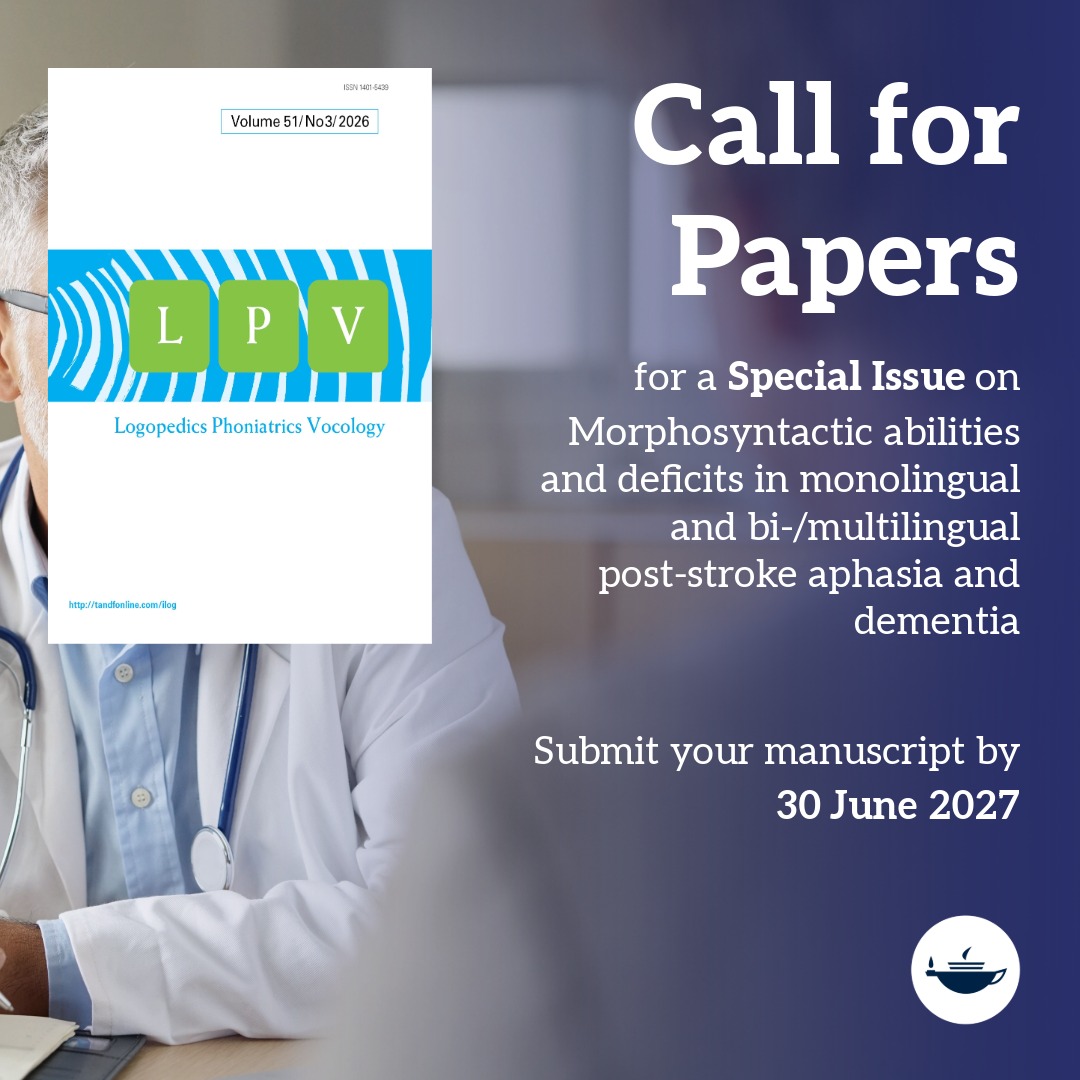
@LPVjournal invites you to submit your paper to a special issue on Morphosyntactic abilities and deficits in monolingual and bi-/multilingual post-stroke aphasia and dementia.
📥 Read the full call for papers and submit your paper today: https://t.co/IX3GkxfCET
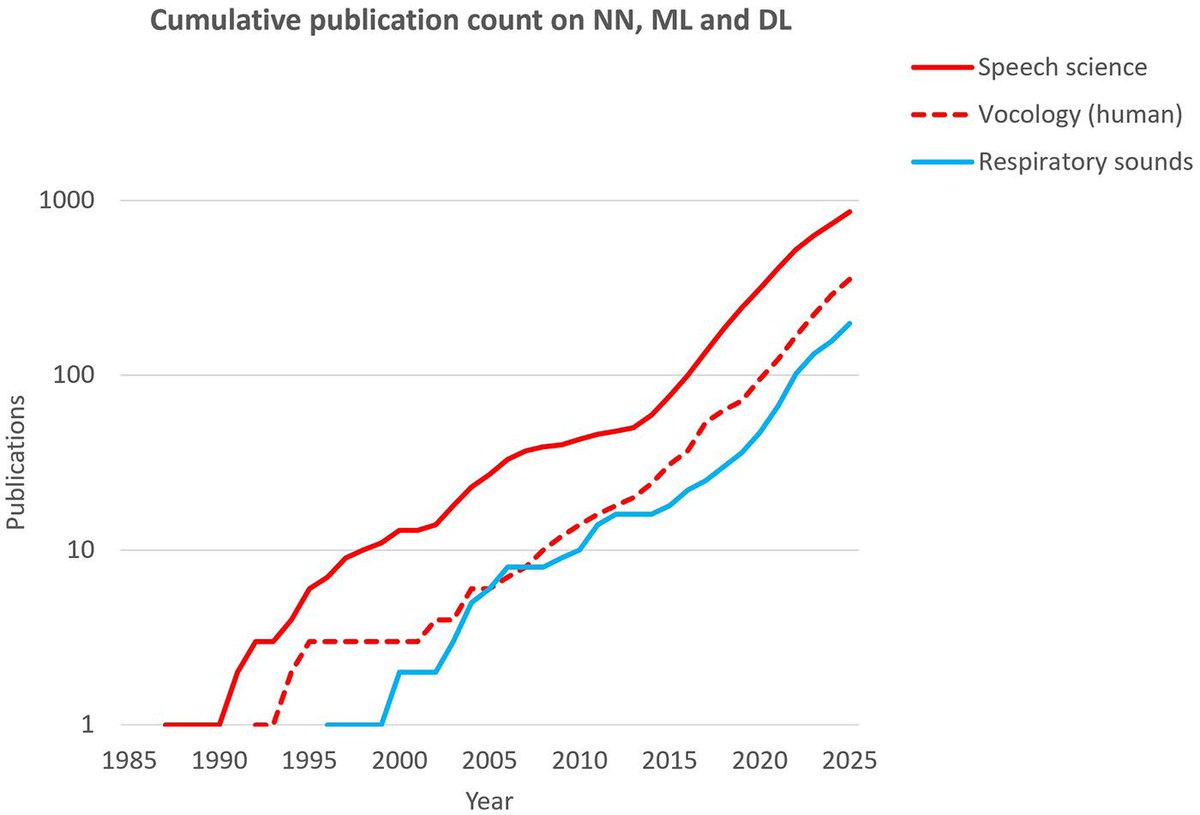
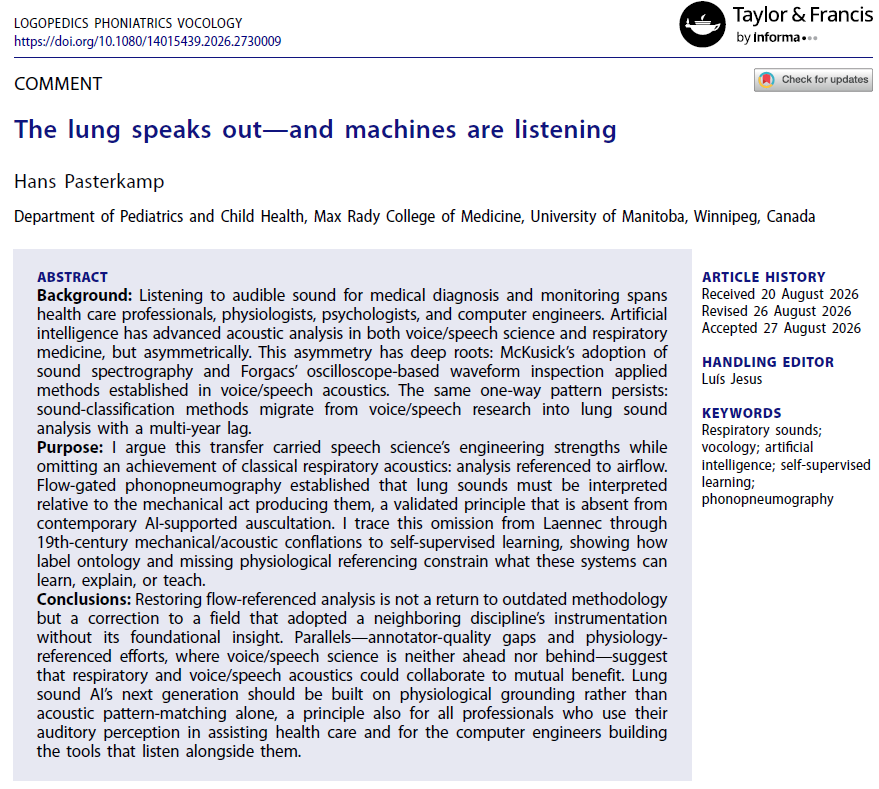
Friday bliss! Inspiring, cross-disciplinary food for thought. Free access for the next 30 days: Pasterkamp (In Press). The lung speaks out—and machines are listening. Logopedics Phoniatrics Vocology https://t.co/bLaATO2Hpc @tandfonline@tandfnewsroom
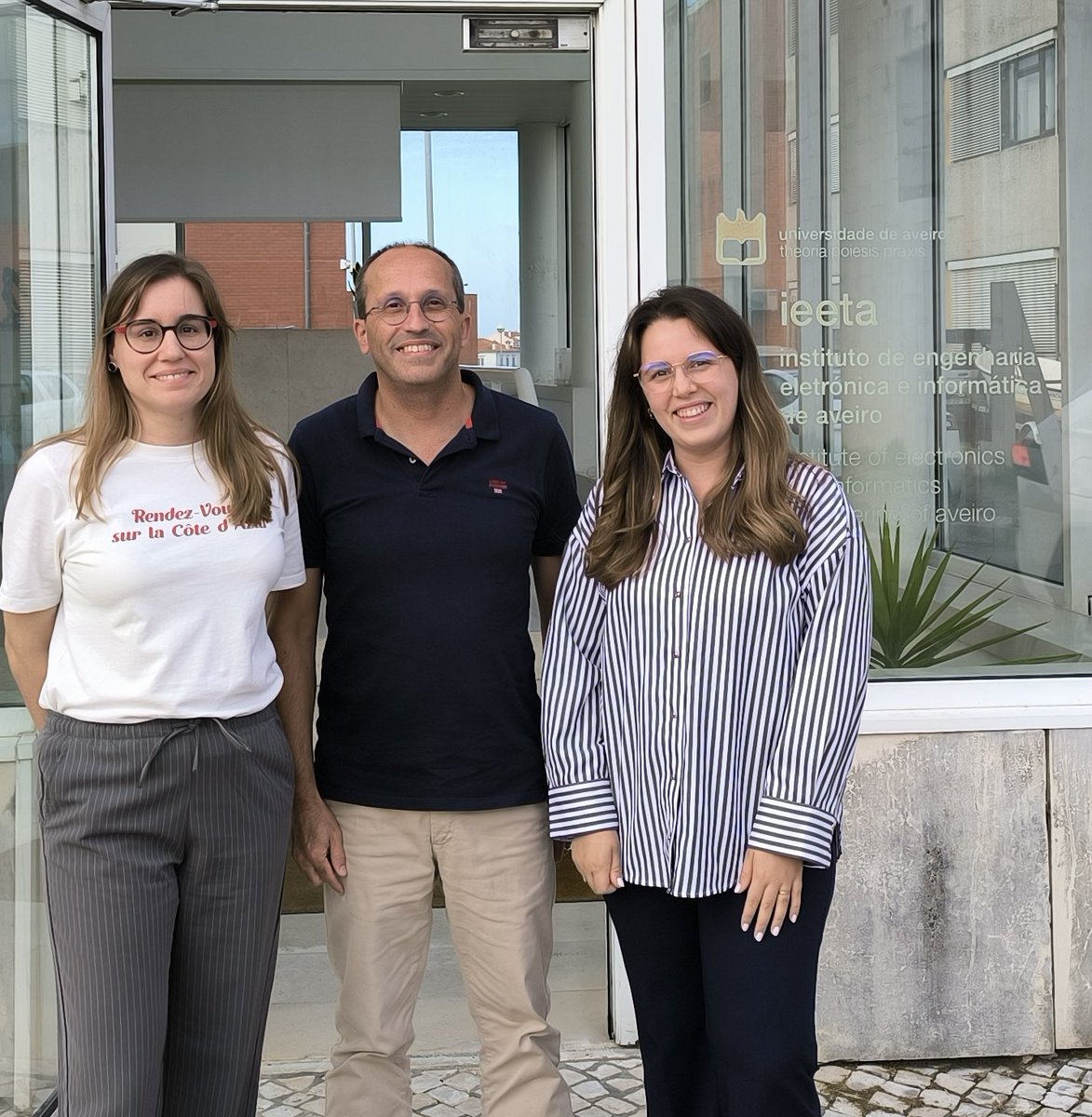
A great first day at work in our lab! Welcome to our new postdoctoral fellow Sofia Ribeiro (Project Quantum_Iber_IA) and to Lara Lorenzo Herrera (visiting us from the University of Cantabria, Santander, Spain).
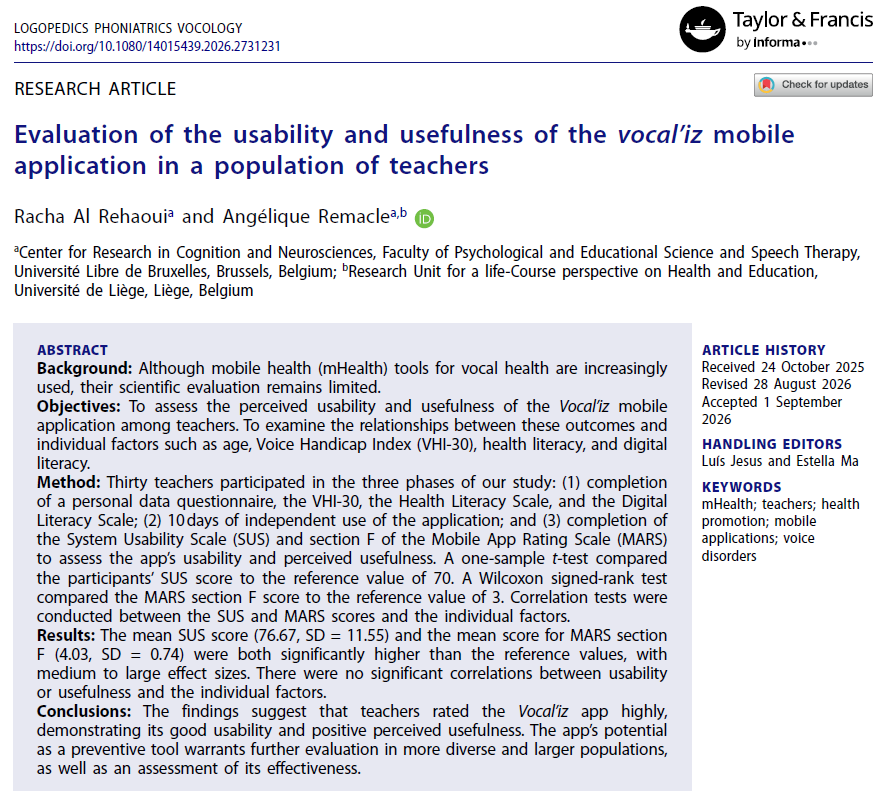
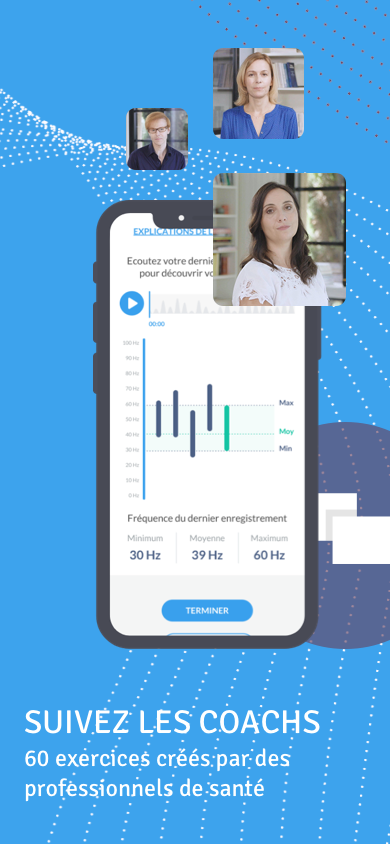
Recently published: Rehaoui and Remacle (In Press). Evaluation of the usability and usefulness of the vocal'iz mobile application in a population of teachers. Logopedics Phoniatrics Vocology https://t.co/44Ds7KzkGG @tandfonline@tandfnewsroom
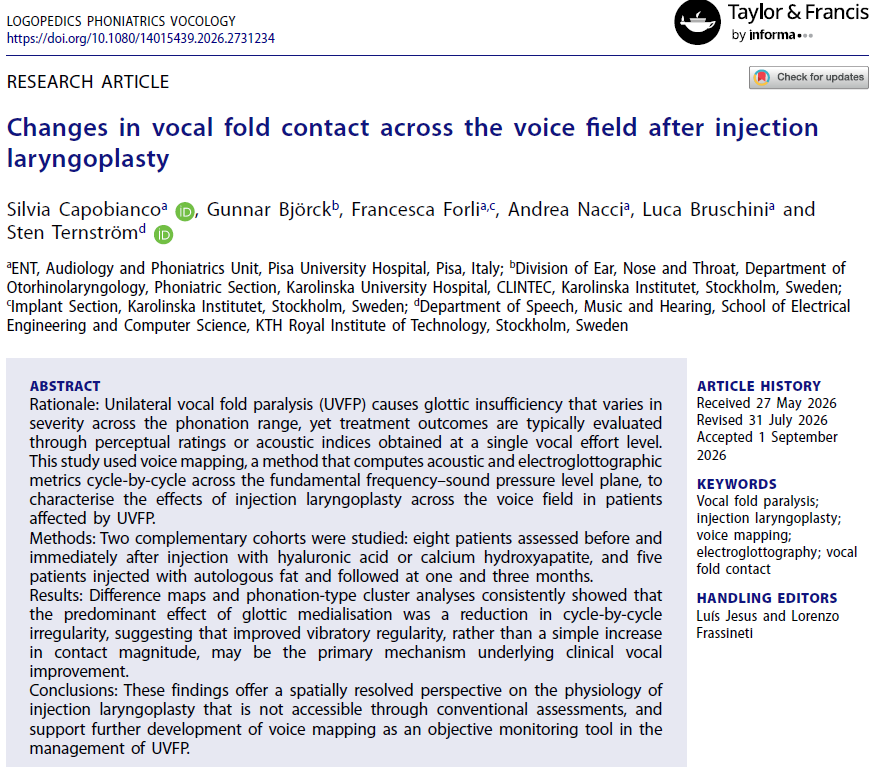
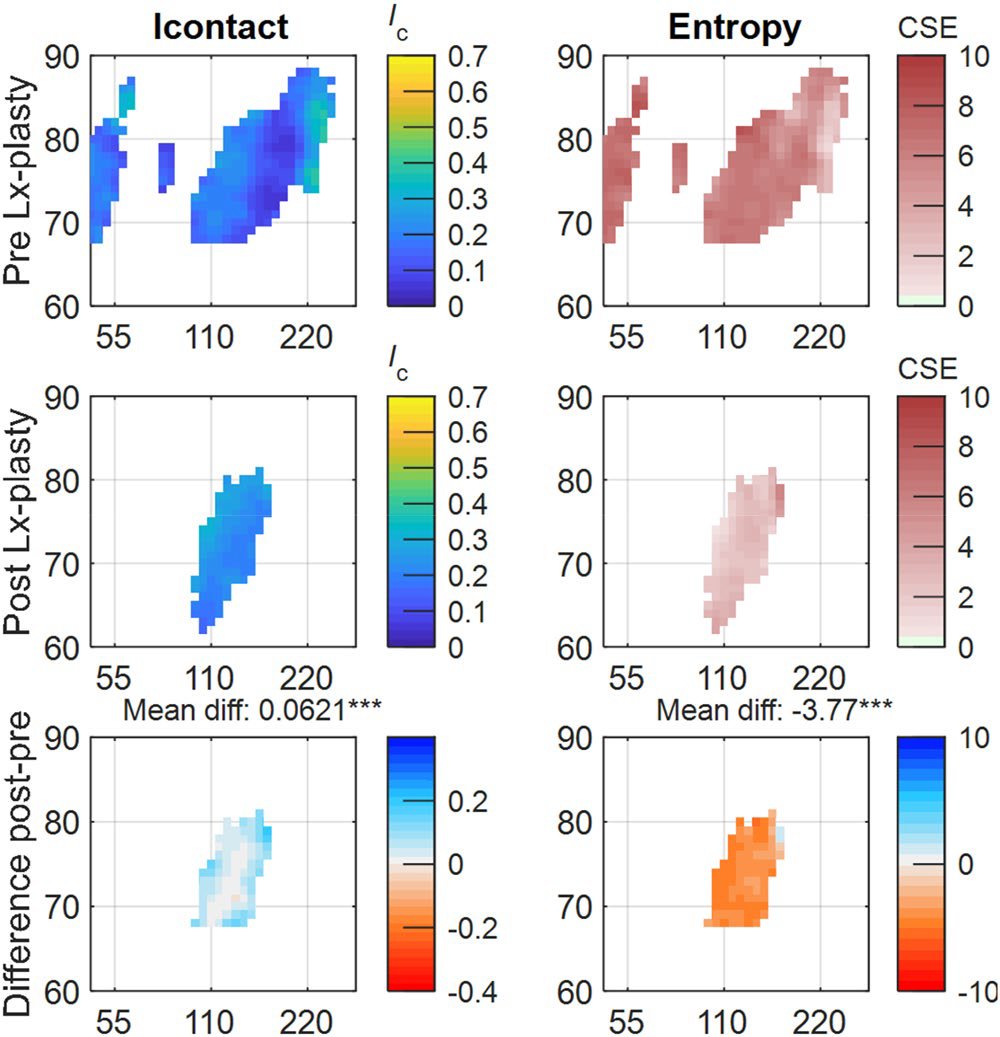
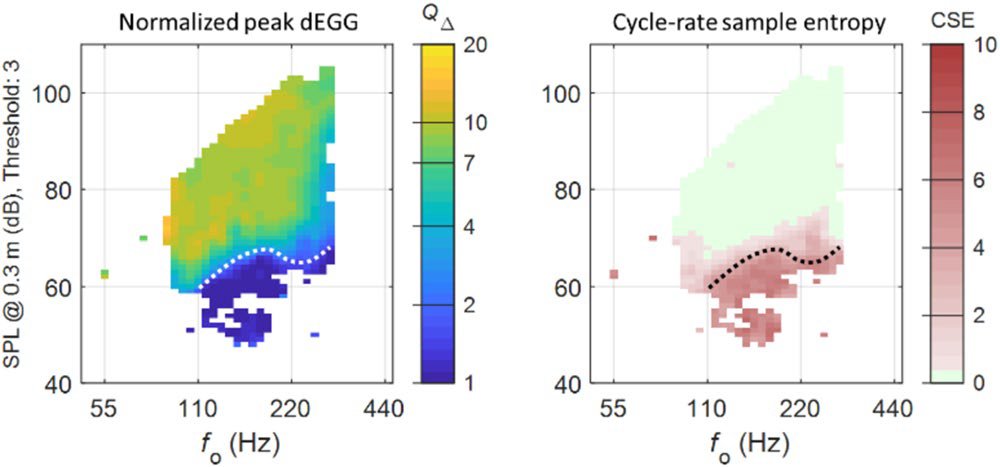
Recently published, the first article from the upcoming MAVEBA2025 Special Issue: Capobianco (In Press). Changes in vocal fold contact across the voice field after injection laryngoplasty. Logopedics Phoniatrics Vocology https://t.co/8Aby2Jgr4z @tandfonline@tandfnewsroom
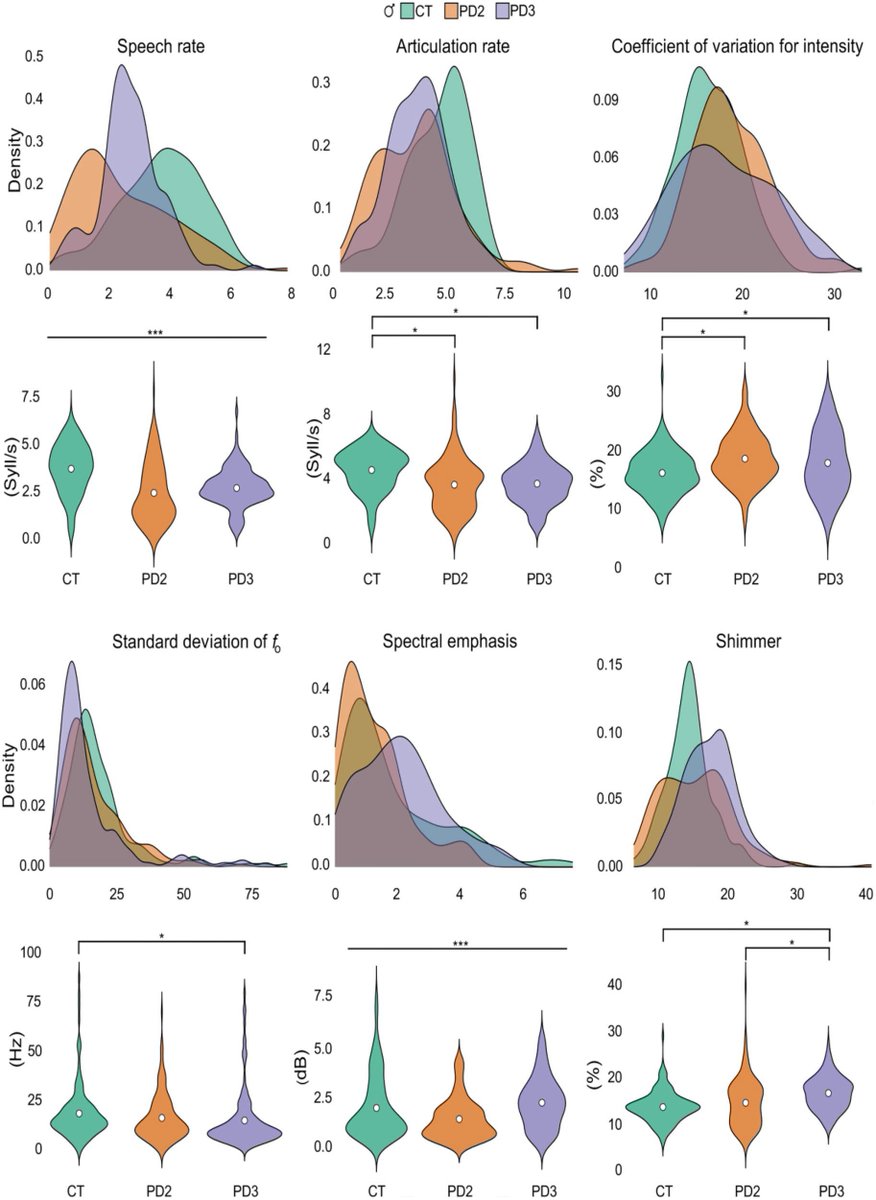
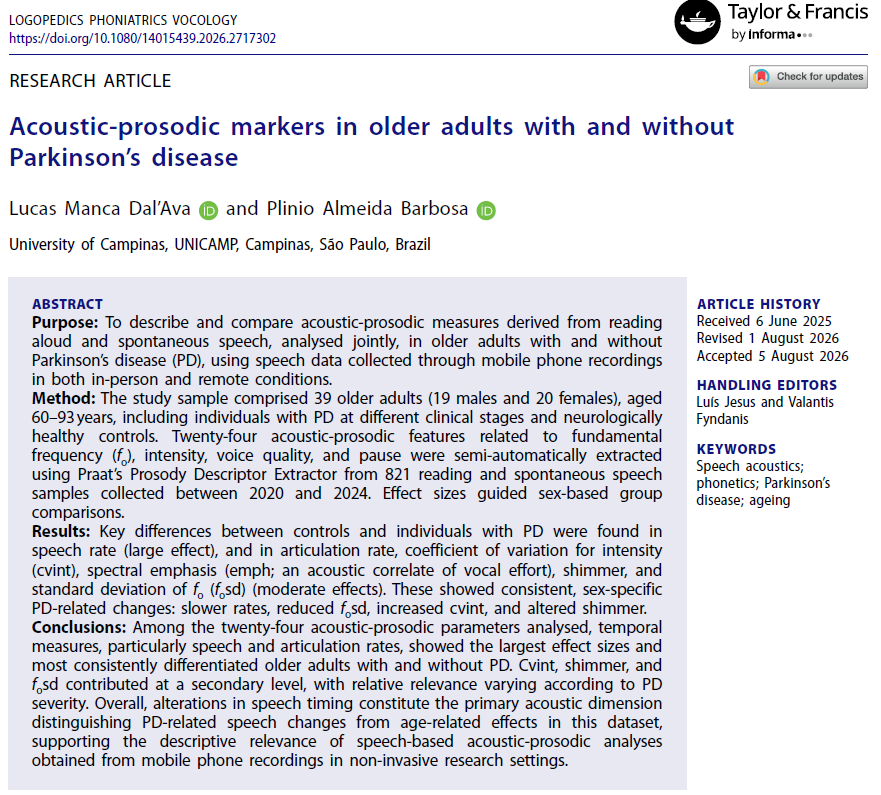
Recently published: Dal’Ava and Barbosa (In Press). Acoustic-prosodic markers in older adults with and without Parkinson’s disease. Logopedics Phoniatrics Vocology https://t.co/wbFKkoi5jA @tandfonline@tandfnewsroom
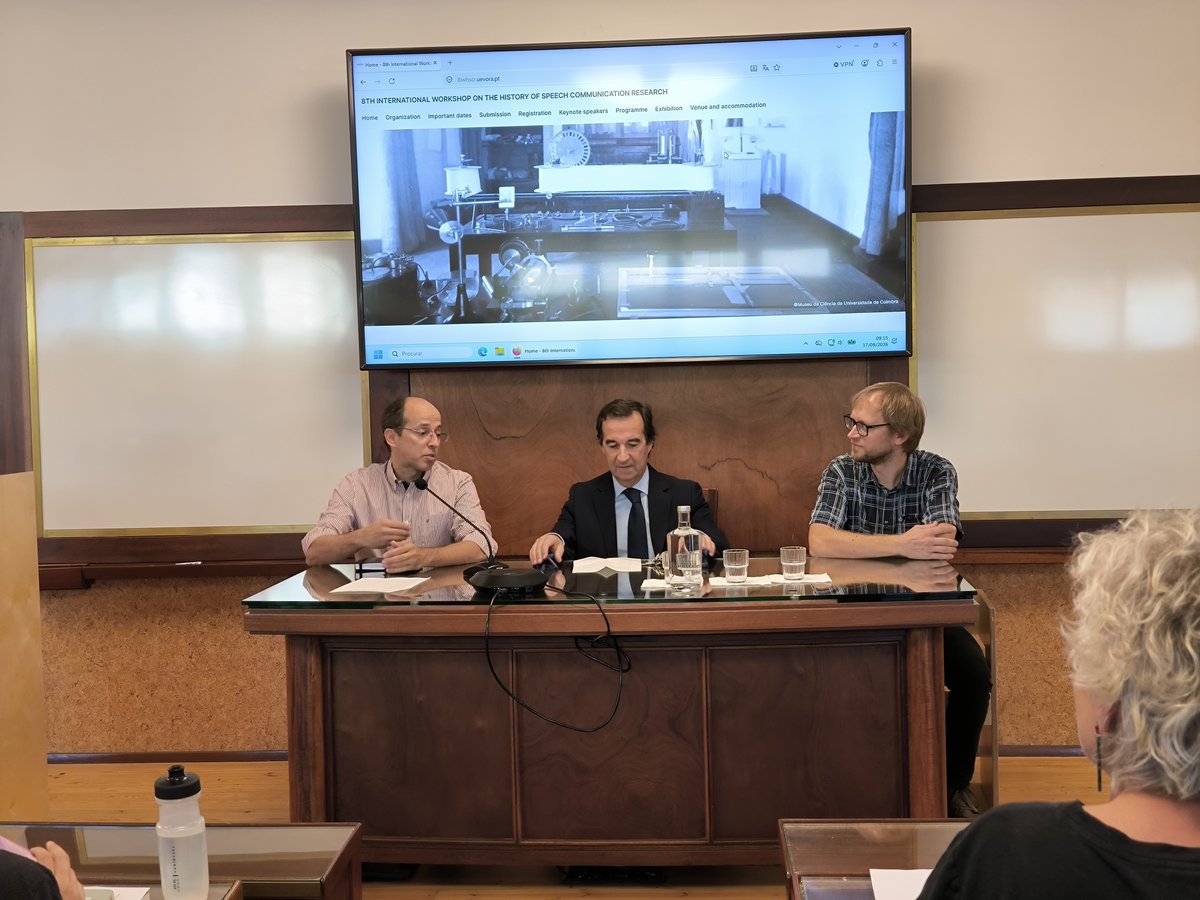
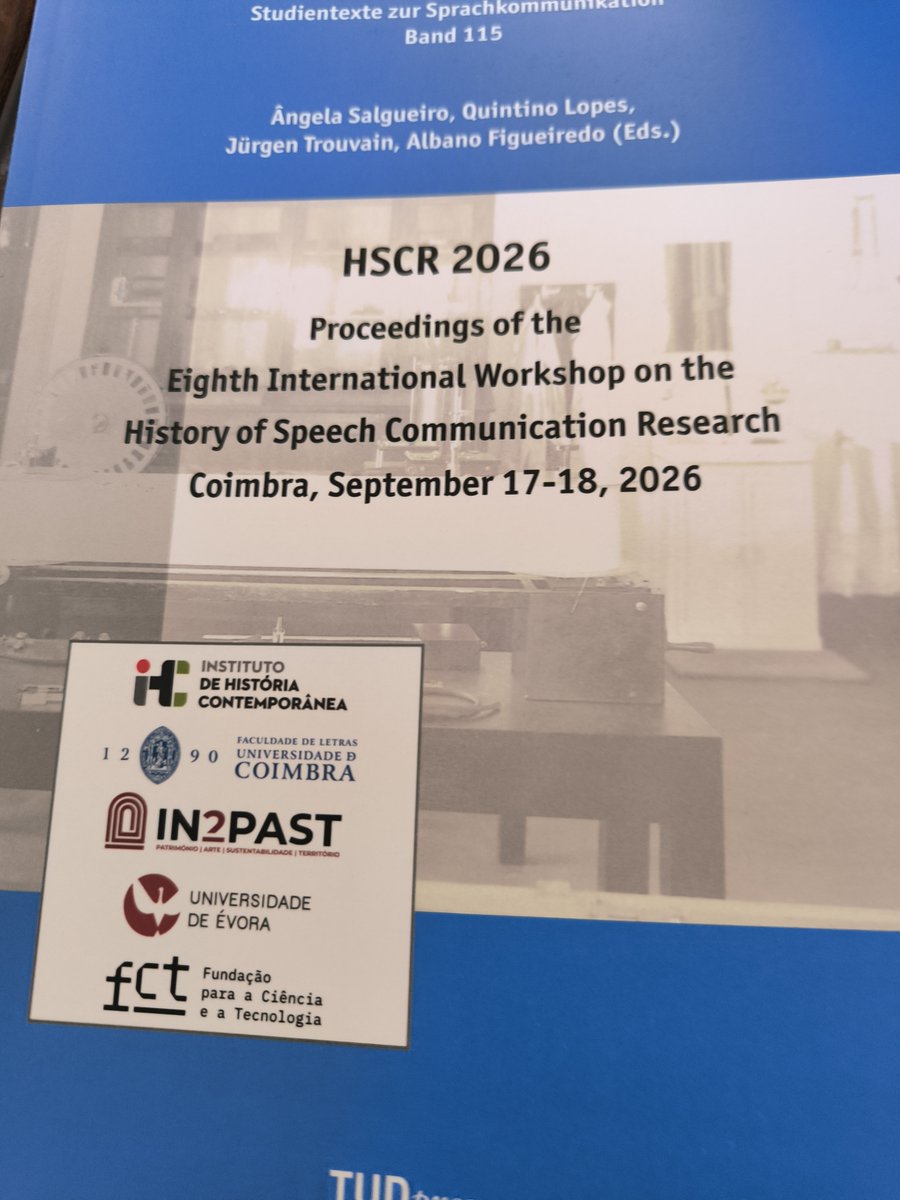
8th International Workshop on the History of Speech Communication Research (HSCR), University of Coimbra, Portugal, 17 to 18 September 2026 https://t.co/LsSXxj6yDg
Our researchers analyzed data from nearly 300 patients and uncovered one of the most important factors in helping children develop speech understanding: consistent use of their cochlear implant.
Read more: https://t.co/VQ2rVMlrPy
2 new tools to assess People with Aphasia adapted to Portuguese: Communicative Activities Checklist (COMACT) and Social Activities Checklist (SOCACT) freely available from the Advanced Communication and Swallowing Assessment (ACSA) https://t.co/d2uDwmDtZi platform.
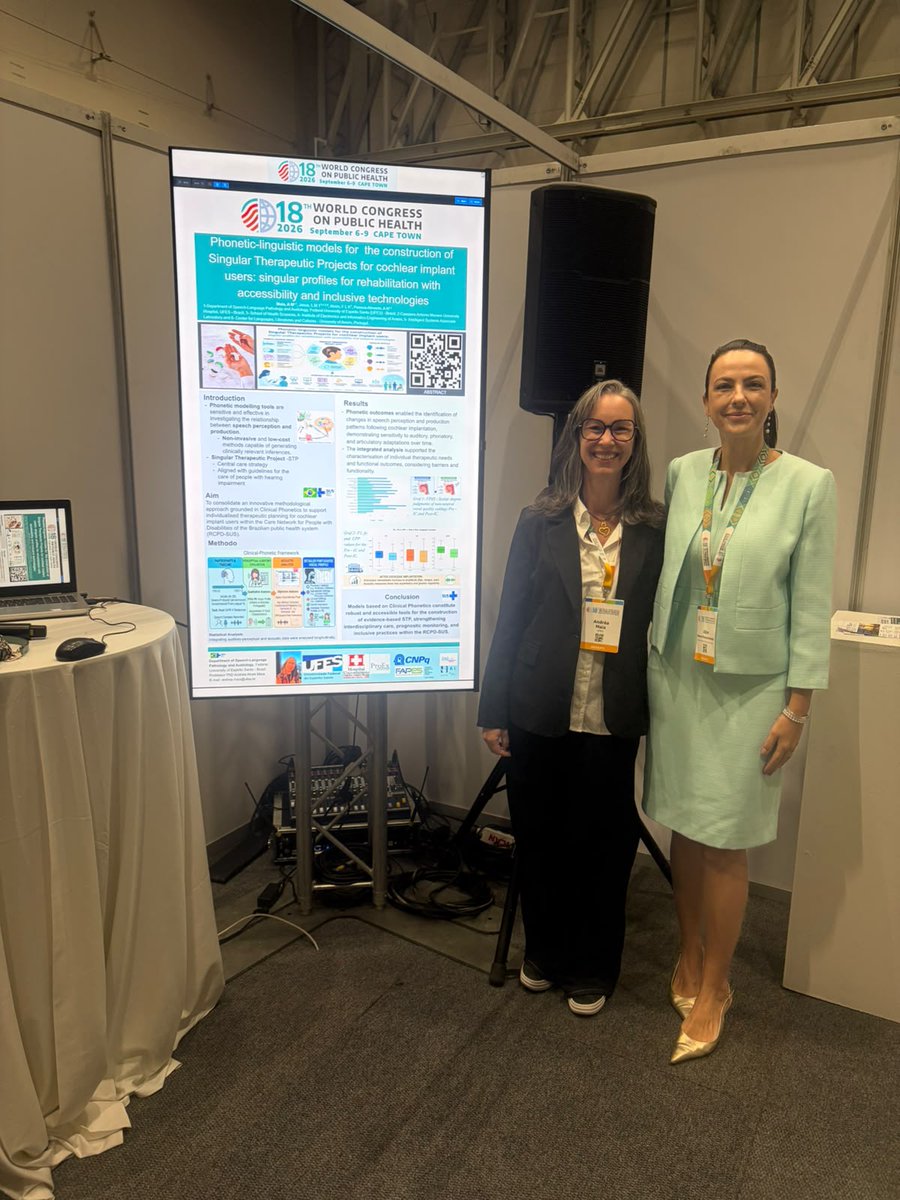
This week, Andrea and Aline, presented our joint work with Brazilian cochlear implant users at the 18th World Congress of Public Health (WCPH 2026), Cape Town, South Africa. Abstracts and poster presentations available from https://t.co/uxmkDnjuEp and https://t.co/jHN1KSUu7Q
Grab your copy right now! Published this week, online in free access for the next 30 days: St. Louis et al. (In Press). Regression to the mean in measures of attitudes... Logopedics Phoniatrics Vocology https://t.co/0M3QERO72m @tandfnewsroom@tandfonline
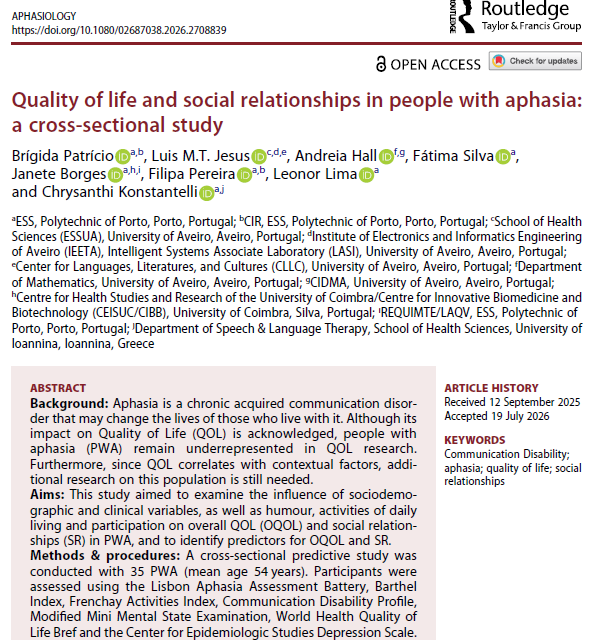
Published today online ahead of print in open access: Patricio, Jesus, Hall, Silva, Borges, Pereira, Lima and Konstantelli (In Press). Quality of life and social relationships in people with aphasia: a cross-sectional study. Aphasiology https://t.co/l1dB0pO5dn
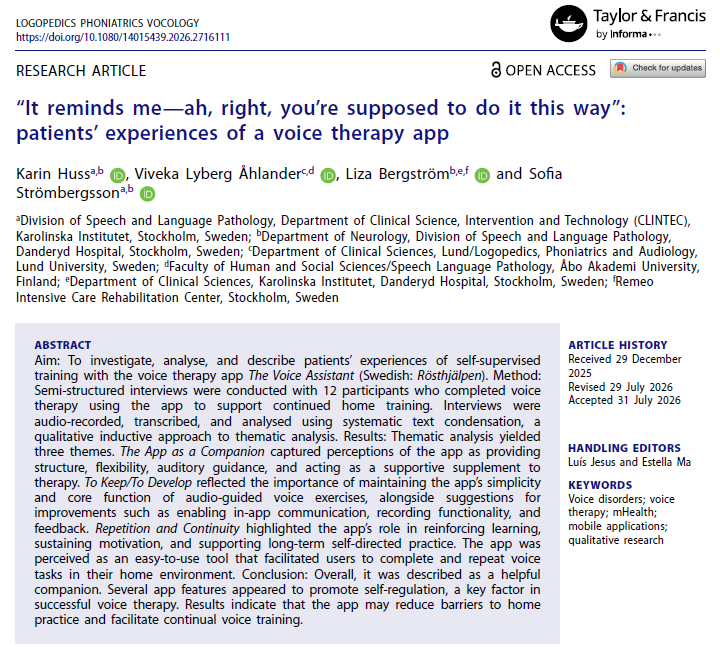
Published online in open access today: Huss et al. (In Press). "It reminds me—ah, right, you’re supposed to do it this way”: patients’ experiences of a voice therapy app. Logopedics Phoniatrics Vocology https://t.co/fa0Mb1sdPp @tandfonline@tandfnewsroom
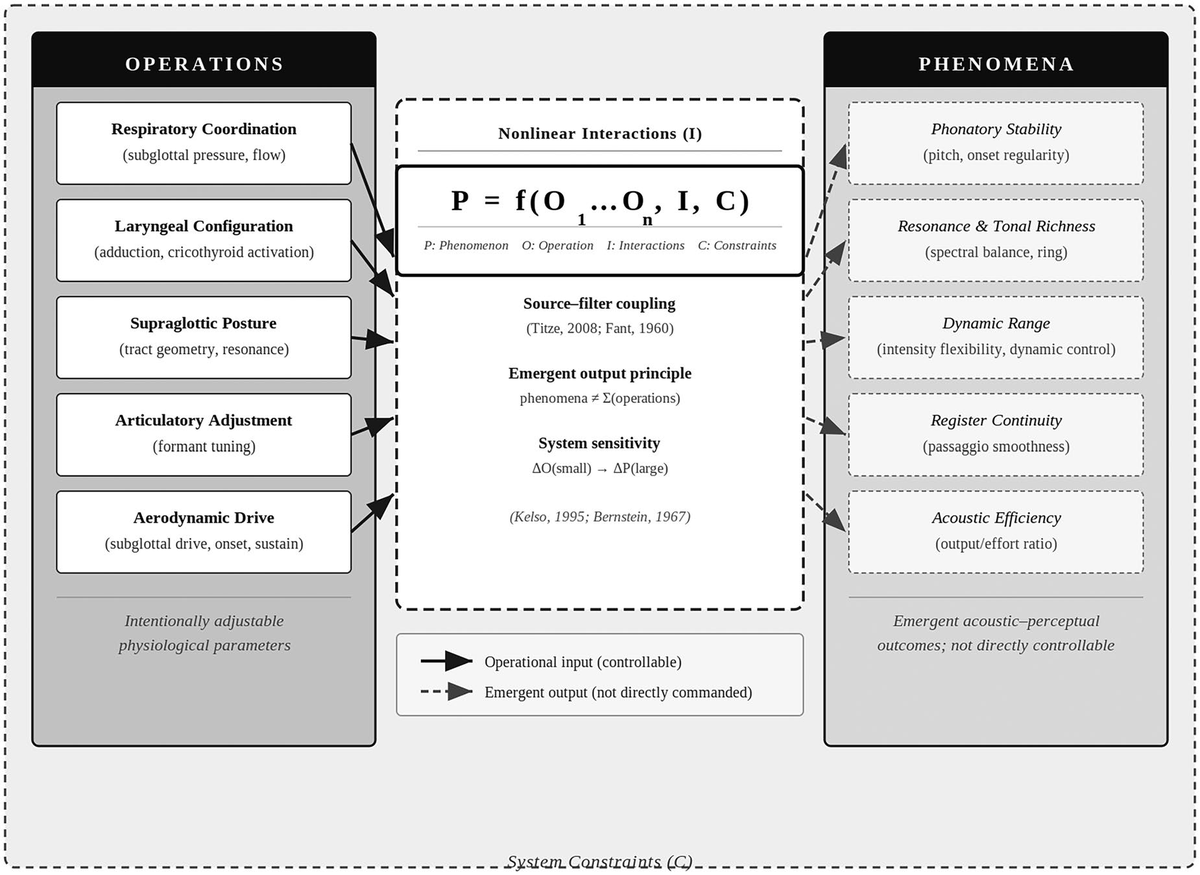
Recently published online: Kasai et al. (In Press). A clinical-functional model of emergent vocal behaviour: an operations–phenomena framework for voice disorder classification and clinical intervention. LPV https://t.co/PBuLV8PfMW @tandfonline@tandfnewsroom
@LPVjournal (LPV) announces the inaugural Best Student Paper Award!
The Award will be presented annually to recognize outstanding scientific contributions from emerging researchers.
Submit your paper today!
🔗 https://t.co/UEZmnbQ6vS
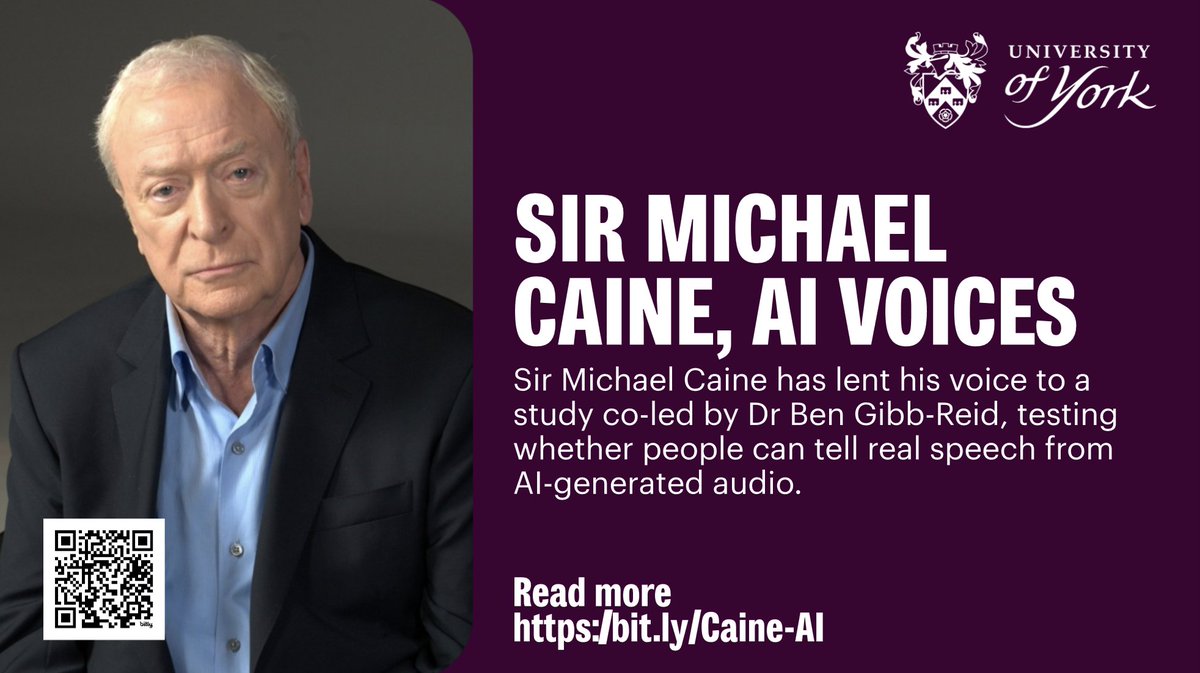
Sir Michael Caine has lent his voice to a York research project testing whether people can tell real speech from AI-generated audio. The study, co-led by Dr Ben Gibb-Reid in our department, aims to strengthen voice-rights protections.
Read more
https://t.co/KPlxpXqtal
We announce the inaugural Best Student Paper Award!
This annual award celebrates exceptional papers published in LPV, where a current or recent undergraduate or graduate student served as the primary, first author.
Submit your paper today via at https://t.co/UpEqs7LDCI.
Logopedics Phoniatrics Vocology is pleased to share that their Impact Factor increased to 1.0! Visit the journal's website to read their latest high-quality research and submit your own manuscript: https://t.co/783IiYGihA