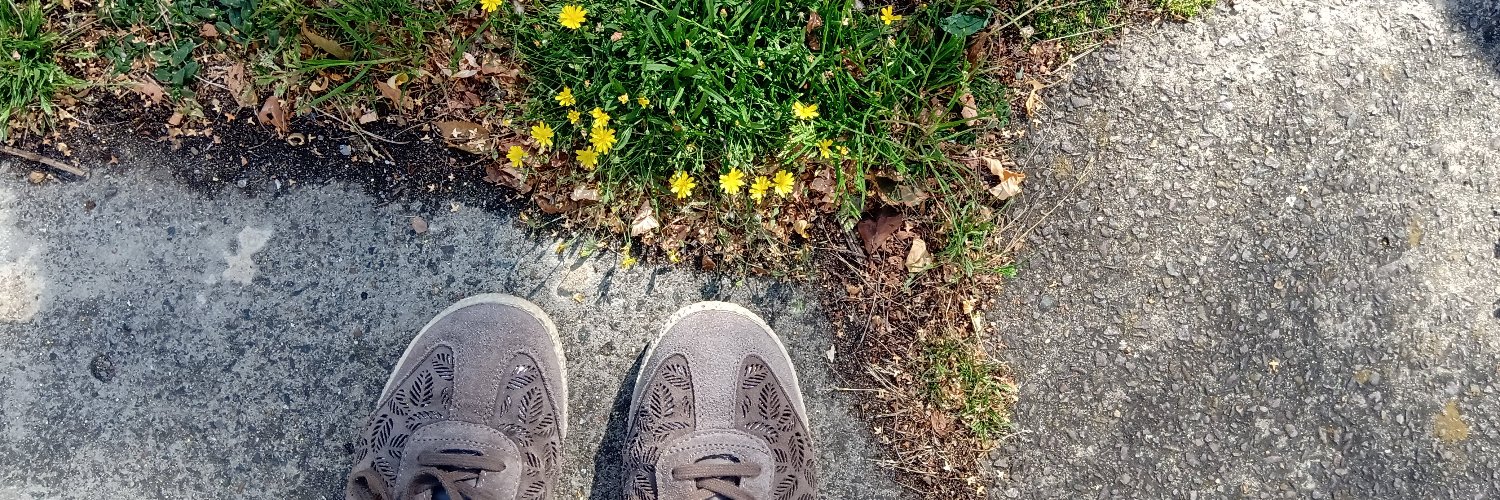
@aivelo@morethanweeds Also, some people connected to these plants not for the science but for their potential uses, the etymology of the names, the origin or even for their artistic/poetic potential.
@aivelo This is really interesting and kinda matches my own experience with the @morethanweeds project. I had more interest in social media shares, online talks I was giving etc than in actual walks.
@adriawildlife I can understand why one would hunt thrushes for food, and I sort of see the thrill of traditional, difficult hunting methods, but shooting chaffinches...what's the point? Food or just sport?
@adriawildlife Ok it's not exactly isolated, but I don't think we would have come back to the house in France without reliable fibre internet. No matter what one thinks of it, it allows remote working & admin, card payments for farms and small shops, website and instagram posts for tourism...
@adriawildlife In the trap yesterday, always a pleasure to see. In French we call it l'Arlequinette (I'm guessing because its patterns look like an arlequin costume?)
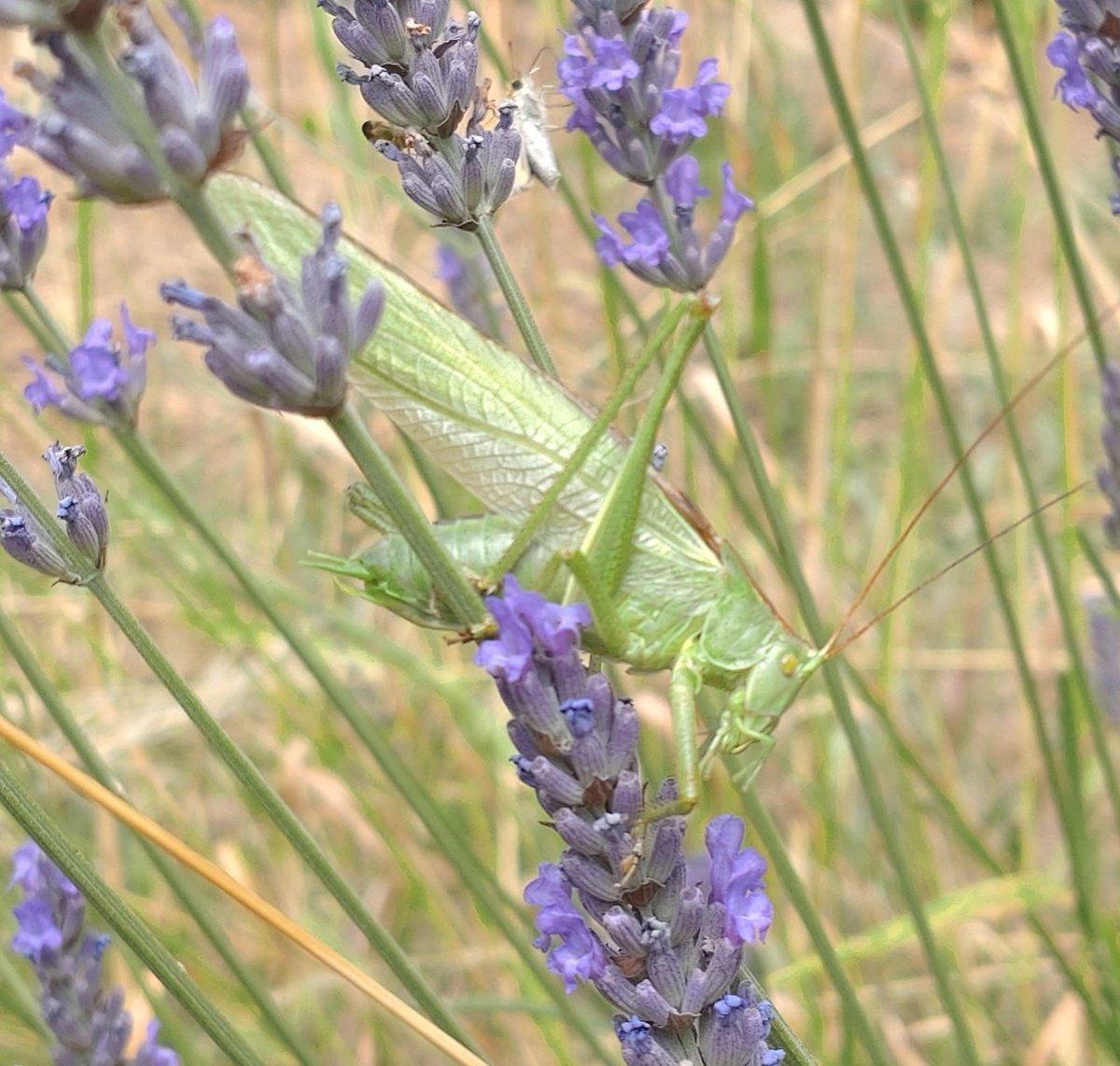
@adriawildlife Crazy year for butterflies with us here (actually one just landed on my phone while typing this!). I feel a little uneasy when people say they are not seeing a lot 🥴 Lavender also well visited by other critters.
Thousands of fireflies flying around the garden at the moment, every night between 10 and 11pm. Their movements make for some interesting, natural light-painting patterns!
@adriawildlife@wildernorfolk They approach natural history in a "formal" way, learning topic by topic, habitat by habitat, rather than absorbing knowledge gradually through experience? But degrees are to blame too. In Europe many have had "traditional" courses like anatomy, systematics, botany replaced. 😔
@adriawildlife@wildernorfolk I think the baseline in the population was higher too: knowledge of common trees was part of basic education. And observation skills - learning to observe and wanting to know more about one's surroundings. Some of the younger ecologists I've met desperately lack curiosity.
@adriawildlife Oh not only climate btw. I work with banks on their nature strategies, and some are clearly worrying about biodiversity, because a high share of their portfolio is in high-dependency sectors like agri-food. I'm starting to get examples of insurance issues too.
@adriawildlife Another thought - this is going to sound pedantic - but can one really understand the potential implications of R2R unless you actually live in those places that may be/are already impacted (ie not in a village or a suburban area but an isolated house near popular walking paths)?
@adriawildlife /as much about social inequality as it does about nature. Like a mini French revolution, fighting against land ownership (not saying there isn't land inequality in the UK of course)
@adriawildlife The western route is getting strong in France, partly thanks to abundant alien crayfish in the Poitou region. I wouldn't be surprised if some of Knepp birds end up calling it their temporary or full time home.
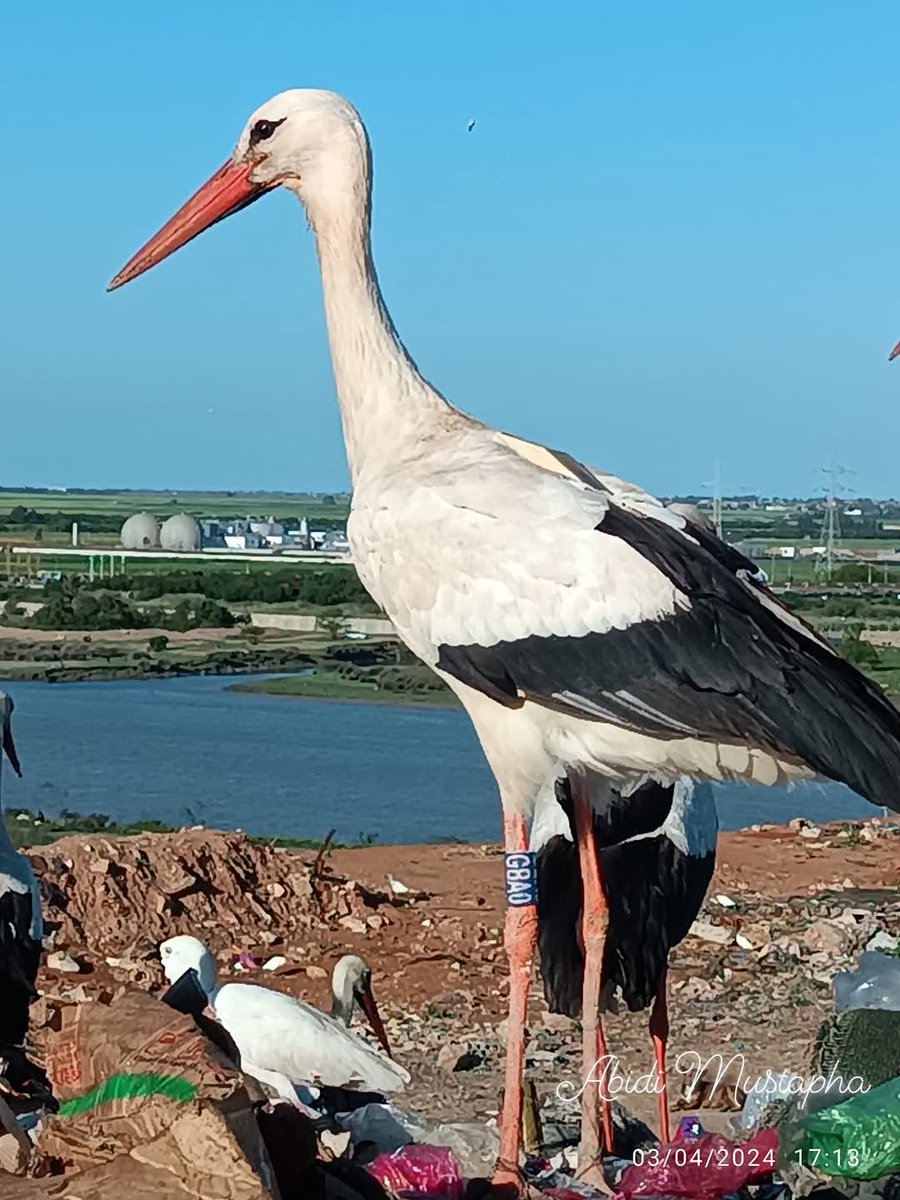
@adriawildlife There are quite a few pics on FB of the Knepp birds in Morocco, complete with garbage dump and industrial estate background. Not quite the visual selling point provided by the rolling hills of Sussex...
@adriawildlife "Clearly from UK" - it's been interesting being back on the continent and not getting these reactions when I expect them. Though worryingly I am starting to see it in the younger generations, with sometimes strong rejection of human landscapes (are you feeling that in IT?)
@adriawildlife All the time. Because of the geography here, just on the edge of a hill, there are strong thermals and we see them picking up height so fast. We're getting quite a lot of night time migration too.