NIGERIANS, GO AND VERIFY (8)
TRANSFORMING COMMERCE, INDUSTRY AND INFRASTRUCTURE: BUILDING AN ECONOMY THAT WORKS
Peter Obi
I have always believed that economic development must go beyond the construction of roads and buildings. It must create opportunities, stimulate enterprise, support local industries, and improve the productive capacity of society. Government must not merely spend money; it must create the conditions that enable people and businesses to prosper.
When I assumed office in 2006, Anambra State already possessed enormous entrepreneurial energy. From Onitsha to Nnewi, Awka, and other commercial centres, our people had demonstrated remarkable ingenuity and enterprise. What was required was a government that could provide the infrastructure, institutional support, and enabling environment to harness this potential.
Under the Anambra Integrated Development Strategy (ANIDS), we therefore pursued a deliberate programme of commercial and industrial development, with particular emphasis on public-private partnerships (PPPs). Our objective was to modernise the business environment, attract investment, strengthen indigenous enterprises, and create employment.
Our approach was guided by a simple conviction: commerce must be supported by production, and industrial development must be supported by infrastructure. We could not continue to depend largely on buying and selling without deliberately creating the conditions for manufacturing, processing, and value addition.
MODERNISING COMMERCE: THE ONITSHA BUSINESS PARKS
Recognising Onitsha’s historical position as the commercial hub of the South-East, we initiated the First and Second Onitsha Business Parks. We wanted to provide organised, modern, and secure business environments capable of accommodating growing corporate and financial activities.
The parks attracted important financial institutions and corporate operations, including facilities for banks, alongside capital market operators and other businesses.
We also conceived the second phase of the Onitsha Business Village as a centre for information and communications technology-related activities. The intention was to move beyond traditional commercial arrangements and provide facilities that would accommodate emerging business opportunities and technology-driven enterprises.
Another initiative was the LG World-ANIDS project, conceived as a one-stop centre for electronic goods, services, and training. We wanted to connect commerce with technology, skills development, and modern business practices.
Our intention was to move commercial activities beyond the limitations of informal arrangements and provide the infrastructure necessary for modern corporate operations.
DEVELOPING HOSPITALITY AND TOURISM: AGULU LAKE RESORT AND PROTEA HOTEL
We also recognised that a growing commercial centre must have the hospitality infrastructure to support investors, business travellers, and tourists. A state that seeks to attract investment must be prepared to accommodate those who come to do business. This informed our conception of two important projects.
The Agulu Lake Resort was designed to harness the natural beauty and tourism potential of Agulu Lake, creating a destination for leisure, hospitality, and conferences. Beyond tourism, we saw the project as an opportunity to stimulate economic activities in the surrounding communities and create employment.
Similarly, the five-star Protea Hotel project in the GRA, Onitsha, was conceived as a public-private partnership to provide high-standard accommodation and hospitality services. We envisaged a facility that would serve investors, business travellers, and visitors while expanding the State’s hospitality infrastructure. Although the project was subsequently abandoned, its original conception reflected our determination to provide the facilities required by a modern commercial economy.
SmartBallot : Towards credible and Transparent Ballot
I have consistently believed that technology, combined with the creativity and resourcefulness of young Nigerians, can help reinforce our democracy and advance free, fair, and credible elections.
I am pleased to endorse SmartBallot (https://t.co/YgbAq2cLxE), a platform developed to facilitate grassroots mobilization, civic engagement, and election monitoring.
I urge our supporters and NDC candidates to register on SmartBallot and examine how its tools can assist them in organizing their communities, coordinating voters and polling unit agents, expanding grassroots engagement, and supporting transparent election monitoring.
Through the effective use of technology and collective action, we can reinforce our democratic institutions and help ensure that every vote is counted.
Credible elections require preparation, active participation, and peaceful vigilance. Let us make full use of every available resource to create a more organized, engaged, and empowered electorate.
A New Nigeria is Possible. -PO
@tonyajah Nigerians have lost faith in the courts due to injustice. The court's failure to uphold the justice system has resulted to the jungle justice, RIG AND DIE (R&D). The failure to disperse justice yesterday has led the people to look for alternative.
The court gave birth to #R&D.
The Anambra experience demonstrated that proper planning, accurate information, prudent management of resources, and genuine commitment to the welfare of citizens can make a meaningful difference.
What we achieved between 2006 and 2014 was not the elimination of poverty, but the establishment of a practical framework for confronting it. We can adapt and expand that experience nationally.
I have consistently spoken about the need to move millions of Nigerians out of poverty. In discussing this challenge, I have often drawn attention to the experiences of China and India, countries that have lifted hundreds of millions of their citizens out of poverty through sustained economic reforms, investment in productive sectors, infrastructure, agriculture, education, and deliberate policies that expanded economic opportunities.
Their experiences demonstrate that mass poverty is not an inevitable condition of a nation. It can be substantially reduced through purposeful leadership, long-term planning, productive investment, and the consistent implementation of policies that place people at the centre of development.
If China and India could undertake such transformations, Nigeria can also do so. We must study what worked in those countries, understand the differences in our circumstances, and adapt the lessons to our own environment. We do not need to reinvent the wheel; we need the commitment to make proven development strategies work here.
A country cannot be prosperous when millions of its citizens go to bed hungry. Our ambition must be to move Nigeria from managing poverty to systematically defeating it.
That is the Nigeria we must build: one where no citizen is abandoned, opportunity is not determined by geography, and the dignity of every Nigerian is protected.
In the next instalment, Series 8, we shall examine what we did in commerce and industry. -PO
Our objective was to improve agricultural productivity, facilitate access to markets, and ensure that farmers earned better incomes from their labour.
We understood that a farmer who cannot conveniently transport produce to the market remains poor, regardless of how much land he cultivates. This was why agricultural support had to go hand in hand with rural infrastructure.
4. EMPOWERING YOUTHS, SUPPORTING POOR HOUSEHOLDS, AND PERSONS WITH DISABILITIES
We established and equipped skill-acquisition centres to provide young people with vocational training and opportunities for self-employment.
Beyond training, we provided financial support to 500 youths who had acquired productive skills, giving each ₦100,000 to establish or strengthen their businesses. The intention was to move them from unemployment and dependence to productive enterprise.
We also distributed more than 500 specially designed wheelchairs to persons living with disabilities, improving their mobility, independence, and participation in society.
Through conditional cash-transfer programmes under the Millennium Development Goals framework, we provided financial assistance to extremely poor households. These interventions were designed to address immediate hardship while preventing poverty from being passed from one generation to another.
We believed that no young person should be condemned to poverty because of a lack of opportunity, and no person living with a disability should be excluded from society’s economic and social life.
5. RESTORING DIGNITY TO PENSIONERS AND PROTECTING THE ELDERLY
We inherited substantial pension and gratuity arrears owed to retired public servants. We embarked on their systematic liquidation. We spent over ₦35 billion to clear the stock of pension and gratuity arrears.
Beyond pensioners, we recognised another category of vulnerable citizens: elderly people who had neither pensions nor financially capable children to support them.
Consequently, we introduced a monthly social security stipend for indigent citizens aged 75 and above who were not retirees and had no successful children or dependable family support to meet their basic needs. The programme covered approximately 30,000 beneficiaries.
Importantly, we did not treat this as a temporary political gesture. We gave the initiative a legal foundation through the Anambra State Indigent Relief Law 2013, thereby institutionalising the state’s responsibility towards these vulnerable citizens.
We believed that growing old without a pension or family support should not condemn anyone to hunger and indignity. The government had a responsibility to provide a safety net for such citizens.
These interventions reflected our commitment to protecting both those who had served the state and those who, through no fault of their own, were without dependable means of survival.
CONCLUSION: FROM MANAGING POVERTY TO DEFEATING IT
Nigeria faces an alarming food and poverty crisis. According to the Food and Agriculture Organisation (FAO), approximately 36.3 million Nigerians, representing 17 per cent of the population covered by its analysis, faced severe acute food insecurity between June and August 2026, compared with 30.6 million during the corresponding period in 2025.
Behind these figures are families struggling to feed themselves, children facing nutritional deprivation, and farmers unable to earn adequate incomes.
We cannot confront this crisis through disconnected interventions, occasional cash transfers, and emergency food distribution alone. Nigeria needs a comprehensive strategy addressing the structural causes of poverty.
We must invest in agriculture, open up neglected rural communities, support small businesses, expand access to affordable credit, equip young people with practical skills, and establish effective social protection for the elderly, widows, persons with disabilities, and other vulnerable citizens.
NIGERIANS, GO AND VERIFY (7)
LIFTING THE VULNERABLE : ANAMBRA’S BLUEPRINT FOR POVERTY ALLEVIATION AND SUSTAINABLE EMPOWERMENT (2006–2014)
Economic growth that does not translate into improved living conditions for ordinary citizens is incomplete. This is one of our fundamental concerns with President Bola Ahmed Tinubu's government. Development must ultimately be measured by its impact on human lives, particularly those of the poor and vulnerable. This was underpinned by the Anambra Integrated Development Strategy (ANIDS). We believed that infrastructure, education, healthcare, agriculture, and social protection must reinforce one another. Poverty was not merely a shortage of money; it was also a lack of access to opportunities, productive resources, and the basic conditions necessary for a decent life.
Our poverty alleviation strategy, therefore, went beyond temporary handouts. It focused on restoring dignity, creating economic opportunities, and equipping vulnerable citizens with the means to become self-reliant.
Our approach attracted recognition beyond Anambra. In May 2010, Magnus Kpakol, then National Coordinator of the National Poverty Eradication Programme (NAPEP), commended our commitment to poverty reduction, declaring: “We are prepared to support you in the excellent work you are doing in Anambra State.”
1. POVERTY MAPPING: KNOWING WHERE POVERTY LIVES
We recognised that poverty could not be effectively addressed without knowing where it was concentrated and what caused it. We, therefore, undertook a poverty-mapping exercise to identify the most deprived local government areas and communities.
The exercise revealed that some of our poorest communities were also important food-producing areas. Their challenges included poor access to markets, agricultural inputs, electricity, water, and other economic opportunities.
Areas including Anambra West, Orumba South, Awka North, and Ogbaru required particular attention. The findings informed our development priorities, enabling us to direct roads, agricultural support, and social interventions toward neglected communities.
2. EMPOWERING WOMEN, WIDOWS, AND COOPERATIVES
We recognised that rural women, widows, and indigent households bore a disproportionate burden of poverty. Across the 21 local government areas, we provided financial assistance and productive support to thousands of beneficiaries.
Our administration provided financial assistance to support the establishment and expansion of small businesses and farming activities. We also introduced revolving loan schemes to promote enterprise development, economic self-reliance, and improved livelihoods.
We distributed productive equipment, including sewing machines, generators, ovens, cookers, hair dryers, shoe-making machines, and welding equipment. The objective was to help beneficiaries establish sustainable livelihoods rather than remain dependent on government assistance.
We also promoted access to microcredit and cooperative financing to enable small entrepreneurs to expand their businesses, improve their incomes, and create employment.
Our philosophy was simple: rather than merely giving people money to survive today, the government should help them acquire the means to earn a living tomorrow.
3. AGRICULTURE AND FADAMA: MAKING RURAL COMMUNITIES PRODUCTIVE
Agriculture was central to our poverty-reduction strategy because many rural households depended on farming.
Through partnerships with the Federal Government, the World Bank, and other development partners, particularly under the FADAMA programme, we supported farmers with finance and productive assets.
In November 2009, our administration disbursed millions to FADAMA Community Associations across the state. By October 2010, the National FADAMA office was commending Anambra’s commitment. Its National Project Coordinator, Buka Tijjani, represented by Charles Ugwuona, described Anambra as the leading state in the programme.
NIGERIANS, GO AND VERIFY (6)
SECURING LIVES AND PROPERTY: PARTNERSHIP WITH SECURITY AGENCIES
Peter Obi
In the preceding instalments, I explained how we approached governance under the Anambra Integrated Development Strategy (ANIDS), beginning with strengthening state institutions and investing in education and other critical sectors. Our conviction was that development must rest on strong institutions, capable human beings, and a secure environment.
No meaningful development can take place where lives and property are constantly under threat. Education, commerce, investment, and other productive activities can only flourish when people feel safe. This informed our approach to security. We understood that the responsibility of protecting lives and property could not be discharged through speeches and declarations alone. It required deliberate investment, effective coordination, and sustained partnership with the security agencies.
When we assumed office, Anambra faced serious security challenges. Armed robbery, bank attacks, kidnapping, and other violent criminal activities had created an atmosphere of fear. In 2006, I personally approached the then Inspector-General of Police, Mr Sunday Gabriel Ehindero, to seek urgent intervention. Following our appeal, the police authorities constituted a special team comprising experienced officers, including the late Haruna John, Alhaji Amusa Bello, and others, to confront the security challenges in the state.
We therefore made security a major priority of our administration, recognising that government must provide both the leadership and the resources required to enable security agencies to perform their duties.
EQUIPPING THE SECURITY AGENCIES
We believed that those entrusted with protecting our people must be adequately equipped. Accordingly, our administration, using funds from the security votes, provided over 600 patrol vehicles to various security agencies, including the Police, Army, Civil Defence, Customs, Immigration, NDLEA, Road Safety, Prisons, SSS, Navy, and community vigilante organisations.
Our support went beyond vehicles. We provided Armoured Personnel Carriers (APCs), armoured Hilux patrol vans, communication gadgets, repeater and linker stations, base stations, mobile vehicular radios, walkie-talkies, generators, and other logistical requirements. We also used the same security votes to provide financial support for their operations, including fuel, weekly allowances, and other essential needs of security personnel.
We paid particular attention to community security because we understood that effective policing must have a strong local presence. Again, using funds from the security votes, we provided billions of naira to the 177 communities in Anambra State to strengthen security in their respective areas. We directed traditional rulers and town union presidents to establish vigilante groups under police supervision, with the police providing uniforms for proper identification. We also contributed towards the payment of their salaries.
Additionally, we provided 250 patrol vehicles to communities across Anambra State. These vehicles were manufactured by Innoson Vehicle Manufacturing Company in Nnewi. Some towns received more than one, depending on their size and security needs. This initiative was also extended to universities and other large institutions in the state.
We also recognised that markets were particularly vulnerable because of the volume of commercial activities and the large number of people who visited them daily. Thus, in March 2014, we presented security vehicles to major markets in Onitsha and its environs. The beneficiaries included Bridge Head Market, Ogboefere Market, Building Materials Market, Ogidi, Onitsha Main Market, Marine Modern Market, Ogbaru Main Market, Ose Okwodu Market, Electronics Market, and the Amalgamated Market Traders Association.
CHRIST THE KING COLLEGE, ONITSHA: CELEBRATING MY HERITAGE AND ENCOURAGING THE NEXT GENERATION
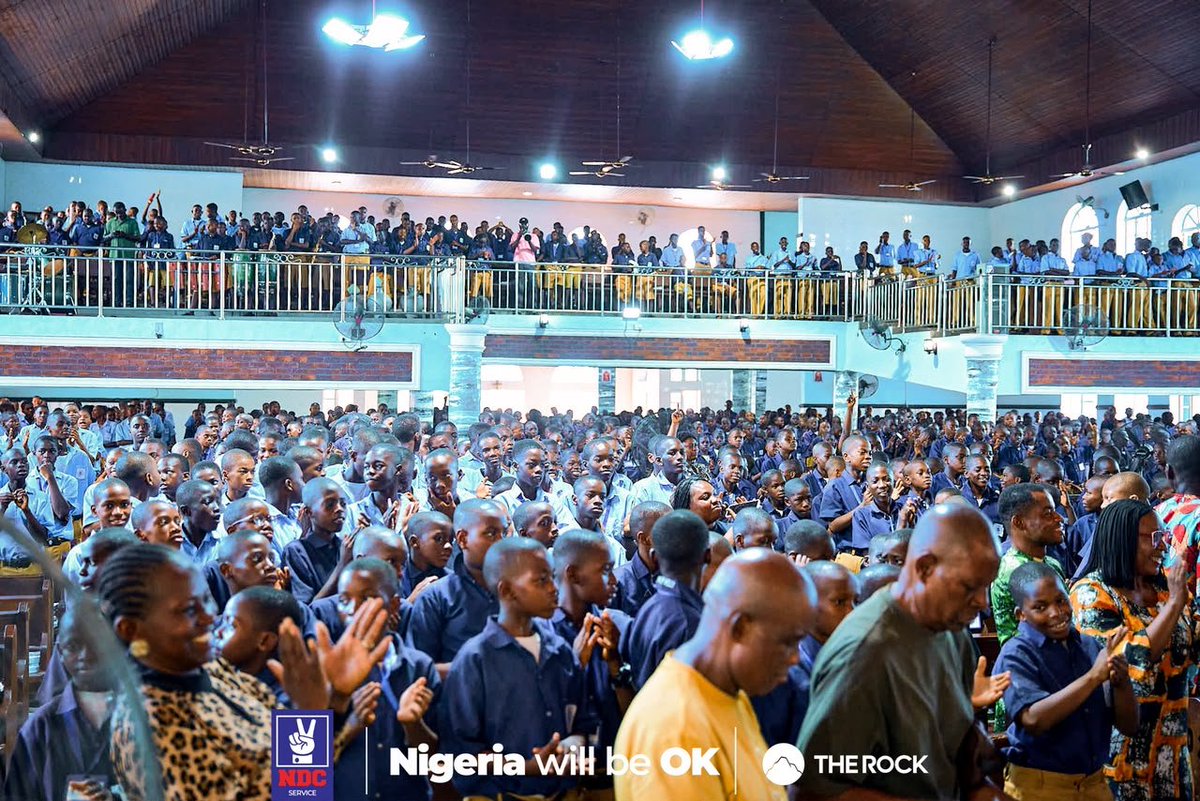
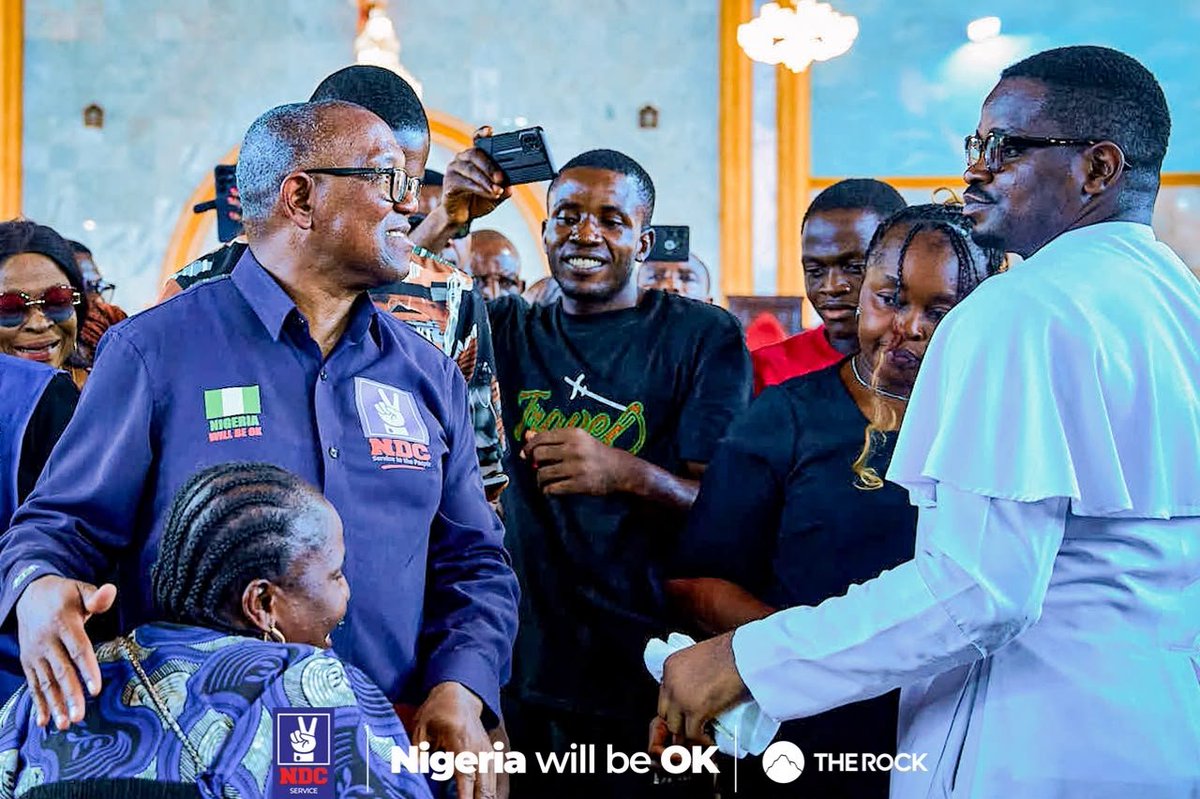
Each year, my alma mater, Christ the King College (CKC), Onitsha, invites me to its celebration of the Feast of Christ the King, scheduled for this Sunday, November 22. Although my demanding campaign schedule will prevent me from attending this year's ceremony, I made a brief visit to the school today while on my way to engage with traders and residents of Onitsha.
It was a warm and memorable visit, and I was graciously received by the School Administrator and Senior Prefect. In my interaction with the students, I emphasised the importance of education, urged them to remain focused and dedicated, and reminded them that Nigeria's future President could emerge from among them.
I also inspected the newly constructed Teachers' House, a project I facilitated with the support of friends to strengthen the school's teaching and learning environment.
CKC remains an enduring part of my life's journey, having shaped my values, discipline and sense of responsibility. I remain grateful for this lasting bond.
Wherever life takes us, the values of our alma mater remain with us. CKC will forever be home. -PO
NIGERIANS, GO AND VERIFY (4)
Building a Healthy Nation: Our Health Sector Record in Anambra
Peter Obi
In the previous instalment of this series, I discussed our investments in education and explained why we considered human capital development central to the progress of Anambra State. Another sector that received considerable attention under our administration was healthcare. We understood that education gives people the tools to build their future, while good healthcare enables them to live healthy and productive lives.
When we assumed office in 2006, the healthcare system in Anambra faced serious challenges. Our health institutions required rehabilitation, medical equipment was inadequate, many communities lacked accessible primary healthcare facilities, and several medical training institutions had not secured accreditation. We therefore decided to approach healthcare as a comprehensive development priority, rather than concentrate resources on a few prominent hospitals.
Under our Anambra Integrated Development Strategy (ANIDS), we invested simultaneously in primary, secondary, and tertiary healthcare, medical training, maternal and child health, medical equipment, and partnerships with religious and private institutions.
Our approach was simple: healthcare should be accessible to people wherever they live, and the quality of treatment they receive should not depend on their status or whether they live in a city or a rural community.
Building a Teaching Hospital and College of Medicine
One of our most significant achievements was the establishment of the Chukwuemeka Odumegwu Ojukwu University Teaching Hospital at Awka.
We initiated, constructed, equipped, and secured accreditation for the institution, building it virtually from scratch. When I discovered that the state university was admitting medical students without having a teaching hospital through which they could complete their training, possibly with the intention of assigning them elsewhere, I considered the situation unacceptable. We therefore embarked on the construction of a modern teaching hospital to address this deficiency.
We constructed more than 25 buildings and provided facilities for the College of Medicine, laboratories, pathology, accident and emergency services, pediatrics, male and female wards, special wards, consultant clinics, and other essential departments.
We also provided vehicles, including ambulances and staff buses, to support the hospital and the College of Medicine as part of the accreditation requirements.
The objective was not merely to build another hospital but to establish an institution capable of providing specialist healthcare while training the next generation of Nigerian medical doctors.
Rehabilitating General Hospitals
We also recognized that a teaching hospital alone could not meet the healthcare needs of the population. General hospitals had to function effectively because they provide the essential link between primary healthcare and specialist treatment.
We rehabilitated and resuscitated 15 general hospitals across the three senatorial zones of Anambra State. We undertook substantial improvements in their buildings, wards, equipment, and general facilities.
In 2013, we provided ₦400 million for the ongoing renovation of 11 selected general hospitals, alongside other healthcare interventions.
Our intention was to ensure that people did not have to travel unnecessarily long distances to obtain basic secondary medical care.
Taking Primary Healthcare to the Communities
We believed that the best healthcare system is one that prevents illnesses and treats people early, rather than one that waits until minor health problems become emergencies.
That informed our extensive investment in primary healthcare. We built over 120 primary healthcare centers across communities in the 177 autonomous communities of Anambra State and rehabilitated existing facilities.
CLARIFICATION: MY MEETING WITH US CONGRESSIONAL LEADERS WAS NOT AN ENDORSEMENT-SEEKING MISSION
I wish to address the inaccurate interpretation presented in certain media reports concerning my recent engagements with members of the United States Congress in Washington, DC.
As I expressly noted in my remarks, my visit to the United States was not intended to secure an endorsement, and I did not characterise my meetings as endorsements of my political aspirations by the US Congress or any of its members.
The primary purpose of the visit was to engage with congressional leaders and other influential American stakeholders, exchange perspectives, and discuss matters related to Nigeria’s development, the welfare of our citizens and, most importantly, the consolidation of our democracy.
I am especially concerned with strengthening democratic institutions, advancing accountability, and ensuring that Nigeria’s electoral process produces elections that are free, fair, transparent and credible. These matters should concern every Nigerian who is committed to our country’s future.
I consider engagements of this kind valuable, and I encourage other Nigerian political leaders, especially those seeking public office, to pursue similar discussions with international stakeholders. Our democracy can be strengthened through constructive dialogue, the exchange of experiences and a shared commitment to credible elections.
Nigeria’s democratic future is far too consequential to be distorted by sensational headlines or inaccurate interpretations. My mission centred on Nigeria, its people and the future of our democracy—not on endorsing any individual. -PO
International Engagements to Strengthen Nigeria’s Democracy Continue.
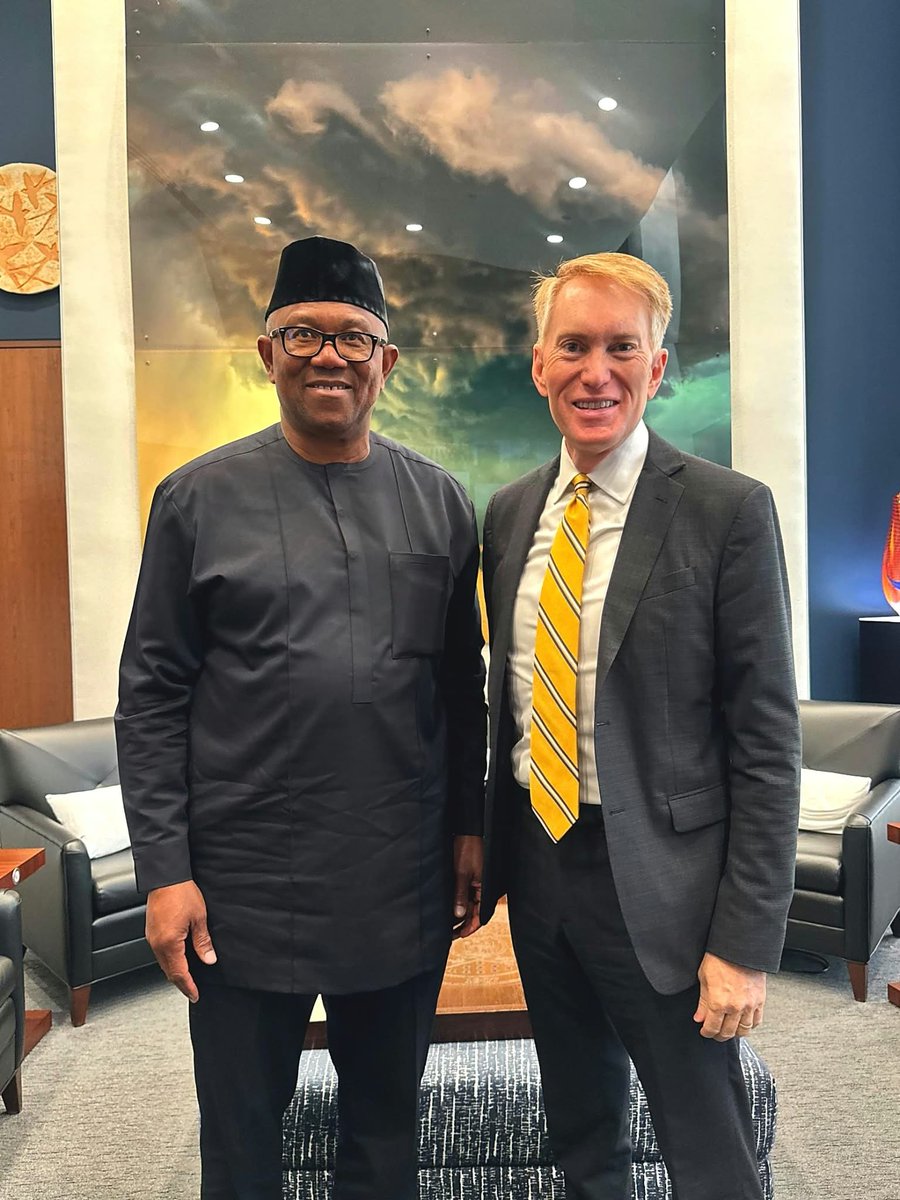
Yesterday, November 17, the second day of our engagements on Capitol Hill in Washington, D.C., we visited the United States Senate and met with some senators, including Senator James Lankford, who kindly invited me over to his office.
I am deeply grateful to Senator Lankford for his warm reception, generous time, and meaningful exchange of views on strengthening democratic institutions, fostering peace, and promoting our shared values.
Our conversations underscored the importance of international collaboration, effective governance, credible democratic processes, and the security and well-being of all Nigerians.
These engagements offer a further opportunity to deepen relationships and advance our shared vision of a peaceful, united, and prosperous Nigeria.
Our commitment to building a nation that serves every Nigerian remains steadfast.
A New Nigeria Is POssible! -PO
NIGERIANS, GO AND VERIFY (2)
Building the Institutions of the State
Peter Obi
In Series 1, I explained the philosophy that guided our administration in Anambra State: governance as a public trust, anchored on character, competence, capacity, and compassion. I also introduced the Anambra Integrated Development Strategy (ANIDS), our comprehensive framework for achieving balanced and sustainable development across all sectors.
But a development vision, however noble, cannot succeed without strong institutions to drive it. Before the government could effectively deliver on its promises in education, healthcare, infrastructure, security, and other sectors, we had to first restore the machinery of government itself. We could not build a prosperous state on a cracked and unstable foundation.
This was why one of our foremost priorities under ANIDS was to rebuild, strengthen, and reposition the institutions of government. When I assumed office, the physical and administrative architecture of governance was in a deplorable condition. Our task was not simply to construct buildings but to restore the institutions, systems, and structures through which government could function effectively.
We therefore began systematically rebuilding the infrastructure of governance across the executive, legislature, judiciary, civil service, and local government system.
Restoring the Seat of Government
The Government House in Awka, the state capital, had been vandalised and burnt by reactionary forces in 2004. We therefore had to rebuild, re-equip, and furnish it, restoring its dignity and functionality as the seat of executive government.
In the same vein, we rehabilitated the Governor’s Lodge in Amawbia and constructed a new Governor’s Lodge in Onitsha. These investments were intended not merely to provide accommodation but to strengthen executive presence and facilitate effective governance across the state’s major administrative and commercial centres.
Strengthening the Legislature and Judiciary
We rehabilitated the Anambra State House of Assembly Complex in Awka, providing our lawmakers with a more conducive and decorous environment in which to discharge their constitutional responsibilities. We also provided legislators with vehicles to facilitate the effective performance of their legislative duties.
We recognised that a functioning democracy requires strong institutions, including an effective legislature and an independent judiciary, each operating within its constitutional mandate.
In strengthening the judiciary, we provided brand-new vehicles to High Court judges. This was the first time such provision had been made for them in the history of the state. We also provided vehicles to magistrates for the first time since the creation of Anambra State.
These interventions were intended to strengthen the administration of justice, improve mobility, and enable judicial officers to discharge their responsibilities more effectively.
Rebuilding the Civil Service: The Chief Jerome Udoji State Secretariat Complex
Before our administration, many Ministries, Departments, and Agencies (MDAs) operated from scattered rented apartments, while civil servants lacked a centralised and decent working environment. This untidy arrangement undermined coordination, efficiency, and the dignity of public service.
We addressed this situation by constructing the two-phase, ultra-modern Chief Jerome Udoji State Secretariat Complex, comprising Blocks 1 and 2. The project brought the MDAs together under one roof, improved administrative coordination, and provided civil servants with a more suitable environment in which to serve the people.
The complex was named after Chief Jerome Udoji, the first indigenous Chief Secretary (the equivalent of today’s Secretary to the State Government) of the Eastern Region during the First Republic. This was also a recognition of his contribution to public administration and the civil service tradition.
If you follow team sports, you will know that when the referee is the news after every game in which he officiates, something is wrong.
In #Nigeria, a political fight has broken out over how to address judges who have established a clear record of taking sides in party political disputes & without consequences.
At the centre of this fight are 2 judges.
1st, meet #PeterLifu.
He's a judge of @FederalHigh, described as "one of the most discussed judges in Nigeria’s recent judicial history."
Read that quote again, but this time without "one of".
His court appears to be a magnet with an implausible attraction to the most important cases involving the political interests of @GovWike, Nigeria's powerful Minister of the Federal Capital Territory, who has a famous beverage problem.
The verdicts at the end of these cases are routinely & deeply felicitous of interests beholden to Nyesom Wike.
These sentences above exist on the factual side of allegation.
It's naked & partisan politics dressed in judicial apparel, under #RuseOfLaw.
This is a good point at which to introduce the 2nd judge in this saga.
His name is #JohnTsoho.
He is the Chief Judge of @FederalHigh.
In most other countries, #algorithms today manage case assignment. In Nigeria, the Chief Judge does.
That is power in excelsis!
If the court of Peter Lifu is magnet for cases concerning Nyesom Wike, Chief Judge John Tsoho creates the force of attraction that makes their relationship with Peter Lifu's court precisely implausible.
On 19 May 2026, Chief Judge John Tsoho assigned a case file to Peter Lifu.
It asked him to nullify the entire slate of candidates to be fielded by opposition party, @ADCNig , in #NigeriaDecides2027.
On that date, Peter Lifu was already presiding in another case seeking deregistration of #ADC.
Nyesom Wike is an avowed surrogate of incumbent president, @officialABAT .
On 25 May 2026, @NGCourtofAppeal ordered Peter Lifu to stay proceedings in the case.
Defying the order, Peter Lifu delivered an obliging judgment on 15 June 2026, dutifully de-registering the ADC.
Predictably, Peter Lifu did not at this point see that it had become untenable for him to continue to handle the 2nd case to nullify the candidate list of the ADC.
And John Tsoho saw nothing wrong with him continuing to.
On 28 July, the @NGCourtofAppeal over-turned Peter's judgment. It took a very dim view of his conduct, describing it as the "highest level of judicial impertinence" & him as "a misfit on the bench."
The #ADC sought to recuse him from the 2nd case.
Peter Lifu was undeterred.
John Tsoho did not budge.
On 5 Nov, Peter Lifu obligingly nixed the entire candidate list of the ADC.
A lawyer called Peter Lifu a #CoconutJudge on TV, in a programme with @seunokin, before withdrawing it.
@NigBarAssoc says that it has referred the lawyer for disciplinary proceedings.
Only those who can say for certain what #CoconutJudge means should respond to this message.
https://t.co/MTA9Ek63Hq
WASHINGTON, DC : PRESENTING NIGERIA’S DEVELOPMENT AND DEMOCRATIC FUTURE ON THE GLOBAL STAGE.
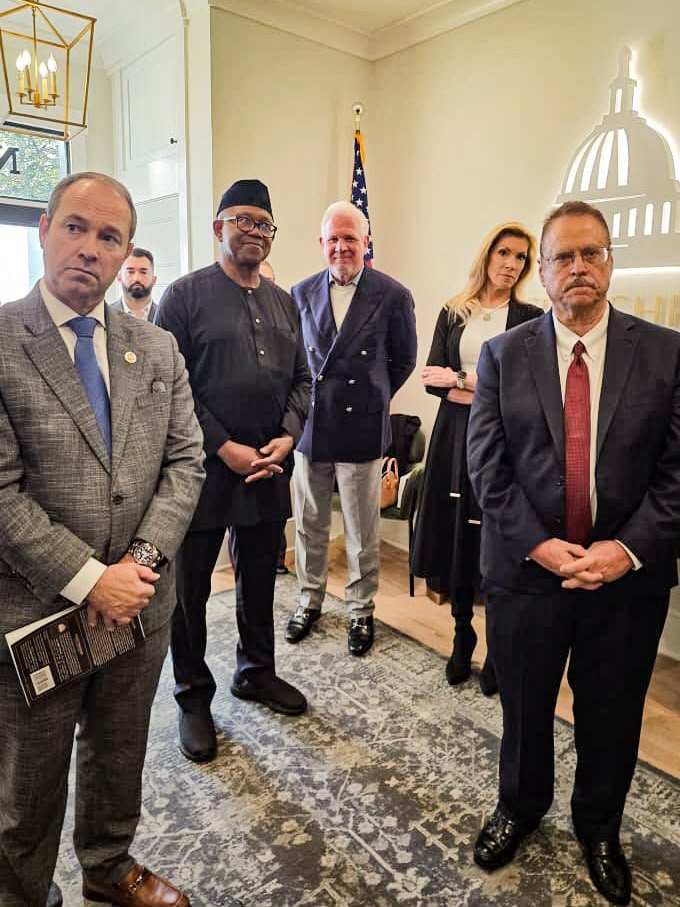
Yesterday, Monday, November 16, I arrived in Washington, DC, for a series of significant meetings and engagements with congressional leaders from both the U.S. House of Representatives and the Senate, as well as other influential American figures. These discussions focused on vital matters affecting Nigeria’s development, the well-being of our people, and the future of our democracy.
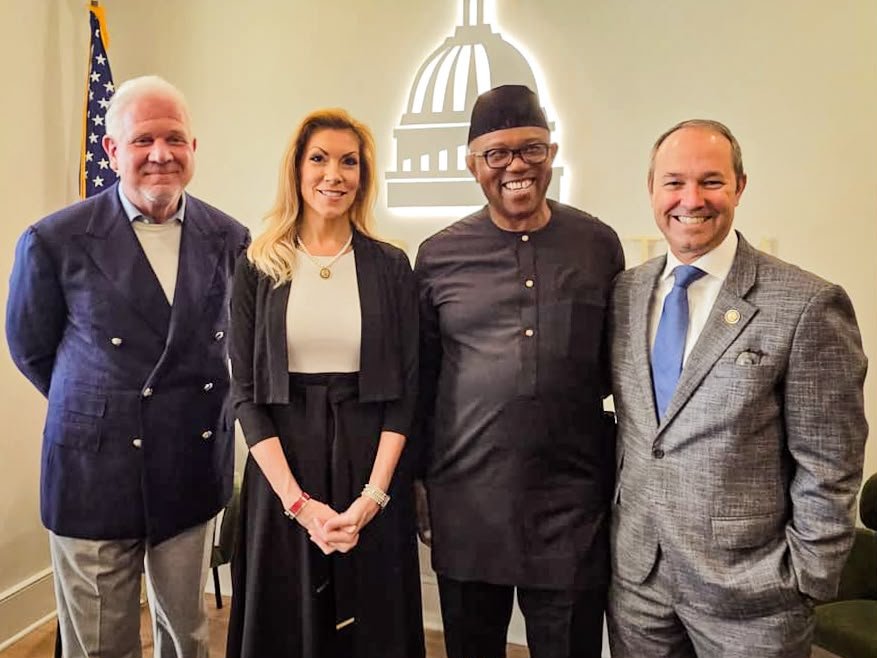
I began the day with a substantive interview with renowned American television commentator Glenn Beck. Our conversation addressed Nigeria’s challenges, the pressing need for accountable leadership, the responsible management of our vast human and natural resources, and the opportunities to establish Nigeria among the world’s leading nations.
I also met with prominent American leaders, including Congressman Marlin Stutzman, Congresswoman Beth Van Duyne, Congressman Todd Tiahrt, Suzanne Bock Grisham, retired U.S. Army Colonel Albert V. Short, and other esteemed stakeholders.
One of the day’s principal highlights was my address on Capitol Hill, during which I underscored the urgent importance of international cooperation and support for Nigeria’s advancement, particularly in the areas of national unity, security, economic prosperity, and the welfare of our citizens.
Our conversations also addressed the protection of Nigeria’s emerging democracy and the strengthening of democratic institutions to ensure elections are free, fair, transparent, and credible, accurately reflecting the will of the Nigerian people.
Nigeria has immense potential to emerge as a leading nation within the global community. What is urgently required is accountable leadership, responsible stewardship of our resources, resilient institutions, and an authentic commitment to the security, unity, and well-being of every Nigerian.
Throughout these engagements, my message remained unequivocal: Nigerians must determine Nigeria’s future. Every vote must be counted, the rights of every citizen must be safeguarded, and the people’s will must consistently prevail.
I remain encouraged by these engagements and firmly committed to working with Nigerians at home and in the diaspora, alongside our international partners, to build a peaceful, secure, united, and prosperous Nigeria.
Our journey continues. Our determination remains steadfast.
A New Nigeria is POssible! -PO
“Peter Obi is a true leader. He succeeded where others have failed. When he was governor, he spoke directly to the people. He is a man who puts public interest first before even considering his personal interests.”
- U.S. Congressmen in Washington, D.C. yesterday sings praises of Peter Obi
Peter Obi takes Washington, DC, USA by storm! 24 hours. Capitol Hill. The White House. U.S. congressional leaders. One powerful message: Nigeria deserves free, fair and credible elections!
One song. Four expressions. Unlimited praise! 🔥🦁
THE TRIBE OF THE LION OF JUDAH is out now! Experience this powerful song in four exciting expressions: Jazz, Reggae, Afrobeat and Pop Rock.
Now streaming on all platforms! Listen, enjoy and share with your friends and loved ones. ❤️
Which expression are you vibing with the most? 👀🔥
#TheTribeOfTheLionOfJudah #DrPaulEnenche #OutNow
@PeterObi This is sad and dangerous slipping away of our hard earned democracy. Governors especially of the ruling parties must show commitment to ensuring peaceful campaigns in their territories. Mr. President must show commitment that it is not the voice of Jacob and the hands of Esau.
ATTACK ON SENATOR KWANKWASO’S CONVOY IN BICHI: I CALL FOR IMMEDIATE INVESTIGATION AND ARREST OF PERPETRATORS
I am deeply saddened by reports of the attack on the convoy of my brother and running mate, Senator Rabiu Musa Kwankwaso, and members of his entourage in Bichi Local Government Area of Kano State.
I strongly condemn this unfortunate incident. Reports indicate that several members of the entourage sustained injuries, while about seven vehicles were vandalised. This is unacceptable and must not be allowed to become part of our political culture.
Democracy is not warfare. Political differences should never be a reason to resort to violence, intimidation or the destruction of property. Every Nigerian, regardless of political affiliation, has the constitutional right to participate in the democratic process without fear of attack.
We must not allow violence to take the place of dialogue, nor intimidation to silence those who hold different political opinions. Our democracy can only grow when we respect one another, uphold the rule of law and recognise that political competition is not a battle against fellow Nigerians.
I therefore call on the Nigeria Police Force and all relevant security agencies to immediately investigate this incident, identify those responsible, including anyone found to have sponsored the attack, and ensure that they are brought to justice. No individual should be above the law, regardless of political position or influence.
I stand in solidarity with Senator Kwankwaso, the Kano State NDC leadership and everyone affected by this incident. I also wish those injured a speedy recovery.
Our commitment to building a new Nigeria remains unwavering. We believe that change must come through peaceful engagement, persuasion, ideas and the ballot, not violence.
Nigeria belongs to all of us. We may belong to different political parties, but we remain one people with a common destiny. No political ambition is worth the life of any Nigerian.
A new Nigeria is POssible. -PO
FACTS OVER FALSEHOODS: THE NATIONAL ANTHEM WAS SUNG AT THE NDC TOWN HALL!
For media platforms and individuals circulating claims that the National Anthem was not sung at the NDC Lagos Town Hall, the facts deserve to be put on record.
For the avoidance of doubt, BOTH VERSIONS OF THE NATIONAL ANTHEM WERE SUNG at the event.
The Youths sang the former national anthem. Shortly after that, the National Anthem was sung.
We have video evidence documenting the proceedings, and we encourage everyone to verify the facts before publishing or sharing misleading accounts.
Truth matters. Accuracy matters. Responsible journalism matters.
THE RECORD IS CLEAR. WE HAVE THE EVIDENCE!
NDC! SERVICE TO THE PEOPLE.
@PeterObi@GuardianNigeria@NigeriaNDCHQ@ruffydfire