Each week we share #SolanaceaeOfTheWeek to highlight the incredible diversity of the #Solanaceae family.
Get involved by telling us about your favourite Solanaceae species/genus by completing this form:
https://t.co/oEwGFCfCMm…
#SolSeminarOnline
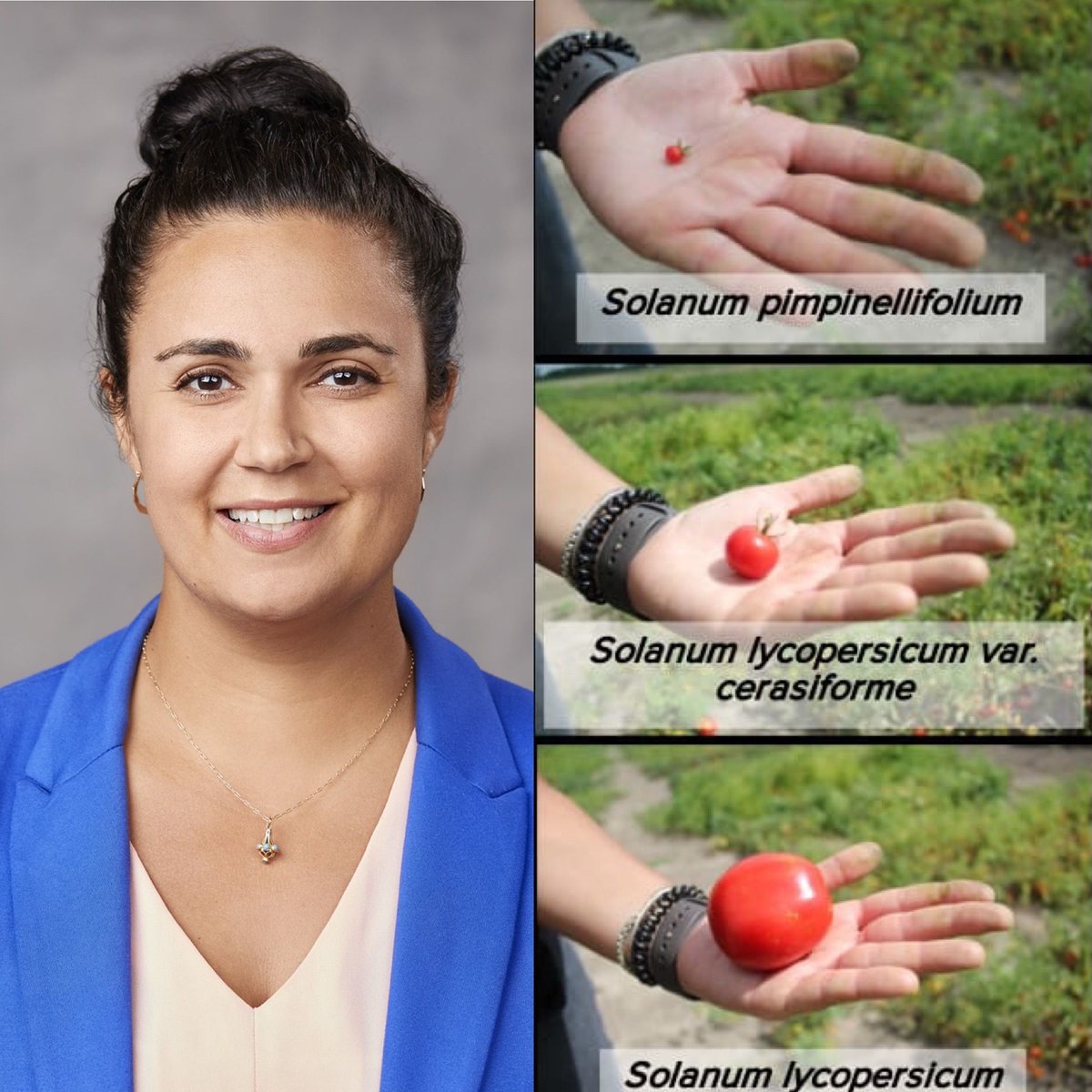
Last Friday, we were back on #SolSeminarOnline! Jessica Cooperstone’s talk titled “Towards understanding the chemical basis for the health benefits of tomato-rich diets” 🍅🌱🍅
More info => https://t.co/xxRrMgGFLs
Watch it here -> https://t.co/xkAFSNsPxL
#solanaceae
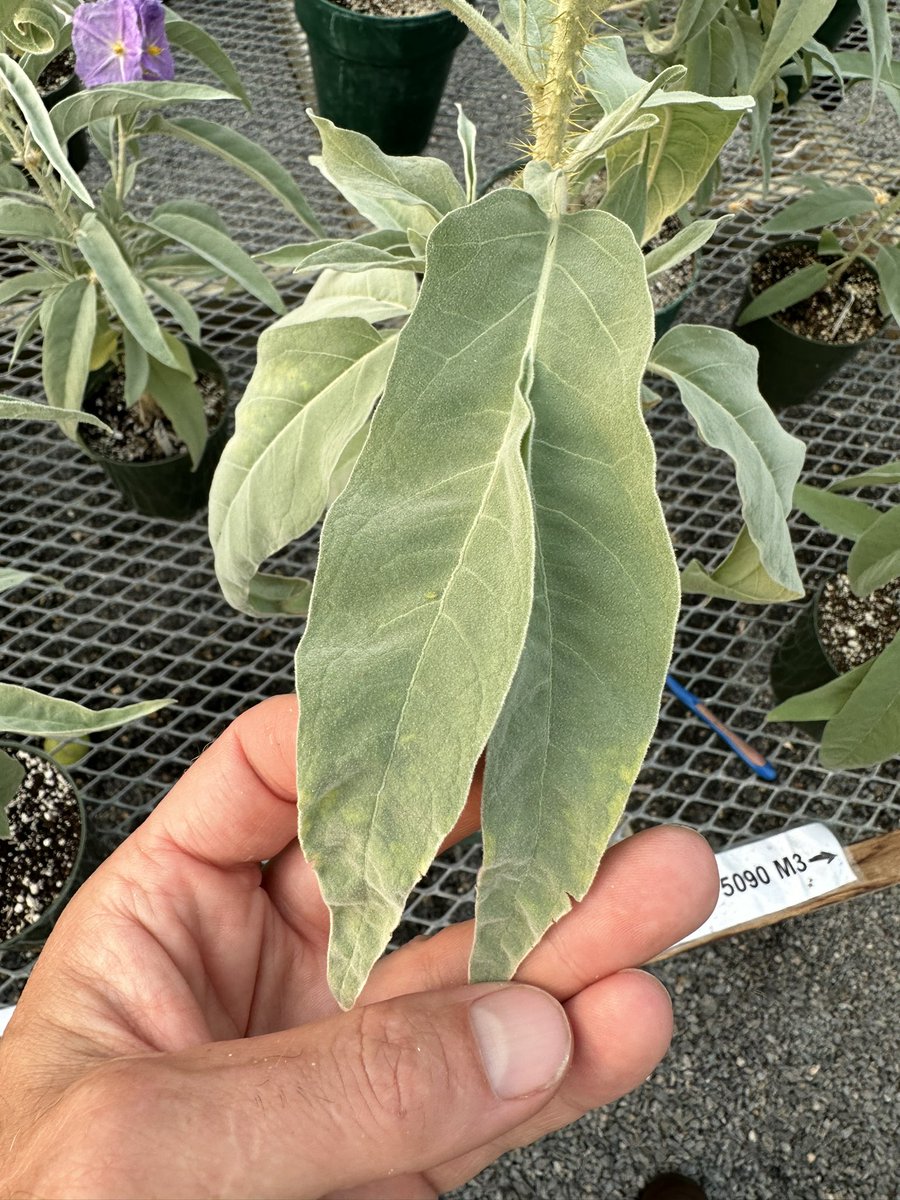
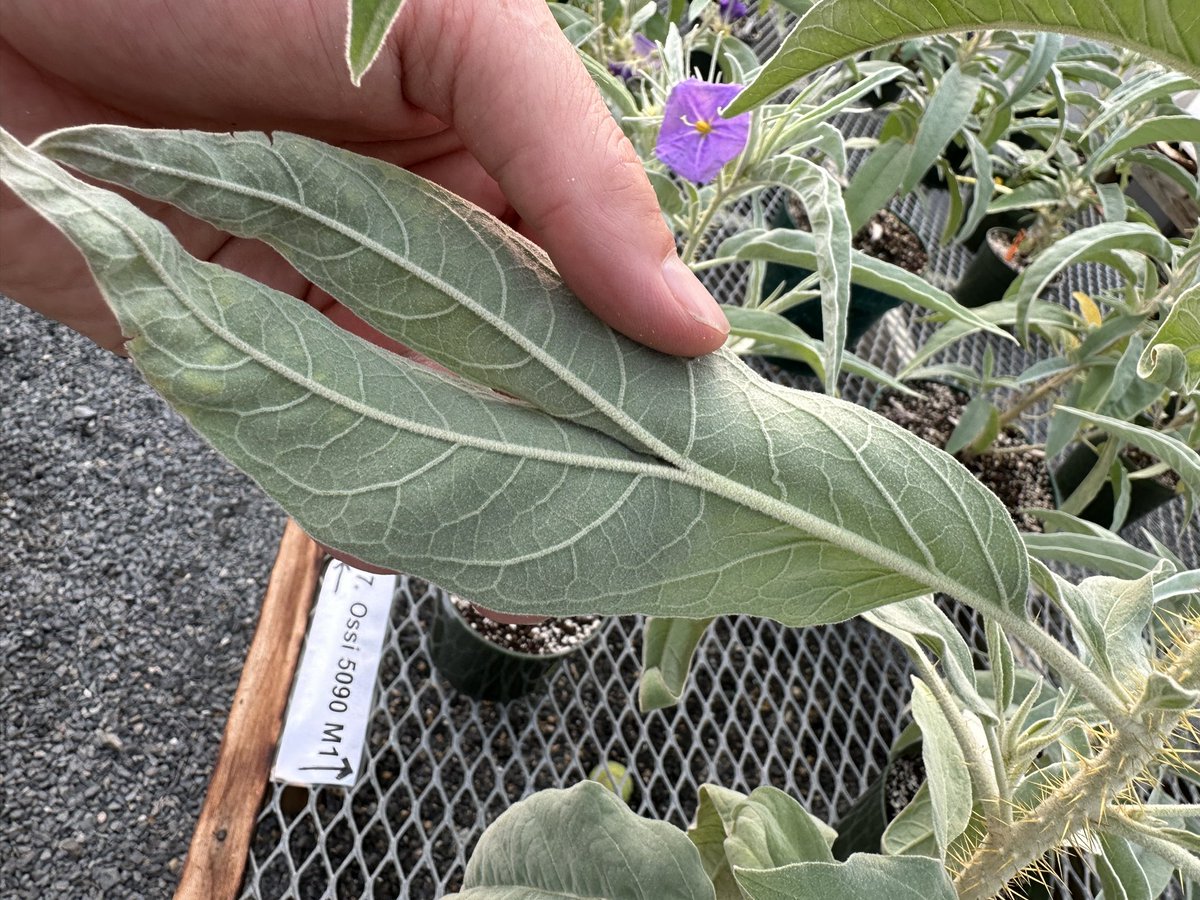
Our cultivated Aussie #Solanum plants will occasionally make flowers with too many parts… but I don’t think we’ve ever had one do this before. S. ossicruentum has always been full of surprises, though.
#iamabotanist
Interested in trait evolution in one of the largest genera of plants? This paper is for you! #Solanum
Congratulations @PassifloraTree and all co-authors! @//onlinelibrary.wiley.com/doi/full/10.1002/tax.12990
@RBGE_Science
Interested in #Solanaceae science? #SOL2023 conference registration is open. This year is organised by @tai_helen and Martina Stromvik in the wonderful Montreal. More information at: https://t.co/Hs3CQBWetG
This was a fun essay to write with @chelsea_pretz who discovered that self-incompatibility in her Physalis faded as the plants aged, a process we call 'developmental decay' (to distinguish it from plastic changes in SI). We bet it's a widespread phenomenon if we were looking!
Our paper, with Dr Kai Wei and @tellierlab about genomics of colonization stressful habitats around the Atacama in a wild tomato species, is out in @NewPhyt
References:
Gonzáles et al. 2018. Diversidad y distribución del género Salpichroa (Solanaceae), con énfasis en los Andes peruanos. Darwiniana, nueva serie, 6(1), pp.24-34.
Salpichroa weberbaueri [Dammer ] (https://t.co/3uRca103K8)
(4/4)
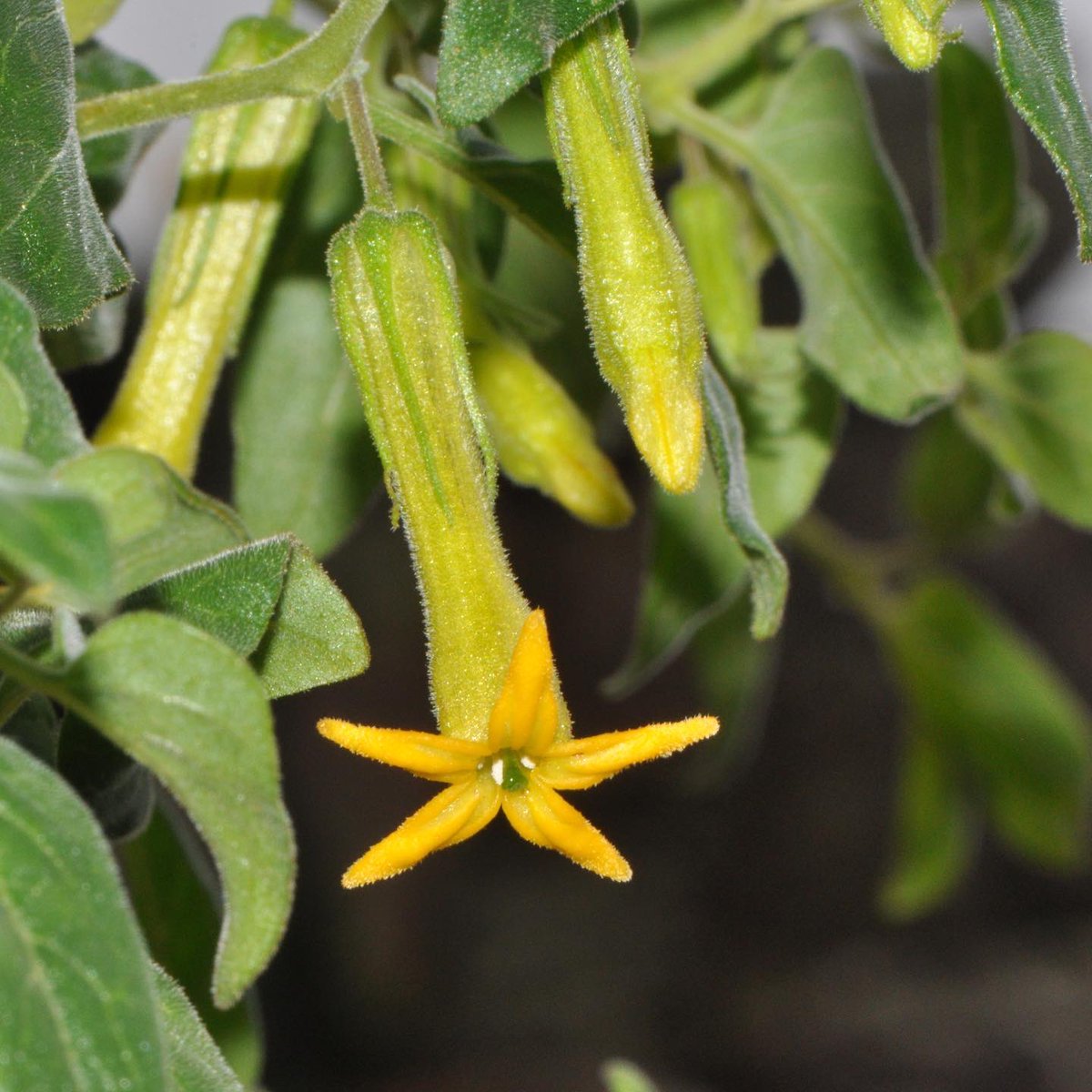
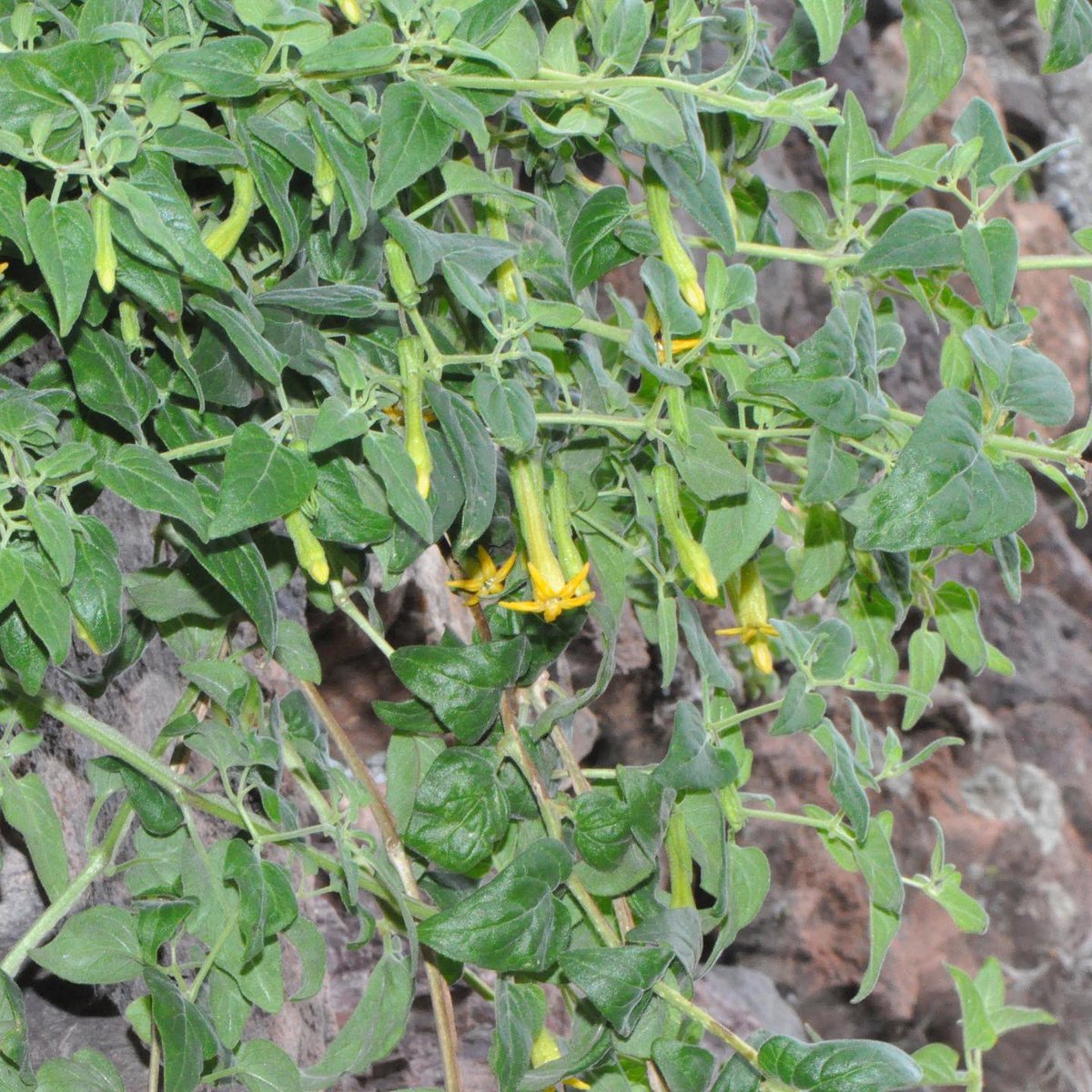
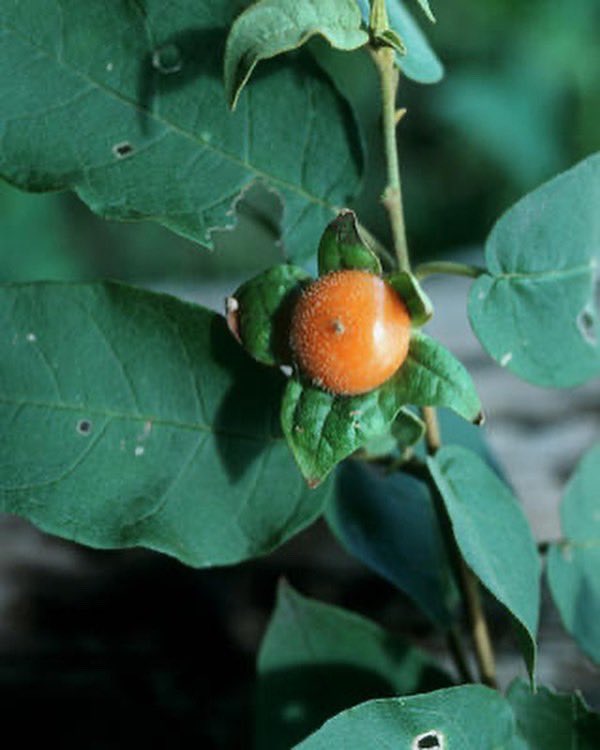
This week’s #SolanaceaeOfTheWeek is Salpichroa weberbaueri Dammer a species of nightshade native from Ecuador to Peru, where it is found growing primarily in subtropical biomes. In Peru it inhabits mainly the thickets of the western slope of the Andes, …
CC-BY 📸 S.Knapp
(1/n)
corolla tube widened in the upper third (constricted in S. microloba) and the triangular corolla lobes horizontally spreading to only slightly reflexed (compared to fully reflexed S. microloba).
(3/n)
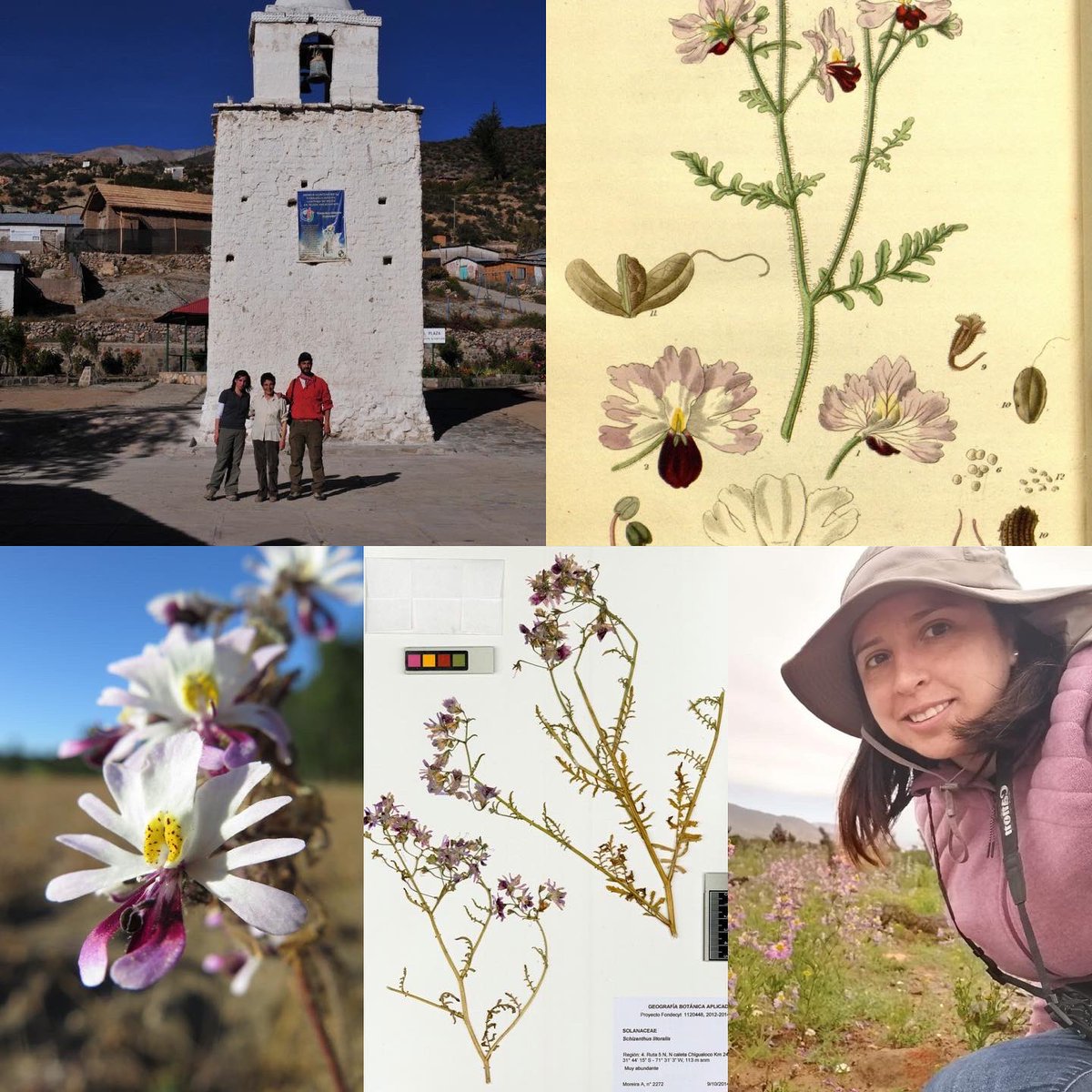
And if you missed Vanezza Morales’s talk titled “Schizanthus: the backstage of a synopsis and future perspectives”, you can watch it here -> https://t.co/s0mzLkbrpI
#solseminaronline
@LCWheeler9000
@RocioDeanna
@PassifloraTree
@LeandroGiacomi7
Join #SolSeminarOnline this Friday, the 9th of December 2022 for Vanezza Morales’s talk titled “Schizanthus: the backstage of a synopsis and future perspectives”
🌼🌸🌺
For more information => https://t.co/xxRrMgGFLs
Join #SolSeminarOnline this Friday, the 9th of December 2022 for Vanezza Morales’s talk titled “Schizanthus: the backstage of a synopsis and future perspectives”
🌼🌸🌺
For more information => https://t.co/xxRrMgGFLs