I’ve been thinking a lot about how to articulate AI use and its impact on Students. Here is a piece that sums up an assembly I delivered last week. Come for the heuristic, stay for the frosted tips!
https://t.co/Vd8JZPzrsg
We’ve adapted our ‘Classwork Check Up’ sheet to a termly version. The whole year on one sheet! Mainly to reduce workload yet maintain standards. Verbal reviews, feedback and prompts take place daily but this acts as a defined milestone for both staff/students. #historyteacher
I'm fundraising for British Heart Foundation. Check out my @JustGiving page and please donate if you can. Thank you! #JustGiving https://t.co/kwTC4de8ht
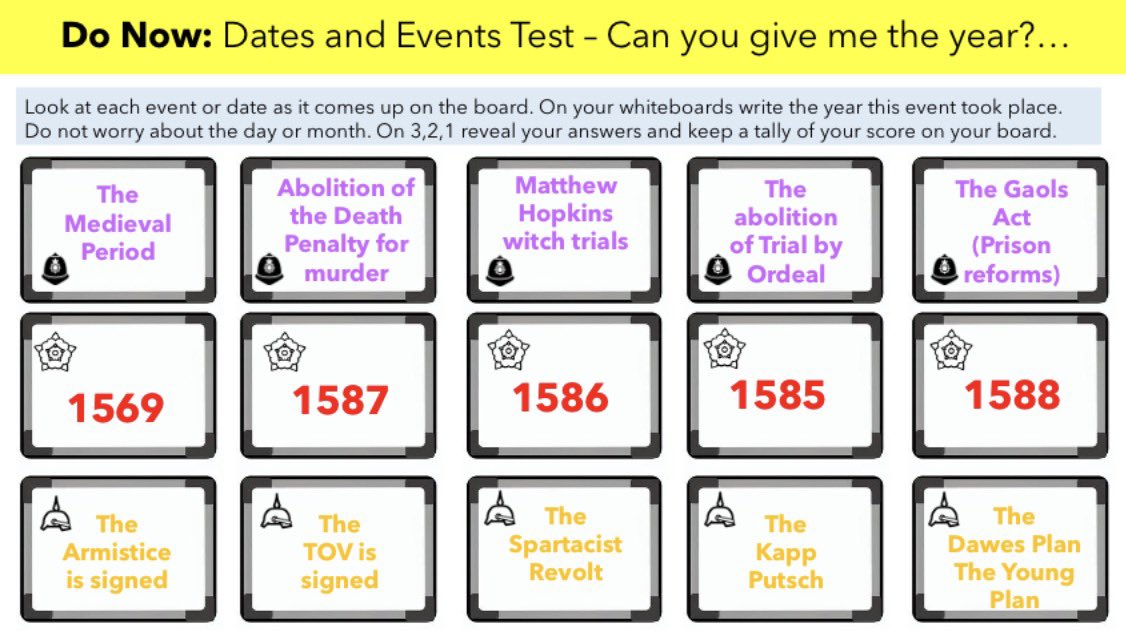
Mini whiteboards have been perfect for date and event recall. Interleaving with crime and punishment and Elizabeth whilst tackling Weimar Germany. Useful to have this format on the main board as a visual for questioning or to adapt as a written test. #historyteacher
@adamboxer1@amymayforrester The fact this has not already had 100s of RT and comments demonstrates how X/Twitter has withered as a forum for discussion. Always listen when you tweet Adam. Now I’m not optimistic
For a very long time, I was optimistic about the future of education in this country.
This time last year, @amymayforrester and I predicted that when the next round of PISA results came out, England would tick up. There had been 15 years of positive change in the sector, and we thought that would pay dividends.
That then came to fruition. England is doing well, especially compared to countries that are similar in many demographic and social respects, but have different education systems.
But now, I am worried. There are lots of things going on that I think are problematic. The current government and DfE seem hell-bent on reforming a sector that does not need reform, and introducing changes that will row back some of the gradual improvements we have seen. Ofsted seem stuck in a mire of unpopularity, and are unable to convince the profession or the public that they are a force for school improvement. Big, respected, organisations that hold government contracts and an important place in the sector do not seem to be delivering. None of these groups are bad actors, and I really do believe they all want what's best, but that isn't always enough.
Alongside that, we seem to now lack the public discourse infrastructure to adequately challenge these issues. The 2012-2019 years on Twitter were ones of fierce debate and criticality, and ideas could be well-tested before, during and after implementation.
That doesn't exist any more. The debate seems so much flatter. That's partly a numbers game: social media has become a less popular place. But also, politically and commercially, more and more "big voices" find it harder to make public statements and take strong positions on things. It's easier to get in line and bend with whatever winds happen to be blowing at the minute, and you often see people taking surprising and contradictory positions. Critically, I don't exempt myself from this, and know that there are things I would have said 5 years ago that I won't now.
For the first time in a while, I'm worried. I am certainly no longer optimistic.
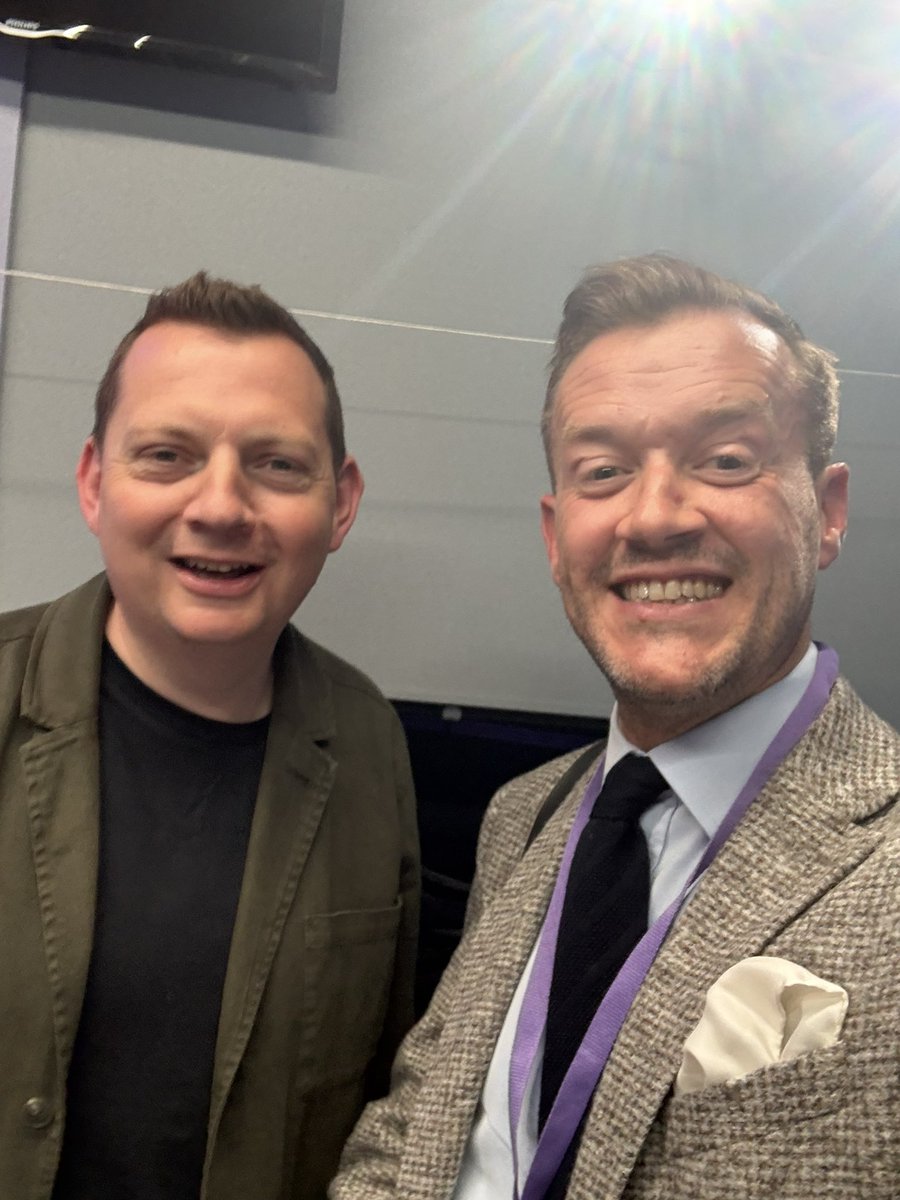
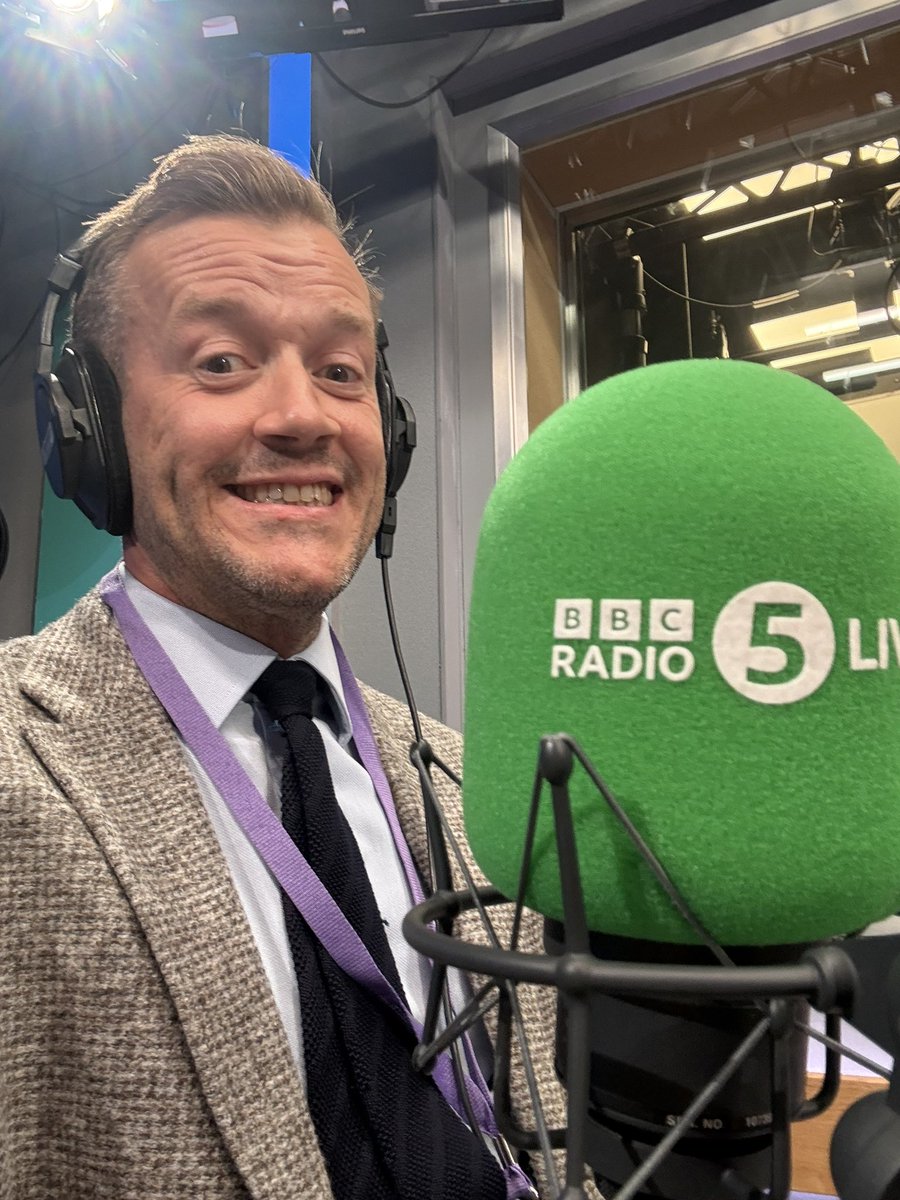
What a privilege to speak to @MattChorley on @bbc5live about A-Level politics. So great to hear from enthusiastic students like Joe, Olivia and George. The campaign to get Matt to study for an Alevel starts now!
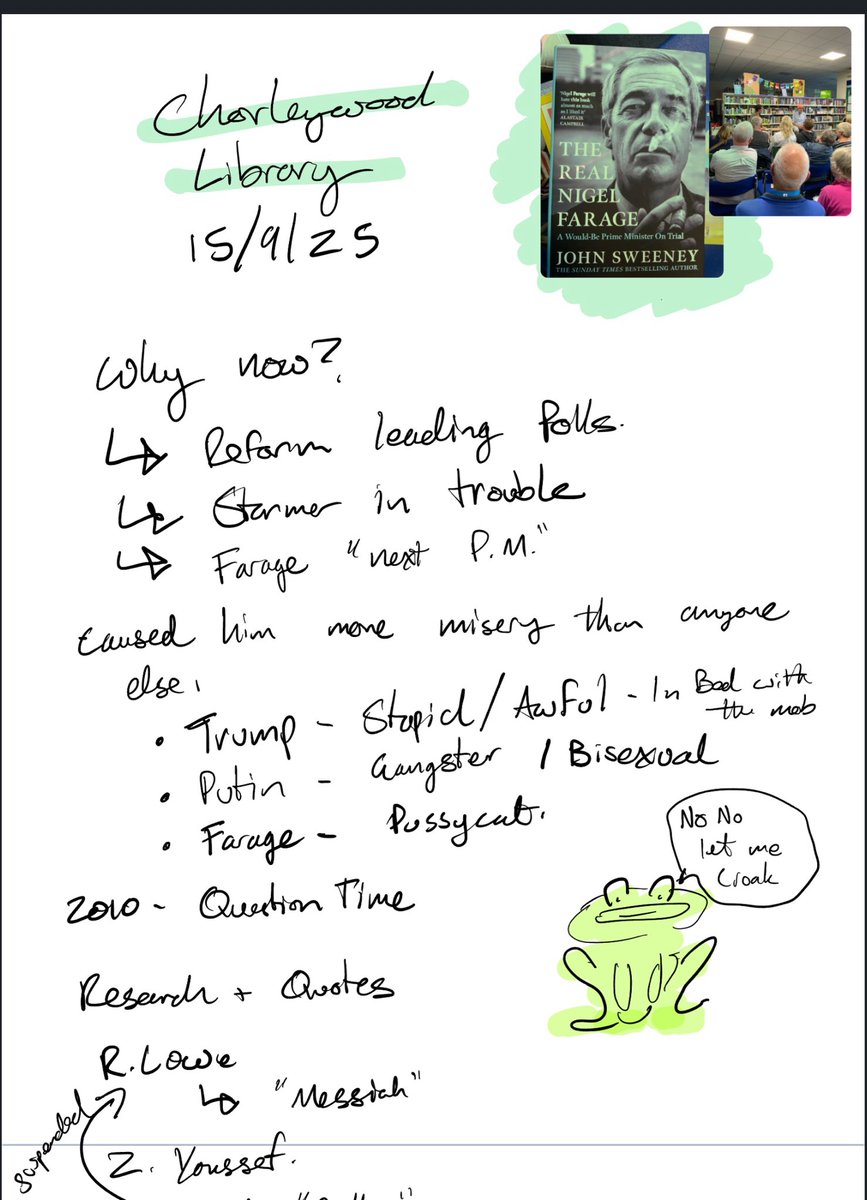
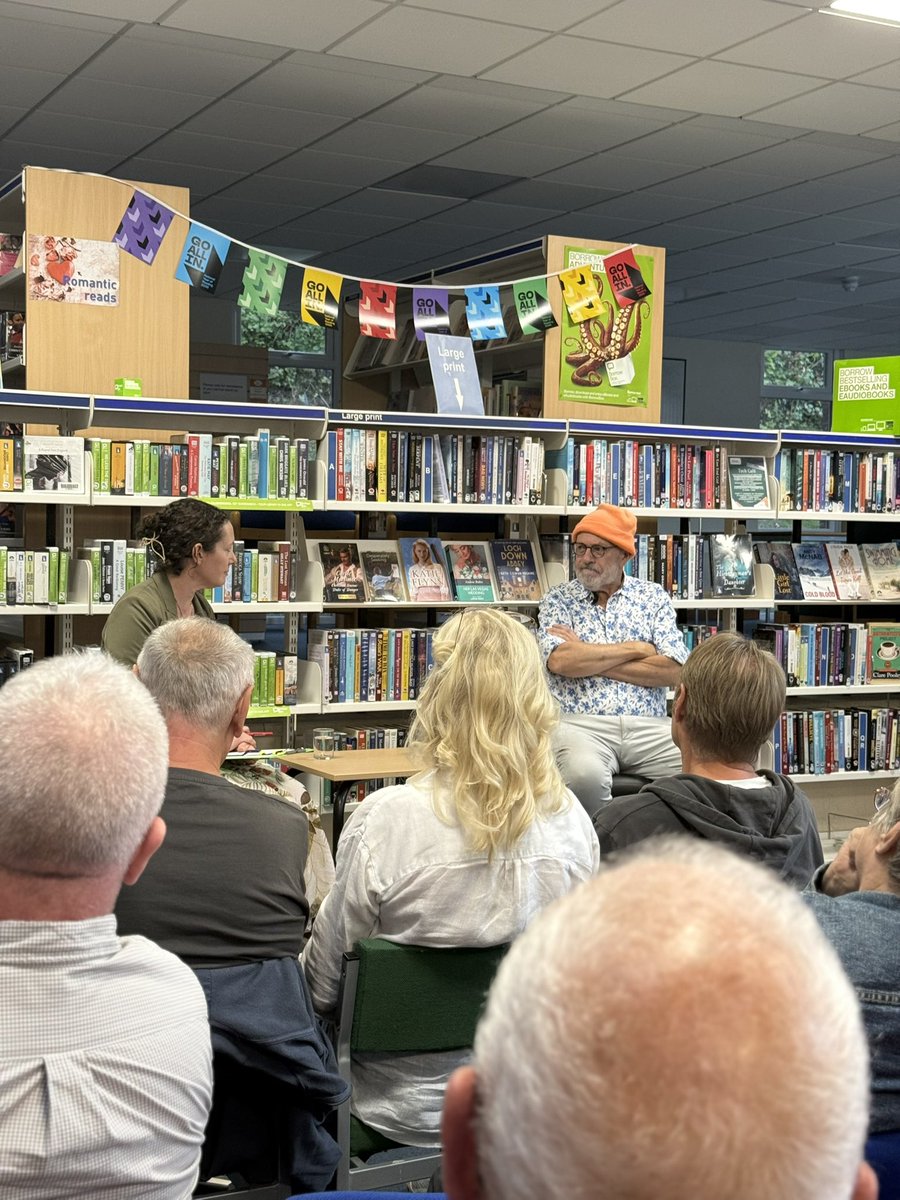
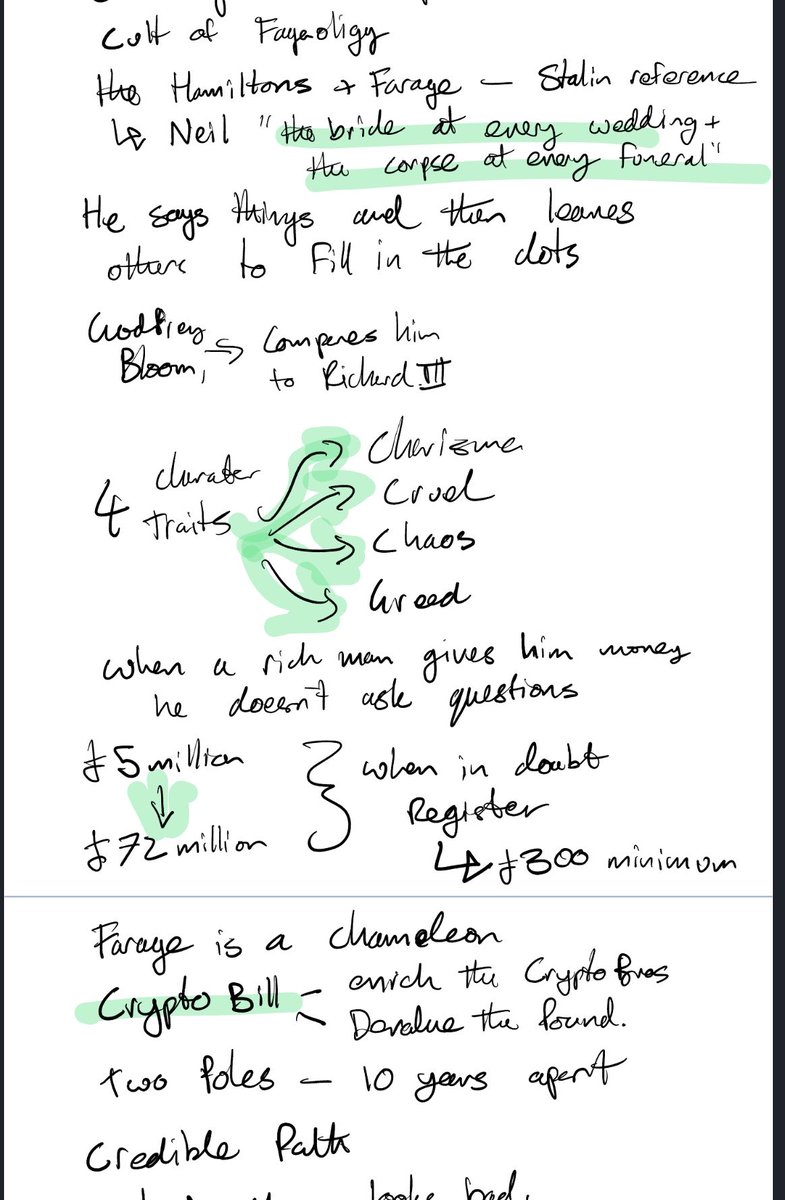
Fascinating evening at @CWBookshop event with @johnsweeneyroar discussing his new book on Nigel Farage. So many notes and anecdotes to use in politics lessons.
Thoughts return to work after a great Summer and the arrival of another baby girl Lyla ❤️. Keen to be more organised and have seen HoD’s use departmental bulletins as one point of reference for info. I’m attempting a monthly version. We’ll see how long it lasts! #historyteacher
@adamboxer1@llewelyn20 Pretty much all of my views were challenged through Pratchett. It was the City Watch that really pulled me in. Vimes’ shoe theory is brought up often in politics