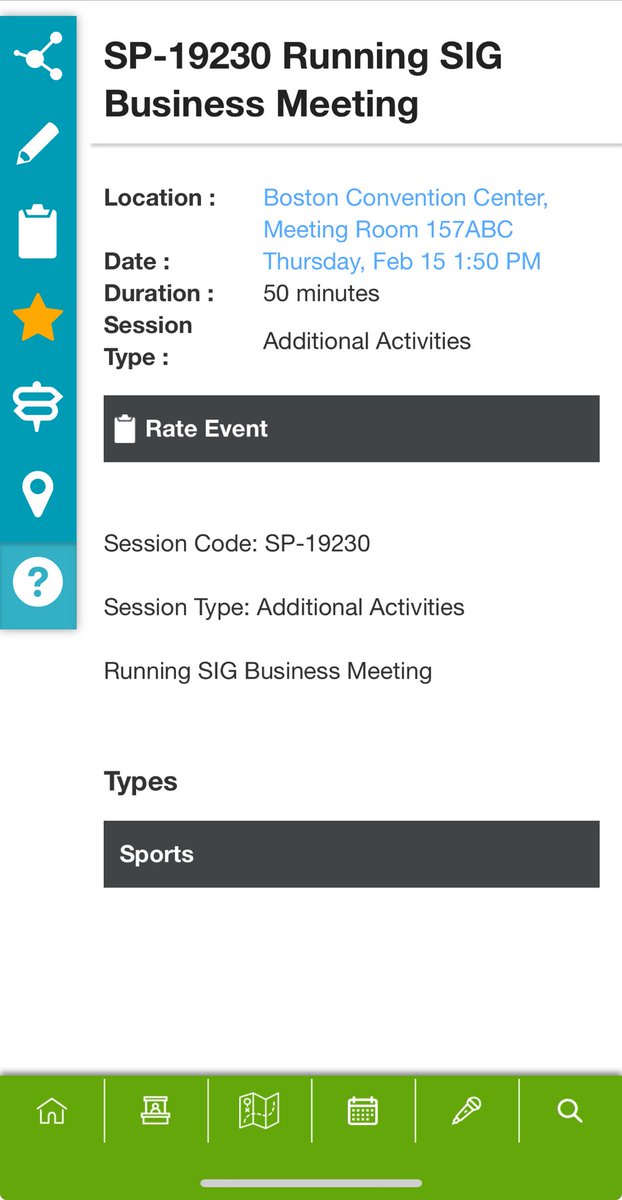
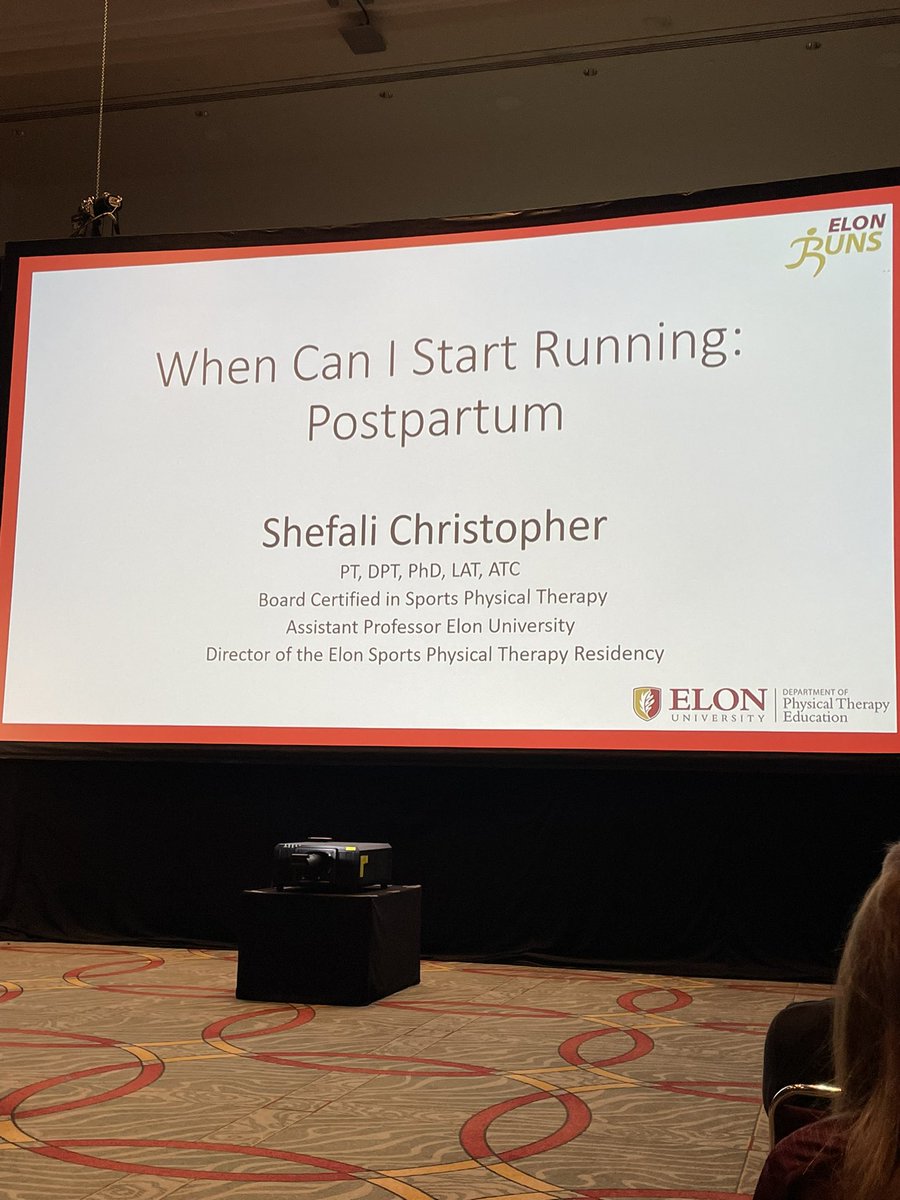
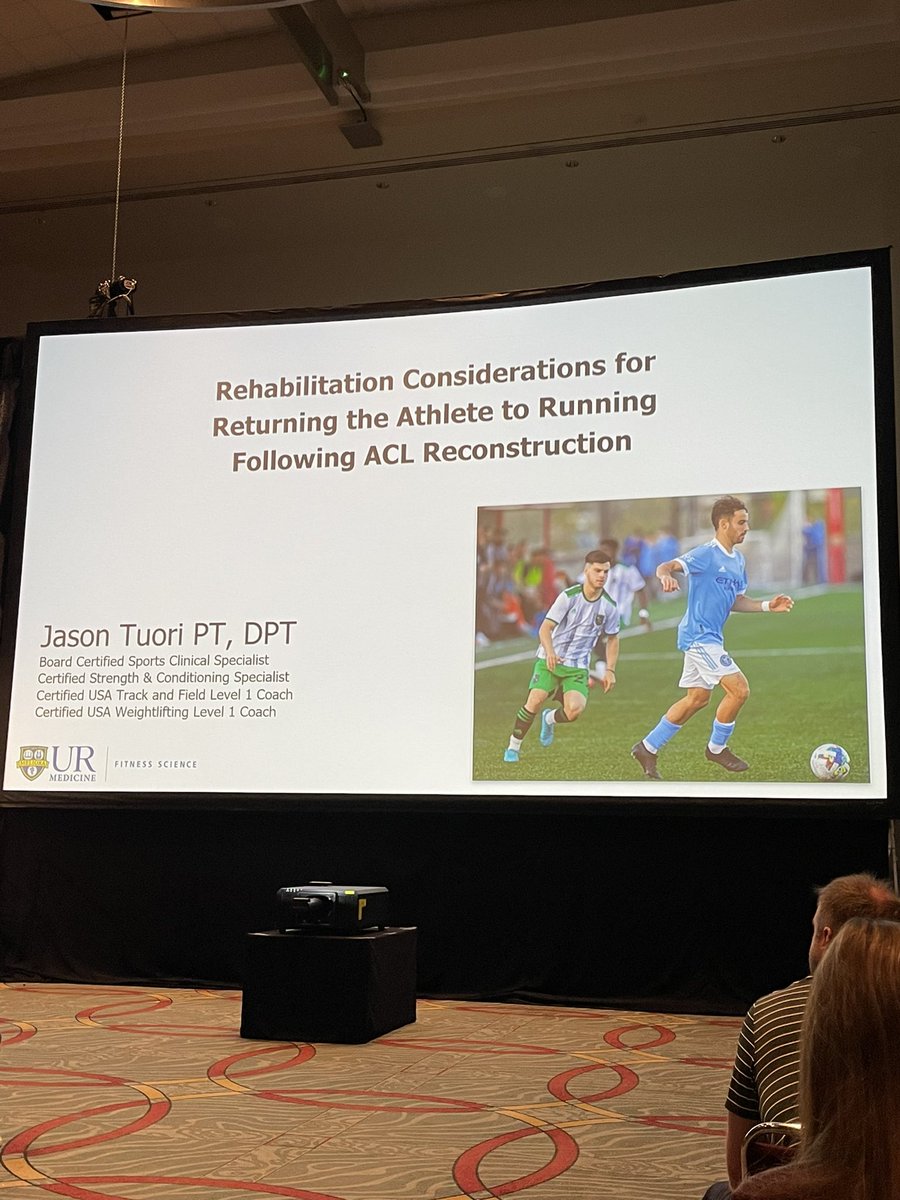
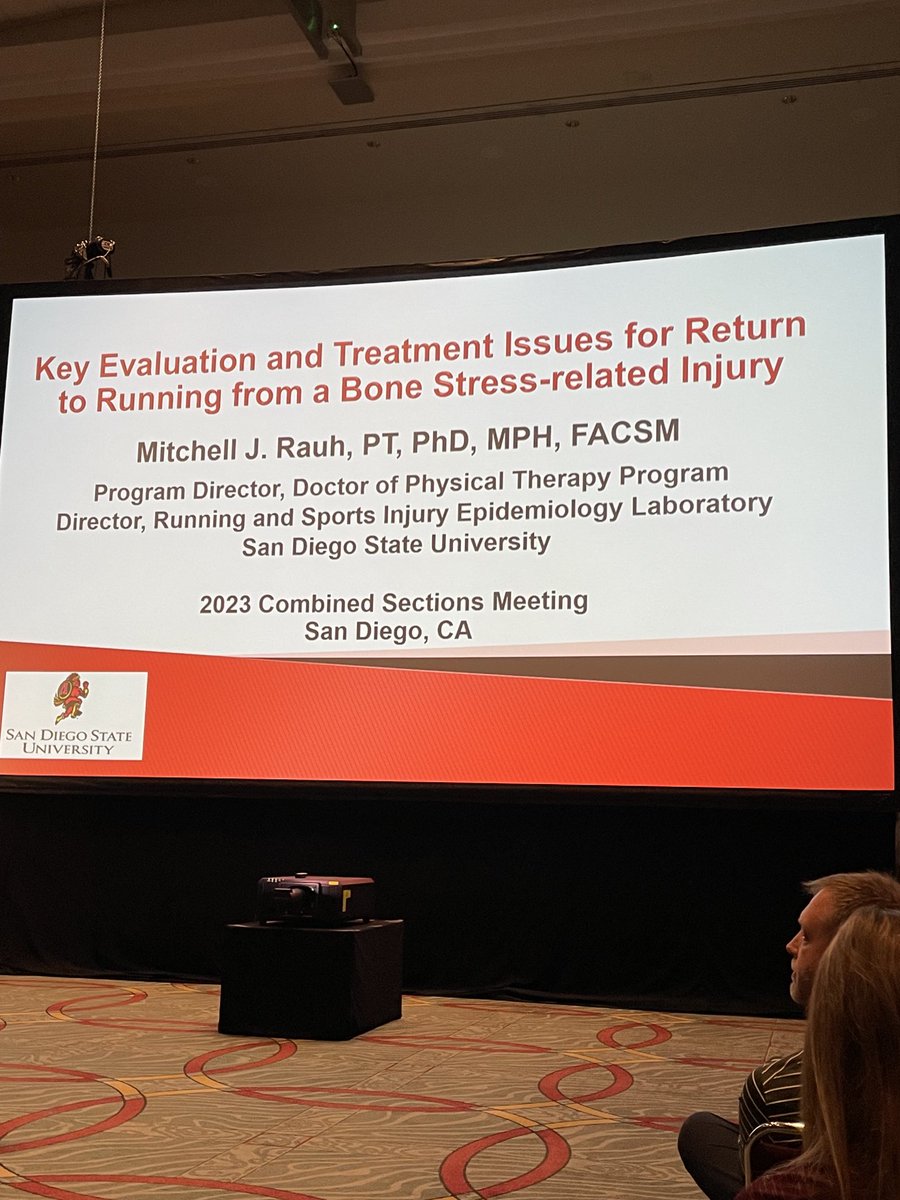
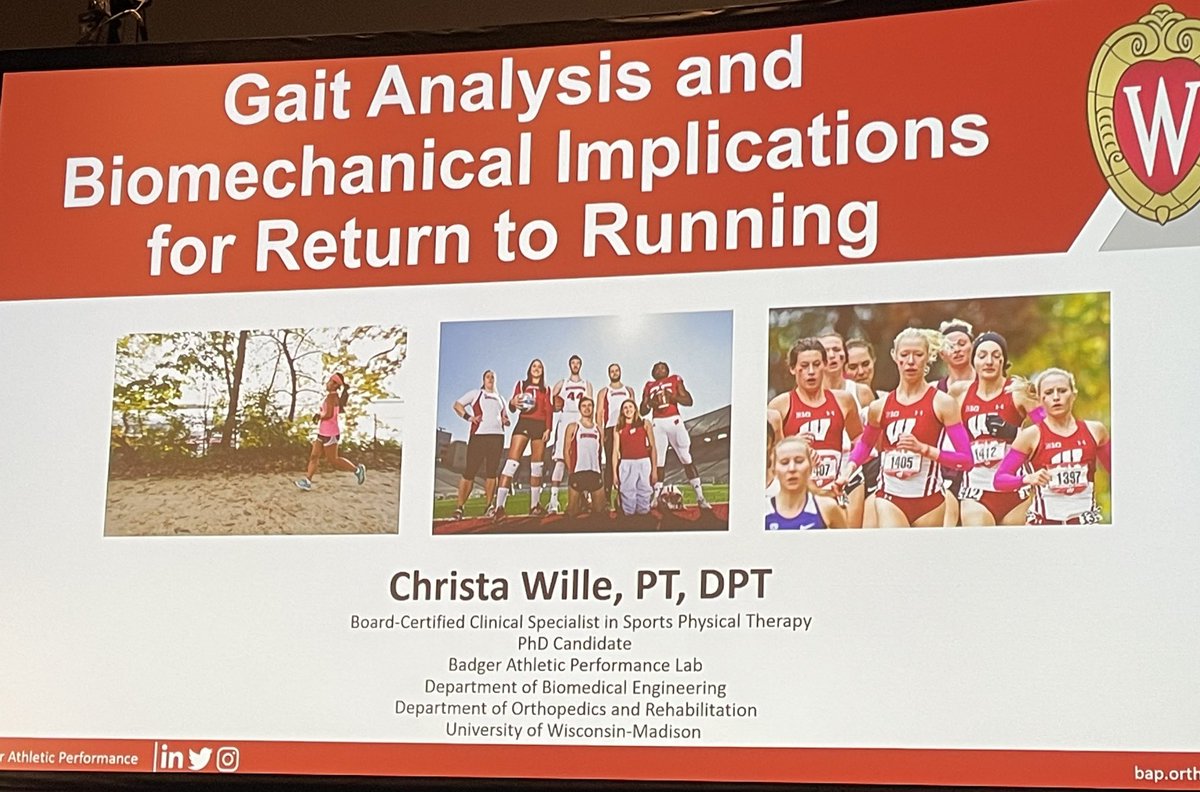
Still got that post #APTACSM glow? Want to be on the cutting edge of the latest #running research, best practices, & innovative treatment techniques? Interested in receiving our newsletter & participating in webinars? Join our SIG today! https://t.co/f0pn6GH8E8 @aasptapta
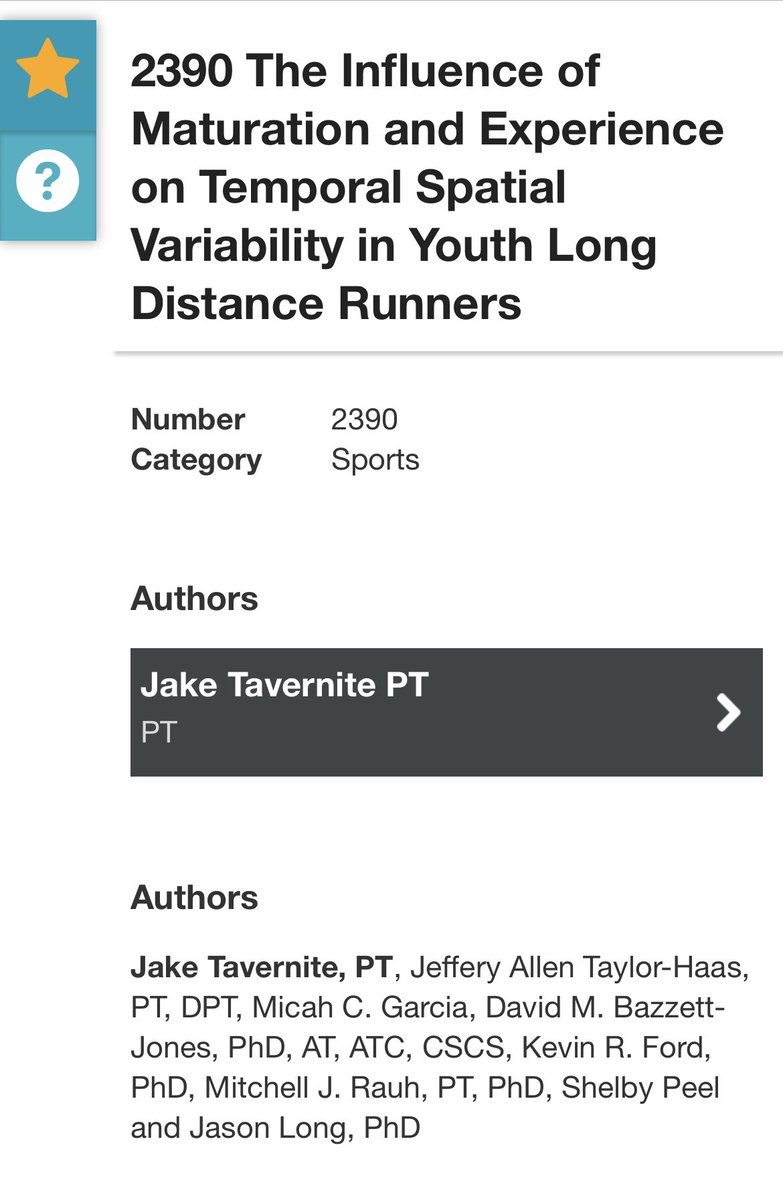
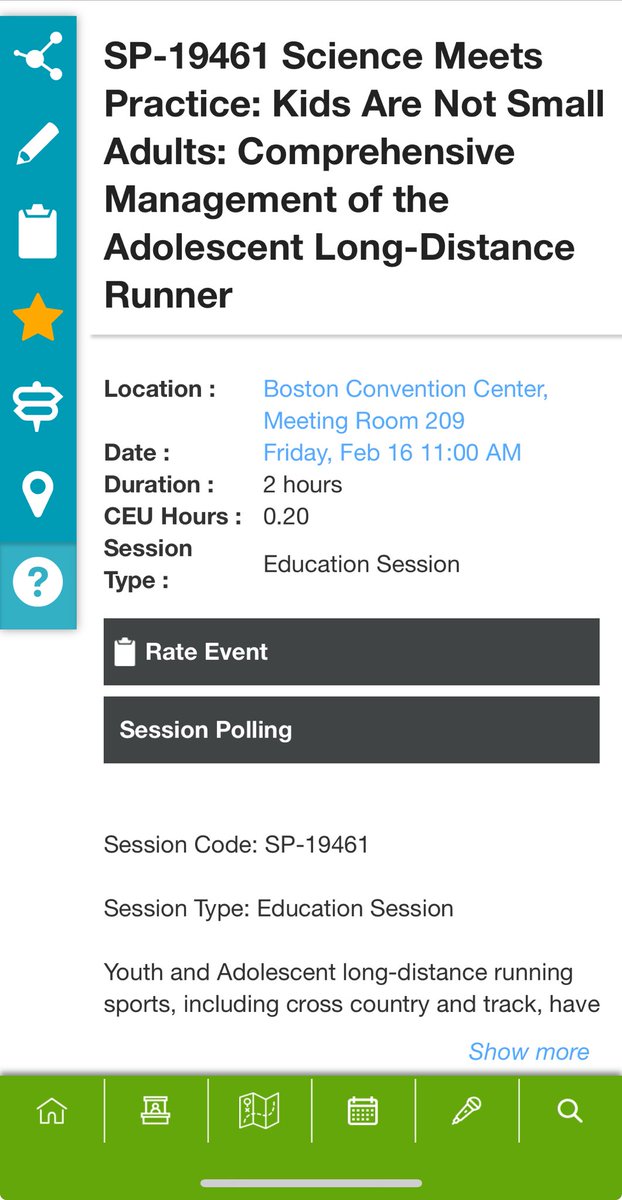
I was so honored to be asked to speak in this session! A total who’s who of youth running experts. Excited to speak and learn a ton later today! #APTACSM
Sensor-based gait training to reduce contact time for runners with exercise-related lower leg pain: a randomised controlled trial
⬇️ contact time ⬇️ pain, ⬆️ function in gait retraining + exerc > exerc only group. Nice work by @afdlempke https://t.co/rMPH0eyDdK
Attention runners in the USA!
We have an exciting study in partnership with @newbalance and we're looking for runners that fit the criteria listed in the flyer below!
Please share and pass along to runners who be interested/fit the criteria!
https://t.co/RcwK0tjAAH
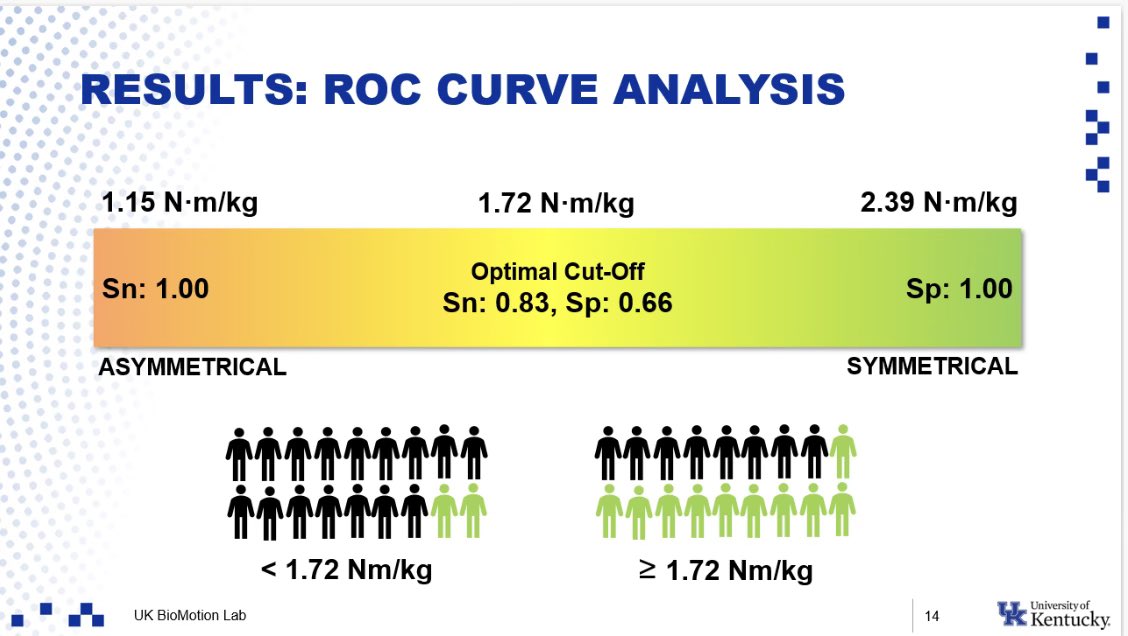
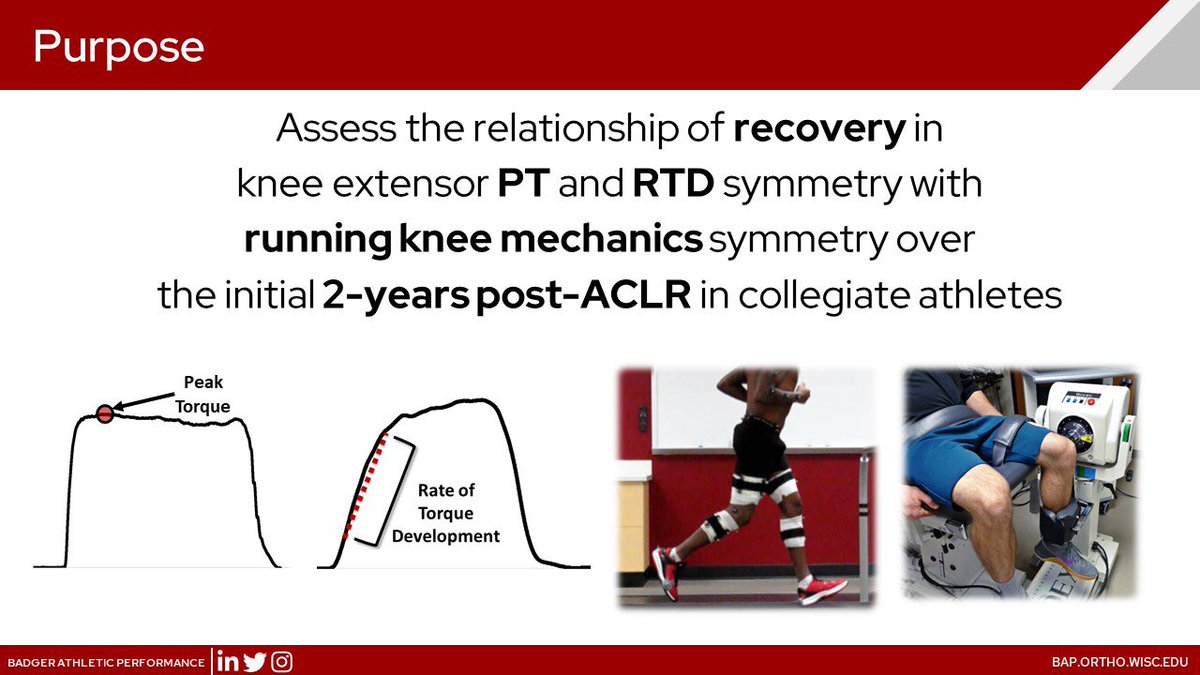
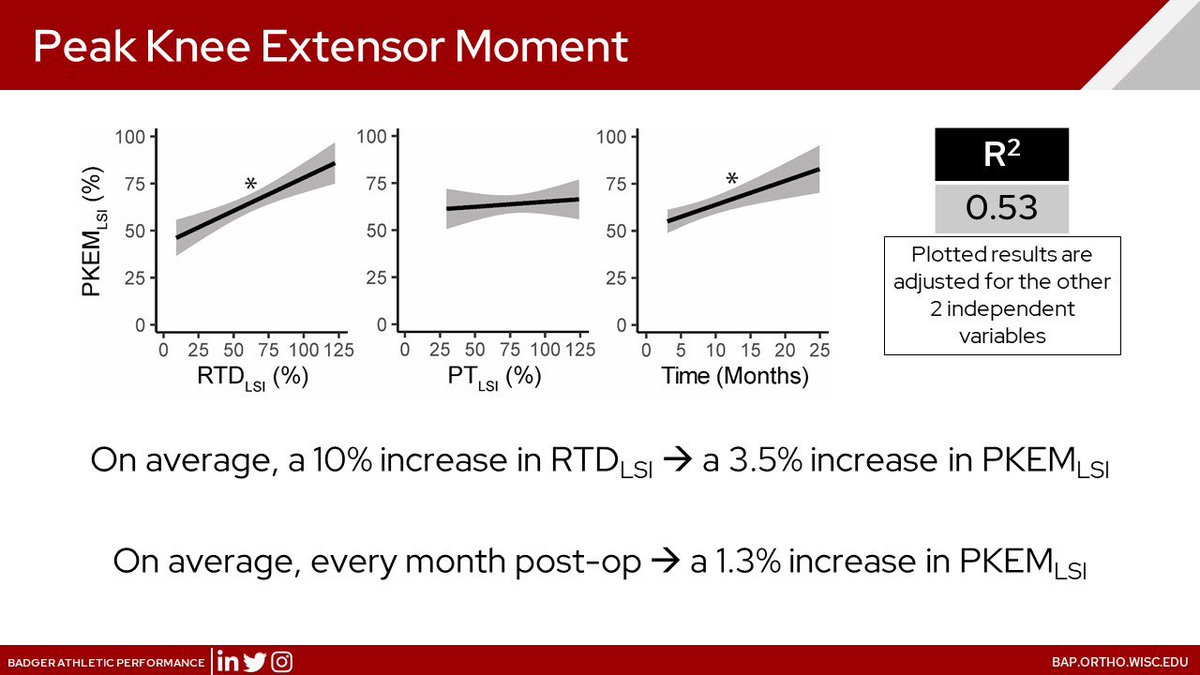
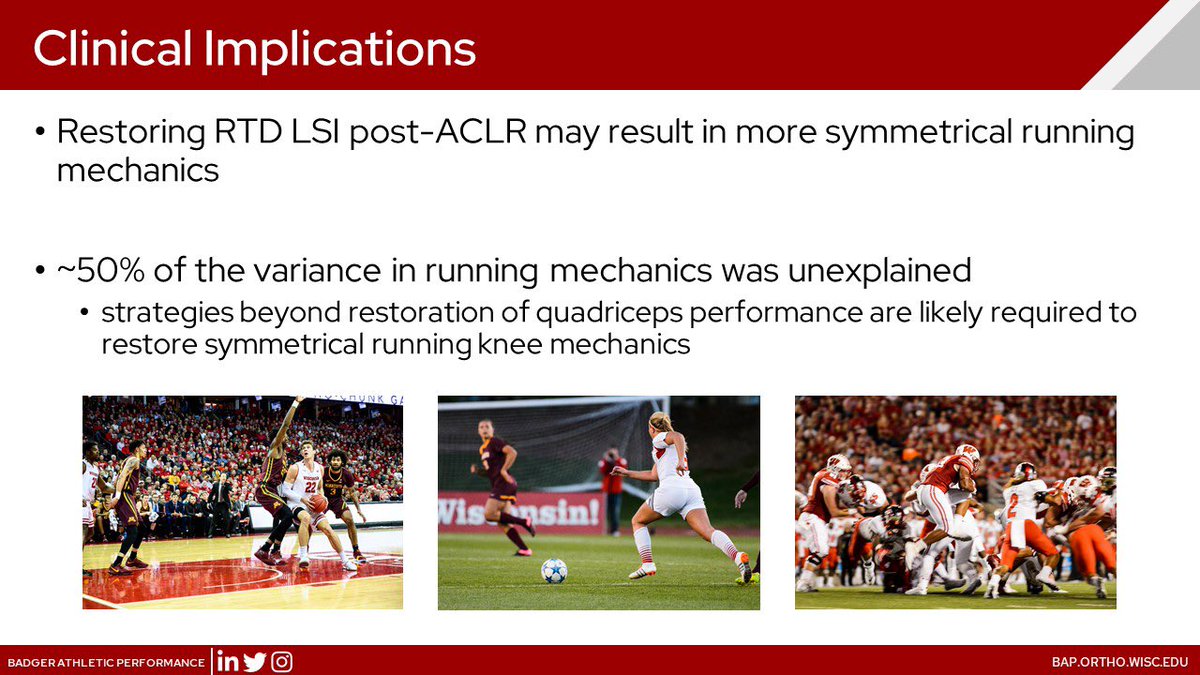
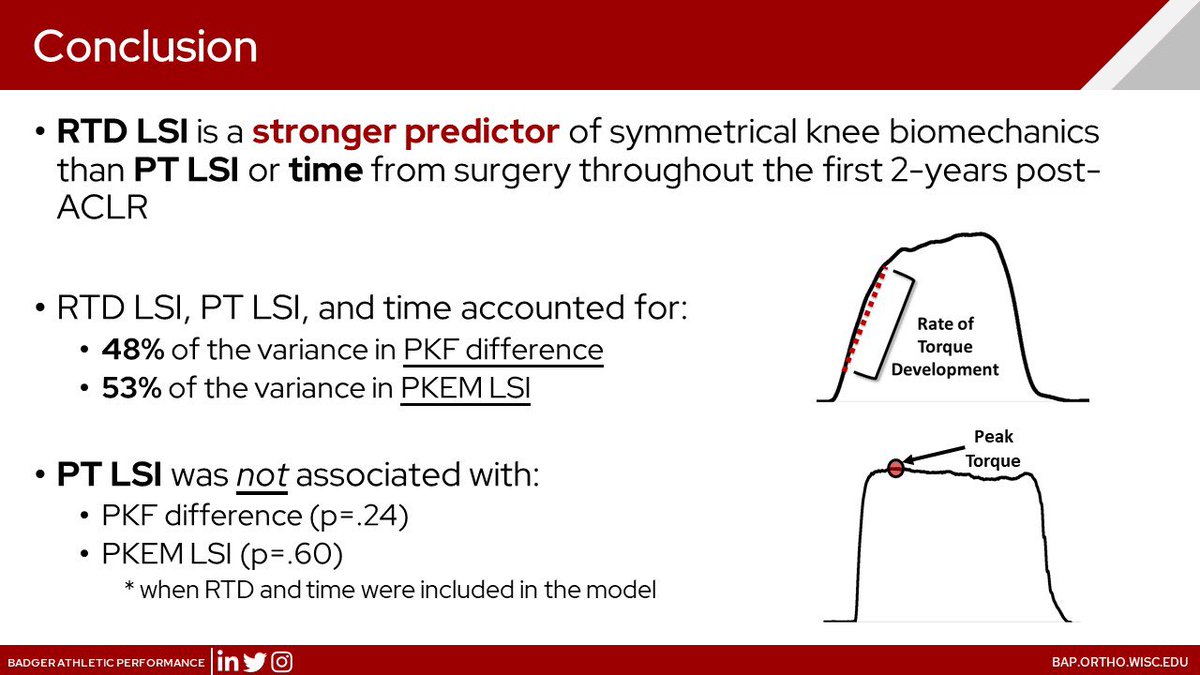
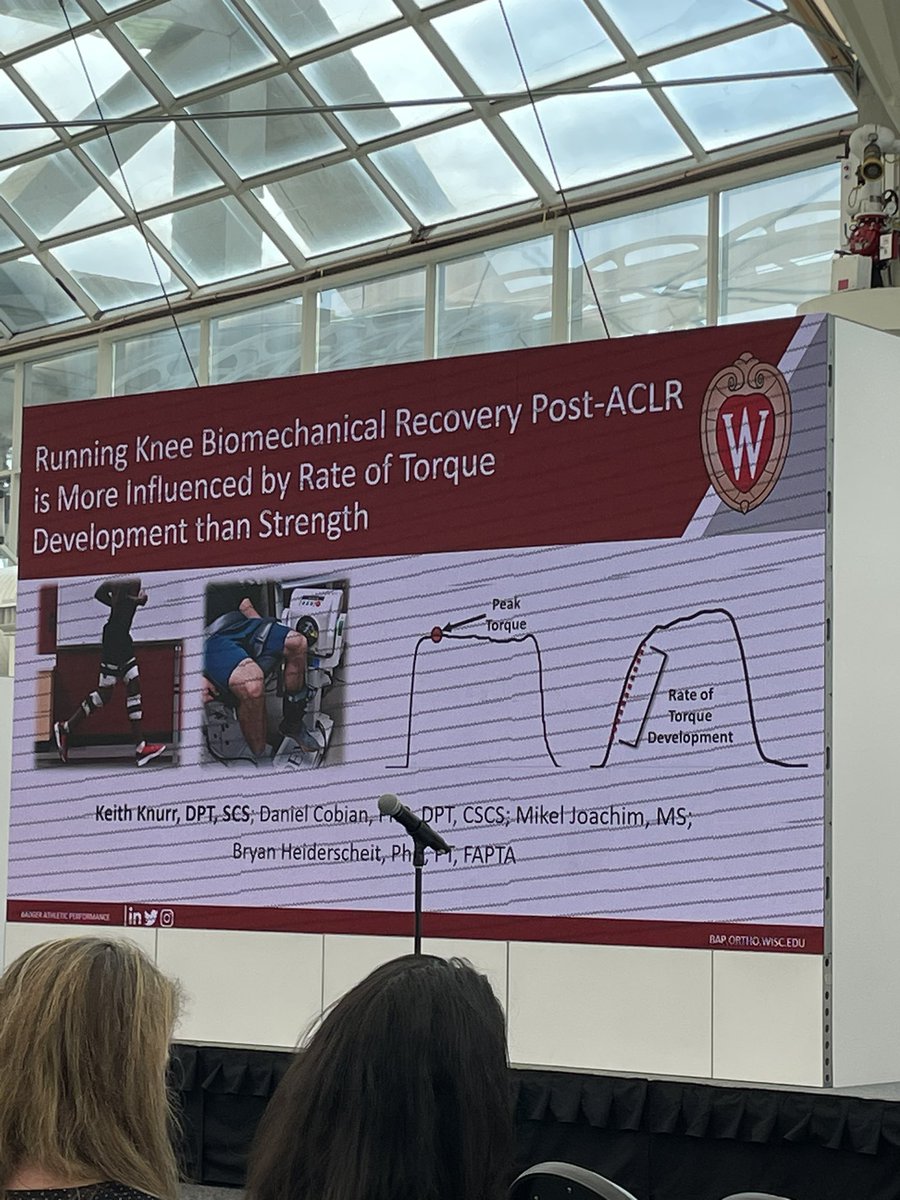
Super proud of @mc_grahamer who shared results from our lab on quadriceps strength cut off values for normal running mechanics post ACLR! Way to go Megan!#csm
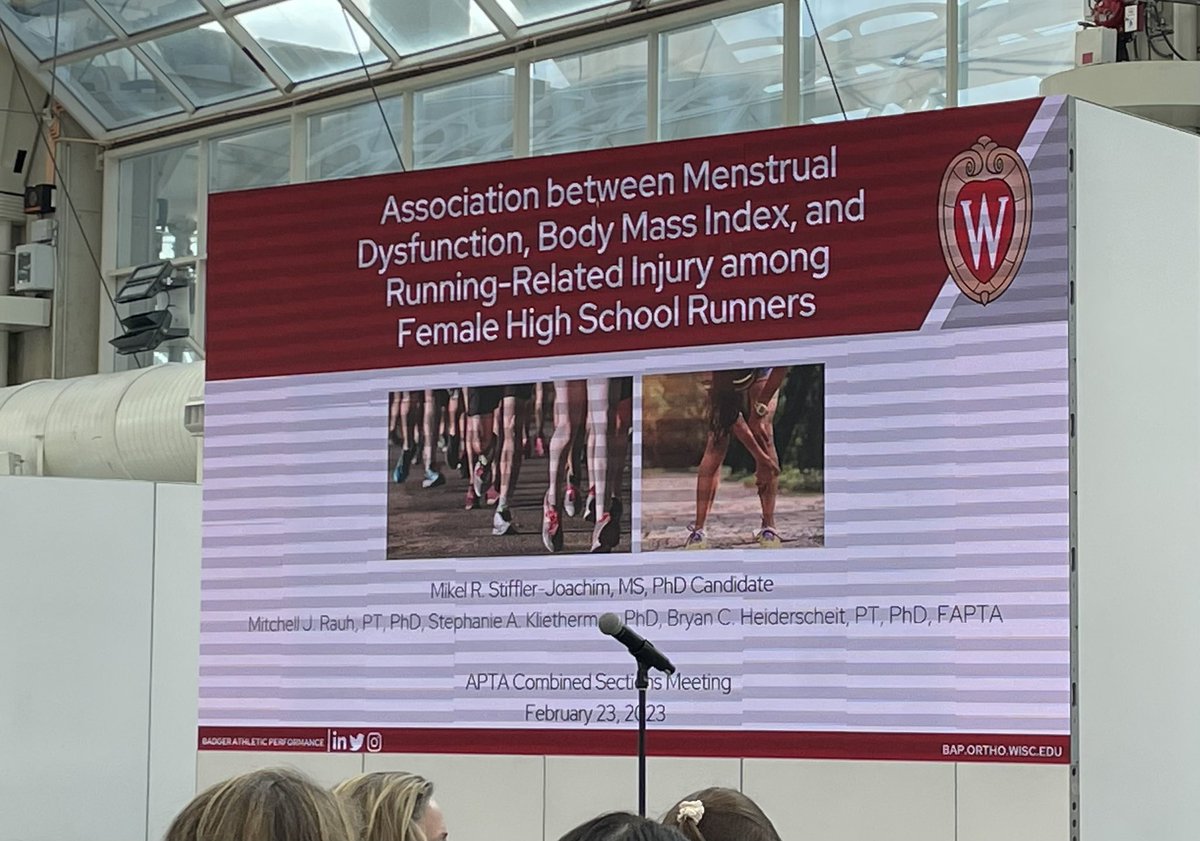
@MikelJoachim presented her PhD work @APTAcsm. prospective study-increased running volume pre-season associated with a decreased risk of RRI in-season in HS XC runners. Every 5K of increased preseason training per week is associated w/ a 10% decreased risk of injury.
Mitch Rauh:
1) BSI very common—seen in females>males
2) strongest factor for a future BSI is past BSI—suggest identifying and educating kids at an early age on best training, nutrition, sleep practices is important.
3) your best exam technique: good thorough subjective exam
@ChristaWille on 2D gait analysis:
1) use a qualitative likert scale for most variables
2) be systematic in your approach
3) 2 views necessary: sagittal & frontal
4) 120fps camera is ideal
5) step rate—no one standard step rate; unique to each runner