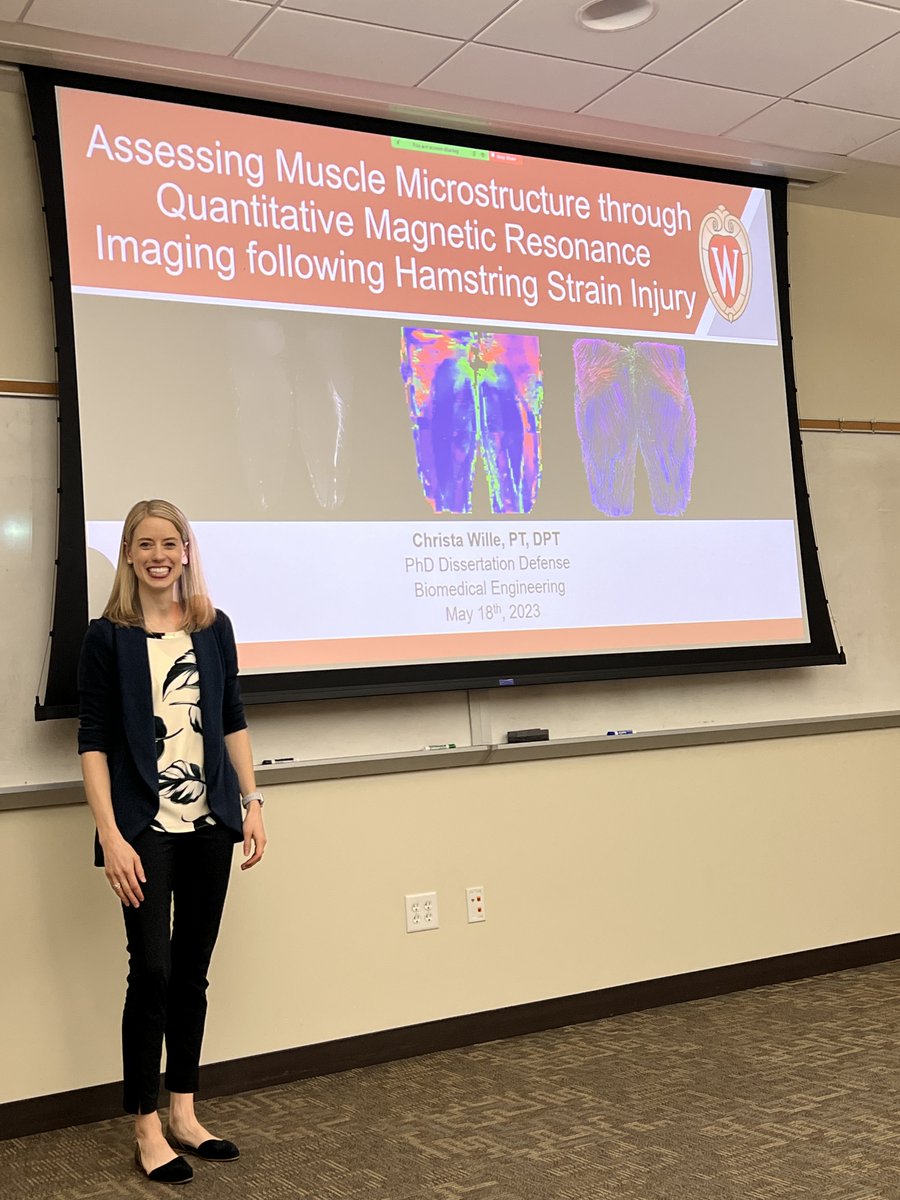
Excited to share that I successfully defended my PhD thesis last week! Thankful for the team that helped me get here, especially those in @UWMadison_BME, @UWBadgerAP, and most importantly my family. #WomenInSTEM#momademia
Well written summary of the significant advancements in imaging that have given us additional tools to measure muscle mechanics in vivo. Looking forward to being apart of the advancements in the next 50 years!
Honoured to have been able to contribute to the @ISBiomechanics 50th Birthday issue in @JBiomech on Muscle mechanics with our paper
Advances in imaging for assessing the design and mechanics of skeletal muscle in vivo
@FrancoisHug
https://t.co/qgHQmI8SG4
So looking forward to the @ACSMNews annual meeting next week!! I’ve tossed my name in the ring to become the next BIG Co-Chair and would love your vote next Thursday at the BIG meeting!
@UWMadison_BME@UWBadgerAP Key findings indicate that DDTI may be used to:
- Characterize muscle microstructural changes after hamstring injury
- Detect distinct changes in muscle microstructure compared to conventional imaging
- Explore the structure-function relationship expected following muscle injury
@DerekGriffin86@MichaelBoykin_1 @rwilly2003 @tomgoom@GregLehman I agree in your approach to question this. I would love to see some more research to apply this concept to how we manage BSI. Maybe the threshold/approach needs to be tissue specific?
@MichaelBoykin_1 @rwilly2003 @tomgoom@GregLehman Great discussion, I agree. I’m not ok with pain for hop/run progression when returning after BSI. To add, I’m really specific with pt education regarding what type/location of pain I’m not ok with. Bone pain at site of BSI- not ok. MSK pain associated with inactivity- expected.
If you or someone you know is looking for a teaching faculty position, then consider joining us @UWMechEngr! We have a collegial department in a fun city! Please RT.
https://t.co/nj710IslL6
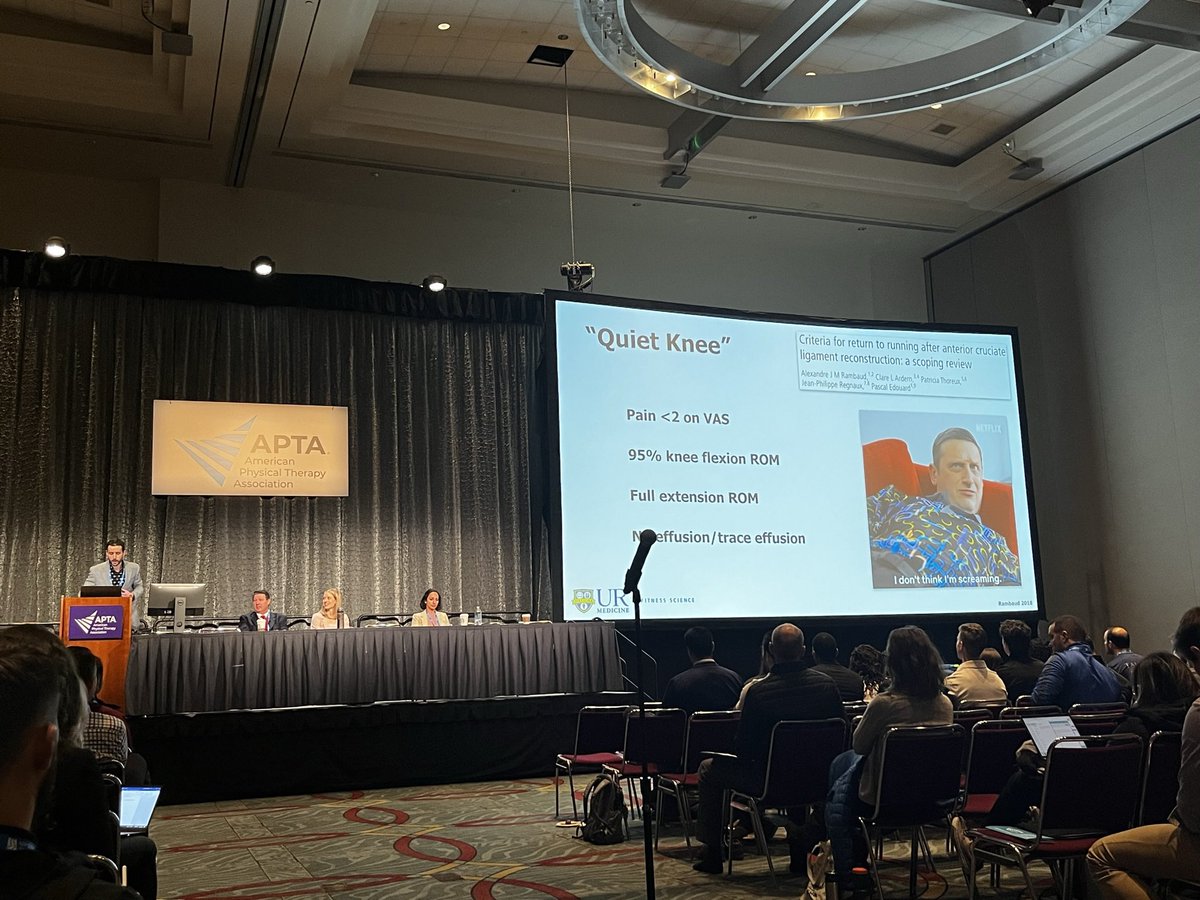
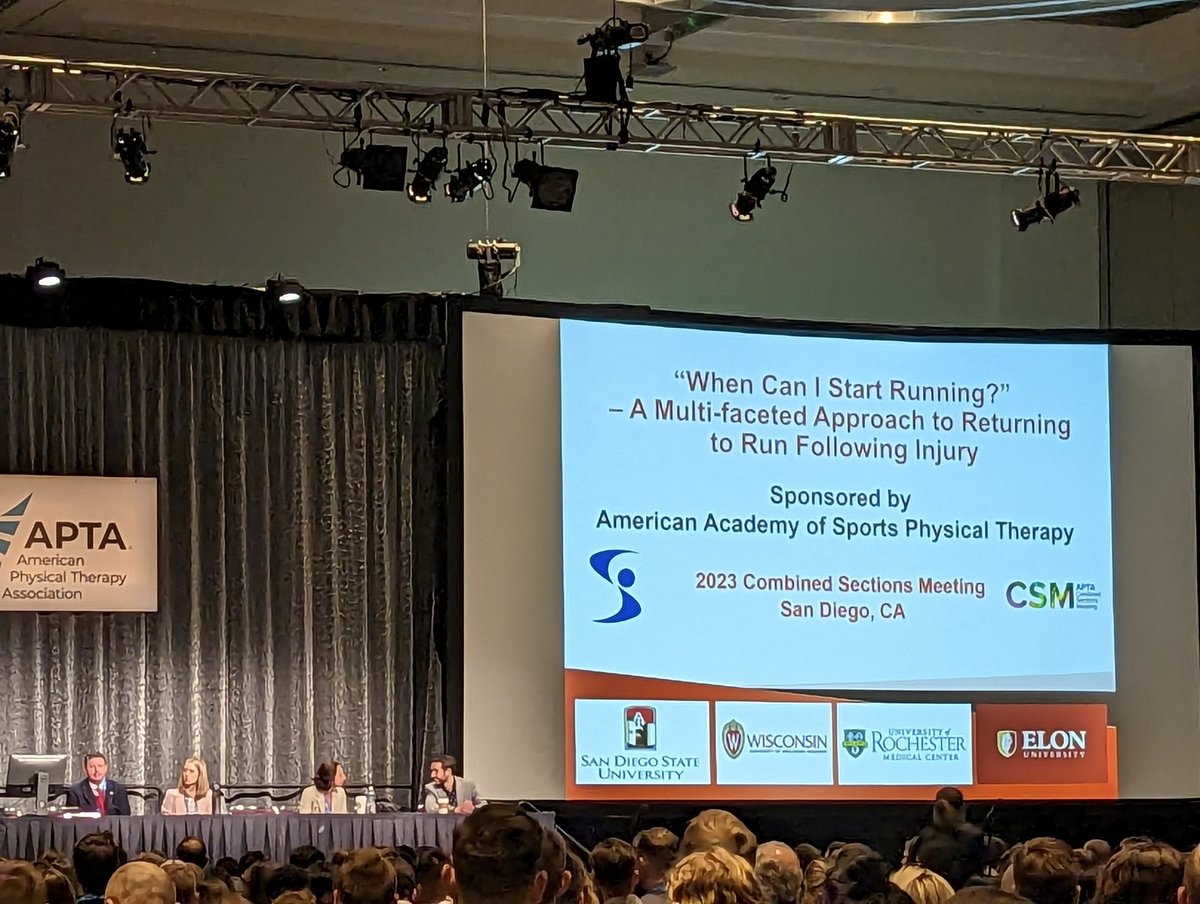
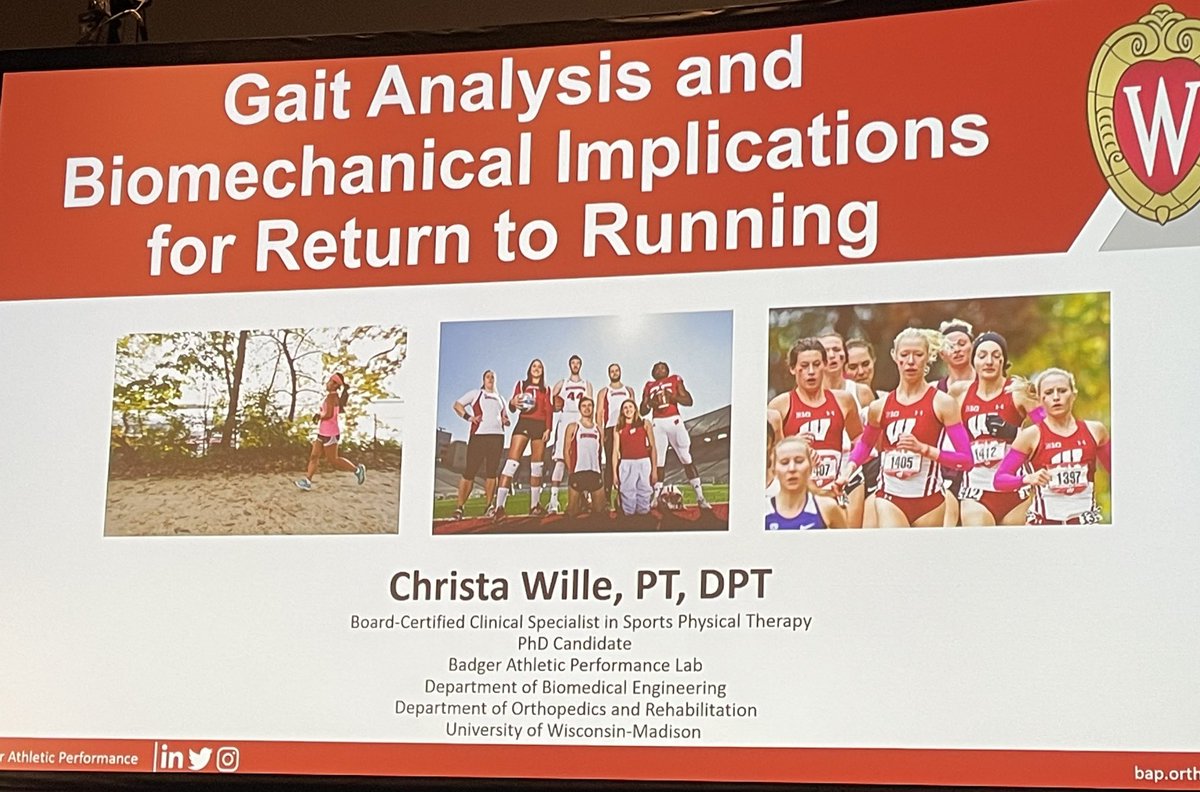
Kicking off #APTAcsm listening to two amazing female researchers and clinicians, @ironmomPT and @ChristaWille , (and colleagues) talk about return to running after injury!
@ChristaWille on 2D gait analysis:
1) use a qualitative likert scale for most variables
2) be systematic in your approach
3) 2 views necessary: sagittal & frontal
4) 120fps camera is ideal
5) step rate—no one standard step rate; unique to each runner
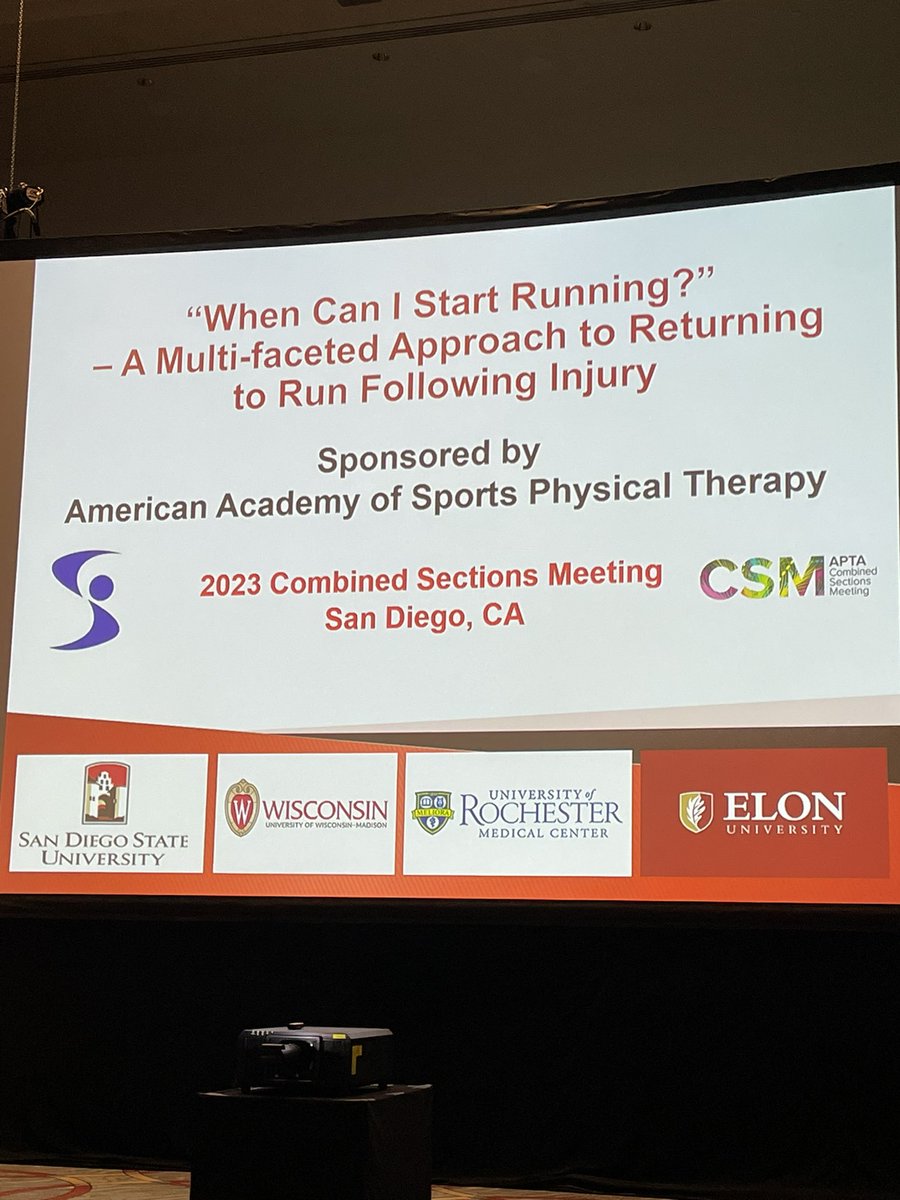
Also from 8-10 tomorrow morning, in Ballroom 20BC, @ChristaWille and "friends of the lab" Dr. Mitch Rauh, @JasonTuoriPT, & @ironmomPT are presenting: "When Can I Start Running? A Multi-Faceted Approach to Returning to Run Following Injury"
#CSM2023#APTACSM @APTAtweets
Thanks for inviting me to join this discussion @LanserBailey! Looking forward to being able to share more insight on HS microstructure using DTI very soon.
One of my favorite JCs to date, with 2 outstanding clinical and research experts!
Did you know…
1) Current shearwave US and DTI research may be able to give us a more specific picture of HS recovery with return to sport? 🔬
2) Some NFL data shows up to 5 different HS MOI?🤯