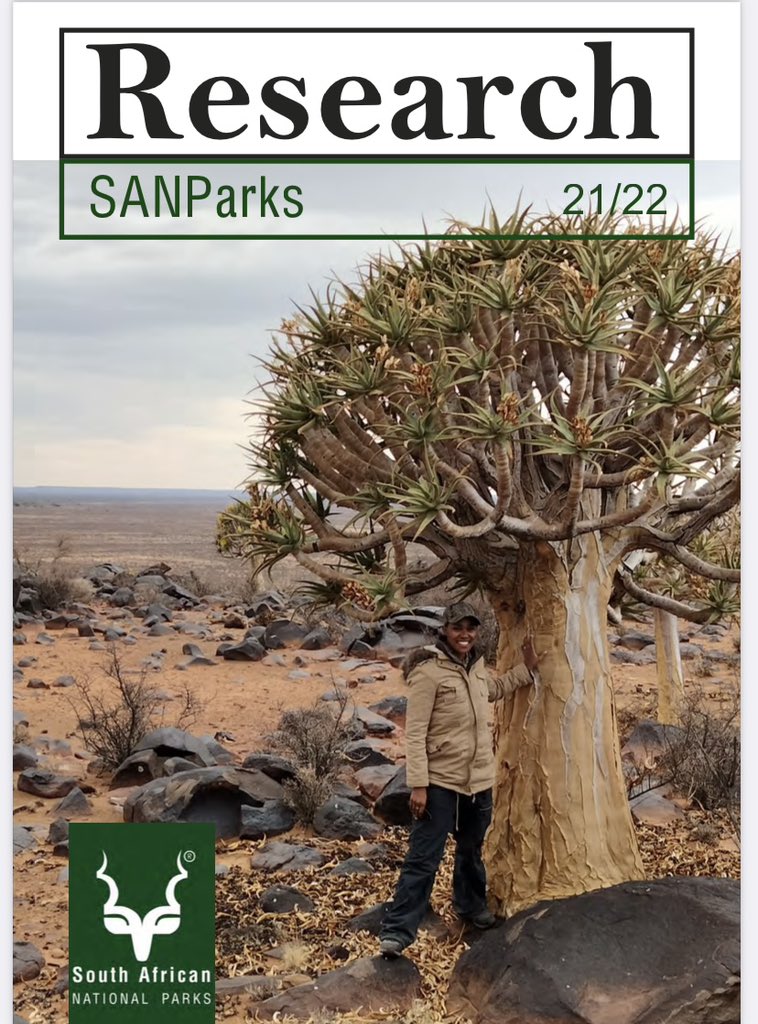
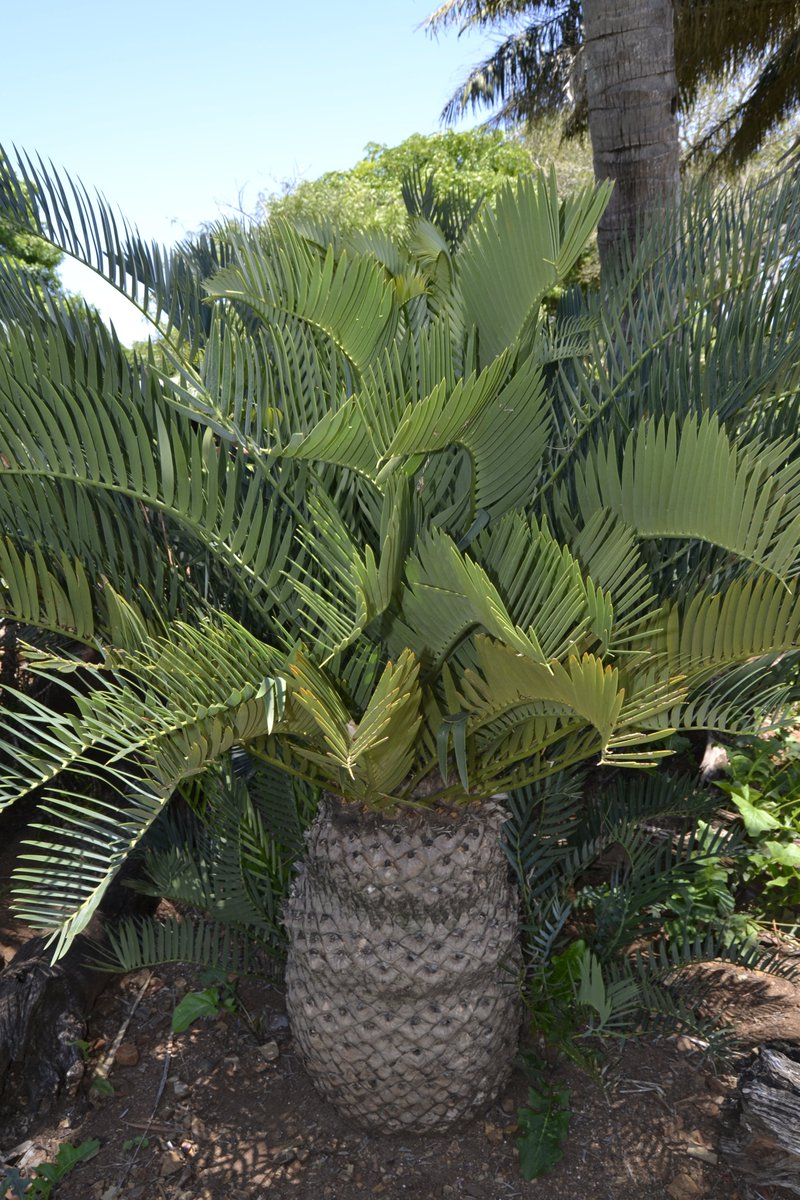
Apart from their spiky leaves, cycads have developed very potent poisons to make sure that they are left alone. These poisons are neurotoxins that attack the nervous system and protect the plant from herbivores and insects that can cause damage to the seed cones.
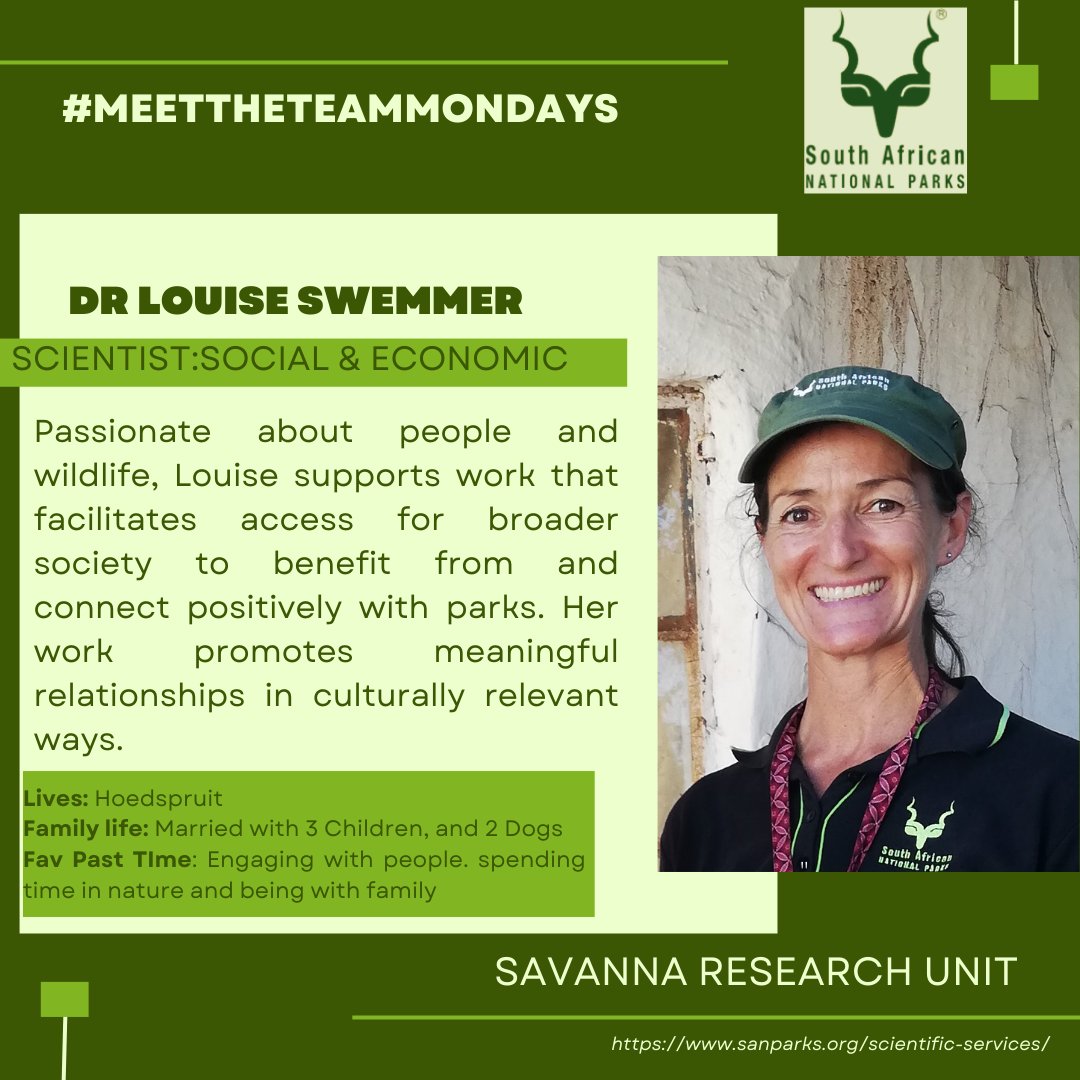
Introducing #MeetTheTeamMondays where you get to know the people working behind the scenes in the Savanna Research Unit based in @SANParksKNP.
our first member is Social and Economics Scientist Dr. Louise Swemmer.
@SANParks
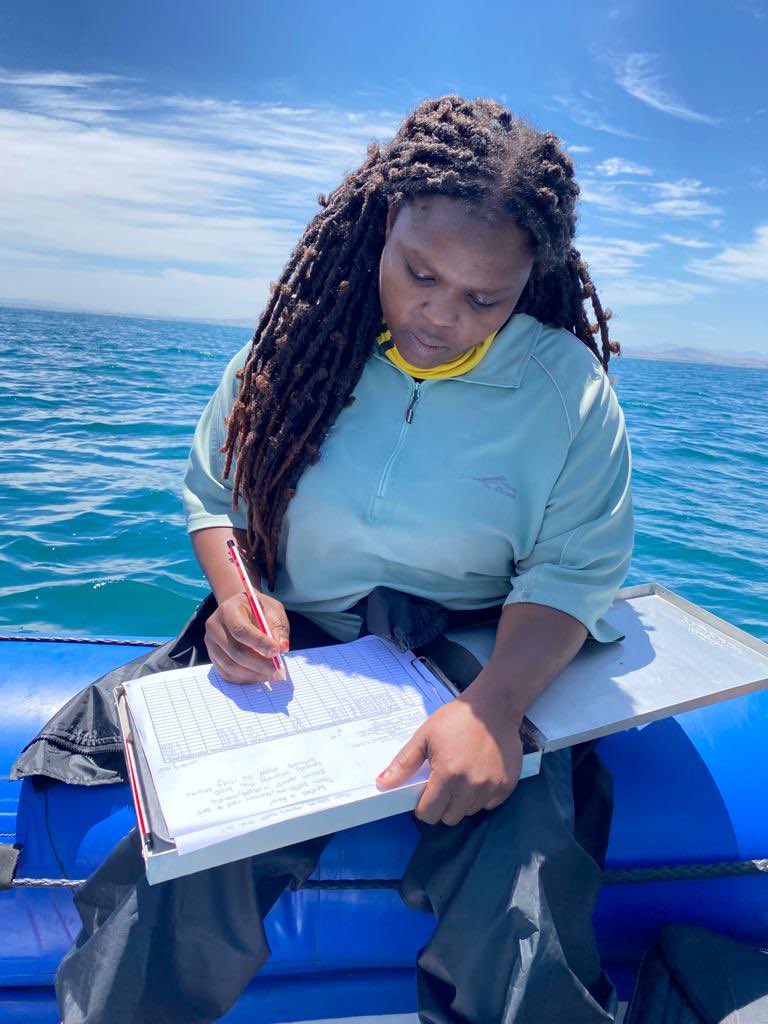
Ever wonder what @sanparks scientists & bio-technicians do? Check out our annual research report for a peak into our world. Its jammed packed with conservation & protected area research, monitoring, science-management & stakeholder engagement stories https://t.co/vXDU4s6ty5
Savanna Science Network Meeting 2023-Registration for non-presenting delegates is now open till 20 January 2023.
https://t.co/Ym9zJRN9bC via @SANParks@SANParksKNP#savannascience
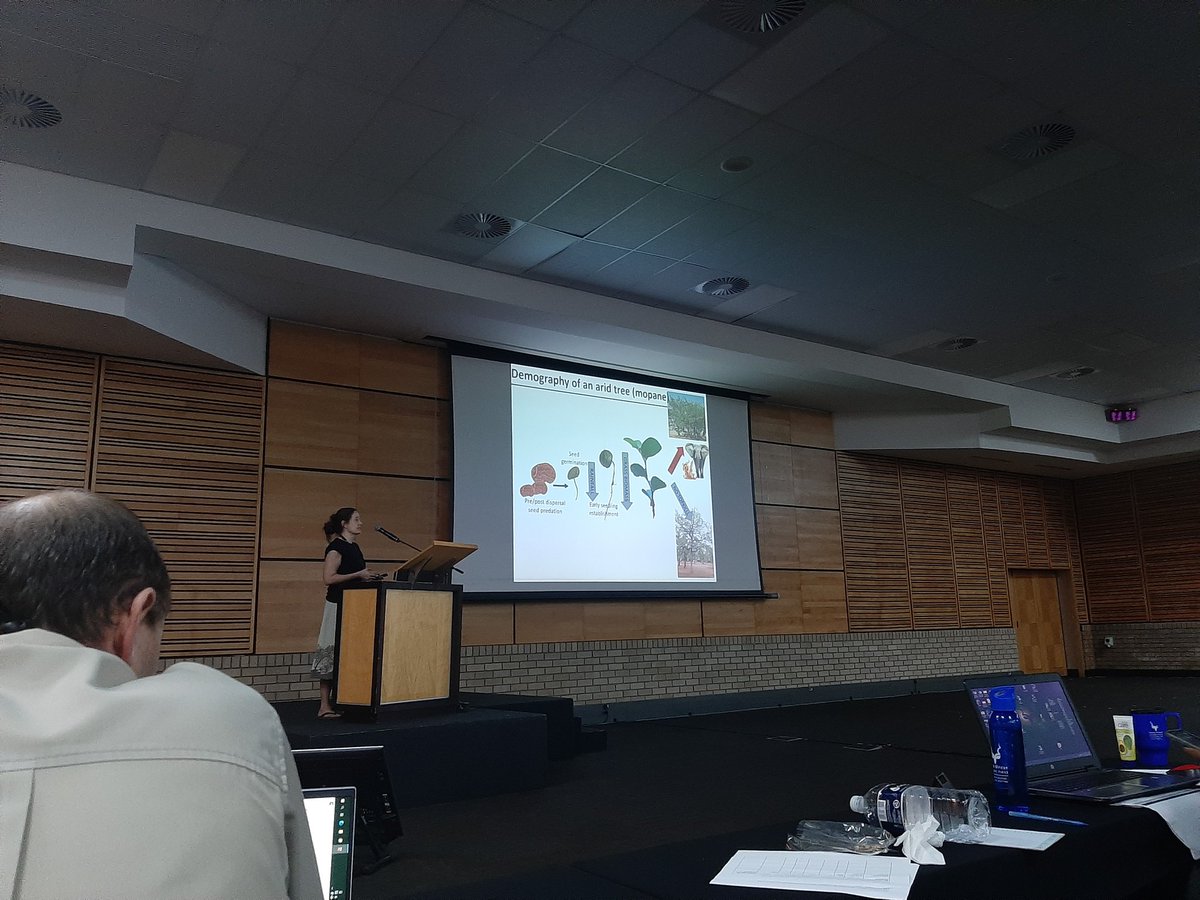
@PeterScogings @SSNM_KNP Great work presented. I don't think they should worry much about their model projected biome ditrib..s not matching 'current' maps from a decade ago. It is predicted for the region that trees/shrubs will invade grasslands. see Moncrieff et al 2015.
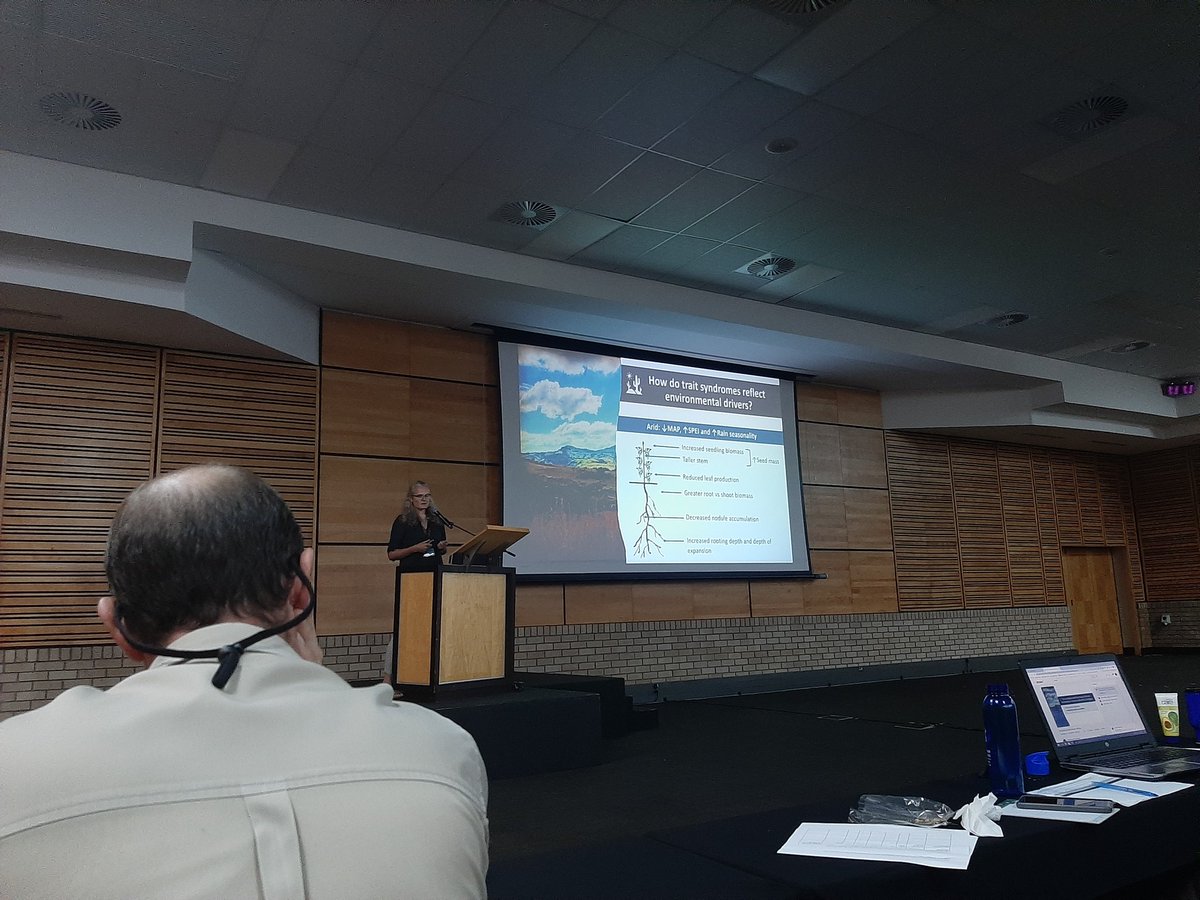
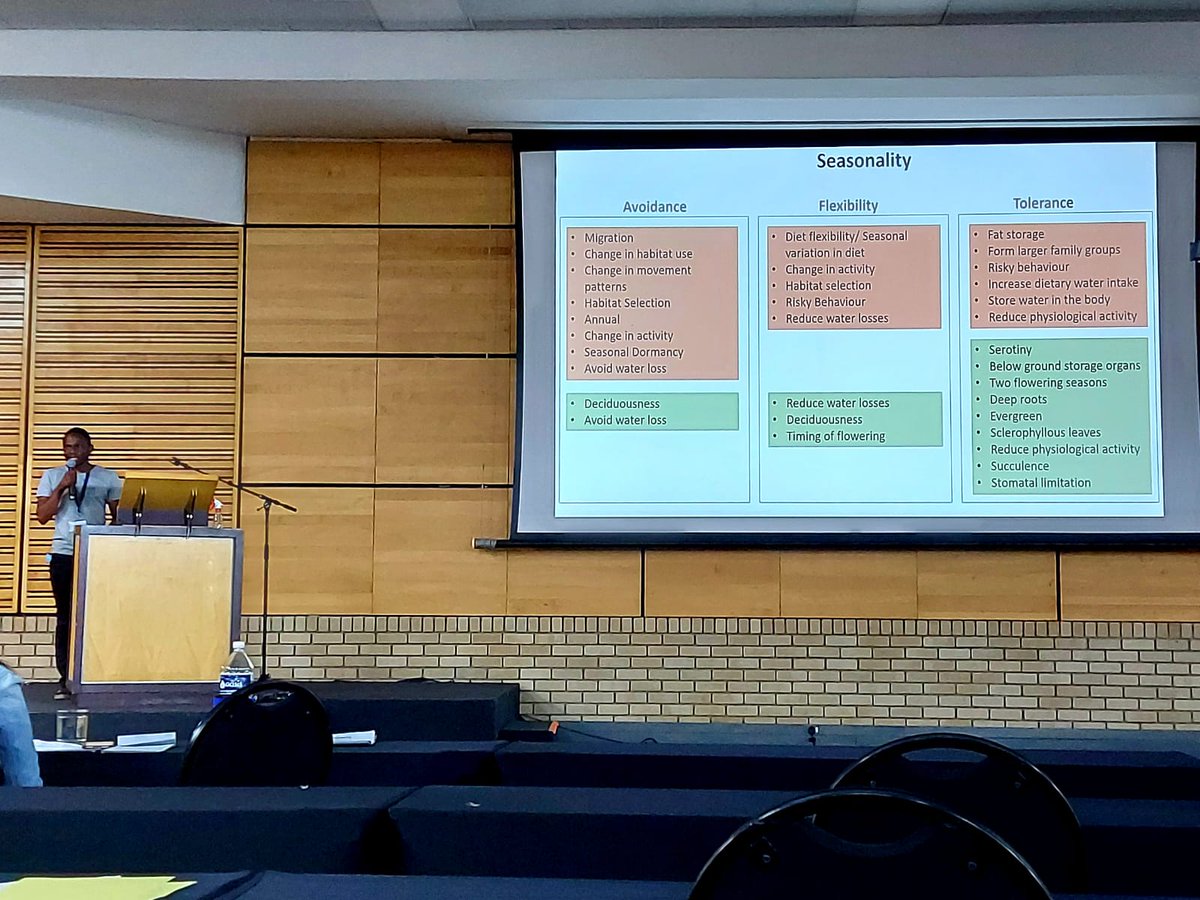
Large areas of Africa experience highly seasonal rainfall. Less attention has been paid to the adaptations plants and animals require to survive in these seasonal environments. The purpose of this study is to identify these traits #SSNM
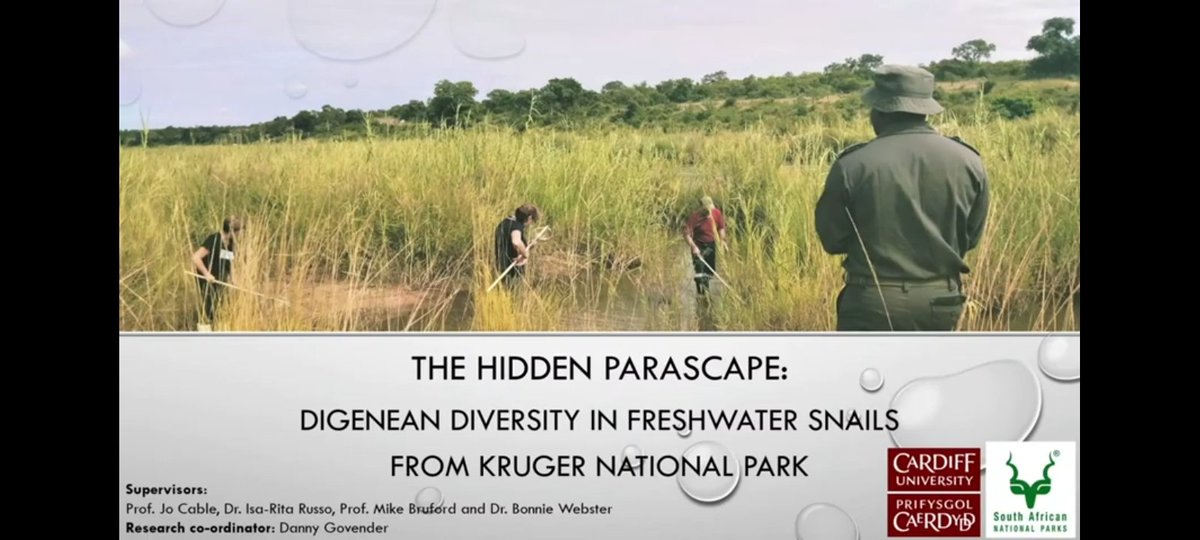
Survived presenting at my first international conference @SSNM_KNP. A great end to my field season and nice to hear about all the exciting research going on within Kruger National Park #research#SSNM#disease@MolEcolCU