Learn more about Alina Zaidi's entrepreneurship journey, and how the @SSWA_UNESCAP project "E-commerce Capacity Building for Women-led MSMEs in South Asia" played a part in her story.
Read more: https://t.co/YfaleQZAvR
#UNESCAP#ESCAP#SDG5
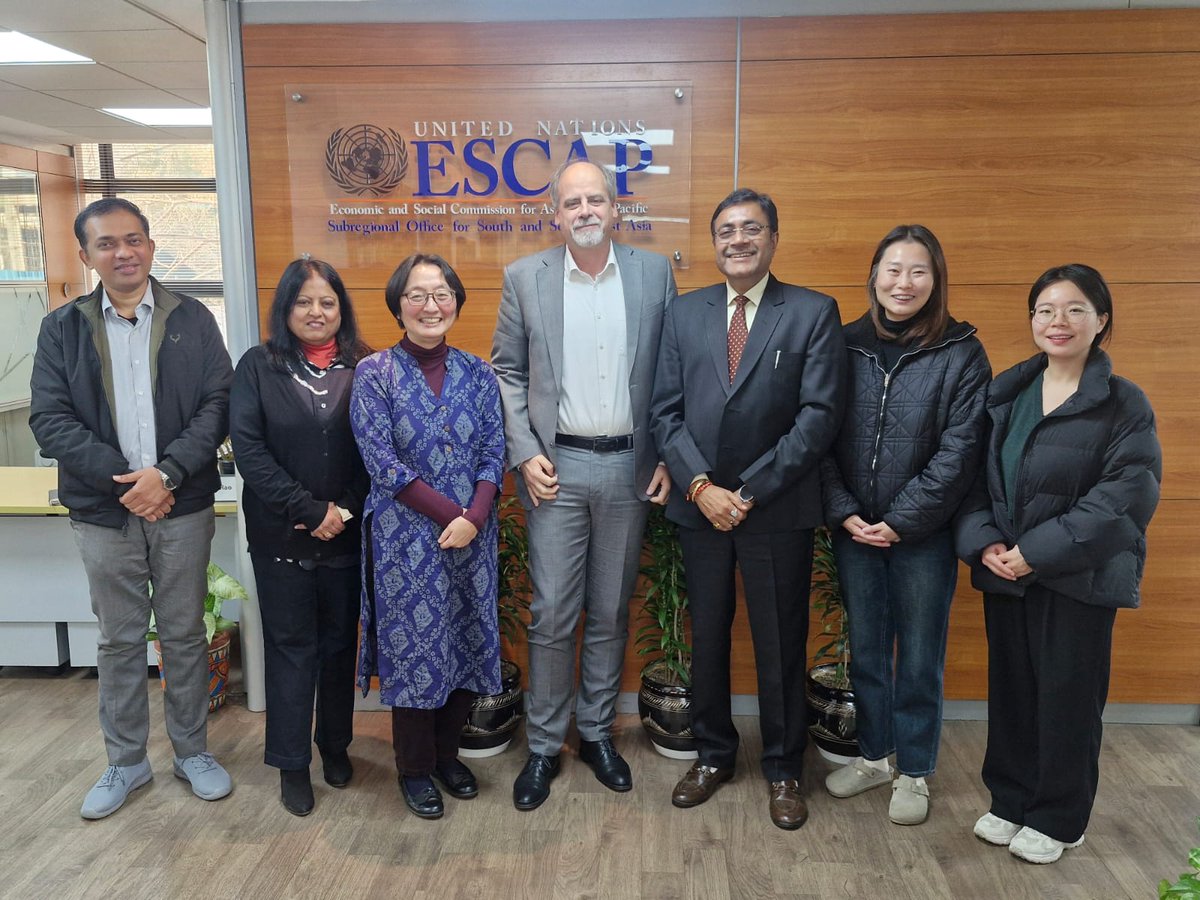
🇺🇳 UN Resident Coordinator, Mr. Stefan Priesner visited UNESCAP SRO-SSWA.
Discussions focused on collaboration, delivery and strengthening the cooperation framework to enhance regional–country synergies and collective impact.
🇳🇵Day 2 of STS workshop continued with focused discussions on Nepal’s analytical and capacity-building needs, strengthening coordination among government, private sector, development partners and identifying concrete actions to support a resilient post-LDC graduation roadmap
🇳🇵Review of Nepal’s Smooth Transition Strategy has begun! This workshop aims to identify actionable measures, policy reforms and capacity needs to support a smooth and resilient transition from the LDC category
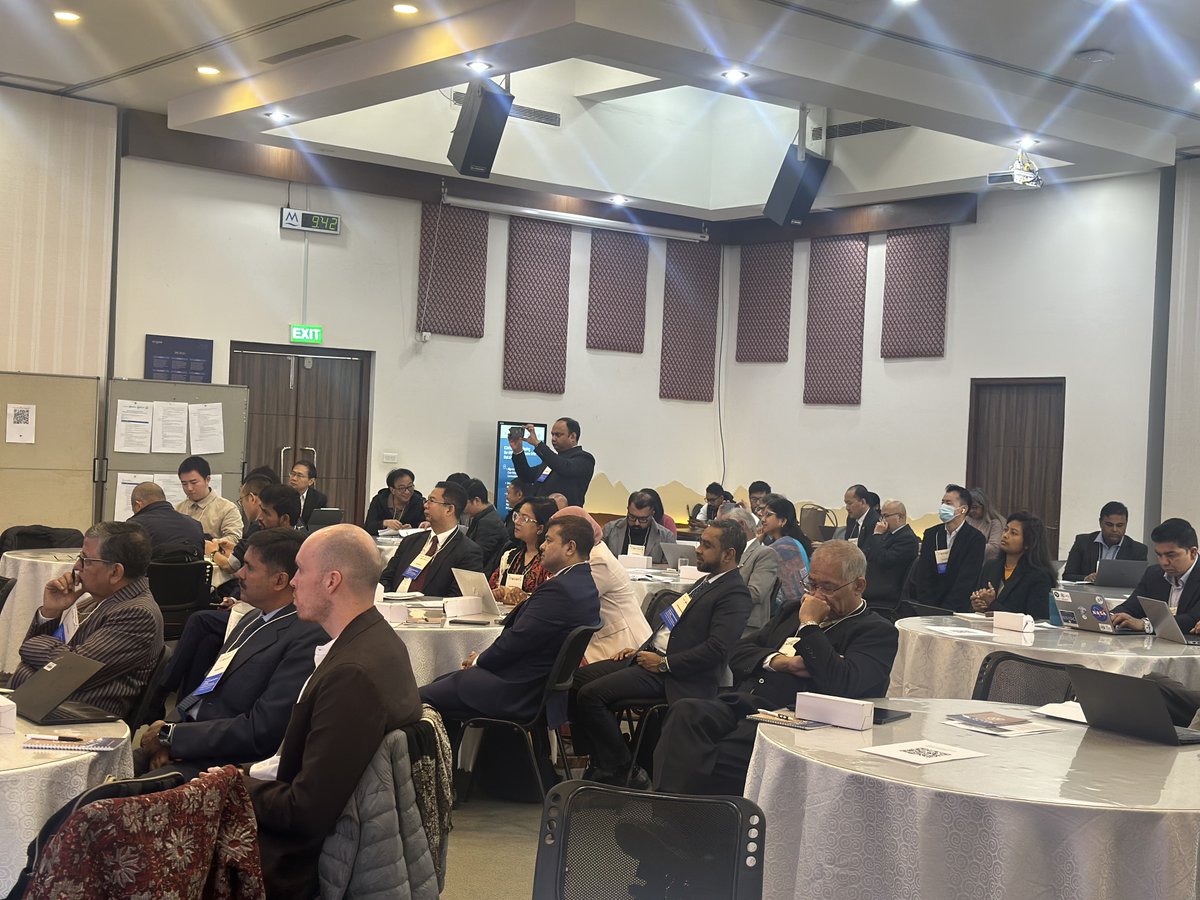
👥Roundtable on Water-Climate Nexus National Perspectives focuses on managing water resources as glacier retreat and climate hazards intensify in the Hindu Kush Himalayas. It examines national policies, challenges and the cooperation required across sectors and government levels
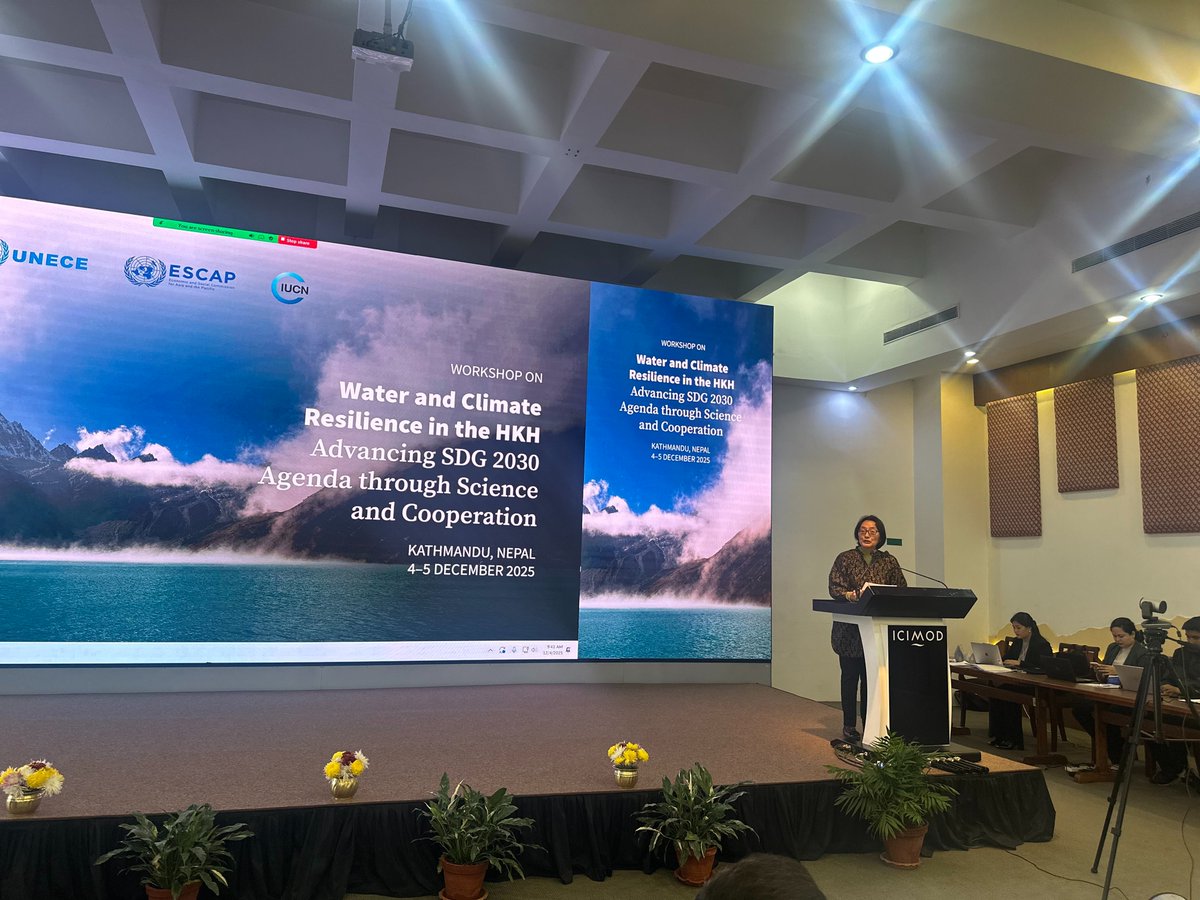
💧HKH Water & Climate Resilience workshop has started at ICIMOD, bringing together regional basin networks, governments, scientists, civil society and youth. Partners align basin science with #SDG6 & #SDG13 and shape cooperative inputs for 2026 VNRs, HLPF and UN Water Conference
👩💻Empowering women entrepreneurs through digital skills (18-20 Nov)
UNESCAP SSWA’s 3-day workshop in Colombo is delivering practical training on e-commerce, digital marketing, AI tools and product development—helping women-led businesses expand opportunities and competitiveness.
📘Closing the forum, Dr. Selim Raihan, Professor of Economics, University of Dhaka & Executive Director, SANEM, highlighted regional cooperation, inclusivity, and shared commitment as key to accelerating SDG progress in South and South-West Asia.
🧑🎓 Ms. Memoona Asif, Youth Advoacay Network, emphasized that youth should be core partners, not afterthoughts, in VNR/VLR processes. She urged early inclusion of youth in data, planning & review to make SDG implementation more transparent, accountable, and community-driven.
🌍Ms. Shilpa, Visible Impact Nepal, urged that VNR/VLRs be co-led with youth and CSOs, not left to government alone. She called for community-level, disaggregated data and greater use of digital tools to include marginalized voices and strengthen evidence-based SDG tracking.
🇲🇻Mr. Adam, Mayor of Malé, said the city’s VLR drove a cultural shift toward inclusive urban governance. He emphasized climate resilience, spatial data systems & digital governance, calling on global partners to help small island cities build a resilient & inclusive future.
🇧🇩H.E. Mr. Faiyaz, Ambassador & Permanent Representative of Bangladesh to ESCAP said Bangladesh’s VNR involved 4,000 participants-small in number but broadly representative, with strong youth voice. This inclusivity drives country's progress toward sustainable LDC graduation.
🇱🇰Dr. Sulakshana, Ministry of Finance outlined Sri Lanka’s VNR journey—anchored in 2017 Sustainable Development Act—emphasizing inclusivity, data, financing partnership & regional learning. 3rd VNR (2027) will focus on linking data, policy & finance to drive integrated SDG action
🇧🇹Ms. Tashi, Cabinet Secretariat shared Bhutan’s 3rd VNR, explaining how reviews guide national planning. She stressed evidence-based policy, coordination led by the PM’s Office, and move from alignment to acceleration and innovative financing as Bhutan advances beyond LDC status
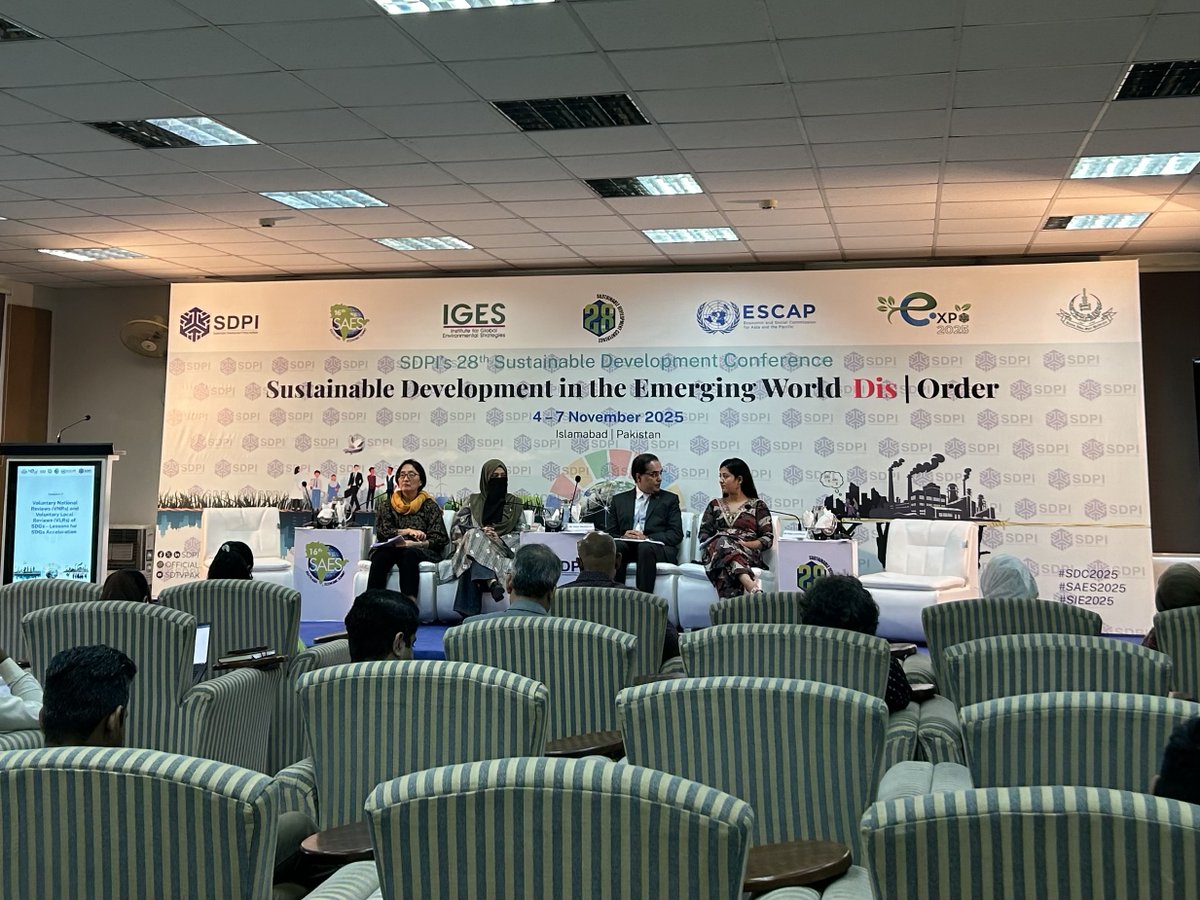
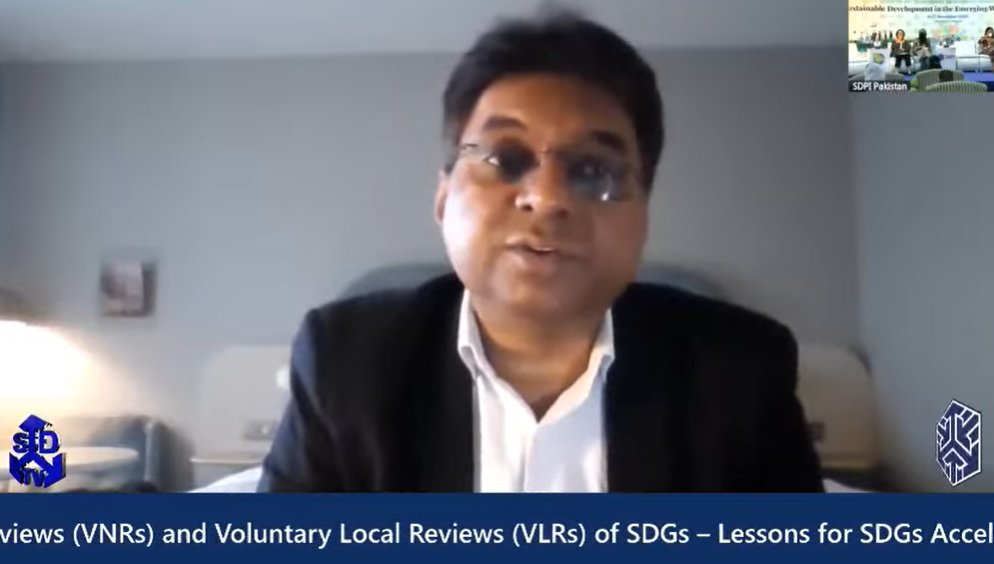
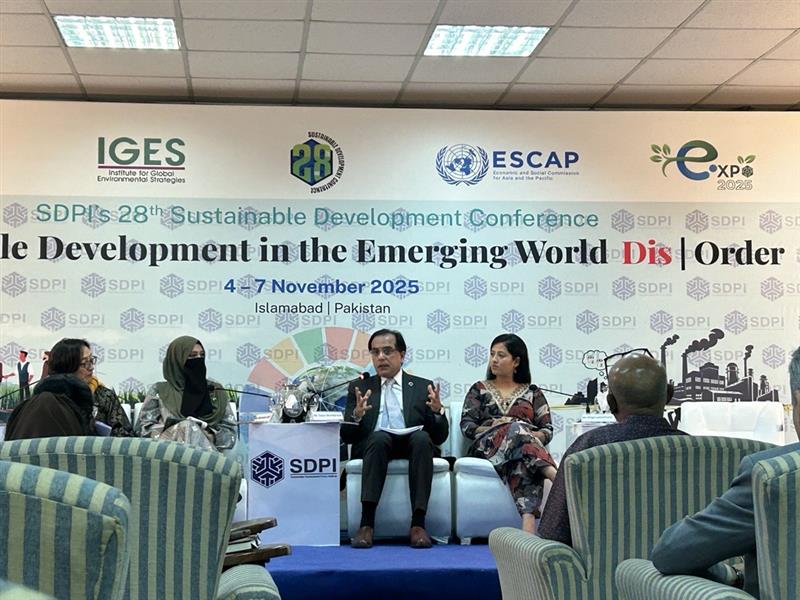
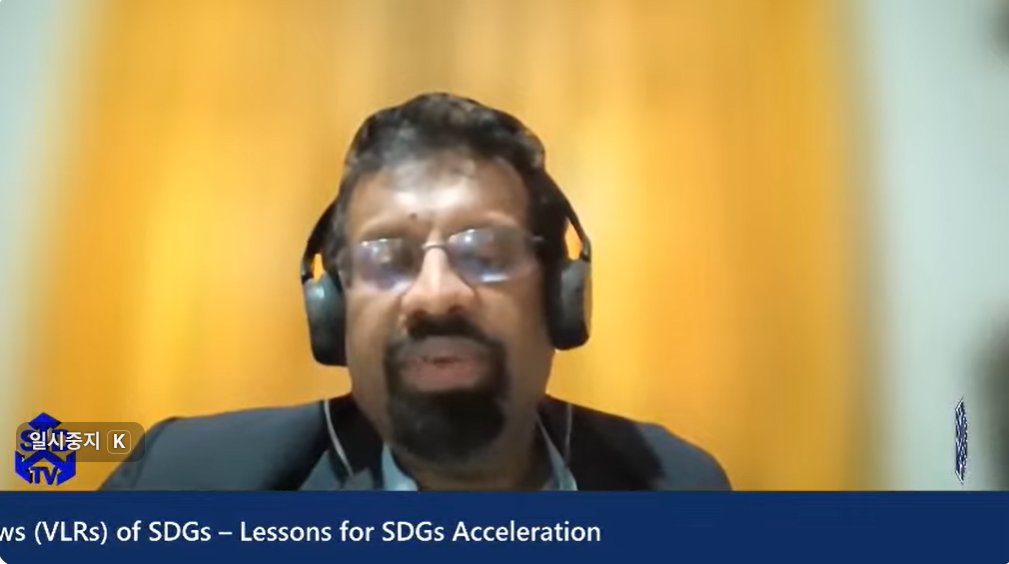
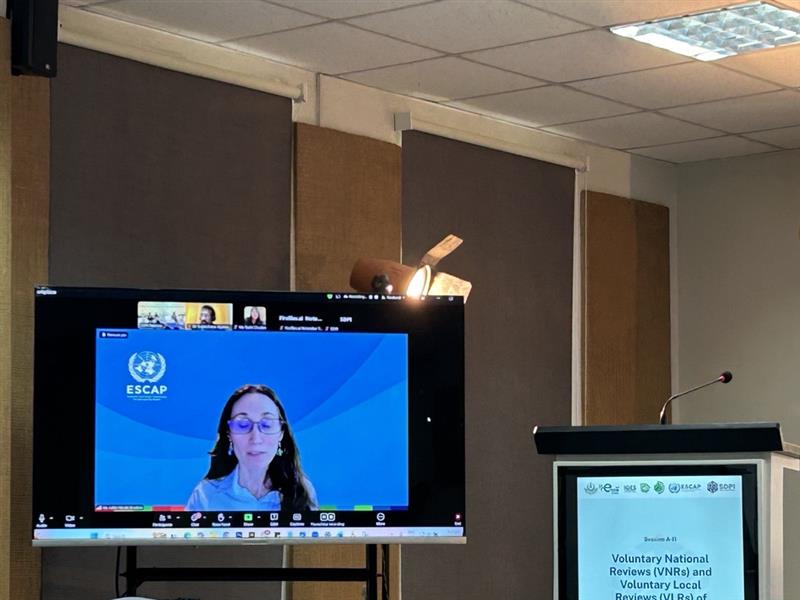
📑 Session 3 opened with Ms. Juliet (ESCAP) providing a definition of Voluntary National Reviews (VNRs) and Voluntary Local Reviews (VLRs) for audiences, outlining their purpose and role in tracking SDG progress.
🎥Watch live: https://t.co/VBe4g392iT
#SDGs#UNESCAP#SDPIPakistan
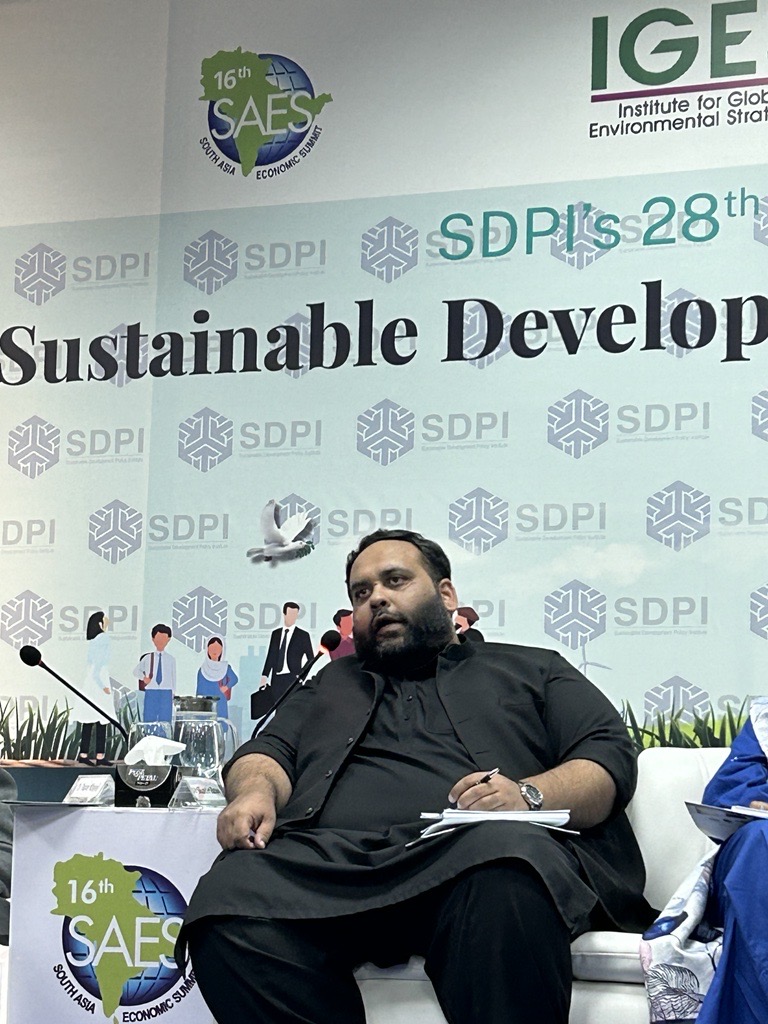
💭Dr. Paras, SAWTEE, highlighted the need for stronger data platforms and cross-country knowledge sharing to address data gaps. He stressed that urbanization indicators require disaggregated data, calling for improved national–subnational coordination to strengthen SDG monitoring
🧑🎓As a youth, Ms. Shajeea Khalid called for special guarantees and financing for young innovators in climate tech, housing & entrepreneurship — stressing de-risking, credit guarantees & social impact bonds (Punjab model) to enable youth to be equal SDG partners. #SDG7
🌏Dr. Kala, APRCEM stressed inclusive SDG action, particularly for rural women and climate-affected migrants, highlighting the need for vertical & horizontal integration and giving marginalized communities space in decision-making to drive transformative, community-led progress.
🇵🇰Mr. Sikhander, Punjab Housing & Town Planning Agency, underscored the need to break silos between government, academia, and practitioners to adopt best practices. Solutions must be context-driven & internalized, not copy-pasted to bridge implementation gaps and meet local needs
🇵🇰 Mayor of Sukkur, Mr. Barrister highlighted that local SDG progress remains difficult due to overlapping mandates and capacity gaps. He stressed clear legislation, stronger coordination, and public–private partnerships, along with long-term planning to empower local governments