An @EU_H2020 funded project looking at developing new tools and strategies to monitor offshore CCS reservoirs.
Tweets reflect only the views of the project.
A world-first study led by the NOC suggests that the process of carbon capture and storage (#CCS) is both viable and safe!
This conclusion follows extensive research off the coast of Scotland. 🏴
Find out more about the study and process of #CCS here 👉 https://t.co/GbH3JtNgmb
Nice article in the latest issue of Southampton University’s Re:action magazine about CCS and their involvement in the STEMM-CCS project. https://t.co/ttXbhiaIyH
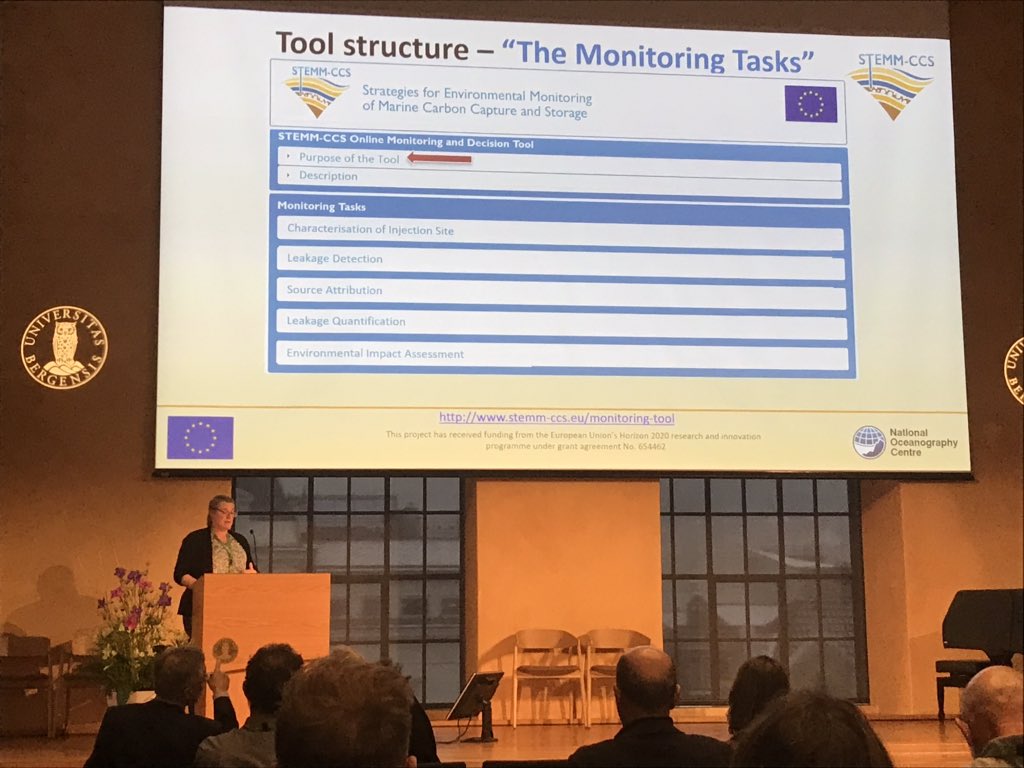
Anna Lichtschlag from @NOCnews showcasing the @STEMM_CCS_EU online monitoring and decision support tool. Check it out at: https://t.co/oT8Ynn2hg3 @IEAGHG @inea_eu
Wrapping up the @STEMM_CCS_EU synthesis session with an engaging panel discussion on what the project has delivered and what #OffshoreCCS issues remain to be addressed.
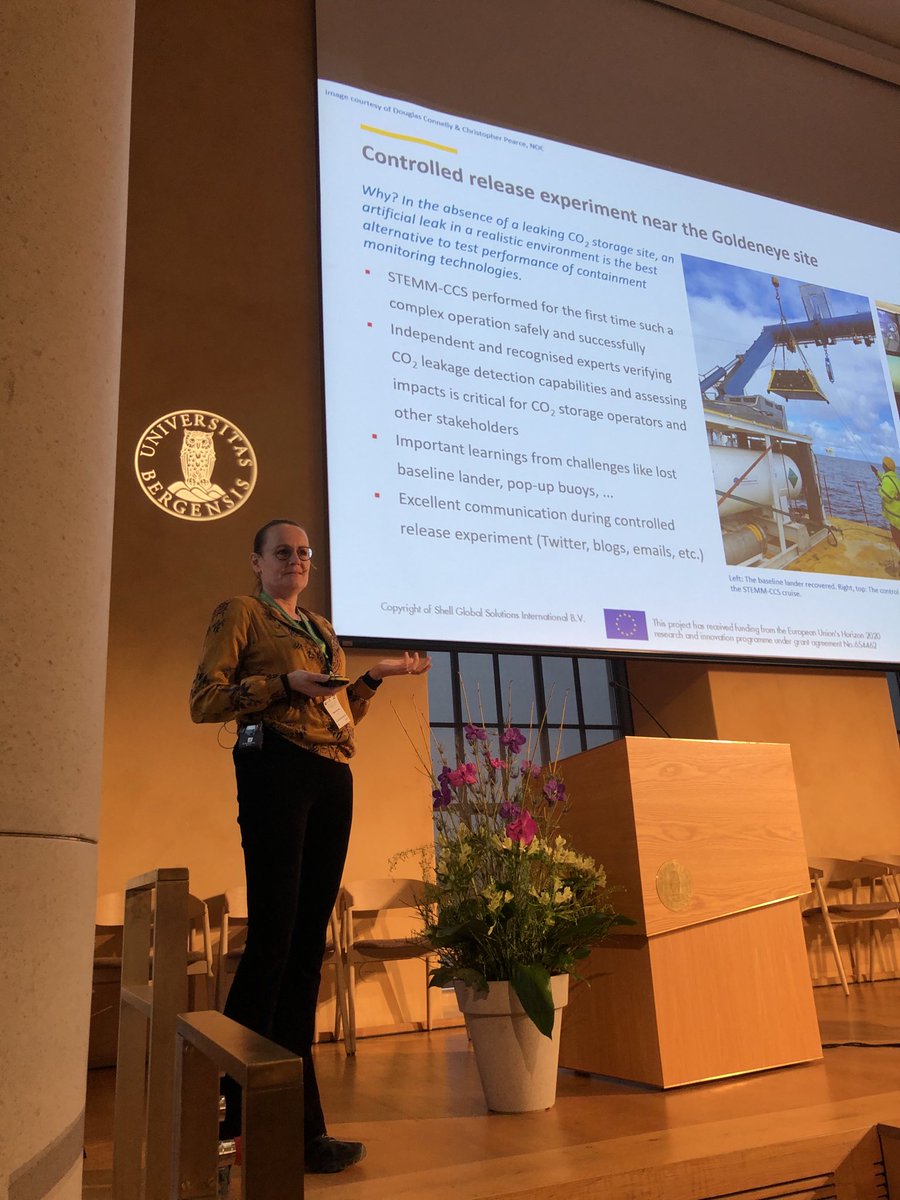
Marius Dewar @PlymouthMarine showing the benefits gained when combining models to address questions of CO2 releases in marine systems. Nesting models essential to move from global-regional-m scale models. In combination with plume models. @STEMM_CCS_EU
Fantastic talk by @R0CH3 giving us a glimpse of what the CO2 gas was up to within the sediment during the @STEMM_CCS_EU controlled release experiment. Amazing figures and data derived from the @samsglider@TeledyneMarine#Gavia
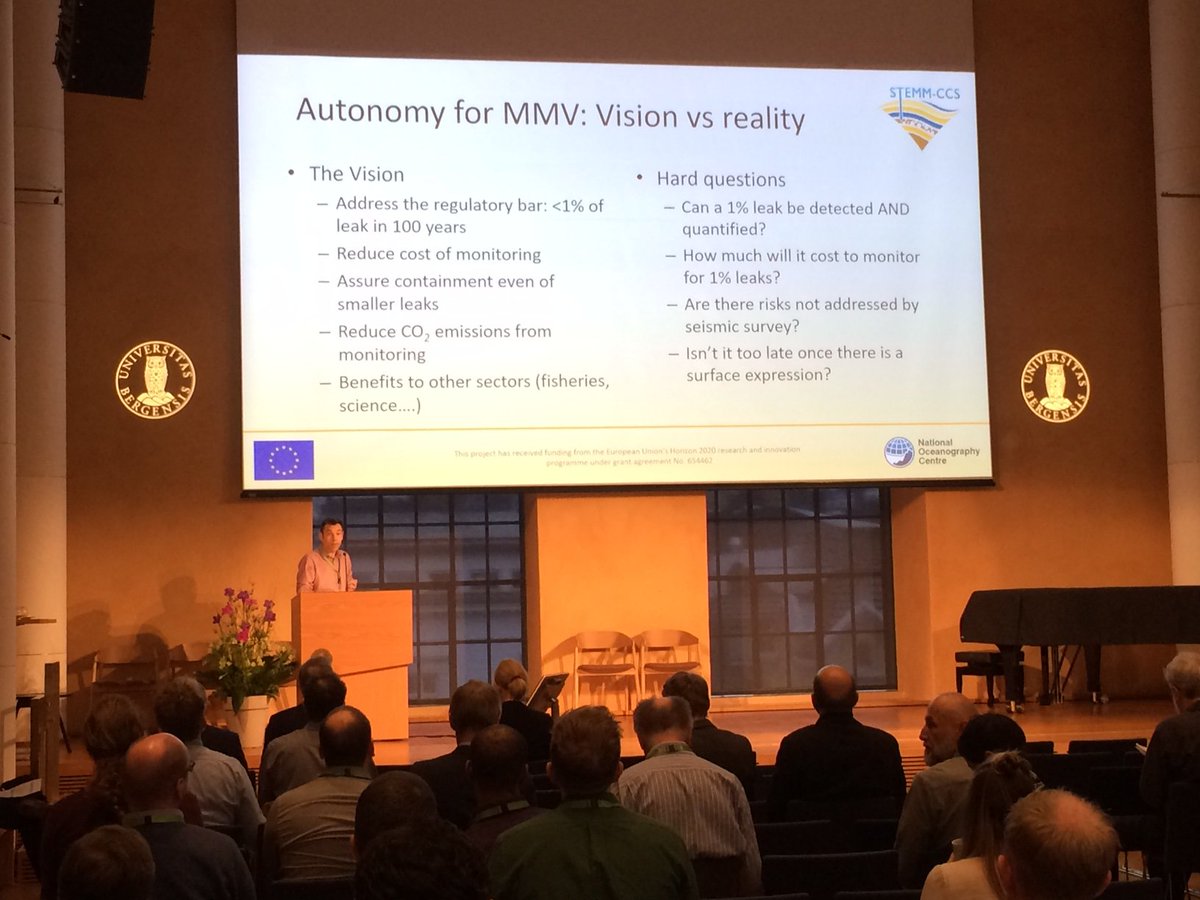
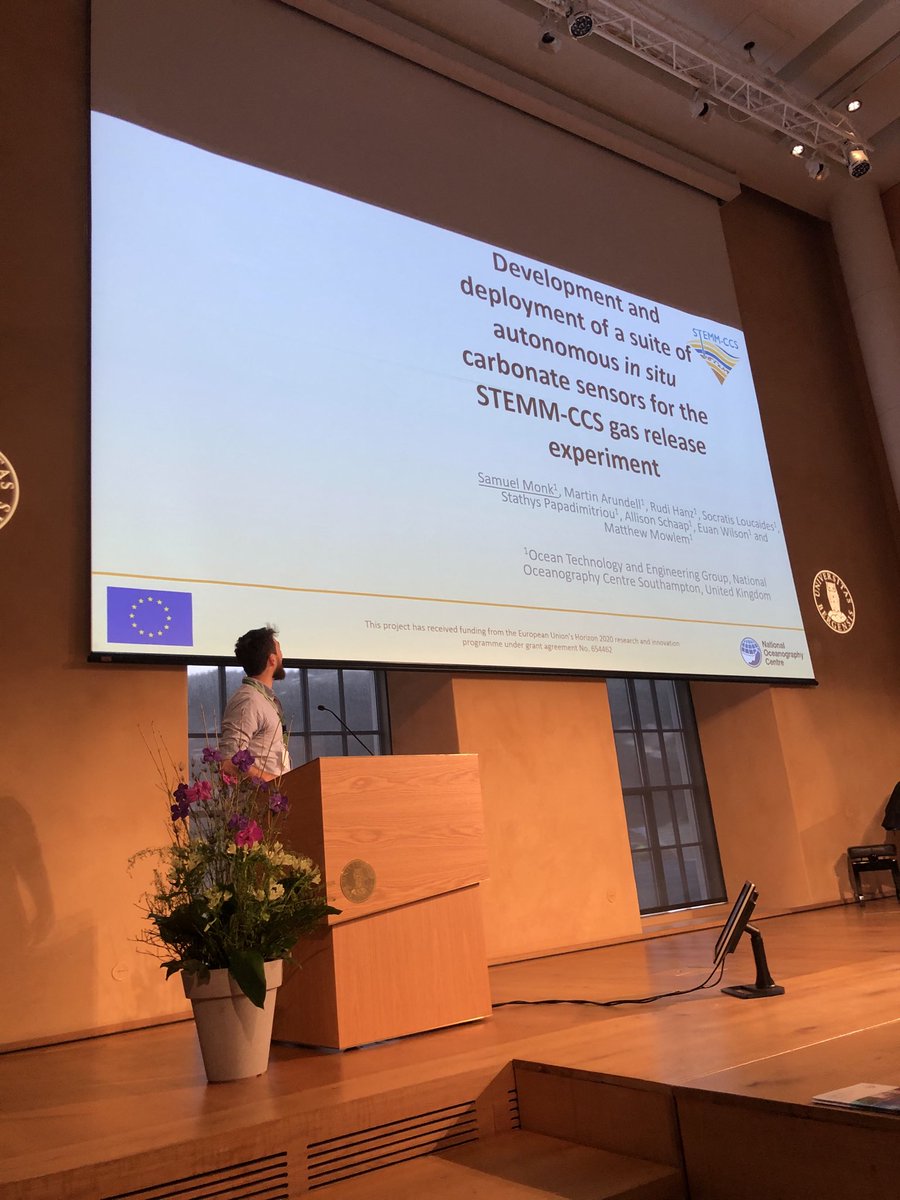
Day 2 of the STEMM-CCS final meeting / @IEAGHG 4th Offshore Geologic CO2 Storage Workshop: @NOCnews Matt Mowlem ponders new methods for autonomous observation of offshore CCS reservoir integrity...
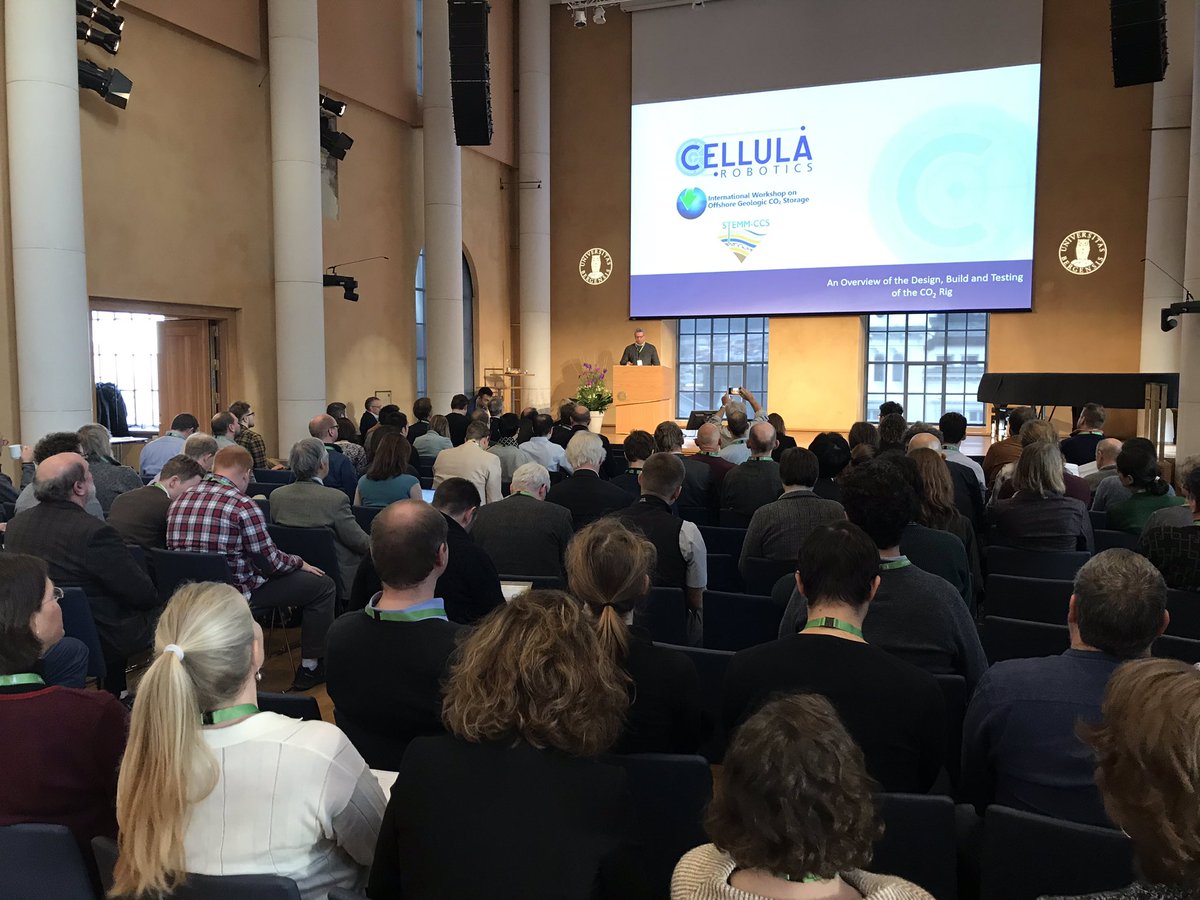
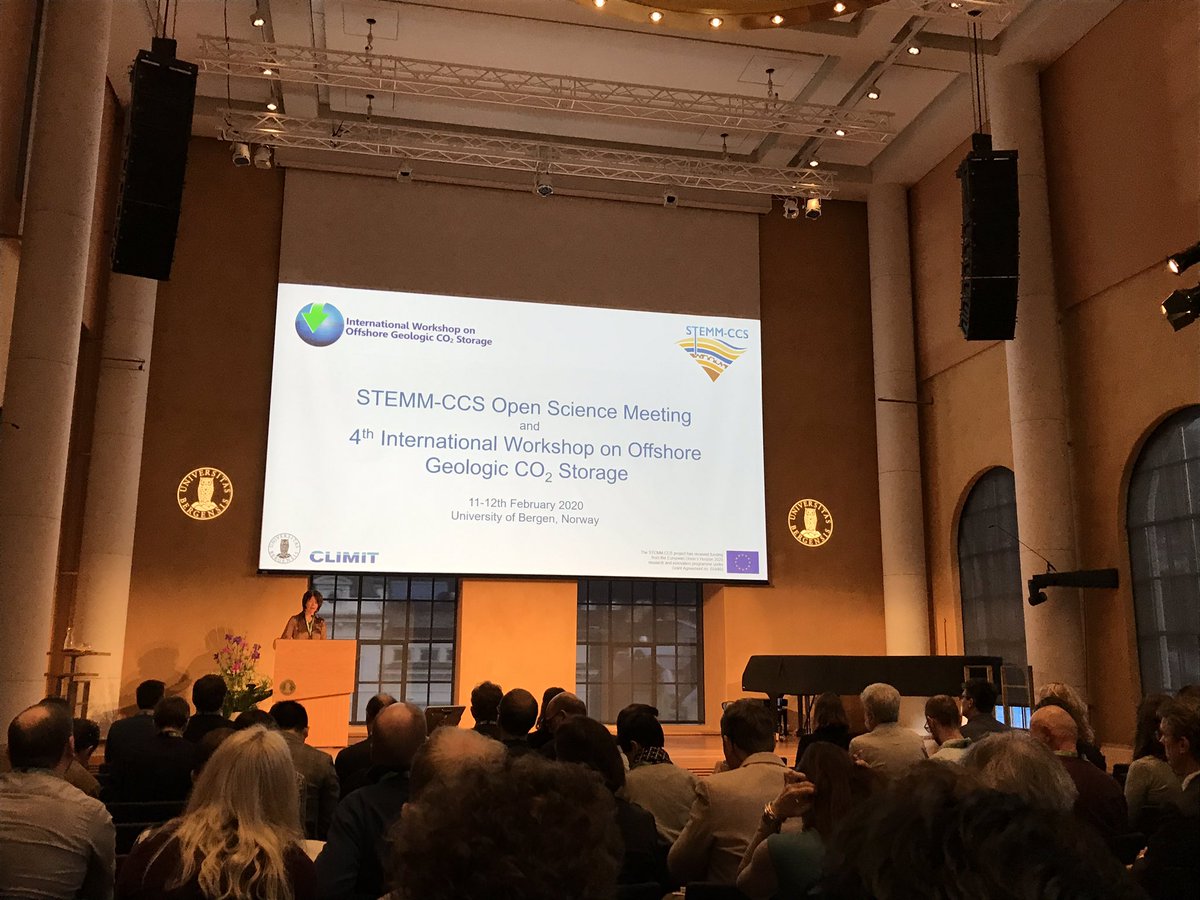
Here we are...all 150 (ish) of us at the joint STEMM-CCS final meeting and @IEAGHG 4th Offshore Geologic CO2 Storage Workshop in Bergen. Many thanks to our generous host @UiB for having us!
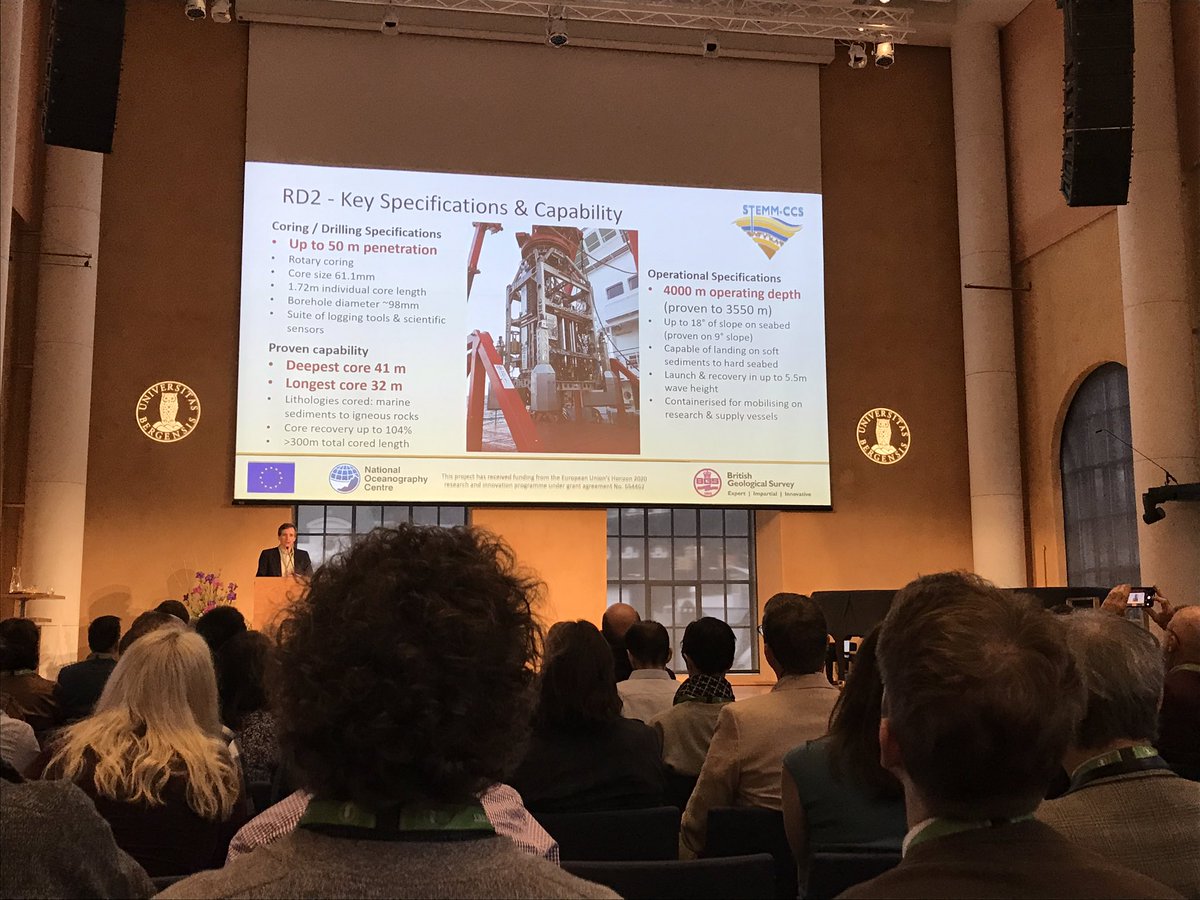
Getting technical in the 1st @STEMM_CCS_EU session, with some great talks from @NOCnews@BritGeoSurvey & Cellular Robotics on how to conduct (& measure) an offshore #CCS experiment
How do you safely get 3 tonnes of CO2 to the seafloor at the bottom of the North Sea? @NOCnews Kevin Saw explains how...(hint: you need a crack team of marine engineers and a lot of ingenuity)
STEMM-CCS coordinator @DougConnelly presents on the multitude of challenges addressed by the project...how difficult could it be to simulate a CO2 leak in the North Sea...?
Ready to go here in Bergen - our final project meeting, held in conjunction with IEAGHG's 4th Offshore Geologic CO2 Storage Workshop. Where did the last 4 years go?!
Registration now open for the STEMM-CCS Open Science Meeting and 4th International Workshop on Offshore Geologic CO2 Storage. Join us in Bergen, 11-12th Feb 2020.
https://t.co/gt6WSTrMA7
Our #Oceanids programme (https://t.co/nz4WZHc5si) is developing the next generation of marine robotics & state-of-the-art sensors to tackle big global challenges & help make sense of changing seas. #Thisisengineering#oceanrobots