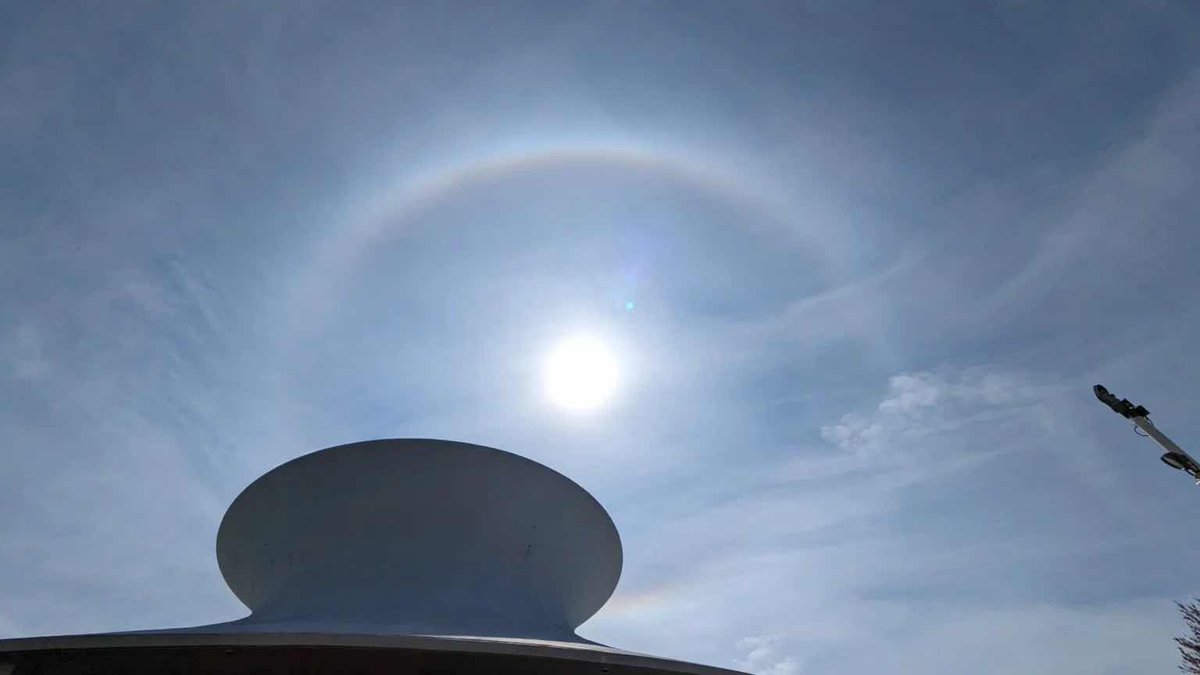
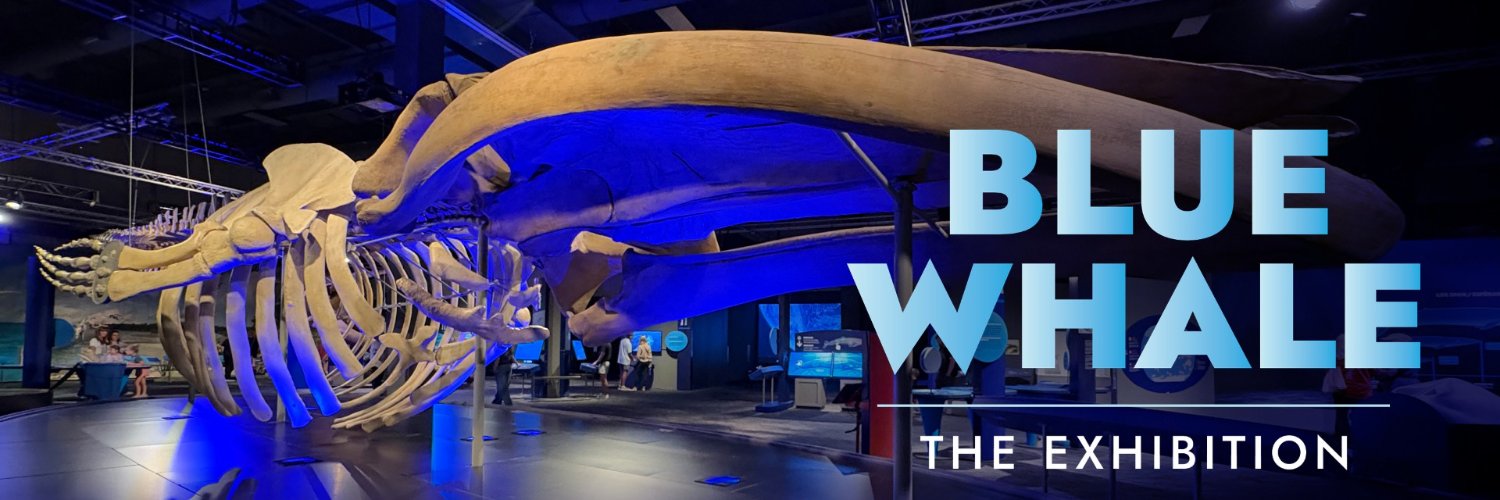
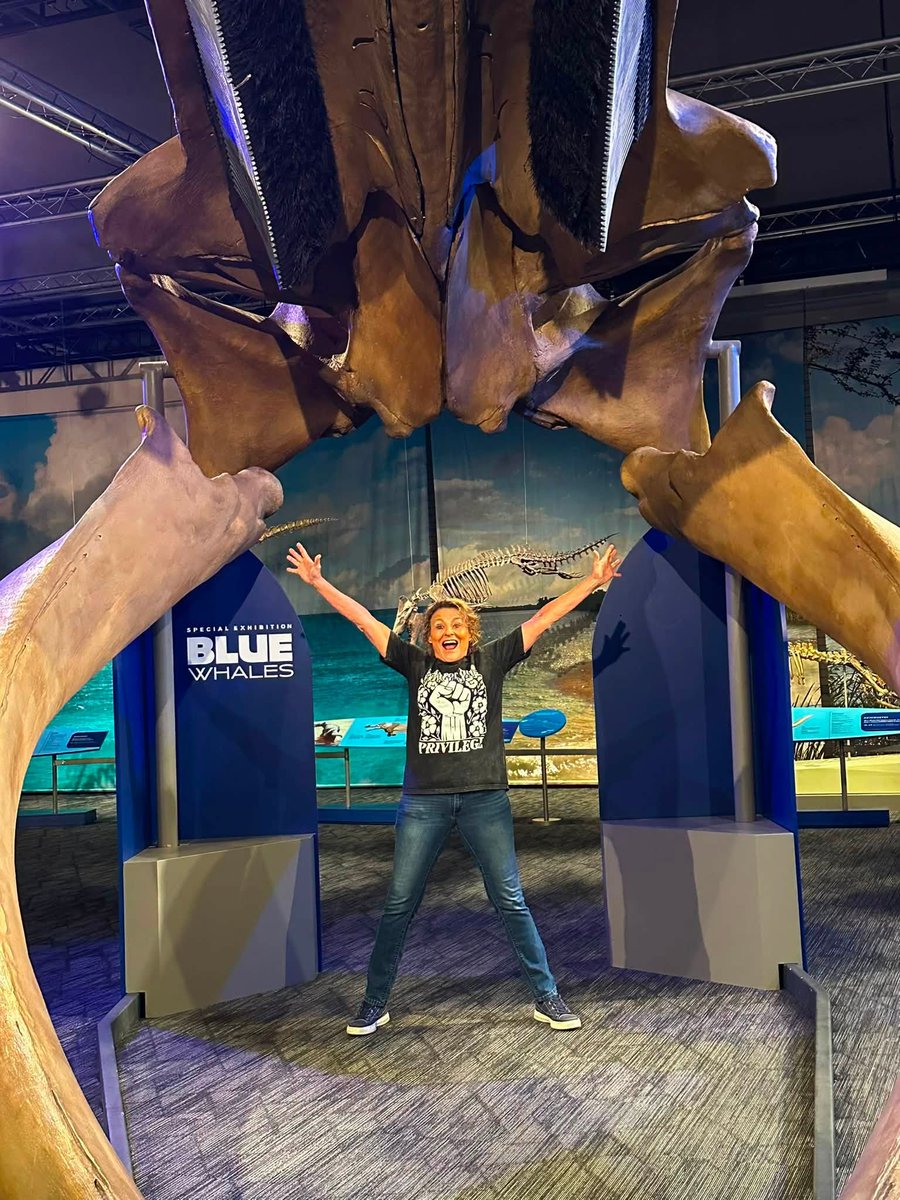
Join us TOMORROW (10/17) for the St. Louis Prehistoric Life Show at the Science Center! A FREE, all-day, #paleontology pop-up event bringing together scientists, artists, collectors, & curious guests of all ages for a day of hands-on exploration. https://t.co/lmGtvRWVsk #fossils
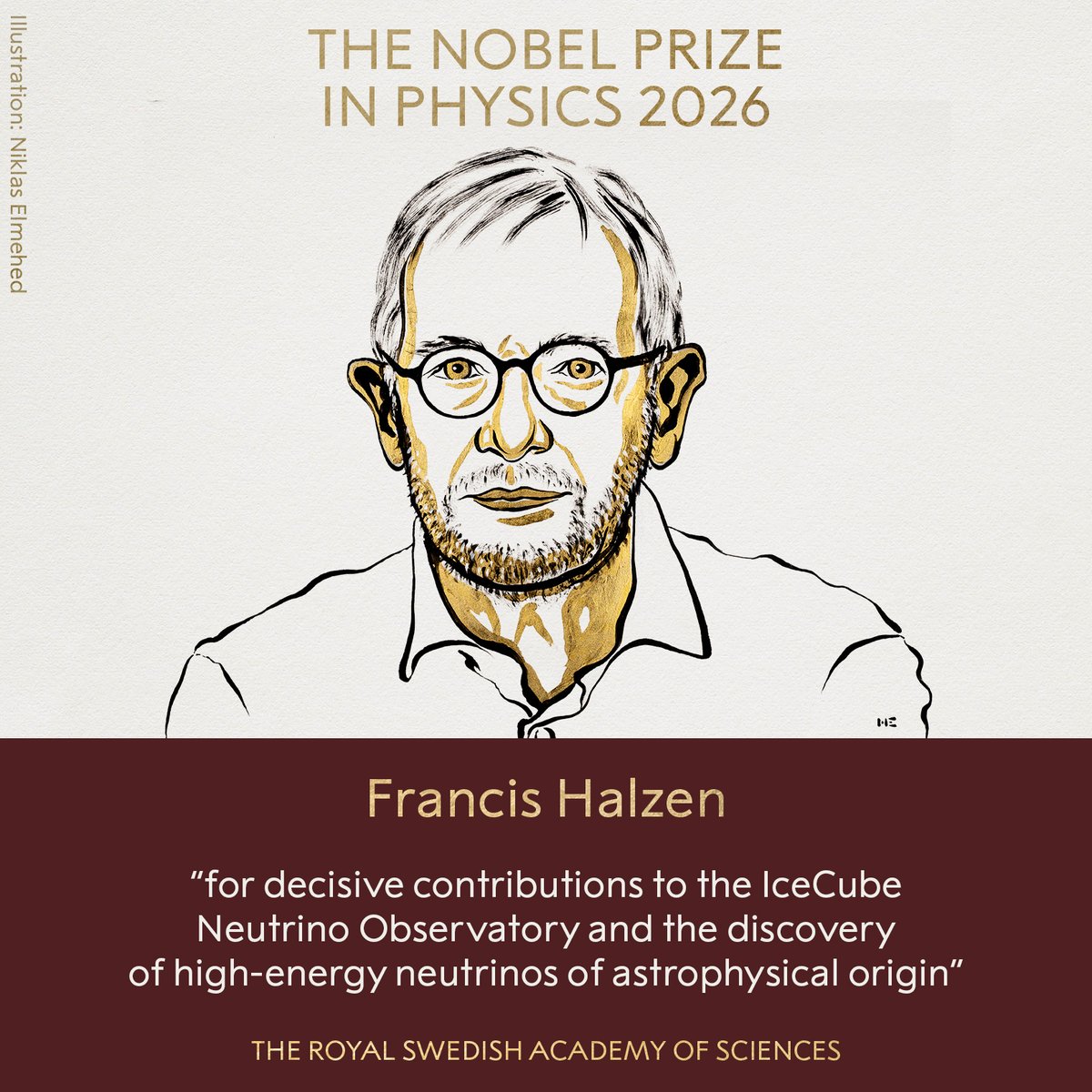
The 2026 @NobelPrize in Physics was awarded today to Dr. Francis Halzen for his work using Antarctic ice to capture and study particles known as neutrinos that share information about distant sources throughout the universe. https://t.co/mqvQr4h91M #NobelPrize#physics#STEM
BREAKING NEWS
The Royal Swedish Academy of Sciences has decided to award the 2026 #NobelPrize in Physics to Francis Halzen “for decisive contributions to the IceCube Neutrino Observatory and the discovery of high-energy neutrinos of astrophysical origin.”
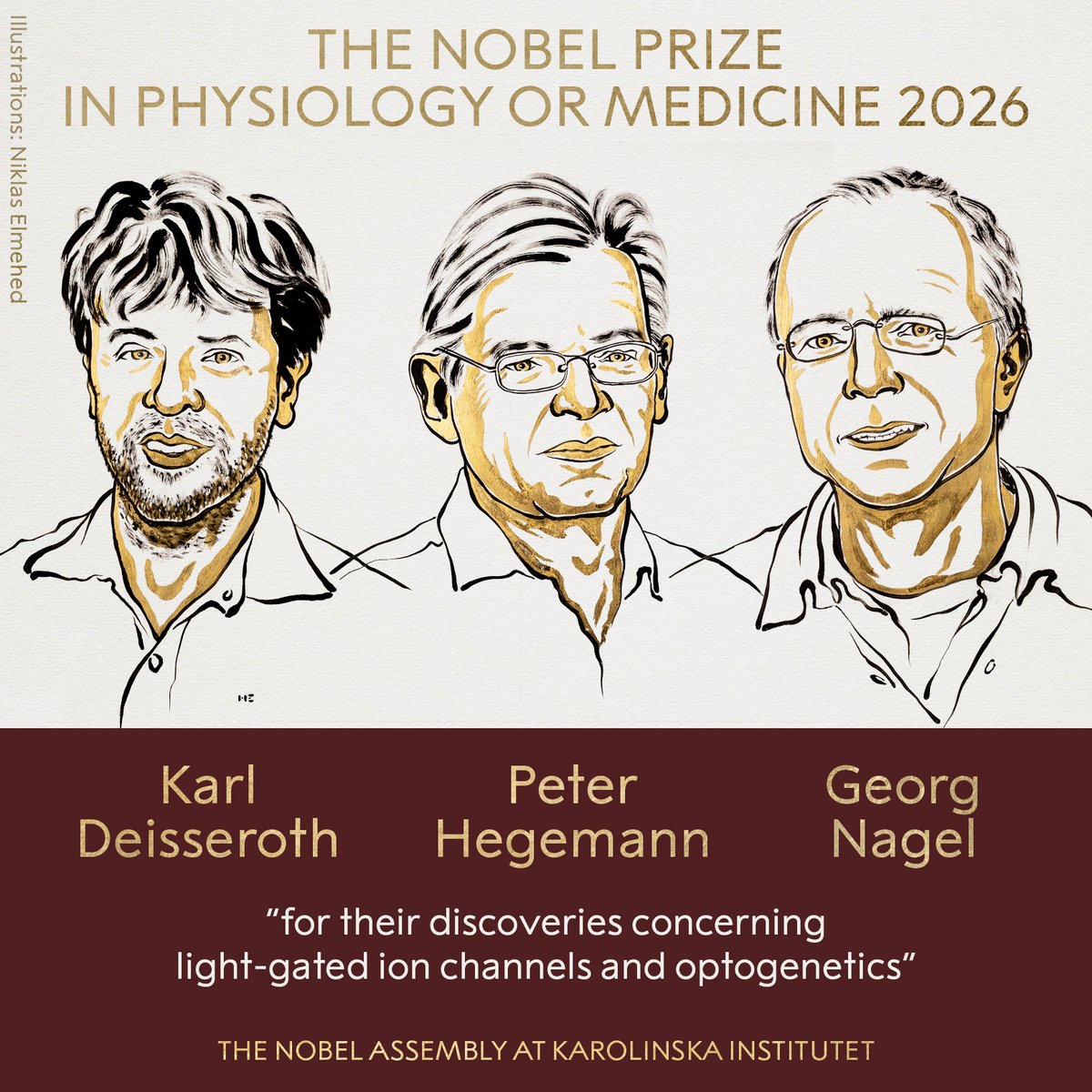
Congratulations to Dr. Karl Deisseroth, Dr. Peter Hegermann & Dr. Georg Nagel on being awarded the 2026 @NobelPrize in Physiology or Medicine for their work on optogenetics, which "makes it possible to show how nerve cells shape memories, feeling & behaviors in the living brain."
BREAKING NEWS
The 2026 #NobelPrize in Physiology or Medicine has been awarded to Karl Deisseroth, Peter Hegemann and Georg Nagel “for their discoveries concerning light-gated ion channels and optogenetics.”
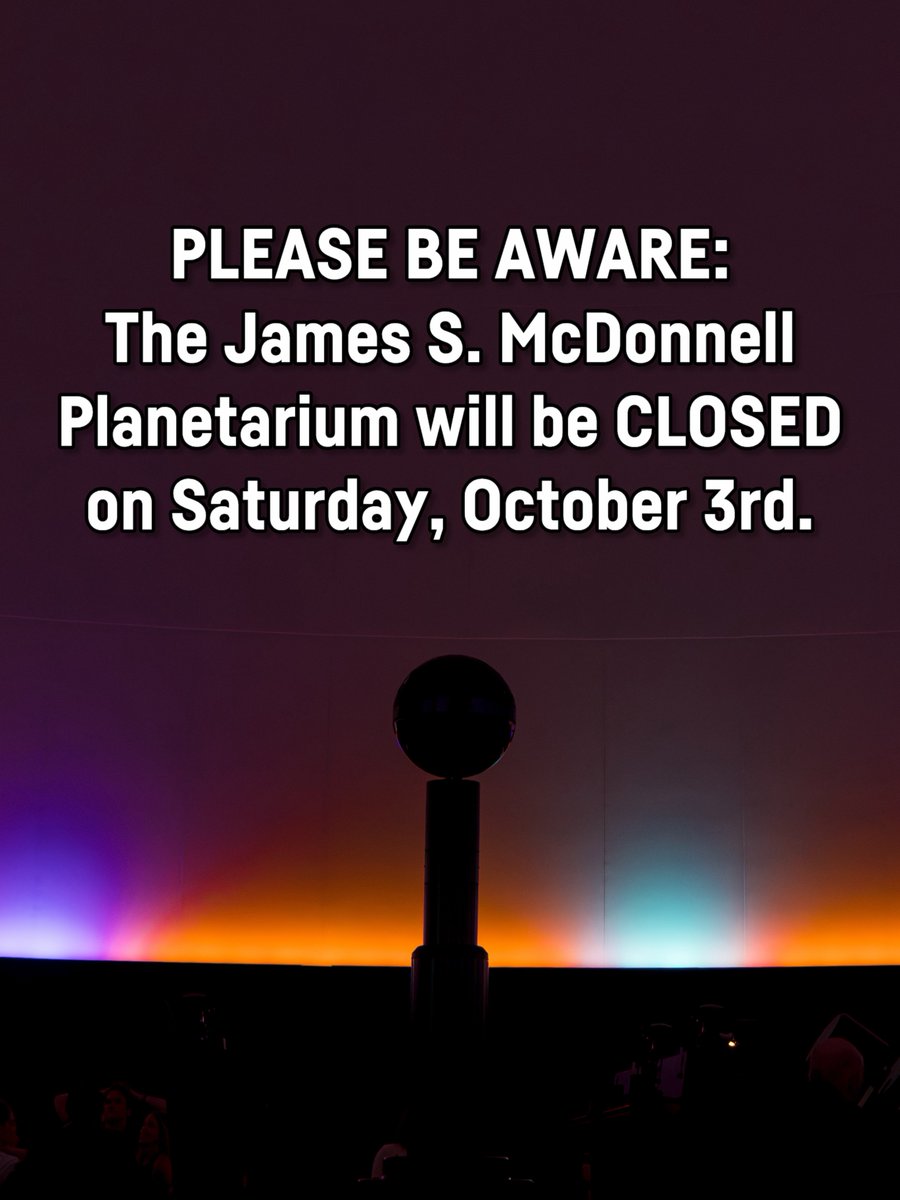
⚠️ The Planetarium will be closed on tomorrow, Oct. 3, including the Planetarium entrance & SkyBridge. The Planetarium will also be closed Oct. 15-19 for maintenance.
Image credit: @bythearch
Happy #FallEquinox! 🍂 Today, the Sun crosses Earth’s celestial equator, marking the official start of autumn in the Northern Hemisphere. It's also the time of year when day and night are nearly equal in length around the globe.
At the Science Center, the planetarium has reopened with a first-of-its-kind star projector, immersive digital technology, and a mission to inspire visitors to keep looking up. https://t.co/azQC3qWguQ
Did you know you can often spot the Moon in broad daylight? 🌙 And that some thunderstorms can produce 100+ mph winds without a tornado? ⛈️ This month's #DaySkyUpdate explores both, plus what to watch for as we approach the September Equinox. Read more:https://t.co/9AiauBKxjW
Look up tonight.
The Moon will pass through Earth's shadow during a deep partial lunar eclipse visible from much of North and South America and parts of Europe and Africa. As the eclipse deepens, the Moon will appear tinged with shades of red and copper.
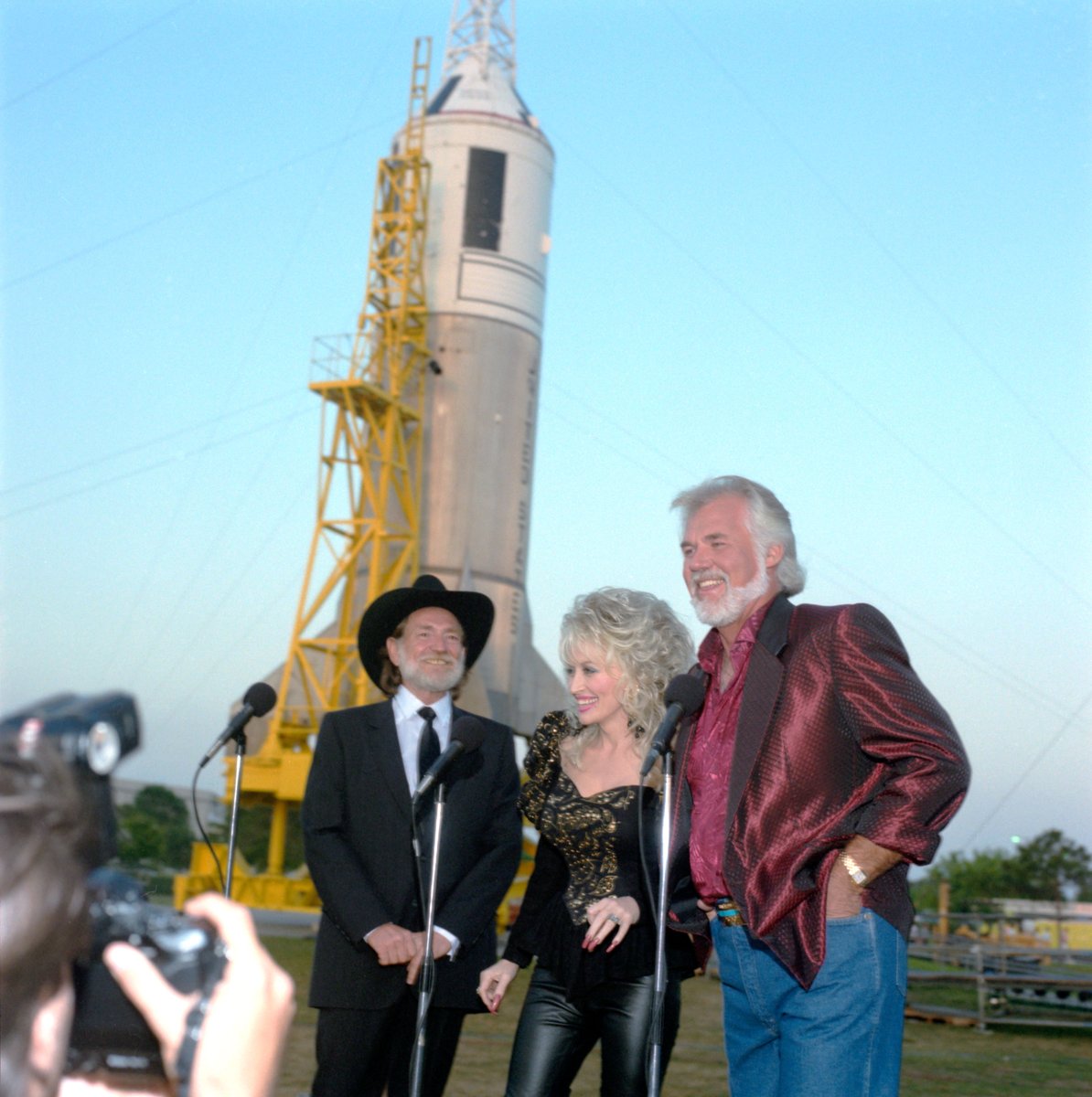
NASA honors the memory of Dolly Parton, who passed away on Aug. 25, 2026.
In 1989, Dolly performed at @NASAJohnson's Rocket Park, alongside fellow musicians Willie Nelson and Kenny Rogers, to an audience of over 12,000 NASA employees and their families.
Over 90% of the Moon will slip into Earth’s shadow on 8/27! 🌕 See this deep partial #LunarEclipse w/ FREE telescope viewing, astronomy activities, & live #planetarium programming at the Science Center from 8-11:30pm. Rain or shine! https://t.co/1RMxoF5olR #space#stlouis#stlmo
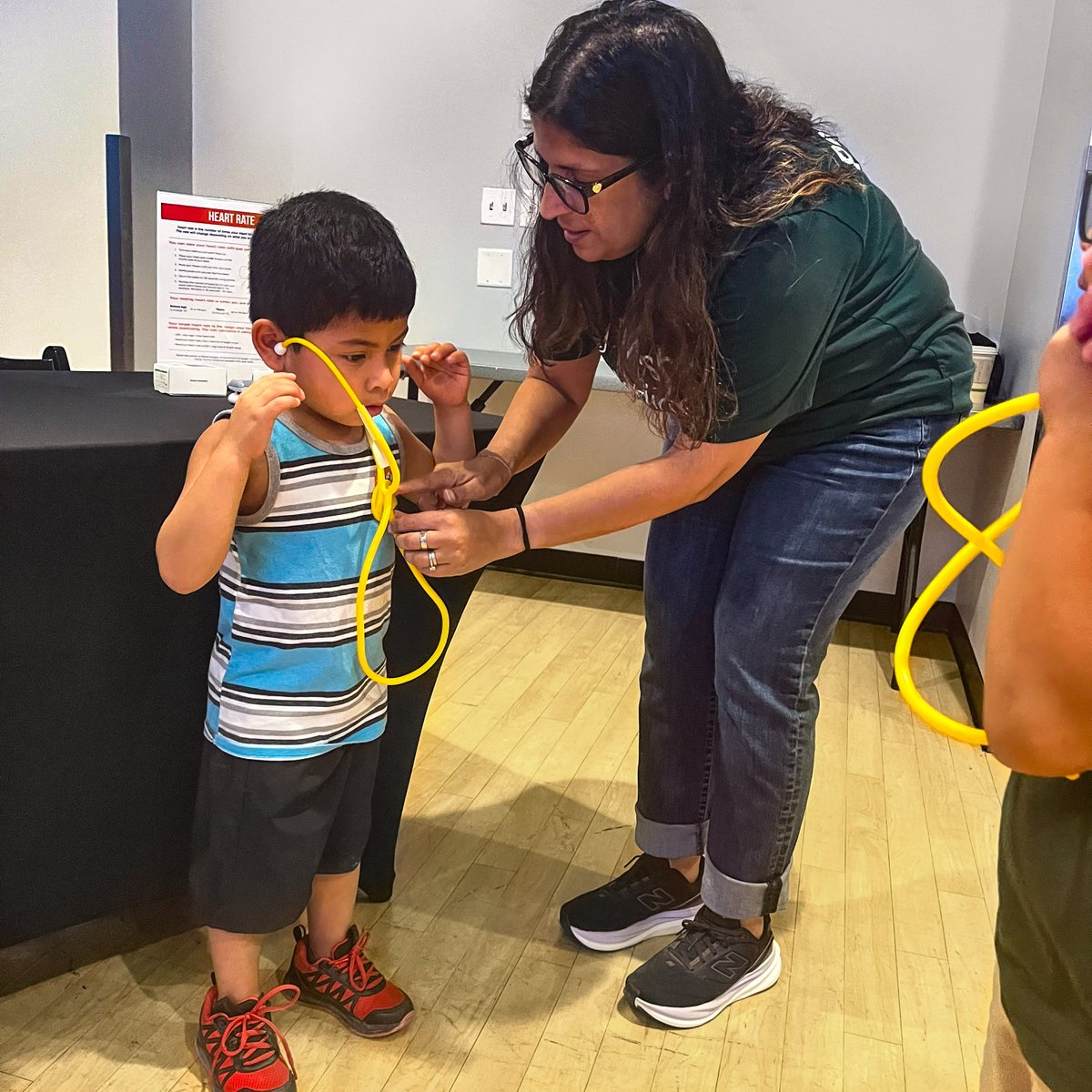
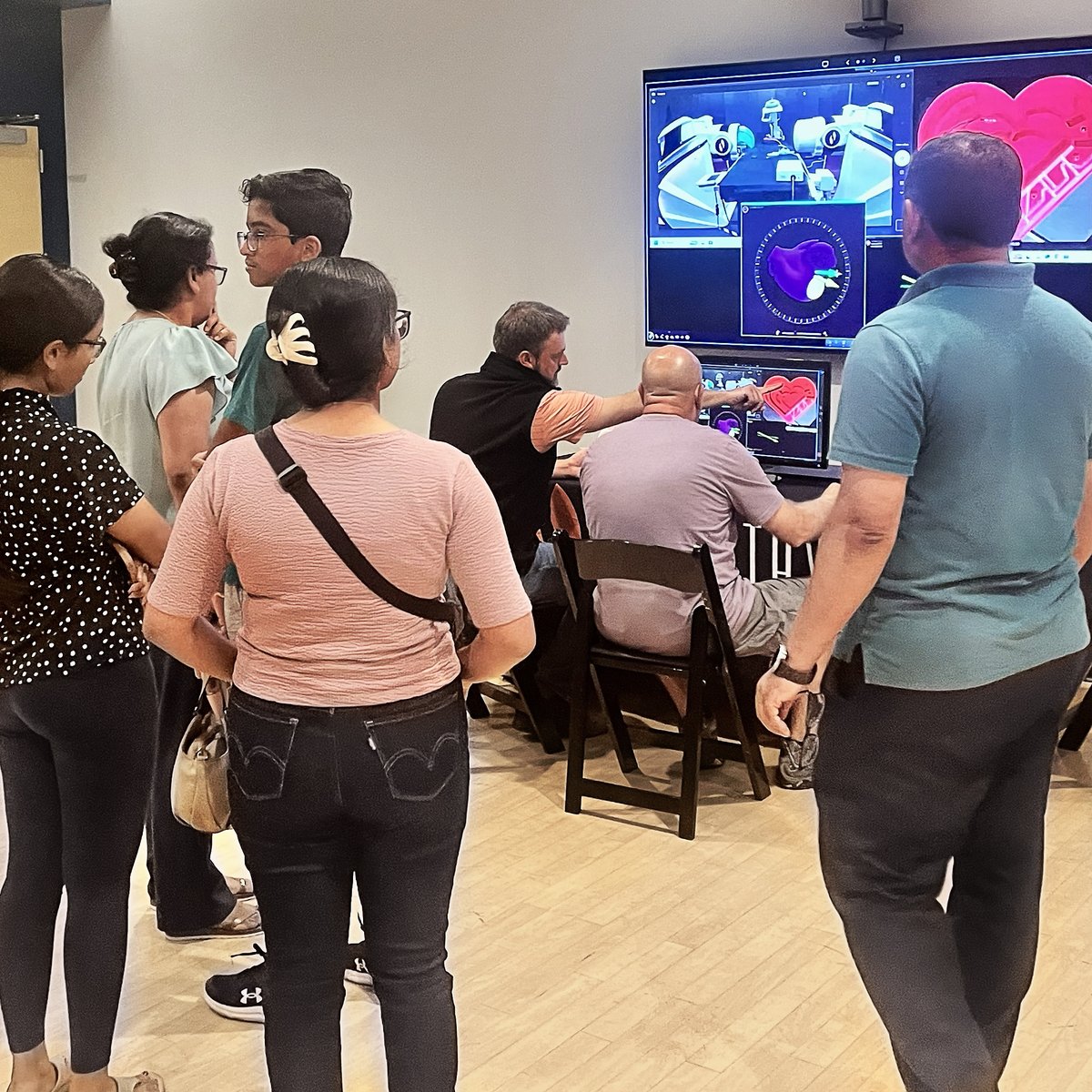
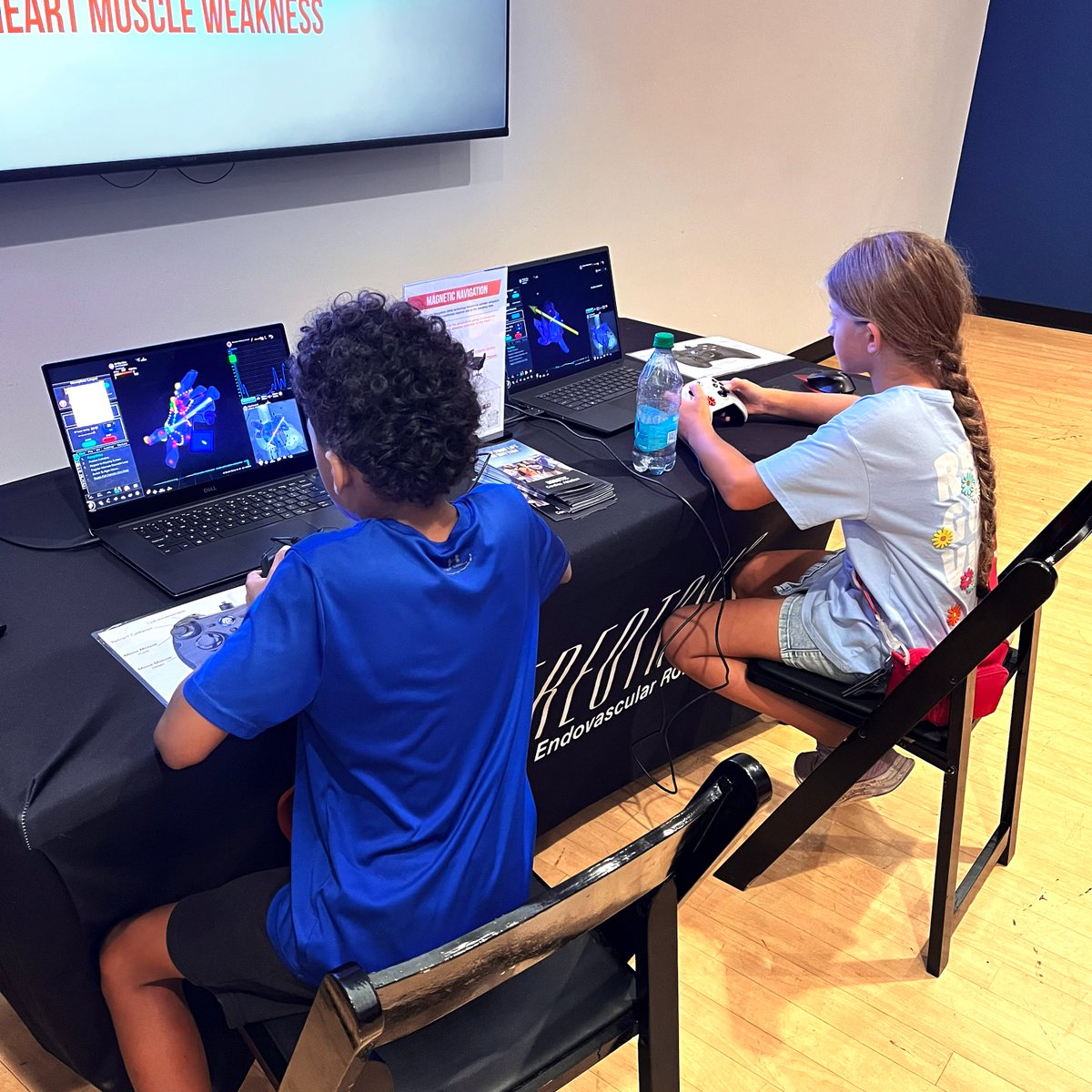
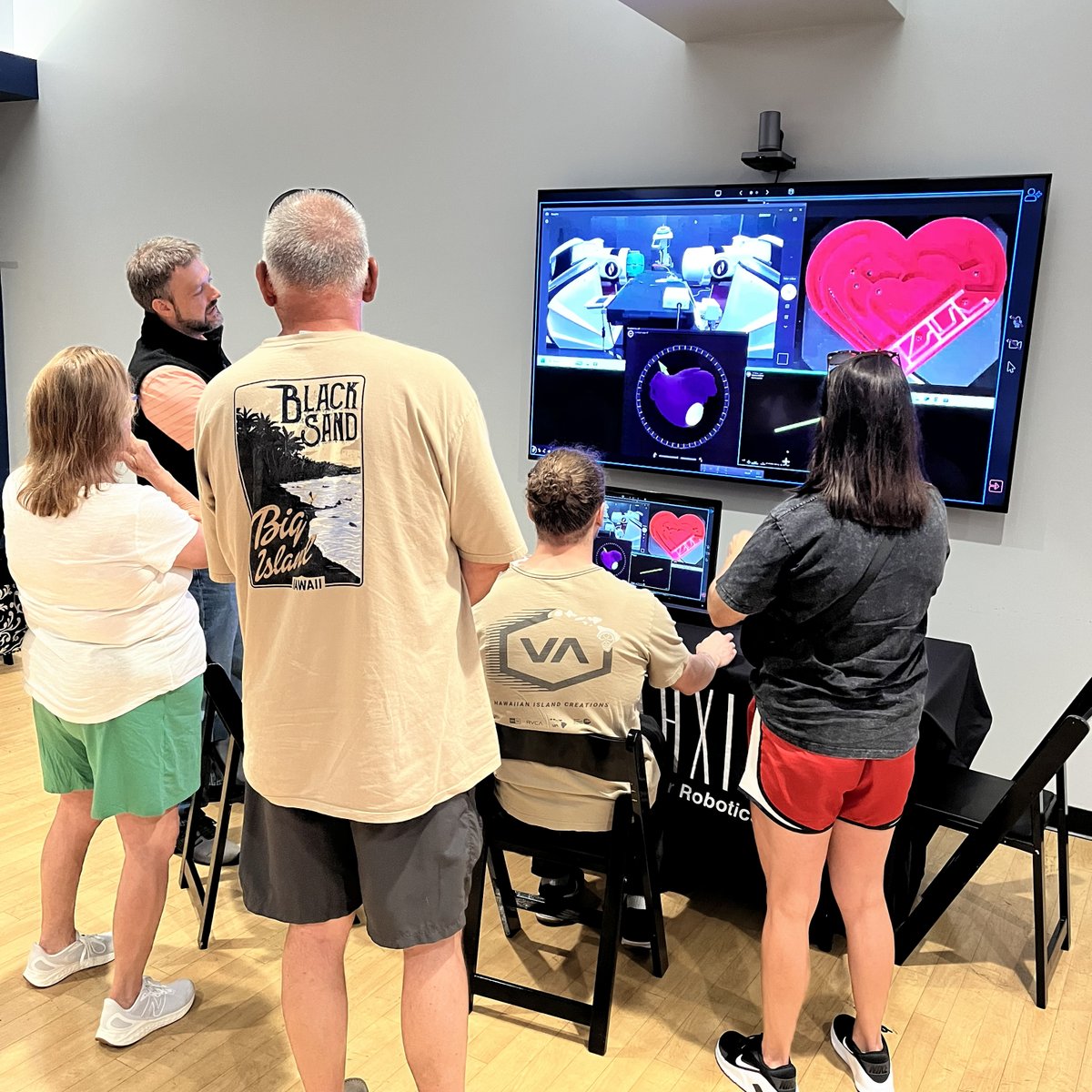
What a great time at the @STLScienceCtr! 🫀🤖
Loved seeing so much interest in heart health, arrhythmia treatment & #RoboticEP. Thank you to Dr. @jenniferavari & @LisaRoelle for joining us, & to everyone who stopped by, asked questions & test-drove #GenesisX!
Robots, magnets, and heart health, oh my! Join us TODAY (11am-3pm) for Stereotaxis: Pop-up Science! 🫀 Drive a surgical robot, explore real medical technology, and meet local STEM experts. 🤖 FREE in the T-Rex Room on the Lower Level. See you there!
🚨TODAY ONLY!🚨 Save on membership! ⬇️
- Family & Friends: $120 (was $135)
- Family & Friends MAX: $165 (was $195)
Use code B2S26 online, call (314) 289-4414, or visit the Member Desk. Sale ends tonight! ⚠️ Become a member: https://t.co/lRRfcLxfiu
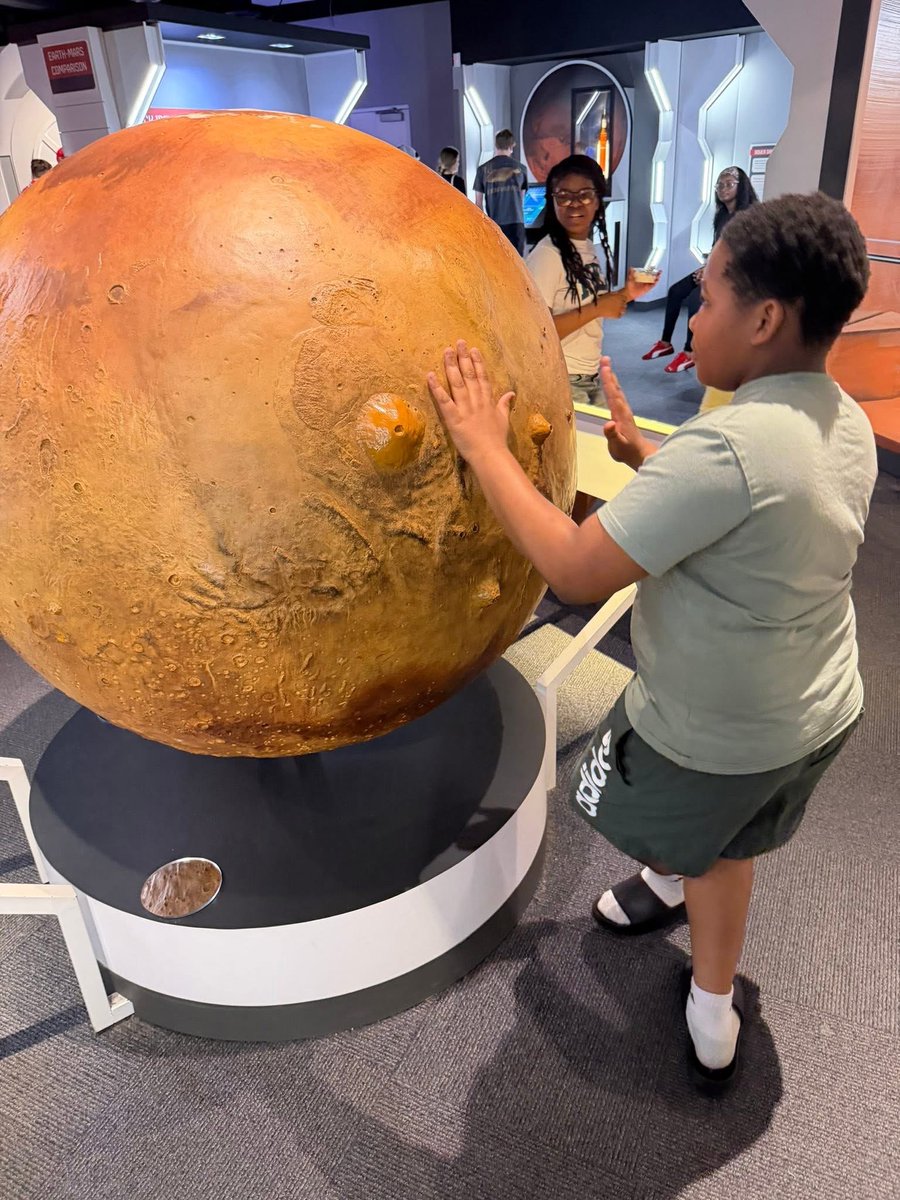
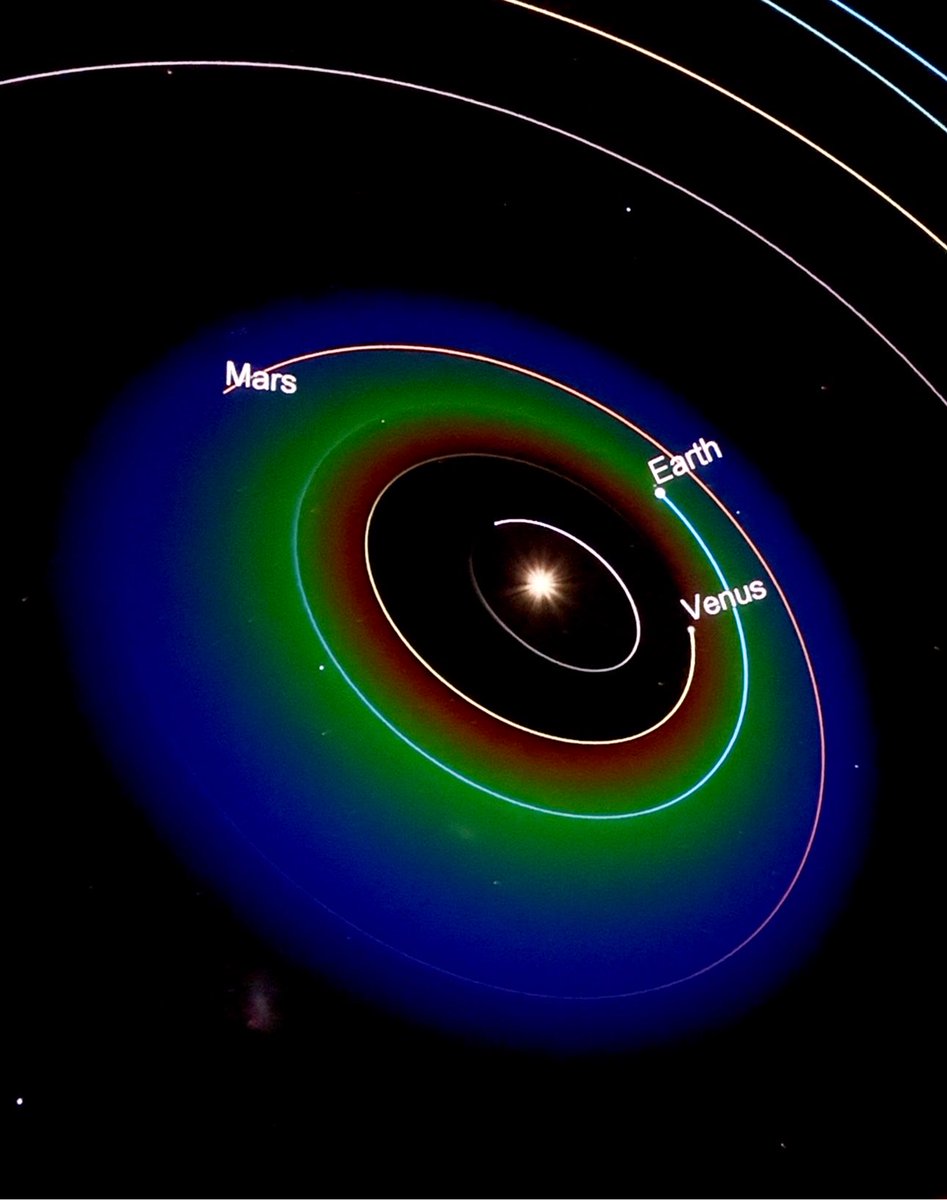
#FunFactFriday: A day on Venus is longer than a year on Venus! 🔭 Venus takes about 243 Earth days to rotate once, but only 225 Earth days to orbit the Sun. ☀️ For comparison, Earth rotates once every 24 hours, while Mars takes about 24 hours & 37 minutes. 🌏