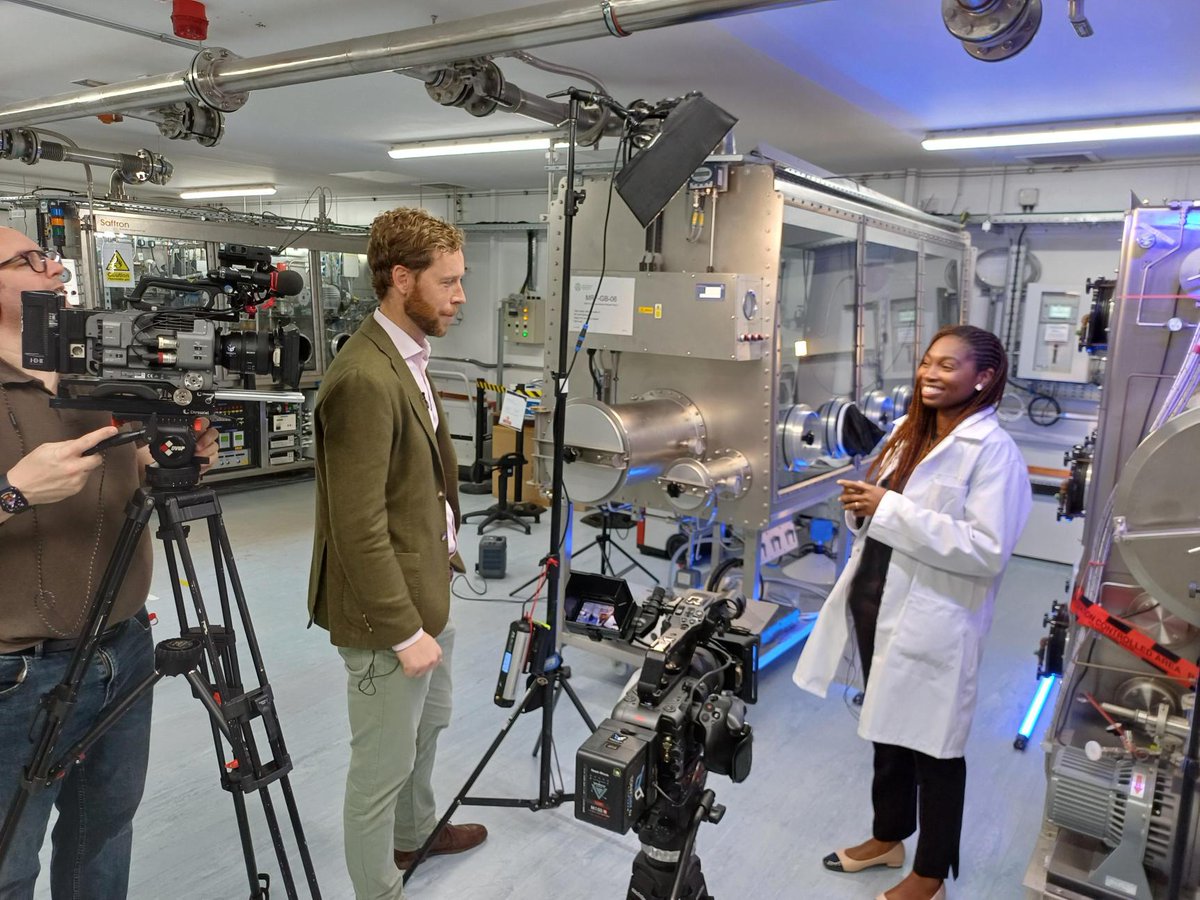
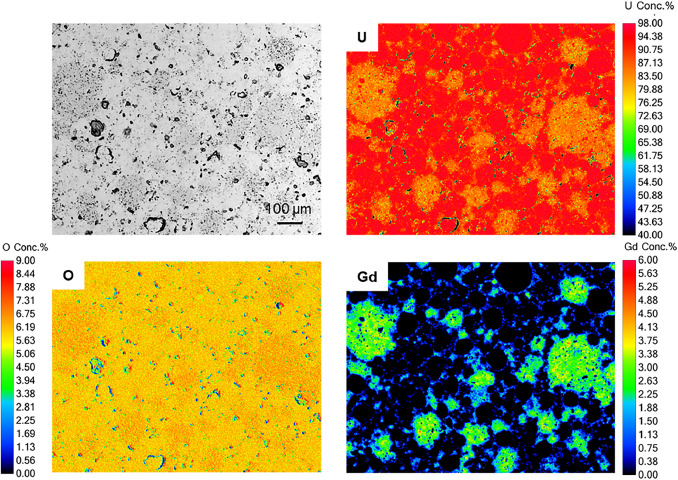
⚛️ Why study on the MSc Nuclear Science and Engineering Course? ⚛️
World class facilities, direct access to industrial partners, contributing to climate change solutions and experiencing the beautiful city of Bristol… not a bad list!
Apply here: https://t.co/U6KgpxQvfn
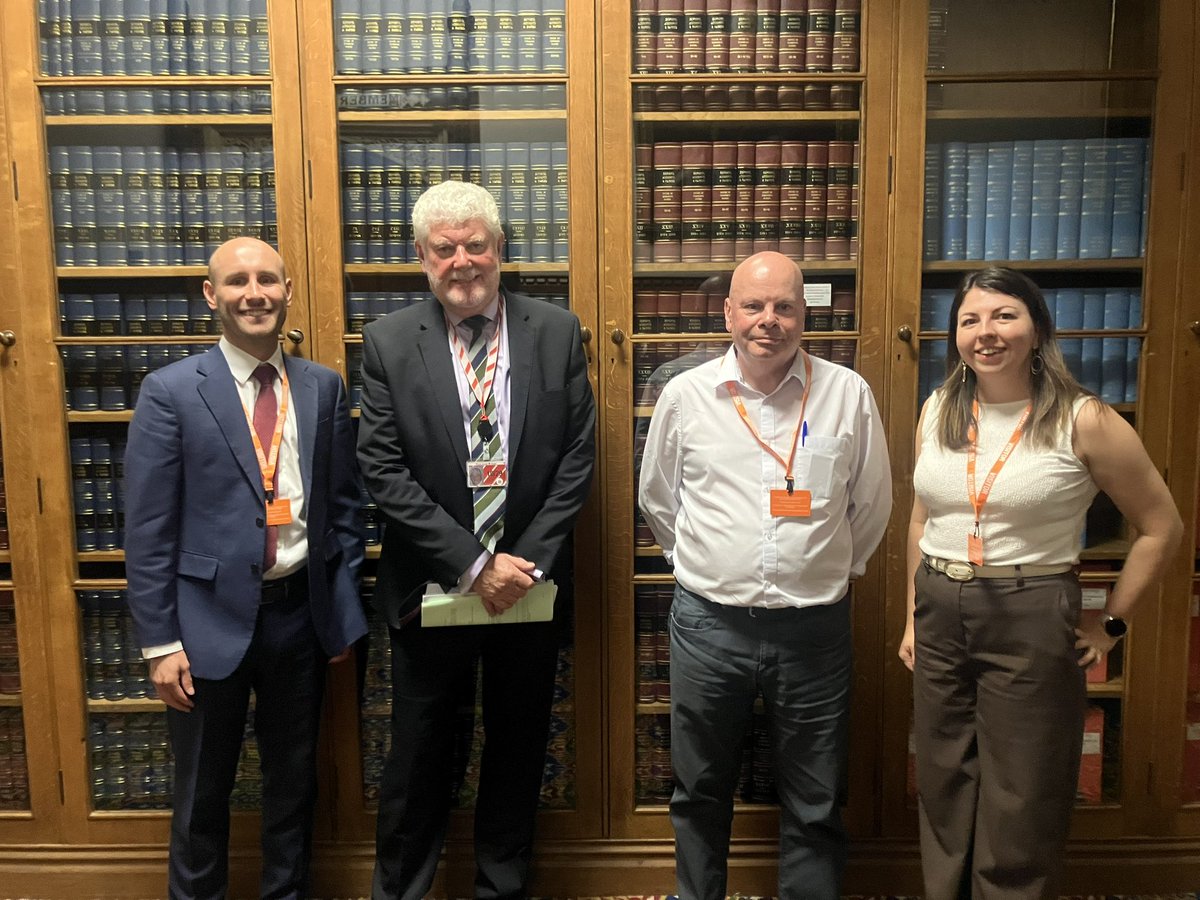
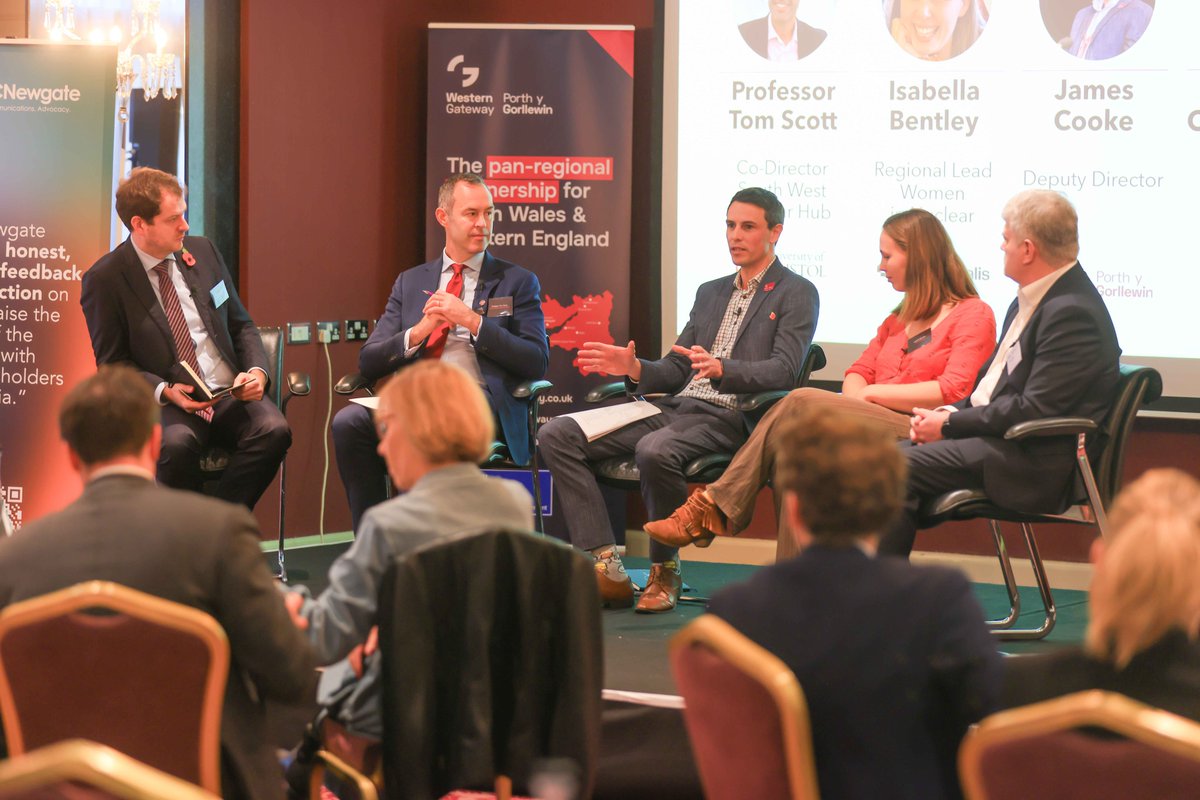
Great APPG event on #CleanEnergy in #SouthWales & #WesternEngland
We heard about the region’s strengths in:
☢️ Nuclear
🌬️ Onshore & Offshore Wind
🌊Tidal
🧪 Hydrogen
And how the APPG can support the sector to deliver on UK Govt’s mission to make 🇬🇧 a Clean Energy Super Power!
Registrations are now OPEN to join us at our dedicated session as part of the Jean Golding Institute’s flagship event: Bristol Data Week
Sign up to the event here: https://t.co/JsbcZsO2Oo
#BDW2025
Part 3: Fusion Energy Week ⚛️💡
How the SWNH network is supporting fusion energy
The SWNH is a growing community of universities, industrial partners, SMEs and spin outs, each positively contributing to nuclear science, engineering and manufacturing
🔗 https://t.co/kea1f7VJPo
Putting the Fusion Cart before the Tritium Horse?
After 70 years of research, scientists are yet to reach a consensus on how best to breed tritium - a rare, expensive & necessary ingredient in the process of producing fusion energy
https://t.co/s2v5se6nGp
#FusionEnergyWeek
⚛️
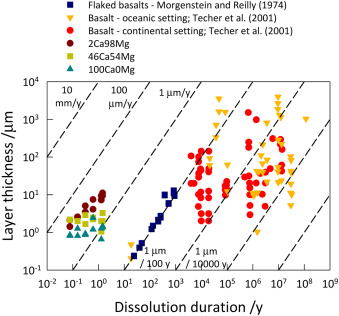
🚨New paper alert! 🚨 In this work led by @JamesTmansfield, we explore the role of Mg and Ca in glass durability, focusing on natural basaltic glass compositions. Read all about it here: https://t.co/j69jgYDfSf @SWNuclearHub@UoBEarthScience@cabotinstitute
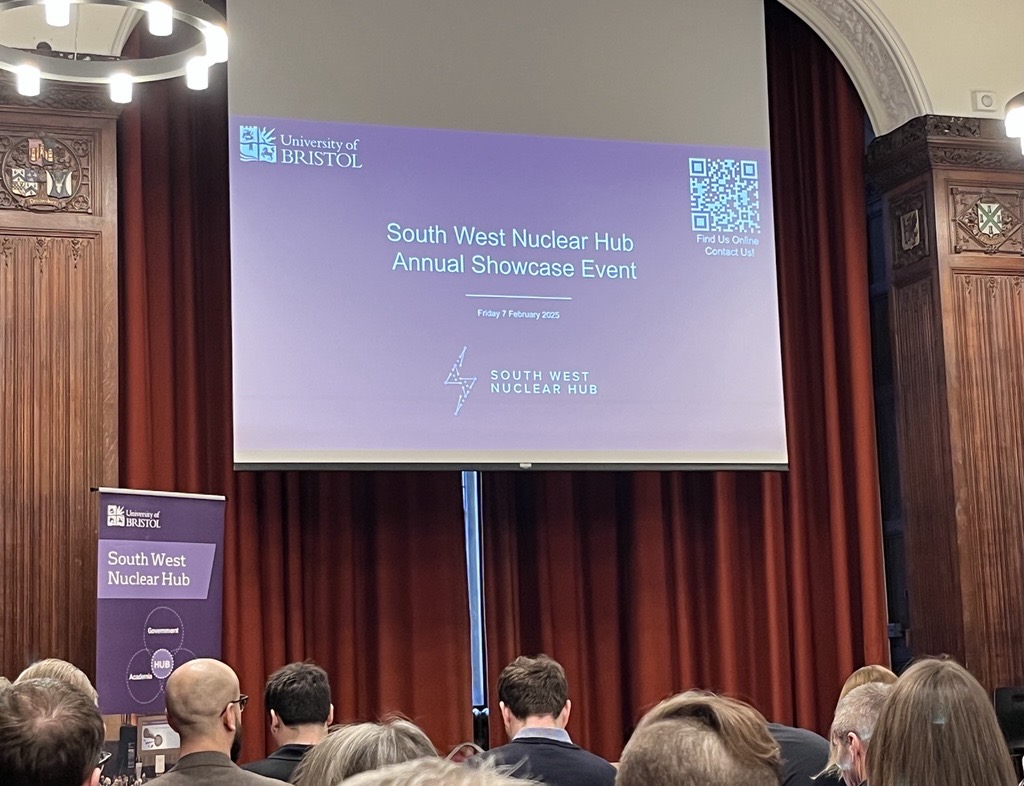
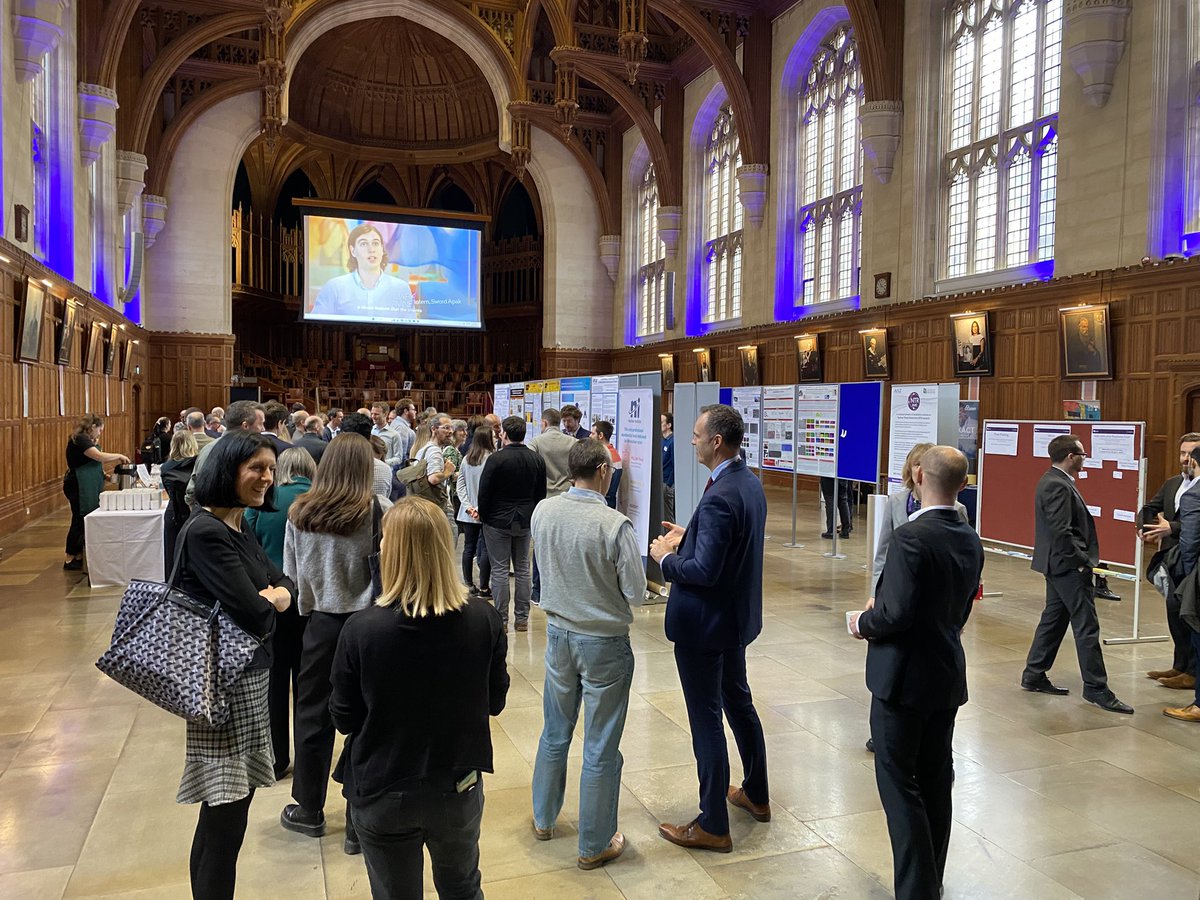
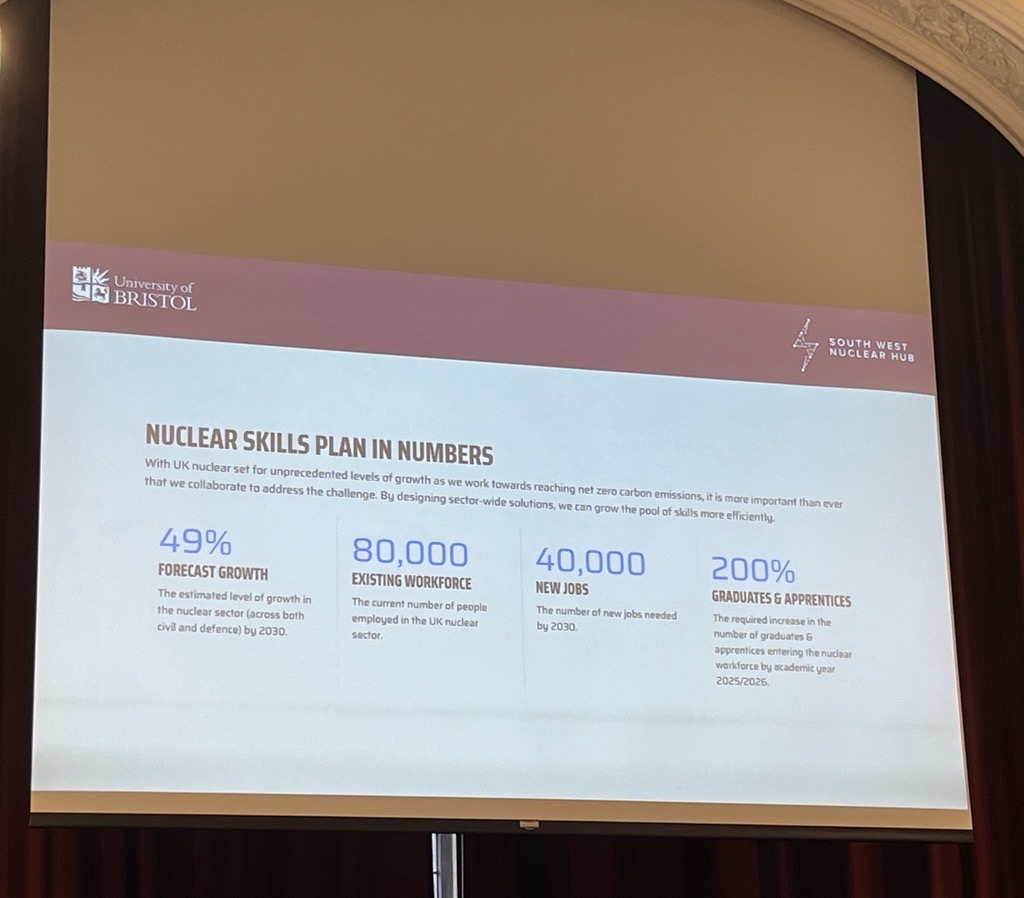
Fantastic day at @SWNuclearHub Showcase event hearing about the importance of nuclear in achieving #NetZero targets, the value of collaboration, the strengths and innovation within our region and opportunities including skills and career pathways.
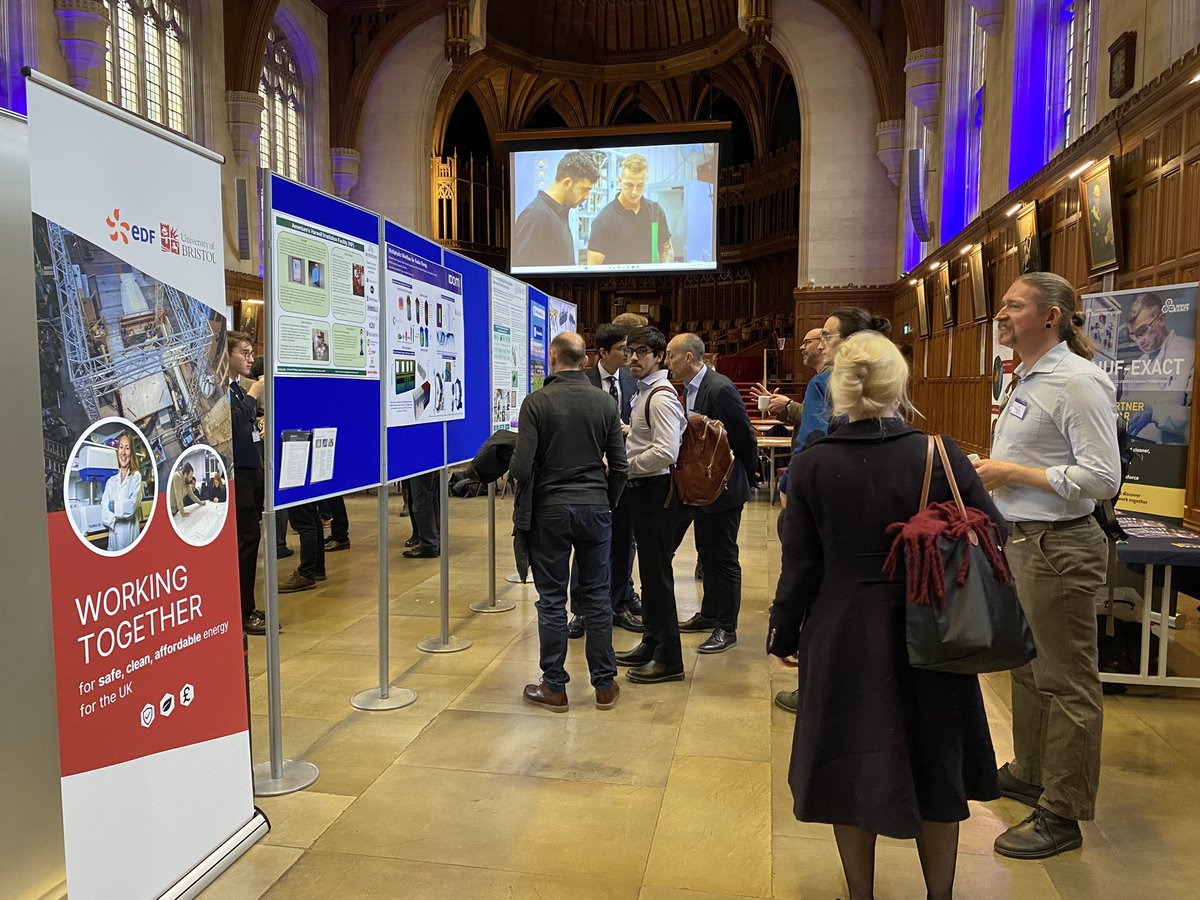
We’ve had a fantastic day opening the door to over 100 representatives from the nuclear industry and academia as part of the first South West Nuclear Hub Showcase event!
#SWNHShowcase2025
What an amazing bit of tech! 💎
A world first from the University of Bristol and @UKAEAofficial - a carbon-14 diamond battery.
With applications in healthcare, space and beyond, these batteries can last for thousands of years!
https://t.co/BFQOWgbfAV
💎Scientists and engineers from the UK Atomic Energy Authority (@UKAEAofficial) and the University of Bristol (@BristolUni) have successfully created the world’s first carbon-14 diamond battery.
This new type of battery has the potential to power devices for thousands of years, making it an incredibly long-lasting energy source.
The battery leverages the radioactive isotope, carbon-14, known for its use in radiocarbon dating, to produce a diamond battery.
Several game-changing applications are possible. Bio-compatible diamond batteries can be used in medical devices like ocular implants, hearing aids, and pacemakers, minimising the need for replacements and distress to patients.
Diamond batteries could also be used in extreme environments – both in space and on earth – where it is not practical to replace conventional batteries. The batteries could power active radio frequency (RF) tags where there is a need to identify and track devices either on earth or in space, such as spacecraft or payloads, for decades at a time, thus reducing costs and extending operational lifespan.
“Diamond batteries offer a safe, sustainable way to provide continuous microwatt levels of power. They are an emerging technology that use a manufactured diamond to safely encase small amounts of carbon-14,” said Sarah Clark, Director of Tritium Fuel Cycle at UKAEA.
The carbon-14 diamond battery works by using the radioactive decay of carbon-14, which has a half-life of 5,700 years, to generate low levels of power. It functions similarly to solar panels, which convert light into electricity, but instead of using light particles (photons), they capture fast-moving electrons from within the diamond structure.
Professor Thomas Scott, Professor in Materials at the University of Bristol, said: “Our micropower technology can support a whole range of important applications from space technologies and security devices through to medical implants. We're excited to be able to explore all of these possibilities, working with partners in industry and research, over the next few years.”
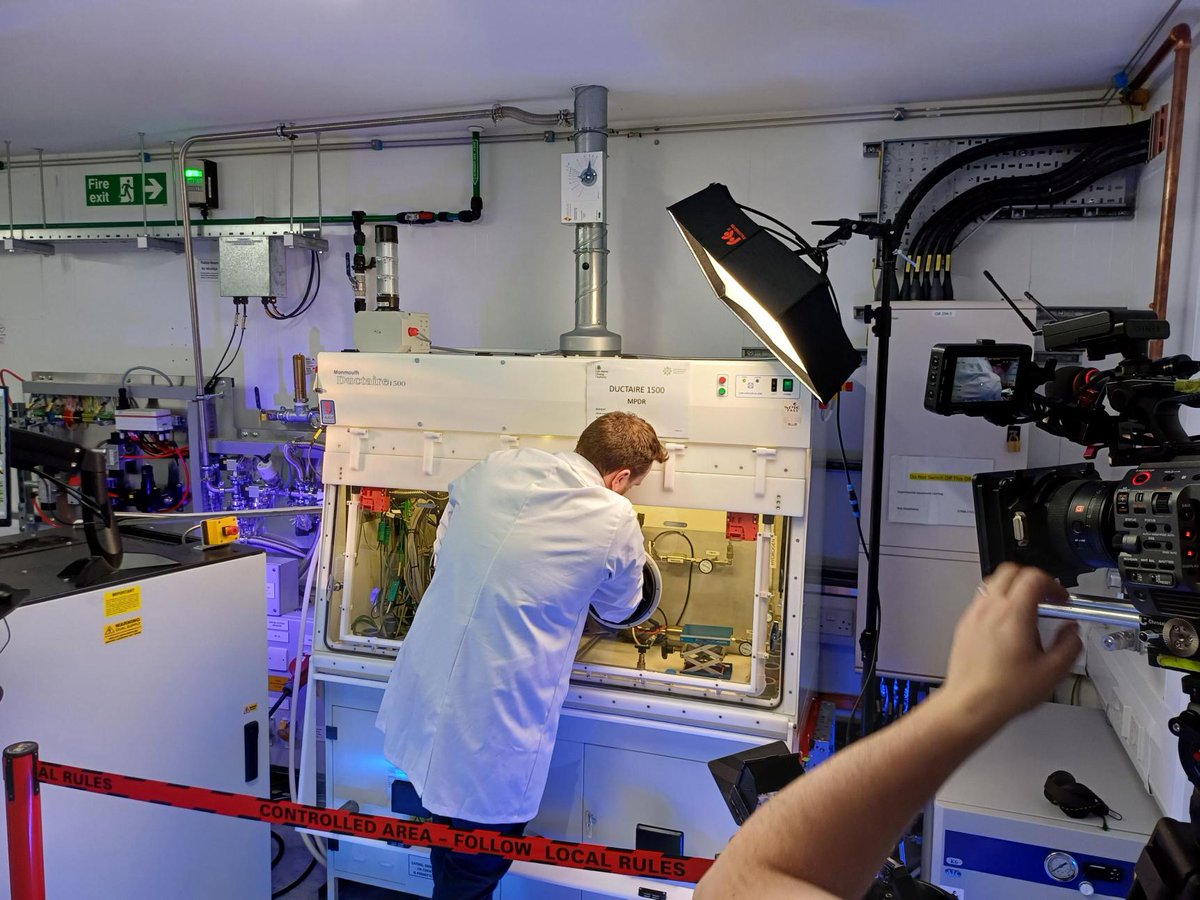
A team of scientists and engineers from both organisations worked together to build a plasma deposition rig, a specialised apparatus used for growing the diamond at UKAEA’s @CulhamCampus.
This development is the result, in part, of UKAEA’s work on fusion energy.
The expertise gained in fusion research is helping to accelerate innovation in related technologies.
💎 Speaking to @itvnews about UKAEA's work with University of Bristol (@BristolUni) to grow the world's first carbon-14 diamond battery. Keep a look-out for ITV News, and watch the report in full.
To find out more, look at our post from Wednesday 4th December.
Subscribe to the South West Nuclear Hub newsletter!
Full of nuclear-related opportunities within the South West & updates on the work taking place within the Hub community: think great research, skills provisions and collabs!
Subscribe here: https://t.co/8hByZSp1WC
💡⚛️
🎉 New publication alert! 🎉
"Fusion neutron source and array of particle detectors for nondestructive interrogation of special nuclear materials"
Absolutely pioneering fusion technology below
👇👇👇
https://t.co/Mcqv8waLzb
Our own Prof Tom Scott did a great job on the panel highlighting Bristol's world leading capabilities in research, innovation and skills provision. All agreed that the challenge is now to take this enthusiasm into delivery of net zero and energy security for the UK (2/2)
The Bristol New Nuclear City event confirmed that the South West and Bristol is the best place to do nuclear in the UK and possibly the world. The energy and enthusiasm of the attendees were matched by the breadth of activities and opportunities in our region (1/2)
🚨New paper alert!🚨 In our new joint publication with @OranoUk, in Journal of Nuclear Materials, we describe novel materials for the disposal of plutonium, should policy dictate. Read all about it here: https://t.co/34QSqnmgoW @SWNuclearHub@UoBEarthScience@ISL_Sheffield
📣⚛️🌐 We remind you that the new @iaeaorg Marie Sklodowska-Curie Fellowship Programme (#MSCFP) is now open!
📍 Deadline for applications: 30 September 2024.
✅ https://t.co/8sWdOd38FL
#women#nuclear#inclusion#workforce
Huge thanks to the organisers of #emc2 for inviting me to be the keynote speaker at today's session on exotic and ubiquitous #minerals, and for the great questions too. No minerals were harmed in the making of this talk! @UoBEarthScience@SWNuclearHub
There is still time to apply for the MSc in Nuclear Science and Engineering at @BristolUni - but be quick, the deadline is TOMORROW (9th Aug 2024)!
Find out more and apply here!
https://t.co/U6KgpxQvfn
Hear directly from current students on the reasons they study Nuclear Science and Engineering at @BristolUni ⬇️⬇️⬇️
Applications are open to join us this September - Find out more here: https://t.co/U6KgpxQvfn