Proud PI moment! Thanks to all who stopped by, @S_K_Gill had a great time chatting with you. Photo credit to @corie_owen. Looking forward to bringing the next update for this project to next year's meeting! #2023SDB@SocDevBio
(2/2)
But I honestly it difficult to take a levelled approach when the beliefs is causing harm to others, such as misinformation about the #Covid_19 pandemic
People in #scicomm or #science, what do you think is the best way to handle harmful beliefs?
photo from TBIVision
(1/2) I definitely believe there is a proper way to discuss pseudoscientific beliefs. As discussed by @GordinMichael increased accessibility and transparency of science is a way to address the fringes of #science.
full article:https://t.co/NNwZywavAf
The #Climatecrisis is not just a theory, but something that is happening today. Action needs to be taken before it is too late. A change in 2C can completely change someone's life.
@washingtonpost Article: https://t.co/3gwY0lWiig
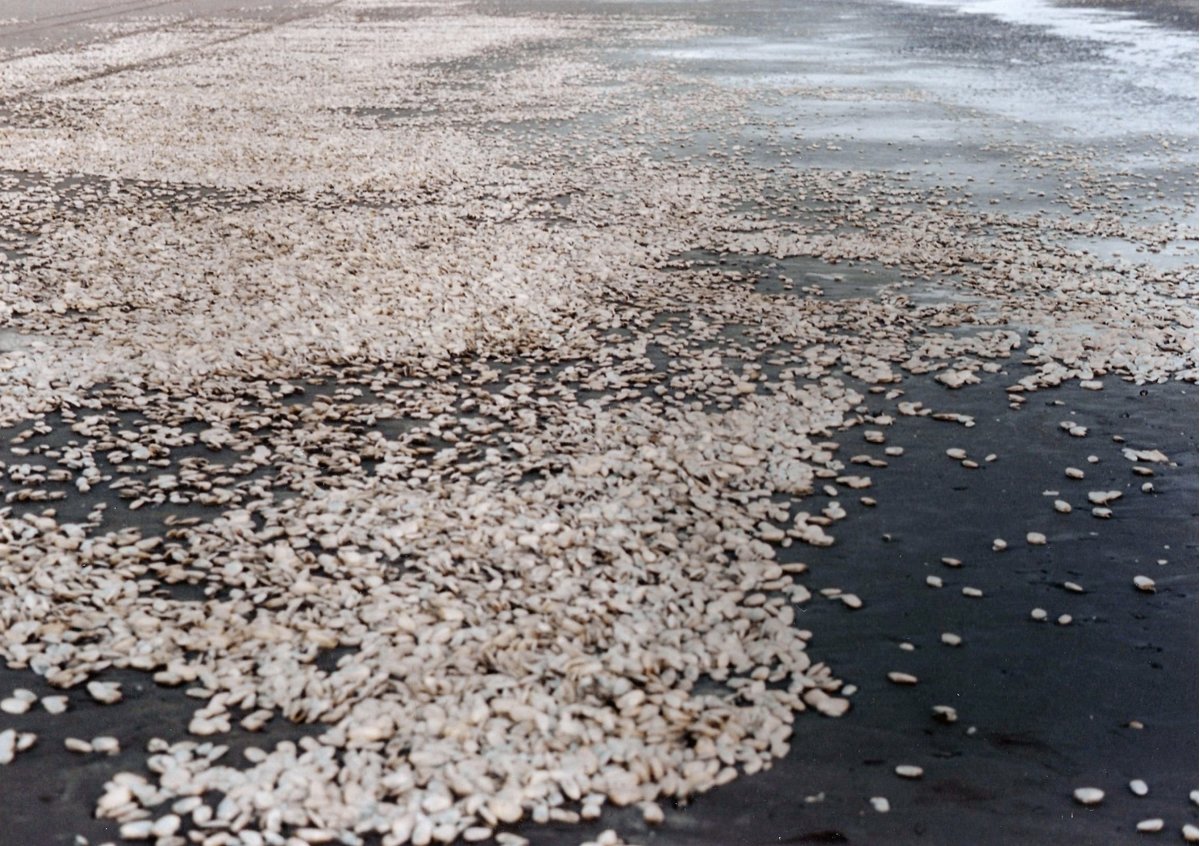
photo: By Sandra Fiori of dead yellow clams
(1/2)#SciComm also plays a role in facilitating a trust of science in the public. Without trust, it can be difficult to implement widespread change based on scientific ideas, as seen with the #COVID and the #ClimateCrisis
Article on Science Communication
https://t.co/gKTsjwKdzo
(1/2) #SciComm is important in providing the scientific knowledge of the general public. @BillNye, @TheCrashCourse, @hankgreen, @AsapSCIENCE, and documentaries were all important sources for learning science when I was growing up.
image from freepik
(2/2)
Things such as #climatechange, hydroelectricity, and diseases from open net salmon farming are threatening salmon populations.
Some great groups that have been working t0 protect the salmon are @SquamishWaters, @WatershedWatch_, @SalmonCaravan
Photo: Andy Wright
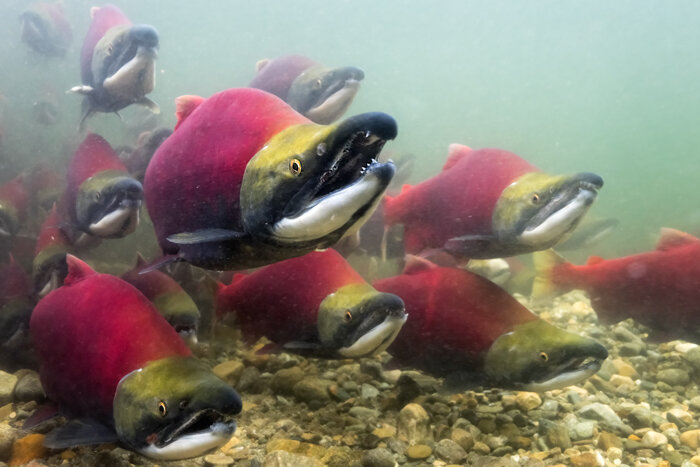
(1/2)Why should we care about the #salmon?
Animals, such as bears, killer whales, and birds, need it as a food source. Even in death the carcasses provide nutrients for plants.
They are vital for the survival of #BC#ecosystem.
https://t.co/YkqaDgZkso
(1/3)Social media has allowed for the spread of #pseudoscience and #misinformation.
The good news is work is being done to counteract this. #Google now prevent ads from being place on content promoting misinformation about #Climatechange.
https://t.co/6uMKOOV1Tt
(2/3) Groups like @projecthalo have done great work educating about the #COVID vaccine online.
Bad news is work still needs to be done. Many platforms are not cracking down enough on misinformation, and their algorithms are letting it proliferate
https://t.co/sYsnd3uYtE
#CitizenScience projects are a great way for the general public to understand how #science and #research is done. Getting the public involved in projects or allow for communications through discussions is an important way to rebuild the trust between citizens and #scientists
Thank you to Chessy Knight from @SquamishWaters for speaking to me and @S_K_Gill! We had a great conversation yesterday about BC #Salmon for our #SciComm project
img: BC Salmon
I respectfully acknowledge that I am privileged to live, work and study on the traditional, ancestral, and unceded territory of the Stó:lō Coast Salish Peoples.
and changing locations of #fish populations due to the heating waters. It is critical to fight climate change, otherwise people's lives will continue to be impacted globally.
Photo by @vanhoutenphoto
(1/3)Many of us in the Fraser Valley this week have felt the effects of #climatechange. This is happening all over the world. @chriscmooney and @JohnMuyskens wrote an amazing article in the @washingtonpost about the impacts of climate change in Uruguay.
https://t.co/LeoAU0LyBM
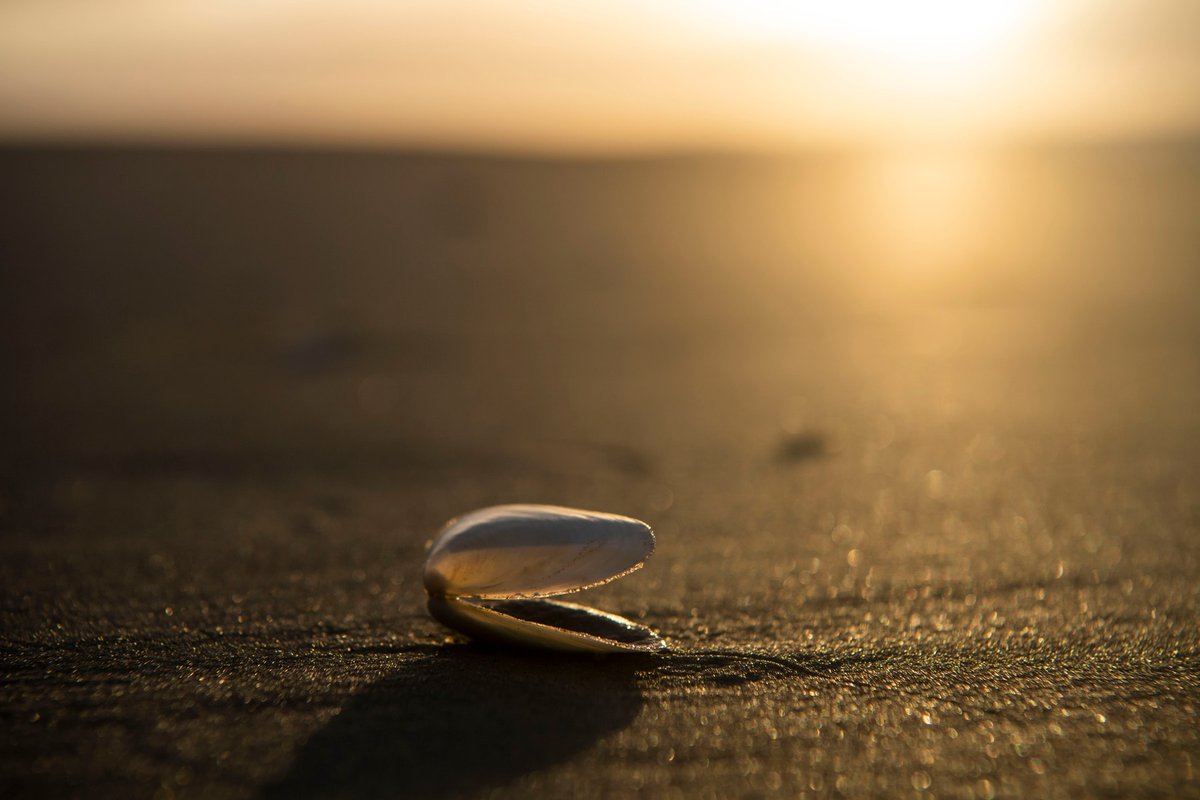
(2/3)The livelihood of #fisherman & clammers in #Uruguay, like Jose Rocha, has been dramatical impacted. Heatspot in the ocean near Uruguay has increased by over 2C over the past century, causing the death of clams, increased algae blooms,
Photo by @vanhoutenphoto, of Jose Rocha