Created a dashboard to explore KFold Cross-Validation using sklearn, @bokeh, @HoloViews and Panel. What happens if you increase n of folds, sample size or the complexity of the used model? Find it out by running it yourself: https://t.co/x54EeJog6s
Python 🐍 is a really elegant language.
And yet, it can also give birth to monstrosities like the one below.
I recommend you take a sit before taking a look at the code...
The program below prints `"Hello, world!"` in Python 3.9+!
Good description of leakage, but very often an even better solution is not to split your data into train-test sets at all. Cross validation and internal-external validation should be the starting point (deviate only when necessary)
Shammi More presenting a tour-de-force on evaluating BrainAge approaches @OHBM
From CV performance to generalization, reliability and pathology
Workflow choices have a substantial influence and may impact downstream analyses.
Visit posters 39 & 81 to learn more
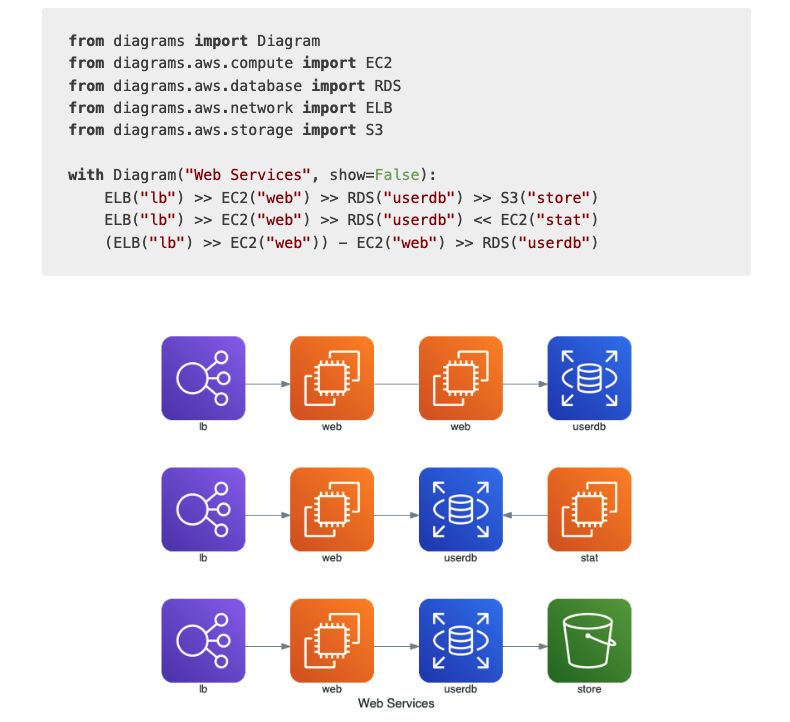
This looks like a very useful tool to generate diagrams with Python code.
Would love to see support for creating ML related diagrams, like neural networks.
https://t.co/Sk7y8F1FJp
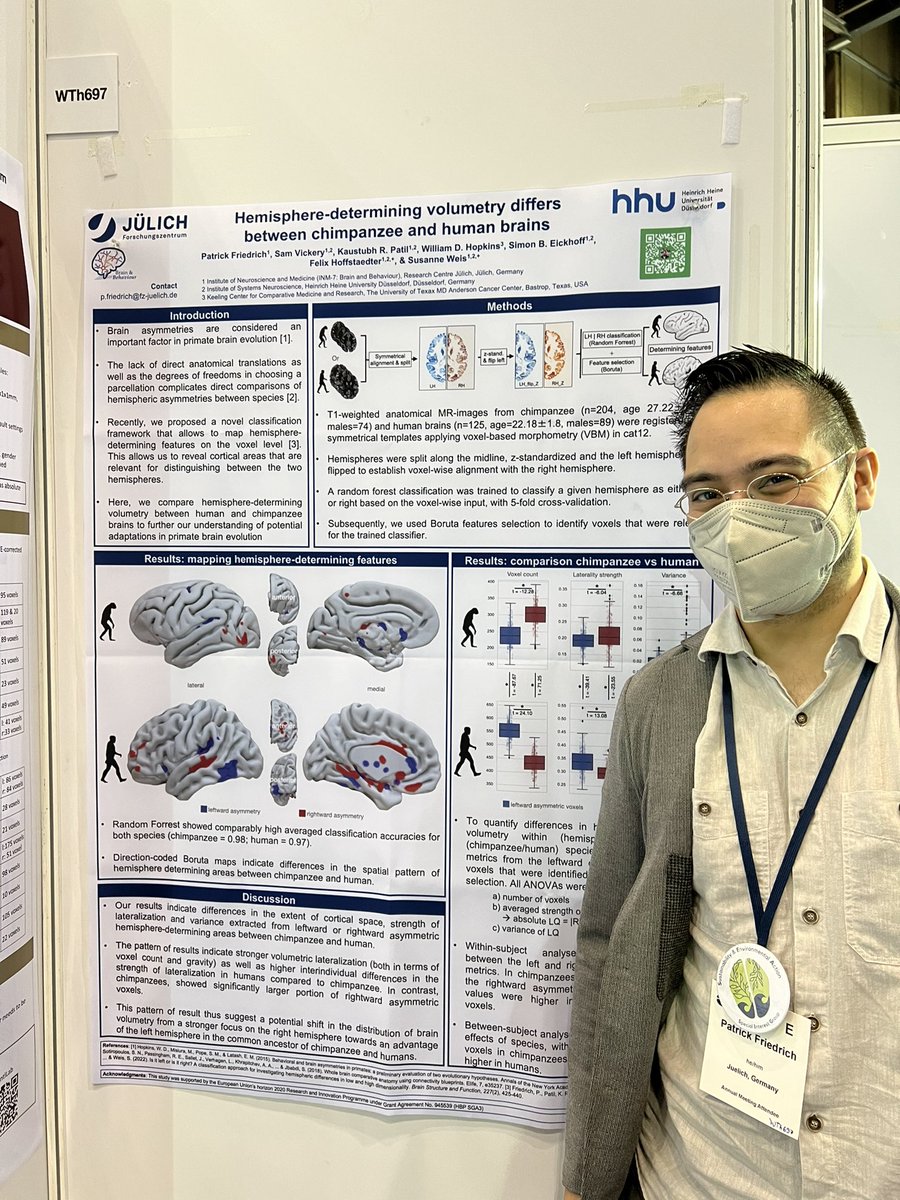
For an innovative bridge between histology and function and how they shape hemispheric asymmetry, visit poster 741
Bin Wan presents great new work involving the @BigBrainProject
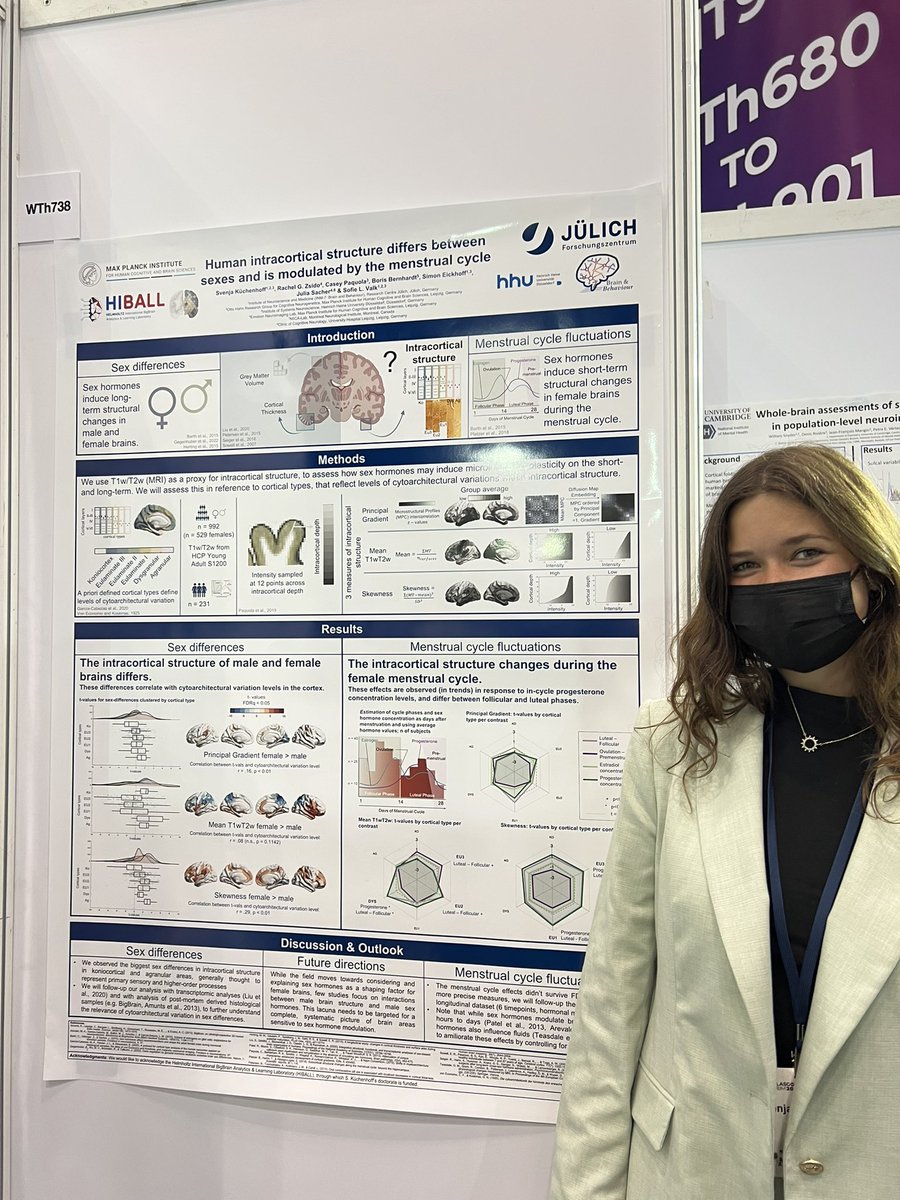
Differences between women 👩💼and men 👨 and how they are they modulated menstrual cycle 📆
Check out poster 738 and talk to Svenja Küchenhoff about the ‚little differences‘
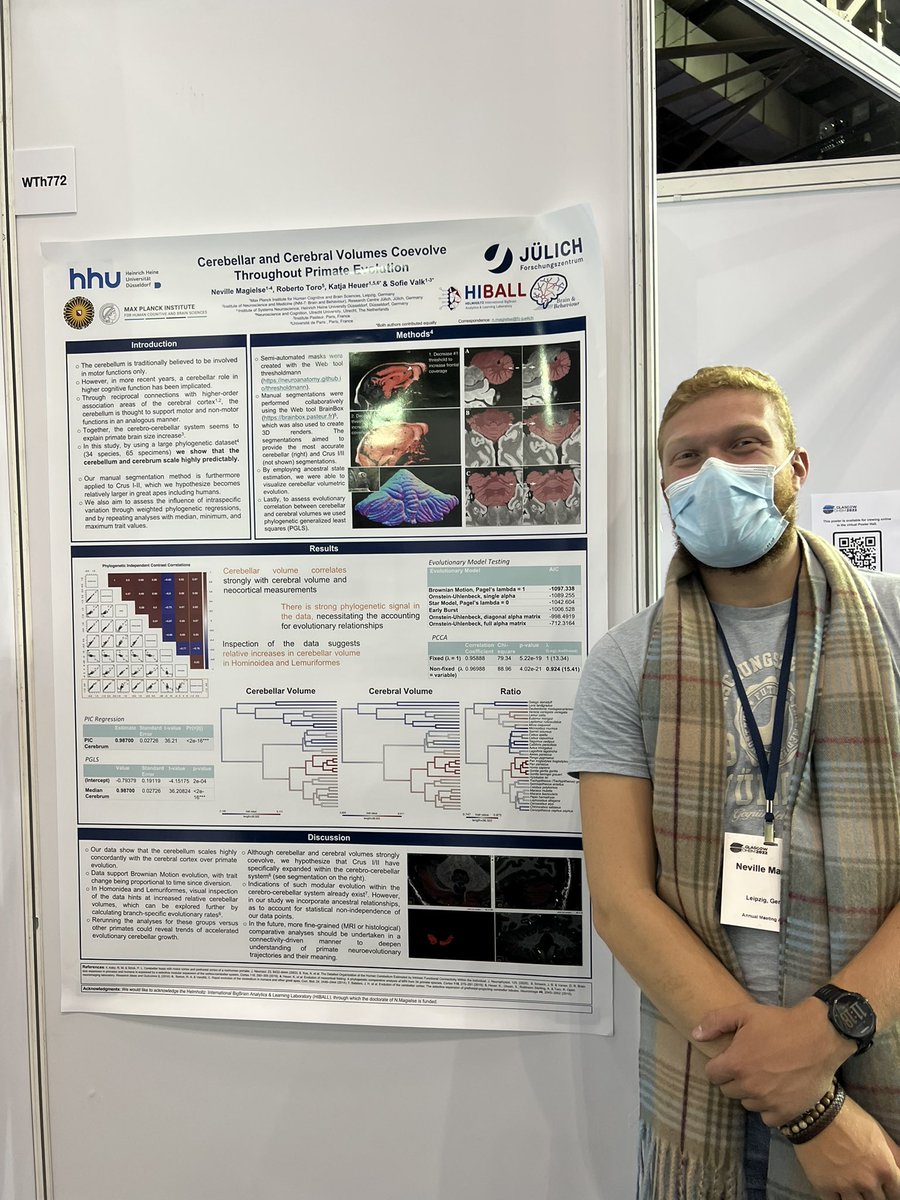
Little brain, little critters
If you are interested in the cerebellum, poster 772 is a must-see. Neville Margliese investigated cerebellum vs cerebrum (co-) evolution
Lots of great work on BrainAge here in Glasgow!
But are these methods actually stable? How much do pipeline parameters matter?
If you dare to find out, visit Shammi More at poster 39
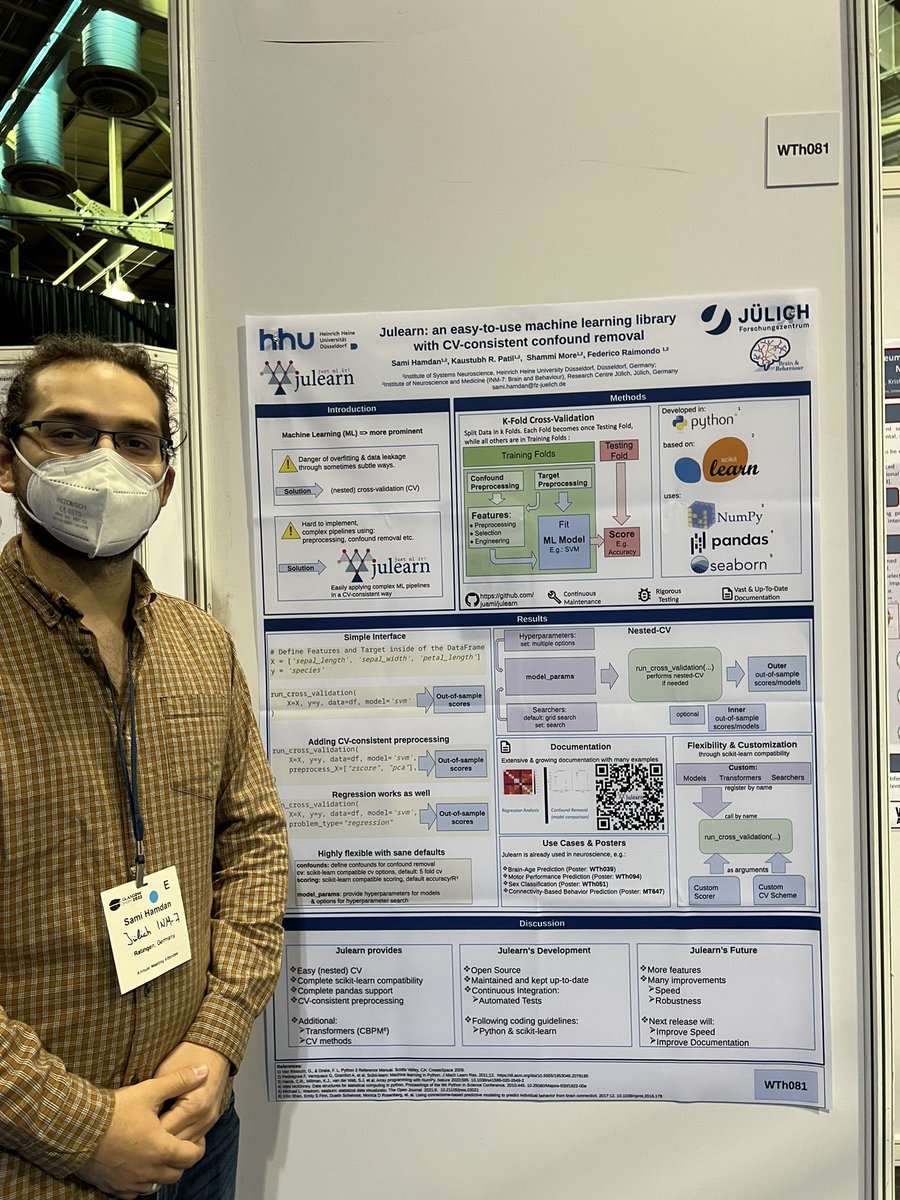
At poster 81 Sami Hamdan presents JuLearn, a user-friendly environment for machine-learning on neuroimaging. Particularly interesting for those getting into the field!
Sami will be a person to discuss confounds in individual prediction, too.
🔥 Lots of exciting posters by our wonderful students up @OHBM#OHBM2022 today 🔥
Is TFCE thresholding a good alternative to cluster-level inference in meta-analyses? Be sure to meet Lennart at poster 488 and chat with him on new developments in ALE
More posters ⤵️
Today, I will present julearn an easy to use #MachineLearning library from @fzj_inm7 at @ohbm#OHBM2022 especially usefully for #neuroscience. You can find me there at 12:45-01:45 PM Poster: WTh081.
We also provide a new YouTube Tutorial: https://t.co/FKuhQYMNAO