Here in @TheJNS , #LindaTang+ performed a retrospective study using the National Cancer Database of patients with atypical #meningioma
They found that additional time between diagnosis and #surgery is associated with increased risk of #mortality after adjusting for confounders
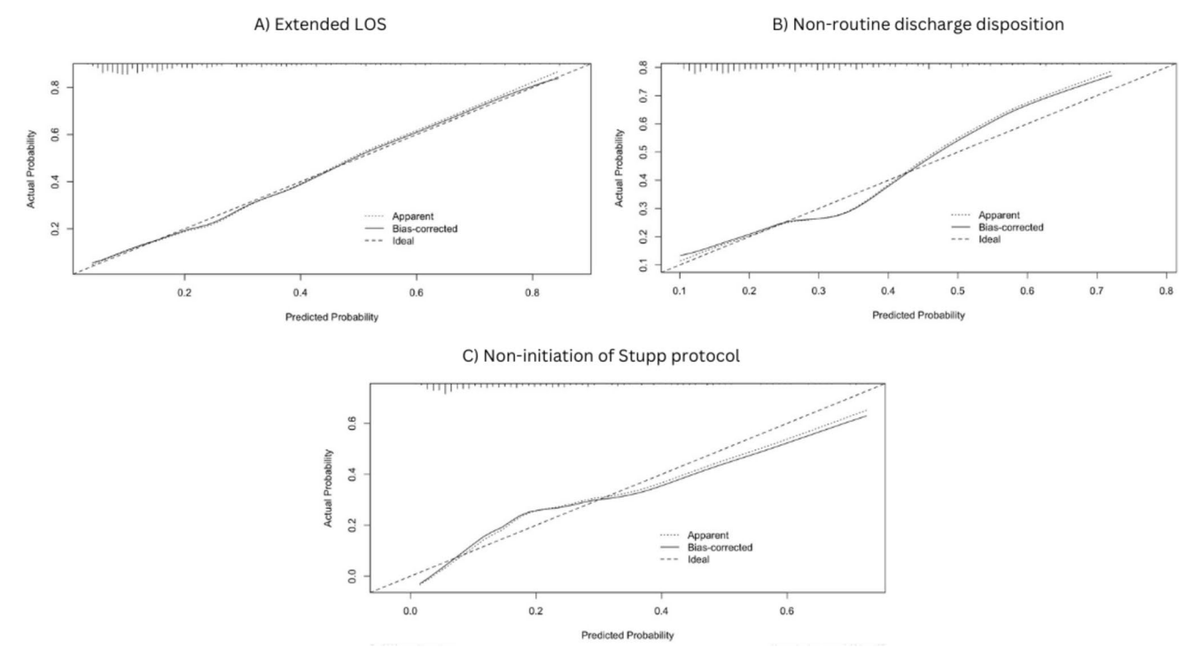
In this article, @FoadKazemi1+ used the Neighborhood Socioeconomic Status (NSES) Index to assess high-value care outcomes after #glioblastoma surgery
Poorer NSES scores were associated with longer LOS, non-routine discharges and non-compliance with Stupp protocol
@JNeurooncol
Tang et al @HopkinsNsurg demonstrated GTR of atypical meningiomas provides survival advantage in both elderly and very elderly cohorts and adjuvant radiotherapy improves this response in the very elderly
Read more: https://t.co/3upctLvDVa
Here, @FoadKazemi1+ describe the results of the Peace Education Program we implemented for healthcare professionals and staff.
This 10-week online wellness course was shown to improve #wellness scores of participants and may be used at other medical centers to improve wellness!
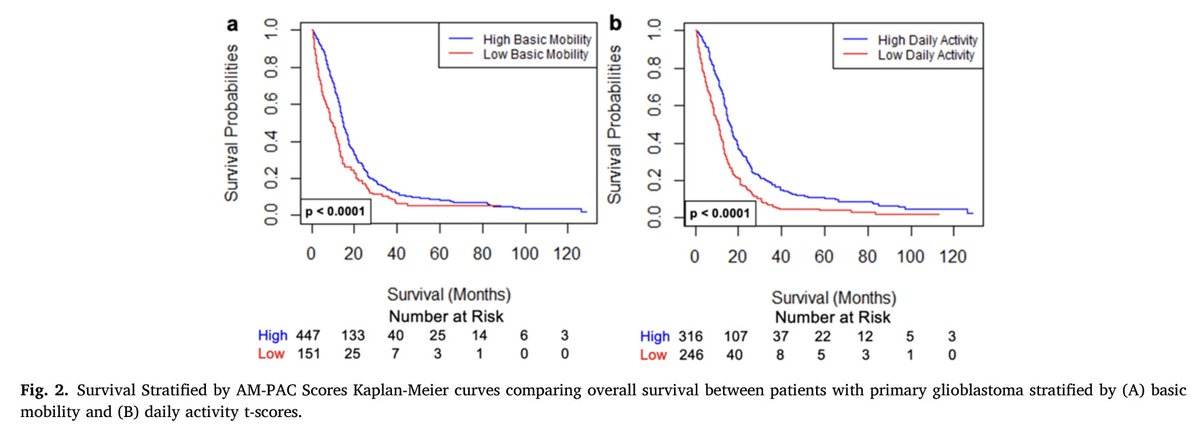
In this study, @RakovecMaureen+ assessed 600 #glioblastoma patients treated at a single institution
They found that Activity Measure for Post-Acute Care (AM-PAC) scores may be able to predict increased length of stay, non-home discharges and readmission
Great work!
@_jocn
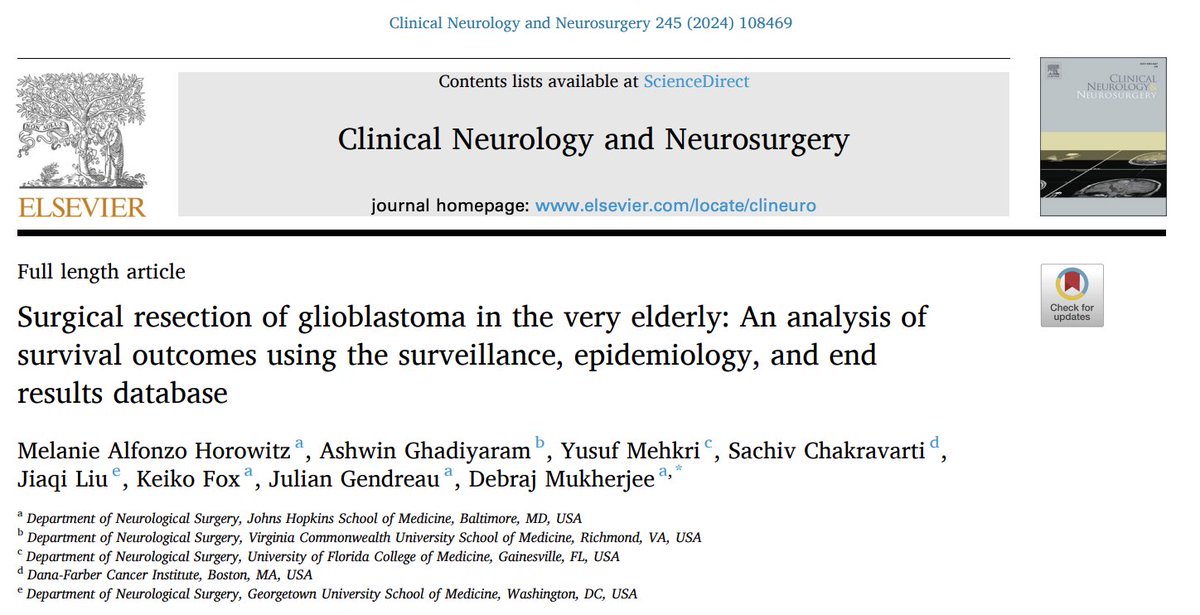
Recently, #MelanieHorowitz+ utilized the SEER database to measure outcomes in very elderly (>=80 years of age) patients with #glioblastoma
She provides evidence that #surgery, #radiotherapy and #chemotherapy may continue to provide a survival advantage in this patient population
Here in @NeurosurgeryCNS, we provide evidence that radiotherapy, chemotherapy and gross total resection may improve survival outcomes in very elderly patients (>=80 years of age) treated for #Glioblastoma
Great work @JulianGendreau and team!
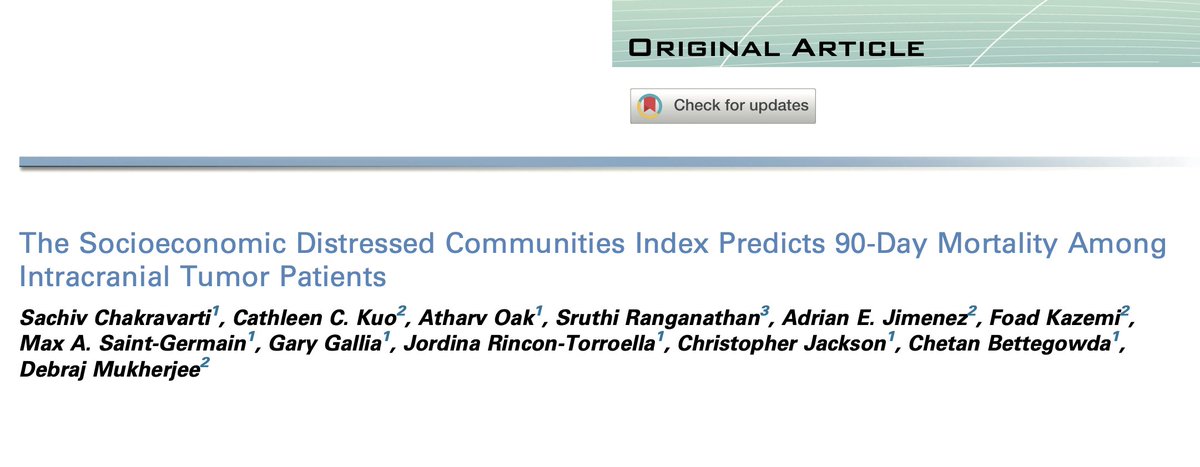
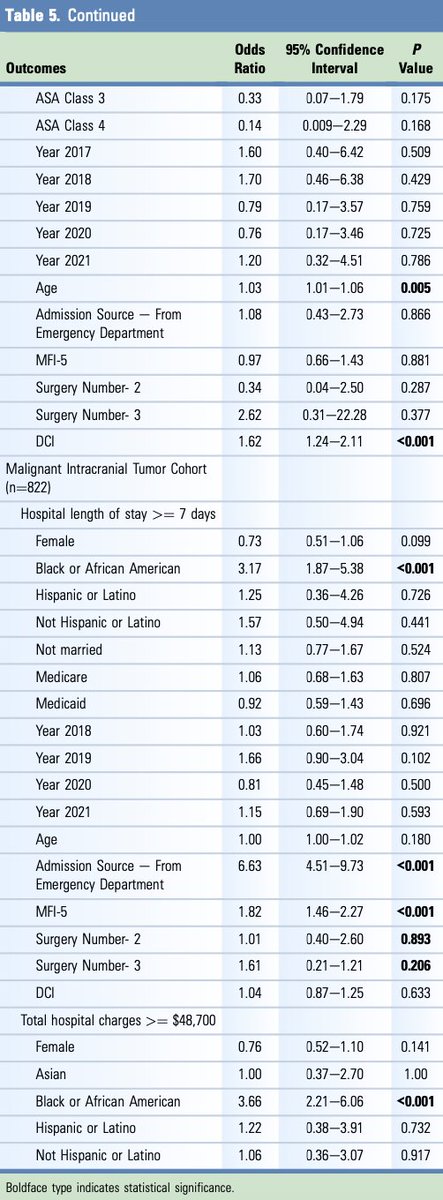
Check out this recently published paper @WorldNeurosurg by @Sach_Chak+ of a retrospective review of 2,389 patients undergoing surgery for intracranial tumor
They found the distress communities index (DCI) may be a holistic tool for predicting 90-day mortality
Great work!
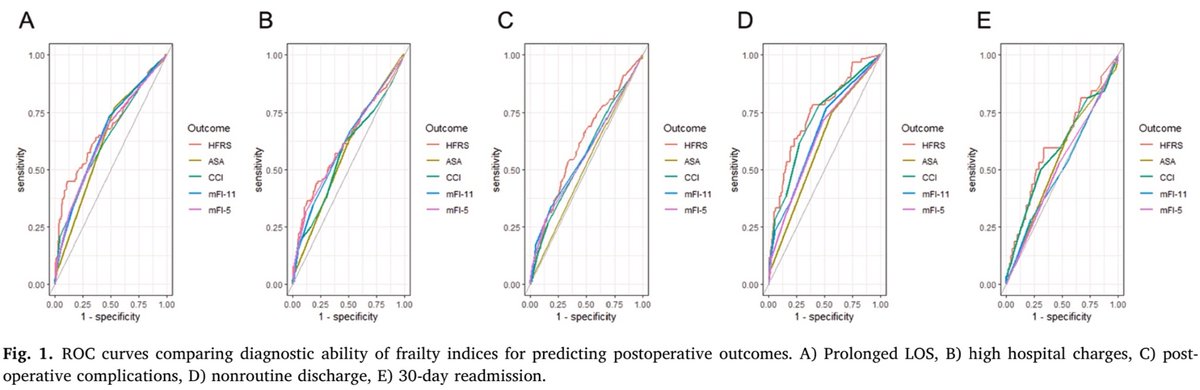
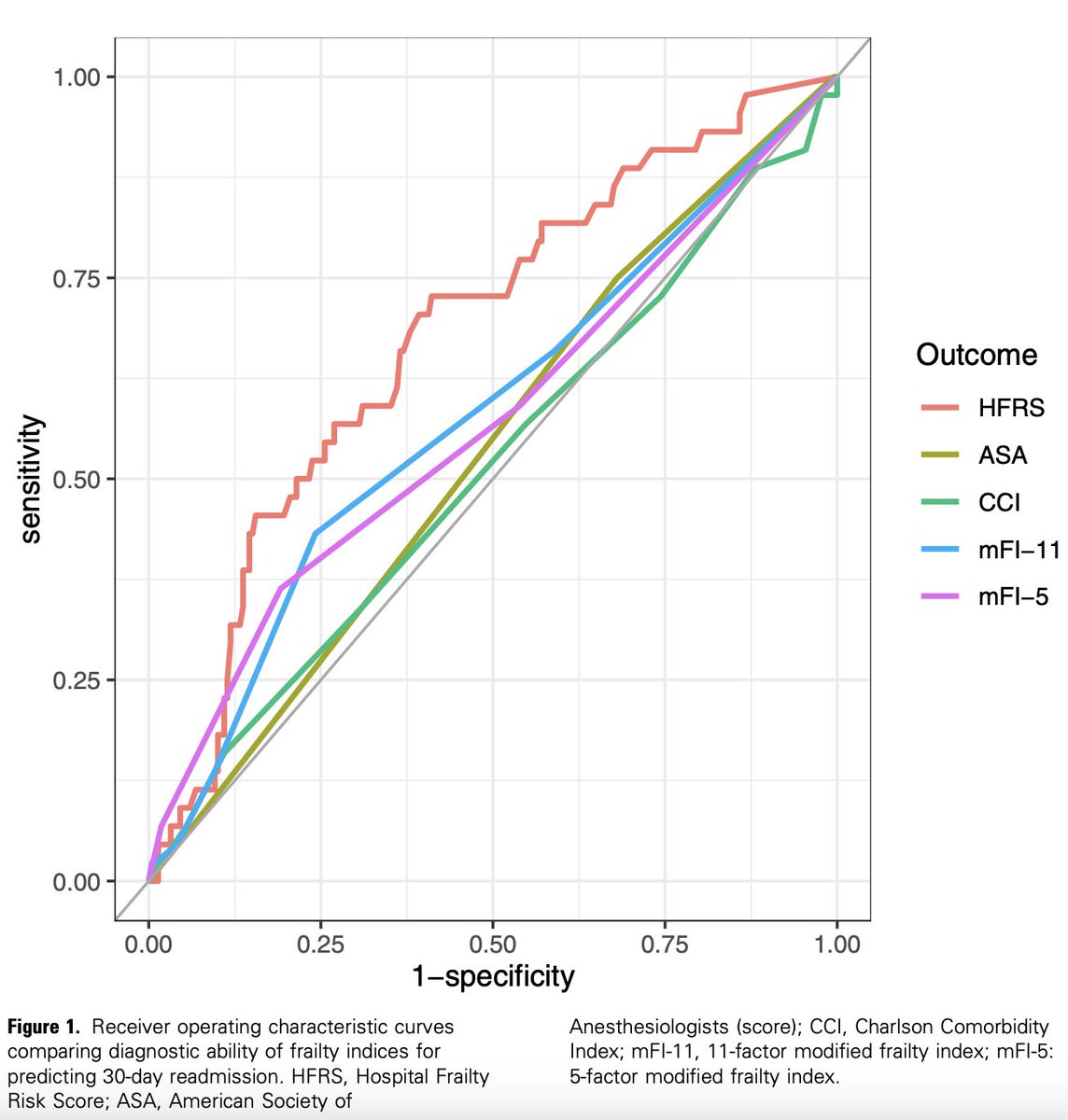
Here, in @_jocn, @jimenezae17+ provide evidence that the hospital frailty risk score (HFRS) may be superior to other frailty scores in predicting complications and non-routine discharges in patients undergoing surgery for #meningioma@ColumbiaNeuro
Check out our new survey by @jimenezae17 + assessing QOL outcomes in #Chordoma patients!
We find that younger survivors, female survivors, and survivors currently undergoing treatment for chordoma are at high risk for adverse #QOL outcomes
Great work!
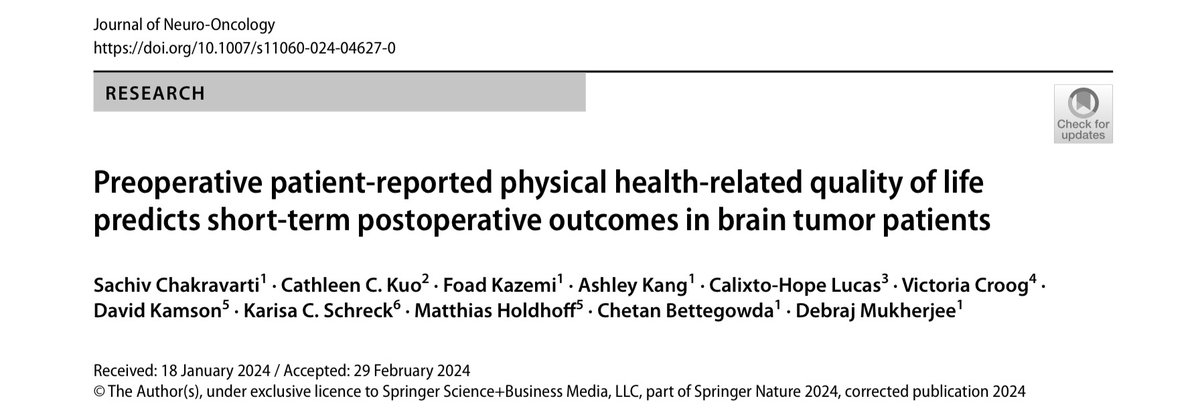
In this study published @JNeurooncol by @Sach_Chak+, we find that PROMIS-29 PH summary scores may be predictive of increased hospital LOS, non routine discharges and 30-day readmission outcomes in #braintumor patients
Great work!
Happy to share our recent study published @TheJNS!
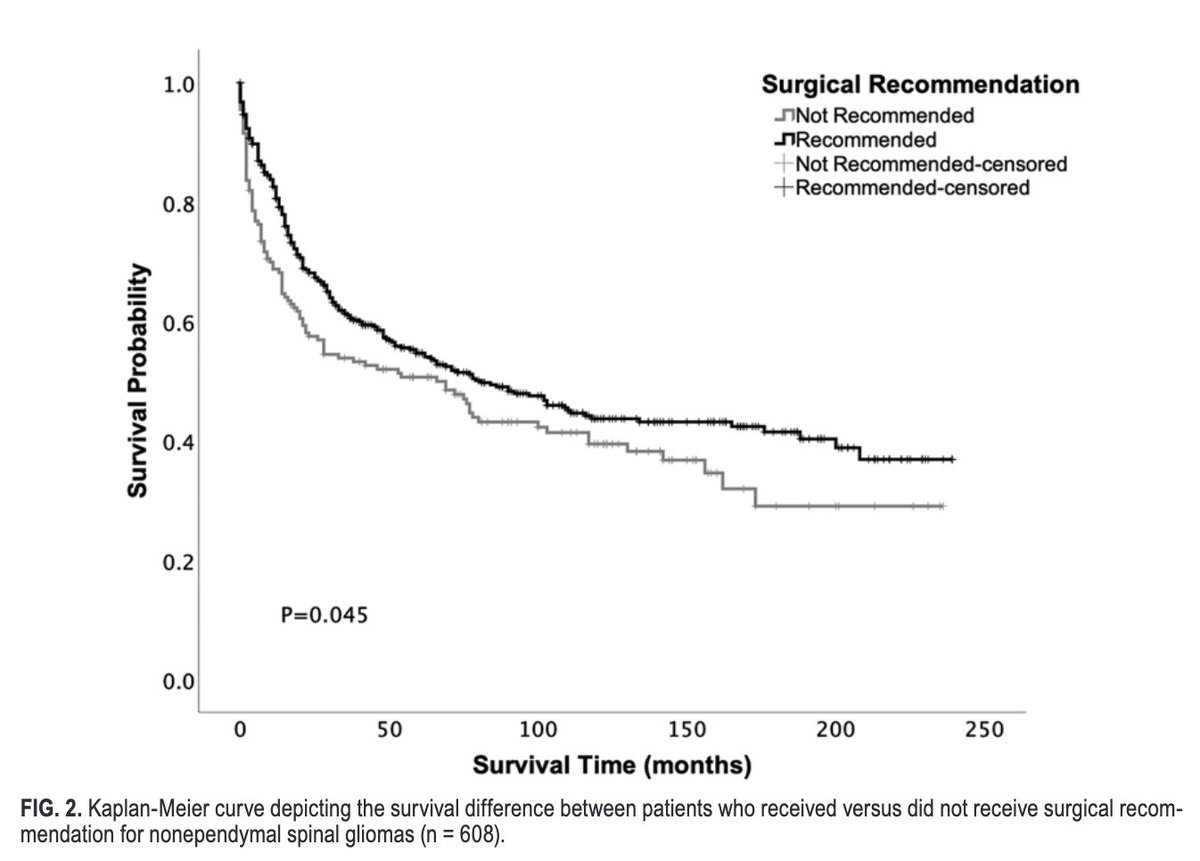
Here, we found that recommendations for #surgery appeared to be unaffected by patient sex, race or income status in patients with intramedullary spinal cord #tumors
Great work from our medical student #MeganParker!
#spine
Here in @WorldNeurosurg, @jimenezae17+ performed a retrospective study of 263 #glioblastoma patients
They show the hospital frailty risk score effectively predicts extended hospital length of stay, non routine discharges and 30 day readmission
Great work!
#tumor#MedX
Thank you @TheJNS for highlighting our study showing evidence that rates of VTE may not increase with administration of #TXA in intracranial meningioma resection surgery!
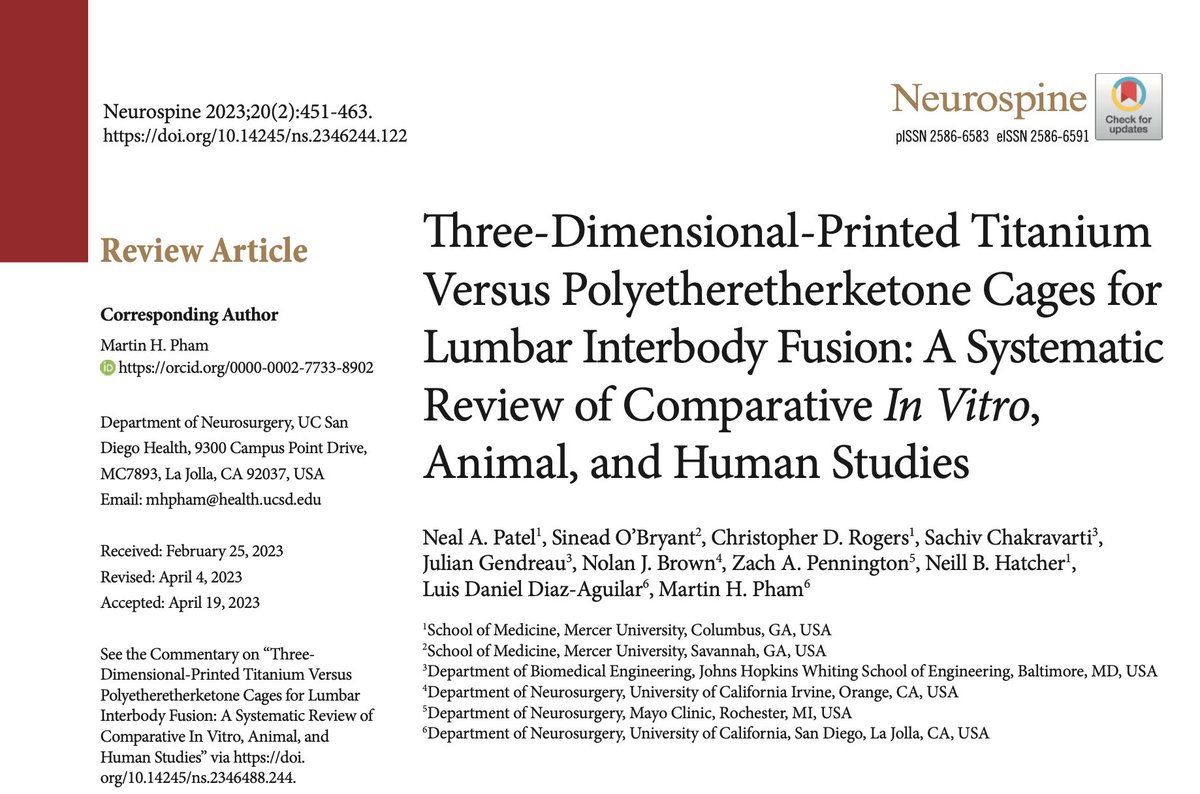
Happy to share our recent literature review in @NeurospineJ suggesting that 3-dimensional printed porous titanium (3D-pTi) interbodies may have superior lumbar fusion outcomes when compared to PEEK cages without increasing subsidence or re-op
Link: https://t.co/SqYutd9Vxd
Recently published in @WorldNeurosurg, we describe the current state of neuromodulation clinical trials for SCI
Most current clinical trials involve transcutaneous spinal stimulation, epidural electrical stimulation and tibial nerve stimulation
Link: https://t.co/PsLKmBHzNA
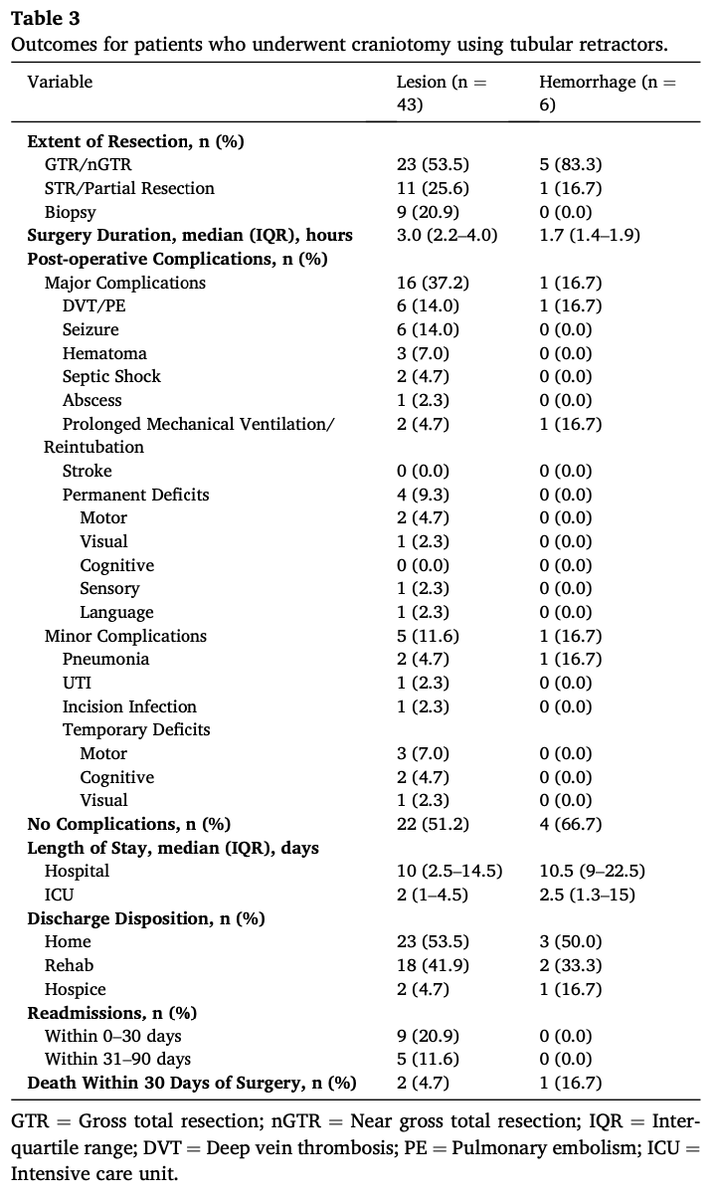
In @_jocn, @RakovecMaureen+ describe the use of tubular #retractors to access deep brain lesions
This approach may facilitate safe #biopsy or #resection of deep-seated intracranial pathologies with low rates of peri-op complications
@NICONeuroCorp
Link: https://t.co/OAXZtlFoOE
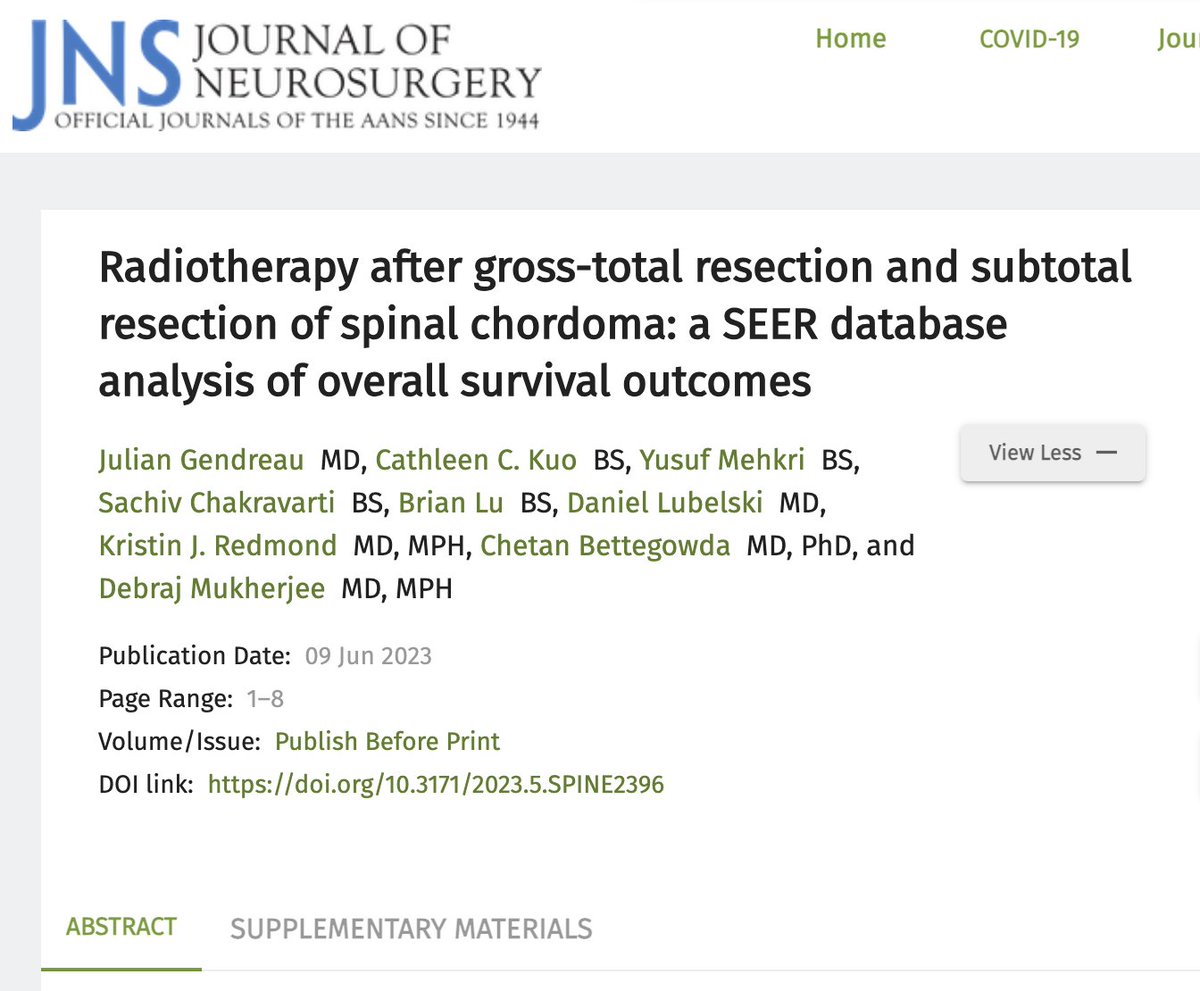
Happy to share the next article in our #Chordoma study series published in @TheJNS
Using the SEER database, we found unclear benefit of radiotherapy after achieving GTR in spinal chordoma
Link: https://t.co/0KgfK0Z2OZ
@JulianGendreau@KuoCathleen@YusufMehkri@Sach_Chak