BIG NEWS! The Mosquito Cell Atlas preprint is live! 🦟🧬 My first senior author paper! Massive and accessible snRNA-seq dataset and a lot of cool mosquito biology. A true collaborative achievement! #MCA
https://t.co/FFGCvQZ7sa
See @oliwiagoldman thread ⬇️
BIG NEWS! The Mosquito Cell Atlas preprint is live! 🦟🧬 My first senior author paper! Massive and accessible snRNA-seq dataset and a lot of cool mosquito biology. A true collaborative achievement! #MCA
https://t.co/FFGCvQZ7sa
See @oliwiagoldman thread ⬇️
A comprehensive mapping of #glycoprotein structures provides insights into the evolutionary history of #Flaviviridae and reveals novel fusion mechanisms for various viruses. #ViralEvolution
📄 https://t.co/yJ2VmasX3f
EVBC👤: @jonathon_mifsud @SpyrosLytras
The esquisse package in R is an excellent tool for data visualization and exploration. Designed to streamline data analysis, esquisse turns raw data into interactive visualizations, facilitating easier understanding and interpretation of your data sets.
Here are some key features of esquisse:
1️⃣ Drag-and-Drop Interface: Create dynamic plots effortlessly using a simple drag-and-drop interface. This feature helps in quickly identifying trends and patterns in your data.
2️⃣ User-Friendly: esquisse is accessible even to beginners in R, thanks to its intuitive interface. It integrates well with other R libraries, enhancing your overall data analysis experience.
3️⃣ Customizable Visualizations: esquisse offers numerous customization options, enabling you to tailor visualizations to your specific requirements. From color palettes to various plot types, you have full control over your data's presentation.
4️⃣ Time-Saving: esquisse saves time by making it easy to create visualizations through an interactive and exploratory approach. While it excels in simplifying the process of visualizing data, it is particularly useful for quick, on-the-fly analysis rather than automating the creation of visualizations for very large data sets.
5️⃣ ggplot2 Integration: esquisse works seamlessly with ggplot2, one of the most popular visualization packages in R. This integration allows you to build complex and aesthetically pleasing plots with ease, leveraging the full power of ggplot2's capabilities.
6️⃣ Community and Support: Take advantage of a supportive community of users and contributors who provide tips, tricks, and assistance. This makes it easier to resolve issues and stay current with the latest updates.
Here is the package documentation, where you can find the visualizations shown in this post and many other examples: https://t.co/ZNIYwdMbPb
Stay updated with regular tips on data science, statistics, Python, and R programming by subscribing to my free email newsletter. Learn more: https://t.co/X93SeCe0rb
#DataViz #R #RStats #database #ggplot2
New research uncovers a common set of transcripts activated by various negative-sense RNA viruses, highlighting a network of proteins that could regulate #ViralInfection and host immune responses! #RNASeq#Immunology
📄 https://t.co/jJUqtEVq7Y
EVBC👤: S. Becker, J. Ziebuhr
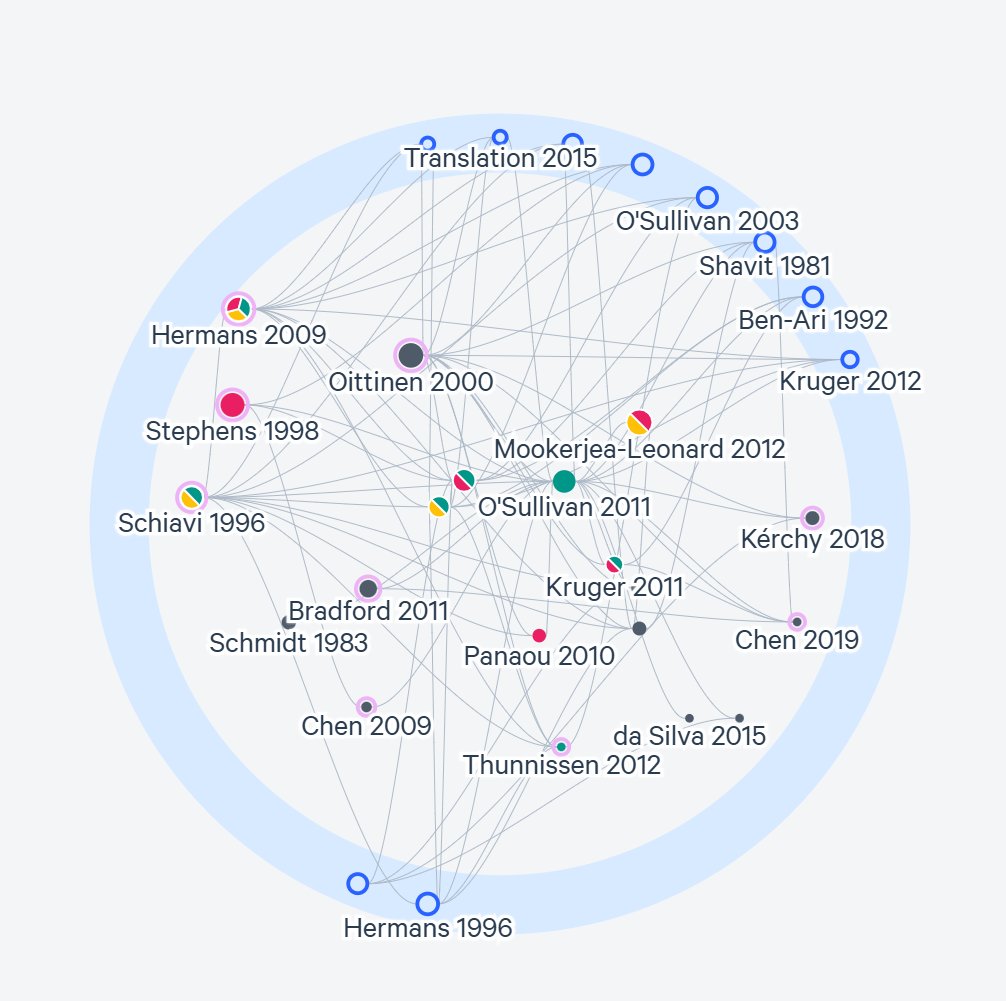
☹️Google Scholar is a great tool. But it doesn't show you how papers are connected with each other.
😀Here's how to fast-track your literature review with visual search using Google Scholar's database:
(And export papers to Zotero, Mendeley, or EndNote.)
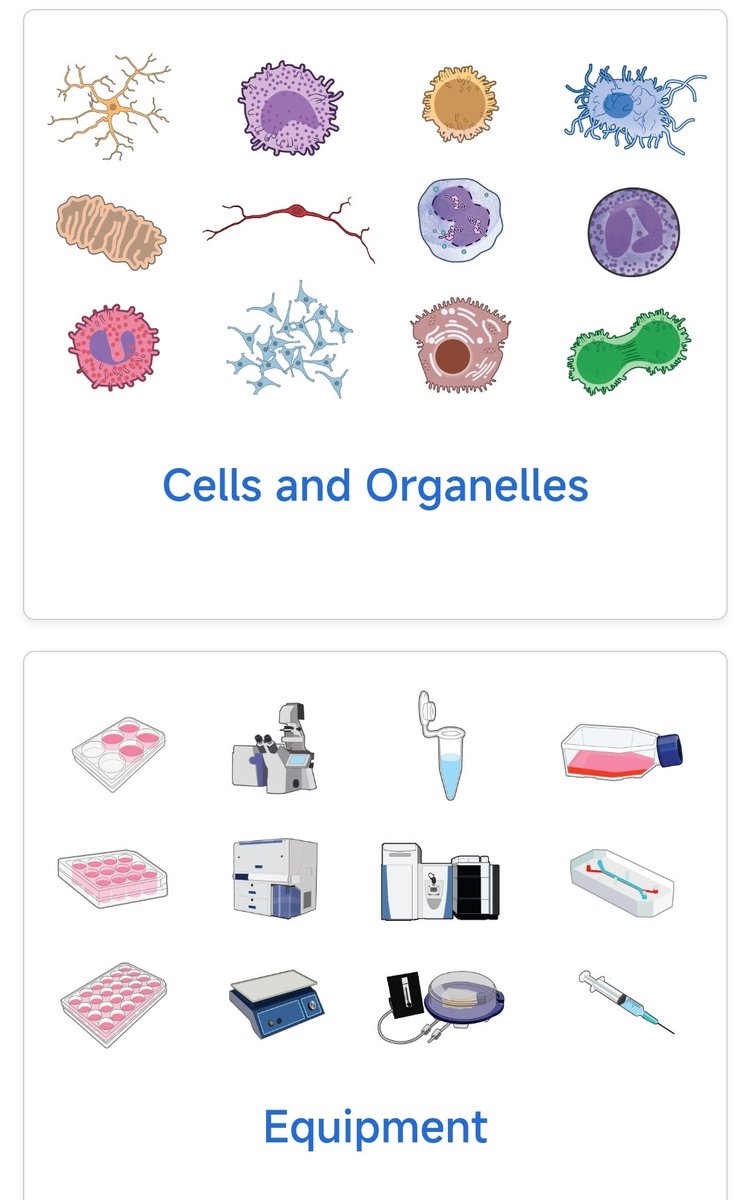
🚨 Great alternatives to BioRender are now available!!
📢 @NIAIDNews offers a collection of public figures and icons for everyone to use. Check it out at https://t.co/cZFQAf5nTz
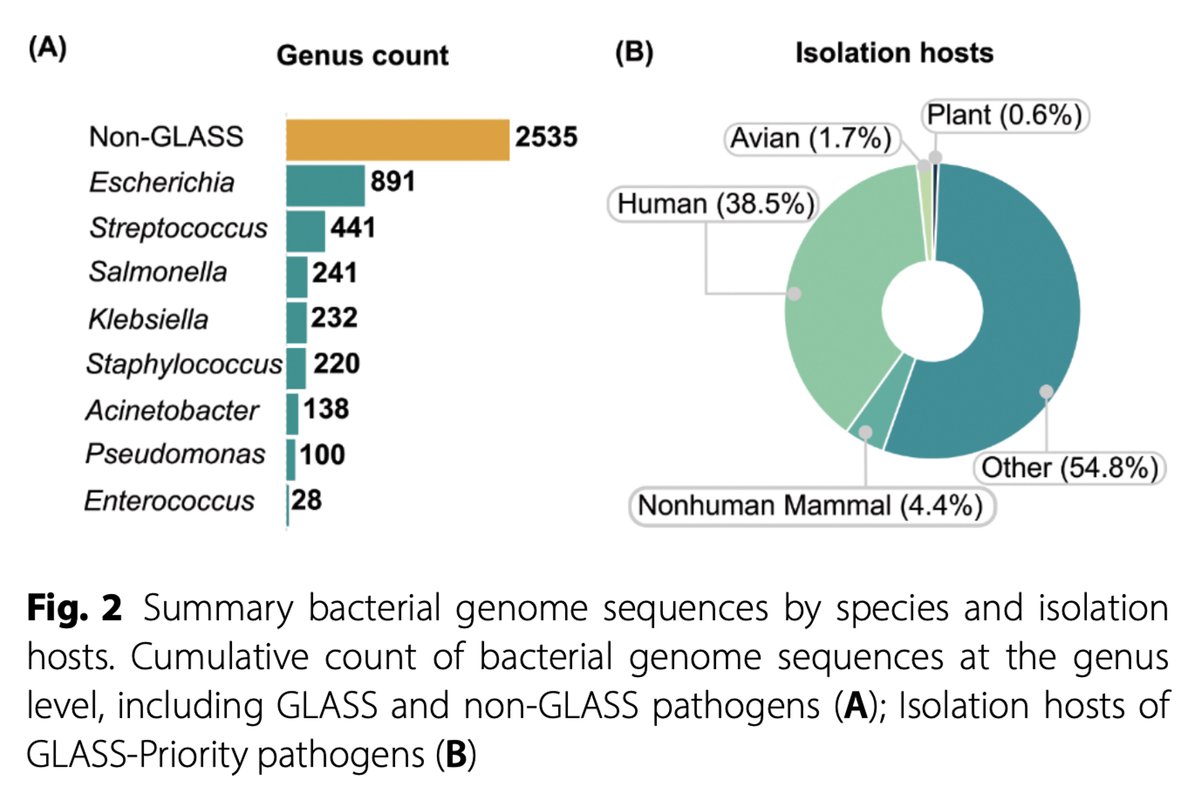
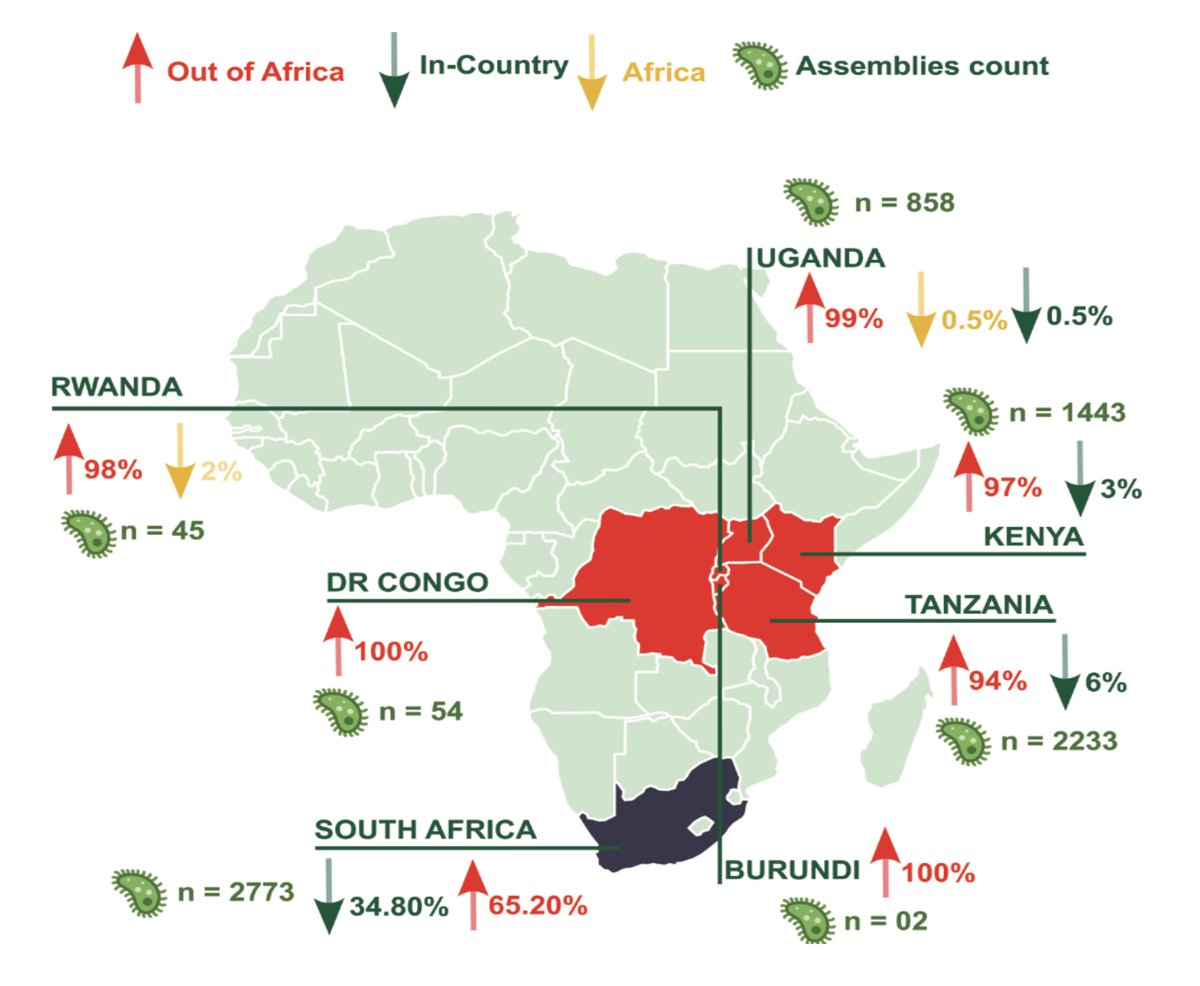
East Africa faces significant challenges in pathogen genomics, with disparities in utilizing pathogen sequencing for AMR surveillance & outbreak response. A study reveals that most bacterial genome assemblies from EA countries are processed by external organizations, highlighting a need for local sequencing capabilities & bioinformatics expertise. Strengthening regional collaboration, investing in local genomics infrastructure, & developing training programs are essential to improve AMR surveillance & support global health efforts (https://t.co/Ycftw7lDkD).
We have a postdoc position now open! Come & join our growing team building on exciting discoveries to understand how SARS-CoV-2 & emerging viruses evolve to overcome our innate immune system. Funded by UKRI-FLF, deadline 30/06/24, please share!
https://t.co/j6qjWgILSI