BREAKING NEWS
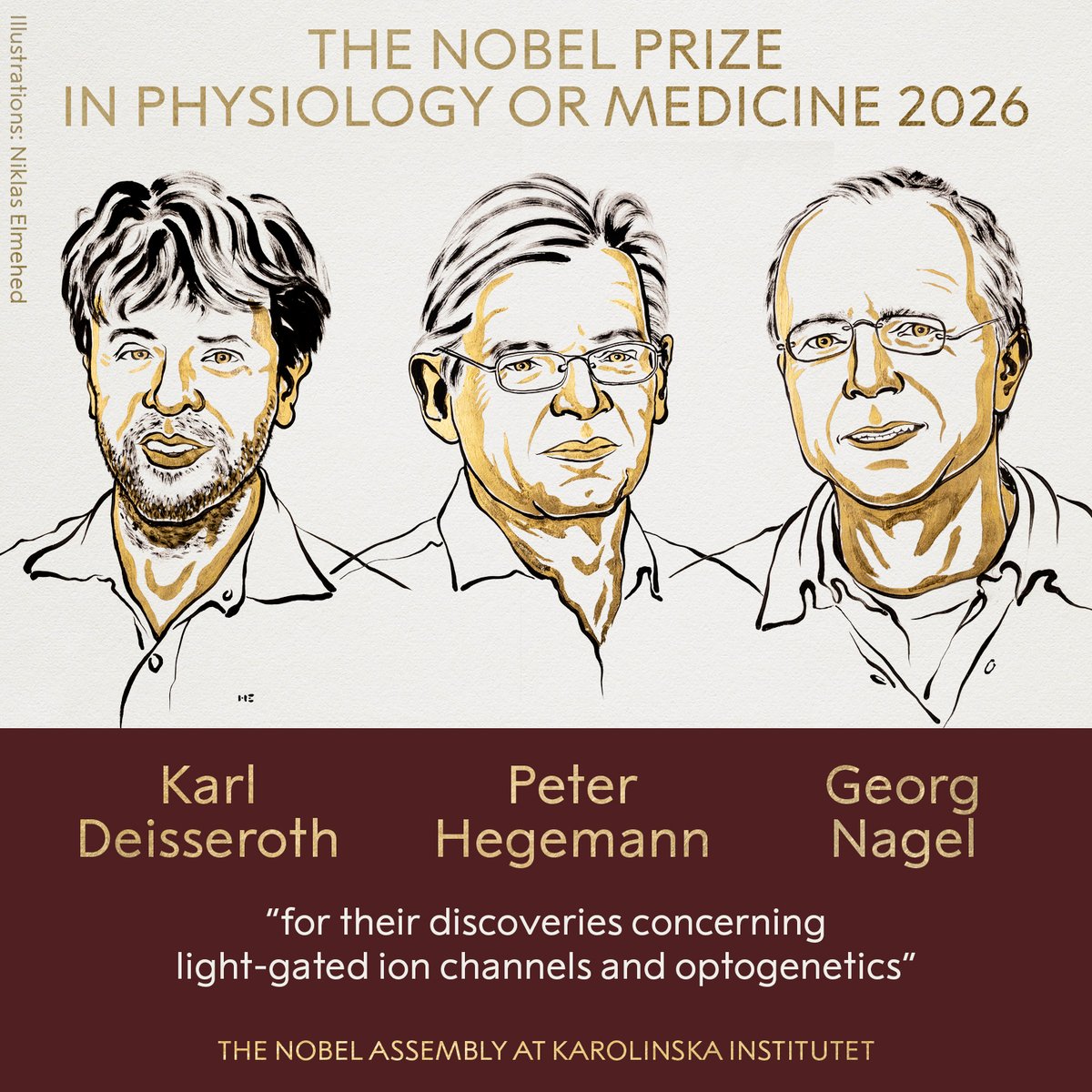
The 2026 #NobelPrize in Physiology or Medicine has been awarded to Karl Deisseroth, Peter Hegemann and Georg Nagel “for their discoveries concerning light-gated ion channels and optogenetics.”
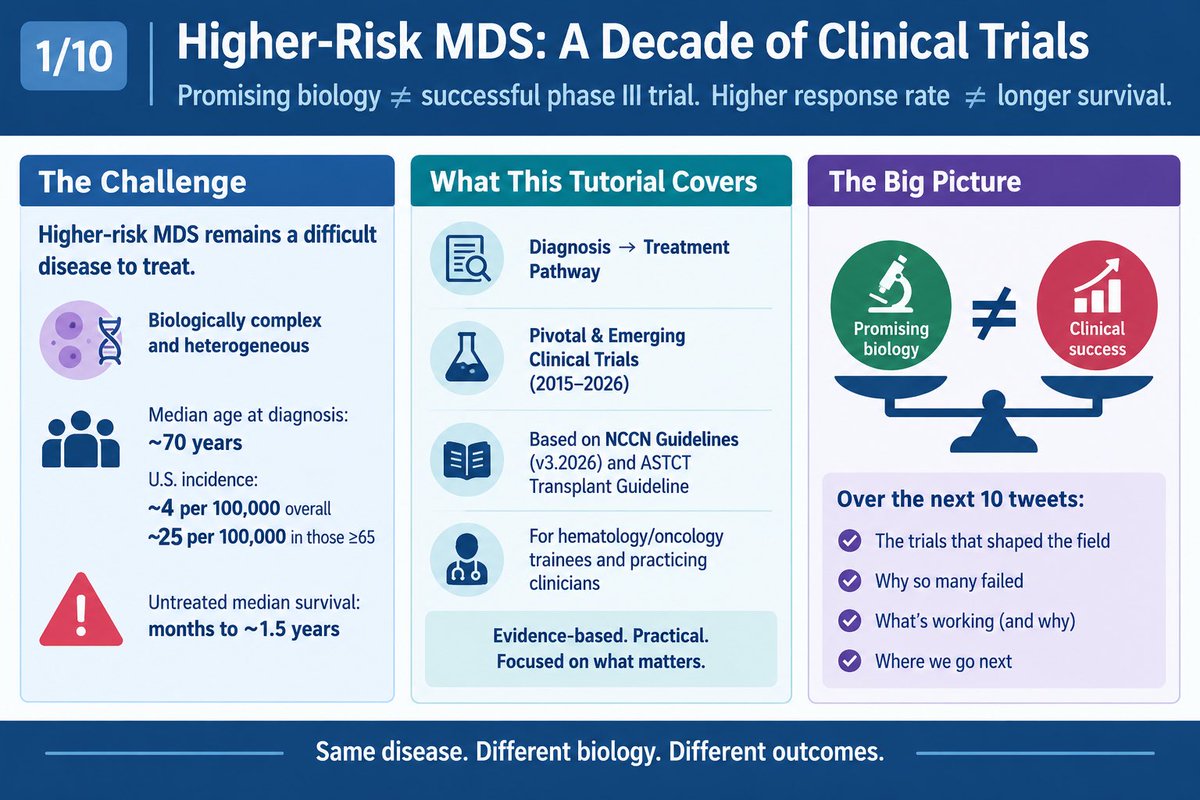
1/10 #weekend_review#mdssm HIGHER-RISK #MDS: A DECADE OF CLINICAL TRIALS
The last decade in HR-MDS has taught us a humbling lesson:
Promising biology ≠ successful phase III trial.
Higher response rate ≠ longer survival.
Here is 🧵 on the trials that shaped the field, why so many failed, and where we go next. 👇
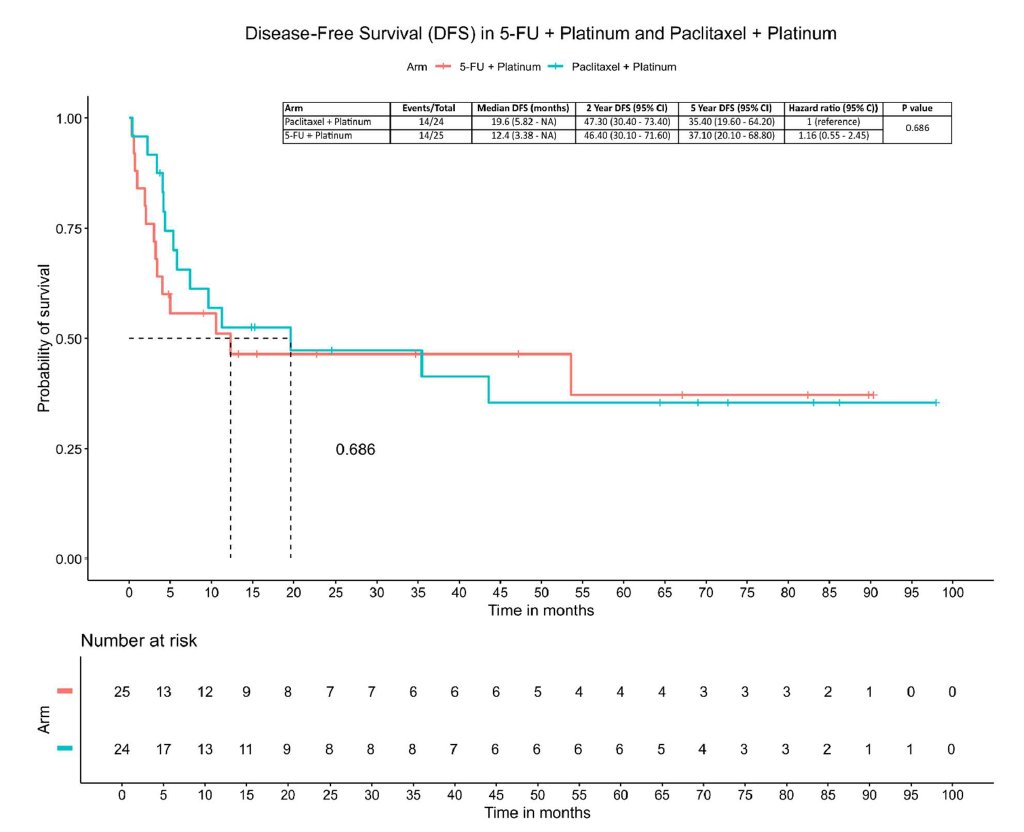
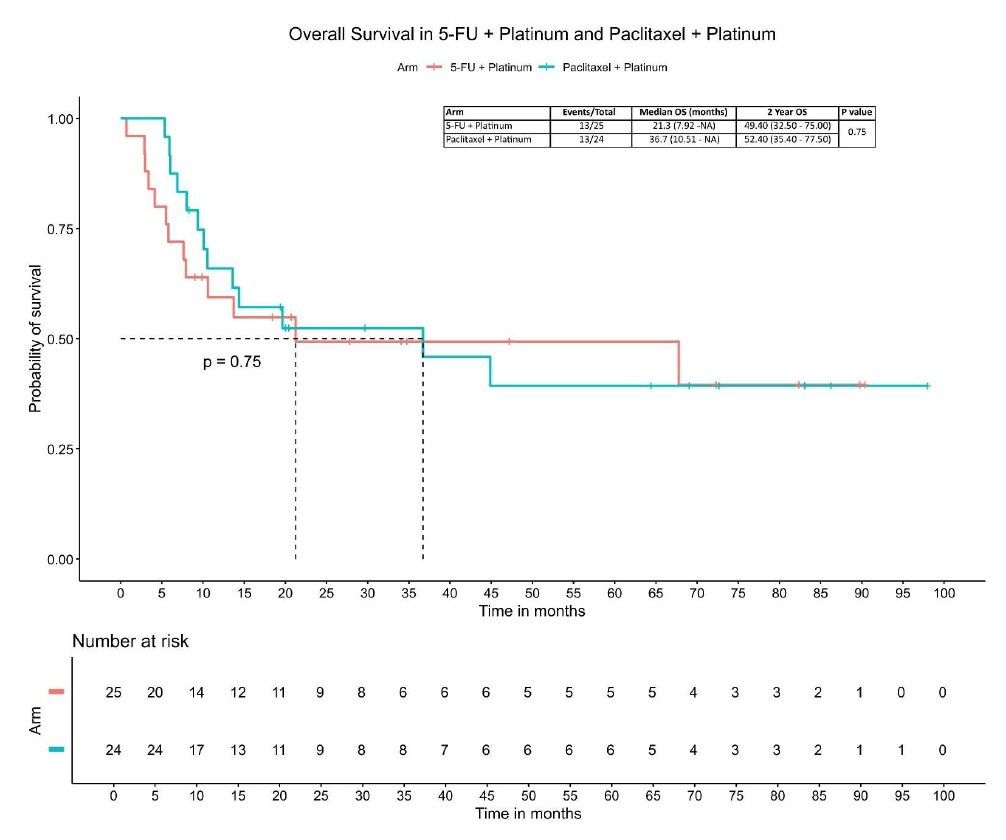
What's optimal adjuvant chemo for high-risk CA penis?
Our BACuP RCT (1st syst trial RCT in CA penis), published @JNCI_Now, found pacli-plat was better tolerated, with less severe AEs and hosp admissions than 5-FU-plat. https://t.co/ONGy4PWMzY @OncoAlert#PenileCancer#GUOnc
ORAL SERDs: UPFRONT vs LATER — timing may be everything.
• Upfront: ESR1 mutations uncommon → AI + CDK4/6i can work very well.
• More ER degradation ≠ automatically better from Day 1.
• Later: treatment pressure → ESR1 mutation emerges → biology changes.
• SERENA-6: detect ESR1 by ctDNA and switch AI → camizestrant before progression → PFS 16.8 vs 9.2 months; HR 0.45.
🎯 The question isn’t “Is a SERD stronger?”
It’s “WHEN does the biology need a SERD?”
Right drug • Right biology • Right time.
Reference: Bidard F-C, et al. Lancet Oncol. 2026. SERENA-6 extended analysis.
#MVOnco #OralSERD #ESR1 #BreastCancer #SERENA6 #Camizestrant #PrecisionOncology
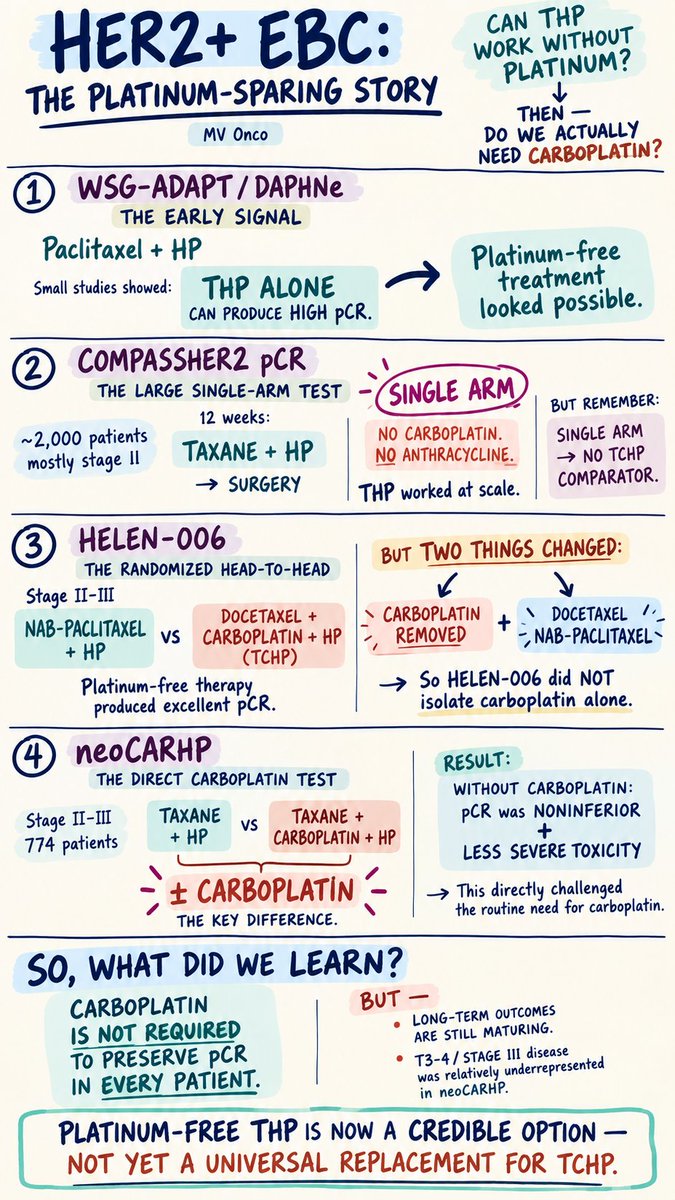
The platinum-sparing story in HER2+ early breast cancer.
First, we asked: Can THP work without platinum?
Now the better question is: Do we need carboplatin for everyone?
From WSG-ADAPT/DAPHNe → COMPASSHER2-pCR → HELEN-006 → neoCARHP, the evidence is steadily challenging routine platinum use.
Platinum-free THP is a credible option — but not yet a universal replacement for TCHP.
#MVOnco #BreastCancer #HER2 #HER2Positive #MedicalOncology #Oncology #BreastOncology
🩸 Cytopenias during azacitidine + venetoclax in AML: lessons from VIALE-A
🔑 Management depends on marrow response—not the CBC alone.
1️⃣ Before remission
Cytopenias may reflect active AML. Generally, avoid interrupting venetoclax solely for low counts before remission. Bone marrow assessment guides the decision. Prescribing information
2️⃣ Blast clearance achieved, but counts remain low
📌 The slide’s VIALE-A protocol approach:
• BM blasts <5% with incomplete count recovery.
• Interrupt venetoclax from D29 and delay the next azacitidine cycle.
• Allow recovery to ANC ≥0.5 ×10⁹/L, with an initial delay of up to 14 days.
• Resume both agents together for the next cycle.
• Failure to recover by D42 required further review—not automatic restart.
3️⃣ First prolonged severe cytopenia after remission
⏸️ Delay the next cycle and monitor counts.
The current US label recommends resuming at the same venetoclax dose after grade 4 neutropenia/thrombocytopenia lasting ≥7 days resolves to grade 1–2. These recovery criteria differ from the trial thresholds shown on the slide. Prescribing information, Table 7
4️⃣ Recurrent prolonged cytopenias
📅 Shorten venetoclax exposure by 7 days in subsequent cycles—for example, 28 → 21 days—after recovery.
💊 Maintain the appropriate daily dose, including required adjustments for interacting drugs such as azole antifungals. Prescribing information
5️⃣ Persistent delayed recovery
🔬 Reassess marrow disease status and cellularity before attributing cytopenias to treatment.
📉 The slide also describes azacitidine dose adjustment for prolonged recovery, guided by marrow cellularity.
🦠 Consider antimicrobial support and G-CSF as clinically indicated. Prescribing information
🎯 Practical pearl: After blast clearance, cycle delays and shorter venetoclax duration are planned tools for managing myelosuppression.
📷 VIALE-A protocol details summarized from the shared slide.
#AML #Venetoclax #Azacitidine #Hematology #ASH26 #SOHO26
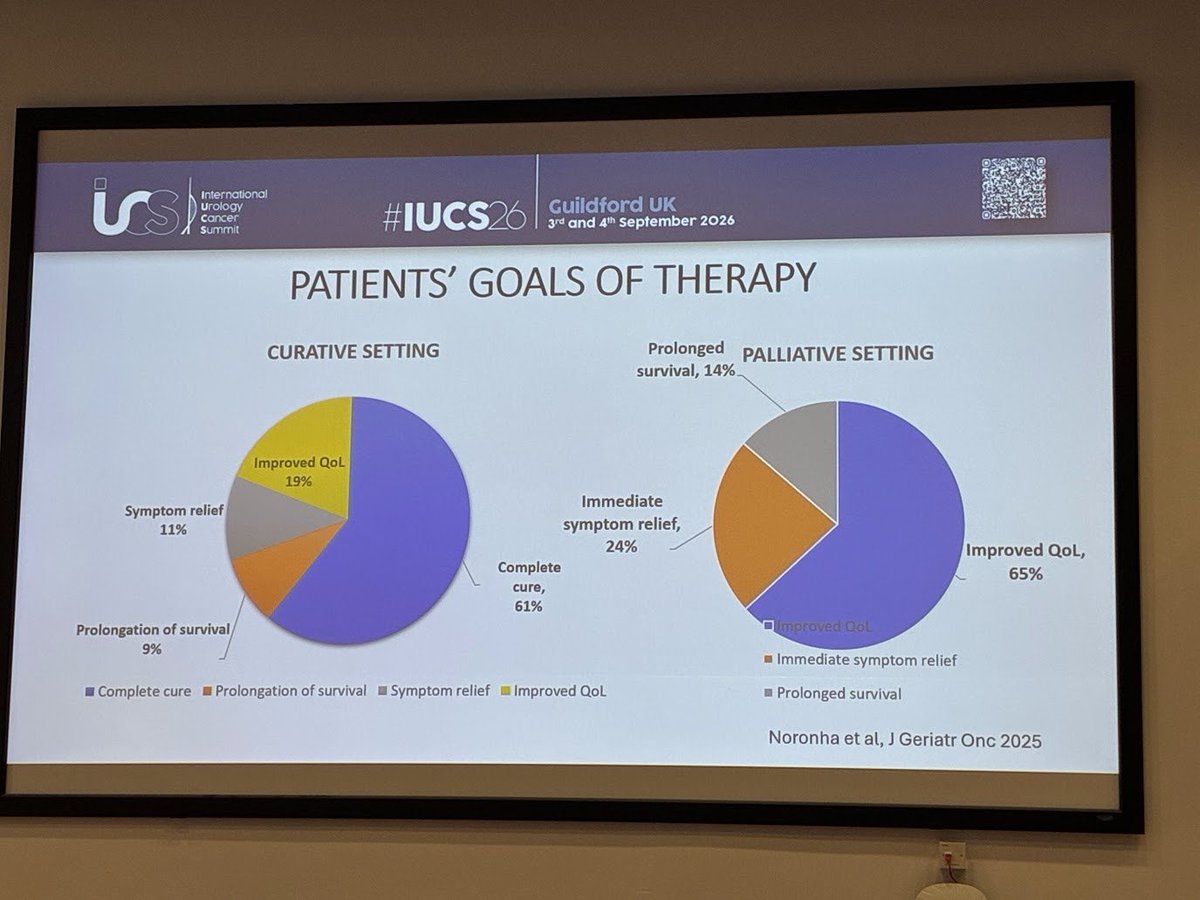
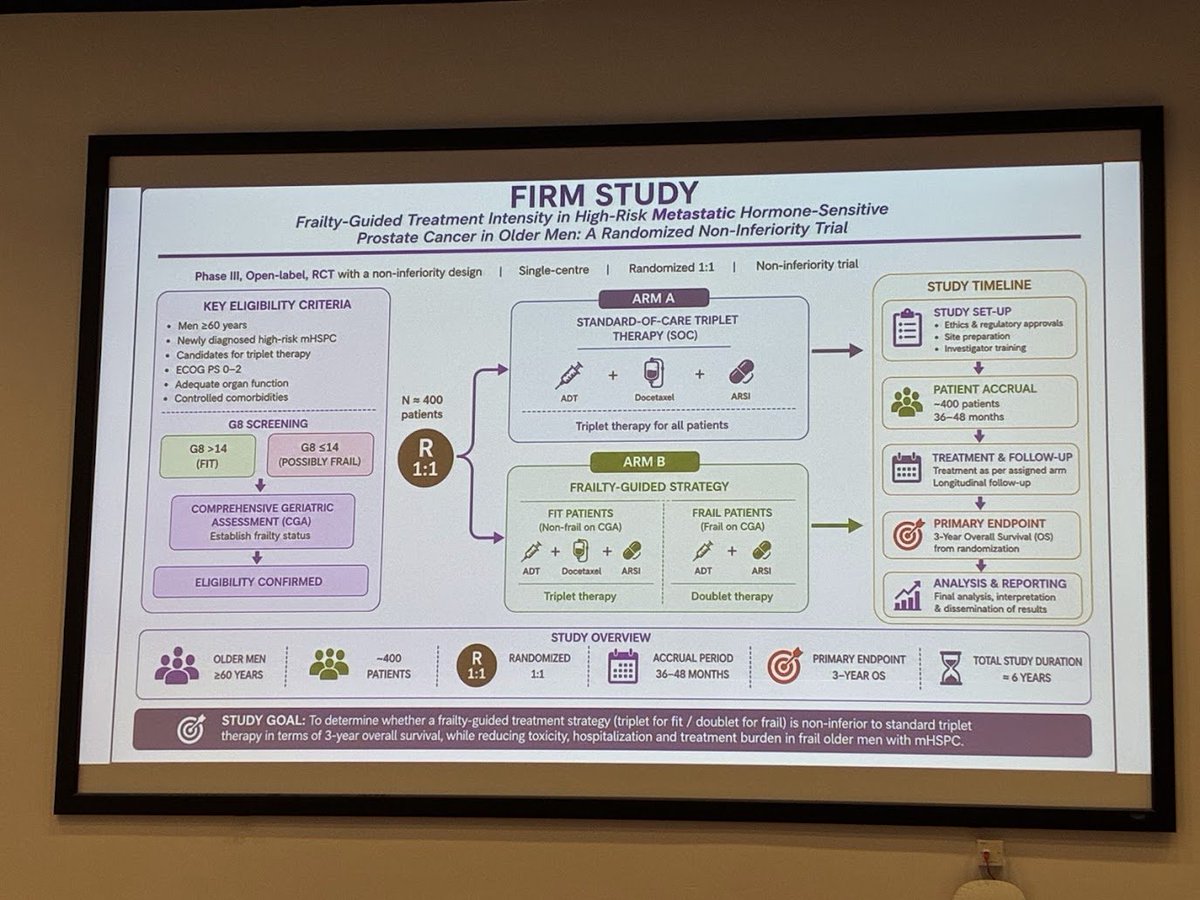
A tremendous talk from @VanitaNoronha@TataMemorial at #IUCS26 on #gerionc & #frailty in pts with GU cancers. She has compiled a great deal of data from her institution & has some interesting interventional approaches. I was dreaming up ways to collaborate & wonder if sarcopenia (assessable retrospectively on CT imaging) might be a good place for us to interface. Do US patients vary from Indian patients in baseline sarcopenia? Does this affect tolerance of therapy?
JUST IN and via @Merck + @moderna_tx: A landmark moment for cancer immunotherapy. 🎯
Phase 3 INTerpath-001 is positive: the individualized mRNA neoantigen therapy intismeran (V940/mRNA-4157) + pembrolizumab significantly improved both RFS/DMFS vs pembrolizumab alone after resection of high-risk melanoma.
For years, the idea of designing a treatment around the unique mutations of each patient’s tumor seemed aspirational. Now we have the first positive Phase 3 trial (N=1137) of an individualized neoantigen therapy—and of an mRNA-based cancer therapy.
Personalized cancer vaccines are moving from promise to reality.
Now we need to see the magnitude of benefit, durability, and ultimately OS. But today is an important day for the field—and hopefully for our patients. 👏
Congrats to #CathyWu @DanaFarber for her trailblazing research that is materializing in tangible outcomes! At @DanaFarber_GU we are closely working with Cathy + @DFCI_NeoVax team on several GU protocols, after our @Nature work with @BraunMDPhD et al (https://t.co/BdbKJqMKOw)
https://t.co/Akd0XQt3ml
DREAMseq: The Sequencing Question Finally Answered
For years, one question remained: Should patients with BRAF V600–mutant metastatic melanoma receive targeted therapy or immunotherapy first?
DREAMseq provided the answer.
• 2-year Overall Survival: 72% with nivolumab + ipilimumab first vs 52% with dabrafenib + trametinib first
• Absolute OS benefit: +20%
• The advantage was driven by more durable responses, not higher response rates.
• Targeted therapy remains effective after immunotherapy, whereas immunotherapy appears less effective after progression on targeted therapy.
Take-home message: For most patients with BRAF V600–mutant metastatic melanoma, immunotherapy first, targeted therapy at progression should be the preferred treatment sequence.
Reference: Atkins MB, et al. Journal of Clinical Oncology. 2023; DREAMseq (EA6134).
True or False?
Based on the 2025 IMS/IMWG consensus, isolated t(4;14), t(14;16), t(14;20), and trisomies are now all considered standard-risk myeloma.
#MultipleMyeloma#Medtwitter
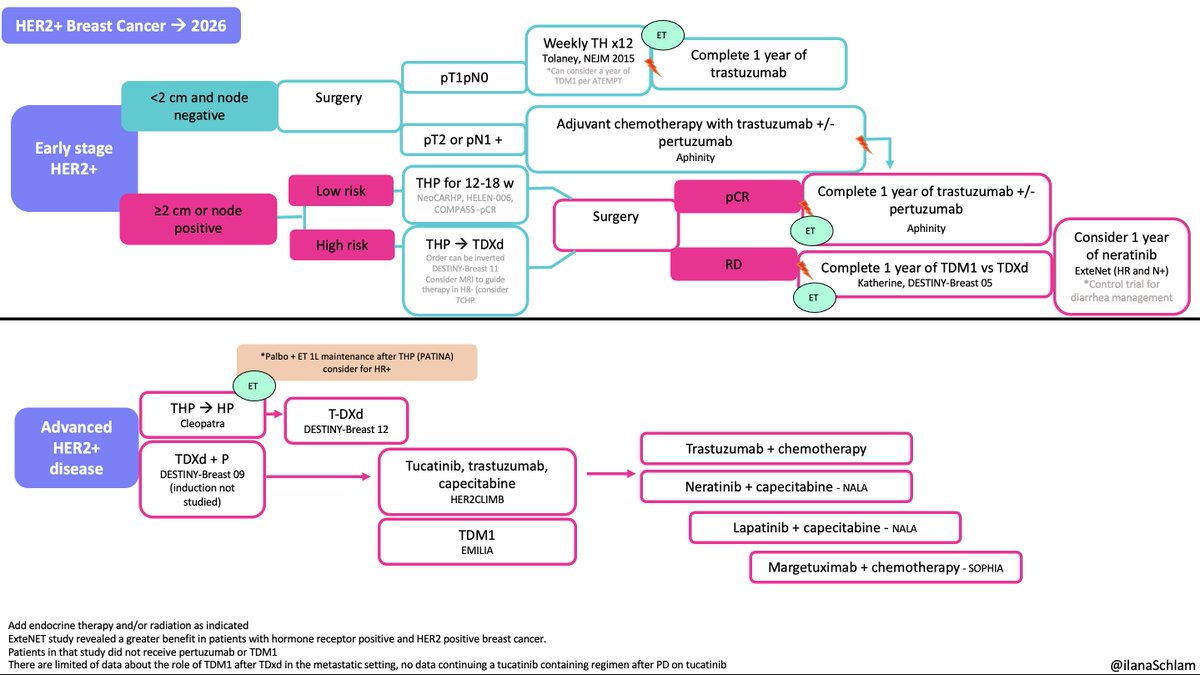
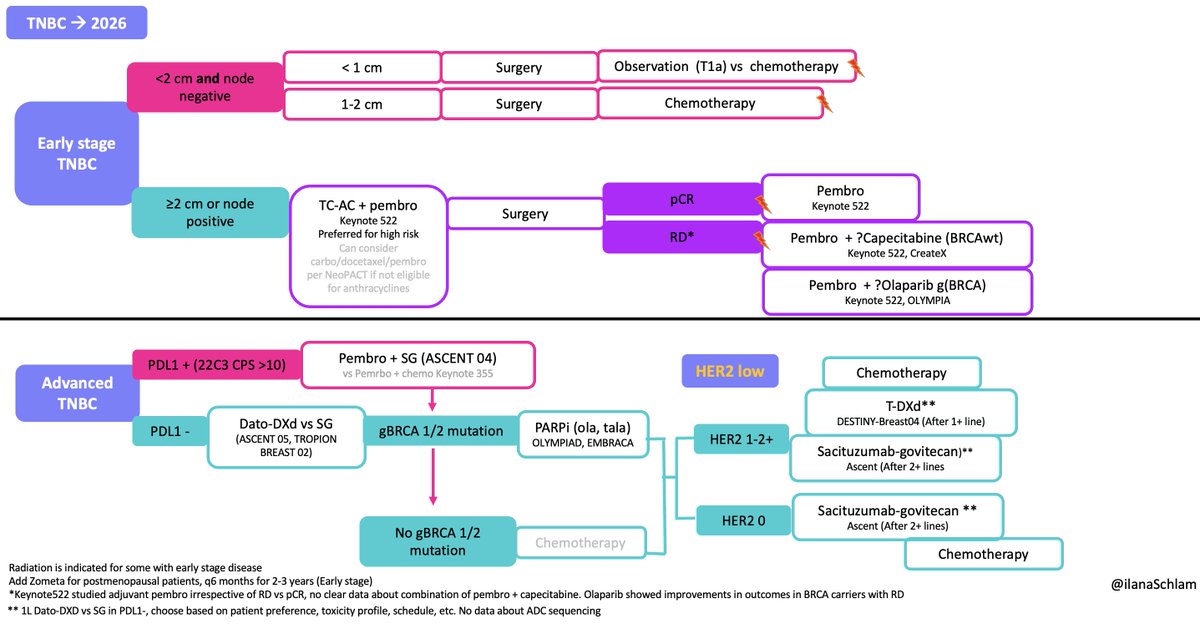
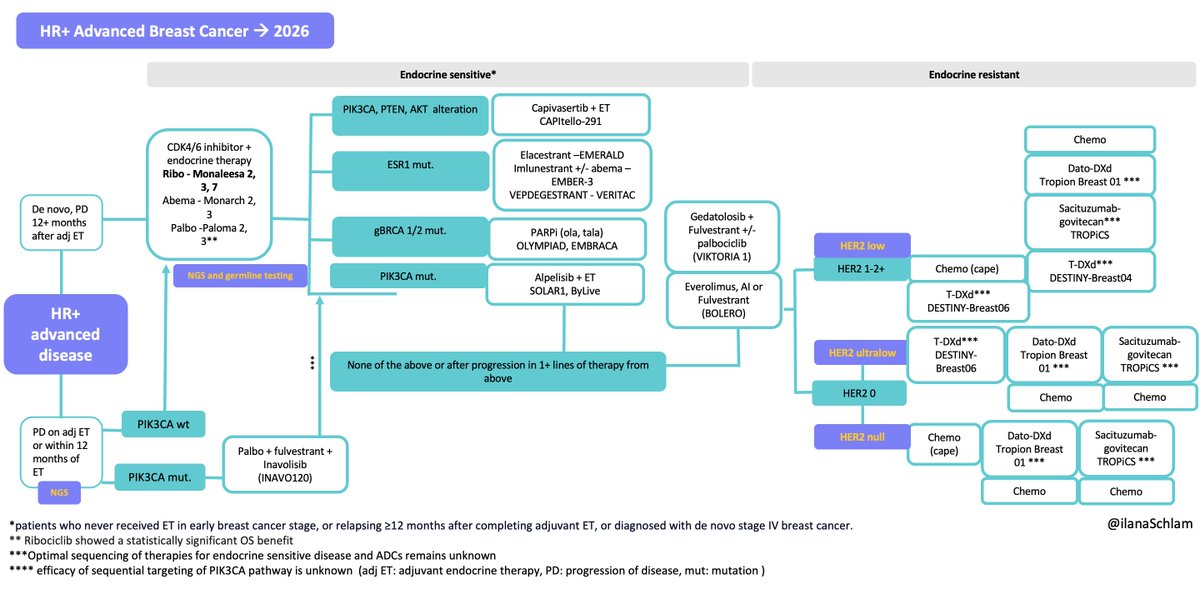
With 6 FDA approvals in breast cancer already in 2026, it was time to update the breast cancer treatment algorithms. It's a great problem to have when innovation is moving so fast that it's hard to keep up #bcsm@OncoAlert@DFCI_BreastOnc
I hear from some academic faculty in medicine that they run trials, make important discoveries, but don’t get new opportunities and are not recognized compared to colleagues who are highly visible on social media who may have done less than them.
My advice: Unlike the past where your publications were sufficient you should consider social media to be important for academic success in addition to your lectures and publications. Especially if your goal is to change clinical practice and maximize the impact of your findings. Your voice on here is important. You also learn from here.
Of course, celebrity on social media is not what counts. What counts as always are your enduring contributions to research like finding new diagnostic tests, new mechanisms of action, new treatments. But your voice on platforms like X can affect how much your research contributes to patient care, by helping you disseminate the information, interpret your findings, and even make you sought after to lead new clinical trials etc.
Use social media to your advantage; treat it like writing mini-editorials or reviews. Use it to increase your knowledge of what’s happening in other related fields, make new connections, and helping colleagues. Writing on here means you have to be clear and concise. That actually helps you formulate your own ideas. Helps you get better at writing and communication.
Add your thoughts! If you are a leader seeing this tell your junior colleagues who are not on this platform to come join the discussion.
Pleased to share our publication in #JCOGlobalOncology!
“Integrating Metronomic Therapy With Standard Paclitaxel-Carboplatin in Advanced Unresectable Head & Neck Cancer: The #METROPLUS RCT”
A simple, affordable metronomic strategy added to std chemo
🔗 https://t.co/VSdSvwMWpN
🚨While @SpaceX goes IPO and the world's glued to @FIFAWorldCup ⚽🚀an interesting paper popped up for your Friday read @NatureMedicine
👉Frontier general LLMs (GPT-5.2, Gemini 3.1 Pro, Claude Opus 4.6) outperformed specialized clinical AI tools (OpenEvidence, UpToDate Expert AI) on medical knowledge, clinician alignment + 1,800 blinded physician annotations on real clinical queries🤯
👉This result was unexpected 🤯🤔 👉"Specialized" ≠ "Better" @OncoAlert
https://t.co/B0RmOhIZI2
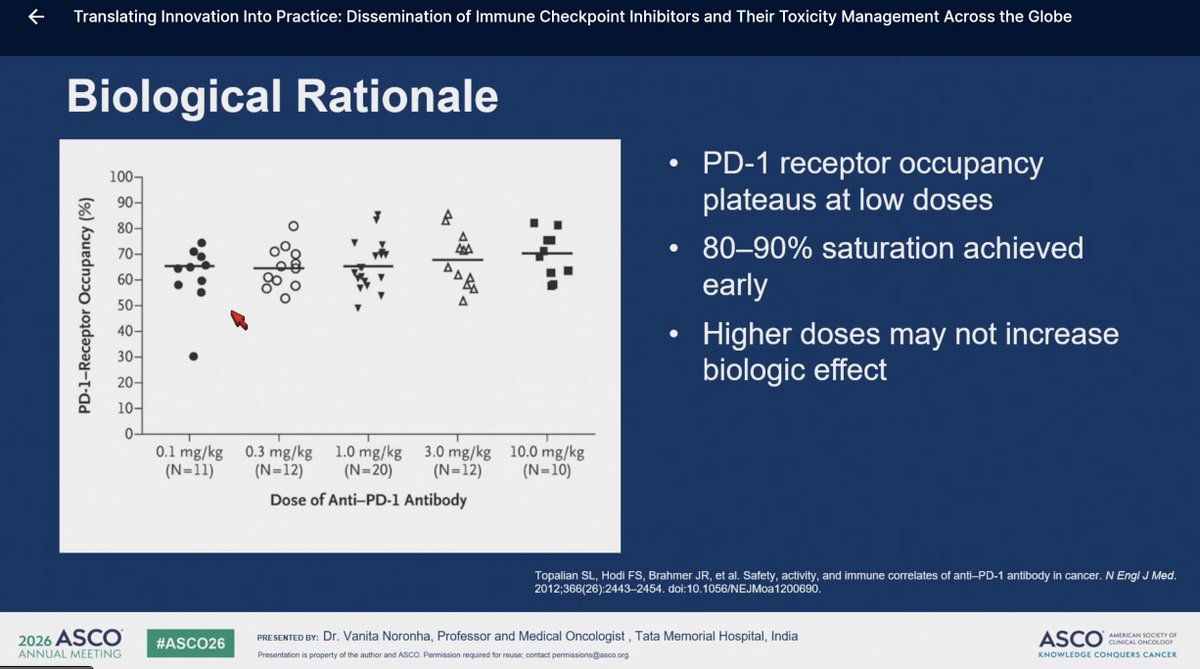
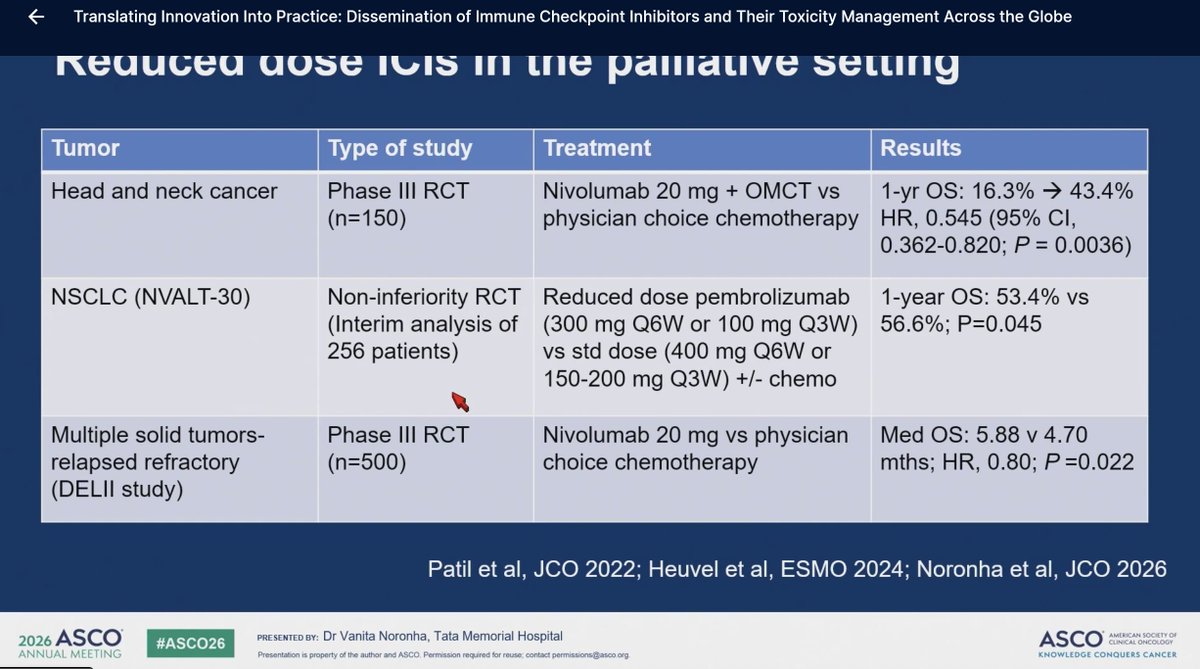
"Innovation out of necessity": Low dose PD-1 inhibitor (nivo 20mg q2wk) + oral metromic chemotherapy with low toxicity as an example of balancing cost with access internationally, based on solid biologic rationale of receptor occupancy #ASCO26@VanitaNoronha@TataMemorial
Bonus of #ASCO26 mobility issues is slowing down, limited traipsing around Chicago, and allowing the space to catch up - almost real time - on an irAE session I missed due to being double booked earlier.
Bravo @ASCO for instant replay 👏 Pairs well with @PizanosPizzaChi 🍕