Licensed Genetic Counselor @ the Broad Institute. Interested in scaling clinical genomics, data sharing, & variant curation. Opinions expressed are my own.
Thank you to @ChanZuckerberg for the opportunity to talk about the Rare Genomes Project (https://t.co/meA7sxB6lt) and tell the story of GeniE (https://t.co/qBjrbSCvA9).
@nickroozgrami Great work @nickroozgrami! I'm hopeful that those who did this woerk before GeniE will be able to appreciate how much easier it is after GeniE...and that even more people will never have to feel the pains of the "before" 😂
@kartikchundru Thank you! This is prevalence based on the gnomAD AF for each variant included. A few beta users asked about incorporating the variant co-occurrence work into GeniE, so we definitely have it on our radar to look into. There is still so much to do in this space!
This release is 6 years in the making! I am so excited to finally share GeniE, the genetic prevalence estimator. By removing the need for computational expertise, GeniE makes estimating genetic prevalence more standardized and accessible (1/4) https://t.co/neIpTHW2nS
GeniE, the genetic prevalence estimator, is now available! https://t.co/QHtuIvLrGt
This tool allows users to estimate the genetic prevalence of autosomal recessive diseases using #gnomAD allele frequency data & classifications from #ClinVar
Blog post: https://t.co/aSpUglRKVj
@ChanZuckerberg A special thank you to Nick Watts, Riley Grant & Josephine Lee for lending their software development expertise to this tool. Finally, thank you to @HeidiRehm and @AnneOtation for their support and belief in GeniE from the very beginning!! (4/4)
Thank you to everyone who contributed to this project (https://t.co/suN2IVRgzB), but especially our co-developers @ChanZuckerberg#RareAsOne Network. This tool was inspired by the rare disease advocacy community and I am so grateful to count you all as collaborators (3/4)
gnomAD 4.1 is now live! This release fixes the AN issue in #gnomAD v4.0 & adds 2 new functionalities:
1) Joint AN across all called sites in exomes and genomes
2) A flag indicating when exomes and genomes frequencies are highly discordant
Learn more at https://t.co/ngnag9f1Bn
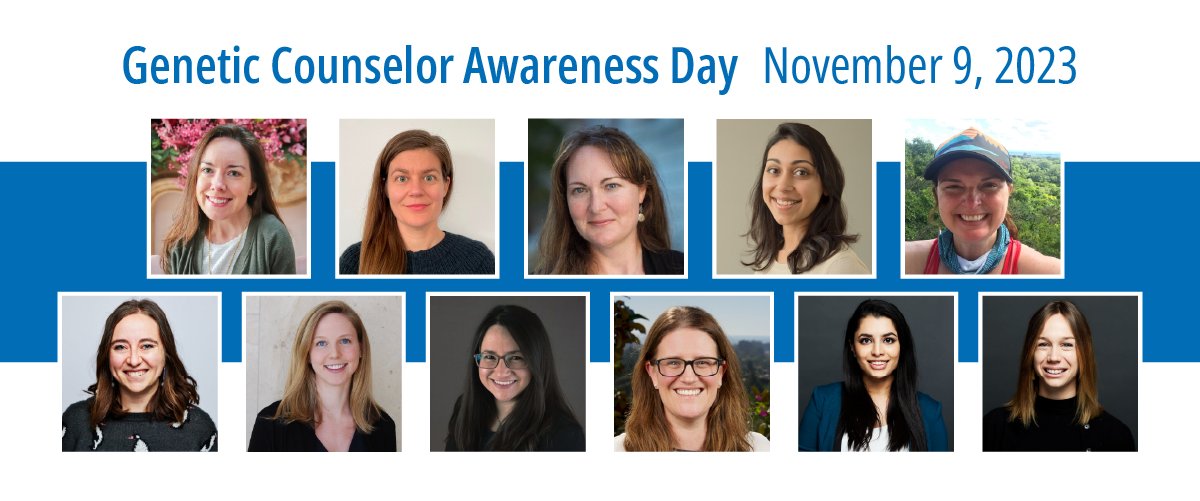
Today is #GeneticCounselorAwarenessDay! Genetic counselors are crucial members of our Broad community, and while we appreciate their hard work every day, today we'd like to celebrate them! You can learn more about the role our GCs play at Broad at: https://t.co/MWUEfKVgYZ
Gene constraint is now available on #gnomAD v4! This is the first time we have had constraint data available on GRCh38. Katherine Chao will be covering this work during her talk at #ASHG23 tomorrow (11/4) at 11am in rm 202A.
#gnomad v4 is finally live! 3 years of work and it’s finally here!!! Now the fun part begins. I can’t wait to dive in and see what the power of this dataset can do…well…maybe first some sleep…but then my 2nd favorite thing, kicking off some long awaited analyses #genechat
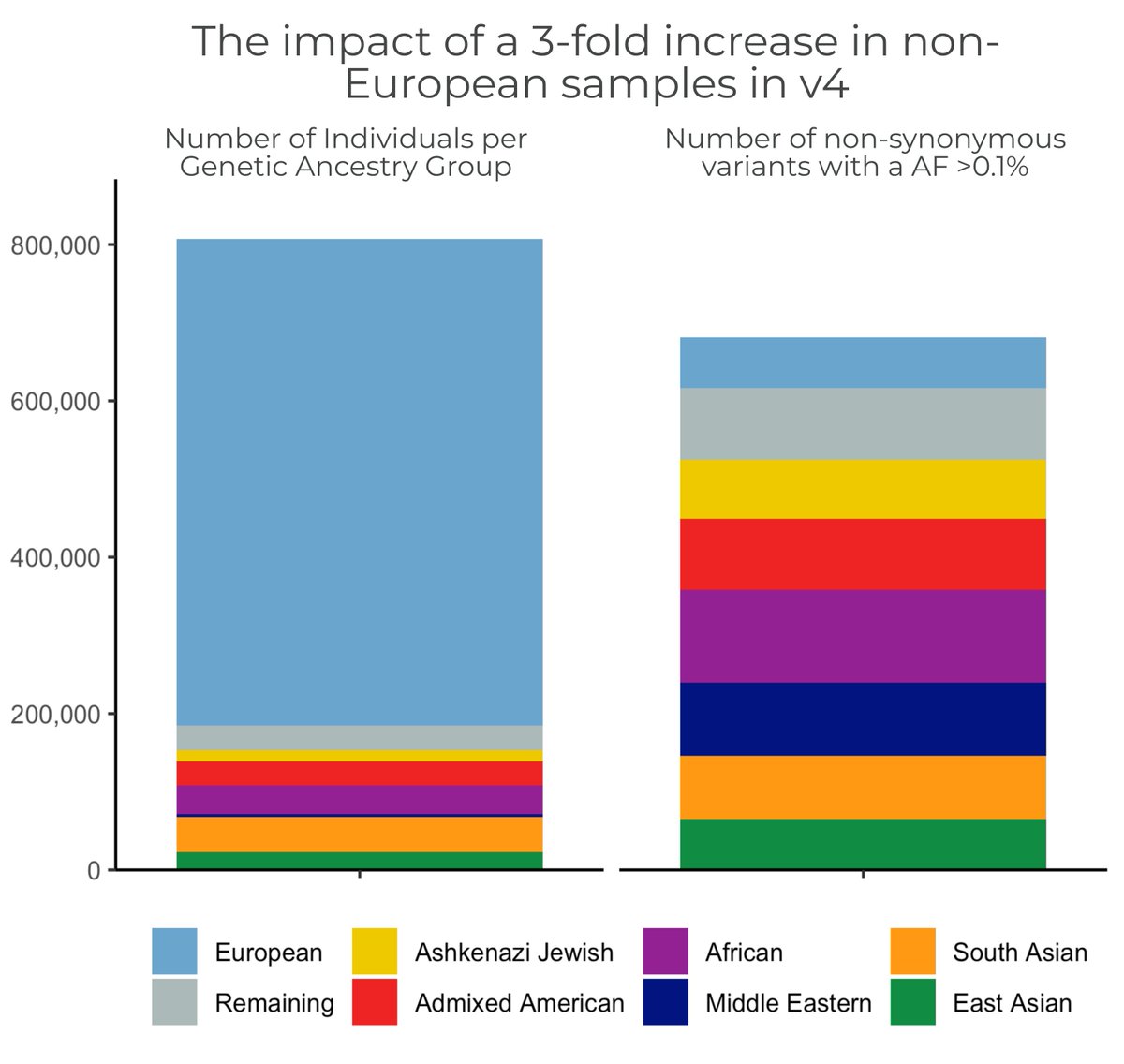
The #gnomAD team is proud to announce the release of gnomAD v4! The v4 dataset includes 730,947 exomes & 76,215 genomes, which is ~5x larger than the v2 & v3 releases combined, & includes nearly 120K indivs of non-European genetic ancestry https://t.co/YKXIFlZwSi #ASHG23 (1/11)
With loss of function (LoF) variation, all may not be as it seems. Led by Moriel Singer-Berk, @s_gudmundsson, and @HeidiRehm, we advanced the framework, from Richards et al and Abou Tayoun et al, for using PVS1 for pLoF variants in pathogenicity classification. @AJHGNews 1/
Years of work finally making it out to the community. Congrats to my co-authors, especially Moriel Singer-Berk, @s_gudmundsson@AnneOtation and @HeidiRehm!
📢New @AJHGNews
📰Advanced variant classification framework reduces the false positive rate of predicted loss-of-function variants in population sequencing data
🧑🤝🧑@anneotation@HeidiRehm@s_gudmundsson & colleagues
👇
https://t.co/z8u0yDjpRH
An inspiring piece by @TaniaSimoncelli highlighting what is able to be achieved when you put patients at the center of research! I am forever inspired by the #rareasone groups and will always be grateful for the opportunity to work with them
Centering patient communities leads to unique insights + perspectives that can only come from day-to-day knowledge of #RareDisease.
Read more from @cziscience’s @TaniaSimoncelli on how we’re supporting patient-led research
#RareAsOne https://t.co/kPlCc6Dcg8
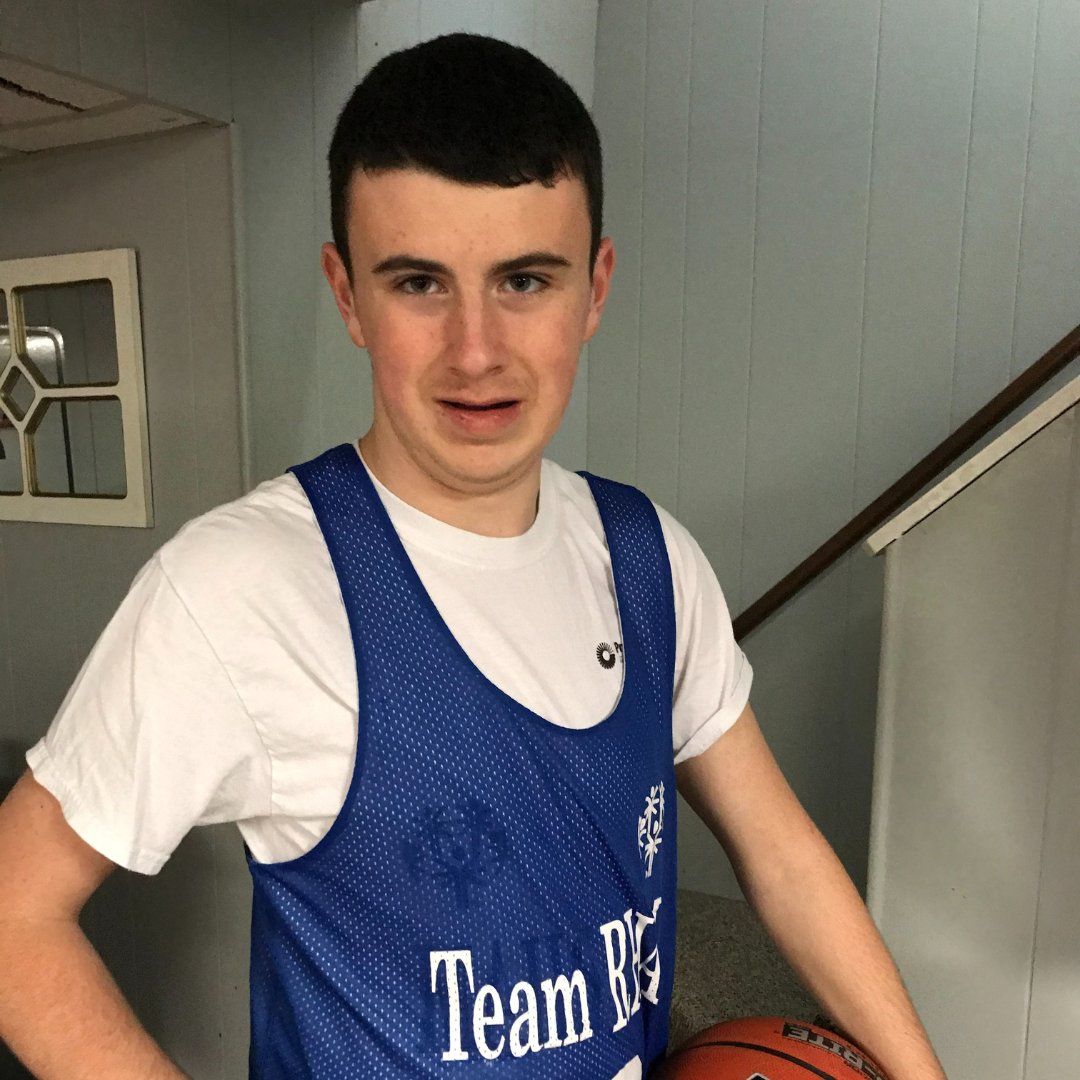
Meet Ryan!
"What became clear... is that not nearly enough is known about how it is that TANGO2 mutations... That is where the idea for the TANGO2 Research Foundation came from." - Mike & Kasha Morris
Read more at https://t.co/fRzB5hRYmA #TANGO2researchfoundation
Excited to share this publication, which includes the genetic prevalence estimates for TANGO2. Our partnership with @TANGO2Research was one of our first collaborations with @cziscience#RareAsOne community. It’s an honor to help move their mission forward https://t.co/l5laxUhqml
If you work in #RareDisease please read this. Jocelyn beautifully summarizes the challenges rare families face to find a treatment/cure. While progress is happening, we need to do more. “We have the power to change the story of Rare” @CureCMT4J#genechat https://t.co/EDIbuJ1p2S