Huge from the PM.
Starmer accepts the Fingleton Review *and* pledges to extend it to other infrastructure: data centres, railways, tramways, towns, labs, and more.
Massive, and a big shift from the Treasury's equivocation. Implementation will be a big battle, but we can win.
These recommendations could be one of *the* big policy shifts that make net zero, affordable energy, AI ambitions and growth much closer within reach. So much is downstream of energy abundance.
Britain needs nuclear power. Our nuclear projects are the most expensive in the world and among the slowest. Regulators and industry are paralysed by risk aversion. This can change. For Britain to prosper, it must.
Earlier this year, the Prime Minister appointed me to lead a Taskforce to set out a path to getting affordable, fast nuclear power Britain.
Our final report today sets out 47 recommendations, among them:
- Creating a one-stop shop for nuclear approvals, to end the regulatory merry-go-round that delays projects at the moment.
- Simplifying environmental rules to avoid extreme outcomes like Hinkley Point C spending £700m on systems to protect one salmon every ten years, while enhancing nuclear's impact on nature.
- Limiting the ability of spurious legal challenges to delay nuclear projects, which adds huge cost and delay throughout the supply chain.
- Approving fleets of reactors, so that Britain’s nuclear industry can benefit from certainty and economies of scale.
- Directing regulators to factor in cost to their behaviour, and changing their culture to allow building cheaply, quickly and safely.
- Changing the culture of the nuclear industry to end gold-plating and focus on efficient, safe delivery.
If the government adopts our report in full, it will send a signal to investors that it is serious about pro-growth reform and taking on vested interests for the public good.
A thriving British nuclear industry producing abundant, affordable energy would be good for jobs, good for manufacturing, good for the climate, and good for the cost of living. And it could enable Britain to become an AI and technology superpower.
Britain can be a world leader in this new Industrial Revolution, but only if it has the energy to power it.
Our report is bold, but balanced. Our recommendations, taken together and properly implemented, will forge a clear path for stronger economic growth through improved productivity and innovation. This is a prize worth fighting for.
https://t.co/9wPTtkTDMU
The tech deal was an important first step but now there's more to do to translate the potential that comes with that into real value and benefits for the UK, and AI sovereignty in a real sense. Full post is up on Substack: https://t.co/ymDgFJxWo0
🖊️New post out on Substack! Last week brought a huge announcement of US investment into UK #AI, data centres, supercomputers, energy and more. Will this turn UK into a vassal state, as @nickclegg warns? I think that's overly pessimistic, but only if we don't get complacent.
Getting investment into AI infrastructure is a good thing; to do anything AI-related, you first need compute. But it's not "job done" for UK AI Sovereignty. It's good to have more AI infrastructure, but that doesn't give you a strategic niche in the AI stack.
A very significant development for AI sovereignty in UK. Still Qs around how AIGZs can be best utilised, how to support British AI companies, and how this can build an economic niche for UK in AI. But you first need the infrastructure in place to do any of those things!
NEW: Stargate, the world's most ambitious AI infrastructure project, is coming to Britain.
This is huge news for the UK and a big win for the Prime Minister. The Northeast will become an AI Growth Zone with £billions of investment secured.
Want to stay up to date on AI policy? 👩💻
Sam Robinson is the @smfthinktank in-house AI expert, and has just launched a new substack.
He'll be taking a realistic, pragmatic look at ongoing developments in the AI space ⤵️
https://t.co/lSiDXNVle8
📢NEW POST: After watching the #AI debate swing between extremes and UK AI policy lose steam, I've decided to start writing more about how the UK can navigate the AI era successfully. So I'm launching a new Substack - The AI Pragmatist. Link here: https://t.co/bVH9lH5GBs
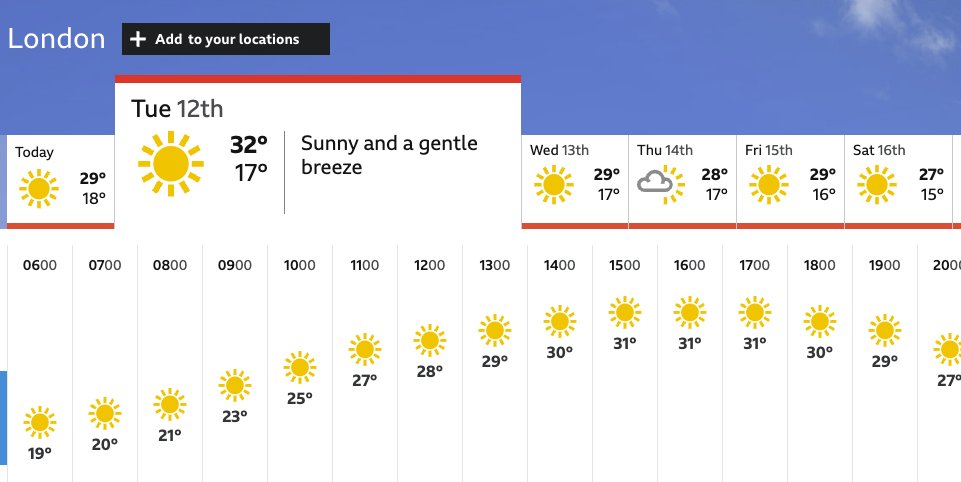
As Britain enters its third (fourth?) heatwave of the year, here's a short thread on why air conditioning is *actively good* for fighting climate change, and why we should stop banning it from new homes. 🧵
Govt. is right to think that first time buyers are uniquely disadvantaged in our housing market. But subsidising demand is not going to solve the underlying issue: a lack of housing supply in the places people want to live.
The Chancellor is expected to announce a permanent mortgage guarantee scheme aimed at making first them more affordable for first-time buyers, as covered by @Victoria_Spratt for the i.
While some buyers will undoubtedly benefit, we should keep focus on the bigger picture.
All this isn’t about mandating OS AI, but ensuring the public sector’s in a place where developing and using OS AI is always a viable option. That way govt will be able to truly set its own course on AI deployment.
How can the UK government best leverage #AI for public services? A critical, often-overlooked decision is the choice between proprietary (‘closed’) and open-source models. New @SMFthinktank report from me offers a clear framework. 🧵
https://t.co/9GvAQqGdr0
Third, investing in the open-source ecosystem. An 'Open-Source AI Fund' would bolster OSS supply chain security and drive innovation aligned with national missions, from a cleaner environment to a healthier NHS.