Our latest study explores wet-neuromorphic computing by transforming E. coli GRN into Gene Regulatory Neural Networks (GRNN); a neural network with 3,175 nodes and 9,678 edges, that performs complex classifications and regressions.
Link:https://t.co/8sr8A7IOjo
#biocomputing#AI
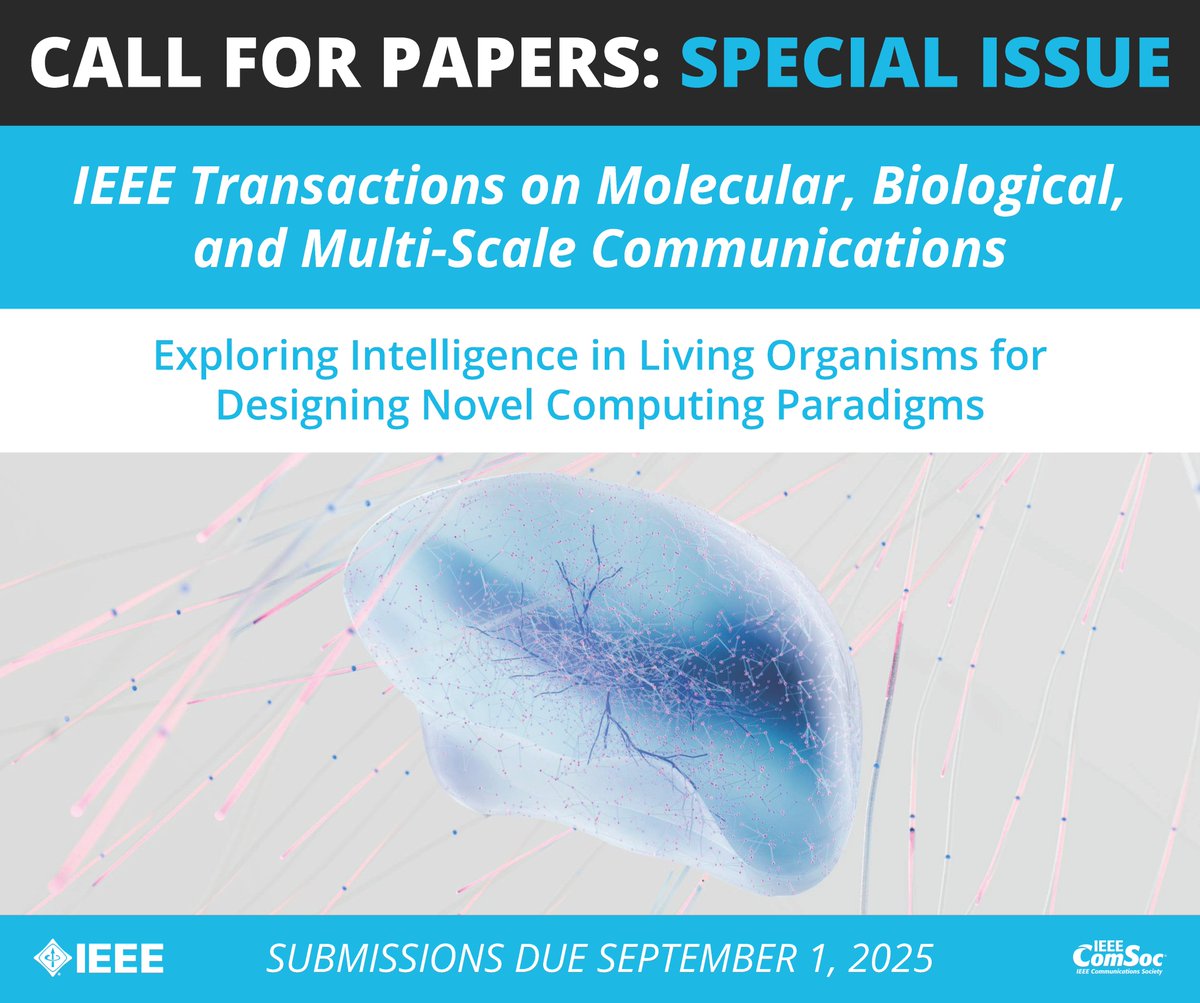
IEEE T-MBMC is accepting papers for its upcoming special issue, "Biological Intelligence, Bio-Computing, and AI in Biological Systems," to be published in March 2026!
More info: https://t.co/YdyfwESB4p
@ComSoc@IEEEorg@mbmctc#BioIntelligence#BioComputing#AI#ML
Using biological principles like cell plasticity and gene regulatory networks, researchers have developed energy-efficient tinyML models.
https://t.co/MZCWfcZd38
Nice display at https://t.co/dPMHnYynzy that provides an overview of the @SeqBiome team's expertise in studying different microbiomes (and associated publications)
In our latest blog post @SamSomathilaka explains how researchers designed a computer model of #bacteria inside the human gut to explore their behaviour and understand how they keep us healthy.
@danpmartins @SasitharanBala1 @TeagascFood @VistaMilk
https://t.co/KnMTnoUJGw
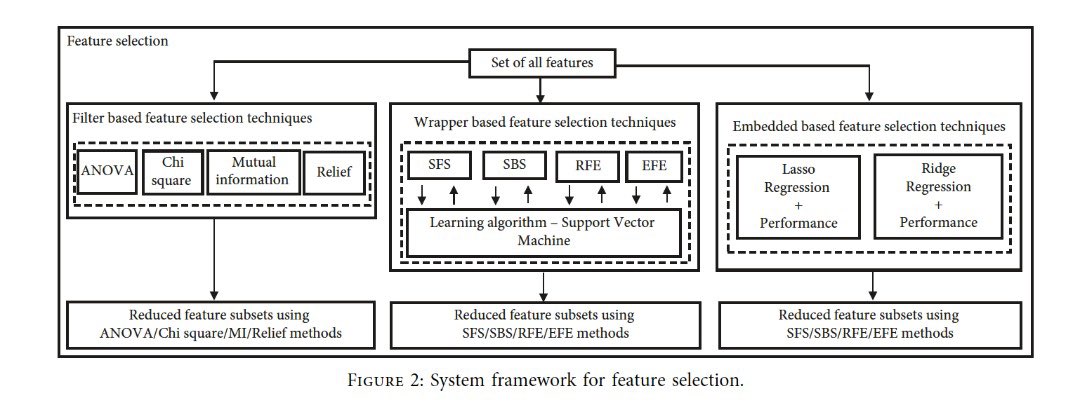
Many tests are used by physicians to help identify #cardiovascular problems. Essentially, our research suggests that it is possible to classify it via a small number of features in a novel #algorithm. More>> https://t.co/leHUlEk7Z7
#AskMSU@MSUmalaysia#MSUCOE@SGS_MSUmalaysia