Health Researcher. AI for Mental Health/Sleep, Assistant Professor @emorybmi @EmoryMedicine, Ex. @Apple, @SimonsFdn, @Theteamatx, @harvardmed, @MGHNeurology
Detecting exponential growth in time series is essential for accurate prediction and control. Could neurons be detectors of such growth? This hypothesis predicts adaptation of the temporal kernel with the SNR of the input as observed experimentally: https://t.co/3Mt83zW9Zs
I'm happy to announce the start of a new free and open online course on neuroscience for people with a machine learning or similar background, co-developed by @MarcusGhosh. YouTube Videos and Jupyter-based exercises will be released weekly. There is a Discord for discussions.
In response to popular requests, here is a longer version of my talk on modeling neurons as Direct Data-Driven Controllers. Thanks to David Hansel for the invite!
https://t.co/kKb0FeVgnc
Ever tried explaining the predictions of deep learning models trained on 🧠 data but got overwhelmed by the wealth of existing XAI methods?
In our new paper, @russpoldrack, @HazyResearch, and I benchmark the performance of XAI methods for brain decoding with DL models!
🧵 …
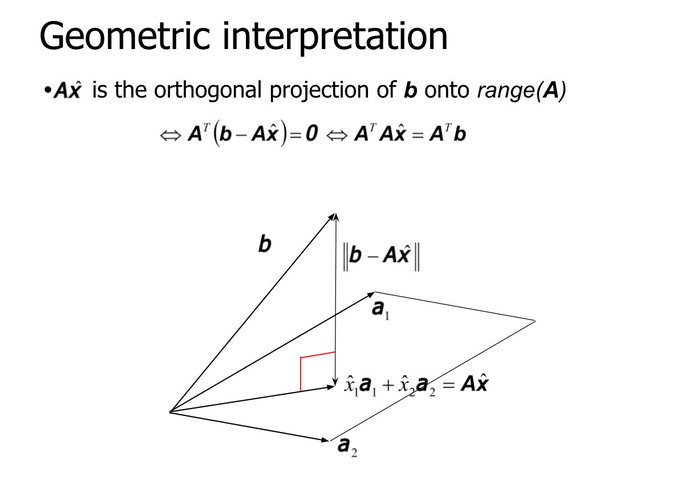
The perpetually undervalued least-squares:
minₓ‖y−Ax‖²
can teach a lot about some complex ideas in modern machine learning including overfitting & double-descent.
Let's assume A is n-by-p. So we have n data points and p parameters
1/n
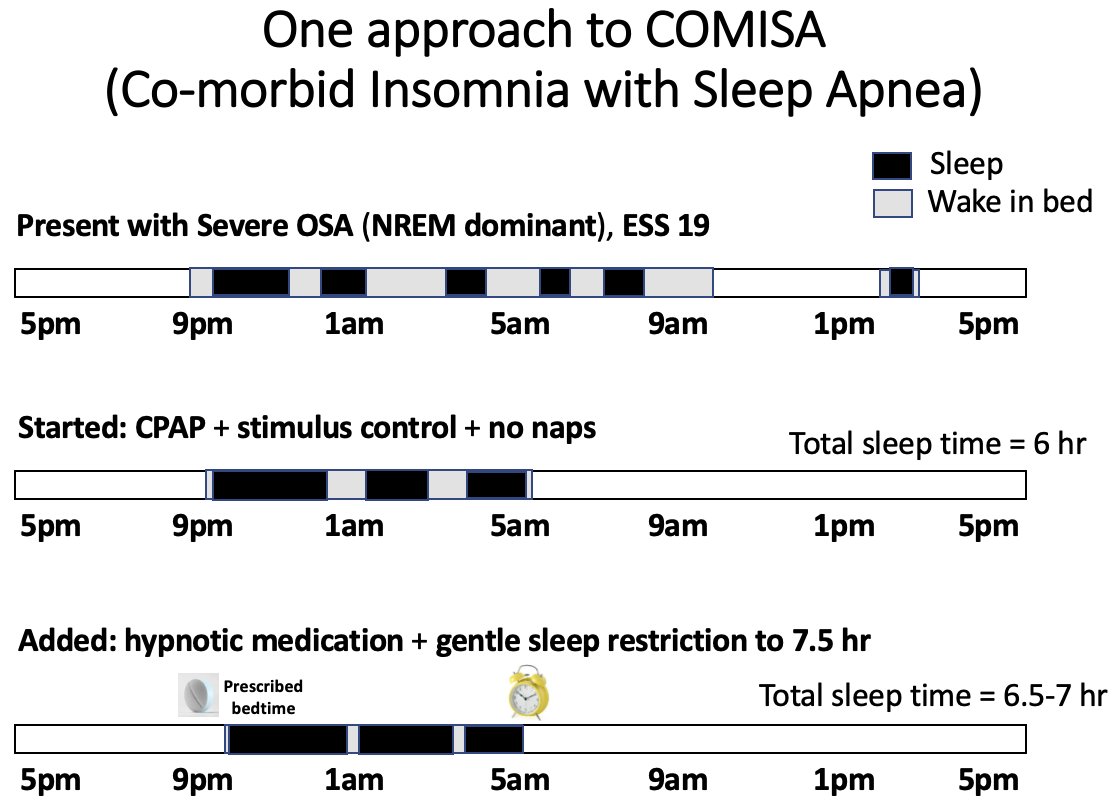
Female in 60s, Hx of minor stroke, BMI 21, presenting with insomnia + excessive daytime sleepiness, ESS 19. PSG: severe NREM dominant OSA, AHI 37 (NREM 39, REM 5). 1st started CPAP + stimulus control + no napping. Then added gentle sleep restriction + hypnotic medication. #COMISA
In a new study, out in Attention Perception and Psychophysics, @ananyapassi and I have cool insights to share about a fascinating cross-modal association called the Bouba-Kiki effect. Consider the shapes below: which shape would you call a Bouba? 1/n https://t.co/jt0iwYW2ky
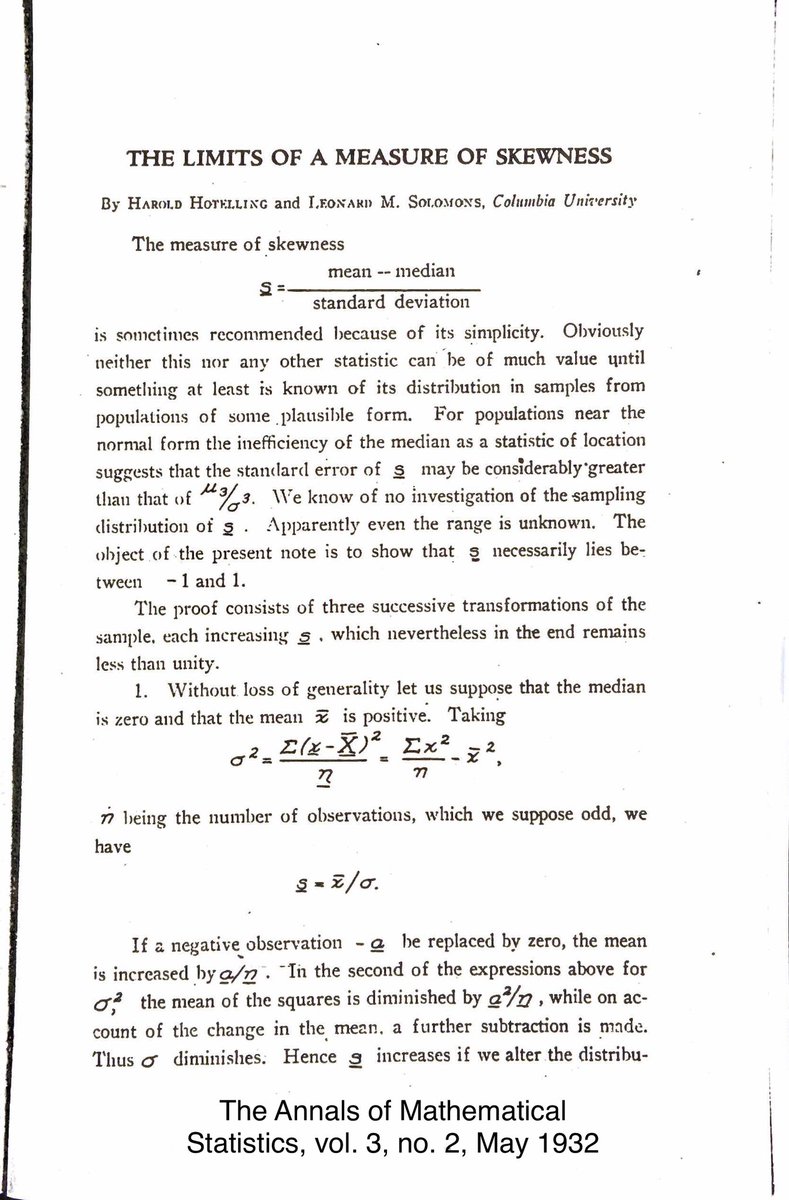
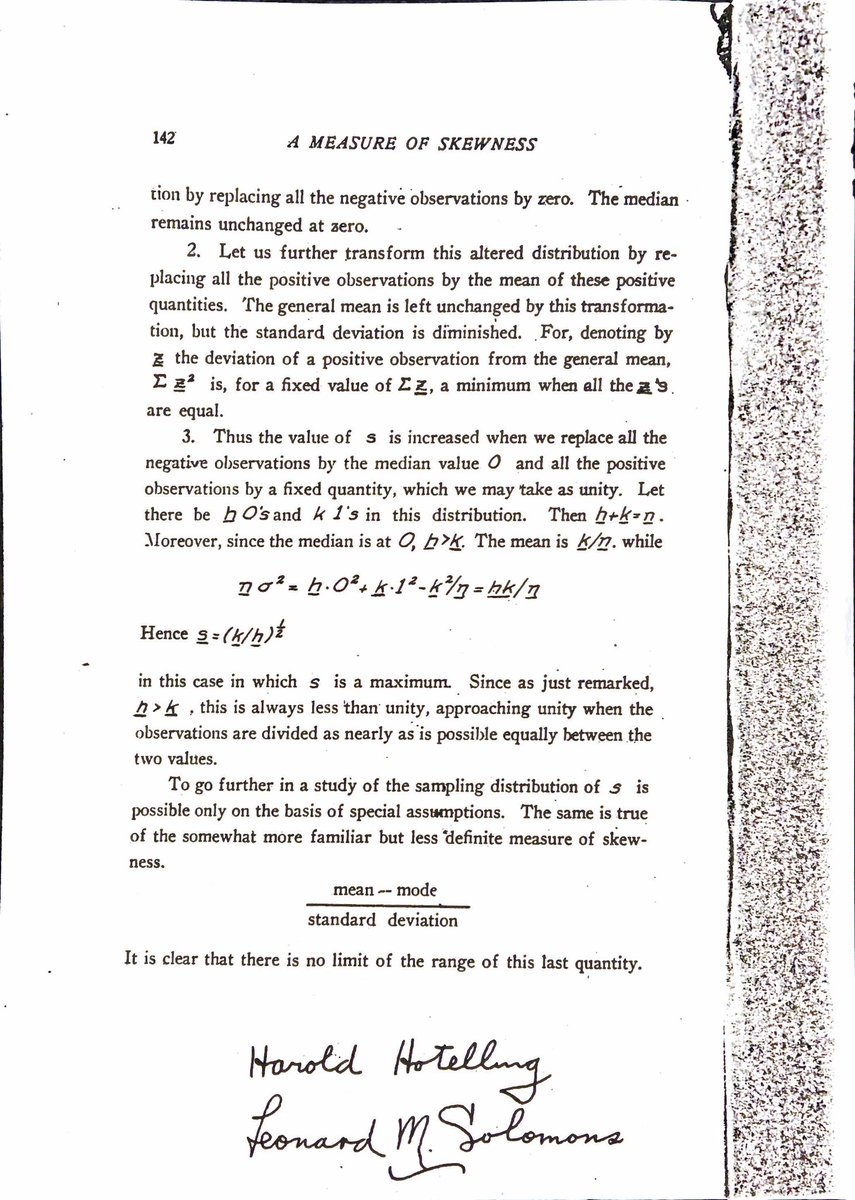
A most surprising & little-known results in statistics is that the mean (μ) and median (m) are within a std deviation (σ)
|μ−m| ≤ σ
for unimodal densities bound is even tighter
|μ−m| ≤ 0.7756 σ
This beautiful results first appeared in a 1932 paper by Hotelling & Solomons
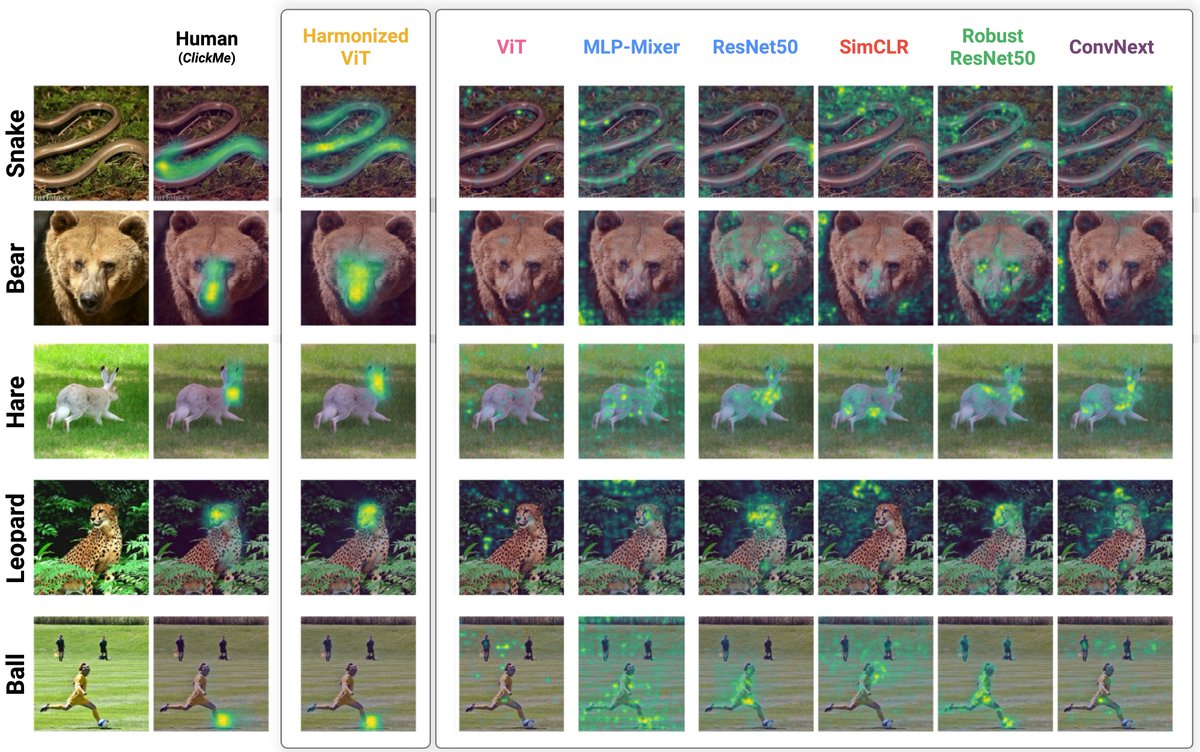
Check out our new paper, to appear at NeurIPS. We show that DNNs are becoming progressively *less* aligned with human perception as their ImageNet accuracy increases. Ignore the elections, Elon, and FTX for a moment — this is important!
https://t.co/w3HJFpzxIt
Random presentation tip for econ/finance PhD students, esp. for technical/theory ish stuff:
When I first started presenting, I assumed a distribution of audience expertise that looked like this. Roughly normally distributed, most people know something about your topic matter
Early-career faculty: do yourself a favor and download our huge (updated) database of funding opportunities with have your name on it.
We list 572 (!) funding opportunities, along with description, deadline, amount, eligibility, etc.
Download here: https://t.co/RGXGrd7r5F
Announcing: Geometric Kernels, a library for computing kernels on non-Euclidean spaces like graphs and manifolds!
Now, it's much easier to try out some of the geometric Gaussian process models we've been developing - just install a Python package!
https://t.co/4UzP3zO7qO
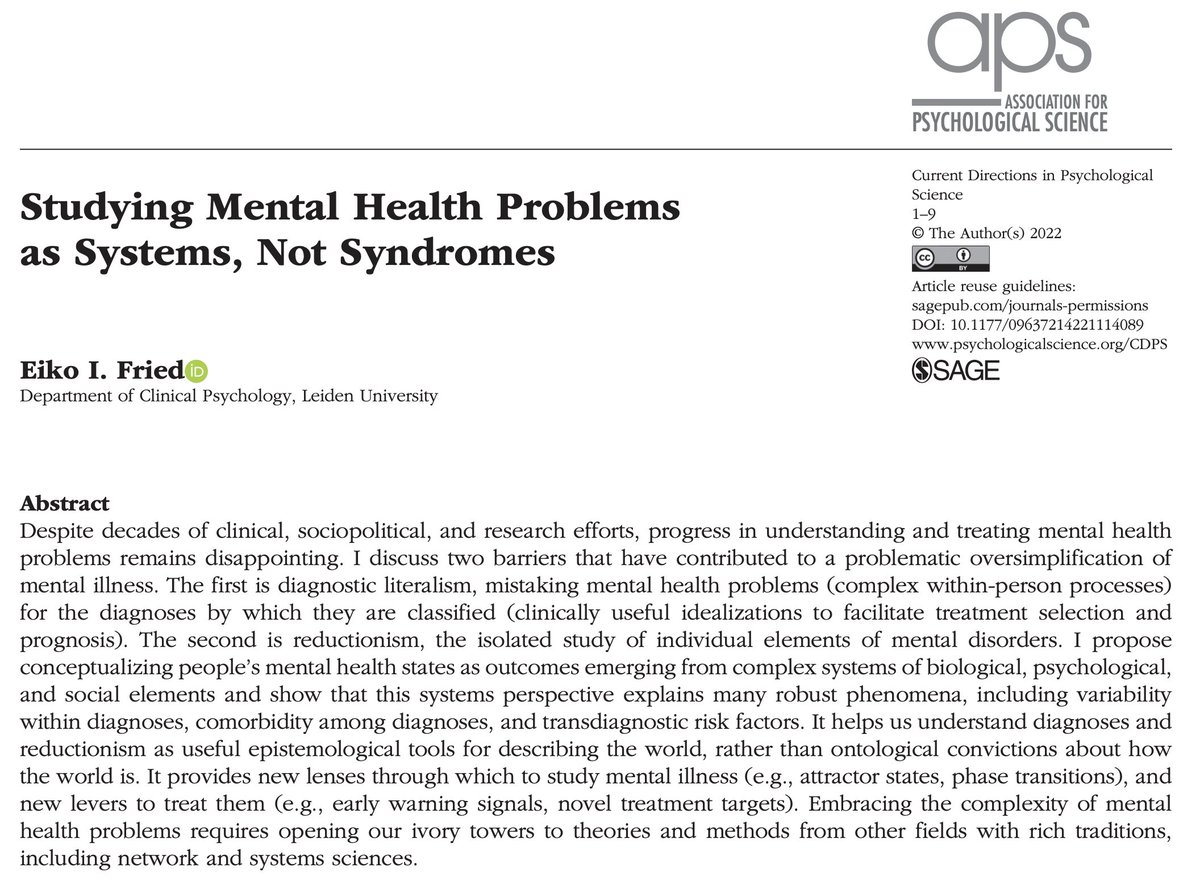
🚨New paper alert🚨
"Studying Mental Health Problems as systems, not syndromes"
is now published #OpenAccess in Current Directions.
I'll summarize the paper briefly here. ⬇️
https://t.co/PY66xGzyks
Sleep: canary in the coal mine? Poor/average quality sleep predicts numerous ill-health conditions up to 10 years in advance. Includes strong predictive risk (ratio RR) of dementia (RR = 6.2), early death (RR = 5.7), and cognitive impairment (RR = 4.0) https://t.co/gB7cdhlYzU