Truth is fuel is costly globally... The reality is TUNAIBIWA one way or another for sure...
PS: Wenye walinitukana last time... There is new grace every morning...
Niliquit 9-5 ilikuwa inanilipa 150k/month.
Imenitake two years for my company kunilipa 67k/month na nafanya kazi from 7AM to 11PM every day, na sometimes unapata uko na employees wanakupea the hardest time ever, na kuwafuta kazi ni even more expensive.
Every month uko na bills za kulipa in the millions, end month kila mtu ako happy isipokuwa wewe juu uko na another 30 days kuraise another million. Na imagine all this trouble ndiyo net salary yako ikuwe 50k
Sometimes doh haitoshi unasema wacha ulipe the employees alafu KRA utawatumia yao by 9th, unajaribu kupata loan bank inakataa juu hauna shamba ya security, inafika 15th unapata weird calls, unashika unapata ni KRA, unawaambia utawalipa next Friday, wanakuambia Friday haiwezekani, labda Thursday. Inabidi uongee with one of your clients akulipe mapema, anakusomea akikuambia biz haifanywi hivo but anaitikia eventually.
Next week inafika unalipa KRA, SHA,NSSF, Housing Levy. Unahave some peace kidogo only to realize that next week ni end month na this time uko na deficit kubwa kushinda last month, and the cycle continues.
Kama uko 9-5 na uko sawa, I can’t advise you to quit. Heri ujaribu entrepreneurship in parallel but usiquit job yako. It feels good when you tell people that you quit your job to pursue your dream but you also need to understand that your dream will take time before it starts paying the bills, and it might also die before you eat a shilling from it.
JACINTA, THE LEADER OF XENOPHOBIA IN SOUTH AFRICA.
She mobilizes her tribes men, the Zulus to beat, maime and kill foreign black Africans including;
Ghanaians, Tanzanians, Kenyans, Zimbabwean, Nigerians, Botswanians and many more.
She claims other africans in south Africa who owns qiosks, cafeteria, garage, chemists and hawkers have taken over opportunities that belongs to Zulus.
Recently a Zimbabwean woman hawking boiled eggs was shot dead in Durban town, how did it happen!?
After eating 5 boiled eggs, a zulu man refused to pay 50rand, but when this hawker began lamenting, this zulu man, took out the gun and shot her 2 times on the head.
But how can you just kill a hawker even if she's a foreigner by claiming she has take over your opportunity.
Xenophobia has no place in Africa!
@DStv_Kenya these movies are now old and tayaaad...
Fast and Furious 1-7
Rush hour
Ride Along 1&2
The Equalizer
300
The Negotiator
Final destination
Lethal Weapon 1-4
Knight and Day
The Mummy
All Elite Wrestling
White House Down
The International
Pacific Rim
Deep Blue Sea...
This is the story of how I cleared a 10-year mortgage in 2 years
In the year 2000, I signed for my first mortgage KSh 2.7 million, repayable over ten years, with a monthly installment of about KSh 37,000. At the time, it felt significant but manageable. Like many young professionals, I believed the difficult part was getting approved. Once the bank said yes, I was ready to sit back and relax knowing that in 10 years i will be a home owner.
That is what traps most people.
When many people secure a mortgage, they celebrate the approval rather than confront the obligation. They upgrade furniture, expand their lifestyle, and slowly adjust their expenses until the monthly payment blends into routine existence. Ten years quietly becomes normal. The loan stops feeling temporary and starts feeling permanent.
I had a mentor who refused to let that happen. Stewart Henderson, who was serving as CEO of Old Mutual at the time told me something that permanently changed my understanding of debt: a mortgage is not a commitment it is an emergency.
Then he introduced a rule that, at the time, felt extreme. Every month I earned commissions, I had to bring my statement to him before spending any money. We would sit down together and allocate it.
The bank required KSh 37,000.
Stewart ignored that number.
Instead, he focused on capacity. Whenever income rose, payments rose. Whenever earnings improved, we attacked the loan. He called it 𝐟𝐢𝐧𝐚𝐧𝐜𝐢𝐚𝐥 𝐚𝐠𝐠𝐫𝐞𝐬𝐬𝐢𝐨𝐧, treating debt as something to eliminate quickly rather than manage comfortably.
The first few months were uncomfortable. The natural instinct after earning more money is to reward yourself. Income creates a feeling of entitlement to enjoy what you worked hard for. But discipline does not negotiate with feelings. Every additional shilling was assigned before it reached my pocket.
Something surprising happened. As my income grew, but my lifestyle did not.
Because expenses stayed controlled, every increase in earnings accelerated repayment. The balance started shrinking visibly not yearly, but monthly. What had been structured as a ten-year obligation began to feel temporary.
Two years later, I made the final payment.
Now here’s the surprise, after I serviced the mortgage to completion, my mentor did not congratulate late me. He simply told me to start looking for the next property.
Most people follow a familiar sequence: earn, spend, then save what remains. I learned to earn, allocate, then live on the balance. The house was not paid off by income alone; it was paid off by priority.
Over the years, advising many individuals, I have noticed a consistent pattern. Nearly everyone wants financial freedom eventually, but very few accept financial discipline immediately. The distance between the two is not measured in years it is measured in habits.
Your path does not have to begin with a mortgage. In fact, for many people the smarter starting point is elsewhere, structured savings & investments, or disciplined accumulation strategies that eventually position you for homeownership without pressure.
"She saved a stranger’s child with $15. Decades later, she discovered why he had been searching for her.
In 1982, a Kenyan boy named Chris Mburu stood on the brink of losing everything. He was the brightest student in his rural district, studying by lamplight inside an earthen house without electricity. But his family could not afford his school fees. Without help, his education would end — along with any chance of escaping a life spent picking coffee in the fields.
Meanwhile, across the world in Sweden, an 80-year-old kindergarten teacher named Hilde Back came across a notice for a child sponsorship program. She chose a name from a list: Chris Mburu, Kenya. She began sending $15 every school term. There was no recognition, no expectation of gratitude — just a quiet decision to help a child she believed she would never meet.
That small amount changed everything.
Chris stayed in school. Over time, he and Hilde exchanged letters. She asked about his teachers, his studies, and his dreams. Through her words, he realized she wasn’t just part of an organization. She was a real person who believed in him. And he never forgot her.
Chris eventually graduated at the top of his law class at the University of Nairobi. He later earned a Fulbright scholarship to Harvard. He went on to become a United Nations human rights lawyer, helping prosecute genocide and crimes against humanity around the world.
Yet one thing always weighed on his heart. He had never properly thanked the woman who made his journey possible. In truth, he barely knew who she was.
In 2001, Chris founded a scholarship program for children like himself — talented students from poor families whose potential might otherwise be lost. He asked the Swedish Ambassador in Kenya to help him locate his mysterious sponsor so he could name the foundation after her.
They found her. Hilde Back. Still alive. Still living quietly in Sweden.
Chris traveled to meet her for the first time. He expected to meet a wealthy philanthropist. Instead, he found a humble, warm woman living simply — genuinely surprised that anyone considered her actions remarkable.
Then filmmaker Jennifer Arnold began documenting their reunion. During her research, she uncovered something Hilde had never told Chris.
Hilde Back had not been born in Sweden. She was born in Nazi Germany in 1922 to a Jewish family. At sixteen, when Hitler’s Nuremberg Laws banned Jewish children from attending school, strangers helped smuggle her to Sweden. Her parents stayed behind because Sweden’s refugee policies did not allow older Jews to enter. Both were later sent to concentration camps. Her father died there. Her mother disappeared, never to be heard from again.
Hilde survived the Holocaust because strangers helped her escape. She lost her own education because of who she was.
Fifty years later, she quietly paid for the education of a child across the world — a child who would grow up to fight the same hatred that destroyed her family.
When Chris learned her story, he wept. Hilde, meanwhile, had no idea that the boy she sponsored had devoted his life to prosecuting genocide.
In 2003, Hilde traveled to Kenya for the inauguration of the Hilde Back Education Fund. The entire village welcomed her as an honorary elder. In 2012, she returned again to celebrate her 90th birthday, surrounded by hundreds of children whose futures had been transformed through her generosity.
Hilde Back passed away on January 13, 2021, at the age of 98.
Today, the Hilde Back Education Fund has supported nearly 1,000 Kenyan children in continuing their education. Many have graduated from universities around the world. Many now give back — mentoring younger students and contributing monthly donations to support the next generation.
One woman. Fifteen dollars. One child.
That child created a foundation. That foundation changed hundreds of lives. And those lives continue to change others.
Early in the morning tume board na PSV ma3 kuelekea jijini Nairobi
Kila mtu ako na shughuli zake, wa kuenda shule, wa kuenda kazi, wa kuendea stock ama hosi ama ziara.
There's a random mum hapa who's on a call in a mother tongue yenye hatuelewi but kuna one guy here who seems to hear everything na anamhurumia.
Time ya kusanya fare, anajieleza anaambia Konda ako na only 200 , fare ni 300 morning na hata atatuma 100+100 na anaeza shukia hata mlolongo atembee remaining distance juu hana otherwise.
Konda seems hard anasema ashuke tu hyo space apee mwingine.
Then this guy asks konda total fare ni ngapi, jamaa saya ni ksh 4,200 jamaa anatoa 5k cash anampea and says amelipia kila mtu.
Kufika athi river kuna bois hapa ana suggest kama ulikuwa umejipanga kulipa hyo 300 na uko na uwezo wa kutoa bila kifinyika, please sent it to that lady.
And surprisingly kila mtu ametuma na that mum has na 4k to sort out her issues.
Seems ako na watoto wawili mama Lucy, na bado mzee ako city Mortuary, they got in an accident yesterday na ni very poor.
Funny thing ni dere amekuwa emotional akaambia conductor atoe tu 2k ya mafuta apee huyo madam za juu alipange nayo.
I am very happy and emotional mehn. Good people still exist with humanity everywhere.
God bless
Good morning 🌄
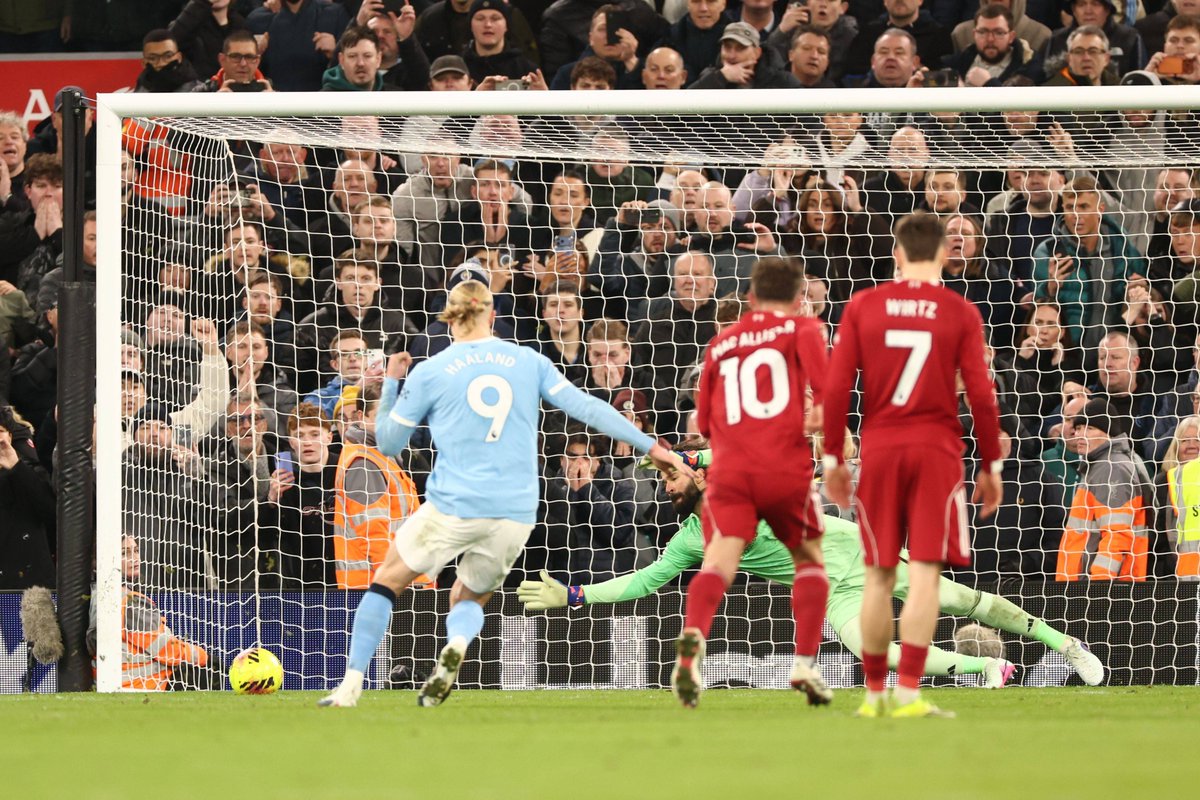
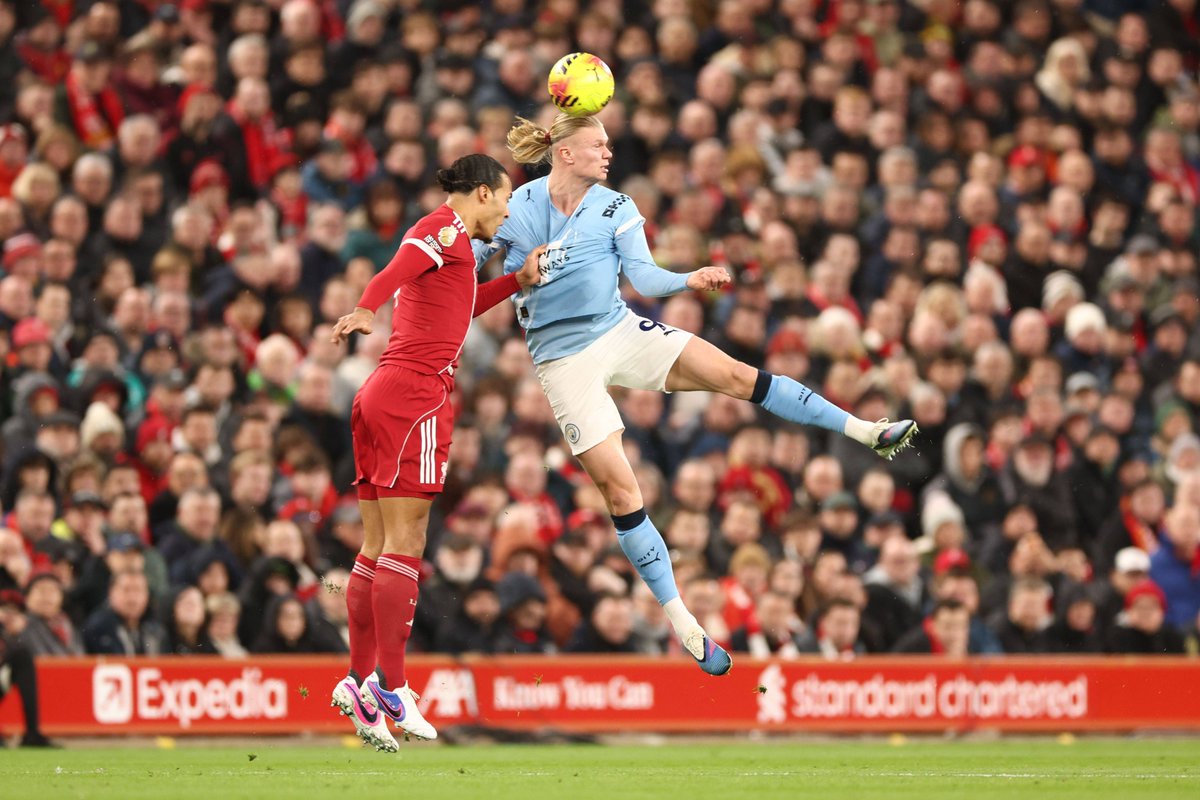
⚽️ Mentality Mice Meek Surrender at Anfield
24 points in the last 20 Premier League games for the Reds
#LFC 1-2 #MCFC | #PremierLeague#LIVMCI
This collapse felt depressingly familiar because it’s become routine. Go ahead, retreat into yourself, stop playing, stop thinking, stop believing. Liverpool used to smell blood in moments like that. Now they smell fear, and fear is cultural. It doesn’t arrive by accident. It’s learned, tolerated, then normalised.
This team has a weak mentality that flows downhill. Arne Slot, Richard Hughes and Fenway Sports Group are no longer abstract decision makers hiding behind process and patience. They are active participants in what we are watching. Squad neglect, timid in-game leadership, and a tolerance for failure dressed up as transition have fused into something rotten.
The moment Liverpool went 1-0 up, the game plan dissolved. No authority. No bravery. No control. Heads dropped, lines sank, and the bench froze. This isn’t bad luck or fine margins. It’s habit. It’s what this team has been coached to become when pressure arrives.
I read this morning, from a brilliant journalist who is also a friend, that Slot’s biggest problem is that he is not Jürgen Klopp. That misses the point entirely. His problems are bigger and far more urgent. This side cannot see out games, cannot manage momentum, cannot sustain performance beyond short bursts. That’s exposed leadership.
Numbers matter because they strip away excuses. Liverpool have six wins, six draws, eight defeats, and twenty-four points from their last twenty league games. For context, Roy Hodgson took twenty-five points from his twenty league matches. Let that sink in.
If you think this is good enough, Arne Slot, Richard Hughes, Michael Edwards, Mike Gordon, FSG, journalists, fans, then your bar is too low for this club.
⚽️ From Anger to Apathy, This Is How Seasons Die
#LFC 1-1 #Burnley | #PremierLeague Review #LIVBUR
When a train runs late every day, passengers stop checking the board. They already know the outcome. Liverpool matches have begun to feel like that, predictable in their tension, predictable in their disappointment, drained of intrigue both before and after kick-off.
I'm not angry anymore. That passed for me in November, somewhere between Forest and PSV, when it became clear this wasn't a wobble but an actual direction. What remains now is numbness. A dull acceptance that even when the numbers look better, the feeling doesn't. Because football is not played on spreadsheets. It's felt.
Yes, the stats against Burnley were stronger. Yes, the shot count was high. Yes, the xG figure looks healthy on the surface. But look closer, and it tells the same old story. Low value chances, poor shot selection, safety first football explained away as control. Risk-averse to the point of paralysis. A team coached to reach the halfway line, hesitate, turn back, reset, repeat.
This was still self-preservation football. Still, a manager afraid of the next punch because he knows the jaw is glass.
Liverpool were good for a spell. They always are. They score, Anfield stirs, and then the instinct kicks in to protect rather than impose. To manage danger rather than create fear. Around the hour mark, the tension returned, the passes lost purpose, the crowd sensed it, and the opposition believed. Burnley barely had to knock. The door was already ajar.
The goal conceded was not bad luck. It was structure without conviction. Midblock indecision. Players caught between instruction and instinct. That moment has been visible all season, from space, from memory, from experience.
And here is the problem now. Anfield is turning. Not in fury, but in fatigue. Booing at full time. A ground that no longer believes the team will find a way. That matters. Once belief drains out of a stadium, results follow it down the plughole.
The club hierarchy can bury their heads if they want. No signings. No urgency. No signal that this season still matters beyond survival in the top-four race. That tells its own story. This feels written off already, quietly, administratively, while asking supporters to keep turning up and pretending otherwise.
Will Slot go now? No. Not yet. But this is how it starts. Not with chaos, but with futile acceptance. Fans switching off emotionally. Matches becoming chores. Wins feeling empty. Draws feeling inevitable.
This is a club drifting through games, and a season drifting out of reach.
What a mess. Don't think I'll bother taking the train anymore.
I’ve watched this play out time and again: a sharp, conservative friend - someone who prides herself on being “focused” and disciplined - scoffs at TikTok as a playground for muchene, idlers, and posers.
Back then, the app was flooded with low-effort drama queens like Nyako, just as how low-IQ men get hooked on @AokoOtieno_’s endless concoctions.
We gently pushed her to try it anyway - after all, she’s an entrepreneur with real products to sell. Reluctantly, she dipped in. Today? She’s shut down four physical stalls and kept only one. The rest of her business thrives on TikTok.
She invested in quality content, professional photography, and even hired staffers to keep the machine running. The results speak louder than any lecture: revenue up, reach expanded, customers walking in because they saw her online first.
Here’s the deeper truth most people miss when they resist. That condescending attitude - “social media is for lazy people” - rarely comes from wisdom. It usually masks something more vulnerable: fear of looking foolish while learning something new, discomfort with change, or the quiet insecurity of feeling left behind.
Villagers, older generations, and those who’ve grown comfortable in their routines often hide these insecurities behind rumors of “imaginary dangers”: TikTok will ruin your focus, waste your time, corrupt your morals.
It’s a classic defense mechanism - discredit the tool so you don’t have to admit you’re struggling to adapt.
But psychology tells us adaptation isn’t optional; it’s survival.
The world moves forward whether you join or not. Those who step up early reap the rewards: visibility, customers, income, relevance. Those who wait? They pay the real price - lost opportunities, shrinking networks, irrelevance in a digital economy where presence is trust.
Today, being an online ghost is a glaring red flag. I hesitate to do business with anyone who has no digital footprint - no reviews, no posts, no proof of life beyond word-of-mouth. In 2026, invisibility online signals disconnection from reality, low adaptability, or worse - something to hide.
Technology doesn’t pause for low self-esteem or fear of failure. It rewards the bold who learn, experiment, and evolve.
The question isn’t whether TikTok (or any platform) is perfect. It’s whether you’re willing to risk looking awkward for five minutes so you don’t spend years looking obsolete.
Now the choice is yours: cling to outdated judgments and watch others pull ahead, or step in, learn fast, and claim your share of the future.
Adaptation isn’t weakness. Resistance to it is. And the cost keeps rising every day you stay on the sidelines.
“Oil is not given. It is bought”
It was this knowledge that saved the 5 wise virgins.
Can I share something that will bless you greatly?
Obviously we know that it wasn’t just virginity that saved the wise virgins because even those described as foolish were virgins.
We know also that it wasn’t their decision to go and meet the bridegroom because the foolish were on the path as well.
And we know that a time came when they were all tired and they slumbered. So we know also that fatigued and exhaustion does not mean you’re not still on the firing line.
But a time came when it was very dark and everyone needed to trim their lamps.
And that was when the wise stood out. They had extra.
That was not all. Please stay with me.
When those that did not have enough asked them to give them, they said “go to them thy sell and buy”
This is where I’m going to.
They knew that in this kingdom you don’t give oil. Oil is bought. You have to take the resources of time, attention, consecration, and patience to buy the oil that you need to keep your spiritual vehicle running.
I’m sharing this because a new year has begun. You have decided to take your spiritual life more seriously.
But you want to go around pages such like mine and those of ministers of the gospel to collect oil from them
No Sir
No Ma.
The oil people share and that you experience from their lives should just be a spark. It should be encouragement. It should be a fire lit in your spirit to go and buy your own.
To go and flog it out in your closet with destiny and with the word and furnis lh your own spirit.
We can’t share oil.
You need to buy your own.
It is only those that know this and implement it that will stand in the dark days ahead.
Please read with understanding.
Blessings!
KENYAN WORKERS ARE FILTHY DISHONEST THIEVES
As you plan your “Happy New Year” chants, stumbling blindly from 2025 into 2026, let me shatter your illusions with a honest truth.
This is both a story and a warning that could save your sanity if you’re foolish enough to start a business in this Kenyan cesspool of betrayal.
To the Kenyan workers reading this, the ones who’ve slithered through jobs like snakes, stealing scraps and fortunes alike, yeah, you reading this, we know you!
We know that capital you’re flaunting to start your little side hustles business didn’t come from honest sweat.
It came from your heists, stolen from employers who trusted you.
We’re onto you and it’s time you faced the mirror of your own filth.
This Christmas holiday I crossed paths with six tycoons, men who’ve built empires despite the rot and I asked the question:
“Why the hell aren’t you erecting factories to employ these whining youths screaming for jobs & handouts?”
They erupted in bitter laughter, like I’d cracked the darkest joke.
Then one leaned in, “Those beggars yelling about hunger & unemployment?
They’re all filthy thieves, every last one!”
I stared, stunned. “Come on, really?”
He snarled, “Damn right. I own a manufacturing outfit & a trading empire.
Forget KPLC outages or bad roads, those are child’s play.
The real nightmare?
Finding a single honest Kenyan worker in this godforsaken country.
They’re not employees; they’re vultures on a mission to bleed you dry.
Fake invoices, production logs doctored to hide the skim, every trick in their slimy playbook to cheat the system and pocket whatever they can grab, big or small, it doesn’t matter.
It’s a disease.
“And the kicker?
It’s never one lone wolf. No, it’s a pack colluding from the factory floor to sales desks, finance even the management.
I’ve fired my management 3 times in 1 year, firing wave after wave of these backstabbing leeches.
But I’m back in control.
I completely switched to Indian expats for management.
They’re sharp, brutally honest, no games.
At first, the visas, housing, staff it stung like hell.
But now?
Theft’s plummeted to zero, efficiency’s through the roof.
Turns out, those ‘expensive’ Indians are a bargain compared to the black Kenyan crooks who were robbing me blind.
Now, any role touching money?
Straight to Indians.
Kenyans? Shoved into meaningless jobs where they can’t do real damage.
“I used to rage at homegrown giants like MRM, Tononoka Group or Devki Steel for filling their ranks with Indians while Kenyan ‘youth’ rot unemployed.
Now? I get it. It’s survival in a sea of scum.
I pay millions to security firms not for bandits on the road, but to babysit my own staff.
Make sure they don’t vanish with the money instead of banking it.
That security bill alone could be profit if these filthy dishonest thieves weren’t plotting every second.
“We have CCTV, biometric locks, tech traps, all because trust is a joke here.
Hell, I stopped hiring for skills or fancy degrees long ago.
Honesty became my only filter.
Skills? You can teach those.
But dishonesty? It’s in the blood, a stain that never washes out.
“And here’s the ugliest twist: the absolute worst scum to hire?
Those smug ‘born again’ Christians.
Oh, they parade their holiness like a shield, preaching sermons while plotting your downfall.
They think their ‘faith’ makes them untouchable, above question, ‘Who are you to doubt a child of God?’
Meanwhile, they’re the kings of thuggery, stealing with a Bible in one hand and your profits in the other.
Useless hypocrites, every one.
“We whine about the economy, no jobs, no hope.
Friends abroad dream of investing here, creating factories across Africa but they bail.
Why?
Can’t find one trustworthy soul to run it without turning it into their personal piggy bank.
Kenyan workers aren’t your team they’re your ruin.
#MainaAndKingangi
#healingserviceday1
#VukaMwakaAtYeyani
#NoRoomForChaos