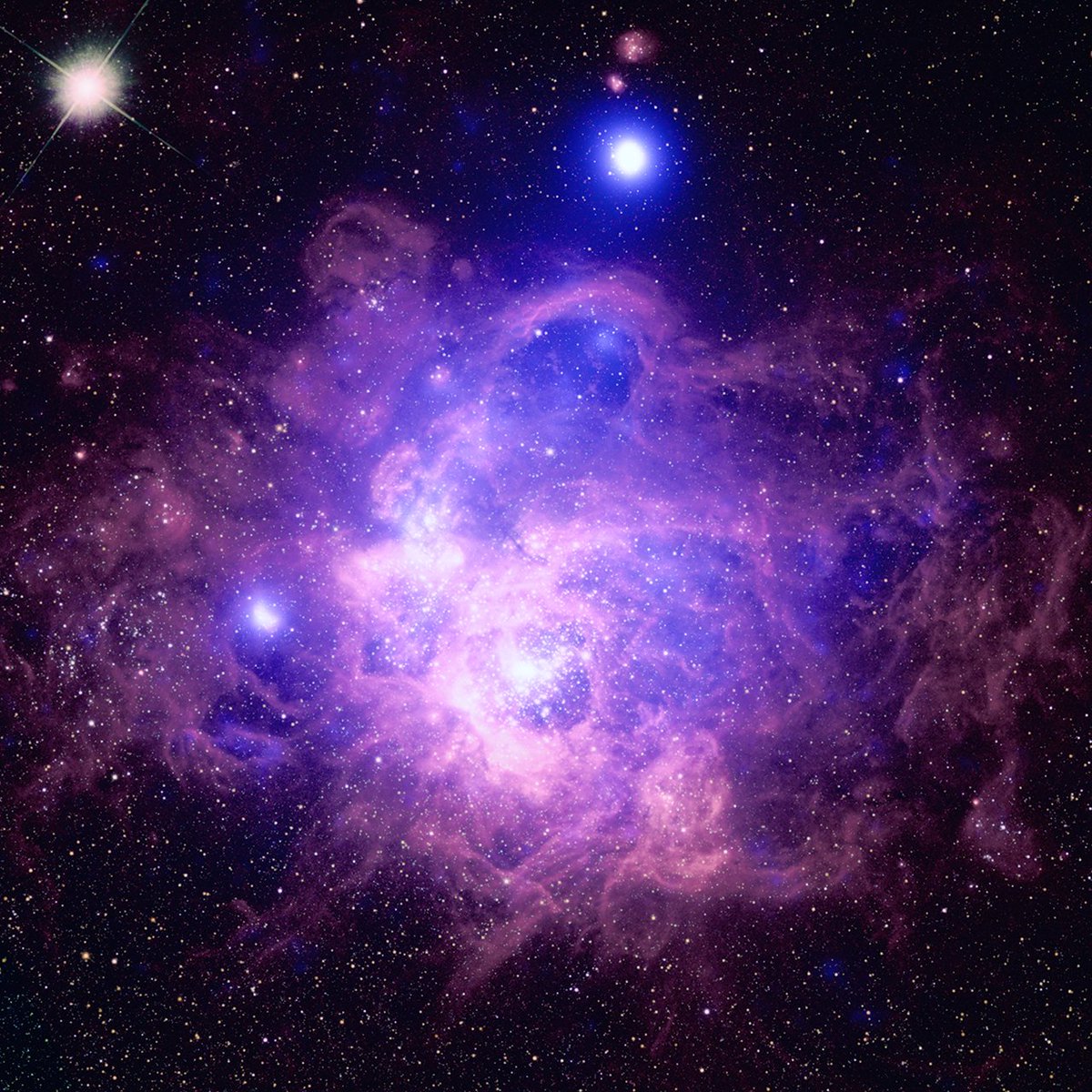
NGC 604 is a star-forming region tucked away in one of our neighboring galaxies, M33. Home to approximately 200 hot, young, massive stars, NGC 604 is located about 2.7 million light-years from Earth. This image spans about 2,700 light-years from side to side.✨
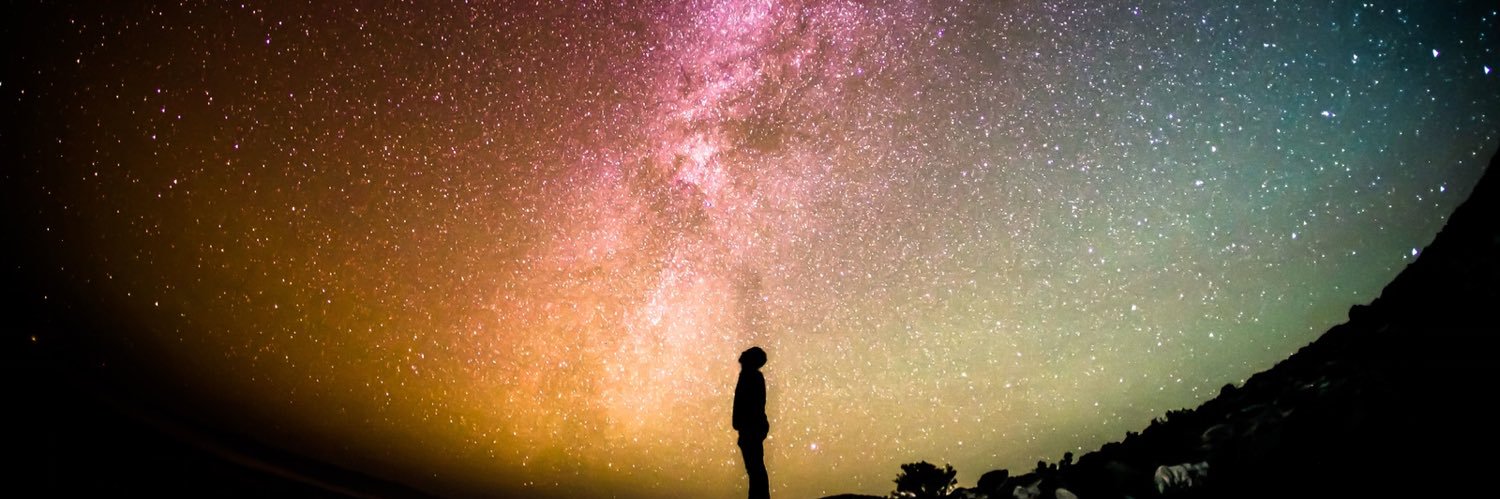
Happy #EarthDay! The @Space_Station provides us with unparalleled Earth views. Take a moment to appreciate the beauty and majesty of this wondrous planet that we share.
The McMurdo Oceanographic Observatory will help researchers better understand the world's most cold-adapted fish, the Antarctic notothenioid; antifreeze glycoproteins allow them to survive at temperatures near the freezing point of seawater, pic Paul Cziko @uoregon@NSF @NSF_OPP
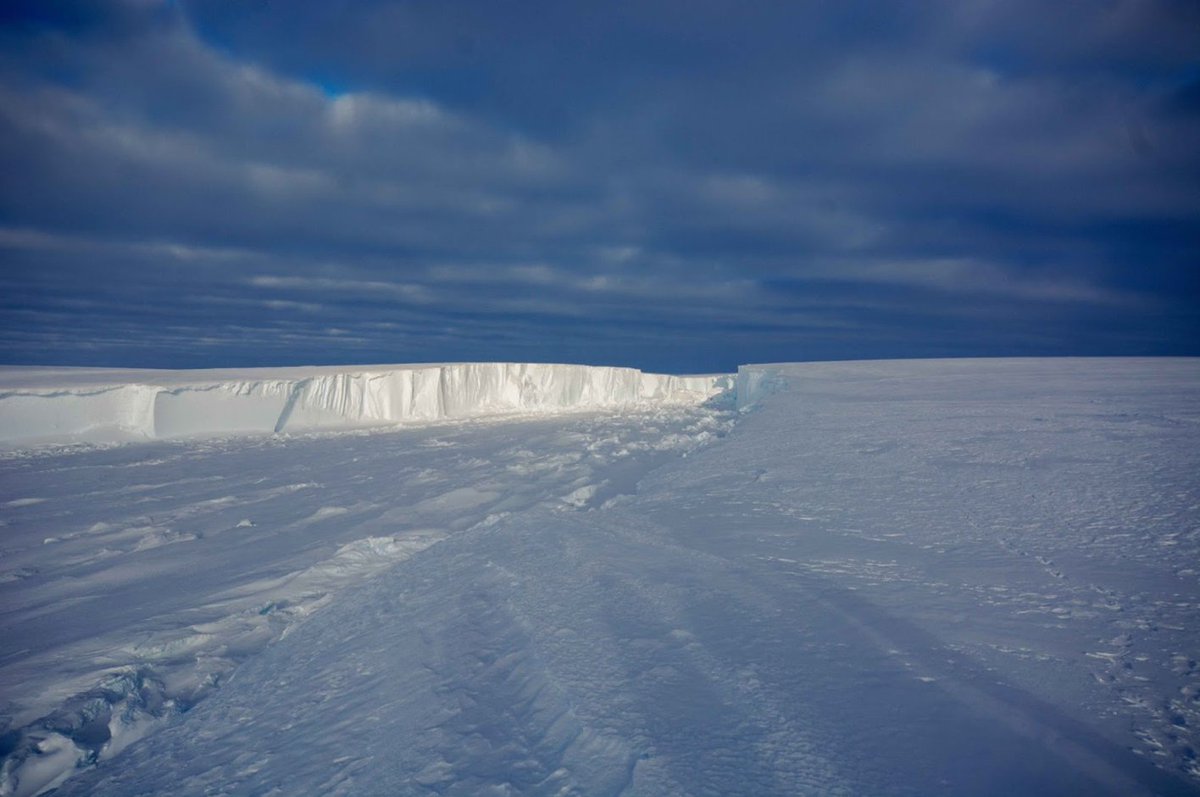
A rare close up look at the Halloween Crack on the 150m thick Brunt Ice Shelf; the white stuff at the bottom is sea ice which forms as the crack opens up. This crack extends 50km across the shelf, one of two threatening Halley Station, pic Stewart Titterington @BAS_News
Key marker used in ice cores to differentiate one year from the next? hydrogen peroxide, photochemical product that forms in atmosphere when water vapor encounters sunlight; distinguishes the long periods of daylight in summer from long 'polar nights' in winter, pic @BAS_News
Honoured to deliver the commencement address at the University of Cape Town Faculty of Commerce graduation ceremony.
What a joyous occasion!
Education transforms lives, families, communities and nations.
#UCTGrad2018
This is a great example of how a warming planet can lead to ... yup, more snow! Why? Because in very cold places the air doesn't hold much water vapour. As it warms, it holds more, increasing precipitation. And if it's below freezing, it falls as snow. https://t.co/nnuStI0kWP
#Neptunite: https://t.co/QXizCZLFva reveals our hidden potential. It increases #psychic abilities & #intuition so that we may become more #sensitive to others, especially in group settings, either at work or home. It brings more #cohesion to #relationships in these settings.
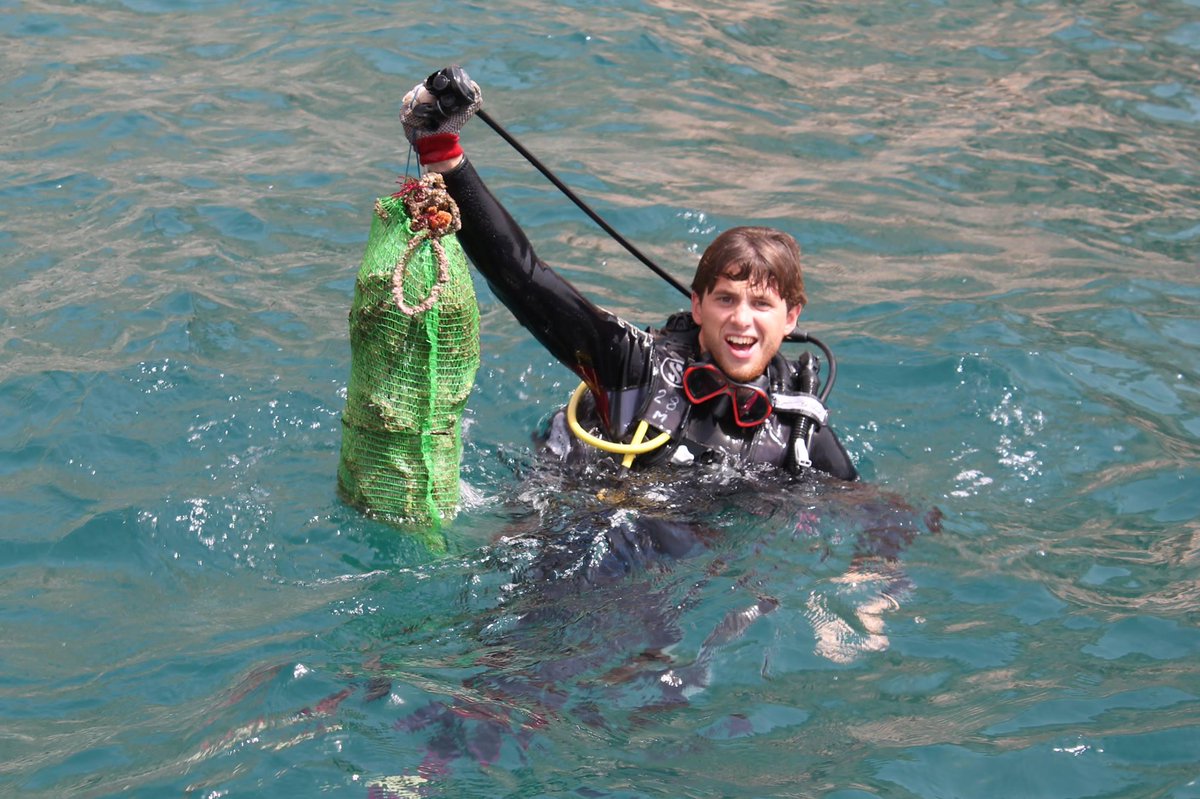
🎉 To date, 49,188 scuba divers have taken part in @projectaware's #DiveAgainstDebris program collecting ONE MILLION pieces of trash! That's #OneMillionLess pieces of trash in the ocean thanks to divers like you. 🎉 So, who's going to be a part of removing the next million!?
The Greenland ice sheet is melting at its fastest rate in at least 400 years, new research suggests. And the melting is only speeding up. https://t.co/AG7ieJTbaI