"At this point, I really have to question the seriousness of anyone who claims that the evidence shows that social media is bad for kids. We’re now reaching a point where the research is increasingly overwhelmingly pointing in the other direction."
https://t.co/22ThsStnCu
The Ottoman Sultans used to employ salaried officials with the task of shouting at them, as they left the mosque in procession on Fridays and Feast Days: “Be not proud, my Emperor! Allāh is greater than you!”
(1/)
Question (reworded for clarity): n the Qur’an, some rulings, like those about alcohol, were introduced gradually so that people could get used to them over time, for many wise reasons. Allah knows best.
My question is about verse 284 of Surah Al-Baqarah, in which Allah says that we will be held accountable for what is in our hearts. When this verse was revealed, the Companions were frightened by it. Ibn Kathir mentions in his tafsir that this verse was very difficult for the Companions (may Allah be pleased with them), so it was abrogated.
With other abrogated rulings, such as those about alcohol, the wisdom is somewhat clear: the change was gradual so that the command was not imposed all at once. But what is the wisdom in revealing verse 2:284 in the first place, even though Allah already knew it would later be abrogated? Jazakum Allahu khayran.
Answer:
https://t.co/Z9pFaXUW0y
One thing that the GCC doesn’t get enough credit for, especially the UAE, is that it has become a Victorian School of manners for millions of third worlders. People have learn to obey the law; wait in lines; control anger; learn business; put behind back home primal politics; Indian/Pakistanis are friends; Ethiopian/Eritreans break bread. People take the learning back home too in some capacity. I have not seen an Afghan-American transforming his village as much as a successful Afghan returning back from the GCC, for example.
If Sayiduna Khidr عليه السلام straightened a wall belonging to two orphan boys because their father was a righteous man, likewise, Allah will surely set the sinful servant straight with repentance because his father is Prophet Ibrahim عليه السلام, and his Prophet is
Ibn Taymiyyah ((رحمه الله))said:
“Do not assume that you yourself are the one who prompted you to do good deeds.
Rather, you are a servant whom Allaah has favored and guided.
So do not be excessive in praising yourself or feeling proud of it.
“We will surely test you with something of fear and hunger, and loss of possessions, persons, or crops. But give good news to the patient, those who say, when calamity afflicts them, “We belong to God, and to God we return”
— Al Qur’aan (2:155-156)
A fire once broke out in a house where Ali b. Al-Ḥusayn was prostrate in prayer.
He didn't raise his head until the fire went out.
When asked about this he said: "The other fire kept me busy."
{سير أعلام النبلاء}
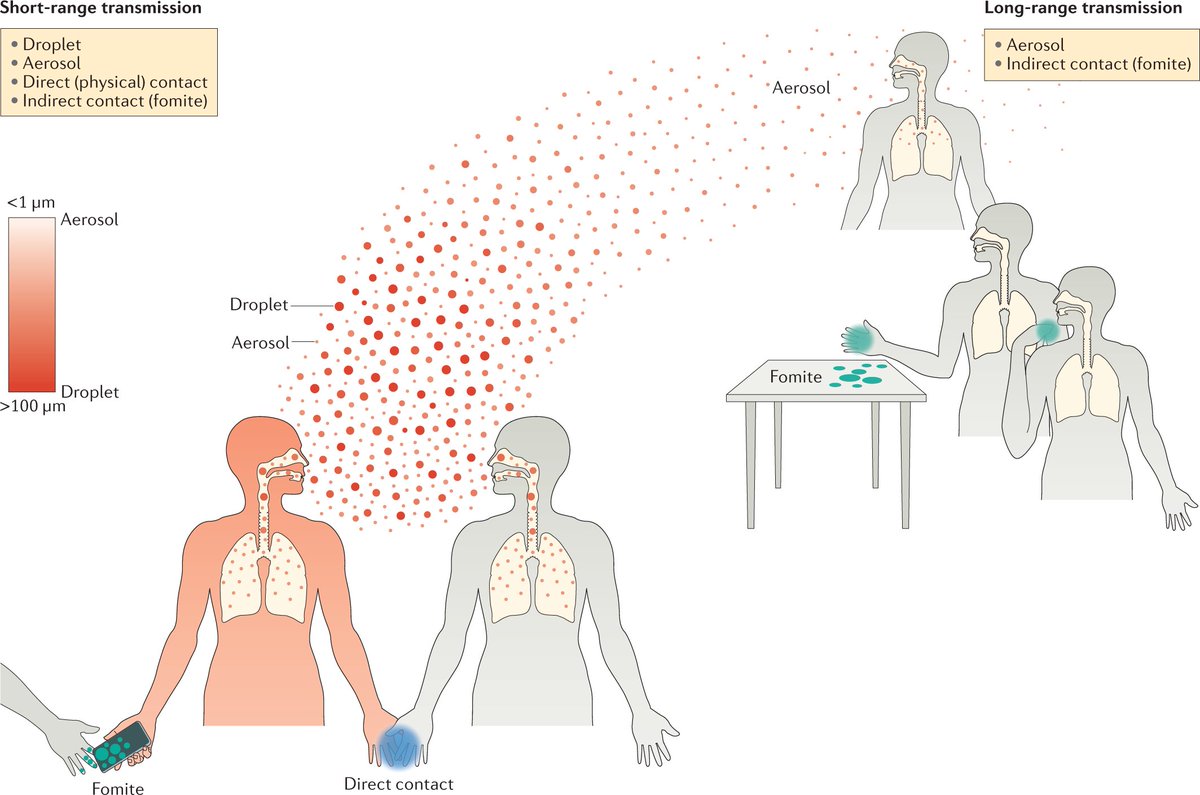
Someone just coughed on you.
You were on a crowded flight.
Now your coworker is sick.
The window to prevent infection is narrow.
Here’s exactly what to do in the critical hours after a high-risk exposure 🧵1/13
A'isha, the wife of Allah's Apostle (ﷺ), reported Allah's Apostle (ﷺ) as saying: Kindness is not to be found in anything but that it adds to its beauty and it is not withdrawn from anything but it makes it defective.
Sahih Muslim 2594 a
Tiny environmental cues, most of which we don't even notice, can dramatically change our behavior, altruism, and ability to persist. Here's how we can use that to our advantage. https://t.co/mQoK7fTVqy