🚨 New paper! We described changes in mussel abundance in response to sea star wasting and the Pacific marine heatwave in the Gulf of Alaska. Open access at https://t.co/ZhYu79UVjt
@rob_suryan
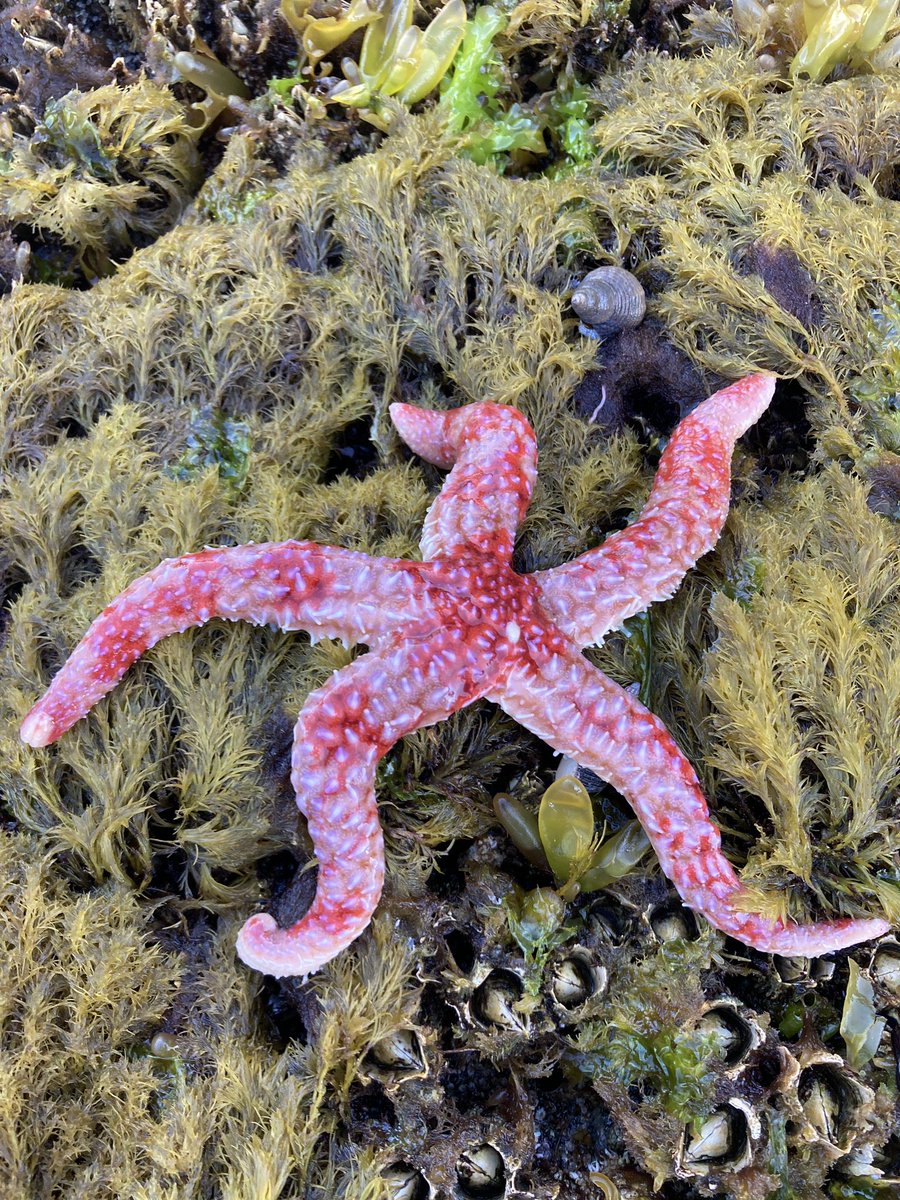
Saw my first pycnopodia this week…and then counted ~75 of them on one 50m intertidal transect!
Lucky to spend time with so many of these critically endangered sea stars.
Check out the new USGS video that highlights women in science and their research and outreach on the impacts of the Pacific Marine Heatwave in Alaska. https://t.co/nacoO2bunr #MarineHeatwave#WomensHistoryMonth#Alaska#seabirds
I'm at a loss for what to do with two conflicting teledoc diagnoses for my toddler's skin infection... She couldn't be seen in person bc of possible covid exposure, which turned out to be negative. She's just so miserable :(
Counting sea otters by boat versus plane, which survey method is better? Estimating the number of otters is often difficult to determine. USGS George Esslinger reports how long-term monitoring data was used to compare survey methods. #AMSS2022#seaotters
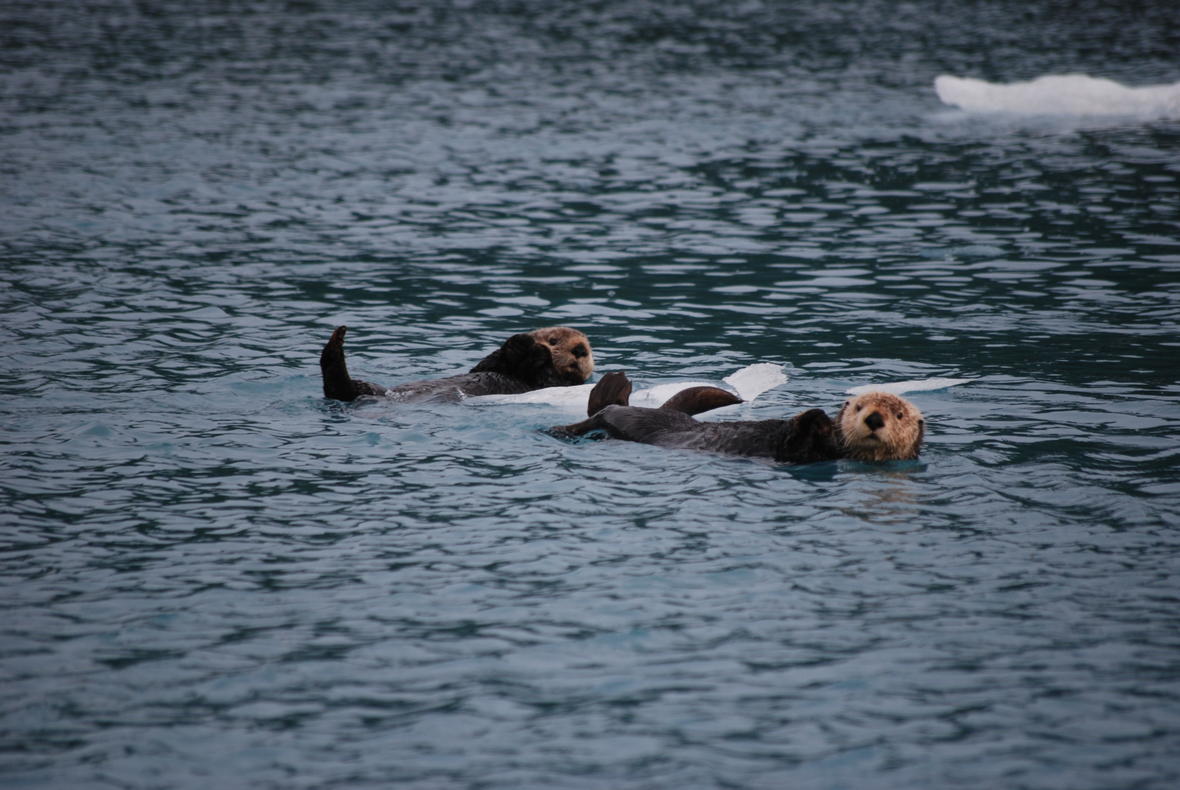
Sea otters have been returning to Cook Inlet following their near extinction during the marine fur trade. USGS Nicole Laroche evaluates the role of winter sea ice on otter distributions. #AMSS2022#seaotters#seaice
We are offering Samples of Opportunity for UAF students to add #OceanAcidification data to their research projects! 🌊👩🔬📉
📅Proposals are due March 15, 2022.
For more details:
https://t.co/t89Ic0hVVm
What’s on the menu for sea otters in the Gulf of Alaska? USGS Sarah Traiger discusses how changing habitats, disease and marine heatwaves can affect food availability. Monitoring diet and the invertebrate community provides better understanding of nearshore ecosystems. #AMSS2022
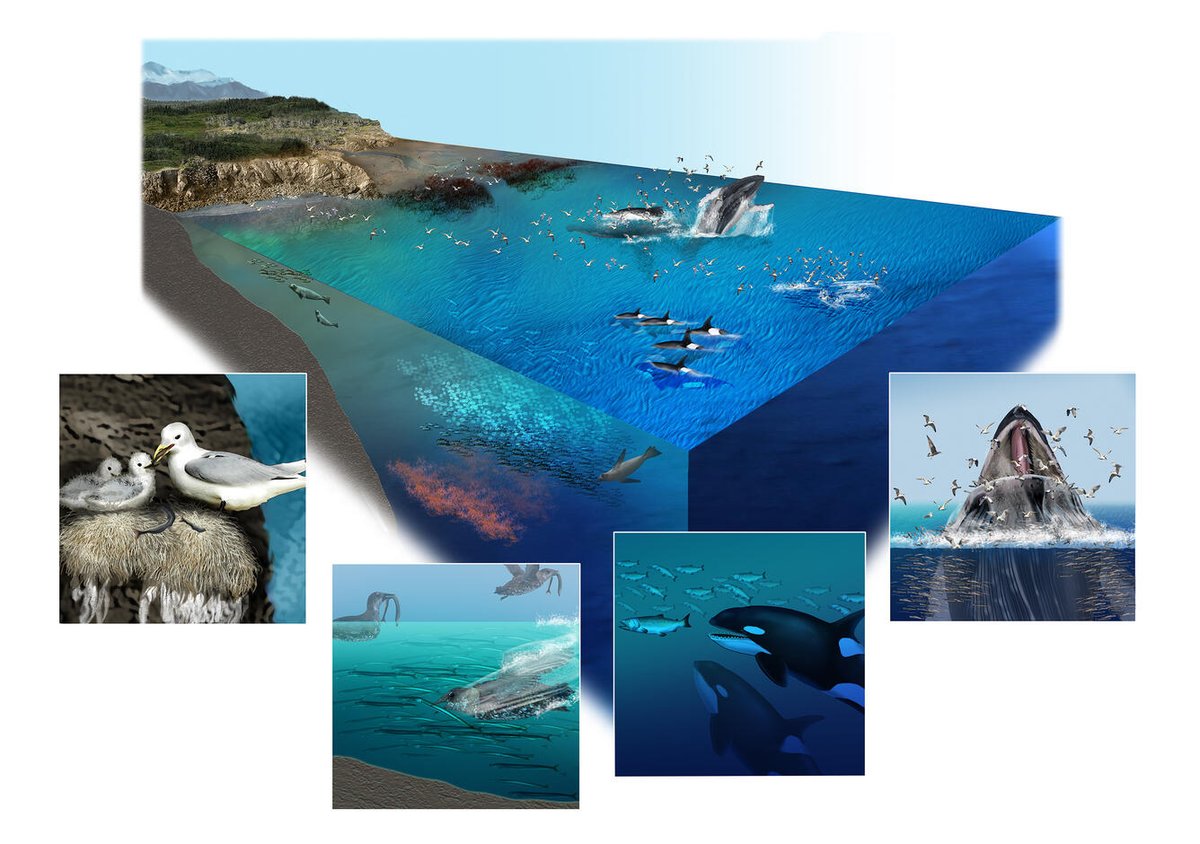
The Gulf Watch Alaska pelagic study comprises projects on killer whales, humpback whales, marine birds, and forage fish. USGS Mayumi Arimitsu discusses long-term monitoring efforts focused on understanding population trends and predator-prey interactions. #AMSS2022
Birds are top-level marine predators and reflect the status and condition of ocean environments. USGS Brian Robinson compares marine #bird communities in Kenai Fjords and Katmai National Parks including pre and post effects of the Pacific Marine Heatwave #AMSS2022
The Pacific walrus population is of interest to wildlife managers and Indigenous Peoples. Counting #walruses at sea is difficult. USGS Rebecca Taylor discusses use of drone photos and satellite-tagging data to better estimate numbers of walruses in Alaska. #AMSS2022
🚨New paper! We describe small effects of kelp on dissolved oxygen and pH at the surface in Monterey, CA.
Open access at: https://t.co/4ivfWDKcqb
@kj_nickols@TakeshitaLab@heidi_hirsh