Although there are negative consequences of zebra mussels as invasive species, they decrease algal concentrations, resulting in less turbid lakes! #AquaEco2018
Zebra and quagga muscles have caused over a billion dollars' worth of damage by clogging water intake pipes, and disrupting aquatic food webs. Invasive species have significantly impacted the economy of the Great Lakes region. #AquaEco2018
https://t.co/cgXd2sUBmm
The Lake George Association is repairing badly eroded stormwater corridors near Lake George, NY. This should help stop erosion of the hillside, lessening the amount of sediment, nutrients, and pollutants that reach the lake! https://t.co/SZpuKlxEOl #AquaEco2018
Changes to aquatic ecosystems and critical transition zones will only intensify with global warming and continued urbanization. Freshwater systems are highly susceptible to change, making them especially vulnerable today. Will they ever become resilient to change? #AquaEco2018
Humans are actively creating cooridors which change how many aquatic ecosystems function. Such coordiors consist of dams, reservors and canals. Each having their own impact on nutrient quality and species diversity. https://t.co/ezwOppGJ5X #aquaeco2018
Australia has announced to allot $500m for water infrastructure projects in 2019. Policy officials reason that water is necessary to create jobs and excite the development of water infrastructure. I'm curious to see how this money gets spent! #AquaEco2018 https://t.co/oZ3QMtaXnE
The article mentions that the California fires will also lead to degraded water quality, reduced reservoir capacity, and increased treatment costs. I wonder what policies are in place to help mitigate these effects without "breaking the bank." #AquaEco2018
Since the Californian fires have been a hot topic lately, I looked into how they impact watersheds. According to this website, fires make watersheds more susceptible to erosion and flooding. Species can die due to increased chemicals too. https://t.co/a6RzmNUqxf #AquaEco2018
Freshwater mussels can be great indicators of pollution in local water bodies. As filter feeders, mussels’ shells provide a record of chemical contaminants in the water. Will this cause chemical contaminants to bioaccumulate up the food web? #AquaEco2018 https://t.co/VowZHmkpWT
Not only will the introduction of this new predator population alter fish populations, but it will also change the ecosystem's trophic cascade - possibly leading to higher amounts of eutrophication! #AquaEco2018
Fish now have a new predator. The praying mantis has now adapted to hunt and eat fish, which could change fish populations and the aquatic community #aquaeco2018
Freshwaters species populations have declined by 83% since the 1970s. This decline can a result of losing more than 90,000 square km of freshwater globally due to increasing water demands and droughts. #AquaEco2018 https://t.co/dAcUN1y96w
I wonder how this will effect biogeochemical processes in the stream as it travels through College Woods and campus since flow variability has been studied to have large impacts on these processes! #AquaEco2018
#Nitrates in drinking water lead to cancer and there’s no easy fix removing them. With 6% of Wisconsin’s private wells (676,000) likely exceeding the federal health standards for nitrates, drinking water regulation needs to step up! #AquaEco2018 https://t.co/yc0xABauyx
This is a great example of how pollutants can bioaccumulate up the food chain in aquatic ecosystems. All organisms in an aquatic ecosystem are #vulnerable to #pollution, whether they living in the water column or on the riverbed. #AquaEco2018
#Road#salt is not the only contributing factor causing saltier freshwaters in the U.S. Research shows a combination of other activities (construction, agriculture, etc.) have a major impact on rivers’ rising #alkalinity. #AquaEco2018 https://t.co/wSGqPsNNjE
Not only do beavers change ecosystem composition, but they are also a major player in counteracting pollution in freshwater ecosystems from agricultural and urban development. Specifically, they help reduce limiting nutrients, like #nitrogen and #phosphorus. #AquaEco2018
Beavers- Coined here as "The ultimate keystone species", create changes in ecosystem composition across the landscape. This is similar to what we observed our field trip to Cart Creek. #AquaEco2018
https://t.co/WoJ3EkV72v
Compared to #air#pollution that is tracked nationally for daily local levels, national water quality data is much more limited. This makes formulating patterns and trends in water quality data really challenging. What can be done to change this? #AquaEco2018
Pollution is the biggest threat to aquatic ecosystems today. Think about chemicals from industrial companies - we're still cleaning up from mistakes people made 50 years ago. Have manangement strategies done enough thus far to truly combat pollution problems? #AquaEco2018
40 years later and the Hudson River ecosystem is still dealing with the effects of PCBs from 30 years of pollution by GE. Due to bioaccumulation of the chemicals over time, fish in the river are dangerous to eat! https://t.co/MXeJfaY3PY #AquaEco2018
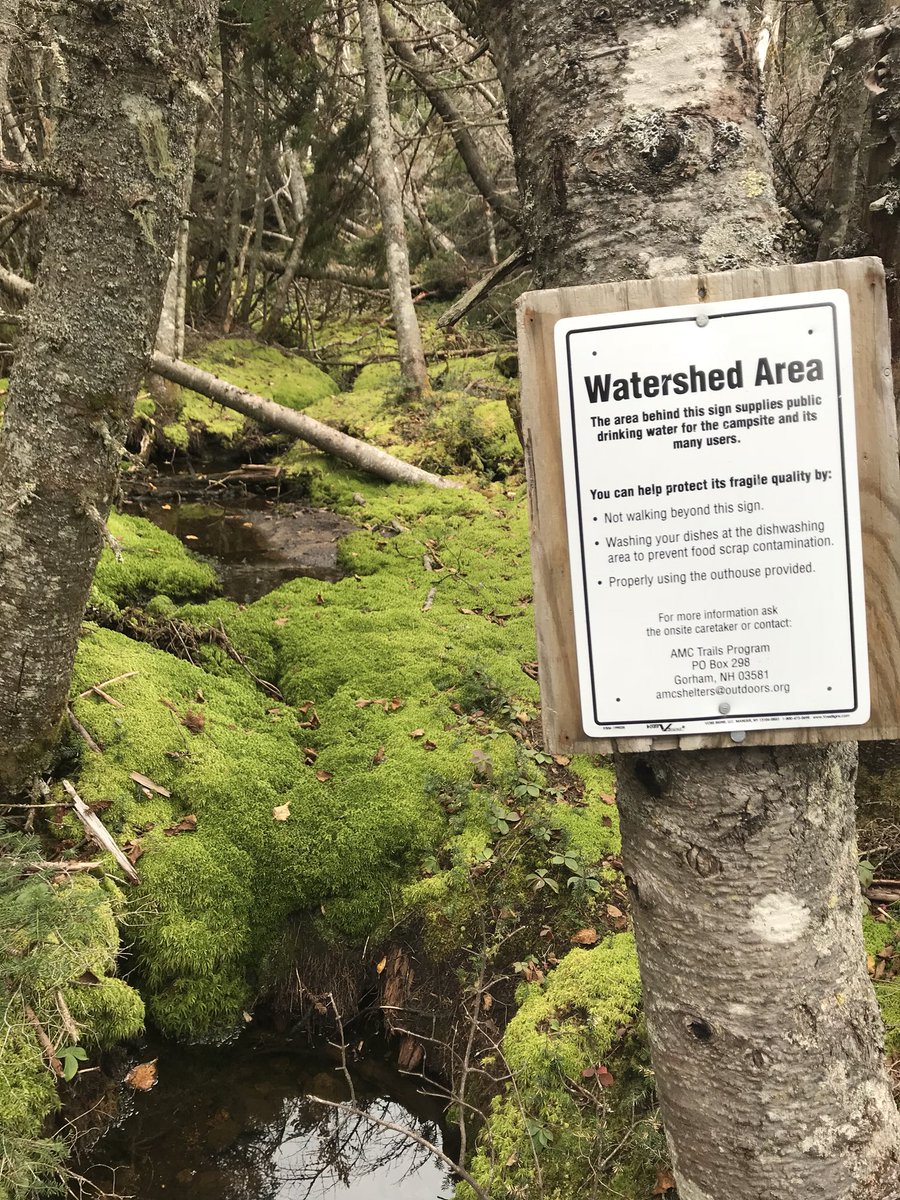
It’s great to see trail programs and other enviornmental management groups encouraging people to #think#environmentally and to consider the #consequences of their actions on water quality in highly touristed, natural areas. People need to be held accountable! #AquaEco2018
In the Whites its very important to maintain the watersheds of the streams and rivers that flow down the mountains as many hikers rely on these water sources. #AquaEco2018
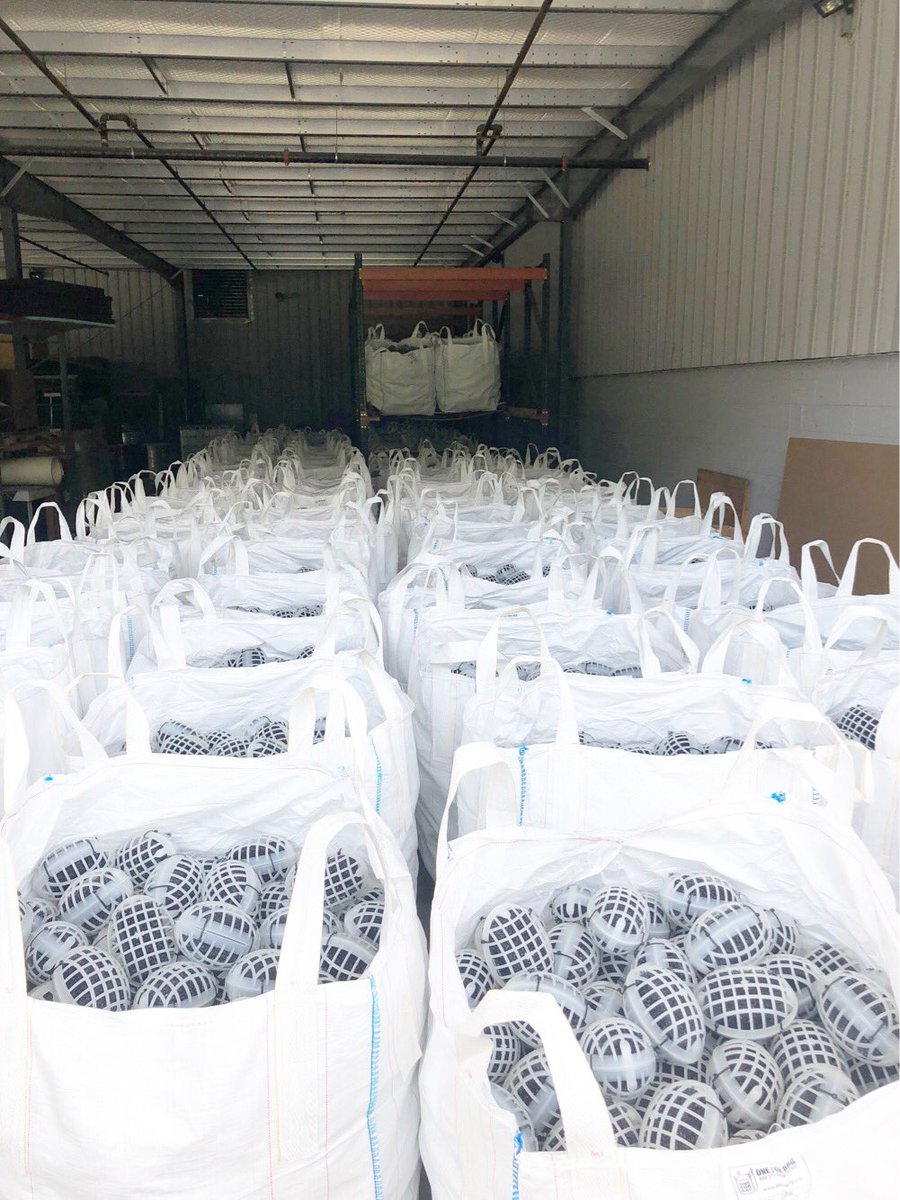
How do we combat large nutrient fluxes from polluting our freshwater ecosystems? Well, here’s one way. 66,000s SuperBiomedia ‘footballs’ that will be installed in wastewater treatment plants to #filter out nutrients in #wastewater. #AquaEco2018
That’s a good point! Aquatic herbivores are a critical component of aquatic ecosystems too, and I think people often neglect to think about their influence on biogeochemical processes in aquatic ecosystems. Humans aren't alone in polluting water systems! #AquaEco2018
Check out this #Cyanobacteria bloom in #LakeWinnebago in Wisconsin! Large blooms, like this one, can come about in a matter of just days when there’s a large input of nutrients (phosphorus and nitrogen especially), enough sun, and the water is warm and slow moving. #AquaEco2018