Behavioural Scientist @Impact_InnovEN PCO, former Fellow at PHAC | PhD in Social Psychology @Laurier, Relationship Scientist | She/Her | Views = My Own
Effective communications are critical to providing risk + health info to people, and helping them make decisions that keep themselves and others safe.
I wrote a report based on findings from our #BeSci research at @impact_innovEN & researchers around the world.
Check it out! ⬇️
Just added: report on applying #BeSci Insights to Support COVID-19 Communications and Public Education Initiatives.
Featuring our learnings on effective COVID-19 communications & a series of evidence-based recommendations for communicators.
Check it out! https://t.co/Z5XwMhLT5c
I'm beyond proud that our paper "Unconditional cash transfers reduce homelessness" is published at @PNASNews today! This is the most ambitious project I've ever done, and it truly took a village for the last 7 years 🥳❤️🧵
https://t.co/2RJlRVbXbS
I look forward to reading this paper in full, but I'm sharing this point by the lead author since the term "heterosexual couples" is ubiquitous in relationship science literature. Thanks for this reminder to continue to identify how our language can be more inclusive & accurate!
Use of terms like “heterosexual couples” was also fairly common. This term is often used to describe a couple’s gender composition, but it carries implications that couple members are heterosexual, obscuring potential variability in sexual orientation (e.g., bisexuality).
9/14
Are there different "types" of singles? In a new paper out now in JPSP (https://t.co/B6RdcYrhf6) Yoobin Park uses latent profile analysis on @becca_neel's social motives scale with data from US, EU, and Korea. She finds three reliable groups. They are...
OUT NOW: PARCA Wave 5
Wave 5 found that attention paid to #ClimateChange has slightly increased, however, there is a persistent disparity between Canadians' willingness to act & their perceptions of social norms & impactful actions.
Learn more: https://t.co/pVUyuQKgyp
The Qualtrics scale renumbering error (e.g., resetting your Likert-type scale values to 1,2,7,8,9) is one of my worst research nightmares, glad to know there's a way to guard against it!
New work @PNAS with @ProfAWBrooks, @S_Hagerty, @JordiQuoidbach & Mike Norton!
People are happier when they spend more time with others, but is it that simple? Our results find the type of relationship, and number of interactions with each type, matter. 1/7
https://t.co/xrPIGRRYBr
⚠️Results are in!🧠@impact_innovEN behavioural science #misinformation study in Canada, with @OECD and @_DITP, tested the impact of 2⃣ behavioural interventions on intentions to share true vs. #FakeNews headlines about #COVID19 on social media.
🧵[1/8]➡️ https://t.co/ymmdrdHW5m
Le rôle de scientifique à la fonction publique pique votre curiosité? Notre boursier en #ScComp@NickBDiamond parle de son expérience dans le dernier blogue de #ImpactCanada.
Ne manquez pas ça!⤵️
https://t.co/jfxHRC6iqU
My fabulous colleague, @NickBDiamond, wrote a blog about his journey from an academic scientist to a government scientist! He offers insights into the work we do, how multifaceted our role is, etc. His reflections on how he's grown as a scientist match my experiences too!
Curious about what it means to be a scientist in the public service? Our #BeSci Fellow @NickBDiamond provides his perspective in the latest #ImpactCanada blog. Check it out!⤵️
https://t.co/83zxtbrZmk
How do we make science more accessible?
To answer that question we partnered with IDEA-STEM. Here are a few things we learned through their accessibility training 👇
#ScienceUpFirst
🧵[1/10]





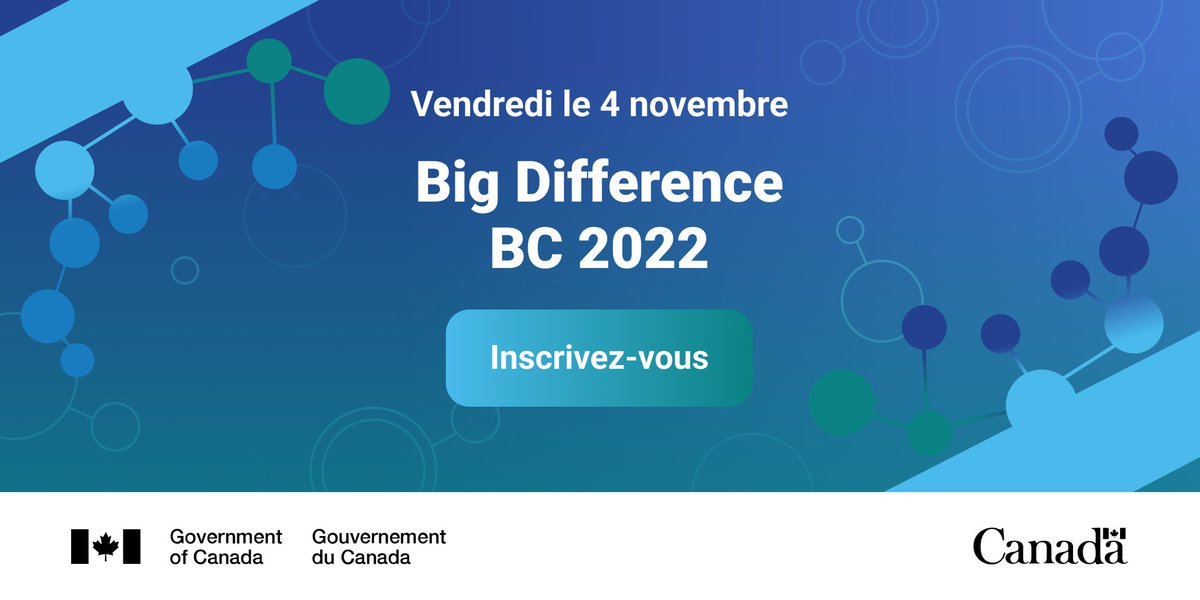

![OPSIgov's tweet photo. ⚠️Results are in!🧠@impact_innovEN behavioural science #misinformation study in Canada, with @OECD and @_DITP, tested the impact of 2⃣ behavioural interventions on intentions to share true vs. #FakeNews headlines about #COVID19 on social media.
🧵[1/8]➡️ https://t.co/ymmdrdHW5m https://t.co/xam2JsI1i7](https://pbs.twimg.com/media/Ffa6PwzX0AAwSg4.jpg)
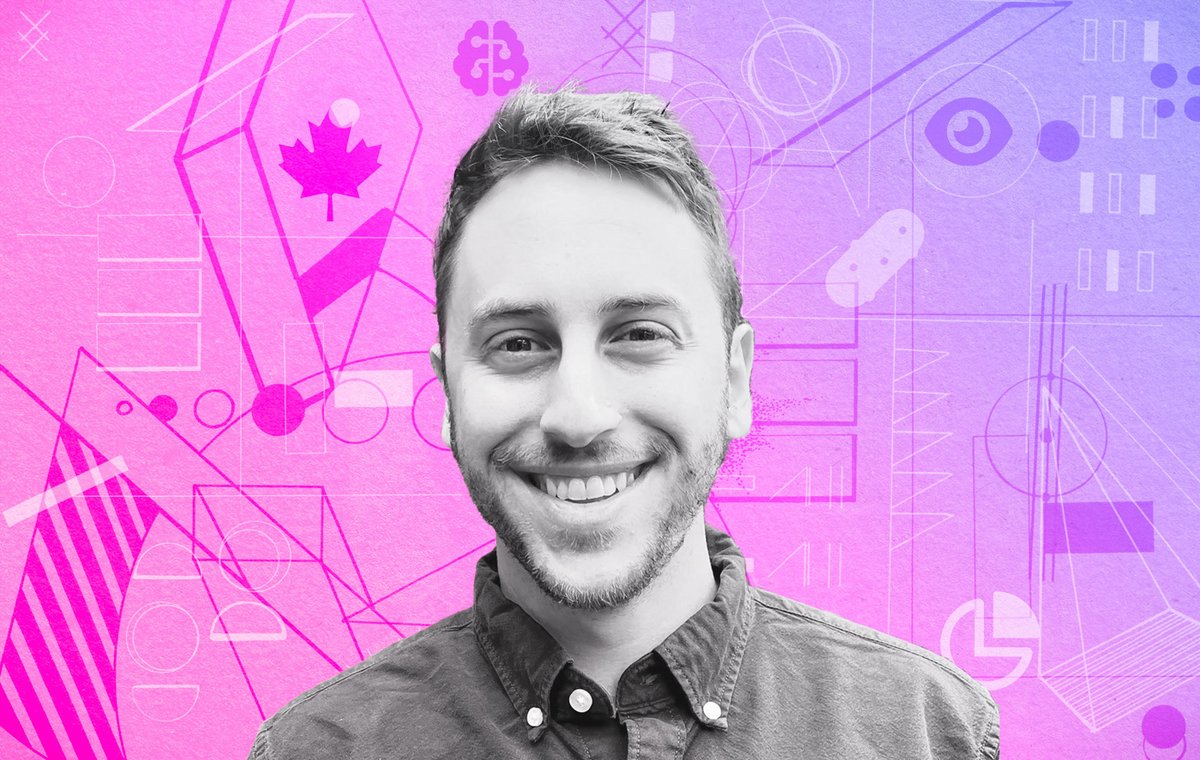
![ScienceUpFirst's tweet photo. How do we make science more accessible?
To answer that question we partnered with IDEA-STEM. Here are a few things we learned through their accessibility training 👇
#ScienceUpFirst
🧵[1/10] https://t.co/jMGfVDKi6O](https://pbs.twimg.com/media/FYNpeHNVUAAKP7c.jpg)


